These 9 Simple Changes Help Oregon Plants Grow Stronger
Oregon gardens can look healthy on the surface while the plants are quietly asking for better support. A few small changes often make a bigger difference than another new plant or expensive product.
Better watering habits can help roots grow deeper. Smarter mulch placement can keep soil steadier through dry spells.
Even a little extra space around crowded plants can improve growth fast. The goal is not to redo the whole yard.
It is to notice what your plants are already telling you and adjust before stress builds. Oregon’s weather gives gardeners plenty to work with, but it also rewards good timing and simple care.
Once the basics are handled well, plants usually respond with stronger stems, fuller leaves, and a garden that feels easier to maintain.
1. Deep Watering Builds Stronger Roots
Most people water their plants a little every day, but that habit actually keeps roots shallow and weak. When water only reaches the top inch of soil, roots have no reason to grow deeper.
Shallow roots make plants easy to tip over and harder to keep alive during dry spells.
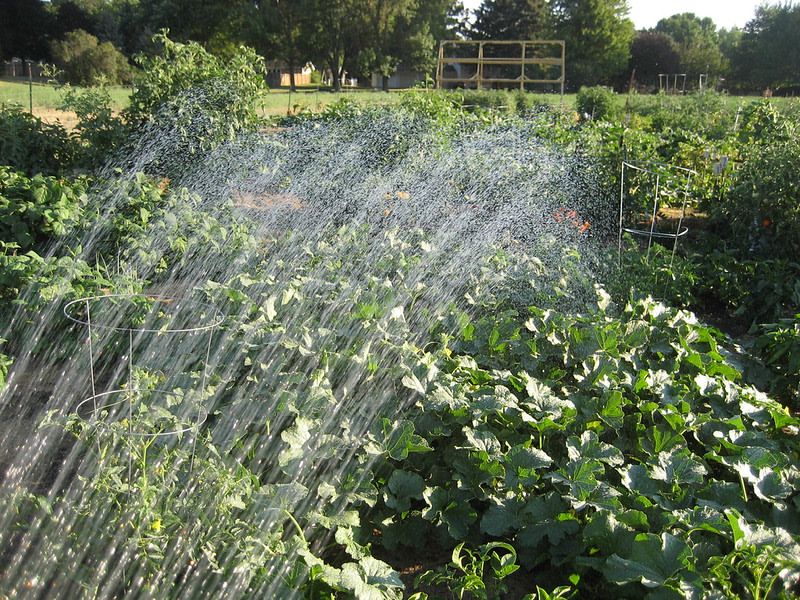
Deep watering means soaking the soil slowly so water reaches six to twelve inches below the surface.
Roots follow the water down, which anchors the plant and helps it find moisture even when the top of the soil dries out.
This is especially useful during Oregon’s warm, dry summers when rain disappears for weeks.
The best way to deep water is to use a slow drip or hold your hose at the base of the plant for a few minutes. You can also use a soaker hose laid around the roots.
Water two or three times a week instead of a little bit every day.
A simple finger test helps you know when to water. Push your finger two inches into the soil.
If it feels dry, it is time to water deeply again. Clay-heavy soils in the Willamette Valley hold moisture longer, so check before watering to avoid overwatering.
Deep watering takes a little more time upfront, but the payoff is a garden full of tough, well-rooted plants that handle both rain and drought without missing a beat.
2. Mulch Keeps Summer Soil Cooler
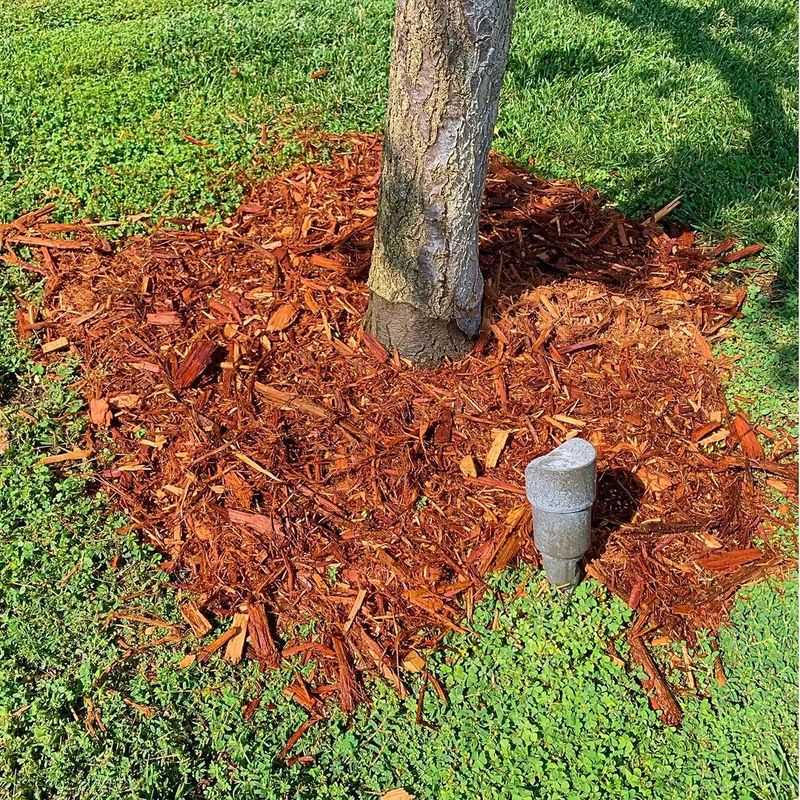
Summer in Oregon can surprise you. Temperatures climb fast, and bare soil bakes under the sun, stressing plant roots that prefer cool, moist conditions.
Adding a layer of mulch is one of the easiest fixes any gardener can make.
Mulch works like a blanket over the soil. It blocks direct sunlight from hitting the ground, which keeps soil temperatures steady and comfortable for roots.
It also slows down water evaporation, which means you water less often and your plants stay hydrated longer between watering sessions.
Wood chips, bark dust, straw, and shredded leaves all work well as mulch. Spread a two to four inch layer around your plants, but keep it a few inches away from the main stem or trunk.
Mulch piled against the stem can trap moisture and lead to rot, which you definitely want to avoid.
Your Oregon Garden Changes Every Week. Your Plan Should Too.
Gardening in Oregon changes quickly throughout the season. Every Friday you’ll receive a simple weekly plan showing exactly what to plant, prune, fertilize, harvest, and protect so you never miss the right timing.
Beyond cooling the soil, mulch slowly breaks down and adds organic matter back into the ground. Over time, it improves soil texture and feeds the tiny organisms that help roots absorb nutrients.
In the rainy season, mulch also cushions the impact of heavy rain, which protects the soil from compacting.
Bark dust is widely available at garden centers and is affordable enough to use throughout your whole yard. Refreshing your mulch layer once or twice a year keeps the benefits going strong all through the growing season.
3. Water-Zoning Prevents Plant Stress
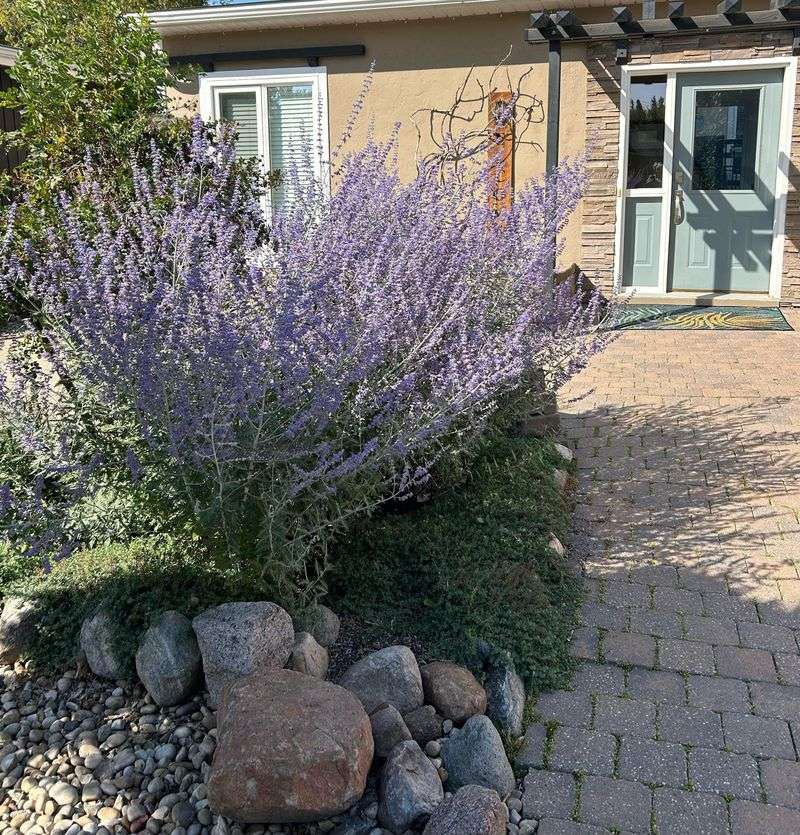
Grouping plants by how much water they need sounds simple, but it changes everything about how your garden performs. When thirsty plants grow next to drought-tolerant ones, somebody always ends up unhappy.
One gets too much water, and the other does not get enough.
Water-zoning means organizing your garden so that plants with similar water needs grow together. Ferns, astilbes, and hostas love consistent moisture and do well grouped in shaded, wetter spots.
On the other hand, lavender, ornamental grasses, and many native plants prefer drier conditions and should be planted together in sunnier areas.
Oregon has a natural advantage here. The western side gets heavy rainfall and suits moisture-loving plants beautifully.
Drier eastern regions are better suited for drought-tolerant species. Matching your plants to the natural conditions of your location reduces the need for extra watering or special care.
Once your zones are set up, managing your garden gets easier. You can set drip irrigation timers for each zone separately, which saves water and keeps plants from getting stressed.
Stressed plants are more likely to attract pests and show signs of disease, so preventing stress upfront protects the whole garden.
Walk your garden after a rainstorm and notice which spots dry out fast and which stay wet. Use that information to move plants or plan new beds.
Working with your garden’s natural patterns instead of against them is the smartest move any home gardener can make.
4. Right Plant, Right Light Matters
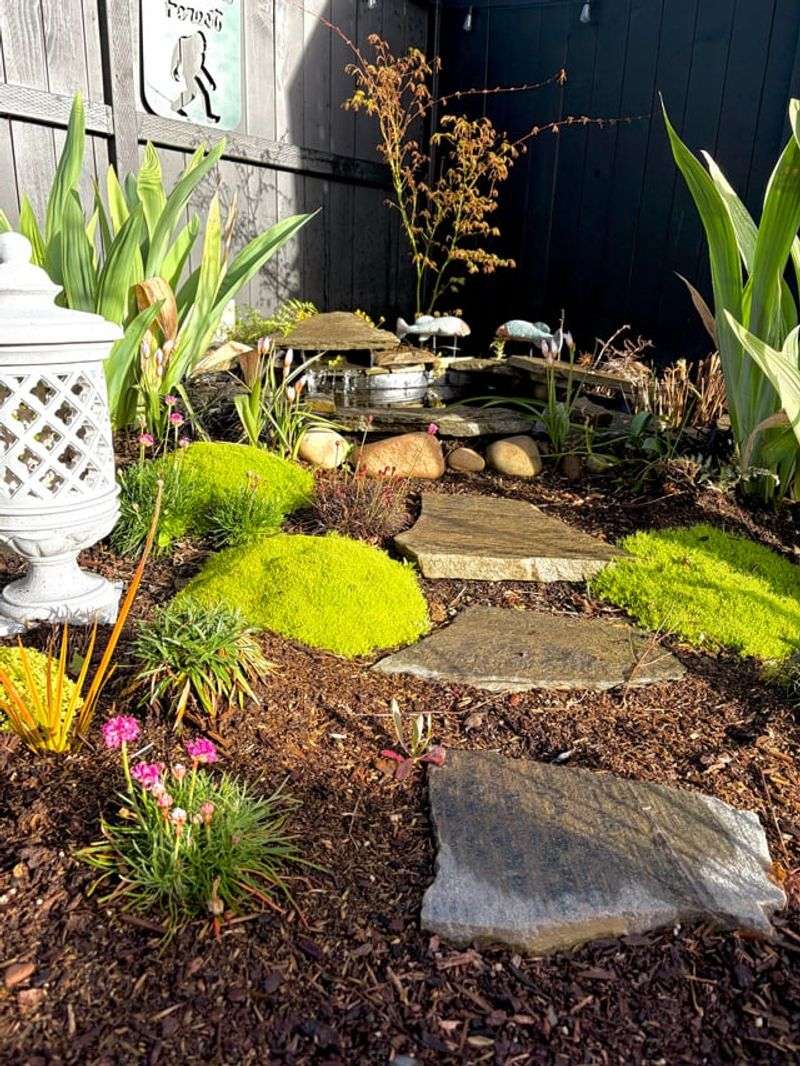
Light is one of the most overlooked parts of gardening. A plant that needs full sun will struggle in the shade, and a shade lover will scorch and fade if left in direct afternoon sunlight.
Getting this match right is one of the fastest ways to improve your garden.
Oregon’s landscape offers a wide range of light conditions. Tall Douglas firs and red alders cast deep shade in many backyards.
Other spots get full sun from morning to evening. Before you plant anything new, spend a day watching how sunlight moves across your yard.
Notice which areas get six or more hours of direct sun and which stay mostly shaded.
Full-sun plants like coneflowers, black-eyed Susans, and yarrow thrive in bright open spots. Shade-tolerant plants like bleeding heart, trillium, and sword ferns do beautifully under tree canopies.
Matching each plant to the right light level means less struggling and more growing.
Many gardeners lose plants simply by placing them in the wrong spot. A plant that gets the right amount of light will grow faster, bloom more, and resist pests better than one that is always fighting its environment.
It is not about working harder in the garden. It is about working smarter.
If a plant looks leggy, pale, or stops blooming, light might be the problem. Try moving it before assuming something else is wrong.
A simple location change can turn a struggling plant into a thriving one without spending a single dollar.
5. Better Drainage Prevents Winter Rot
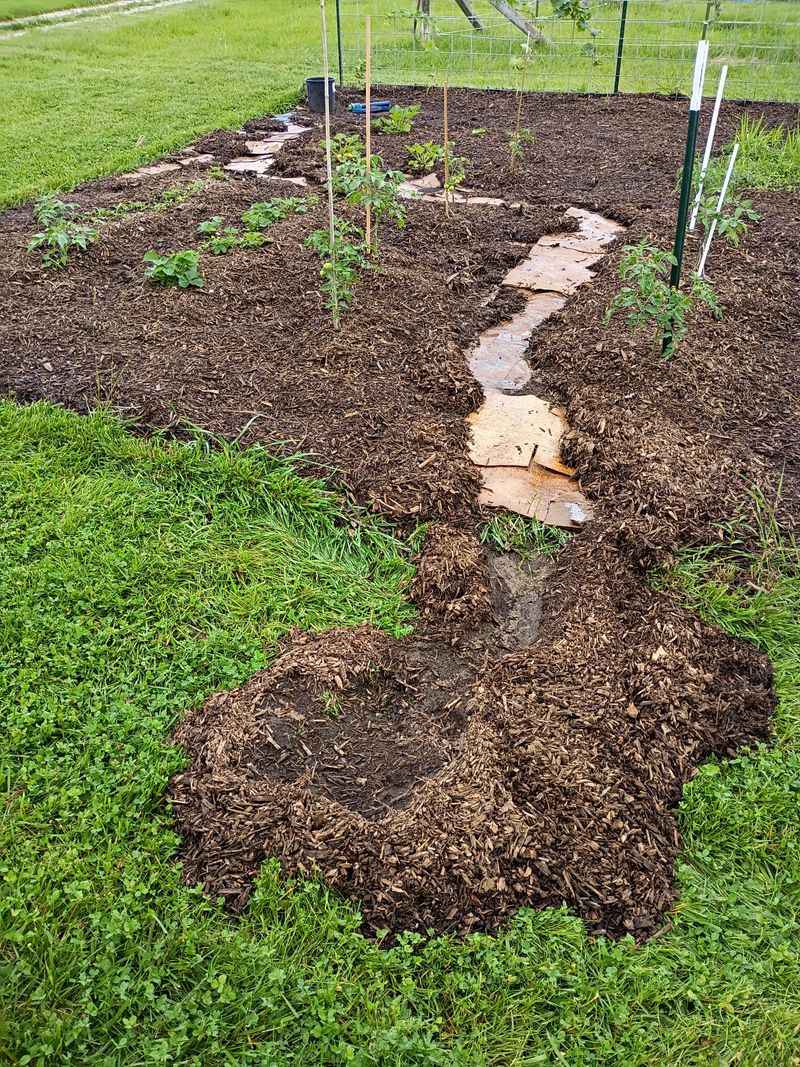
Winter in Oregon brings a lot of rain, and soggy soil is one of the biggest threats to garden plants. When roots sit in standing water for too long, they cannot breathe.
Oxygen gets pushed out of the soil, and roots begin to break down from the inside out.
Good drainage starts with understanding your soil. Clay-heavy soils, common across much of the Willamette Valley, hold water like a sponge.
Improving them with compost, aged bark, or coarse sand helps water move through more freely. Raised beds are another great solution because they lift plant roots above ground-level water pooling.
Check your drainage by digging a hole about twelve inches deep and filling it with water. If the water drains within an hour, your drainage is good.
If it sits for several hours, you have a drainage problem that needs fixing before the rainy season hits.
Planting on a gentle slope also helps. Water naturally flows downhill, away from plant roots, which keeps the root zone from staying saturated.
For flat areas, adding a layer of gravel beneath the planting bed before filling it with amended soil creates a natural drainage channel.
Choosing plants that tolerate wet winters is another smart move. Natives like red-twig dogwood and willows actually love moist conditions.
Pairing the right plants with improved drainage gives your garden the best chance of coming through a wet Oregon winter looking healthy and ready for spring.
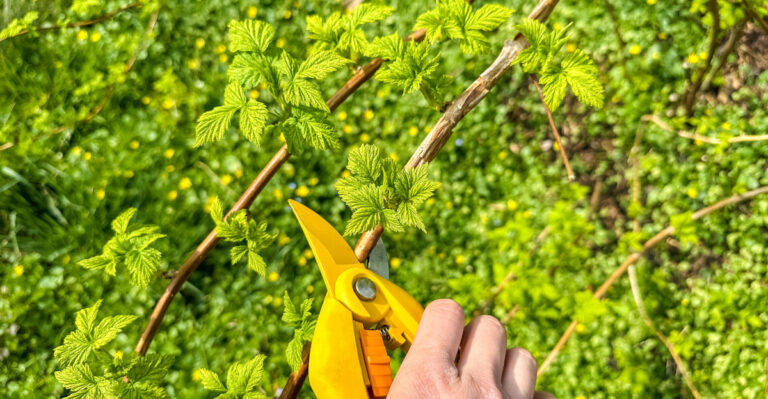
6. Smart Pruning Protects Next Season’s Flowers
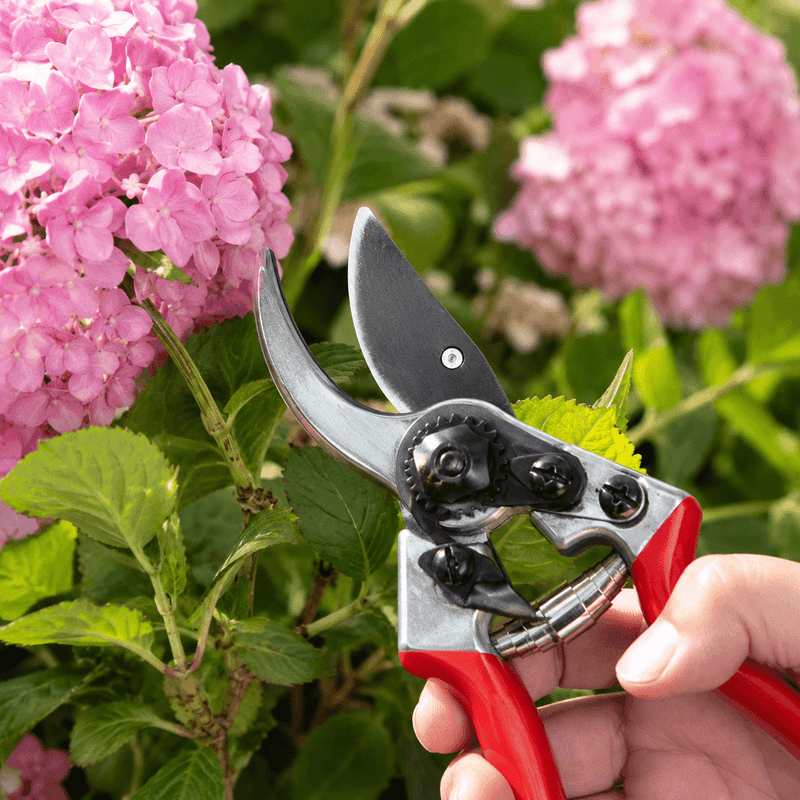
Pruning at the wrong time can wipe out an entire season of blooms without you realizing what went wrong.
Many gardeners cut back their plants at the end of fall out of habit, not knowing they are removing the buds that would have bloomed the following spring.
The timing of pruning depends entirely on when your plant blooms. Spring-blooming shrubs like forsythia, rhododendrons, and lilacs set their flower buds during the summer before.
Cutting them back in fall or winter removes those buds before they ever get a chance to open. The right time to prune these plants is right after they finish blooming in spring.
Summer-blooming plants are different. They bloom on new growth produced in the current season, so pruning them in late winter or early spring actually encourages more flowers.
Roses, butterfly bush, and many ornamental grasses fall into this group.
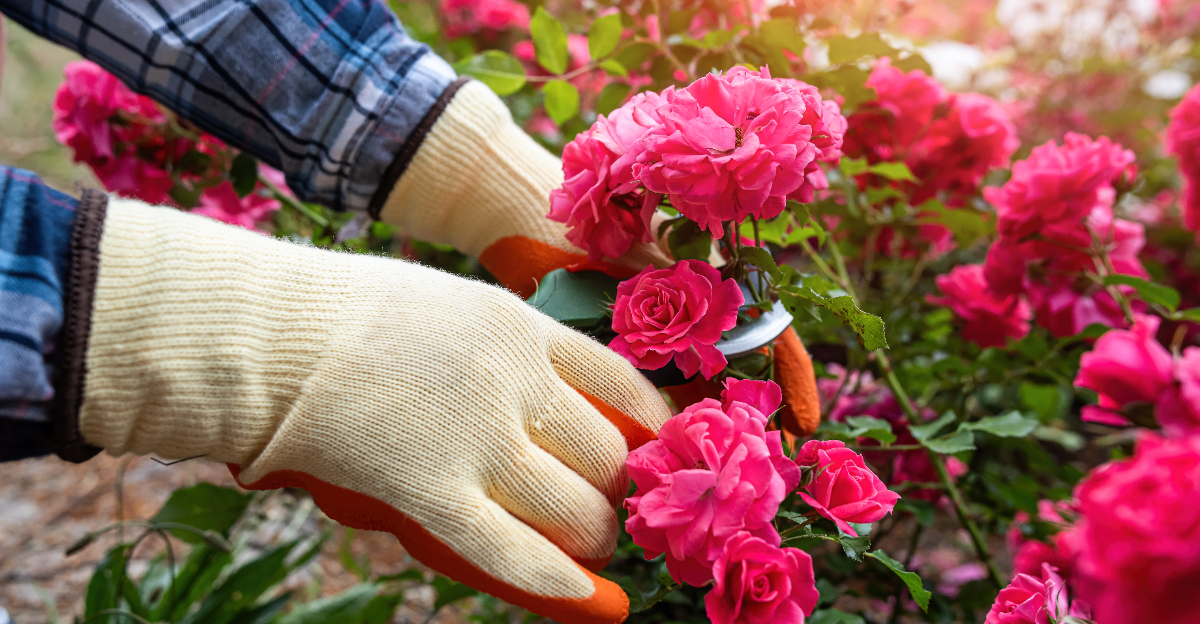
Sharp, clean pruning tools matter too. Dull blades crush stems instead of cutting cleanly, which creates entry points for disease.
Wipe your blades with rubbing alcohol between plants to avoid spreading any problems from one plant to another.
Pruning also shapes plants and removes damaged or crossing branches that rub together and create wounds.
A well-pruned plant puts its energy into strong, healthy growth rather than maintaining weak or unnecessary branches.
Taking the time to prune correctly each year is one of the highest-value habits any Oregon gardener can build.
7. Light Feeding Beats Soft, Weak Growth
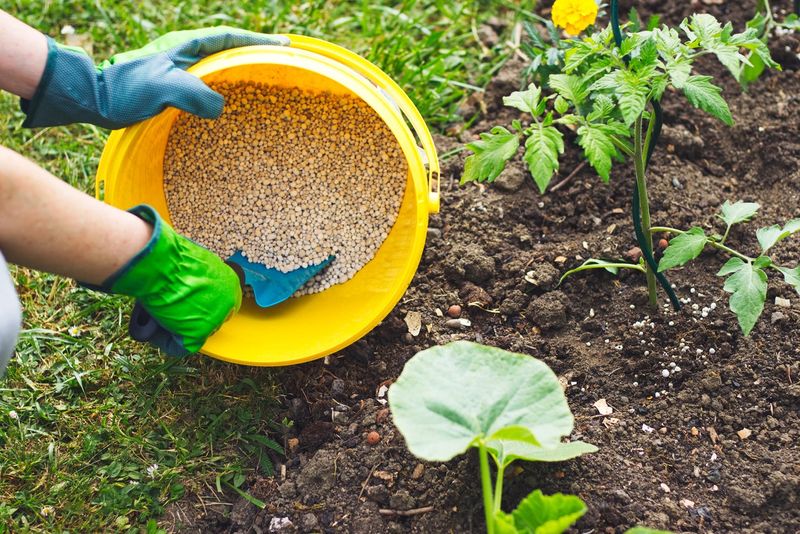
More fertilizer does not always mean better plants. Overfeeding is one of the most common mistakes home gardeners make, and the results are not pretty.
Plants that get too much nitrogen grow fast and lush, but the growth is soft, watery, and easy for pests to attack.
Soft growth is also more likely to suffer in cold snaps. In Oregon, temperatures can drop unexpectedly in early fall or late spring.
Plants that have been overfed are less hardened off and more likely to show damage when a cold night arrives without warning.
Light, consistent feeding produces stronger, firmer growth. Slow-release granular fertilizers work well because they deliver nutrients gradually over weeks instead of all at once.
This steady supply keeps plants growing at a healthy pace without pushing them into overdrive.
Native plants and established shrubs often need very little fertilizer at all. Their roots have adapted to local soil conditions and can find what they need without much help.
Feeding these plants too often can actually backfire and make them less resilient over time.
A soil test is the smartest starting point before you add anything. Extension offices across Oregon offer affordable testing services that tell you exactly what nutrients your soil is missing.
Adding only what is needed saves money and keeps your plants from getting too much of a good thing. Feed lightly, feed consistently, and your garden will reward you with tough, healthy growth all season long.
8. Leaf Litter Protects Roots And Pollinators
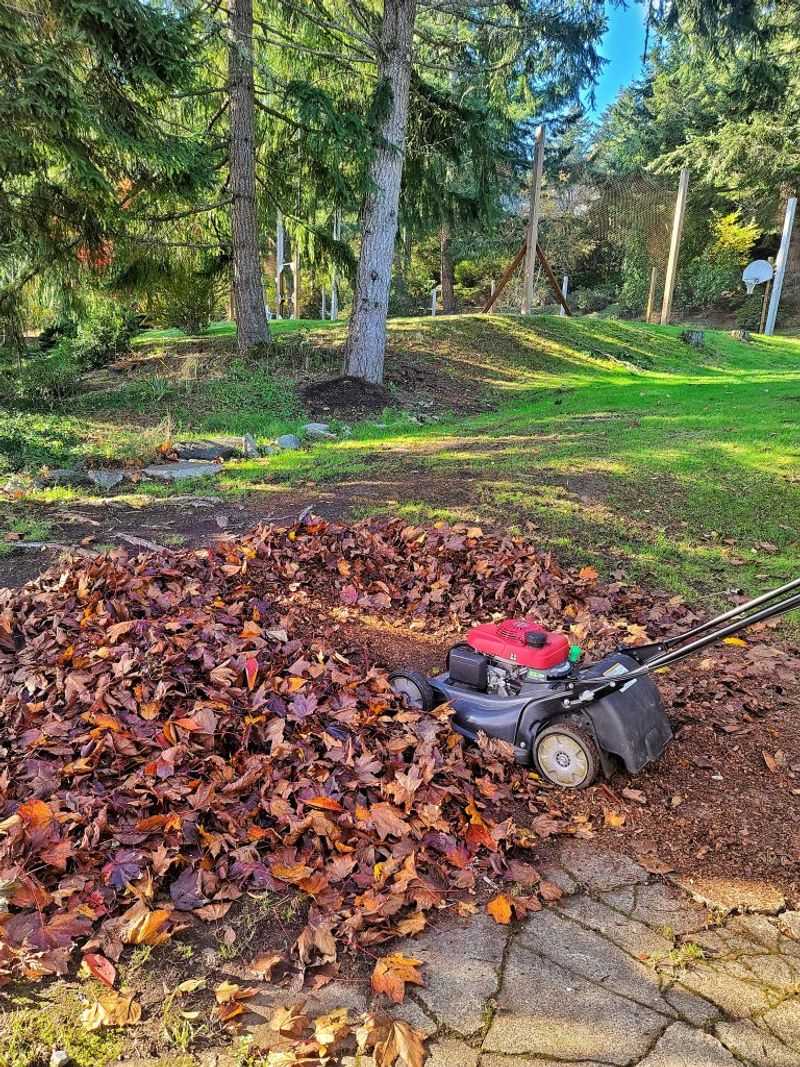
Every fall, the urge to rake every last leaf out of the garden is strong. Tidy looks appealing, but leaving some leaf litter in your beds is actually one of the best things you can do for your garden.
Leaves do a lot of quiet, important work that most gardeners never think about.
A layer of fallen leaves insulates the soil and keeps root zones from freezing during cold winter nights.
In the northern and higher-elevation parts of Oregon, that insulation can mean the difference between a plant surviving winter or not.
Even a thin layer of leaves helps buffer temperature swings that stress roots.
Leaf litter is also a home for pollinators. Many native bees, like mason bees and bumble bees, lay their eggs in leaf piles and hollow stems.
If you remove everything in fall, you remove the overwintering habitat these insects depend on. Fewer pollinators in spring means fewer fruits and flowers in summer.
As leaves break down through winter and spring, they release nutrients back into the soil. This slow decomposition feeds the microbes and earthworms that keep soil healthy and loose.
You get free fertilizer and improved soil structure without buying a single product.
You do not have to leave every leaf in place. Rake leaves off the lawn and pile them loosely in garden beds instead.
Shredding them first helps them break down faster. A little messiness in the garden goes a long way toward building a healthier, more balanced ecosystem right in your backyard.
9. Early Weeding Saves The Whole Season
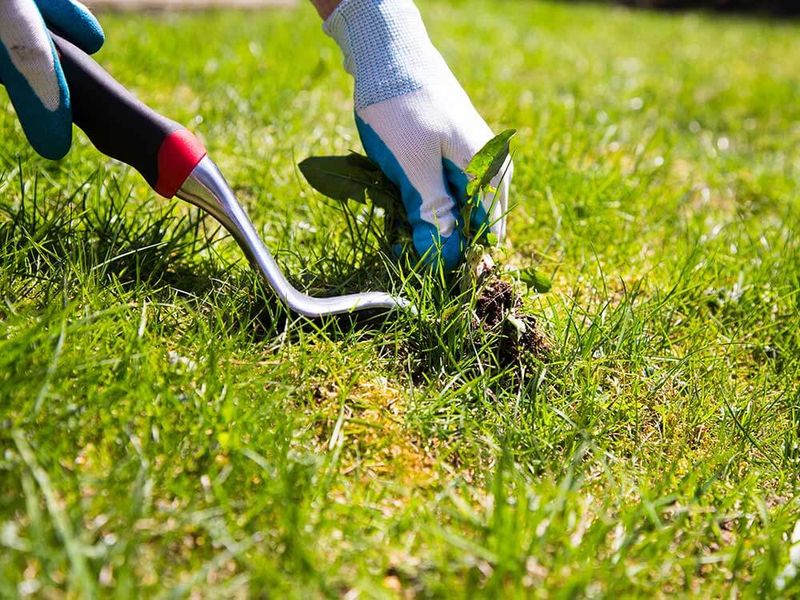
Weeds are fast. One dandelion that goes to seed can spread hundreds of new plants across your garden in a single season.
Getting ahead of weeds early in spring, before they flower and seed, is the single most effective way to keep them under control all year long.
Early spring in Oregon is the perfect time to weed because the soil is soft and moist from winter rains. Roots pull out cleanly without breaking off underground.
When weed roots are left in the soil, many of them simply regrow and come back stronger than before.
Hand-pulling is the most reliable method for small garden beds. A hand fork or hori-hori knife makes the job easier by loosening roots before you pull.
For larger areas, a stirrup hoe slices through weed stems just below the soil surface, which is fast and effective when done regularly.
Weeds compete directly with your plants for water, nutrients, and sunlight. A bed full of weeds is a bed where your plants are constantly losing resources they need to grow strong.
Removing that competition early gives your plants a head start that lasts the whole season.
After weeding, add a fresh layer of mulch to the cleared area. Mulch blocks weed seeds from germinating by cutting off their access to sunlight.
Combining early weeding with mulching creates a two-step defense that dramatically reduces how much weeding you need to do as the season progresses. Starting early really does save the whole season.