These 8 Southern Oregon Shrubs Keep Looking Good In Summer Heat
Southern Oregon summers tend to expose almost every weak choice in the garden fast. The rain disappears for months, and that shrub you felt confident about in April starts telling a different story by July.
Many gardeners respond by watering more, worrying more, and eventually replacing plants that were never right for this climate to begin with.
But when you walk through your neighbor’s Southern Oregon yards in August the shrubs look sharp. The color is still there. The whole garden looks like the heat never happened.
Those neighbors are not working harder. They just made better choices early on, and most of those choices trace back to a specific group of plants that genuinely belong here.
Some are natives. Some might surprise you. All of them share one quality that matters more than anything else in a Southern Oregon summer. They were built for exactly this.
1. Manzanita
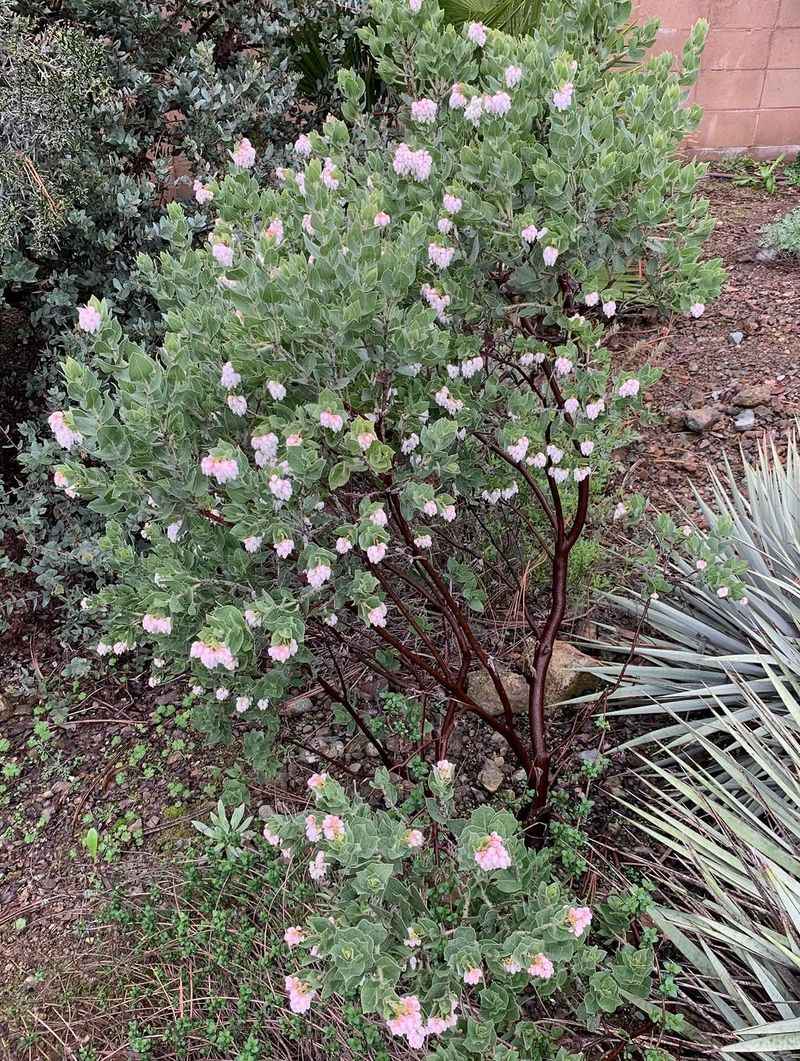
Manzanita brings instant character to a Southern Oregon garden. Those twisting cinnamon-red branches look sculptural, even when the plant is not blooming.
The small evergreen leaves add year-round structure, which is useful when summer flowers slow down. This shrub has a dry-garden confidence that feels hard to fake.
Once established, manzanita often handles Southern Oregon heat with very little extra water. It is well suited to rocky slopes, sandy soil, and sunny areas where fussier shrubs may struggle.
Drainage matters a lot here. Manzanita usually prefers lean soil that lets water move through quickly. Rich, wet, heavy ground is not its favorite setup. If you have a dry hillside, gravelly bed, or open sunny bank, this plant may fit beautifully.
There are many forms to choose from. Some stay low and spreading. Others grow upright and can reach six feet or more. That variety makes manzanita useful as a groundcover, accent shrub, or natural-looking screen.
In late winter or early spring, small bell-shaped flowers appear in pale pink or white. Pollinators may visit early, and birds can benefit from the berries that follow.
Pruning should stay light. Remove awkward growth if needed, but let the natural branch shape show. That bark is part of the whole performance.
This shrub adds structure without looking stiff. It brings heat tolerance, wildlife value, and serious garden personality.
The result is a plant with plenty of manzanita magic, minus the watering drama.
2. Ceanothus
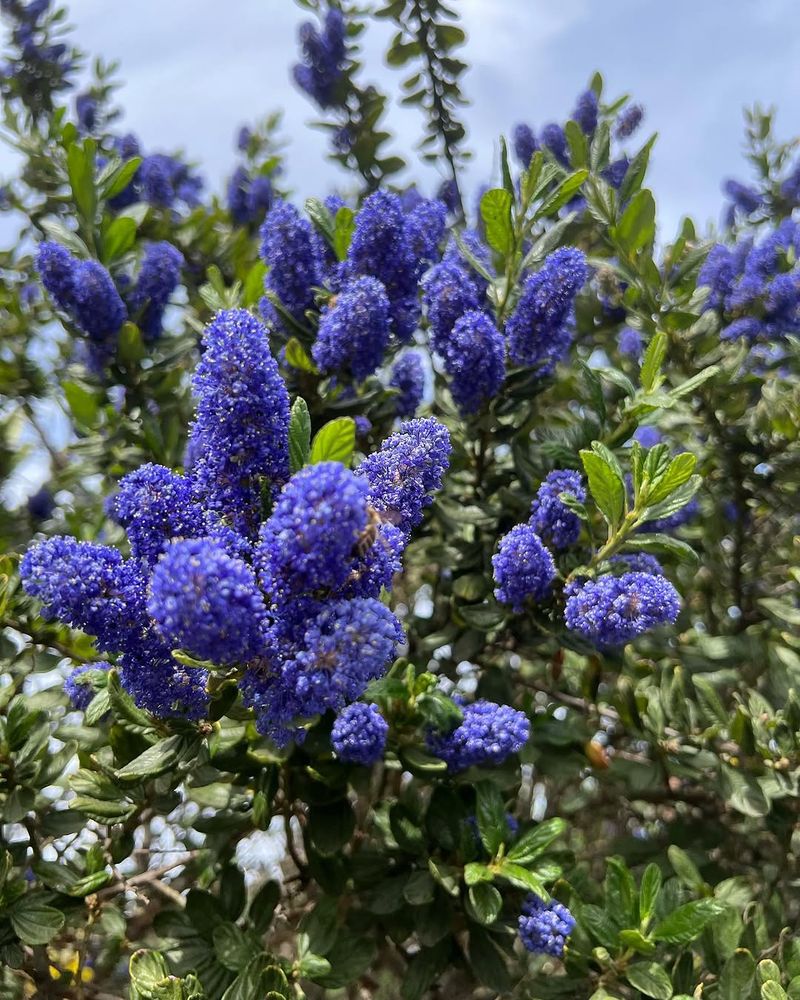
Ceanothus knows how to make a spring entrance. When the blue-purple flowers open, the whole shrub can look like a cloud landed in the garden. The color feels almost unreal against dry soil, stone, and evergreen foliage.
Ceanothus can be a strong choice for Southern Oregon gardens with hot summers and well-drained soil.
Once the roots settle, many varieties need limited extra water during the dry season. That makes it useful for slopes, hedges, borders, and sunny focal points.
Full sun usually gives the best bloom and densest shape. Good drainage is important too. Ceanothus may not respond well to heavy clay or spots that stay wet after rain.
If your yard has a dry, open bed that needs color and volume, this shrub can earn its place quickly.
Your Oregon Garden Changes Every Week. Your Plan Should Too.
Gardening in Oregon changes quickly throughout the season. Every Friday you’ll receive a simple weekly plan showing exactly what to plant, prune, fertilize, harvest, and protect so you never miss the right timing.
Variety selection matters. Some types stay compact, around three or four feet. Others can grow much larger and work better as screens or background shrubs.
Ceanothus also supports pollinators. Bees often find the flowers fast, and the fragrance can make a warm afternoon feel extra alive.
Prune lightly after bloom if you need to shape it. Avoid heavy trimming into older wood, since many varieties prefer a gentler touch.
This gives the garden a blue-note moment in spring and a useful evergreen presence later. For dry Southern Oregon beds, ceanothus can bring color that really delivers.
3. Potentilla
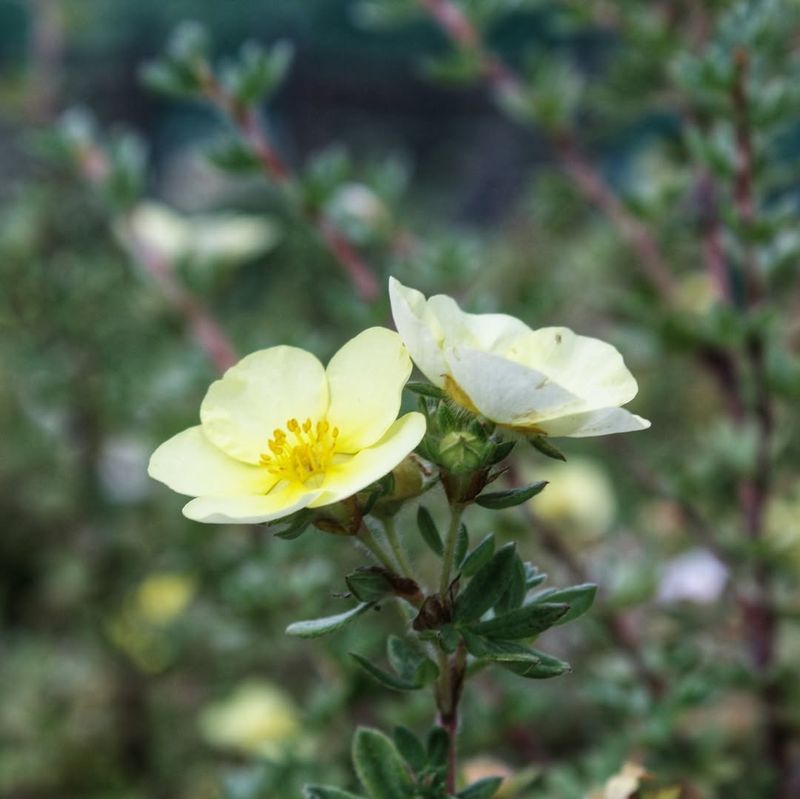
This plant is small, cheerful, bu tougher than it looks. Potentilla does not need dramatic foliage to get noticed. It wins people over with steady flowers and a tidy shape.
Potentilla often blooms from late spring into fall, depending on weather and variety. The flowers may be yellow, white, pink, or orange. Yellow varieties are especially common and can brighten dry borders without feeling flashy.
Most plants stay around two to four feet tall and wide. That makes them easy to fit along paths, low hedges, foundation beds, or mixed borders. They bring color without taking over the whole planting.
Once established, potentilla usually handles dry spells better than many flowering shrubs. It appreciates full sun and well-drained soil, but it is not overly demanding.
Regular water during the first season helps the roots settle. After that, occasional deep watering may be enough in many gardens.
Pruning is simple. A light trim in early spring can refresh the shape and encourage fuller growth. You do not need to sculpt it into anything formal. The natural mound is part of the charm.
Potentilla can also work well with ornamental grasses, lavender, manzanita, or low perennials. Its soft form helps bridge bolder textures in a dry garden.
It is a potent little plant with real border power. That is where this shrub proves that small can still be seriously useful.
4. Flowering Currant
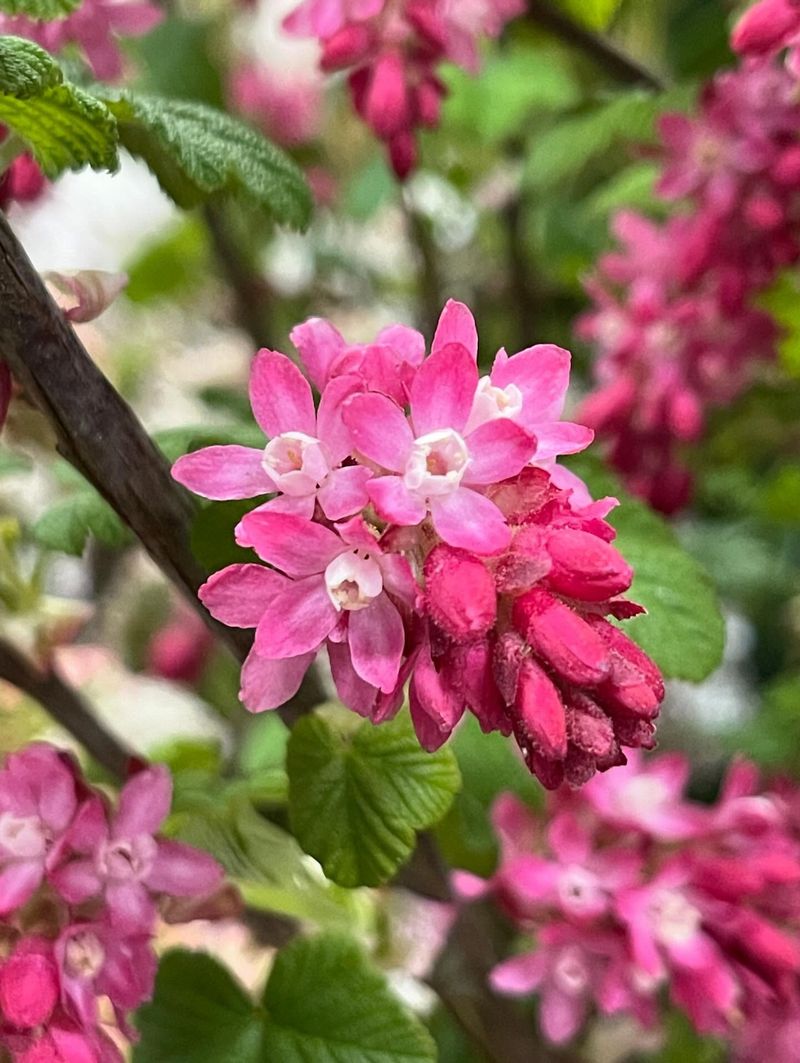
Flowering currant has a springtime flair that feels almost theatrical. Before many shrubs fully wake up, it sends out clusters of pink, red, or rosy blooms.
Hummingbirds may arrive quickly, as if they knew the schedule in advance. That early color makes the plant feel special after a quiet winter.
But flowering currant is not just a spring showpiece. Once established, it can handle Southern Oregon’s dry summer pattern with less fuss than many ornamental shrubs.
It usually grows around five to eight feet tall, with an arching, graceful shape. That makes it useful as a loose screen, wildlife hedge, backdrop, or informal border plant.
The foliage has a pleasant spicy scent when brushed. Later in the season, small dark berries may appear and attract birds. This gives the shrub more than one moment of interest.
Flowering currant can grow in sun to part shade. A little afternoon shade may help in hotter microclimates, especially while young.
It adapts to different soils, but drainage still helps. Avoid placing it in a soggy low spot where water lingers too long.
Water regularly during the first season. After establishment, it often becomes much less demanding.
Prune after flowering if you want to shape it. Remove a few older stems near the base when the shrub starts looking crowded. That keeps the form fresh without making it stiff.
Flowering currant brings currant events worth watching, especially when spring needs a little drama.
5. Kinnikinnick
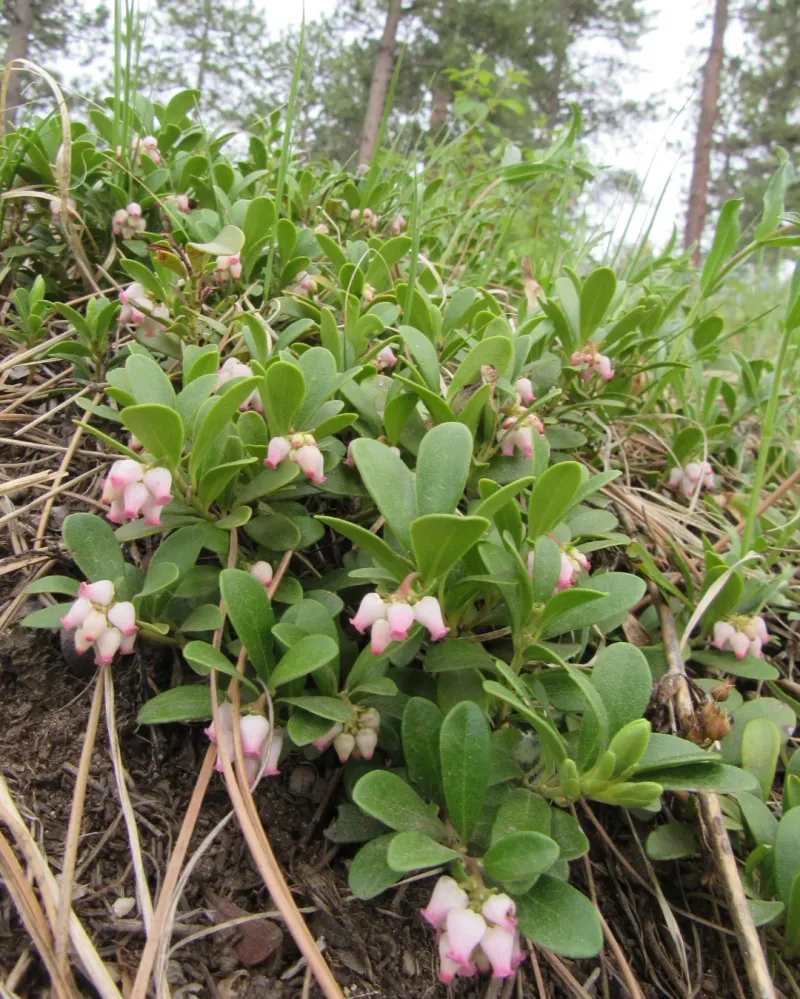
It may stay low, but it works hard. This native ground-hugging shrub creeps along the soil and forms a polished green mat over time.
For dry slopes, rocky edges, and awkward strips of ground, that can be incredibly useful. It does not need height to make a difference.
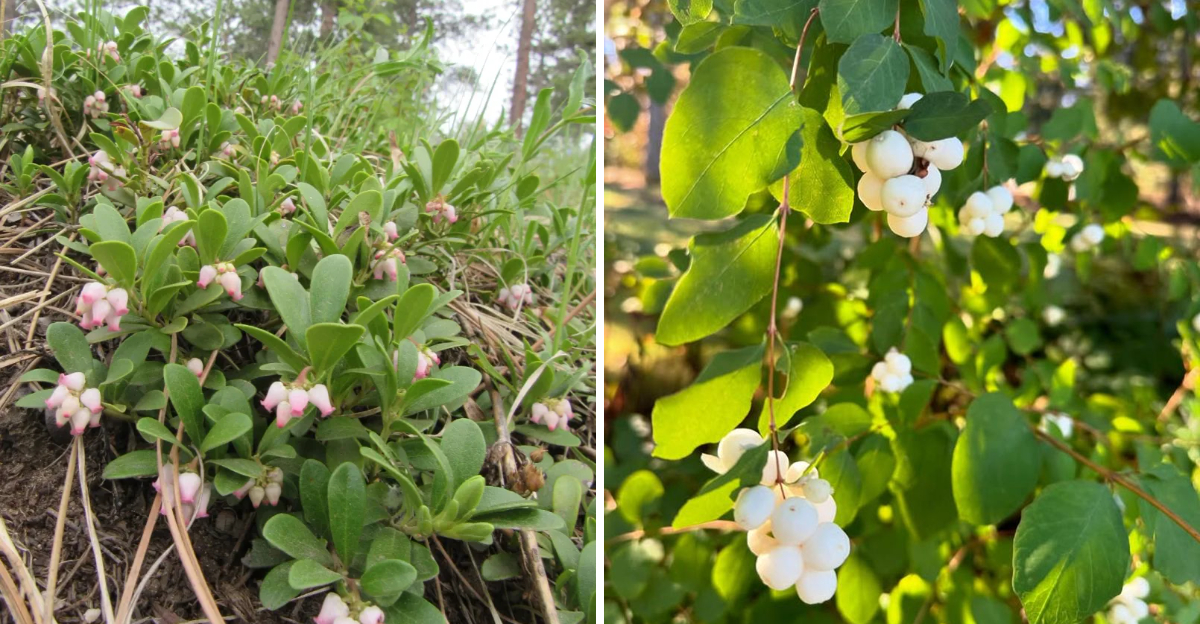
The small evergreen leaves stay attractive through much of the year. In spring, tiny pink-white flowers add a soft detail. Later, red berries can bring color and wildlife value.
Kinnikinnick usually grows only a few inches tall, but it can spread several feet wide. That makes spacing important. Plants set two to three feet apart can gradually fill in without crowding too fast.
This shrub prefers well-drained soil. Sandy, rocky, or slightly acidic soil often suits it well. Heavy clay or wet pockets are less ideal.
Full sun to light shade can work, depending on the site. In hotter spots, a little afternoon protection may help young plants settle.
Water during the first season while roots establish. After that, kinnikinnick often needs very little extra irrigation.
Use it on banks, path edges, dry woodland margins, or beneath open shrubs. It can help reduce erosion and cut down on bare soil. The result is a living carpet with evergreen texture and seasonal berries.
Kinnikinnick gives problem areas a cleaner finish without demanding a spotlight. That is a berry good move for a dry Southern Oregon slope.
6. Globe Blue Spruce
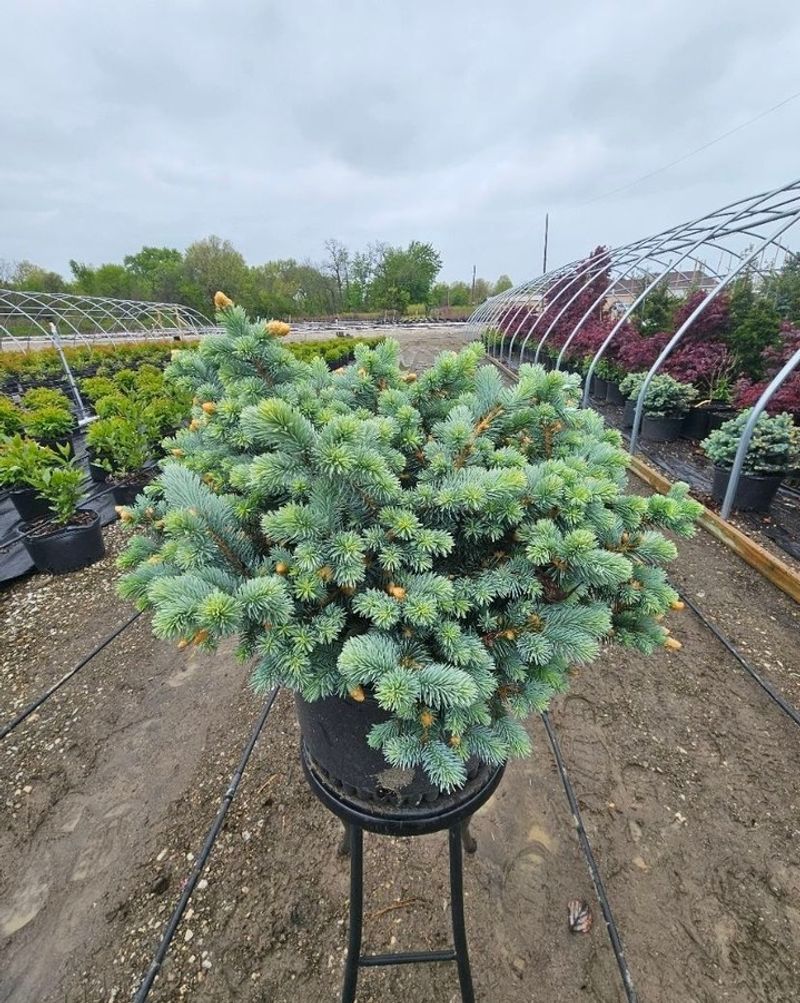
Not every heat-ready shrub needs flowers. Globe blue spruce proves that color and shape can do plenty on their own.
Its compact rounded form and icy blue needles bring structure to the garden all year. In summer heat, that cool color can make a bed look fresher than it feels.
This dwarf conifer grows slowly, which can be a benefit in smaller landscapes. Many plants reach only a few feet tall and wide after years of growth.
Full sun usually brings the best color and tightest shape. Well-drained soil is important, especially in winter. Avoid low spots where water collects around the roots.
Once established, globe blue spruce can handle dry summer weather with occasional deep watering. It does not usually need frequent irrigation once the root system is settled.
The dense needles also add texture. They contrast beautifully with softer plants like ornamental grasses, sedums, lavender, or low flowering shrubs.
In deer-prone areas, the prickly foliage may be less inviting than softer plants. That can be a quiet advantage in Southern Oregon gardens.
Pruning needs are minimal. Remove only awkward or damaged growth if needed. The natural globe shape usually does the design work for you. This gives the garden year-round structure without a complicated care routine.
Globe blue spruce brings blue-tiful form, steady texture, and a calm presence through hot months. For gardeners who want sharp style without summer fuss, this compact conifer earns its spot.
7. Oregon Grape
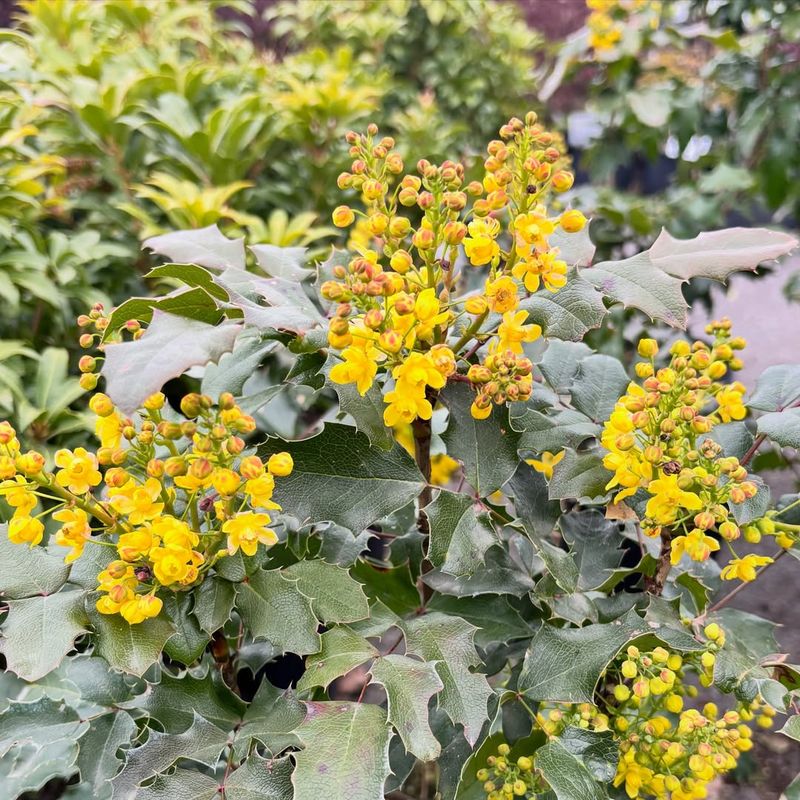
Oregon grape has the confidence of a plant that belongs. It handles sun, shade, dry spells, and lean soil better than many shrubs. That makes it especially useful in Southern Oregon yards with mixed conditions.
The glossy, holly-like leaves give structure all year. They bring shine, texture, and a slightly rugged look that fits native and naturalistic gardens well.
In early spring, clusters of yellow flowers brighten the plant. They can add a welcome burst of color before many shrubs begin their show.
By summer, blue-purple berries may follow. Birds often appreciate them, and the fruit adds another layer of seasonal interest.
Oregon grape can grow in full sun, part shade, or fairly shaded spots. That flexibility is one of its strongest qualities.
In hotter locations, some afternoon shade may help the foliage look better. In shade, growth may be slower but still attractive.
Taller forms can reach several feet high. Compact varieties stay lower and fit better in small gardens or foundation plantings.
Choose the form that matches your space. A full-size plant in a narrow bed can become more work than you planned.
Once established, Oregon grape often needs little extra water in summer. Water young plants through their first dry season to help them settle.
Pruning can stay light. Remove crowded or awkward stems if needed, but keep its natural shape.
Oregon grape brings a grape deal of value to dry landscapes, especially when you need a plant that can handle more than one kind of challenge.
8. Snowberry
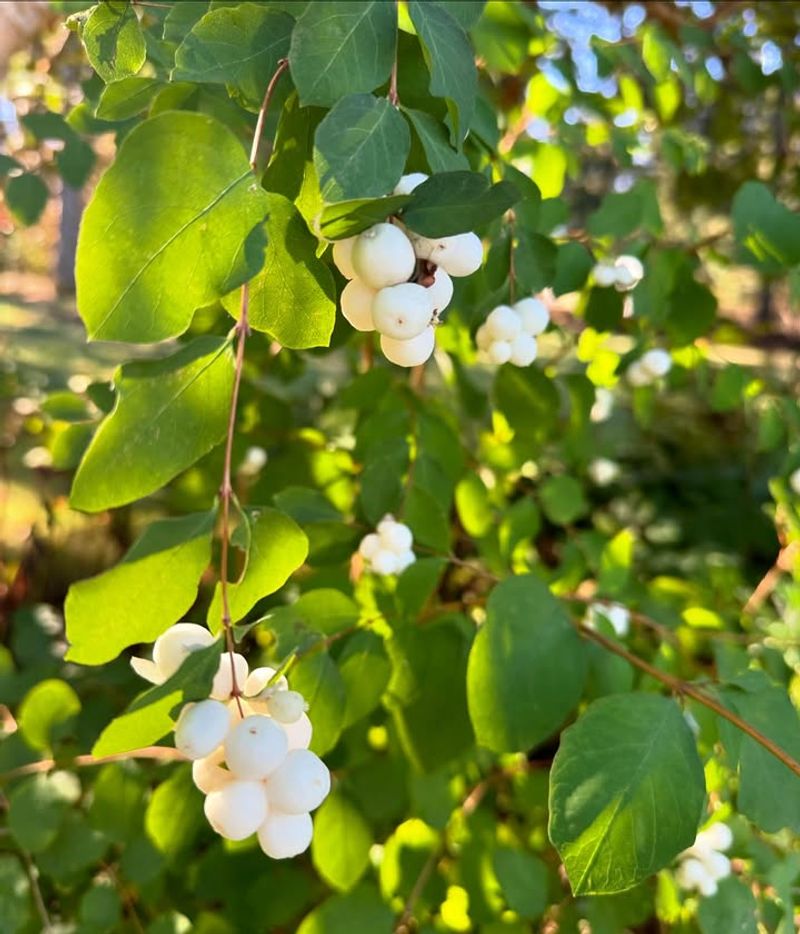
Snowberry does not try to impress you all at once. It has a quieter style. But in a Southern Oregon garden, that can be exactly what makes it valuable.
This native shrub brings soft green foliage, graceful branching, and pale berries that stand out later in the season. The berries are usually white or faintly pink, giving the plant a clean, almost moonlit look.
Snowberry can handle sun to part shade, which makes it flexible in mixed yards. It can work along woodland edges, dry slopes, informal hedges, and native plant borders.
It is not usually a high-water plant once established. Young shrubs need regular moisture while roots settle, but mature plants can often handle dry summer stretches with less attention.
The plant usually grows around three to six feet tall, depending on site and variety. That size makes it helpful as a filler shrub, backdrop, or soft screen.
It can spread by suckers over time. That is useful if you want a natural thicket, but it may need occasional editing in tighter spaces.
Spring or summer flowers are small and not especially showy. Still, pollinators may visit them. Later, birds and wildlife can make use of the berries.
However, they are not edible for people, since snowberry is commonly listed as toxic to humans.
Prune lightly in late winter or early spring if the plant needs shaping. Remove older stems near the base if the shrub gets too dense.
Snowberry brings cool little “snow-stopping” berries to a hot-summer landscape, and that contrast can feel surprisingly fresh.