These Tennessee Yard Spots Are Black Widow Hiding Places
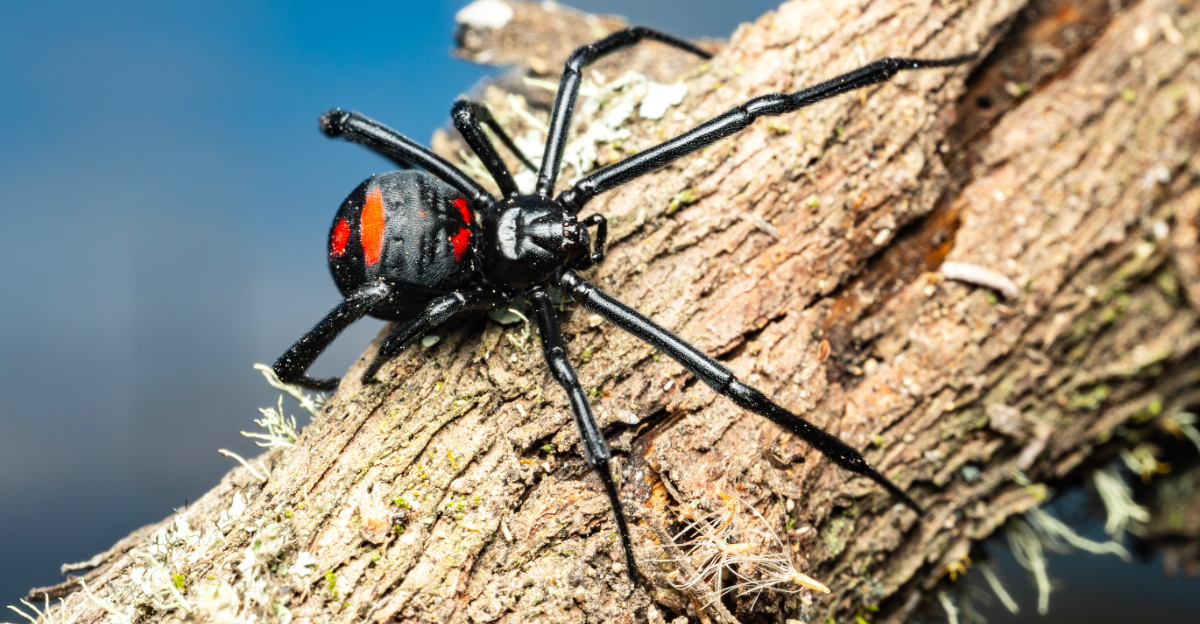
Black widows don’t announce themselves. They tuck into the quiet corners of Tennessee yards and wait, patient and nearly invisible against dark wood or stone.
A woodpile, a stack of flower pots, the underside of a deck rail: harmless until a hand reaches in without looking. That glossy black body and red marking are easy to picture, but spotting one in real life takes a sharper eye.
Tennessee’s humid summers and mild winters give these spiders exactly what they want: shelter, stillness, and steady prey. Cluttered yards and rarely-disturbed corners become prime real estate for a black widow looking to settle in.
Here are eight backyard spots where black widows settle in, so you can check twice before your hand ever gets there first.
1. Woodpiles And Stacked Firewood Attract Black Widows
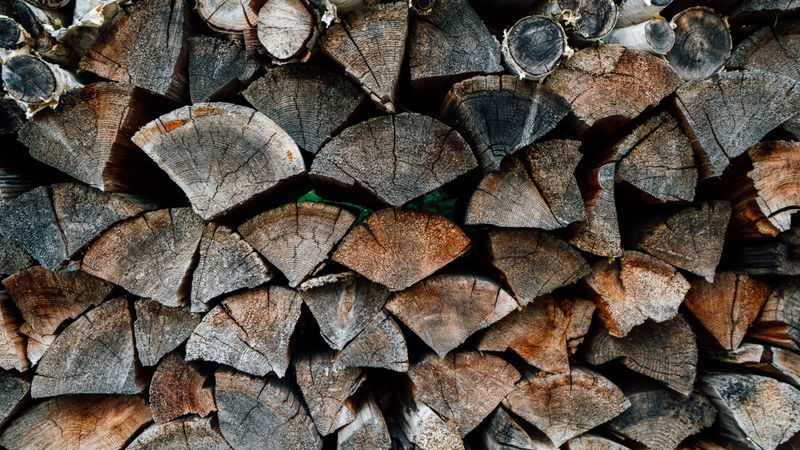
Nothing says “move in” to a black widow like a perfectly stacked woodpile. Firewood creates dark gaps and tight spaces that spiders absolutely love.
Pest experts commonly warn homeowners that stacked wood near the house creates ideal shelter for black widows. These spiders build messy, irregular webs deep inside wood gaps where prey gets trapped easily.
The danger is real when you reach in without looking. A black widow hiding in firewood will bite if she feels cornered or threatened.
Stack your wood at least 20 feet from your house whenever possible. Keeping it elevated off the ground also reduces moisture and limits spider appeal.
Wear thick gloves whenever you grab firewood. Shake each log before bringing it indoors or near your living space.
Inspect the bottom logs especially, since spiders tend to nest lower where it stays darker. Flip logs carefully using a tool rather than bare hands.
Seasonal wood storage is one of the most overlooked black widow hiding places in the entire yard. Treating the area with a residual spider spray around the base adds an extra layer of defense.
Check the woodpile regularly, even in winter, since black widows can remain active in mild Tennessee temperatures. A quick flashlight inspection takes 30 seconds and could prevent a nasty bite.
2. Under Decks, Porches, And Crawl Spaces
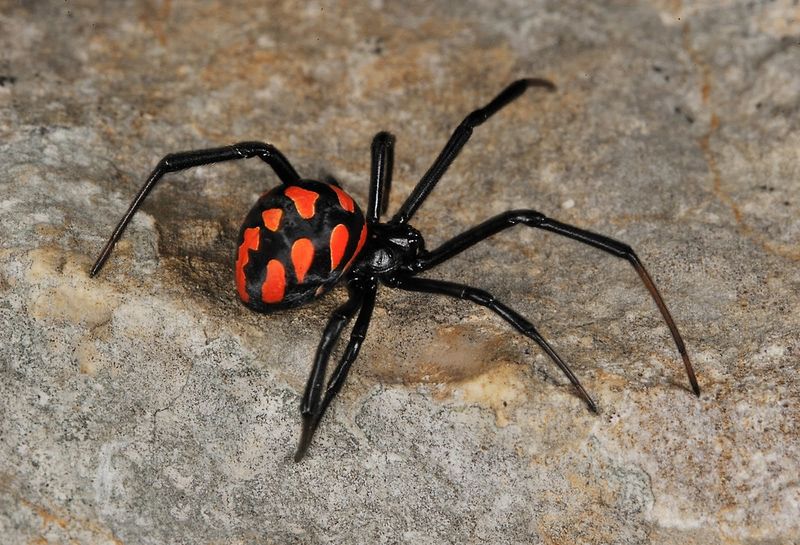
Flip on a flashlight and crouch under your deck sometime. What you find might genuinely surprise you.
The space beneath decks, porches, and crawl spaces is one of the more common black widow hiding places in suburban yards. These areas stay shaded, undisturbed, and sheltered from rain, which is basically a five-star resort for spiders.
Black widows spin their webs close to the ground in these spots. Webs look tangled and messy, not the neat circular kind you see in cartoons.
Pets and children are especially at risk near low decks. A curious dog sniffing around under the porch could easily disturb a nesting spider.
Seal any open gaps along the deck skirting to limit easy access points. Adding a fine mesh barrier around the perimeter blocks spiders without ruining the look of your outdoor space.
Clear out old leaves, debris, and forgotten toys stored underneath. Clutter is a spider magnet, plain and simple.
Your Tennessee Garden Changes Every Week. Your Plan Should Too.
Gardening in Tennessee changes quickly throughout the season. Every Friday you’ll receive a simple weekly plan showing exactly what to plant, prune, fertilize, harvest, and protect so you never miss the right timing.
Spray a perimeter insecticide around the deck base every few months during warmer seasons. Focus on corners and joints where webs are most likely to appear first.
Crawl spaces deserve their own inspection twice a year. Wear long sleeves, gloves, and a headlamp before entering any tight space under your home.
Knowing what lurks below your porch changes how casually you treat that space. Awareness is your cheapest and most effective tool against black widow encounters.
3. Garages, Sheds, And Storage Boxes
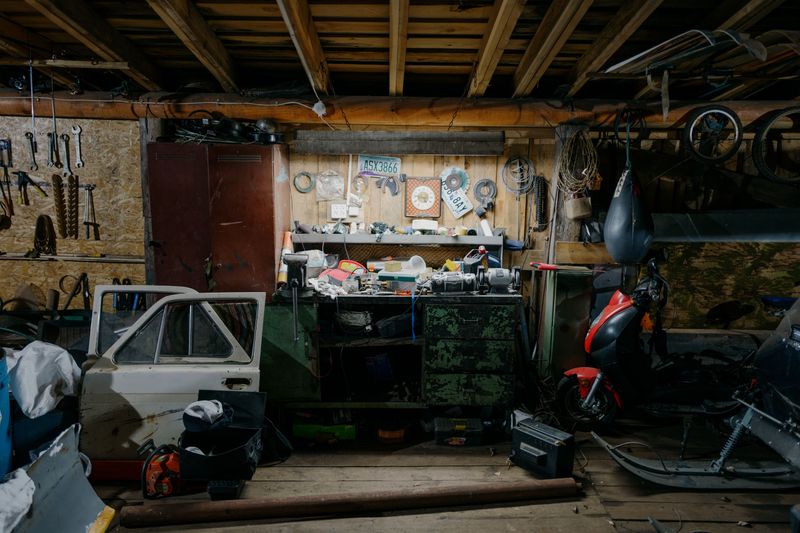
Your garage might feel like a storage haven, but something else feels the same way. Black widows thrive in undisturbed, low-traffic spots stuffed with boxes and old equipment.
Sheds and garages offer everything a spider needs: warmth, shelter, and plenty of prey attracted to light gaps. Cardboard boxes are especially popular nesting zones since they hold heat and rarely get moved.
Seasonal items like holiday decorations and lawn equipment sit untouched for months. That undisturbed time is all a black widow needs to settle in comfortably.
Before reaching into any box stored in your garage, shake it first. Tap the sides and wait a moment before opening the flaps with your hands.
Swap cardboard boxes for sealed plastic bins whenever possible. Plastic offers fewer entry points and is much easier to wipe clean.
Keep the floor clear of clutter, especially along walls where spiders prefer to anchor webs. A clean perimeter makes it harder for spiders to go unnoticed for long.
Install sticky traps in the corners of your garage and shed. They catch spiders without chemicals and give you a clear picture of pest activity levels.
Check behind stored machinery, workbenches, and rarely moved appliances too. These hidden zones are classic black widow hiding places that most homeowners never think to inspect.
A garage cleanup once a season pays off big. Fewer hiding spots means fewer surprises when you reach for the rake in October.
4. Gaps In Brick, Stone, And Retaining Walls
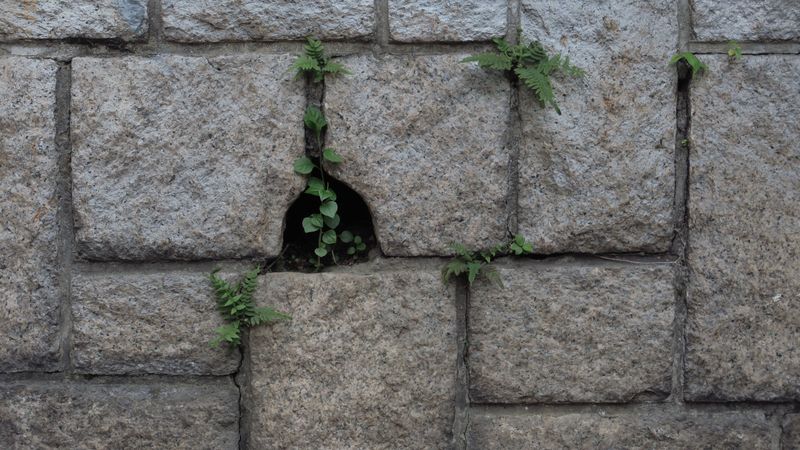
Stone and brick walls look solid, but they are full of tiny secrets. Gaps and crevices in a retaining wall can become a potential home for a black widow.
These spiders love tight, enclosed spaces where they can anchor a web and wait for insects. Mortar gaps, loose stones, and hollow blocks all qualify as prime real estate.
Retaining walls in Tennessee yards often border garden beds, which draw insects. More insects mean more food, and more food means more spiders setting up shop nearby.
Walk along your walls and look for irregular, stringy webs tucked into crevices. Black widow webs feel sticky and tough compared to the fragile webs of harmless house spiders.
Seal obvious gaps with exterior caulk or mortar repair compound. Closing entry points reduces the number of suitable nesting locations along your wall.
Avoid pressing your hands flat against old stone walls without looking first. A quick visual scan takes seconds and keeps your fingers safe.
Landscape lighting mounted near walls actually attracts moths and beetles at night. Those insects become easy prey, which draws spiders to the exact spots you walk past most often.
Consider moving lights away from wall surfaces or switching to yellow bulbs that attract fewer bugs. Reducing the insect buffet near your walls makes the location less desirable for hunters like black widows.
Walls that look harmless can hide real hazards. Respect the gaps and inspect them regularly throughout spring and summer.
5. Overturned Flower Pots And Garden Debris

That forgotten flower pot tipped over in the corner of your garden? It has probably had a tenant for weeks. Overturned pots create a perfect dome of shelter that black widows find irresistible.
The underside of a pot stays dark, slightly humid, and completely undisturbed. Those three conditions are exactly what a nesting spider looks for when choosing a spot.
Garden debris like dry leaves, rotting wood scraps, and piled mulch serves the same purpose. Anything that sits on the ground for weeks without being moved becomes a potential spider zone.
Flip pots over slowly and deliberately rather than grabbing them quickly. Use a garden trowel or gloved hand to tilt the pot before reaching underneath.
Clear garden debris regularly, especially after storms drop leaves and branches across your beds. Fresh debris is less dangerous than old debris that has been sitting for weeks.
Store empty pots right-side up on a shelf or in a sealed bin. An upside-down pot on bare ground is essentially an open invitation.
Mulched garden beds also deserve attention since black widows sometimes nest along the edges where mulch meets hardscape. Pull back the mulch border every few weeks during peak season to check for webs.
Old wooden garden stakes, hose holders, and broken containers all qualify as debris worth removing. The fewer ground-level hiding spots you leave available, the safer your garden becomes for bare-handed work.
Clean yards are not just prettier. They are genuinely safer for everyone who spends time in them.
6. Outdoor Furniture And Rarely Used Corners

Outdoor furniture looks inviting to you and, unfortunately, to black widows too. The undersides of chairs, table frames, and lounge cushion supports are classic nesting locations.
Spiders target spots that stay undisturbed between uses, and patio furniture fits that description perfectly in the off-season. Even during summer, furniture pushed against a wall or fence gets used less and checked even less.
Run your hand under a chair before sitting down? Most people skip this step. But the hollow metal tubes and plastic joints on outdoor furniture are exactly the kind of shelter black widows seek out.
Flip chairs and tables over at the start of each season to inspect the undersides. A quick look with a flashlight reveals webs before you unknowingly sit inches from one.
Wipe down all frames with soapy water to remove webs and egg sacs. Destroying egg sacs early prevents a much bigger population problem later in the season.
Pay attention to corners of the patio that rarely get foot traffic. Potting benches, unused grills, and stacked lawn chairs in far corners are all high-risk spots.
Cover furniture with fitted outdoor covers during the off-season. Covers reduce access and make the furniture far less attractive as a long-term nesting site.
Shake out cushions before placing them back on furniture after storage. Spiders sometimes nest between folded cushions when they are stored in sheds or garages over winter.
Your patio should feel relaxing, not risky. A two-minute check before you settle in makes all the difference.
7. Mailboxes, Meter Boxes, And Utility Fixtures
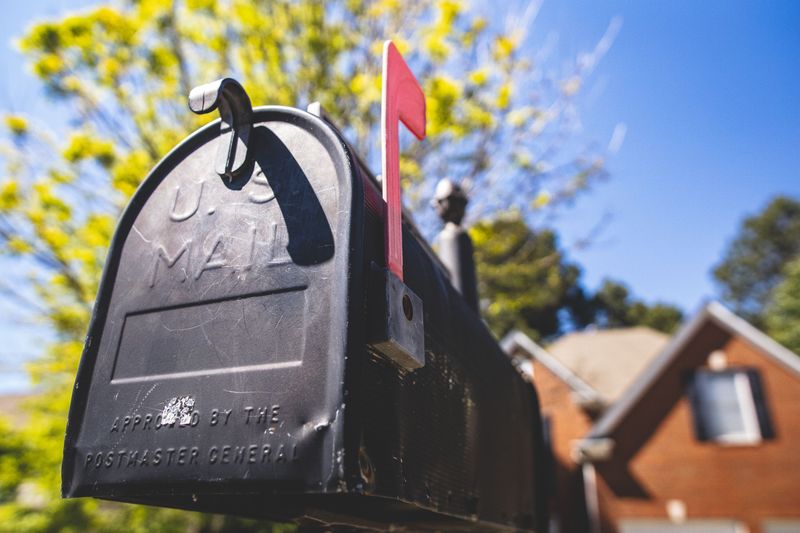
You check your mailbox every single day without a second thought. But inside that box, along the seams and corners, a black widow might be waiting.
Mailboxes are small, enclosed, rarely cleaned, and full of paper that traps warmth. That combination makes them surprisingly popular black widow hiding places that almost nobody thinks to inspect.
Utility meter boxes mounted on exterior walls are even more overlooked. Pest control professionals sometimes find black widows nesting inside electric and gas meter enclosures in warmer regions.
Use a pen or pencil to flip open your mailbox door rather than reaching straight in. This simple habit puts a barrier between your fingers and whatever is lurking inside.
Report any webs inside utility boxes to your utility provider. Those boxes belong to the company, and technicians have the proper protective gear to handle the situation safely.
Outdoor outlet covers, junction boxes, and irrigation control panels fall into the same category. Any enclosed fixture mounted low to the ground or in a shaded wall nook deserves a cautious approach.
Spray the interior of your mailbox with a residual spider repellent spray every few months. Cedar oil sprays work as a natural option if you prefer to avoid harsh chemicals near your mail.
Check around hose bibs and outdoor faucet covers as well. These fixtures create small enclosed gaps that spiders use for shelter during hot or cold weather extremes.
Small fixtures carry big risks when ignored. A few seconds of caution at each one protects your hands every single day.
8. Dense Shrubs And Overgrown Landscaping Edges

Thick shrubs along a fence line look lush and full, but step too close and you enter black widow territory. Overgrown landscaping edges create the exact conditions these spiders prefer: shade, humidity, and insect traffic.
Dense plant growth traps moisture and blocks sunlight at the base, keeping the ground cool and dark. Black widows anchor webs between stems and low branches where the air barely moves.
Landscaping edges that border sidewalks, driveways, or fences are especially risky. Those transition zones collect leaf litter and get disturbed just enough to attract the prey that attracts the spiders.
Trim shrubs regularly to open up airflow and reduce ground-level darkness. A well-maintained shrub border is far less inviting than a tangled, overgrown one.
Wear long sleeves and thick gardening gloves every time you prune near the base of shrubs. Reaching blindly into dense foliage is one of the fastest ways to get bitten.
Rake out accumulated leaf debris from the base of plantings at least once a month during fall. Fresh, clean soil at the base of shrubs reduces habitat quality for nesting spiders.
Ground cover plants like ivy and mondo grass also create similar conditions along yard edges. Pull back dense ground covers periodically to check for webs and egg sacs hidden underneath.
Landscaping that frames your home beautifully can also frame some unwanted guests. Staying on top of growth keeps your yard looking great and keeps black widow hiding places to an absolute minimum.