These Texas Flowers Repel Garden Pests Naturally
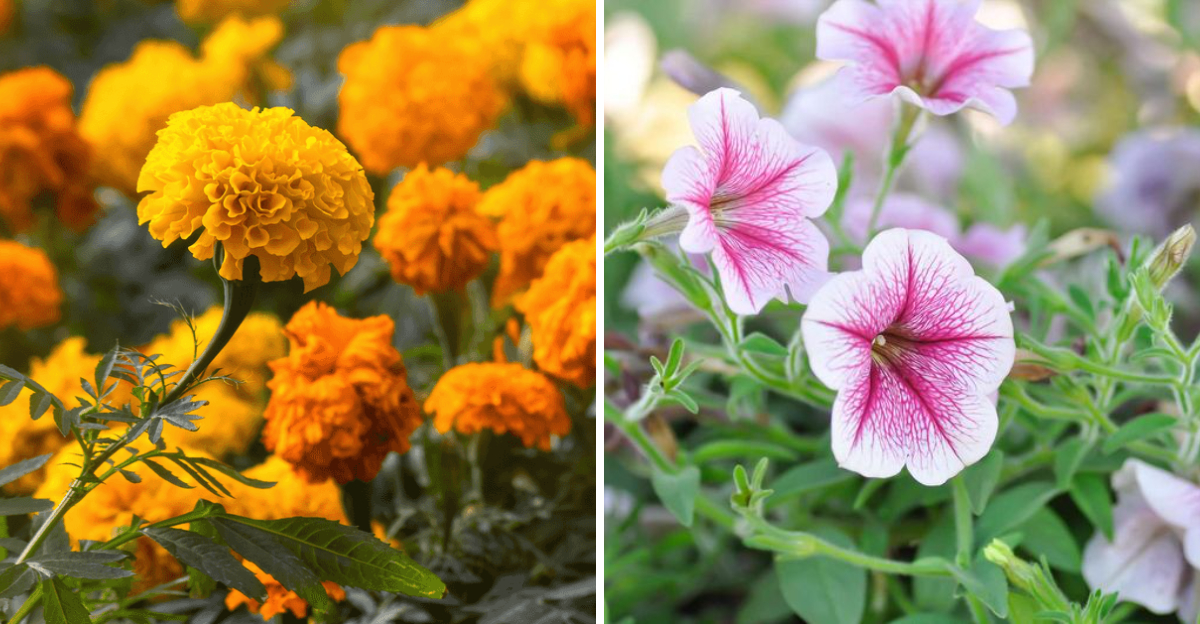
What if your flower garden could pull double duty and look beautiful while quietly keeping pests away at the same time?
It sounds like the kind of gardening win that’s too good to be true, but it’s actually just basic plant science, and Texas gardeners have been taking advantage of it for years without always realizing what’s happening beneath the surface.
Certain flowers produce scents, oils, and compounds that specific garden pests genuinely cannot stand.
Plant them in the right spots and you’re essentially building a natural defense system into your garden design, one that works around the clock without any spraying, mixing, or reapplying on your part.
In Texas, where warm temperatures mean pest pressure sticks around longer than most gardeners would like, having that kind of passive protection built right into your beds makes a real difference.
The best part is that these flowers are genuinely beautiful on top of everything else they bring to the garden.
1. Marigolds
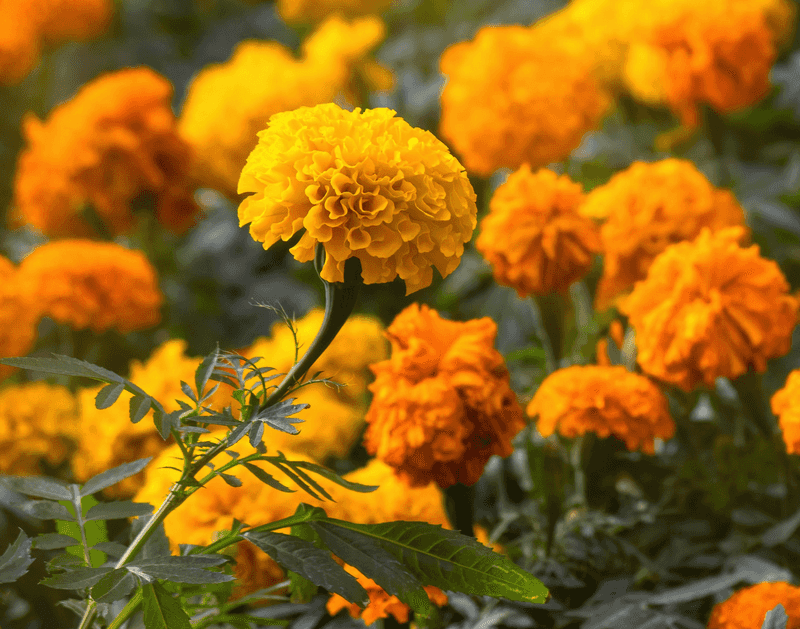
Walk through any thriving Texas vegetable garden and you will almost certainly spot marigolds growing somewhere nearby. That is no accident.
Gardeners across the Lone Star State have relied on these cheerful, sun-loving blooms for generations, and modern science has finally caught up to explain why they work so well.
Marigolds produce natural chemicals called thiophenes in their roots. These compounds have been scientifically proven to repel harmful nematodes in the soil, which are a serious and frustrating problem in many Texas gardens.
Nematodes attack plant roots and stunt growth, but marigold roots fight back quietly underground.
Above the soil, marigolds are just as impressive. Their strong, distinctive scent confuses and drives away aphids, whiteflies, and tomato hornworms.
These pests navigate by smell to locate their host plants, and the powerful aroma of marigolds throws them completely off course.
Plant marigolds as border plants around your tomato beds, pepper rows, or squash patches for the best results. They work especially well when planted densely so the scent creates a natural barrier.
French marigolds, in particular, are considered one of the most effective varieties for pest control in Texas conditions.
Beyond pest protection, marigolds bloom from spring all the way through fall here in Texas, giving you months of color and protection in one low-maintenance package.
They thrive in the heat, require minimal watering once established, and attract pollinators at the same time. Few flowers offer this much value in a Texas garden.
2. Lantana (Lantana camara)
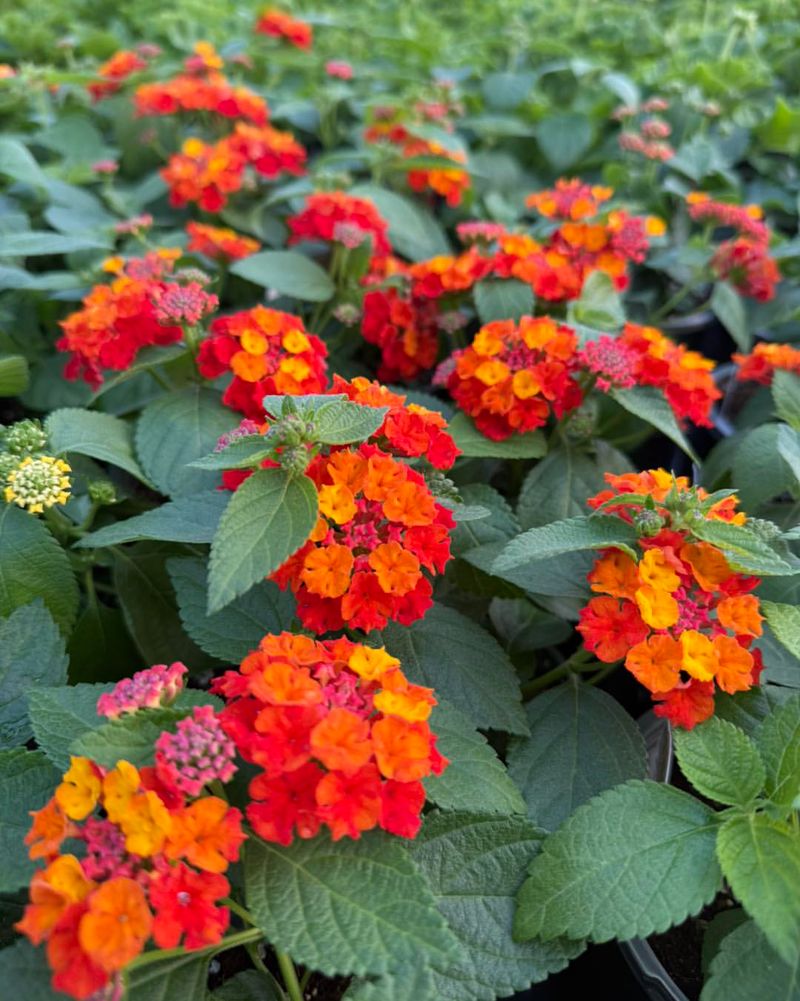
Few plants are as tough, colorful, or hardworking as lantana in a Texas garden. This flowering powerhouse thrives in the brutal summer heat that would wilt most other plants, and it rewards Texas gardeners with nonstop blooms from late spring through the first cool snaps of autumn.
What many gardeners do not realize is that lantana is also a well-documented natural pest repellent. Its strongly aromatic foliage contains natural compounds that mosquitoes, aphids, and other common garden pests genuinely cannot stand.
The scent that humans often find pleasant or neutral is overwhelming and disorienting to many insects.
Your Texas Garden Changes Every Week. Your Plan Should Too.
Gardening in Texas changes quickly throughout the season. Every Friday you’ll receive a simple weekly plan showing exactly what to plant, prune, fertilize, harvest, and protect so you never miss the right timing.
Research has shown that lantana essential oil is particularly effective at repelling mosquitoes, which is a big deal for anyone spending time outdoors in Texas during the warmer months.
Planting lantana along patios, garden borders, and walkways creates a natural mosquito buffer zone around your outdoor living spaces.
Beyond its pest-repelling qualities, lantana also attracts butterflies and hummingbirds in impressive numbers.
This means it pulls in beneficial insects while pushing harmful ones away, creating a healthier garden ecosystem overall. That balance is exactly what every Texas gardener wants to achieve.
Lantana is also drought-tolerant once established, making it perfectly suited for the dry spells that Texas summers are known for. It spreads readily and fills garden beds with dense, colorful foliage that leaves little room for weeds to take hold.
For both beauty and garden protection, lantana earns its place in every Texas landscape without question.
3. Salvia / Autumn Sage (Salvia greggii)
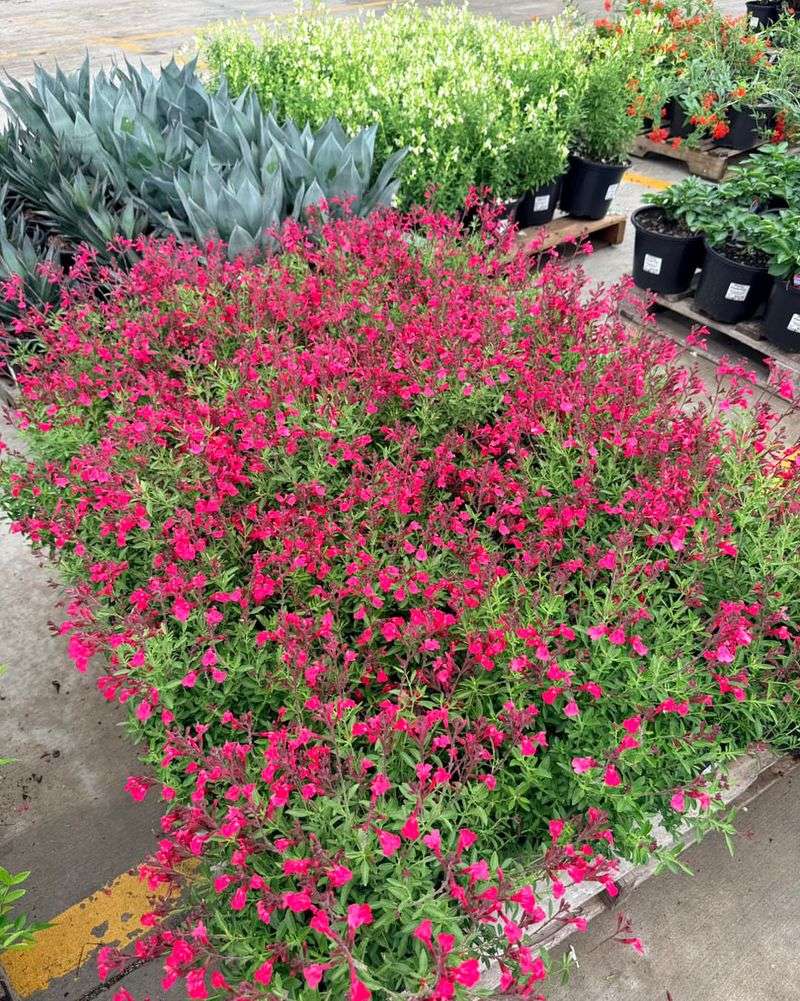
There is something almost magical about the way salvia works in a Texas garden. On one hand, it pulls in hummingbirds and pollinators with its vivid red, pink, or coral blooms.
On the other hand, it quietly pushes away some of the most damaging garden pests through the power of its aromatic oils.
Salvia greggii, commonly called autumn sage, is native to Texas and northern Mexico, which means it is perfectly adapted to the climate and soil conditions found throughout the state.
It handles the heat, handles drought, and comes back reliably year after year as a perennial in most Texas growing zones.
The strong aromatic oils found in salvia foliage are well-documented deterrents for aphids, spider mites, and whiteflies. These pests rely heavily on their sense of smell to locate host plants, and the intense scent of salvia disrupts that process effectively.
Many gardeners report noticeable reductions in pest pressure simply by planting salvia nearby.
Salvia works especially well as a companion plant when placed near roses, vegetables, and other plants that commonly attract aphids and whiteflies.
Planting it in clusters along garden borders maximizes its scent coverage and gives it the best chance to deter insects across a wider area.
As a bonus, salvia blooms heavily in spring and again in fall, which are the two peak pest seasons in Texas gardens. That timing makes it one of the most strategically valuable flowering plants a Texas gardener can choose for natural pest management year-round.
4. Chrysanthemums
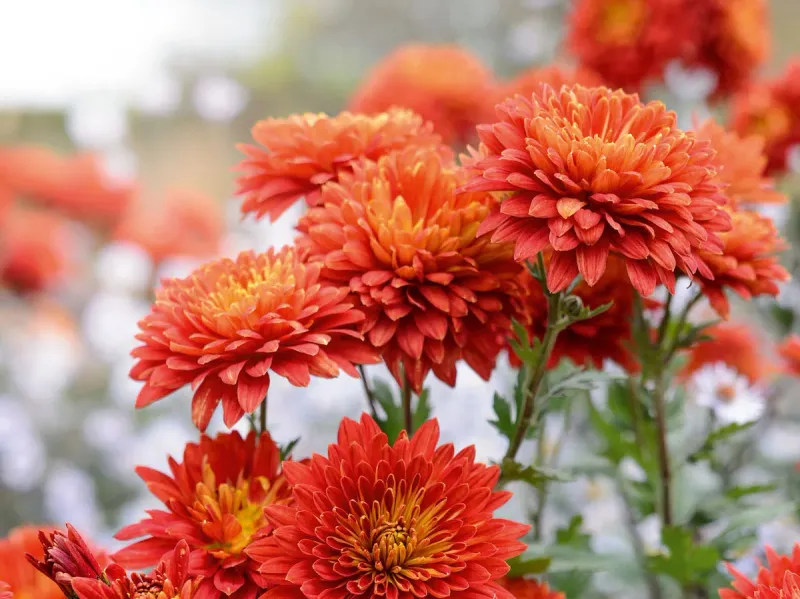
If you are looking for serious, science-backed pest protection in your Texas garden, chrysanthemums deserve a spot at the top of your planting list.
These familiar fall favorites are actually one of the most powerful natural pest-repelling flowers available to gardeners anywhere in the world, not just in Texas.
The reason comes down to a natural compound called pyrethrin, which is found in chrysanthemum flowers.
Pyrethrin is so effective at repelling and eliminating insects that it forms the active ingredient in many commercial organic pesticide products sold in garden centers across Texas and the rest of the country.
The list of pests that chrysanthemums help deter is genuinely impressive. Aphids, spider mites, ticks, Japanese beetles, and even roaches are all affected by pyrethrin exposure.
Planting chrysanthemums as border plants around vegetable gardens and ornamental beds creates a natural line of defense that works season after season.
In Texas, chrysanthemums perform best when planted in fall, which also happens to align with the second peak of pest activity in the state.
Their blooms appear just as many insects are making their final push before cooler weather arrives, giving your garden protection right when it is needed most.
One fun fact worth knowing: pyrethrin breaks down quickly in sunlight and does not leave harmful residue in the soil, making it one of the safest natural pest control options available.
That makes chrysanthemums an excellent choice for organic Texas gardens where chemical-free growing is the goal.
5. Pentas
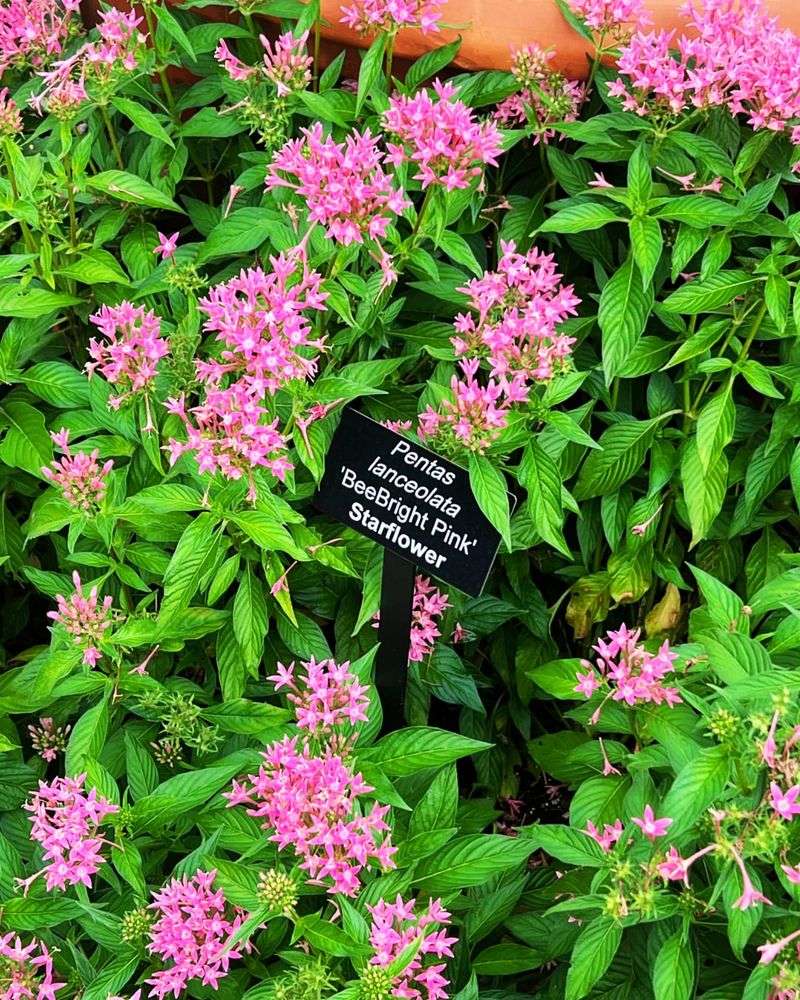
Texas summers are no joke, and most flowers struggle to keep up with the relentless heat and humidity.
Pentas, however, thrives in those exact conditions, which is one big reason why it has become such a popular choice for Texas gardeners who want color, pollinators, and natural pest management all in one plant.
Pentas works differently from most pest-repelling flowers on this list. Rather than producing compounds that directly deter harmful insects, pentas attracts large numbers of beneficial predatory insects, including parasitic wasps and predatory beetles, that feed on the harmful pests already in your garden.
It essentially invites the good guys in to do the work for you. Parasitic wasps, in particular, are incredibly effective at managing caterpillar and aphid populations.
They lay their eggs inside pest insects, which naturally reduces pest numbers without any chemical intervention. A garden with a healthy population of parasitic wasps is a garden that rarely suffers serious pest outbreaks.
Pentas also attracts hummingbirds and butterflies in Texas, which adds an extra layer of ecological value to your garden beyond just pest control.
The combination of beauty, heat tolerance, and beneficial insect attraction makes it one of the most well-rounded flowering plants available to Texas gardeners.
Plant pentas in full sun locations and give them regular water during dry spells for best results.
They bloom continuously throughout the Texas growing season, providing nonstop beneficial insect support from late spring all the way through the first fall frost. Few flowers work this hard in a Texas garden.
6. Petunias
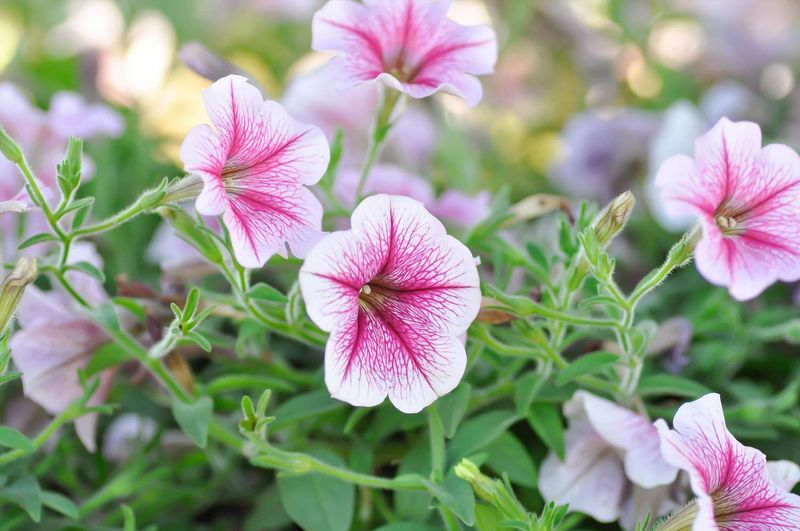
Petunias have a reputation as simple, pretty bedding plants, and that reputation seriously undersells them.
Ask any experienced Texas gardener who has planted petunias near their vegetable beds, and they will tell you that these flowers do a lot more than just look good in a window box.
The sticky, strongly scented foliage of petunias is actually a natural pest deterrent that affects a surprisingly wide range of common garden insects.
Aphids, tomato hornworms, asparagus beetles, leafhoppers, and squash bugs are all known to avoid plants growing near petunias.
That list covers some of the most damaging pests Texas vegetable gardeners face each season.
Petunias are also sometimes used as what gardeners call a trap crop. This means they attract certain pests, particularly aphids, away from more valuable plants like tomatoes, peppers, and squash.
The aphids cluster on the petunias instead, which then makes it easier to manage them in one concentrated spot rather than across the whole garden.
In Texas, petunias perform best in spring and fall when temperatures are more moderate. During the peak of summer heat, they may slow down, but a light trim and consistent watering will encourage them to bounce back strongly as temperatures drop in September and October, right when fall pest pressure picks up again.
Another advantage is that petunias are widely available, inexpensive, and easy to grow from transplants or seeds.
For Texas gardeners on a budget who want effective natural pest protection without spending a lot of money, petunias are one of the smartest choices available in any garden center.
7. Zinnias
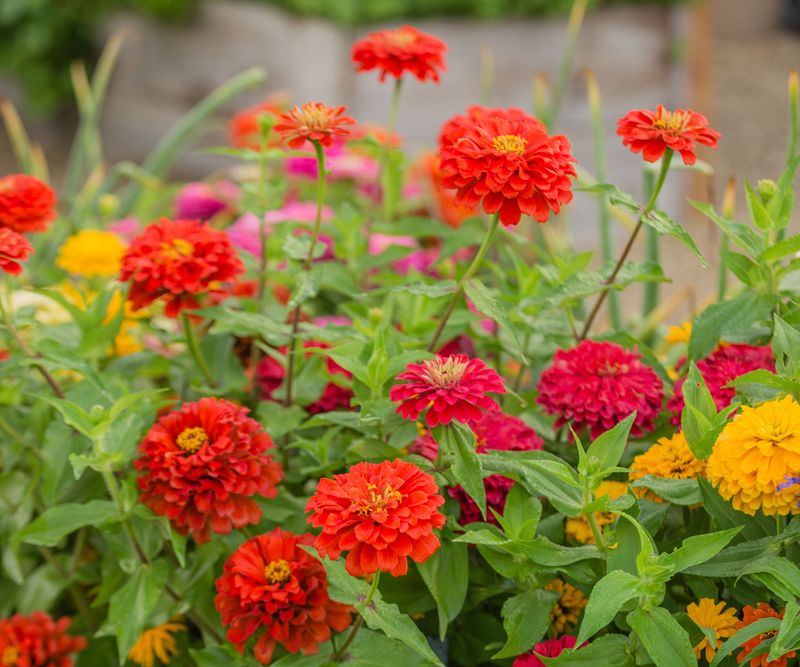
Zinnias are a Texas garden staple for good reason. They handle the summer heat with ease, bloom in an almost endless range of colors, and attract more beneficial insects than almost any other annual flower you can plant in the Lone Star State.
But their role in natural pest management goes even deeper than most gardeners realize. Ladybugs love zinnias. Parasitic wasps love zinnias.
Even garden spiders, which are among the most effective natural pest controllers in any outdoor space, are drawn to the structure and activity that zinnia plantings create.
All of these beneficial creatures feed on or capture the harmful pests that damage Texas gardens, including aphids, whiteflies, and caterpillars.
By planting zinnias throughout your garden beds and borders, you are essentially building a natural pest management ecosystem that runs on its own.
The zinnias attract the beneficial insects, the beneficial insects manage the harmful pests, and your vegetables and ornamental plants grow healthier as a result. It is a beautifully simple system.
Zinnias are also incredibly easy to grow in Texas. Direct sow seeds after the last frost date for your area and they will establish quickly, often blooming within six to eight weeks.
They thrive in full sun and tolerate dry conditions reasonably well, making them a low-maintenance option for busy gardeners.
For maximum pest-management benefit, plant zinnias in clusters rather than single rows. A dense planting creates more insect habitat and sustains larger populations of beneficial predators throughout the Texas growing season from spring through late fall.