7 Native Ohio Perennials That Handle May Heat And Clay Soil
May in Ohio has a way of catching gardeners off guard. One week you are still nursing seedlings through cool nights, and the next the temperatures jump and the ground bakes hard.
Clay soil makes it worse. It holds heat, drains poorly, and turns into something close to concrete when it dries out fast.
A lot of plants simply cannot handle that combination. They go in looking healthy and come out the other side of May looking defeated before summer even starts.
Native perennials grew up in these exact conditions. Not adapted to them over time, but genuinely shaped by Ohio clay, Ohio heat, and Ohio weather patterns that change without much warning.
That background shows in how they perform when other plants are already struggling.
1. Plant Purple Coneflower For Clay That Bakes In The Sun
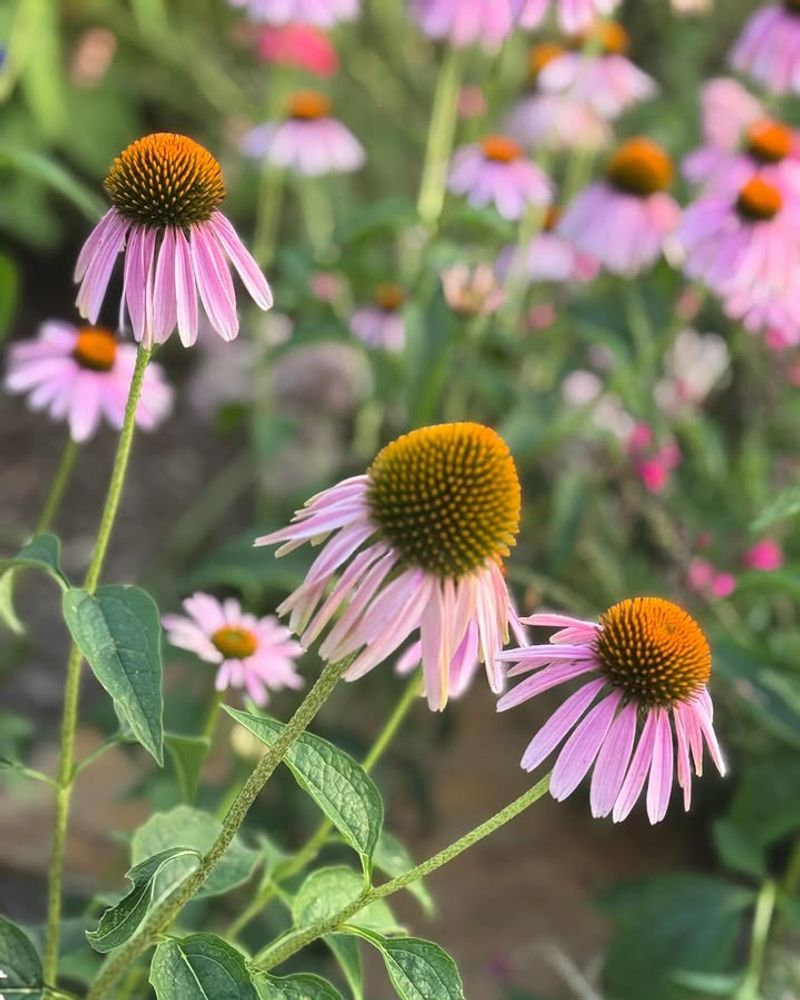
Few plants deliver as much reliable beauty in baked Ohio clay as purple coneflower. Its purple-pink petals and bold orange cone centers bring classic cottage-garden charm to sunny beds that turn hard when late May heat settles in.
Butterflies, bees, and other pollinators visit the flowers throughout summer, and if you leave the seed heads standing into fall, goldfinches and other small birds will work them over for food.
Purple coneflower is a true Ohio native, and the straight species offers the strongest value for wildlife.
Some of the flashy double-petaled or unusual-colored cultivars sold at garden centers may not provide the same nectar, pollen, or seed resources that pollinators and birds rely on.
If your goal is native plant function and not just ornamental color, look for plants labeled as straight species or locally sourced native stock.
This perennial handles clay as long as the site drains reasonably well. It does not want to sit in waterlogged soil, but it can push through compacted ground once its roots establish.
Plant it in full sun for the strongest stems and most abundant blooms. Crowding plants too closely or planting in overly rich, moist soil can invite mildew or weak growth, so give each plant space for airflow and avoid overwatering once it settles in.
Purple coneflower works well as a mid-border anchor, a pollinator-garden staple, or a low-maintenance foundation planting in sunny spots. It pairs beautifully with black-eyed Susan, little bluestem, and other prairie-style natives.
Even after blooms fade, the dark seed heads add winter interest and structure, making this plant a year-round performer in tough Ohio soil.
2. Choose Black Eyed Susan For Fast Color In Tough Soil
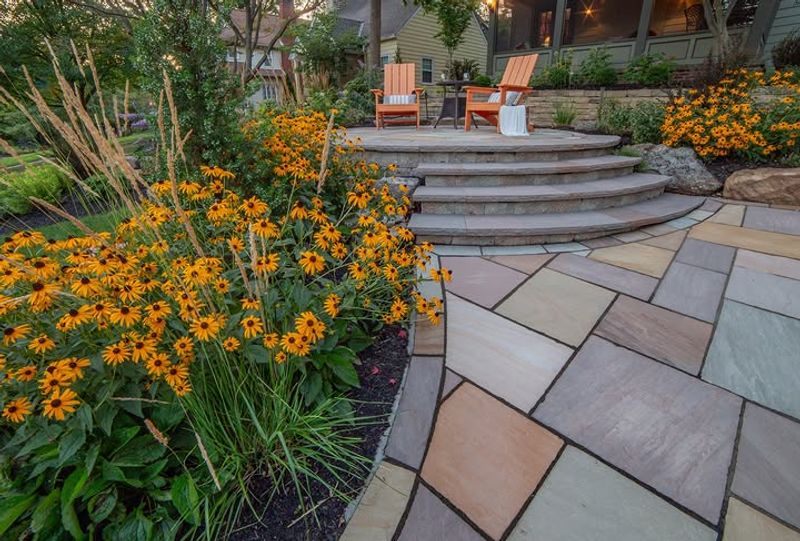
When you want quick visual impact without fussing over soil amendments, black-eyed Susan delivers golden color that reads cheerful from the curb.
This Ohio native brings classic summer charm to sunny clay beds, and it does so without looking weedy or out of control when planted intentionally.
Pollinators love the flowers, and the bright yellow petals with dark centers create the kind of reliable curb appeal that makes a garden feel welcoming rather than wild.
Black-eyed Susan can behave as a short-lived perennial or biennial depending on growing conditions and the specific type you plant.
Your Ohio Garden Changes Every Week. Your Plan Should Too.
Gardening in Ohio changes quickly throughout the season. Every Friday you’ll receive a simple weekly plan showing exactly what to plant, prune, fertilize, harvest, and protect so you never miss the right timing.
Some gardeners find that individual plants fade after a couple of years, but the planting keeps going because new seedlings fill in when conditions are right.
If you prefer a tidier look or want to prevent self-seeding, cut the plants back after blooming. If you want to support birds, leave some seed heads standing into fall and winter.
This plant tolerates tough soil, but it still needs decent drainage and regular watering while it establishes. Clay that stays soggy for long stretches can rot roots, so avoid low spots where water pools after rain.
Full sun produces the strongest plants and the most abundant blooms. In part shade, black-eyed Susan may grow taller and floppier as it reaches for light.
Black-eyed Susan works well in mixed native borders, cottage-style beds, meadow plantings, and along sunny fence lines. It pairs beautifully with purple coneflower, button blazing star, and ornamental grasses.
For gardeners who want fast color and pollinator activity without complicated care routines, this native is hard to beat in Ohio’s clay-heavy gardens.
3. Grow Blue Wild Indigo Where Roots Need Muscle
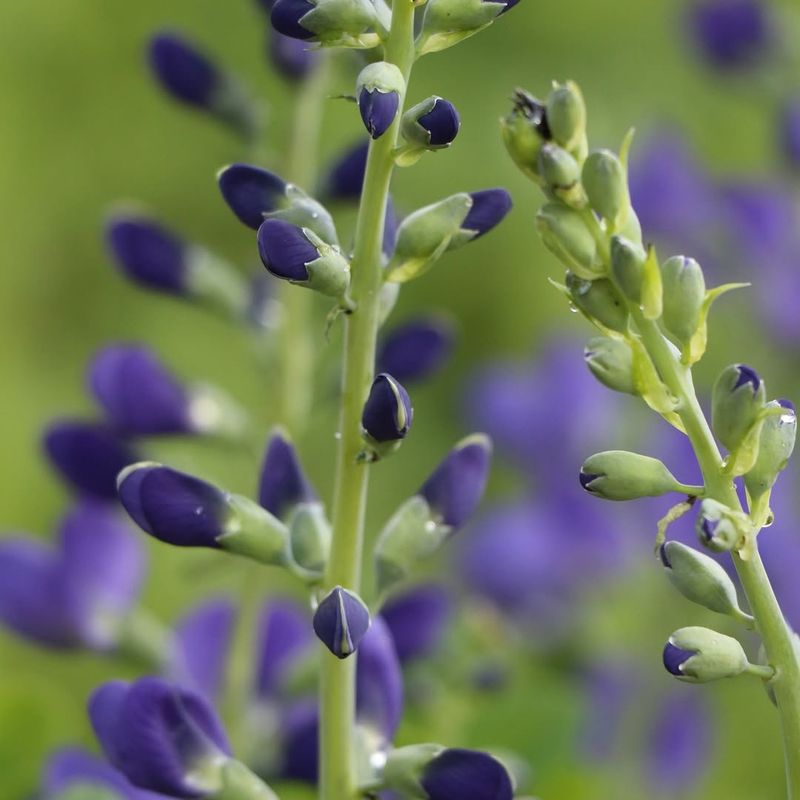
If your sunny clay bed needs a plant with presence and structure, blue wild indigo brings both without looking too casual or meadow-like.
This Ohio native grows into a handsome, shrub-sized perennial with blue-purple flower spikes in late spring and attractive blue-green foliage that holds its shape all season.
After the flowers fade, the plant develops dark seed pods that rattle in the breeze and add textural interest long after bloom time ends.
Blue wild indigo is a legume, which means it can pull nitrogen from the air and improve soil over time. Its deep taproot lets it push through compacted clay and reach moisture that shallow-rooted plants miss.
Once established, it can handle heat, dry spells, and tough soil with little complaint. Young plants still need care during their first year or two, including regular watering and protection from weeds, but mature plants become nearly self-sufficient.
Place this perennial carefully because it does not like being moved once its root system matures. The taproot goes deep, and digging up an established plant often damages it beyond recovery.
Choose a spot where it can stay for years, and give it room to spread into its full three- to four-foot width. Full sun produces the best flowering and the strongest stems.
In too much shade, the plant may grow leggy or bloom poorly.
Blue wild indigo works well as a specimen plant, a backdrop for shorter natives like coneflower or black-eyed Susan, or a living fence along a sunny border.
Its upright form and long season of interest make it a smart choice for gardeners who want native plants that look polished rather than wild.
4. Use Button Blazing Star For Heat Clay And Pollinator Power
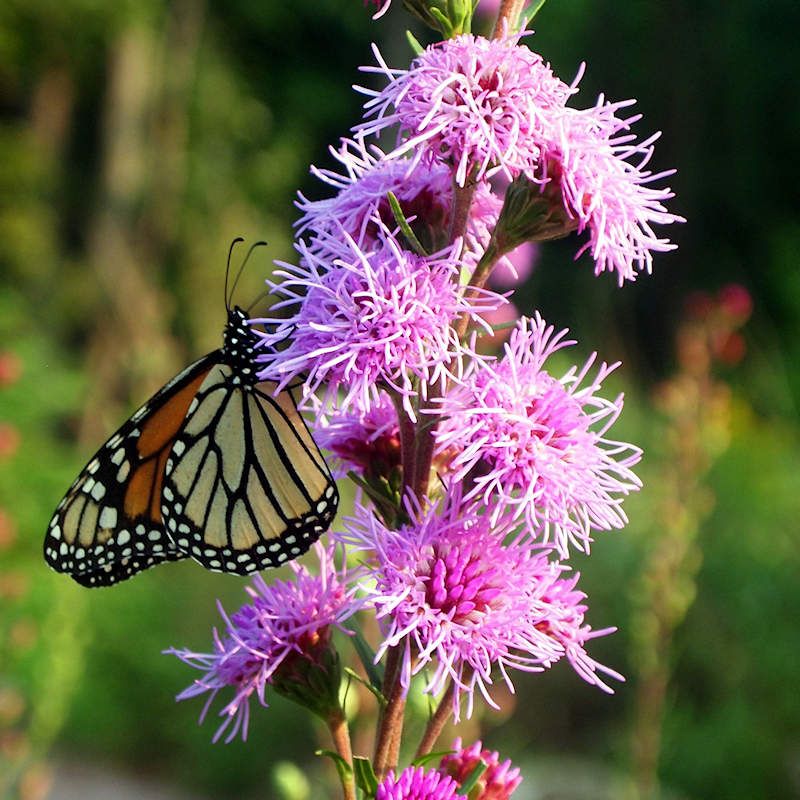
Vertical texture can be hard to find in tough clay gardens, but button blazing star delivers it along with serious pollinator appeal.
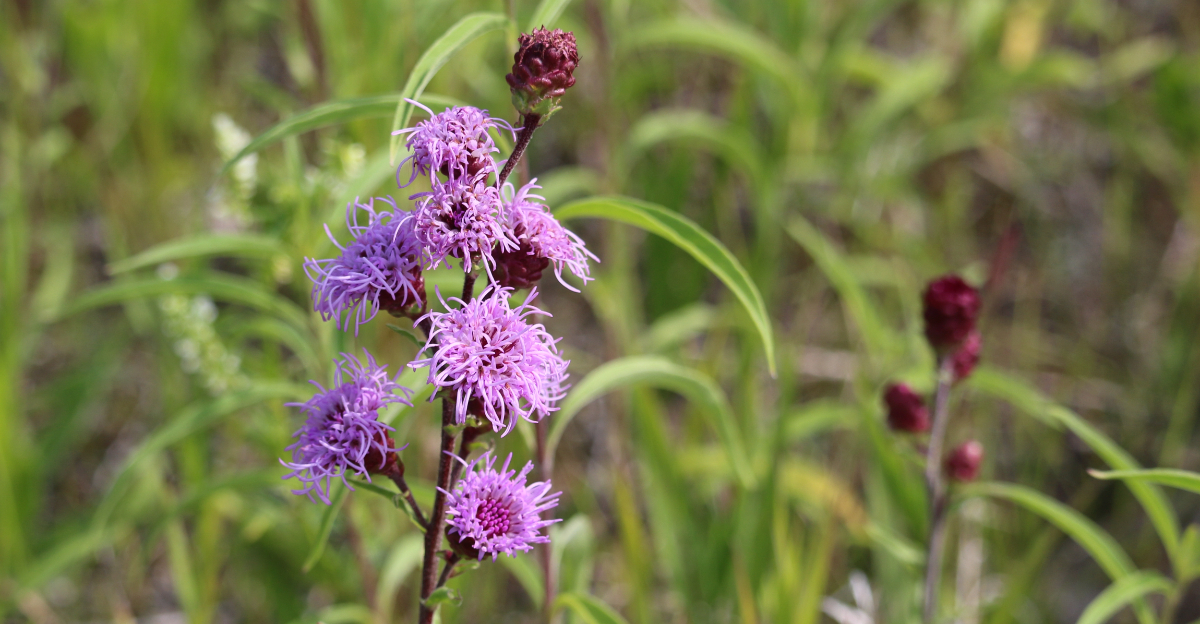
This native prairie perennial sends up purple flower spikes that bloom from the top down, creating a distinctive look that stands out in late summer and early fall.
Butterflies, bees, and hummingbirds visit the flowers, and the spiky form adds architectural interest that keeps a native bed from looking flat or monotonous.
Button blazing star is a good fit for sunny Ohio beds with clay or leaner soil, especially where gardeners want a plant that handles heat without constant watering once established.
It does not tolerate sites where water sits for long periods, so avoid low spots or areas with poor drainage.
Full sun produces the strongest flowering and the sturdiest stems. In part shade, the plant may lean or bloom less reliably.
This perennial grows from a corm, which means it can survive tough conditions underground and return reliably each year. The foliage stays low and grassy until the flower spikes shoot up in mid to late summer.
Button blazing star works best when planted in groups of three or more, which creates a stronger visual impact than a single plant standing alone.
Pair button blazing star with purple coneflower, black-eyed Susan, or little bluestem for a prairie-style planting that looks intentional and polished. It also works well in sunny rain-garden edges, native borders, and pollinator gardens where vertical interest is needed.
For gardeners who want late-season color and pollinator power in clay-heavy soil, this native delivers without drama or complicated care routines.
5. Try Wild Bergamot For Fragrance That Handles Real Ohio Soil
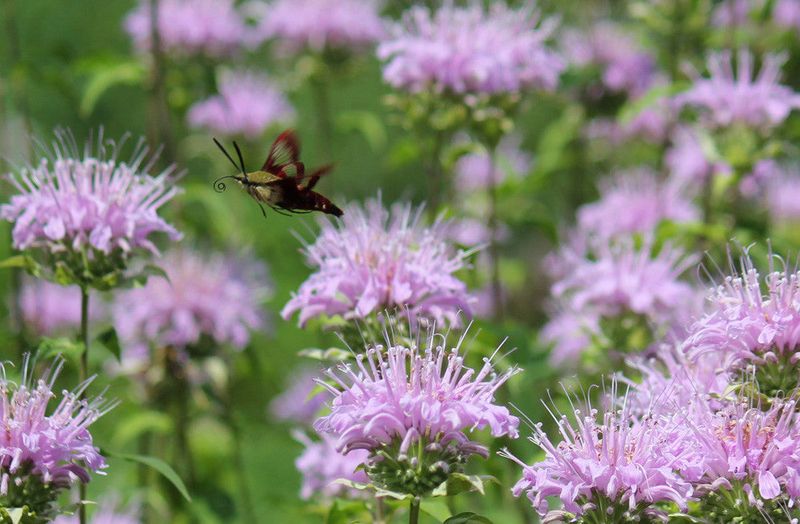
Fragrance is often missing from tough-soil gardens, but wild bergamot brings it along with lavender-purple flowers and a soft, meadow-style look.
This Ohio native releases a minty, oregano-like scent when you brush against the foliage, and pollinators flock to the blooms throughout summer.
Bees, butterflies, and hummingbirds all visit the tubular flowers, making this plant a magnet for wildlife activity.
Wild bergamot handles sunny or lightly shaded clay-tolerant sites, and it is especially useful for gardeners who want color, fragrance, and pollinator value without babying plants through Ohio’s humid summers.
Good airflow helps reduce mildew problems, which can show up on the foliage when humidity spikes and air sits still.
Planting in full sun and giving each plant space to breathe makes a big difference in keeping foliage healthier.
This perennial can spread or form colonies in favorable conditions, so it works best where it has room to mingle with other sturdy plants or where the gardener can divide it every few years to control its size. It does not work well as a formal, compact edging plant.
Instead, think of it as a filler or mingling perennial that adds texture, fragrance, and movement to a naturalistic or prairie-style planting.
Wild bergamot pairs beautifully with purple coneflower, black-eyed Susan, and button blazing star in sunny native borders. It also works well in pollinator gardens, meadow plantings, and along fence lines where its spreading habit is an asset rather than a problem.
For gardeners who want a sensory experience along with pollinator support in clay-heavy soil, this native is a smart and fragrant choice.
6. Pick New England Aster For Clay Soil Color After Spring Fades
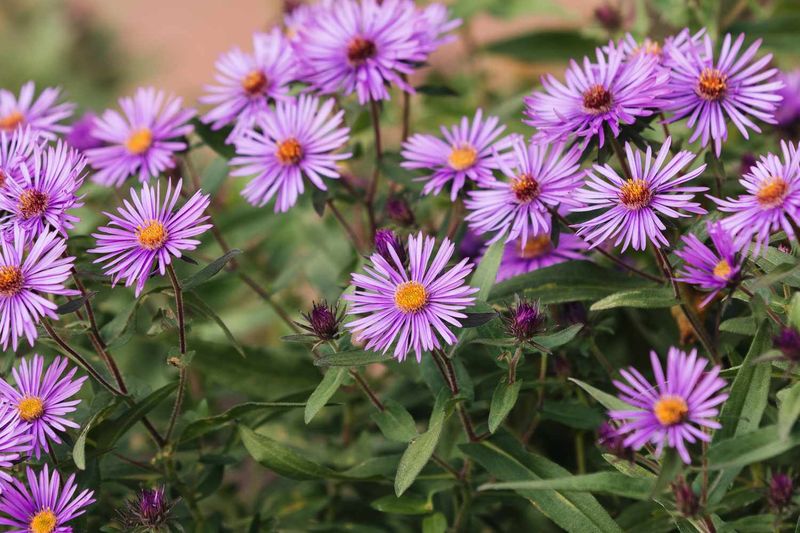
Most native perennials peak in summer, but New England aster saves its show for fall when gardens need color the most.
This Ohio native brings bold purple or violet flowers in September and October, keeping sunny clay beds from looking tired or finished after summer bloomers fade.
Pollinators appreciate the late-season nectar source, and the flowers create a striking display that rivals any ornamental mum or fall annual.
New England aster works well in sunny native beds, rain-garden edges, and clay-heavy borders that do not stay constantly flooded.
It handles tough soil and can tolerate some moisture, but it still needs drainage and should not be planted where water pools for days after rain.
Full sun produces the most abundant blooms and the sturdiest stems. In too much shade, the plant may grow tall and floppy as it reaches for light.
This perennial can grow quite tall, sometimes reaching four to five feet by the time it blooms. Some gardeners cut the plants back by half in early summer to encourage shorter, bushier growth and reduce the need for staking.
Cutting back delays flowering slightly, but it often results in a fuller, more manageable plant.
If you prefer the natural height, give New England aster space and pair it with sturdy companions like blue wild indigo or ornamental grasses so it does not overwhelm smaller neighbors.
New England aster works beautifully in mixed native borders, pollinator gardens, and cottage-style plantings where late-season color is needed. It pairs well with goldenrod, little bluestem, and other fall-blooming natives.
For Ohio gardeners who want their clay gardens to shine after Labor Day, this native aster is the payoff plant that makes the wait worthwhile.
7. Add Swamp Milkweed Where Clay Stays Moist After Rain
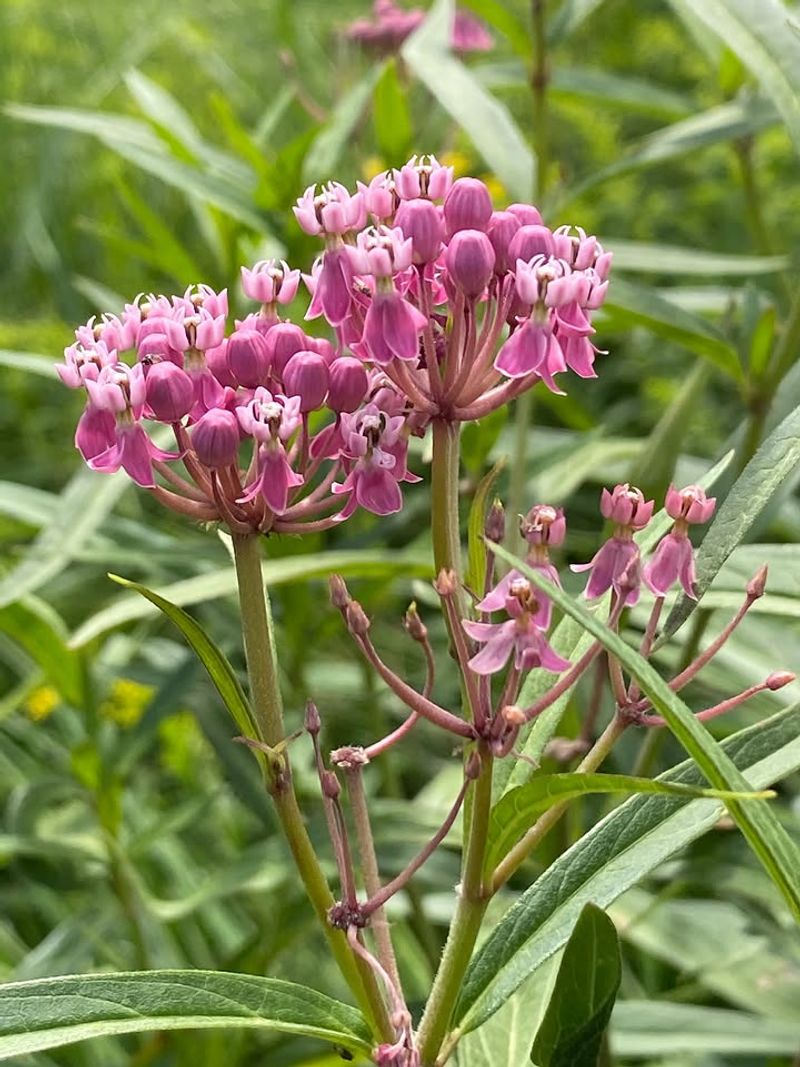
Most of the plants on this list handle clay that bakes and hardens, but swamp milkweed is the exception.
This Ohio native thrives in clay that stays moist after rain, making it the best choice for low spots, rain gardens, pond edges, and borders where other sun perennials struggle with damp soil.
Its pink flower clusters bring color and fragrance in mid to late summer, and it offers special value for monarch butterflies and other pollinators.
Swamp milkweed is not the right plant for dry, baked clay unless the gardener can water regularly during establishment and provide enough moisture to keep the soil from drying out completely.
It prefers full sun and consistent moisture, but it still benefits from drainage rather than standing water.
Clay that stays saturated for long periods can cause problems, so look for sites where water drains away within a day or two after heavy rain.
This perennial grows upright with narrow leaves and clusters of pink flowers that attract butterflies, bees, and other pollinators. Monarchs lay eggs on the foliage, and the plants serve as host plants for monarch caterpillars when they are available.
For gardeners who want to support monarchs and other native wildlife, straight species swamp milkweed is the best choice. Some cultivars may not offer the same host-plant value, so check plant labels and sources carefully.
Swamp milkweed works beautifully in rain gardens, moist borders, pond edges, and low spots where other perennials struggle. It pairs well with New England aster, button blazing star, and native grasses like switchgrass or blue flag iris.
For Ohio gardeners dealing with clay that stays damp rather than dry, this native milkweed is the smart, beautiful, and pollinator-friendly solution.