These Texas Yard Habits Are Secretly Keeping Toads Away From Your Garden
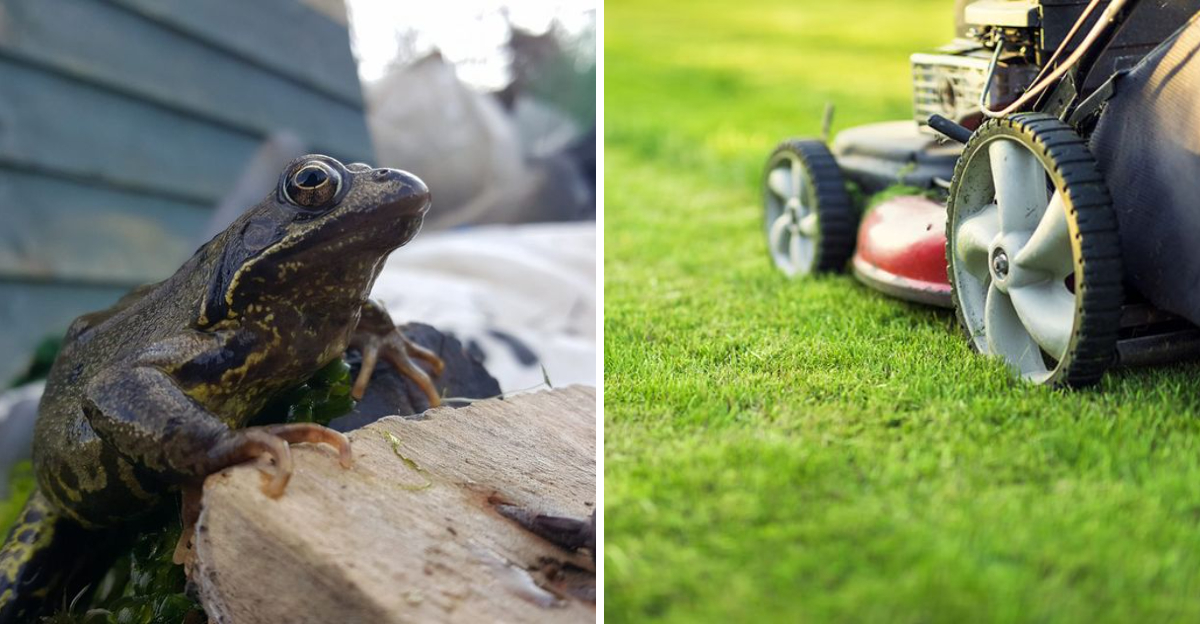
Toads are one of the most underappreciated allies a Texas gardener can have. A single toad working through a garden at night can consume a remarkable number of insects and slugs, providing the kind of pest control that never shows up on a bill and never needs to be reapplied after rain.
Most Texas gardeners would welcome more of them, yet many yards are quietly driving toads away through habits that seem completely unrelated to the problem.
Toads have specific needs when it comes to moisture, shelter, and the safety of the soil they move through, and the way most yards are maintained disrupts those needs without anyone realizing it.
The changes that bring toads back are not dramatic or expensive. They are mostly adjustments to existing habits and a few additions to the yard that toads find genuinely inviting.
Once toads settle into a garden, they tend to stay, and the pest management benefits show up in a way that is hard not to notice.
1. Overusing Pesticides

Reaching for the pesticide bottle might feel like the fastest fix when bugs show up in your garden. It makes sense on the surface.
But here is something most people do not think about: toads eat those bugs. Toads are natural pest controllers. They rely on a steady supply of live insects to survive.
When you spray pesticides across your yard, you are not just stopping the bad bugs. You are wiping out the entire insect buffet that toads depend on every single night.
Without food, there is no reason for a toad to stay. They will simply move on to a yard that offers more to eat.
Over time, heavy pesticide use creates a yard that looks fine on the outside but is almost completely empty of the insect life that supports toads and other helpful wildlife. There is also another problem. Toads absorb things through their skin.
Chemicals left on the ground or on plants can enter a toad’s body just from contact. Even low levels of pesticide exposure can make toads sick and drive them away from treated areas.
The good news is that you have options. Try switching to targeted, organic pest control methods.
Neem oil, insecticidal soap, and diatomaceous earth can handle specific pest problems without wiping out the whole insect population. You can also try companion planting to naturally repel unwanted bugs.
Reducing pesticide use even slightly can make a big difference. Give insects a chance to recover, and toads will likely follow. A balanced yard is a yard where toads want to live.
2. Removing Leaf Litter And Mulch
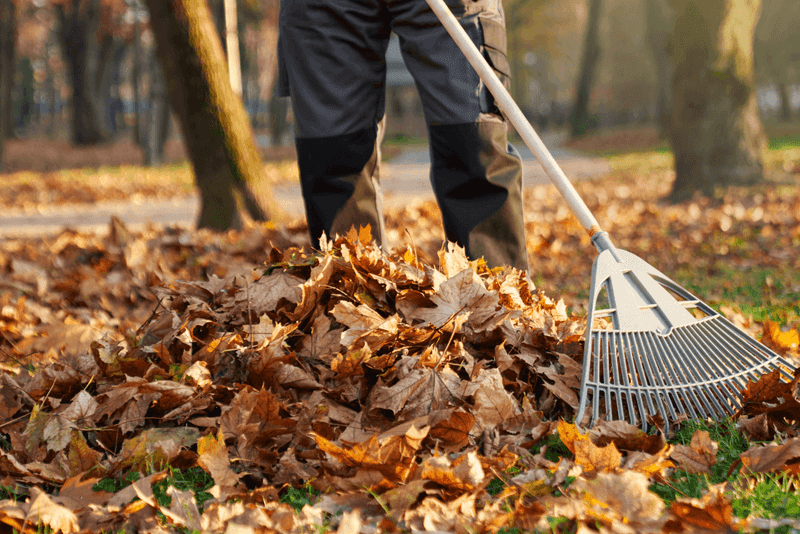
There is something oddly satisfying about a perfectly clean yard. Raked leaves, bare soil, tidy edges.
It looks neat and well-kept. But from a toad’s point of view, that clean yard has nothing to offer.
Toads need cover. They are small, soft-bodied animals that spend a lot of time hiding from birds, snakes, and other predators.
Leaf litter and mulch give them exactly the kind of low, dense shelter they are looking for. A thick layer of fallen leaves along a fence line or under a shrub is prime toad real estate.
Your Texas Garden Changes Every Week. Your Plan Should Too.
Gardening in Texas changes quickly throughout the season. Every Friday you’ll receive a simple weekly plan showing exactly what to plant, prune, fertilize, harvest, and protect so you never miss the right timing.
When you rake up every leaf and clear out all the mulch, you are removing the places where toads rest, hide, and stay cool during hot Texas afternoons. Without that cover, toads feel exposed and unsafe.
They will not stick around in a yard that leaves them out in the open. Leaf litter also supports the insects and worms that toads feed on. Beetles, pill bugs, and other small creatures live in decomposing leaves.
When you remove that layer, you are taking away both the shelter and the food source at the same time.
You do not have to let your yard become a mess to support toads. Try leaving a designated area with natural mulch or a small pile of leaves near a shaded corner.
Even a modest section of undisturbed ground can be enough to attract and keep toads nearby.
Letting nature be a little messy in the right spots is one of the easiest and most rewarding things you can do for your garden ecosystem.
3. Keeping Lawns Too Short
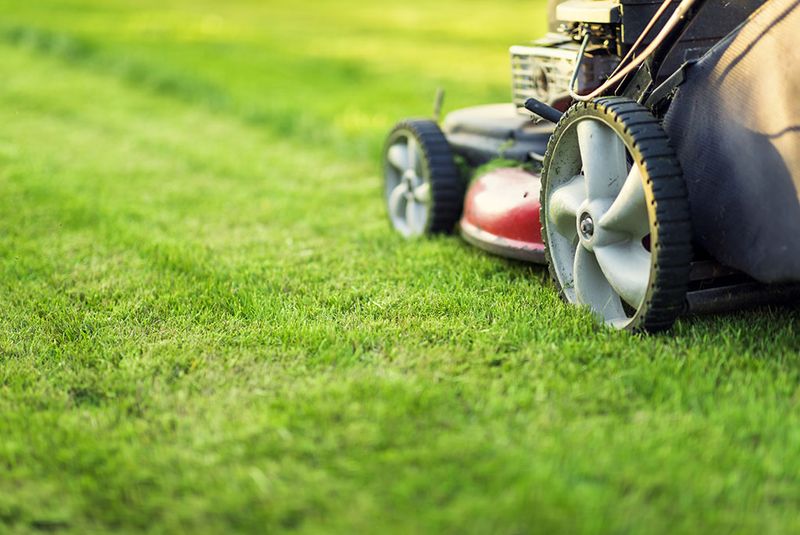
A tight, perfectly trimmed lawn is the pride of many Texas homeowners. Curb appeal matters, and a well-mowed yard looks sharp.
But mowing your grass down to almost nothing can quietly turn your yard into a place where toads refuse to visit.
Toads need grass and low vegetation to feel safe moving around. When the lawn is cut very short, there is almost no cover at ground level.
Toads are small and slow-moving. Without tall blades of grass or low plants to duck under, they feel completely exposed to the birds and other animals that might want to eat them.
Think about it from their perspective. Walking across a wide-open, closely mowed lawn is like crossing a parking lot with no shelter.
Every predator in the area can spot them easily. Toads know this instinctively, and they will avoid open spaces like that whenever they can.
Longer grass also stays cooler and holds more moisture near the soil. Texas summers are brutal, and toads need to stay hydrated.
A lawn mowed at a higher setting creates a slightly more humid microclimate at ground level, which is far more comfortable for toads trying to move through your yard at night.
Try raising your mower blade by one or two settings. Grass kept at three to four inches looks tidy but still provides enough low cover for toads to feel comfortable. You can also let a small section of your yard grow a little wilder near a garden bed or fence.
Small changes in mowing habits can have a surprisingly big impact on how welcoming your yard feels to toads.
4. Eliminating Small Ponds Or Water Sources
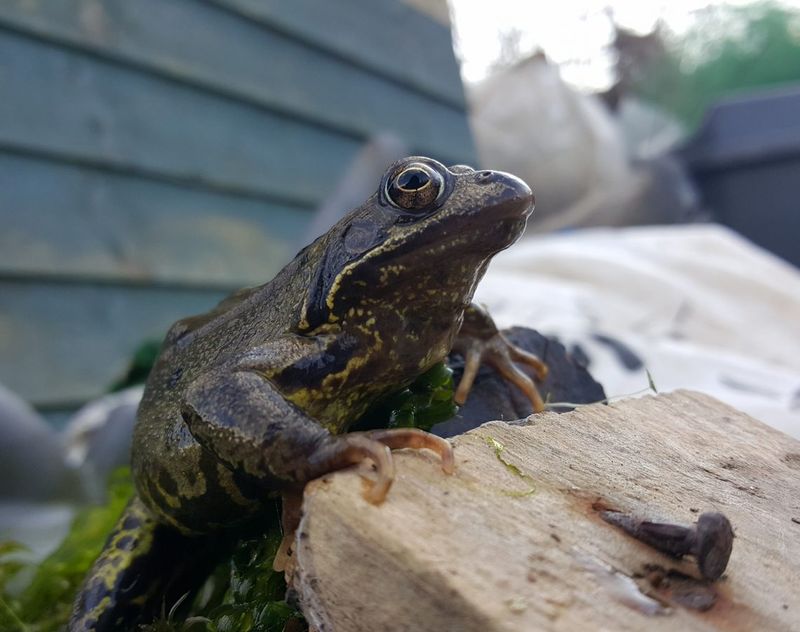
Water is not optional for toads. It is essential. Unlike many animals that drink water through their mouths, toads absorb moisture directly through their skin.
Without access to water, they quickly become dehydrated and will move on to find a better environment.
Toads also need water for breeding. During the rainy season in Texas, toads gather near ponds, puddles, and even shallow ditches to lay their eggs.
If your yard has no standing water or damp areas at all, toads have no reason to visit during breeding season, and they are less likely to return afterward.
Many Texas gardeners remove birdbaths, fill in low spots, and clear out any containers that collect rainwater. This is often done for good reasons, like reducing mosquito breeding areas.
But completely eliminating every water source also eliminates one of the most important things toads look for in a yard.
The good news is that you do not need a large pond to make a difference. A shallow dish of clean water set at ground level can be enough to attract toads.
Change the water every couple of days to keep it fresh and to prevent mosquitoes from breeding in it. A small decorative pond with moving water is even better.
Placing the water source near shade and cover makes it even more attractive to toads. They prefer to approach water from a hidden spot rather than out in the open.
Even the smallest water feature can transform a dry, toad-free yard into a place where these helpful amphibians feel right at home.
5. Excessive Night Lighting
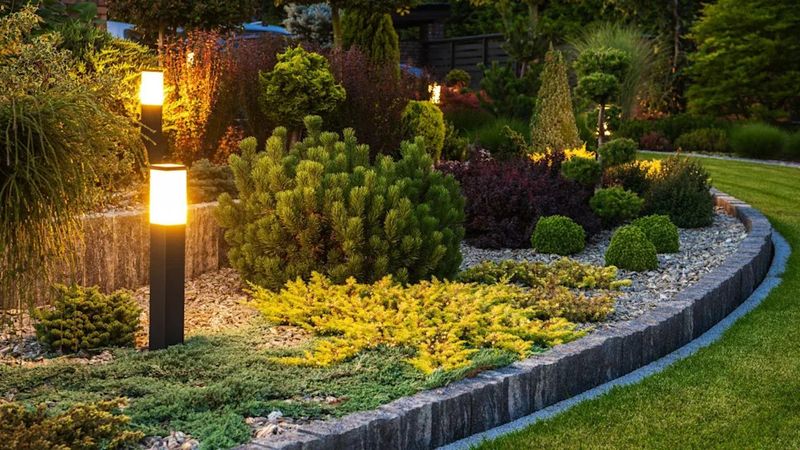
Bright outdoor lighting might make your backyard feel safer and more inviting for you at night, but for toads, all that light is a problem. Toads are nocturnal creatures.
They come out after dark to hunt, move around, and find mates. A yard flooded with artificial light disrupts all of that natural behavior.
Here is the tricky part: bright lights do attract insects. Moths, beetles, and gnats swarm around outdoor bulbs at night.
You might think that means more food for toads. But the light itself makes toads uncomfortable.
They prefer the shadows and dark edges of a yard where they can move without feeling exposed.
Heavy outdoor lighting also messes with insect patterns over time. Many insects avoid brightly lit areas or become confused by constant artificial light.
This can actually reduce the overall insect activity in your yard, leaving toads with fewer hunting opportunities even if the light seems to draw bugs in the short term.
Toads that do venture into a brightly lit yard are also more visible to predators. Owls, raccoons, and other nighttime hunters can spot them easily under flood lights.
Toads know this, and they tend to stay away from areas where they cannot blend into the darkness.
Switching to motion-activated lights is one of the best things you can do. These only turn on when needed, leaving most of the yard dark and toad-friendly the rest of the time.
Warm-toned or amber bulbs also attract fewer insects to the light itself, which helps keep bug activity spread more naturally across the yard.
6. Using Gravel Or Concrete Instead Of Soft Soil
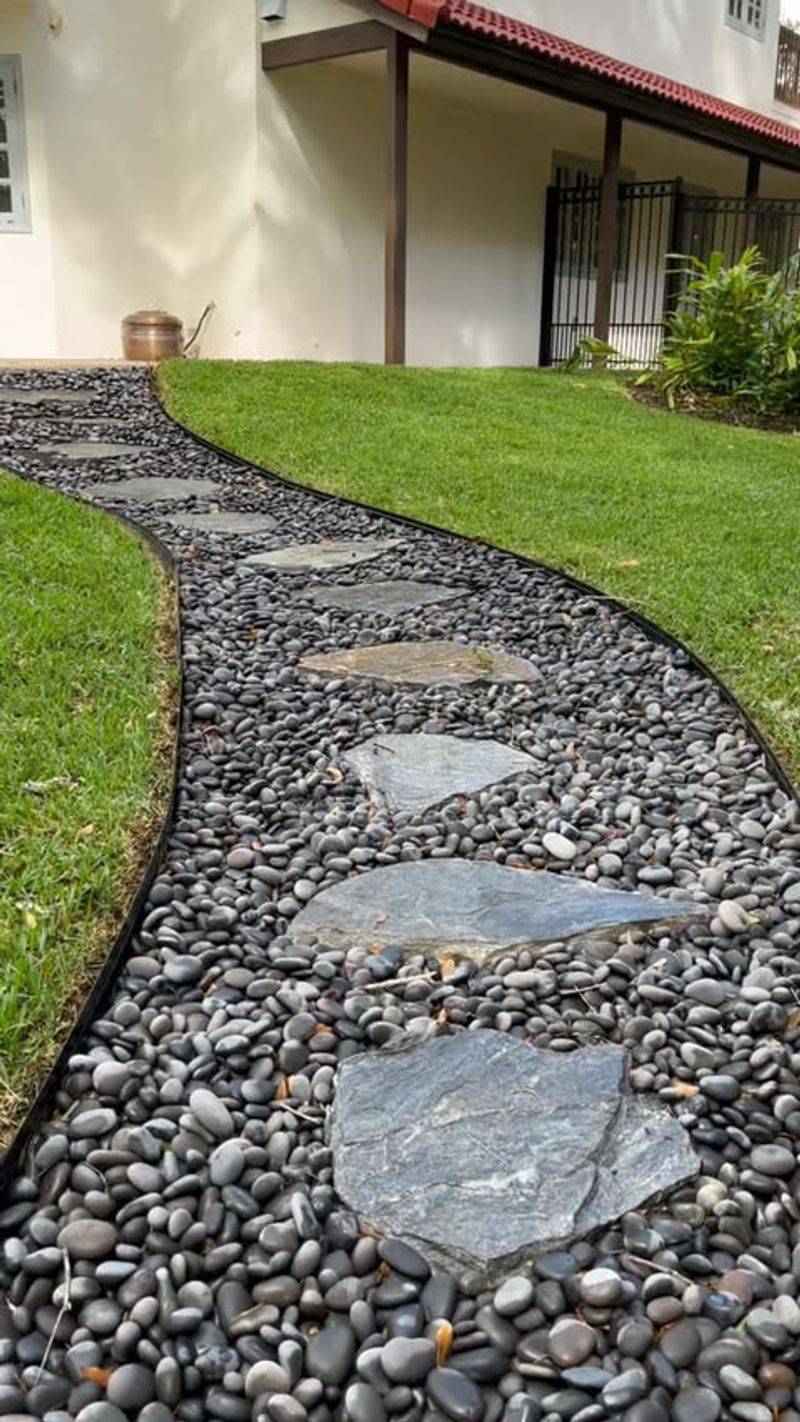
Gravel yards and concrete patios have become really popular in Texas, especially in areas dealing with drought and water restrictions.
They look clean, require almost no maintenance, and hold up well in the heat. But for toads, a yard full of hard surfaces is one of the least welcoming places imaginable.
Toads are burrowers. When the Texas sun gets intense, toads dig themselves into soft, cool soil to escape the heat.
They also burrow to rest, hide from predators, and stay moist during dry stretches. Hard surfaces like gravel, concrete, or compacted caliche make burrowing completely impossible.
Without the ability to dig in and hide, toads are left exposed on the surface. They overheat quickly and have no safe resting spot during the day.
Over time, toads learn to avoid yards that offer no soft ground, and they move on to places where the soil is loose and welcoming.
Gravel also heats up significantly more than natural soil or grass. On a hot Texas afternoon, gravel surfaces can reach temperatures that are dangerous for toads to even walk across. This creates a physical barrier that toads simply will not cross.
You do not have to give up your gravel or patio entirely. Try keeping at least one section of your yard with natural, unmulched soil or a raised garden bed with loose, soft earth.
Even a small patch of bare, soft soil near a shaded area can give toads a place to burrow and feel comfortable.
Adding a border of natural soil around your garden beds can invite toads back and give your yard a healthier, more balanced feel overall.