Texas Flowers That Reseed Themselves Year After Year
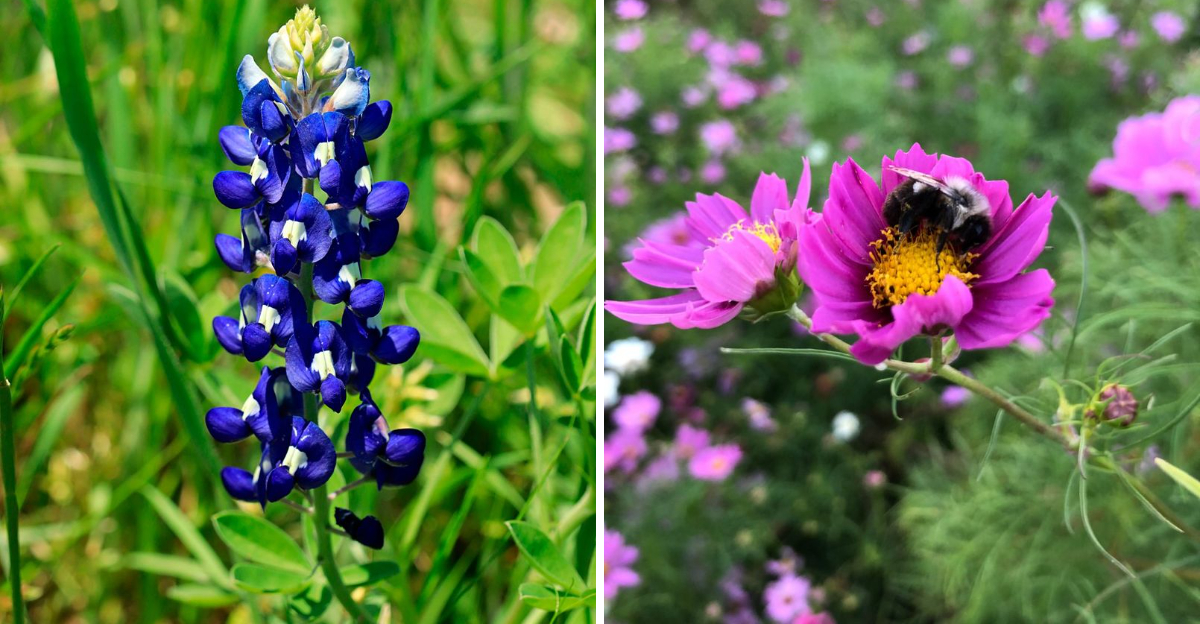
There is a very specific kind of gardening satisfaction that comes from watching a plant take care of its own future without any input from you. You grow it once, it blooms, it drops its seeds, and the following spring new plants show up in roughly the same spot like they never left.
No replanting, no seed starting, no trips to the nursery to replace what winter took out. It just happens.
In Texas, where the heat and drought can make gardening feel like a constant uphill battle, finding flowers that reseed reliably is more than just convenient.
It’s a genuine strategy for building a low-maintenance garden that keeps getting better over time without requiring the same investment every single year.
The flowers on this list have figured out how to thrive in Texas conditions well enough to keep themselves going season after season, and your only job is to give them somewhere good to start.
1. Texas Bluebonnet
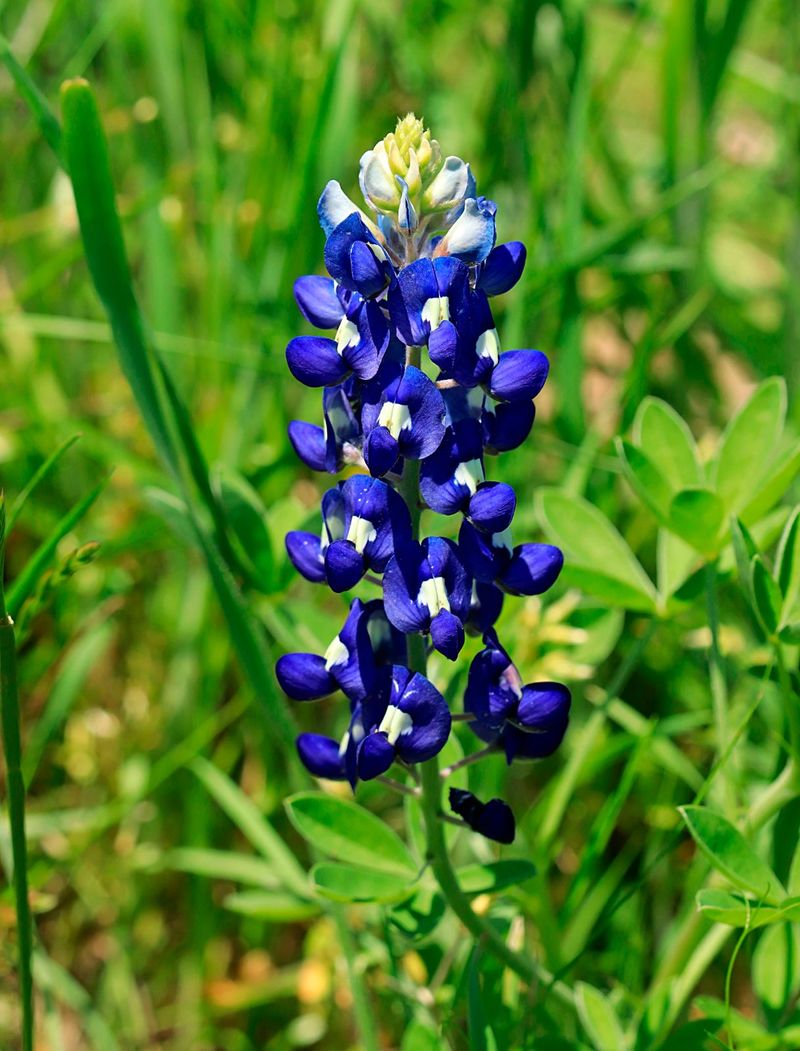
Few flowers in the entire country carry as much pride as the Texas Bluebonnet. It is the official state flower of Texas, and for good reason.
Every spring, roadsides and open fields across the state burst into waves of deep blue and purple blooms that make people pull over just to take pictures.
Bluebonnets are annuals, which means each plant only lives one season. But here is the cool part: they reseed so reliably that they feel like perennials.
The trick is to let the seed pods dry out completely on the plant before mowing or clearing the area. Those pods will pop open and scatter seeds into the soil, ready to sprout come fall and bloom again next spring.
In Texas, bluebonnets actually germinate in the fall and spend winter as small rosettes before flowering in March and April. Planting them in well-drained soil with full sun gives the best results.
Scratching the hard seed coat slightly before planting helps speed up germination. Once established in your yard or garden, a patch of bluebonnets can come back stronger every single year with almost no effort from you at all.
2. Indian Blanket
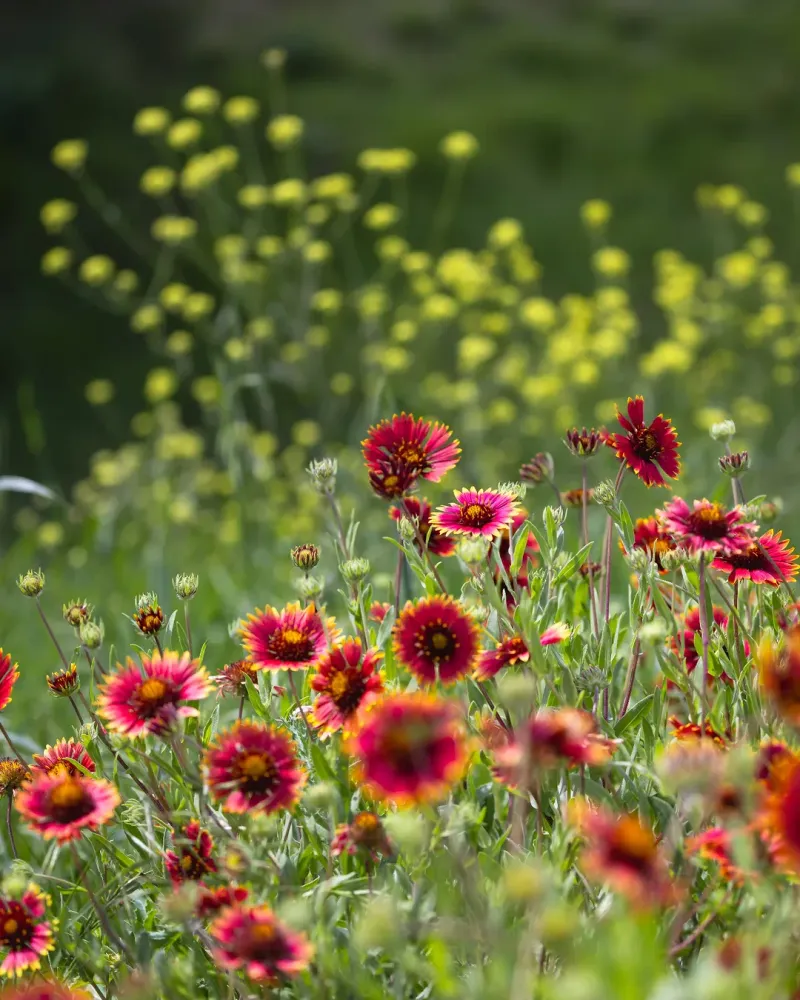
Walk through any sunny Texas meadow in late spring or summer and you are likely to spot the Indian Blanket showing off its bold red and yellow petals. Also called Firewheel, this native wildflower looks like it was painted by hand.
The colors are vivid, cheerful, and almost impossible to miss. One of the best things about Indian Blanket is how tough it really is. Poor soil? No problem. Scorching Texas heat? Bring it on. This flower thrives in conditions that would stress out most plants.
It blooms from late spring all the way into fall, giving your garden months of color without much fuss.
When the blooms fade, the seed heads dry out and naturally drop seeds right where they stand. Birds also help spread seeds around, so you may find new plants popping up in surprising spots around your yard.
For best reseeding, avoid cutting back the plants too early in the season. Let the seed heads mature fully before any cleanup.
Your Texas Garden Changes Every Week. Your Plan Should Too.
Gardening in Texas changes quickly throughout the season. Every Friday you’ll receive a simple weekly plan showing exactly what to plant, prune, fertilize, harvest, and protect so you never miss the right timing.
Indian Blanket grows best in full sun and does not need fertilizer. In fact, rich soil can actually reduce blooming.
Planting it in a naturalized area of your Texas yard is one of the easiest gardening decisions you will ever make.
3. Black-Eyed Susan
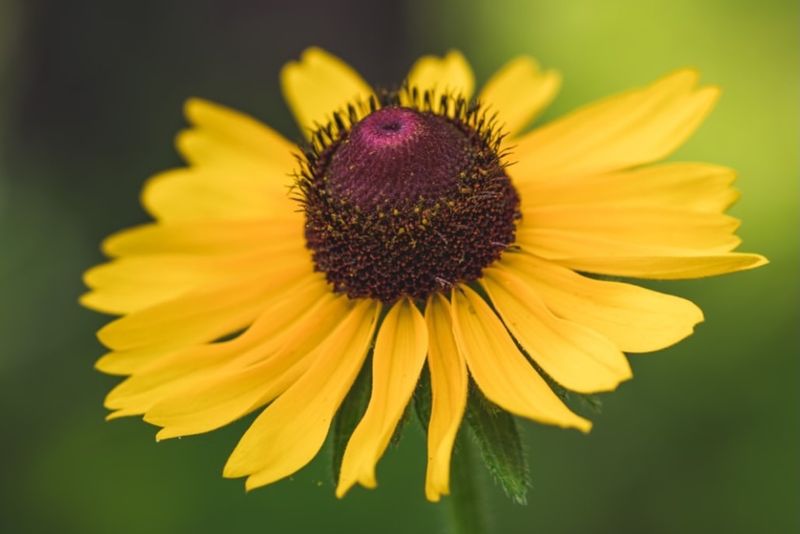
There is something undeniably cheerful about a Black-Eyed Susan. Those golden yellow petals surrounding a dark chocolate-brown center look like little suns scattered across a garden.
In Texas, they are a staple of wildflower meadows, roadside plantings, and backyard gardens alike.
Black-Eyed Susans are incredibly drought tolerant once they get established, which makes them a perfect fit for the sometimes harsh Texas climate. They bloom from early summer into fall and attract butterflies, bees, and goldfinches who love snacking on the seeds.
Letting those seed heads stay on the plant through late fall is the secret to getting them to come back year after year.
Fun fact: Black-Eyed Susans can behave as annuals, biennials, or short-lived perennials depending on the variety and conditions. In Texas, many gardeners find they reseed so freely that a small patch quickly becomes a large, lush colony.
They grow well in sandy or loamy soil with full sun to light shade. Avoid overwatering because soggy roots are their biggest weakness.
Scatter seeds in fall for spring germination, or let existing plants do the work for you. Either way, once you have Black-Eyed Susans growing in your Texas garden, they tend to stick around and keep coming back reliably every year.
4. Plains Coreopsis
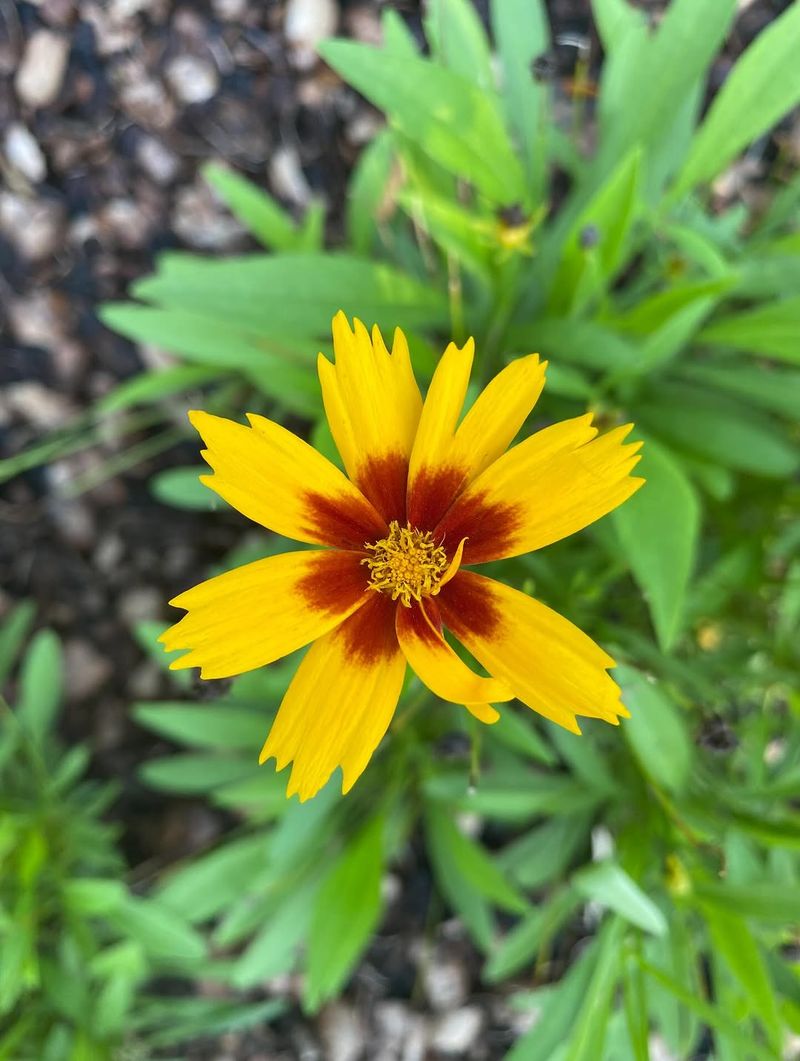
If you want a wildflower that absolutely goes for it, Plains Coreopsis is your match. Also known as Calliopsis, this fast-growing annual can go from seed to full bloom in just a matter of weeks.
In Texas, it is commonly seen blanketing roadsides and open fields with cheerful yellow and deep red blooms from spring through early summer.
Plains Coreopsis reseeds aggressively, which is honestly one of its best features. Plant it once in a sunny spot with decent drainage, and it will basically take over the area in the best possible way.
The more sun it gets, the more it blooms and the more seeds it produces. It is practically self-sufficient once it gets going.
This wildflower is a favorite in Texas highway beautification projects for good reason. It tolerates heat, drought, and poor soil without complaint.
For home gardeners, scatter seeds in a sunny bed or open lawn area in fall or early spring. Thin seedlings if they get too crowded, but honestly, the dense patches create a stunning visual effect.
Coreopsis also attracts pollinators like bees and butterflies, making it a win for your local ecosystem too. Once you grow Plains Coreopsis in your Texas yard, you will wonder why you ever planted anything else in that sunny bare spot.
5. Winecup
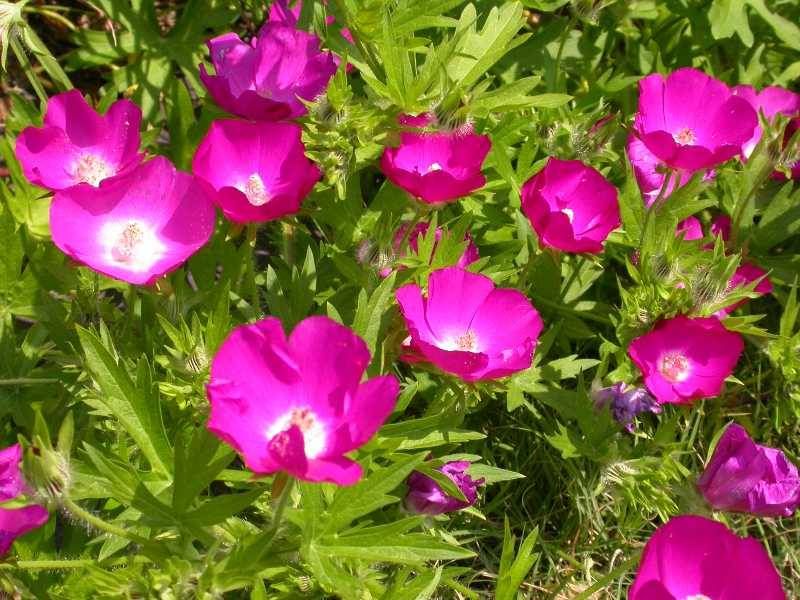
Winecup is one of those wildflowers that quietly earns its place in the garden without asking for much attention.
Its deep magenta, cup-shaped blooms sit low to the ground and spread outward over time, making it a beautiful natural groundcover for Texas landscapes. The color is rich and striking against green foliage or dry grasses.
Native to Texas and the Great Plains, Winecup is a tough plant that handles drought, rocky soil, and full sun with ease. It blooms from spring into early summer and sometimes again in fall if there is enough moisture.
The plants spread through both underground roots and reseeding, so a small planting can gradually cover a surprisingly large area over a few seasons.
Winecup works wonderfully on slopes, along pathways, or in any spot where you want low-maintenance coverage with real visual impact. Let the seed pods dry and shatter naturally to encourage reseeding in new areas.
Birds and wind also help move the seeds around. In Texas gardens, Winecup pairs beautifully with bluebonnets and Indian Blanket for a wildflower mix that looks stunning in spring.
It prefers well-drained soil and does not like to sit in wet conditions. Once established, Winecup is practically carefree and rewards patient gardeners with spreading color year after year.
6. Mexican Hat
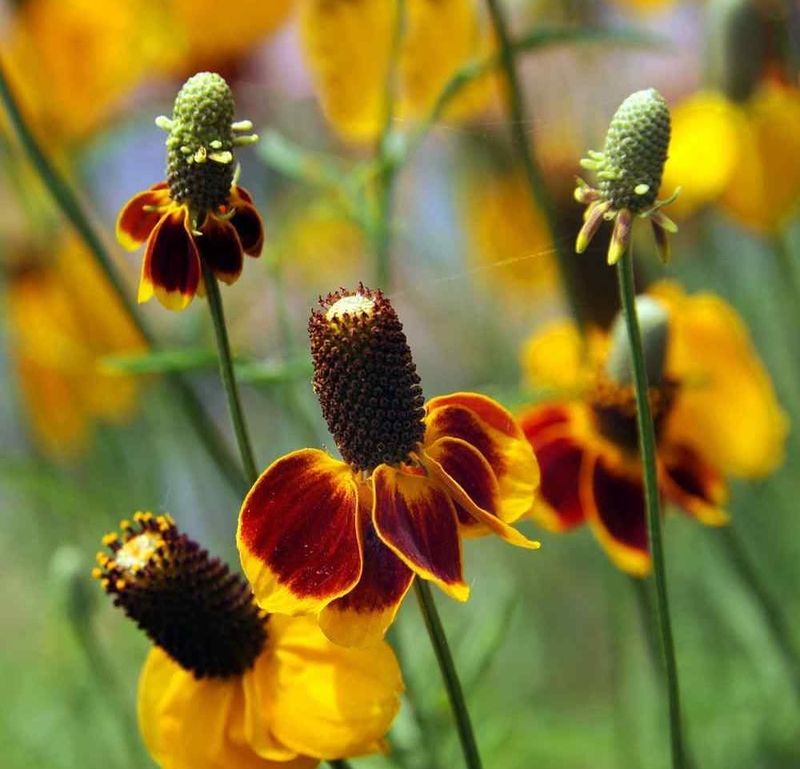
Named for its resemblance to a traditional sombrero, Mexican Hat is one of the most distinctive wildflowers you will find growing across Texas. The blooms feature a tall, elongated central cone draped with small red and yellow petals that hang downward like the brim of a hat.
It is quirky, bold, and totally unforgettable once you spot it.
Mexican Hat is a native perennial that also reseeds freely, giving you the best of both worlds. The plant comes back from its roots each year and also drops seeds that sprout new plants nearby.
Over time, a single Mexican Hat plant can become a whole colony spread across a naturalized area of your yard or garden.
This wildflower is incredibly well-suited to the Texas climate. It handles heat, drought, and poor rocky soil without skipping a beat.
It blooms from late spring through summer and sometimes into fall, providing long-lasting color when many other flowers have already faded. Full sun and good drainage are really all it needs to thrive.
Mexican Hat is a fantastic choice for roadside plantings, meadow gardens, or any area where you want a low-care, high-impact wildflower. Let the seed heads mature fully before clearing the area so new plants have every chance to sprout and establish in the following season.
7. Cosmos
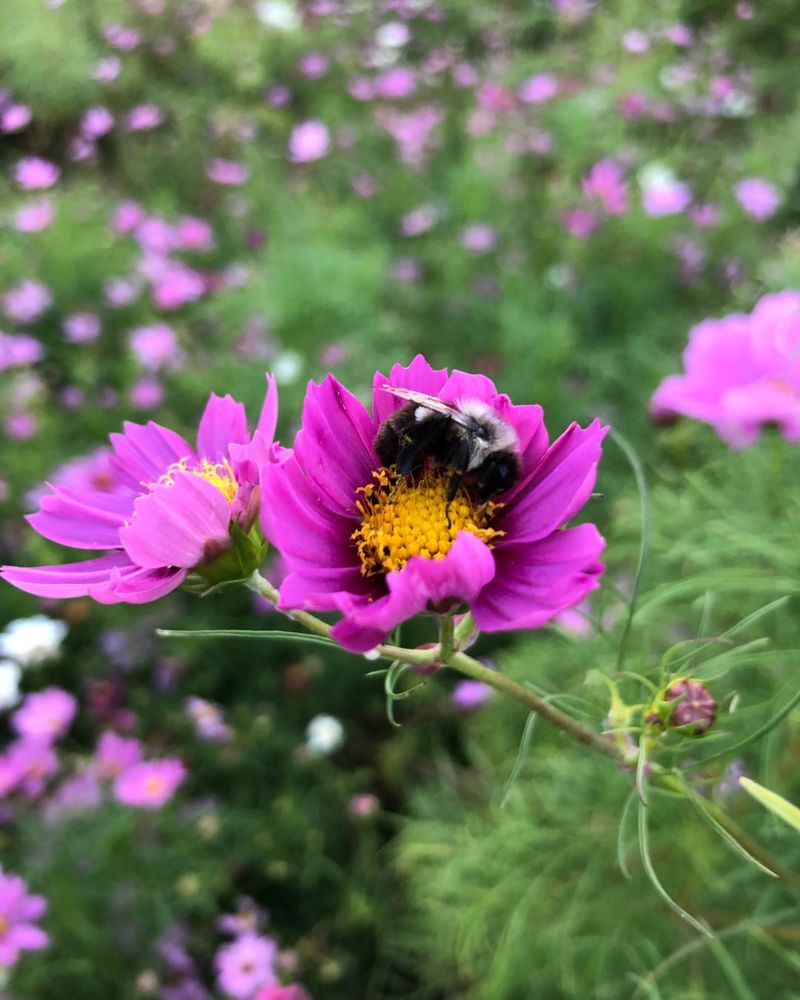
Cosmos might not be a native Texas wildflower, but it has made itself completely at home here. These airy, cheerful blooms in shades of pink, white, red, and purple have a delicate look that completely hides how tough they actually are.
In Texas, they thrive in the summer heat and keep right on blooming until the first frost arrives.
One of the biggest reasons gardeners love Cosmos is how effortlessly they reseed. Let the spent blooms stay on the plant and the feathery seeds will scatter with the breeze, landing wherever they please.
Come spring, you will find new Cosmos seedlings popping up all over the garden. It is like getting a free garden refill every single year without lifting a finger.
Cosmos prefer full sun and actually do better in poor, dry soil than in rich, fertilized ground. Too much nitrogen leads to lots of foliage but fewer flowers, so skip the heavy feeding.
They are a fantastic choice for Texas gardeners who want big color with minimal effort. Cosmos also attract butterflies, bees, and hummingbirds, turning your yard into a lively little ecosystem.
Scatter seeds directly in the garden after the last frost date, or just let last year’s plants do the seeding for you. Either way, Cosmos deliver reliable, beautiful color year after year in Texas gardens.
8. Larkspur
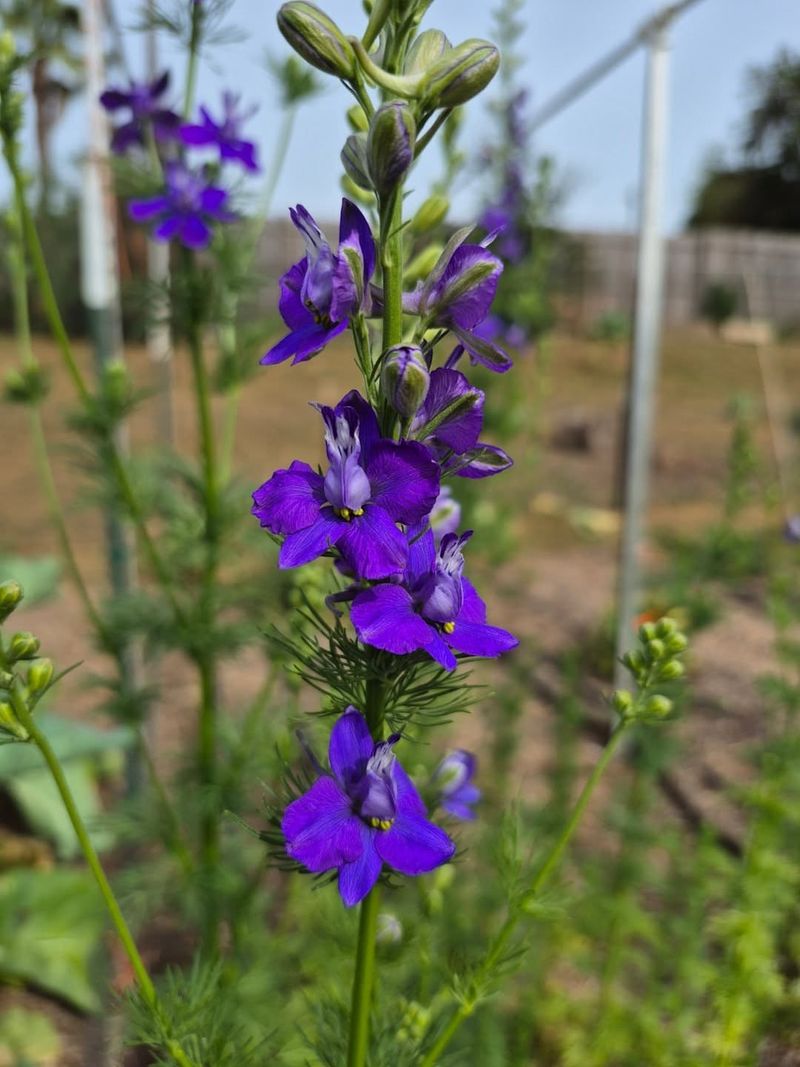
Larkspur has a kind of old-fashioned charm that feels like something out of a cottage garden from generations past.
The tall spikes covered in delicate blue, purple, pink, or white blooms are a stunning sight in any Texas spring garden. And the best part? Larkspur practically plants itself once it gets going.
Unlike most of the other flowers on this list, Larkspur is a cool-season bloomer. In Texas, that means it grows through the mild winter months and bursts into full flower in early to mid spring.
When the heat of summer arrives, the plants fade away, but not before dropping a generous supply of seeds into the soil below. Those seeds just wait patiently through the hot summer and germinate again when cooler temperatures return in fall.
Scatter Larkspur seeds in fall for the best results in Texas. They need a period of cold to germinate well, so fall planting aligns perfectly with the natural cycle.
Choose a sunny or lightly shaded spot with good drainage and loose soil. Larkspur does not like to be transplanted, so sow seeds directly where you want them to grow.
Once established, this cool-season beauty will reseed and return on its own each spring, rewarding you with those gorgeous tall blooms that make every Texas garden feel a little more magical.