These Venomous Species Return To Tennessee Every Year, So Learn Them Now
Some baby snakes wiggle a bright yellow tail tip like a worm to lure hungry frogs within striking range. That clever trick plays out in Tennessee woods and gardens once warm spring days return each year.
Only a handful of local creatures carry venom worth real respect, while many harmless lookalikes get blamed unfairly. Some slither through leaf litter, while others hide in woodpiles or look as soft as kitten fur.
I used to grab firewood bare-handed without a second thought, but a little reading changed that habit fast. You build real confidence outdoors when you can tell a true threat from a harmless garden helper.
Spring cleanup season across Tennessee brings plenty of chances to meet these critters face to face. So which of them deserve a careful step back, and which one buzzes more like an insect than a rattle?
1. Copperhead Snakes Hide in Fallen Leaves
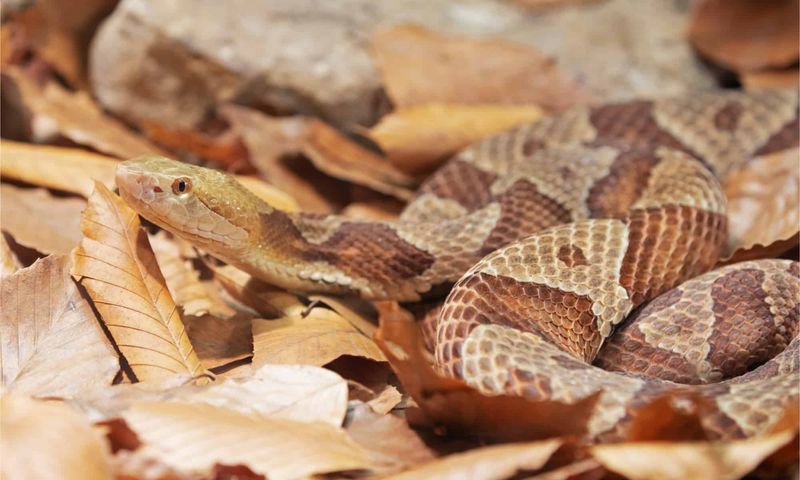
My first copperhead looked like a pile of oak leaves until it shifted, and my heart jumped into my throat. Those coppery hourglass bands mimic leaf litter so well that most bites happen when someone steps or reaches blindly.
Copperheads are the venomous snakes people meet most often across the state, mostly because they adapt to suburbs. They like wooded edges and rocky walls, so a shady garden border with mulch can feel like home.
Babies arrive in late summer with a sulfur-yellow tail tip, which they wiggle to lure frogs and lizards. Adults reach about two to three feet long, with a plain copper head and a fairly thick body.
Their venom is considered the mildest among the local pit vipers, though a bite still needs a hospital visit. Doctors treat it seriously because swelling and pain can last for days, even when the person recovers well.
During spring, copperheads leave winter dens and bask on warm rocks during the day before feeding later on. As summer heats up, they often shift to hunting at night, which makes evening walks a flashlight job.
I wear sturdy boots and leather gloves now whenever I pull weeds near woodpiles or thick ground cover. Rake leaf piles with a long tool first, and give any snake you spot plenty of room to leave.
Most copperheads freeze rather than flee, trusting their camouflage to keep them safe from you and predators. That stillness makes them easy to step on, so slow down and scan the ground before you kneel.
2. Timber Rattlesnakes Coil Beside Forest Logs
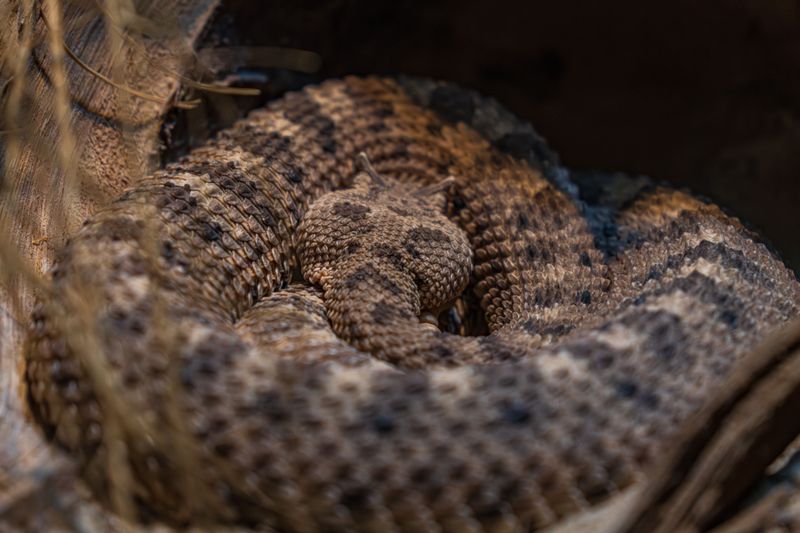
Few sounds stop a hiker faster than the dry, sizzling buzz of a timber rattlesnake hidden beside a log. I heard one once on a ridge trail, and I swear my boots stopped moving before my brain caught up.
These heavy-bodied snakes are the largest venomous species in Tennessee, with adults often reaching four or five feet. Black chevron bands zigzag across gray or yellowish skin, and many show a rusty stripe down the back.
Timbers spend winter in shared rocky dens, then scatter into the forest once spring temperatures hold steady. Some snakes return to the same den year after year, a habit that makes these sites special to protect.
Their tail tip is solid black, and the rattle grows a new segment each time the snake sheds. Counting rattle segments does not reveal age, since snakes shed several times a year and segments break off.
Timber rattlesnakes are famously calm and often lie still, relying on camouflage instead of warning everyone nearby. Their venom is potent, though, and bites need emergency care, so admire them only from a safe distance.
Tennessee law protects native snakes, including this one, so calling a wildlife professional beats grabbing a shovel. They also eat plenty of mice and chipmunks, which helps reduce tick hosts around wooded homes.
Keep brush trimmed near your house, and store firewood on raised racks away from the back door. When hiking rocky slopes, step onto logs rather than over them, since you cannot see the other side.
3. Cottonmouths Gape Wide Along Swampy Shores
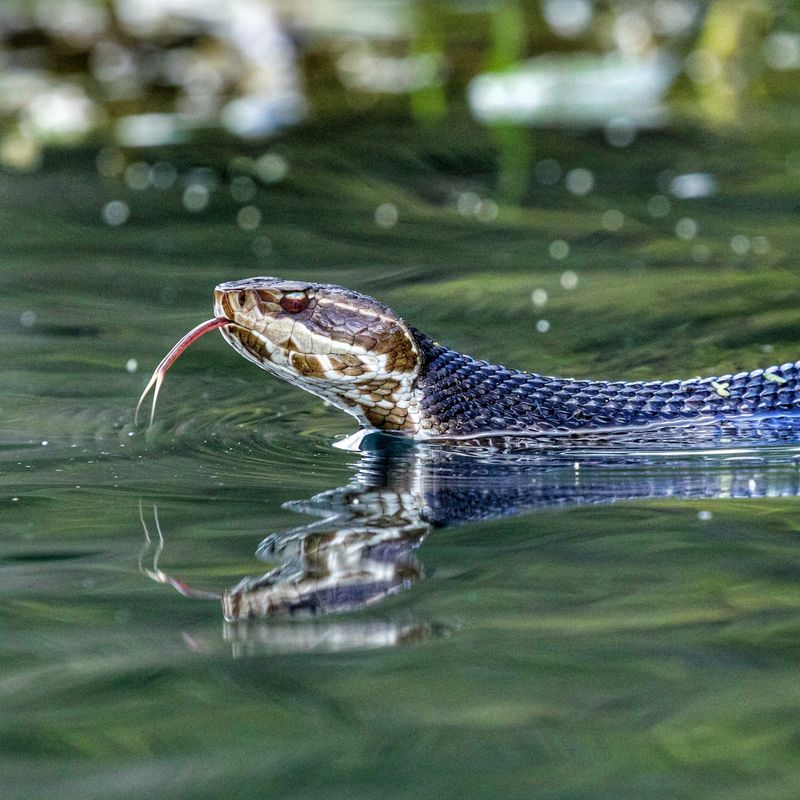
Nothing says back off quite like a cottonmouth throwing its jaws open to flash that bright, cotton-white mouth lining. It looks dramatic, but the display is a warning, and it gives you a chance to walk away calmly.
Also called water moccasins, these thick-bodied snakes live mostly in western wetlands and slow river backwaters. Scattered populations reach parts of the middle of the state, but eastern mountain gardeners rarely meet one.
Adults look dark olive or nearly black, often with faint bands that fade as they age. Youngsters wear brighter crossbands and a yellowish tail tip, which they use to tempt small prey closer.
I learned the hard way that many harmless water snakes get mistaken for cottonmouths at fishing ponds. Northern water snakes are slimmer and flee quickly, while cottonmouths often hold their ground and float high on the surface.
Look for a dark stripe running through the eye and a blocky head that sits wider than the neck. Those clues help, but treat any snake near water with caution if you cannot identify it confidently.
Spring warmth brings them out to bask on banks and logs, and they also mate during this season. Their venom can cause serious tissue damage, so any bite calls for emergency treatment right away.
Pond owners can trim tall grass along banks and clear brush piles where frogs and snakes like to gather. Wear tall waterproof boots when wading, and watch where you place your hands near overhanging roots.
4. Western Pygmy Rattlesnakes Buzz Like Insects
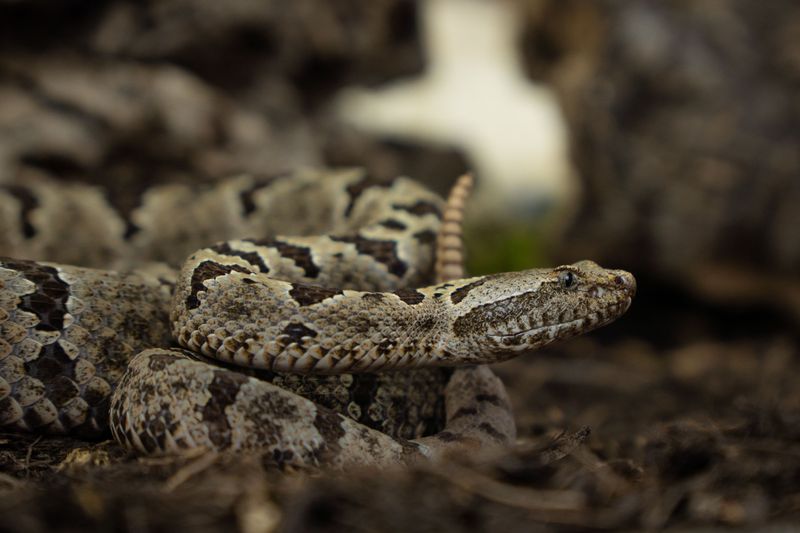
The first time I read about a rattlesnake that sounds like a buzzing bug, I honestly laughed out loud. Western pygmy rattlesnakes carry such a tiny rattle that its warning often resembles an insect humming in the grass.
Adults stay under two feet long, with gray bodies marked by dark blotches and a reddish stripe down the back. Their heads look small for a rattlesnake, but the heat-sensing pits and vertical pupils give them away.
In Tennessee, this species is rare and found in a narrow range near the lower Tennessee River valley. Most local residents will rarely see one, which makes every confirmed sighting exciting news for wildlife biologists.
They favor floodplain forests and grassy edges near lakes, where small frogs and lizards are easy meals. Some even eat large centipedes, which feels like a fair trade to me as a gardener.
Their venom is less dangerous than a timber rattlesnake’s, though a bite still hurts and requires medical care. Swelling and pain are common, so call for help instead of trying old remedies like cutting or sucking wounds.
Small size makes these snakes easy to overlook in leaf litter or under boards along a property edge. Use a garden fork to lift flat objects, and keep your fingers out of spots you cannot see.
If you live near the river valley, learn their look now before the warm afternoons draw them outside. A quick photo from a distance can help local experts confirm the species without anyone getting hurt.
5. Brown Recluse Spiders Hide in Stored Boxes
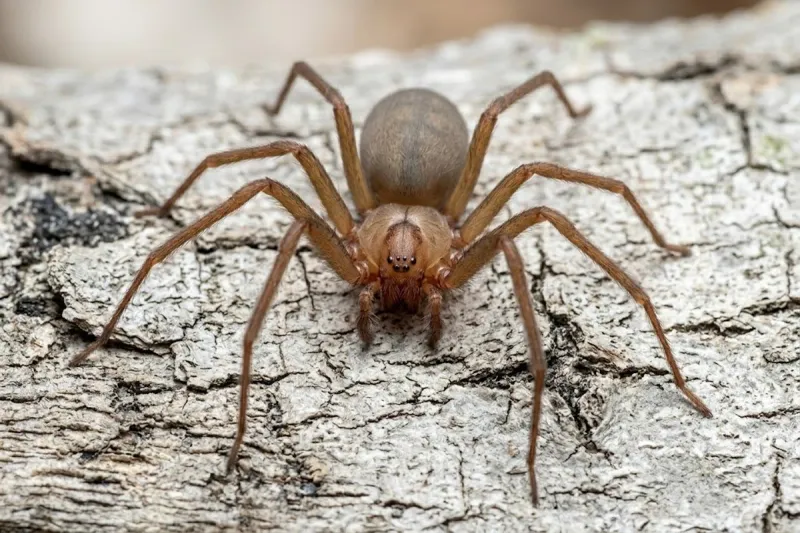
Brown recluses earned their name honestly, since they would rather sit quietly in a shoebox than meet you. Trouble starts when a spider gets trapped against skin inside a forgotten glove or a folded shirt.
Look for a tan body with a darker violin shape on the front section, its neck pointing toward the rear. Six eyes arranged in three pairs make the best clue, though you will need a magnifying glass.
Their slender legs are evenly colored, without stripes or bands, which helps separate them from lookalike house spiders. Many harmless spiders get blamed for recluse bites, so careful identification matters before anyone starts to panic.
Activity picks up from spring through fall, when warmer weather sends them roaming at night for insects. Garages and attics suit them well, because stacked cardboard and clutter offer plenty of dry hiding spots.
Most bites heal without major trouble, yet some form slow-healing wounds that need a doctor’s attention. Seek care quickly if a bite blisters or darkens, and bring the spider along if you can do that safely.
I now store my garden gloves in sealed plastic bins, and I shake them out before every use. Sticky traps along walls help you monitor numbers, and plastic storage beats cardboard for keeping them out.
Pull beds slightly away from walls, and keep bedding off the floor in rooms where recluses show up. Small habits like these sound fussy, but they make surprise encounters far less likely around the house.
6. Black Widow Spiders Spin Messy Webs in Sheds
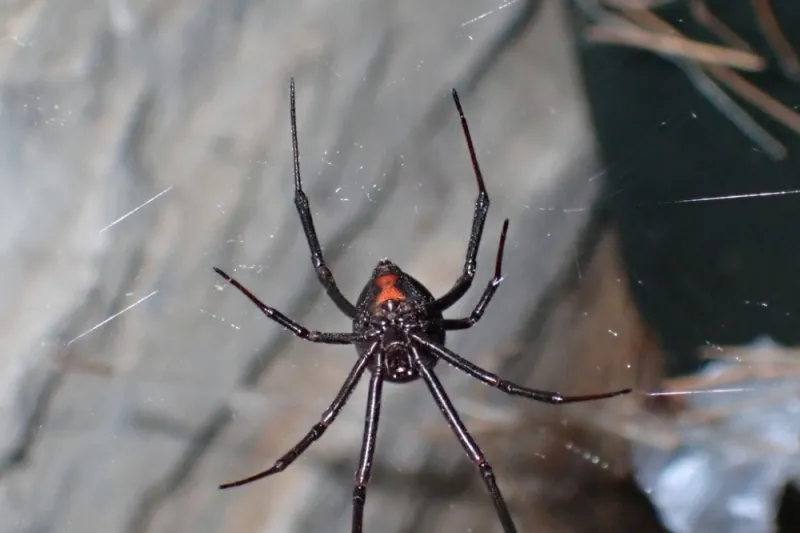
Nothing in the garden shed looks quite as glossy as a female black widow hanging upside down in her web. That famous red hourglass glows on her belly like a warning sign, and I respect the message every time.
Her web looks tangled and sloppy, but the silk is surprisingly strong and often sits low near the ground. Check under flowerpot rims and inside water meter boxes before you reach in with bare fingers this season.
Two species live here, the southern black widow and the northern black widow, and both carry potent venom. Males are smaller and mostly harmless to people, while young spiders may show orange and white markings.
Their venom affects nerves, so bites may cause painful muscle cramps and heavy sweating within an hour or two. Serious outcomes are rare, but children and older adults should get prompt medical care after any bite.
These spiders avoid people whenever possible, and most bites happen when someone presses one by accident. Old boots and stacked flowerpots are classic hiding places, so I tap mine out before using them.
Clearing clutter around foundations and woodpiles removes the quiet corners widows love for building their webs. Store firewood away from the house, and bring in only what you plan to burn that same day.
Gloves are your best friend for spring cleanup, especially when lifting boards or old tarps from the yard. A long-handled broom also removes webs from shed corners without putting your hands anywhere near the spider.
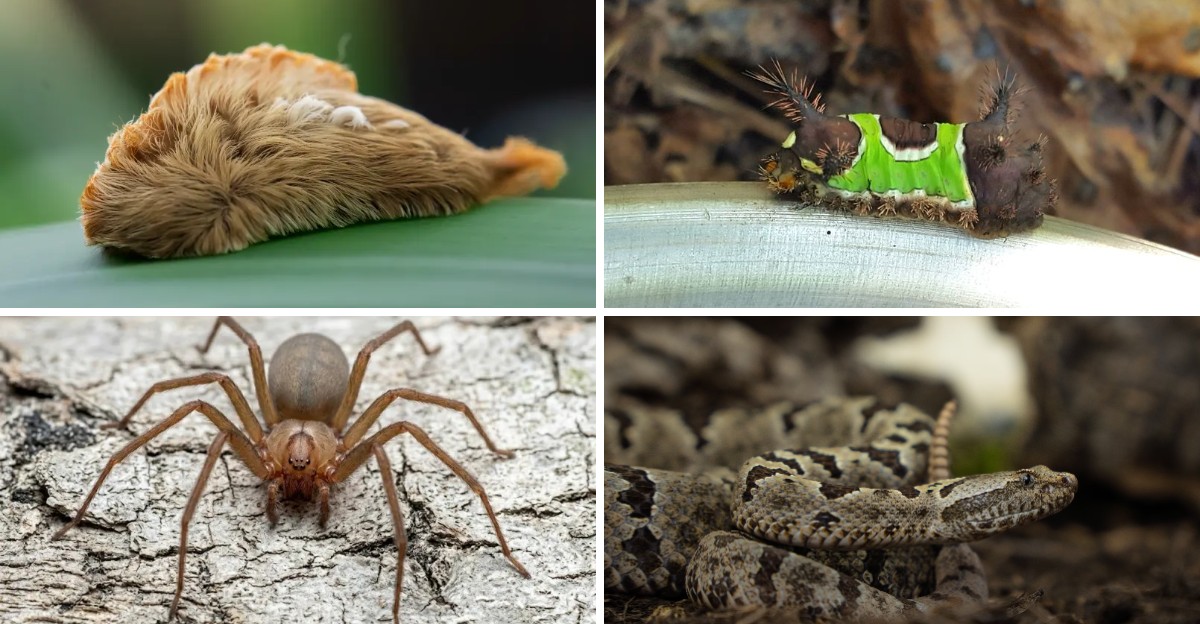
7. Puss Caterpillars Hide Stinging Spines Under Fluff
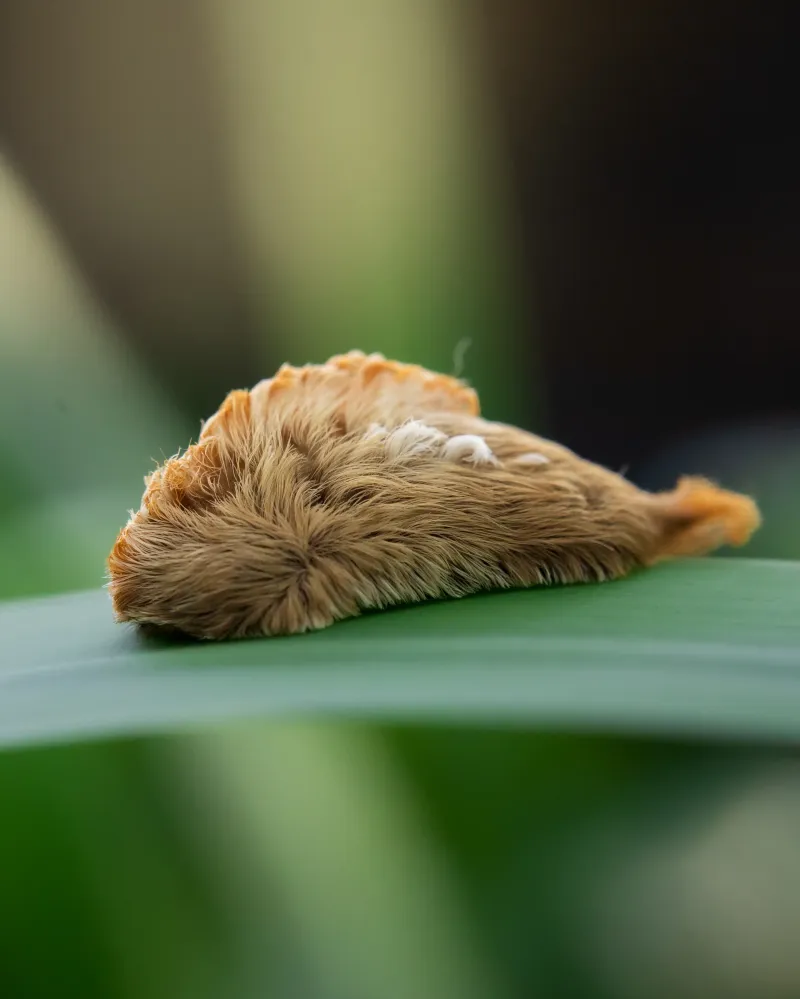
Puss caterpillars look like tiny wigs or a toupee crawling along a branch, and I admit the fluff is adorable. Hidden beneath that soft hair are venomous spines that can cause one of the most painful caterpillar stings around.
These larvae become southern flannel moths, and they show up mostly in the southern half of the country. Despite spring buzz online, sightings usually peak in summer and fall, when the caterpillars feed on shade trees.
Favorite food plants include oaks and elms, though they also munch on roses and other shrubs near homes. A sting brings intense burning that can spread up an arm, sometimes with swelling and a grid-like rash.
Some people develop headaches or nausea, so anyone with severe symptoms should contact a doctor or poison control. If you get stung, press clear tape on the spot and pull it away to lift out broken spines.
Washing with soap and water afterward helps, and an ice pack can calm the burning for a while. Kids love picking up fuzzy caterpillars, so show them photos now before summer play brings them outdoors.
I tell young visitors that fluffy bugs are for admiring with eyes, not with curious fingers. Wear long sleeves when pruning trees in late summer, since caterpillars can drop onto shoulders and necks.
Even shed skins and fallen larvae may hold active spines, so brush them away with a stick. Learning this fuzzy imposter now means you will spot it quickly when the warm months bring it back.
8. Saddleback Caterpillars Wear Bright Green Saddles
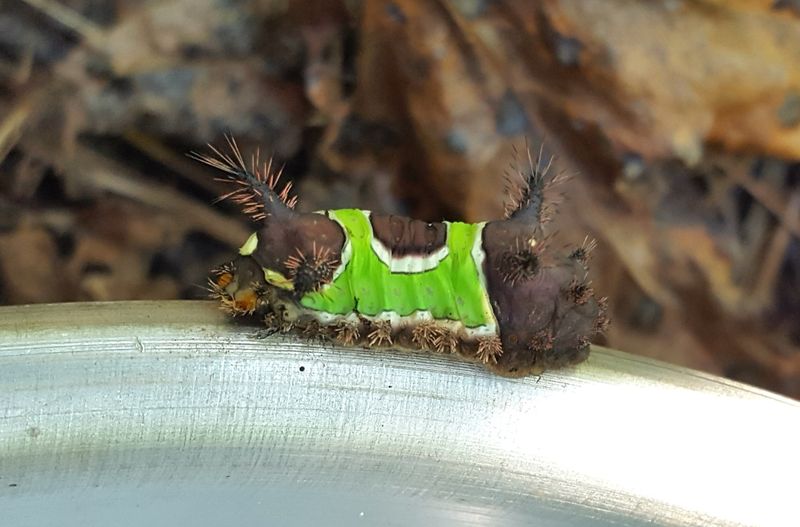
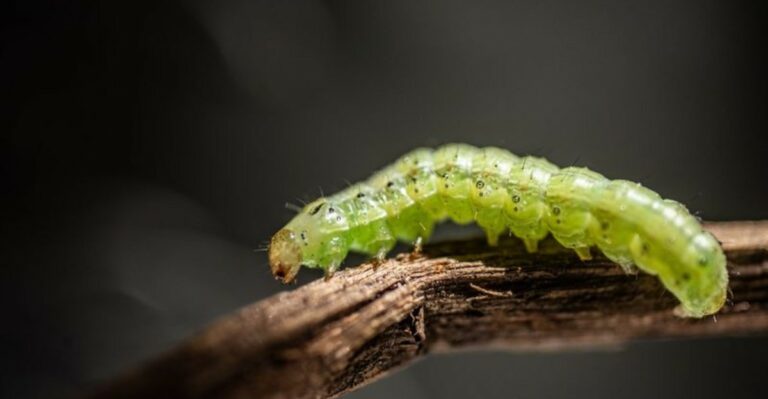
Saddleback caterpillars look like someone dressed a tiny slug in a lime green blanket and a brown saddle. Gardeners often spot them on the undersides of leaves, admiring the costume right up until a sting.
Fleshy horns at both ends bristle with spines, and more stinging hairs line the sides of the body. Those spines snap off easily and lodge in skin, causing burning pain and raised welts that linger for hours.
These larvae feed on a wide mix of plants, from maples and oaks to corn and ornamental shrubs. Brushing against a leaf while harvesting or pruning is the most common way people end up stung.
Like puss caterpillars, saddlebacks are mostly a summer and fall concern rather than an early spring arrival. Planning ahead now still pays off, since you will recognize them instantly when they appear on your favorite shrubs.
Treatment mirrors other caterpillar stings, starting with tape to pull out spines and a gentle soap wash. Ice and an antihistamine may help, but allergic reactions or eye contact call for medical care quickly.
I like to scan leaves before tying up tomatoes or cutting flowers, because one hidden saddleback ruins a morning. Thin garden gloves add a helpful barrier, though stiff spines can sometimes poke through very light fabric.
Saddlebacks are native moths, and birds plus parasitic wasps help keep their numbers in check naturally. Handpicking with tongs works for small infestations, so you can skip harsh sprays and protect helpful insects.