The Native Tennessee Shrub That Feeds Birds And Boosts Your Privacy
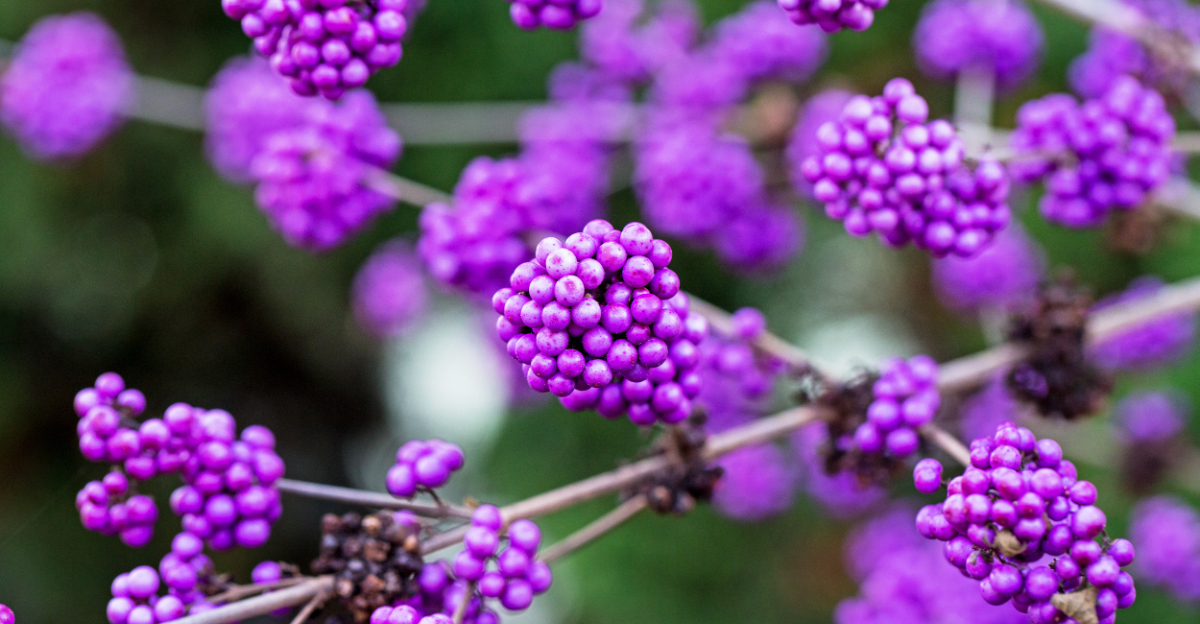
A backyard plant can make you the most popular stop for birds. You’ll notice birds circling before you even step outside. Purple berry clusters appear along every branch as you watch.
Mockingbirds arrive early, letting you watch robins gather in. Robins wait their turn before you notice a shift. Tennessee summers challenge everything you’ve ever tried to grow.
Yet you’ll watch this find thrive through steady heat and humidity. Growth happens fast, and you’ll see bare space fill quickly. Color spreads fast enough to catch every neighbor you have.
Privacy builds itself while wildlife multiplies right around you. Southeastern gardeners noticed this secret long before you did. Heat rarely bothers something built for your Tennessee backyard.
Nothing about this discovery asks much from you. Momentum builds season after season, and you’ll notice it never slows. You are one planting decision away from a yard that never stops moving.
American Beautyberry Is Native To Tennessee Yards
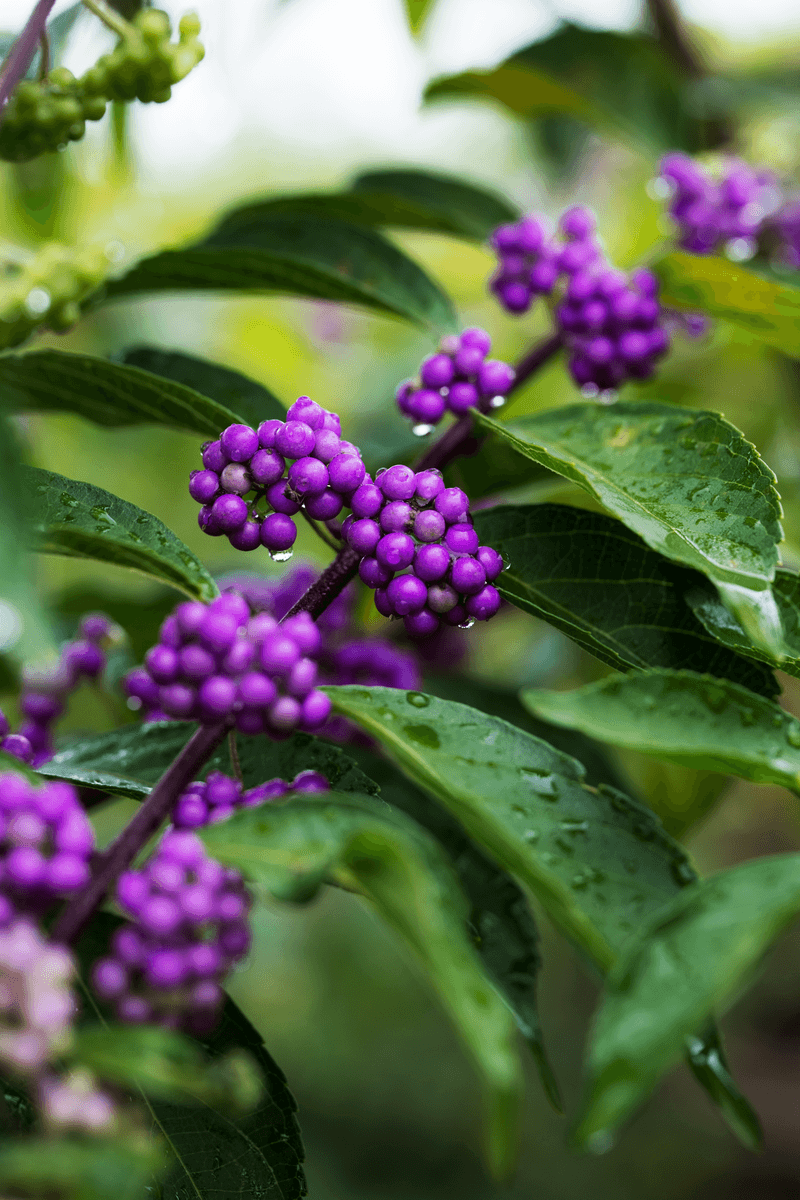
Some plants belong to a place. American Beautyberry is one of them, rooted in the forests and woodland edges of the southeastern United States for thousands of years.
Native plants like this one evolved alongside local wildlife, insects, and soil conditions. That means Beautyberry already knows how to survive Tennessee summers without extra help from you.
You will find it growing wild along creek banks and forest edges across the state. Spotting it in the wild gives you a preview of how effortlessly it thrives in a home landscape.
Planting a native shrub is one of the smartest choices a gardener can make. Natives support the entire local food web, from insects to birds to small mammals.
Beautyberry belongs to the genus Callicarpa, and the species most common here is Callicarpa americana. That species name tells you exactly where it comes from and where it belongs.
Nurseries across Tennessee now carry it regularly, which makes sourcing one easier than ever. Look for locally grown specimens whenever possible, since those are already adapted to your specific region.
Using native plants also reduces the need for fertilizers and pesticides. Fewer chemicals in your yard means a healthier space for your family, your pets, and your neighborhood birds.
Purple Berry Clusters Attract Birds All Fall
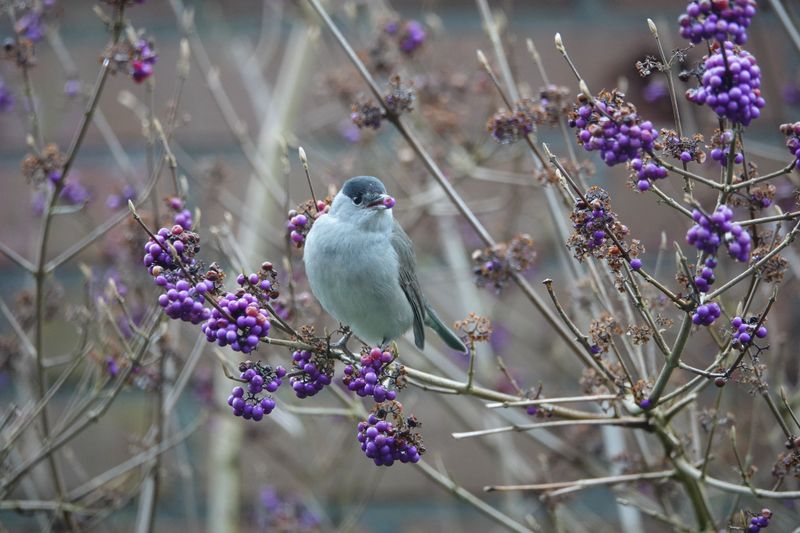
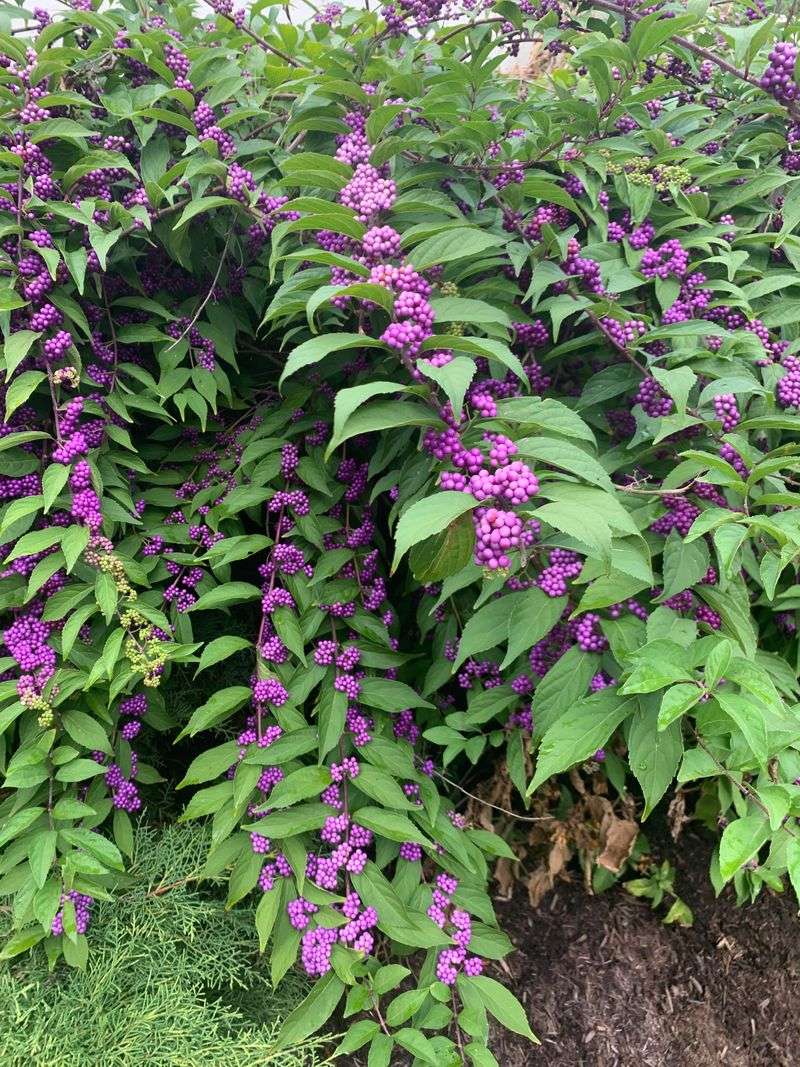
Nothing stands out on a walk quite like a burst of vivid purple in an otherwise fading fall garden. American Beautyberry delivers that burst of color every single year.
The berries appear in late summer and stay on the branches well into autumn. That long window of color doubles as a reliable food source for migrating and resident birds alike.
Mockingbirds are among the biggest fans of this shrub. They will defend a loaded Beautyberry plant with persistent energy, returning again and again until every cluster is gone.
Robins, brown thrashers, and catbirds also flock to the berries during fall migration. Planting one shrub can turn your backyard into a legitimate birdwatching destination without any extra effort.
The berries grow in tight, jewel-like clusters that wrap directly around each stem. That unusual growth pattern is part of what makes the plant so visually striking from a distance.
Your Tennessee Garden Changes Every Week. Your Plan Should Too.
Gardening in Tennessee changes quickly throughout the season. Every Friday you’ll receive a simple weekly plan showing exactly what to plant, prune, fertilize, harvest, and protect so you never miss the right timing.
Beyond birds, white-tailed deer and raccoons also browse the berries when they get the chance. A single shrub feeds a surprising number of wild neighbors throughout the season.
Even after birds strip the branches bare, the plant still looks interesting. The arching stems and bold leaf structure keep it attractive well past the berry season.
American Beautyberry earns its place in any fall garden. The combination of wildlife value and strong visual impact makes it one of the most rewarding native shrubs you can grow.
Dense Growth Creates A Natural Privacy Screen
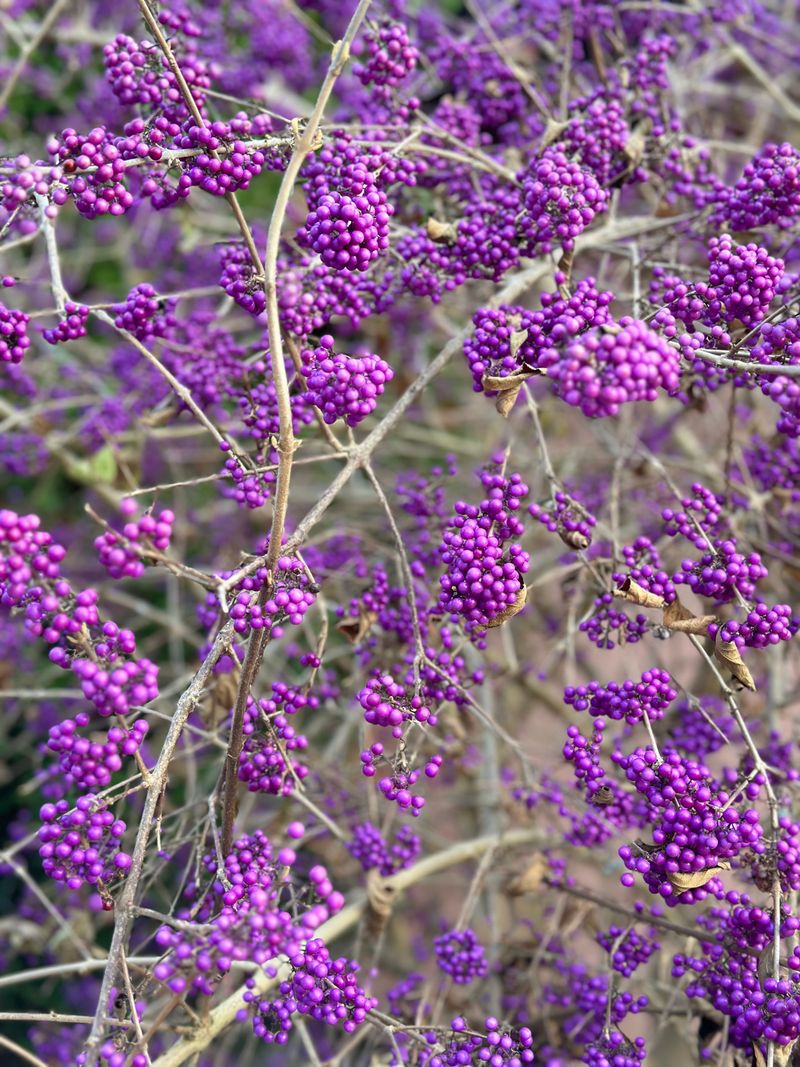
Fences are expensive, and solid walls can feel harsh in a natural setting. A living screen of Beautyberry gives you privacy with a softer, more organic look.
This shrub grows quickly, often reaching six to eight feet tall and wide in just a few seasons. That kind of size fills in a property line or block an unwanted view with impressive speed.
Plant several shrubs about four feet apart along a fence line or property edge. Within two or three growing seasons, they knit together into a lush, layered barrier.
The large leaves, which typically reach four to six inches long and can stretch up to nine inches in ideal conditions, create a dense canopy during the growing season. That leafy wall muffles noise and blocks sightlines surprisingly well.
During summer, the foliage alone is enough to create a green curtain between your yard and the neighbors. Then fall arrives and the purple berry clusters add a whole new layer of visual drama.
American Beautyberry also works well as a backdrop for shorter perennials and ornamental grasses. Layering plants in front of it creates a naturalistic garden bed with real depth and texture.
Because it arches outward rather than growing stiffly upright, the shrub has a relaxed, cottage-garden feel. That makes it look intentional and polished, not wild and unruly.
A living privacy screen that feeds birds and looks gorgeous all season long is hard to beat. Beautyberry handles all three jobs without asking much in return.
Adapts To A Range Of Soil And Light
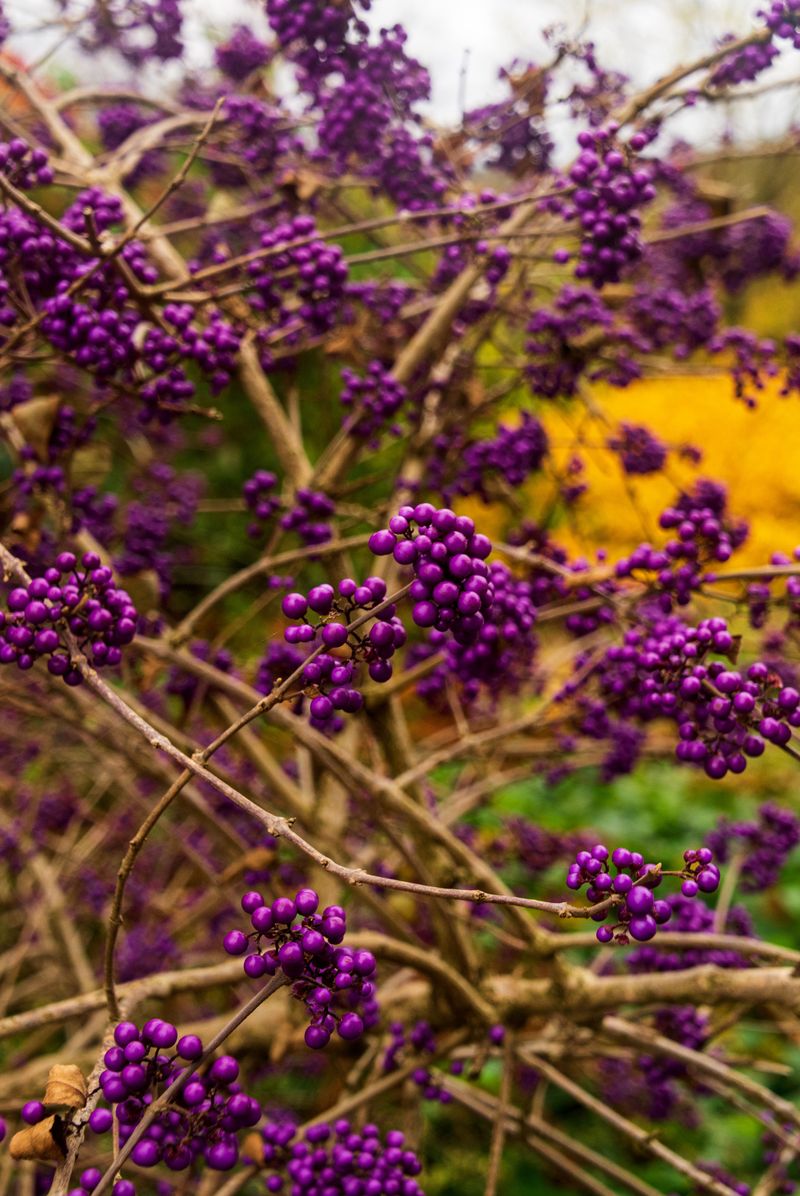
Not every corner of a yard gets full sun, and not every gardener has perfect loamy soil. American Beautyberry is refreshingly unaffected by either of those limitations.
It grows well in full sun, partial shade, and even fairly deep shade. That flexibility makes it one of the few shrubs that can handle the tricky spots under large trees.
In shadier spots, the plant tends to grow a bit more loosely and open. In full sun, it becomes denser and produces an even heavier load of berries in the fall.
Soil type is rarely a dealbreaker with this shrub. It tolerates clay, sandy loam, and everything in between, as long as the ground does not stay waterlogged for long periods.
Slightly acidic soil in the range of 5.5 to 6.5 pH suits it best. Most Tennessee soils fall naturally into that range, which is another reason this native fits so well here.
Once established, the plant handles drought with calm resilience. That toughness is a real advantage during the hot, dry stretches that hit the region every summer.
Wet areas near rain gardens or low spots in the yard are also fair game. Beautyberry is one of those rare plants that adapts to moisture extremes on both ends of the spectrum.
Finding the right plant for a difficult spot is always satisfying. With Beautyberry, that solution comes wrapped in purple and ready to feed your local birds all season.
Low-Maintenance Once The Shrub Is Established
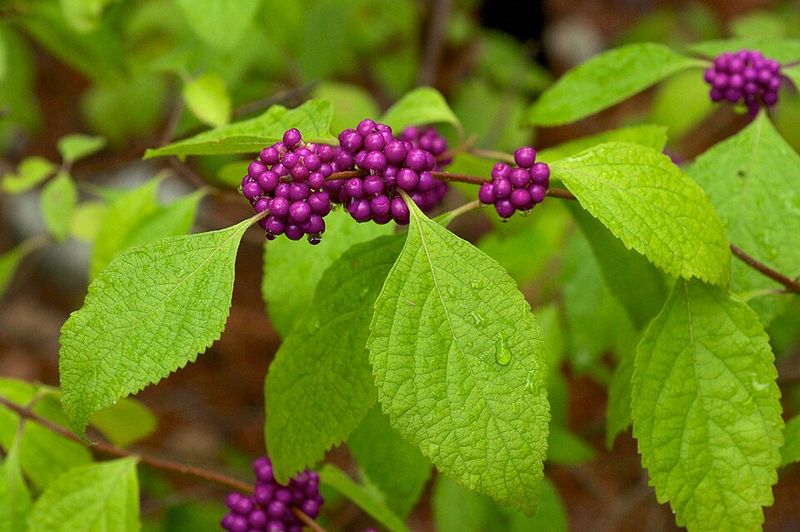
Some plants feel like a part-time job. American Beautyberry is the opposite, a shrub that settles in and largely takes care of itself after the first season.
The first year requires a bit of attention, mainly consistent watering while the roots get established. After that, the plant becomes remarkably self-sufficient and rarely needs intervention.
Fertilizing is optional for most home landscapes. If your soil is reasonably healthy, Beautyberry pulls what it needs without any supplemental feeding from a bag.
Pruning is the one task that genuinely benefits this shrub. Cutting it back hard in late winter, down to about a foot from the ground, encourages vigorous new growth and heavier berry production.
That hard pruning might look severe the first time you do it. The shrub typically rebounds quickly, often looking better than ever by midsummer.
Pest problems are uncommon with this native species. Because local insects evolved alongside it, the plant rarely experiences the kind of damaging infestations that affect many exotic ornamentals.
Disease pressure is also minimal in most home garden settings. Good air circulation and avoiding overhead watering are about all the disease management this shrub ever needs.
Choosing low-maintenance plants is one of the best ways to enjoy a garden without burning out. American Beautyberry lets you spend more time watching birds and less time fussing with a plant that already knows what it is doing.
How To Plant And Care For Beautyberry
Planting Beautyberry is straightforward enough for a first-time gardener. A little prep work up front pays off with years of effortless color and wildlife activity.
Choose a spot with room to grow, since mature plants spread six to eight feet wide. Crowding this shrub limits its natural arching form and reduces berry production over time.
Dig a hole twice as wide as the root ball but no deeper than it. Setting the plant at the right depth prevents crown rot and gives roots the best possible start.
Backfill with the native soil you removed, skipping the temptation to amend heavily. Native plants prefer their local soil and adapt faster when you do not over-engineer the planting hole.
Water deeply right after planting, then check the soil moisture every few days during the first summer. A two-inch layer of mulch around the base holds moisture and keeps competing weeds down.
Spring is the ideal planting window in most parts of the region. That timing gives roots a full growing season to establish before facing winter temperatures.
Once the shrub settles in, step back and let it do its thing. Occasional deep watering during drought and that annual late-winter pruning are the only regular tasks on your calendar.
American Beautyberry rewards every gardener who gives it a chance. Plant one this season and watch your yard transform into a native-friendly landscape that birds, butterflies, and neighbors will all stop to admire.