These Virginia Vegetables Can Still Be Planted In October For A Cool-Season Harvest
Okay, so your garden beds look a little rough around the edges and the yard smells like a candle called “Fall Porch.”
Totally understandable if you assumed the season was basically over. It is not, and that is the best kept secret in gardening right now.
Here is the twist nobody tells new gardeners: cool soil and chilly mornings are basically a wake-up call for a whole new batch of crops.
While your neighbors are out there wrestling rakes and pretending to enjoy it, you could be pulling up crisp, sweet greens like you know something they do not.
Grab those seed packets before they vanish from the shelves. Virginia’s growing season still has some tricks left to play.
1. Spinach Thrives In Virginia Autumn Chill
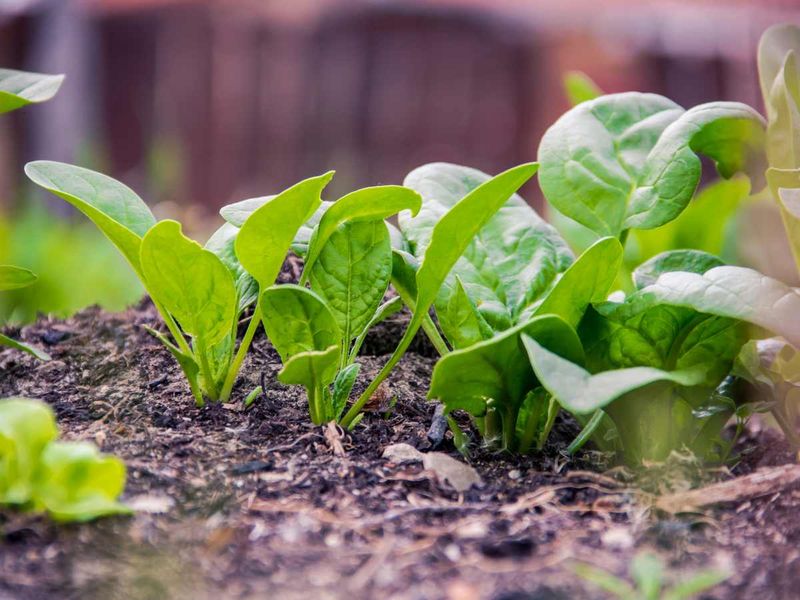
Frost actually makes spinach taste sweeter, which feels like a little gift from nature. Cold nights push the plant to store sugar in its leaves.
In Virginia, you can sow spinach seeds in early to mid October with good results. Plant them about half an inch deep and two inches apart in loose, rich soil.
Seeds sprout best when the soil sits between 45 and 70 degrees. October soil across much of the state lands right in that sweet spot.
Water gently so you do not wash the tiny seeds away. Keep the ground moist but not soggy for the first two weeks.
Varieties like Bloomsdale and Space handle chilly weather with ease. They grow thick, crinkly leaves that shrug off light frost.
You can start picking baby leaves in about 30 days. Snip the outer leaves first so the center keeps producing.
Here is a fun bonus for patient gardeners. Spinach planted in fall can rest through winter and grow again in early spring.
Toss a thin layer of straw over the bed when hard freezes arrive. That cozy blanket helps protect the roots during the coldest weeks.
Fresh spinach salad in November sounds pretty nice, right? A small patch can keep your kitchen stocked for months.
Add a handful to soups, eggs, or smoothies. Homegrown leaves beat store-bought ones every time.
2. Garlic Cloves Tucked Into Virginia Soil
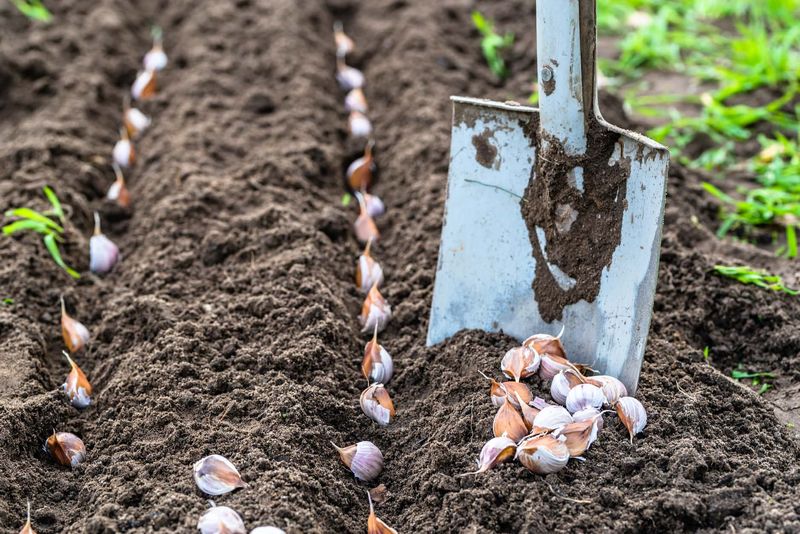
Grandma probably knew this trick long before gardening blogs existed. October is garlic planting season, and it is one of the easiest crops around.
Across the state, gardeners tuck cloves into the ground now for a summer harvest next year. The cold months help each clove split into a full, plump bulb.
Start by breaking a bulb into single cloves. Keep the papery skins on, since they protect the clove underground.
Plant each clove pointy end up, about two inches deep. Space them six inches apart in rows that get full sun.
Softneck types like Inchelium Red store well for months. Hardneck types such as Music give you tasty curly scapes in late spring.
After planting, cover the bed with three or four inches of shredded leaves or straw. This mulch keeps weeds down and holds steady moisture.
Small green shoots may pop up before winter. Do not worry, because garlic handles the cold like a champ.
Your Virginia Garden Changes Every Week. Your Plan Should Too.
Gardening in Virginia changes quickly throughout the season. Every Friday you’ll receive a simple weekly plan showing exactly what to plant, prune, fertilize, harvest, and protect so you never miss the right timing.
Skip the grocery store bulbs if you can. Many are treated to stop sprouting, so buy seed garlic from a local nursery instead.
By June or July, the lower leaves will turn brown. That signal means it is time to dig up your treasure.
Hang the bulbs in a shady, airy spot to cure for a few weeks. Then enjoy flavor that lasts well into fall.
3. Radishes Race To Harvest In Fall
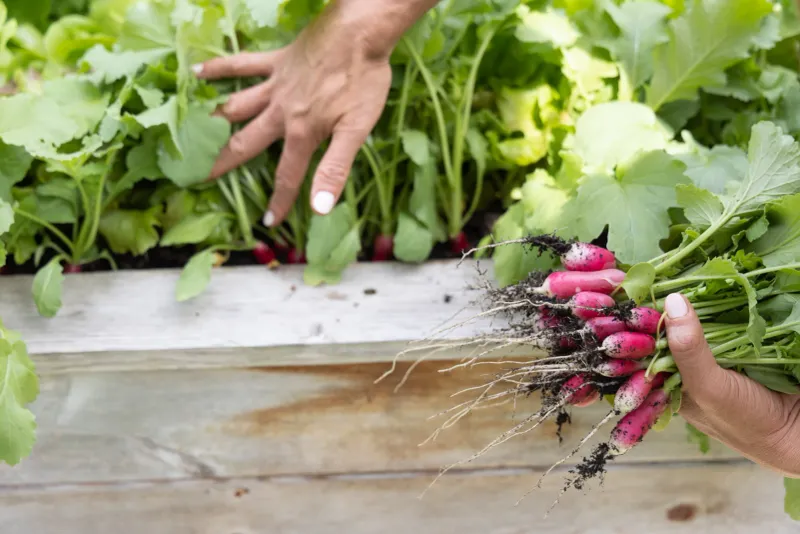
Want a crop that grows almost as fast as you can blink? Radishes are the sprinters of the vegetable world.
Many types reach full size in just 25 to 30 days. That speed makes radishes one of the last direct-sown crops you can still tuck into a Virginia garden this fall.
Kids love them too, since the results show up so quickly. Let a young helper drop the seeds and watch the excitement grow.
Sow seeds half an inch deep and about one inch apart. Thin them later so each root has room to swell.
Cherry Belle and French Breakfast are classic picks with a mild bite. For something bold, try a winter radish like Daikon or Watermelon.
Timing depends on where you garden. In Tidewater, Hampton Roads, and the Eastern Shore, seeds can go in the ground into early October.
In the Piedmont and points west, aim to have your last round sown by mid to late September so roots have time to size up before hard frost.
Cool weather keeps radishes crisp and less spicy. Hot summer days tend to make them woody and sharp.
Loose soil matters a lot here. Rocks and hard clay can twist the roots into odd shapes.
Mix in a bit of compost before planting to soften the ground. Your radishes will thank you with smooth, round bulbs.
Slice them thin for salads or roast them with butter. Roasting brings out a gentle, nutty sweetness that surprises most people.
4. Kale Stands Tall Through Virginia Frosts
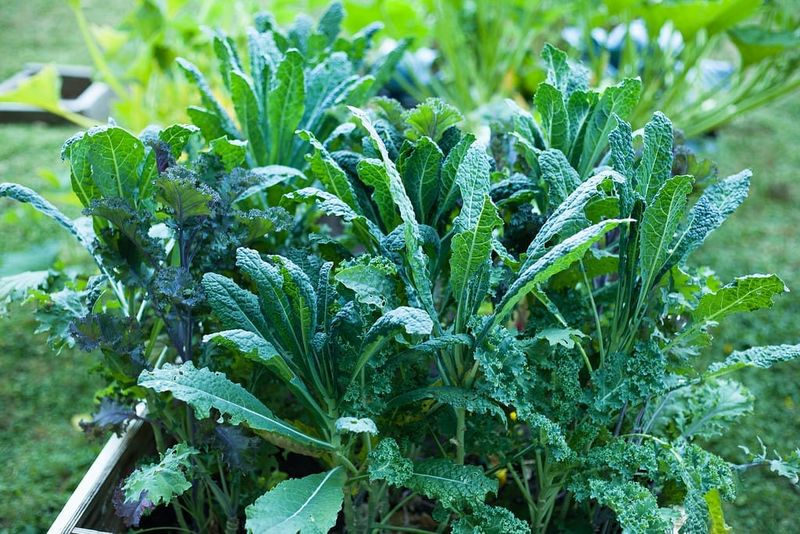
Some plants sulk when the weather turns cold, but kale seems to cheer up. Its leaves stay sturdy even after a frosty night.
Timing matters here more than with most crops. In the coastal Tidewater region and Eastern Shore, you can set out kale transplants into late September and even the first days of October.
Gardeners in the Piedmont, central Virginia, and points west should aim to get transplants in the ground by early to mid September so plants have enough time to size up before the cold really settles in.
Pick a sunny spot with rich, well-drained soil. Space plants about 12 to 18 inches apart so air can move between them.
Lacinato, sometimes called dinosaur kale, has bumpy blue-green leaves. Red Russian offers purple stems and a tender texture.
Feed the soil with compost before planting. Kale is a hungry crop that loves steady nutrients.
Once the plants settle in, harvest from the bottom up. Pick the lower leaves and let the top keep growing.
A frost or two turns bitter flavors into something mild and sweet. Many cooks say fall kale tastes far better than summer kale.
Watch for cabbage worms early on. Floating row covers keep those green caterpillars away without sprays.
With a little luck, your kale can keep producing into January. In mild winters, it may even carry on until spring.
Toss leaves into soups, bake them into crunchy chips, or blend them into pesto. One small patch goes a surprisingly long way.
5. Lettuce Mixes For Crisp Salads
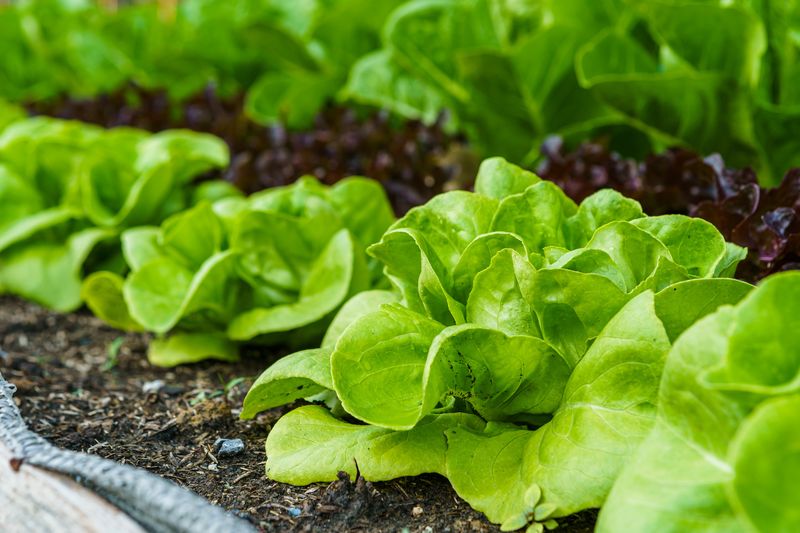
Imagine a salad bowl filled with red, green, and speckled leaves you grew yourself. Fall lettuce makes that picture easy to create.
Loose-leaf lettuce grows fast and handles cool air well. Gardeners in Tidewater and coastal Virginia can often sow into early October and still get salads before the year is out.
In the Piedmont and mountain regions, plan on getting seeds down by mid to late September instead.
Scatter seeds on the soil surface and press them in lightly. Lettuce seeds need some light to sprout, so barely cover them.
Mesclun mixes are a fun choice for beginners. They blend several types together, giving you color and flavor in one packet.
Try varieties like Black Seeded Simpson, Red Sails, or Winter Density. Each one handles chilly nights better than summer types.
Keep the soil evenly moist while seeds sprout. A light sprinkle each morning usually does the job.
When temperatures dip into the 20s, lettuce needs extra help. A simple cold frame or a sheet of frost cloth can help your crop along.
Harvest with scissors when leaves reach about four inches tall. Cut above the base, and the plant will often regrow.
This cut-and-come-again method stretches one planting into several meals. It feels a little like magic every time.
Wash leaves in cool water and spin them dry. Store them in the fridge with a paper towel to keep them crunchy.
6. Egyptian Walking Onions Settle In For Winter
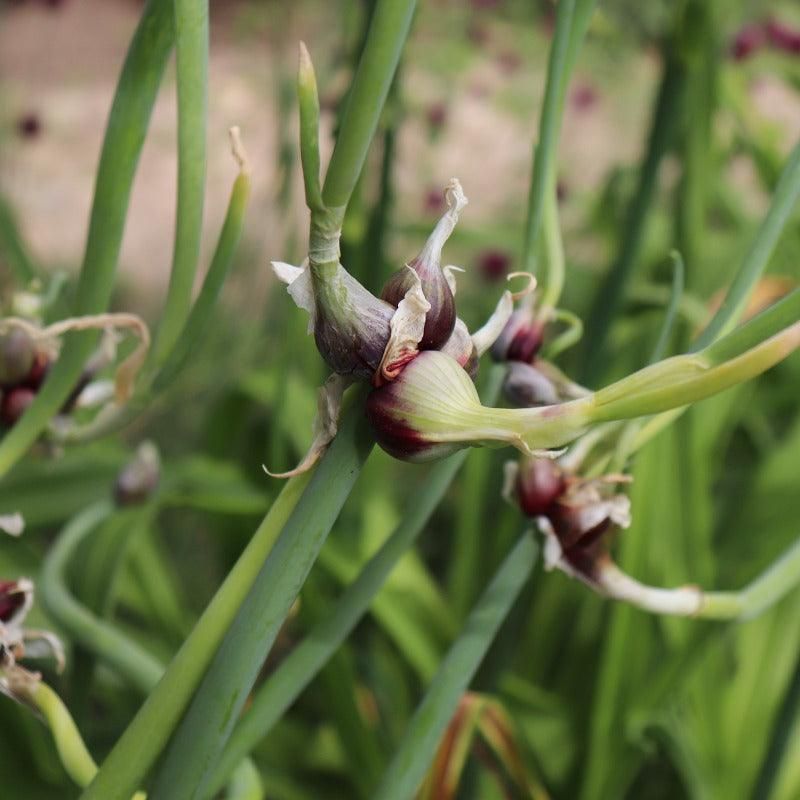
Planting onions in fall might sound backward at first, and for standard bulb onions, it actually is. Virginia Cooperative Extension notes that bulb onion sets belong in the ground in early spring, not fall, no matter where you garden in the state.
There is one onion that breaks the rule, though: the Egyptian walking onion, along with its cousin the potato onion (also called the multiplier onion). These perennial types are the ones VCE points to for fall planting.
Egyptian walking onions grow small bulblets at the top of their stalks instead of flowers. Those bulblets eventually bend the stalk to the ground and root, letting the plant slowly wander across your bed year after year, which is exactly where the name comes from.
Push the bulblets or small sets into the soil about one inch deep, leaving four to six inches between them. Loose, well-drained soil with a bit of compost worked in gives them the best start.
Mulch after planting with straw or chopped leaves. This layer keeps the soil from heaving during freeze and thaw cycles and helps the roots settle in before the ground goes fully cold.
Once established, these onions come back on their own each year. You can snip the greens like scallions in early spring, or let the plant keep spreading for a low-maintenance patch of onions that basically takes care of itself.
If you want traditional bulb onions like Texas Early White or Red Creole for a summer harvest, plant those sets in early spring instead. Mark your calendar now so you don’t miss the window.
7. Collard Greens Carry Virginia Tradition Forward
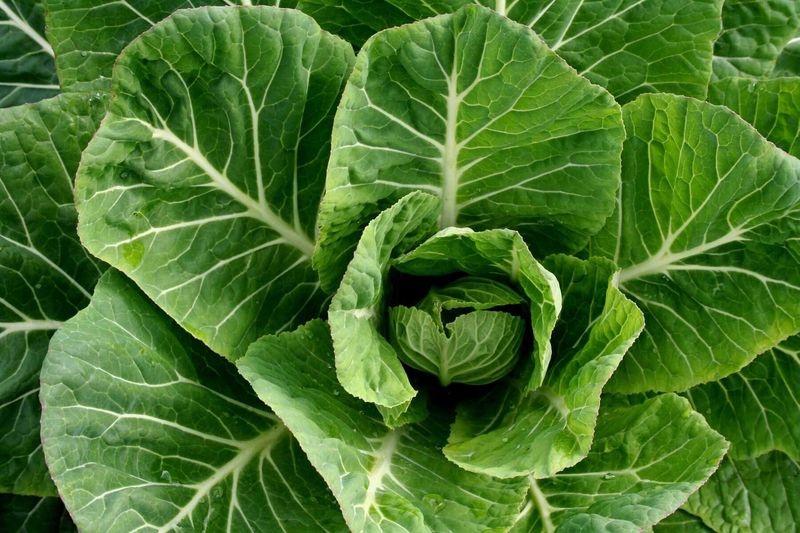
Ask any Southern cook about collards, and you may hear a family story or two. These broad greens have fed households for centuries.
Collards are close cousins of kale and cabbage. They share the same cold-loving spirit and a love for rich soil.
Timing follows the same regional pattern as kale. Coastal gardeners have some flexibility into late September and the very start of October for transplants.
Everywhere else, aim to get transplants in by early September, since collards need a solid stretch of mild weather to size up before a hard freeze.
Give each plant around 18 inches of space. Collards get big, and their wide leaves need room to spread.
Georgia Southern and Vates are popular, reliable choices. Both hold up well when temperatures drop below freezing.
Water deeply once a week if rain is scarce. Deep watering encourages strong roots that survive winter better.
Harvest the lower leaves once they reach the size of your hand. Keep the top crown untouched so the plant can keep growing.
Frost sweetens collards the same way it helps spinach. Many folks wait for the first cold snap before picking.
Slow-cook them with onions and a splash of vinegar for a classic dish. They also work great in soups or wraps.
8. Turnips Bring Double Rewards In Virginia
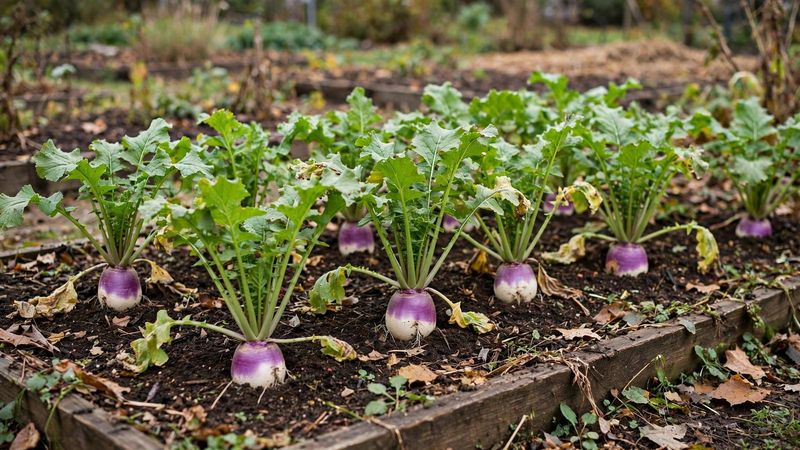
Two crops for the price of one is a deal hard to beat. Turnips give you tasty roots and leafy greens from the same plant.
Purple Top White Globe is the old-school favorite. Hakurei, a Japanese type, is sweet enough to eat raw like an apple.
Turnips are one of the earlier fall crops to wrap up planting. Most of Virginia should have seeds in the ground by mid September, and gardeners in the warmest coastal pockets can stretch sowing to the very end of September or the first day or two of October.
Sow seeds about half an inch deep and thin seedlings to four inches apart once they reach two inches tall.
Save those thinnings, by the way. Tiny turnip greens make a peppery addition to salads.
Turnips grow quickly, often in 40 to 60 days. Cool fall weather keeps the roots mild and tender.
Pick them when they reach about two or three inches across. Bigger roots can turn tough and a bit bitter.
Keep the soil moist but not waterlogged. Uneven watering can cause roots to crack.
Greens can be cut a few at a time while roots keep growing. Just avoid taking too many leaves from one plant.
Roasted turnips with olive oil and salt taste earthy and sweet. Mashed with butter, they make a cozy side dish for chilly nights.
Store roots in the fridge or a cool basement for weeks. They hold their quality much longer than most greens do.
9. Mustard Greens Add Garden Spice
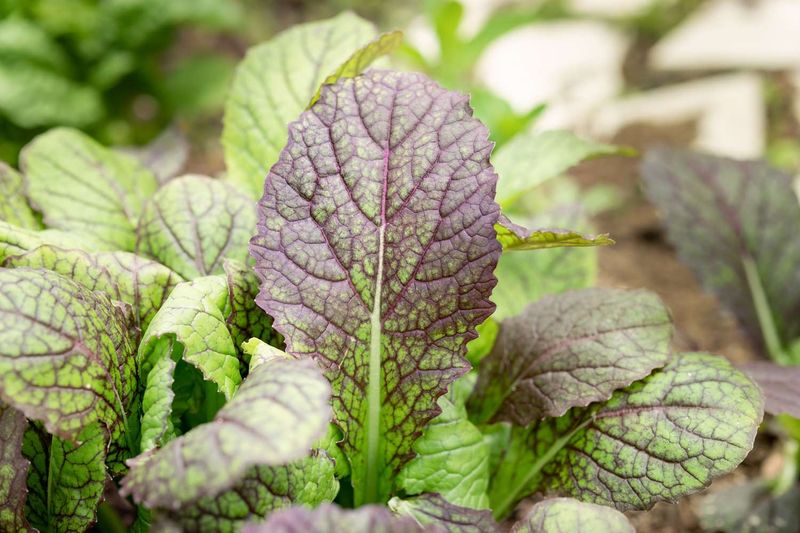
Craving a little zip on your dinner plate? Mustard greens bring a peppery kick that wakes up any meal.
These leafy plants are some of the fastest greens you can grow. Baby leaves may be ready in just three weeks after sowing.
Mustard has one of the longer fall planting windows on this list. Coastal and Tidewater gardeners can sow into mid October, while Piedmont and inland gardeners should aim for late September to be safe.
Sprinkle seeds a quarter inch deep in rows or wide bands. Thin plants to six inches apart for full-sized leaves.
Red Giant has striking purple leaves that look lovely in a bed. Southern Giant Curled offers frilly green leaves with classic spicy flavor.
Mustard greens also make a pretty border for flower beds. Their bright colors stay cheerful even as other plants fade.
Pick outer leaves often to encourage new growth. Young leaves taste milder, while older ones pack more heat.
Aphids sometimes show up on the undersides of leaves. A strong spray of water usually sends them packing.
Try sauteing the greens with garlic and a pinch of red pepper. They also shine in stir-fries and hearty bean soups.