These Yard Habits Could Be Attracting Wasps In Oregon Without You Realizing It
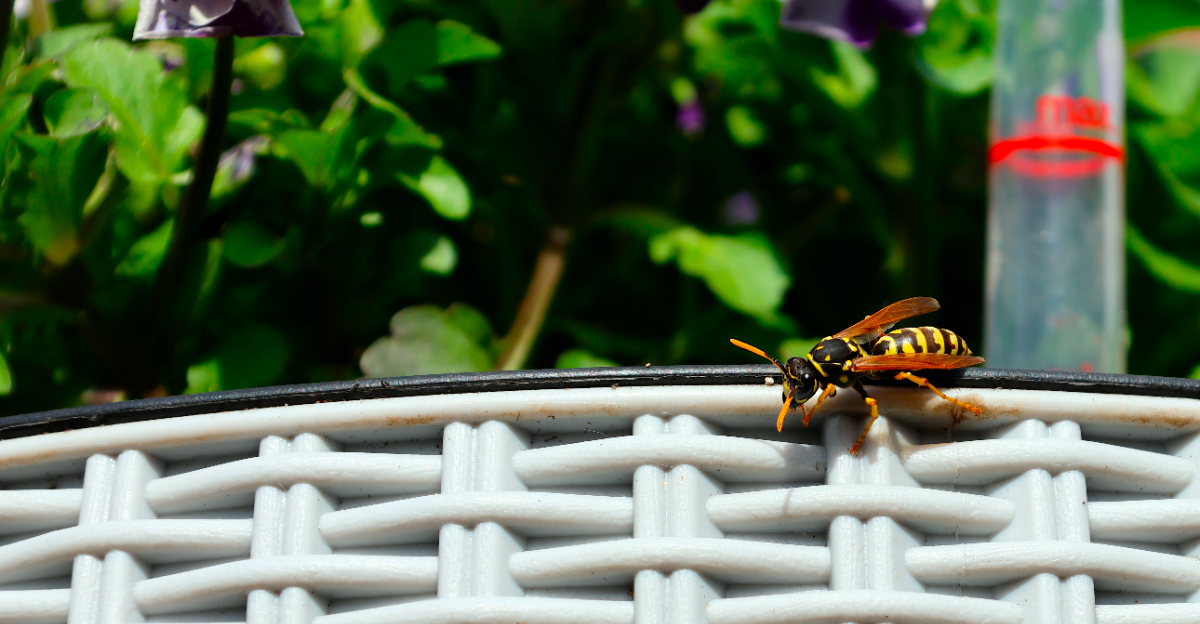
Oregon wasps do not need a formal invitation to crash your yard. Sometimes the invite is already sitting there, sticky, sweet, and buzzing with bad decisions.
A few everyday habits can turn patios, gardens, and trash areas into wasp magnets before you even notice the guest list growing.
Open drinks, fallen fruit, exposed garbage, leftover pet food, and hidden nesting spots can all make your yard feel way too welcoming.
The annoying part is that many of these habits look harmless until wasps start acting like they pay rent. Summer is exactly when small messes can become big buzzing problems.
Before every barbecue becomes a defensive sport, it helps to know what is drawing them in. A cleaner, smarter yard setup can make your outdoor space less tempting without ruining the fun.
1. Letting Fallen Fruit Rot Under Trees
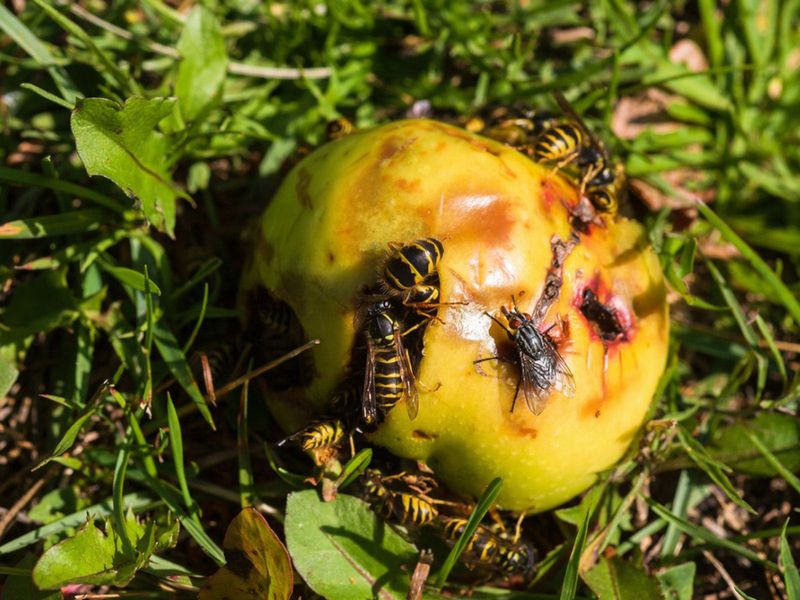
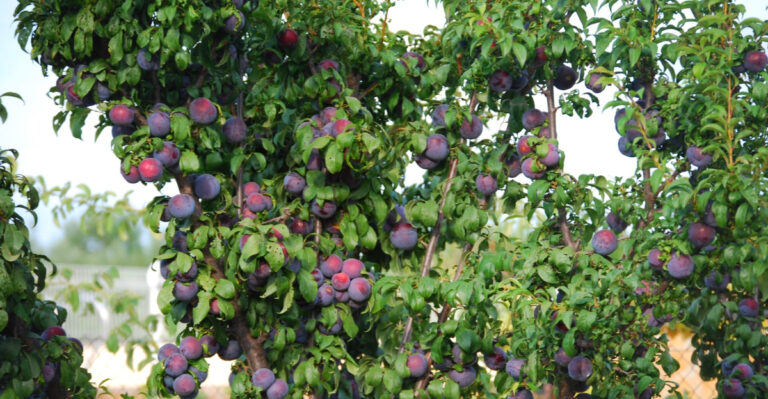
Few things in a summer yard smell as sweet as ripe fruit, and wasps know it better than anyone. When apples, pears, or plums fall from trees and sit on the ground, they begin to ferment.
That fermentation releases a sugary scent that wasps can detect from a surprising distance.
Wasps are not just looking for protein. They also crave sugar, especially later in summer when their natural food sources start to thin out.
A pile of rotting fruit is basically a free buffet for them. Once a few wasps find it, they leave behind chemical signals that attract even more.
In Oregon, fruit trees are incredibly popular in home gardens. Apples, plums, cherries, and pears are all common.
That means fallen fruit is a seasonal problem that many homeowners face without connecting it to their wasp trouble.
The fix is straightforward. Pick up fallen fruit every day or two during peak season.
Do not leave it sitting in a pile near the tree. Bag it up and put it in a sealed trash bin rather than a compost pile, since compost can create the same problem.
If you have a large tree that drops a lot of fruit, consider using a tarp beneath it to make collection easier. Staying on top of this one habit can noticeably reduce wasp activity around your yard within just a few days.
2. Keeping Garbage Lids Loose In Summer
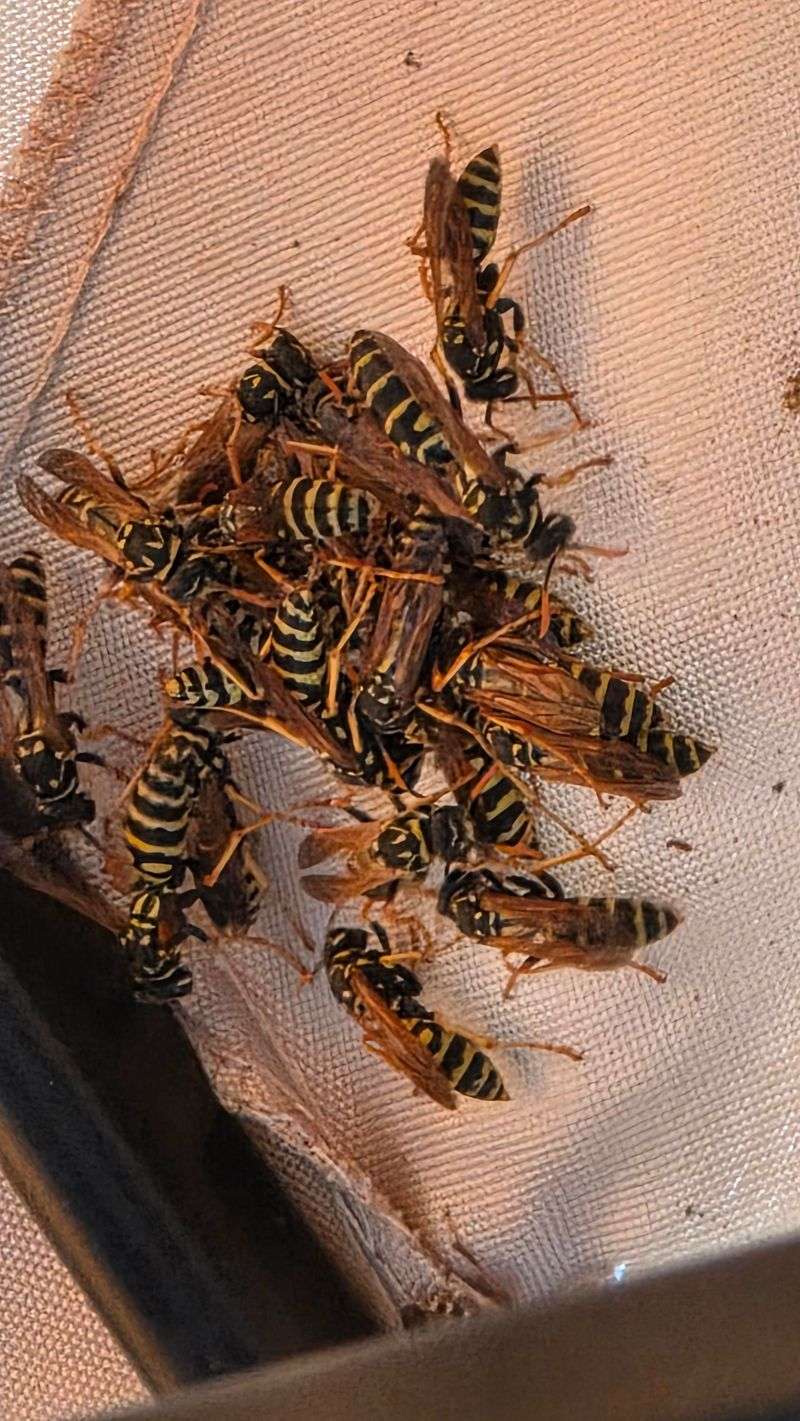
Trash cans are one of the sneakiest wasp attractants around. Most people do not think twice about a garbage bin sitting by the curb or along the side of the house.
But if that lid is not sealing tightly, you are basically leaving out a welcome sign for wasps.
Food scraps, sugary drink residue, and meat packaging all release strong smells that wasps find irresistible. Even a small gap in a lid is enough for those scents to escape into the air.
Wasps have a sharp sense of smell and will track down those odors quickly.
Summer heat makes the problem worse. Warm temperatures speed up the breakdown of food waste, which intensifies the smell coming from your bins.
This is why wasp problems around trash cans tend to spike in July and August across Oregon.
Your Oregon Garden Changes Every Week. Your Plan Should Too.
Gardening in Oregon changes quickly throughout the season. Every Friday you’ll receive a simple weekly plan showing exactly what to plant, prune, fertilize, harvest, and protect so you never miss the right timing.
A loose lid can also happen because the bin is too full, the lid is cracked, or the latch has worn out. All of these are easy fixes.
Replace damaged lids, use bungee cords to keep them closed, or switch to bins that have a locking mechanism.
Rinsing out bins once a week with soapy water also helps remove the residue that builds up over time. It takes just a few minutes and makes a real difference.
Tight lids and clean bins are two of the simplest ways to make your yard less appealing to wasps all season long.
3. Leaving Pet Food On The Patio
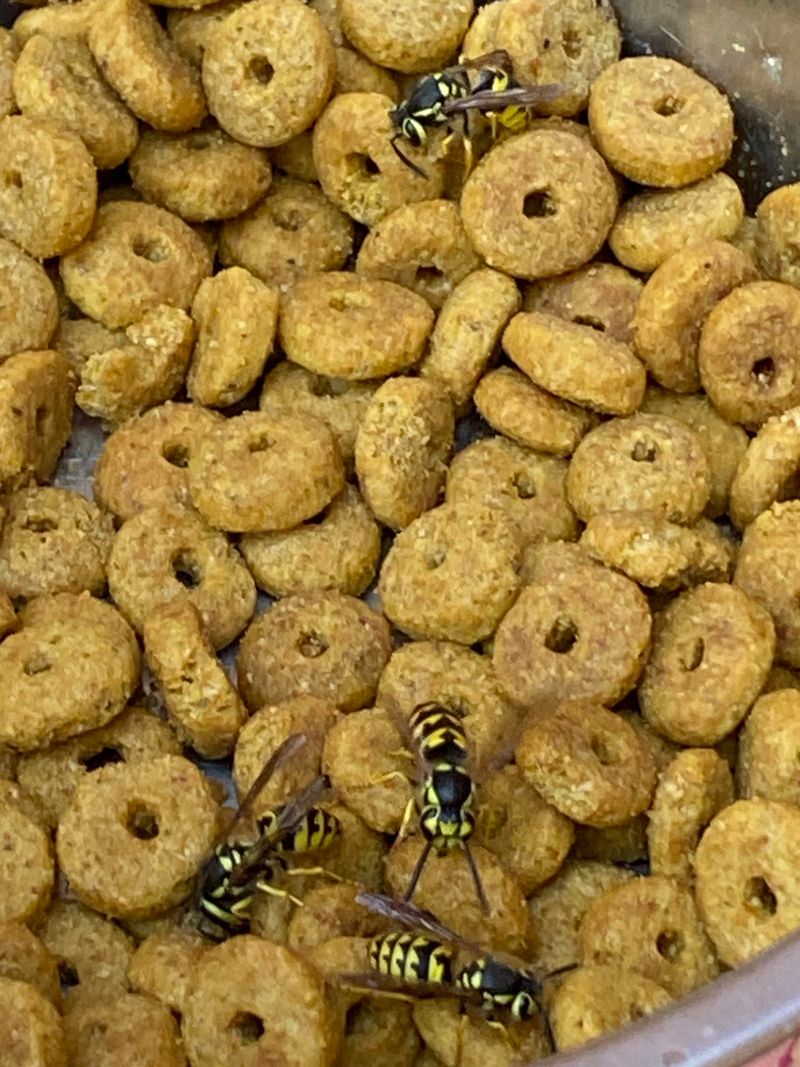
Most pet owners have done it at some point. You set out food for your dog or cat, they wander off, and the bowl just sits there in the sun.
It seems harmless, but that leftover pet food is a serious wasp magnet, especially during the warmer months.
Wasps are opportunistic feeders. They go after protein and sugar, and wet pet food often contains both.
Even dry kibble can attract them if it sits long enough in warm weather. Once wasps discover a reliable food source, they return to it repeatedly and bring others along.
This can turn your patio into a high-traffic wasp zone fast. What started as a forgotten food bowl can lead to wasps nesting nearby so they can stay close to the supply.
Oregon yellow jackets are especially bold about going after pet food.
The simplest solution is to feed pets indoors whenever possible. If outdoor feeding is necessary, bring the bowls in as soon as your pet is done eating.
Do not leave food sitting out for more than fifteen to twenty minutes at a time.
Also rinse the bowls after each use to remove food residue and smell. Even a clean-looking bowl can carry scent that attracts wasps.
Storing pet food in sealed containers rather than open bags is another smart step. Small changes in your feeding routine can significantly cut down on wasp activity around your outdoor living space.
4. Letting Compost Get Too Food-Heavy
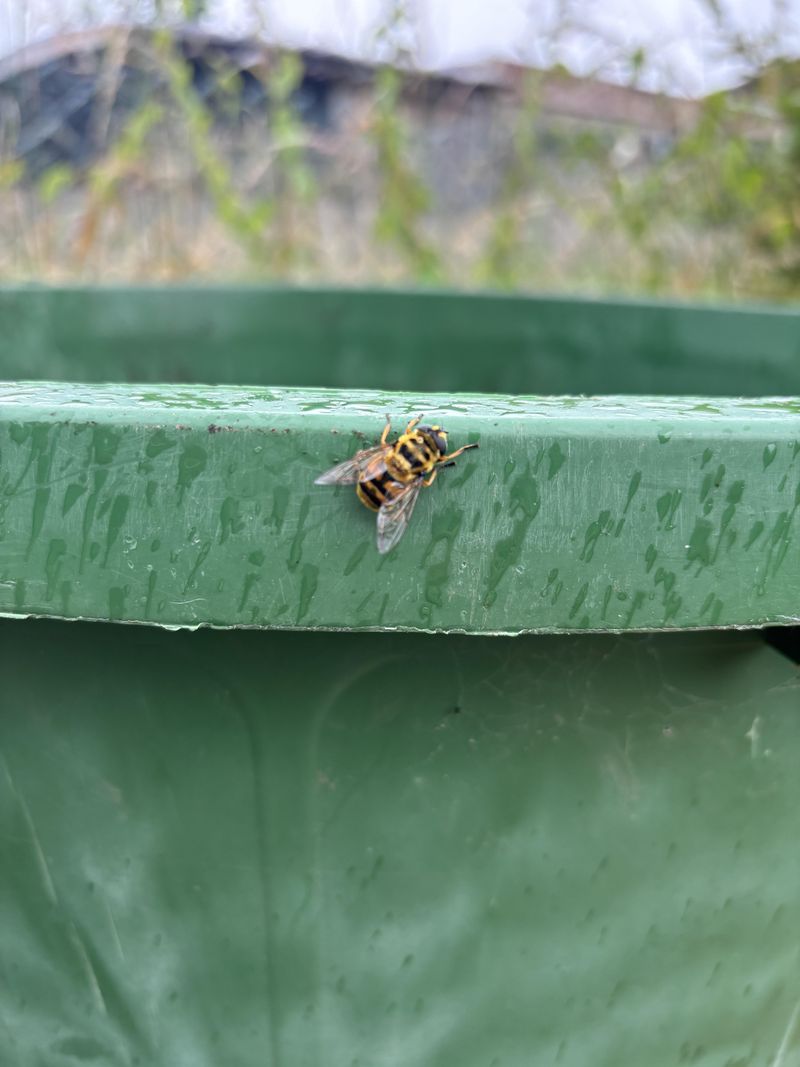
Composting is a great habit for the environment and for your garden. But when a compost pile gets too loaded with food scraps, it can become one of the biggest wasp attractants in your entire yard.
Many people do not realize their compost bin is the source of their wasp problem.
Wasps are drawn to the sweet, fermenting smells that come from rotting fruit and vegetable matter. When a compost pile is mostly food scraps with very little dry material mixed in, those smells get strong fast.
Open or poorly sealed compost bins make the problem even worse by letting odors drift freely through the air.
In the northern regions of Oregon, composting is especially popular because of the rich gardening culture here. But without the right balance, a compost pile can work against you in summer.
The key is maintaining a proper mix of green and brown materials.
For every layer of food scraps, add a layer of dry leaves, cardboard, or wood chips. This helps control moisture and reduces the intensity of the smell coming from the pile.
It also speeds up decomposition, which is better for the compost overall.
Using a compost bin with a tight-fitting lid is another effective step. Avoid adding meat, dairy, or cooked foods, as these are especially attractive to wasps and can also disrupt the composting process.
Turning the pile regularly also helps manage odor and keeps things breaking down evenly.
5. Skipping Cleanup Around Bird Feeders
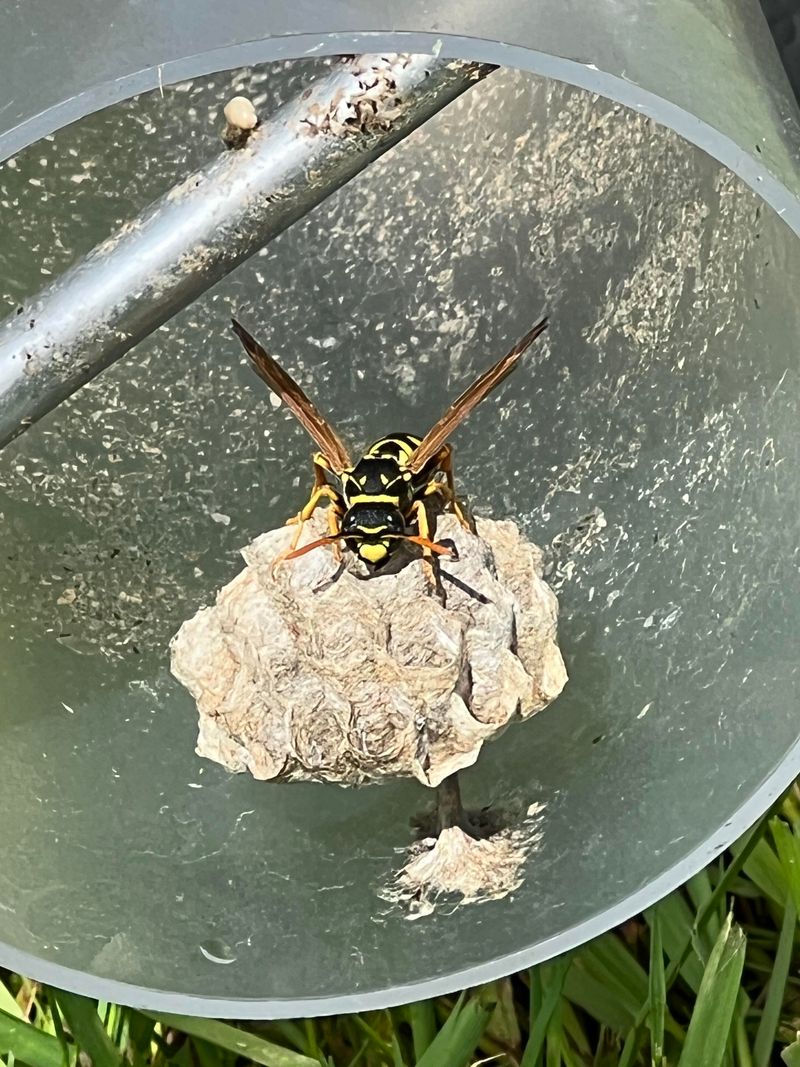
Bird feeders bring a lot of joy to a backyard, but the mess they create underneath them is a different story.
Seeds, hulls, and spilled nectar pile up on the ground and create exactly the kind of environment wasps love to explore.
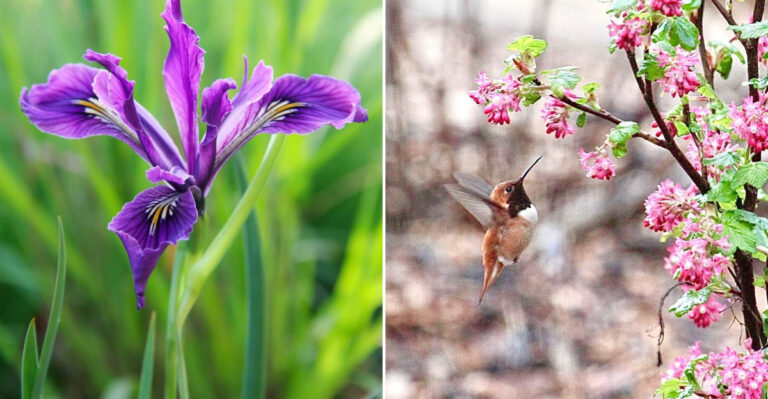
Hummingbird feeders are especially problematic. The sugary nectar inside is practically irresistible to wasps.
Even small drips or spills on the outside of the feeder can attract them. Once wasps figure out where the sugar is coming from, they can become aggressive around the feeder and drive hummingbirds away.
Seed feeders create a different but related issue. Fallen seeds attract insects and small animals, which in turn attract wasps looking for protein.
The ground beneath a bird feeder can become a surprisingly active spot for wasp foraging if it is not cleaned up regularly.
Make it a habit to clean up underneath feeders at least twice a week during summer. Rake away old seeds and hulls, and wipe down the feeder itself to remove sticky residue.
For hummingbird feeders, consider switching to a model with wasp guards built into the feeding ports.
You can also move feeders away from seating areas and outdoor dining spots to reduce how often wasps come close to where you spend time.
Positioning feeders near open space rather than under eaves or near structures gives wasps fewer reasons to linger near your home. A little regular maintenance goes a long way here.
6. Leaving Open Water Sources Near Seating
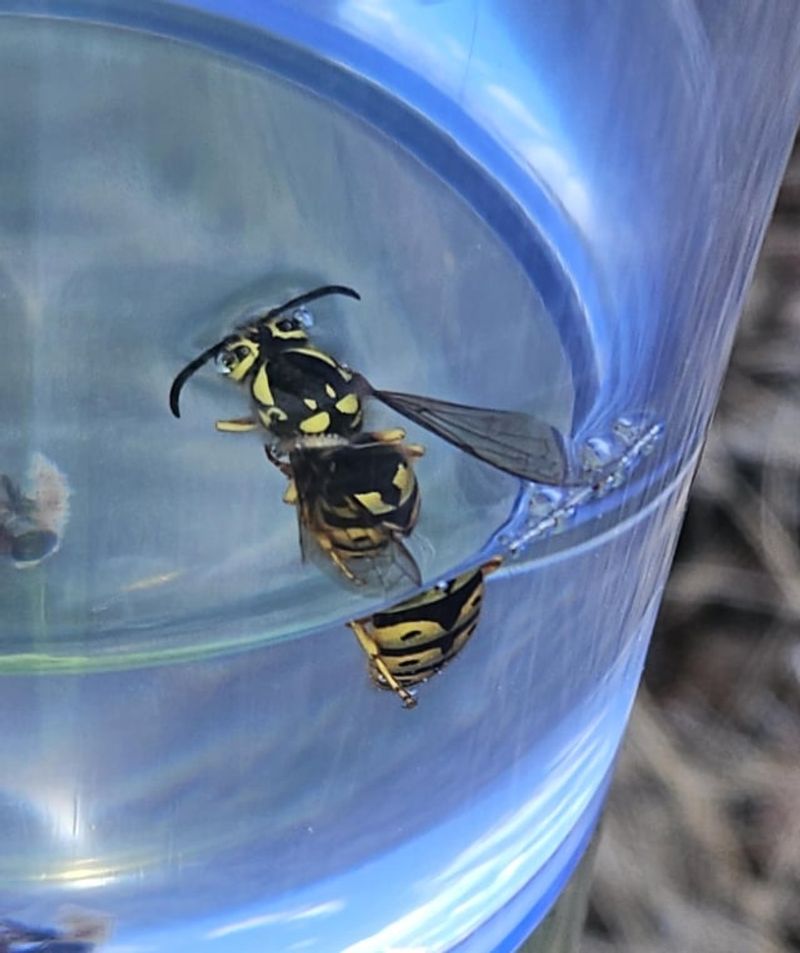
Water is just as important to wasps as food is. They need it to survive, to cool their nests, and to help build their paper-like nest material.
If your yard has several open water sources sitting near where you like to relax, you are giving wasps a reason to hang around all day.
Birdbaths are a common culprit, but they are not the only one. Plant saucers that collect rainwater, decorative bowls, pet water dishes, and even clogged gutters can all serve as wasp watering holes.
Any shallow, still water source is fair game for a thirsty wasp colony.
The closer these water sources are to your seating area, the more likely you are to have wasps buzzing around while you are trying to relax outside.
This is one of those problems that tends to sneak up on people because the connection between water and wasps is not always obvious.
Moving water sources away from patios and seating areas is a good first step. Try placing birdbaths and similar features at the far edges of your yard instead of right next to the house or deck.
Adding a small fountain or dripper to a birdbath can also help, since wasps generally prefer still water over moving water. Emptying and refilling plant saucers every few days prevents standing water from building up.
Small adjustments to where and how you store water outdoors can make your patio feel noticeably calmer and less crowded with unwanted visitors.
7. Letting Eaves And Sheds Go Unchecked
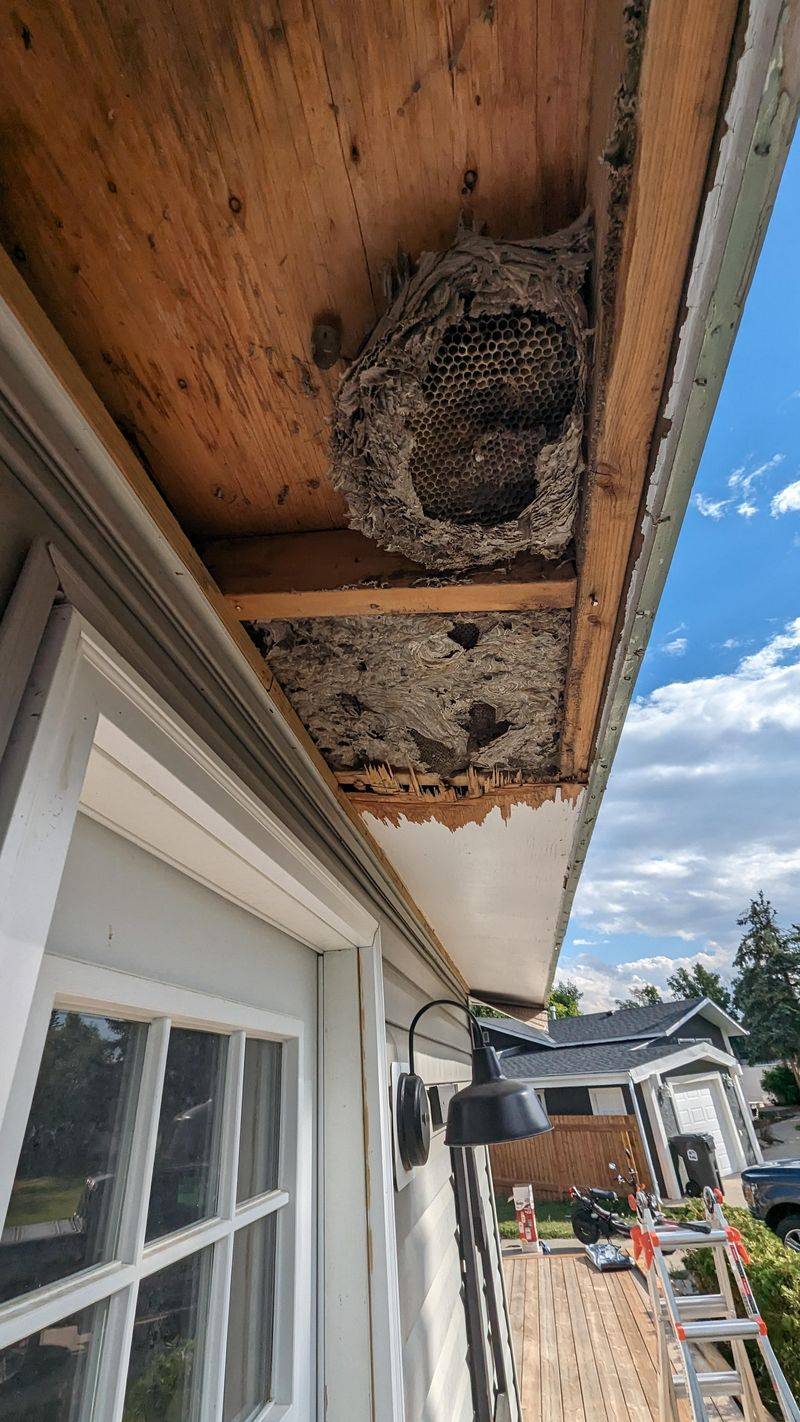
Out of sight, out of mind is a phrase that really does apply to eaves and sheds. Most Oregon homeowners do not think to check these spots regularly, but wasps absolutely do.
Eaves, shed corners, roof overhangs, and the space under decks are some of the most popular nesting spots wasps choose.
Wasps look for sheltered spots that are protected from rain and wind. A wooden eave or the underside of a shed roof fits that description perfectly.
They also prefer spots that get morning sun, which helps warm the nest early in the day. Many Oregon homes have these features, making them prime real estate for wasp colonies.
The trouble is that nests can grow quite large before anyone notices them. A queen starts a nest in early spring, often no bigger than a golf ball.
By midsummer, that same nest can hold hundreds of wasps. The longer it goes unchecked, the harder it becomes to manage.
Make a habit of doing a visual inspection of your eaves, shed, garage, and deck underside at least once a month from spring through fall. Look for the papery, gray material that wasp nests are made from.
Catching a nest early, when it is still small, gives you more options for dealing with it safely.
Sealing gaps and cracks in siding, eaves, and shed walls also helps prevent wasps from finding a foothold in the first place. A little prevention early in the season can save a lot of trouble later on.