10 Things Attracting Raccoons To Your Yard (And How To Stop Them)
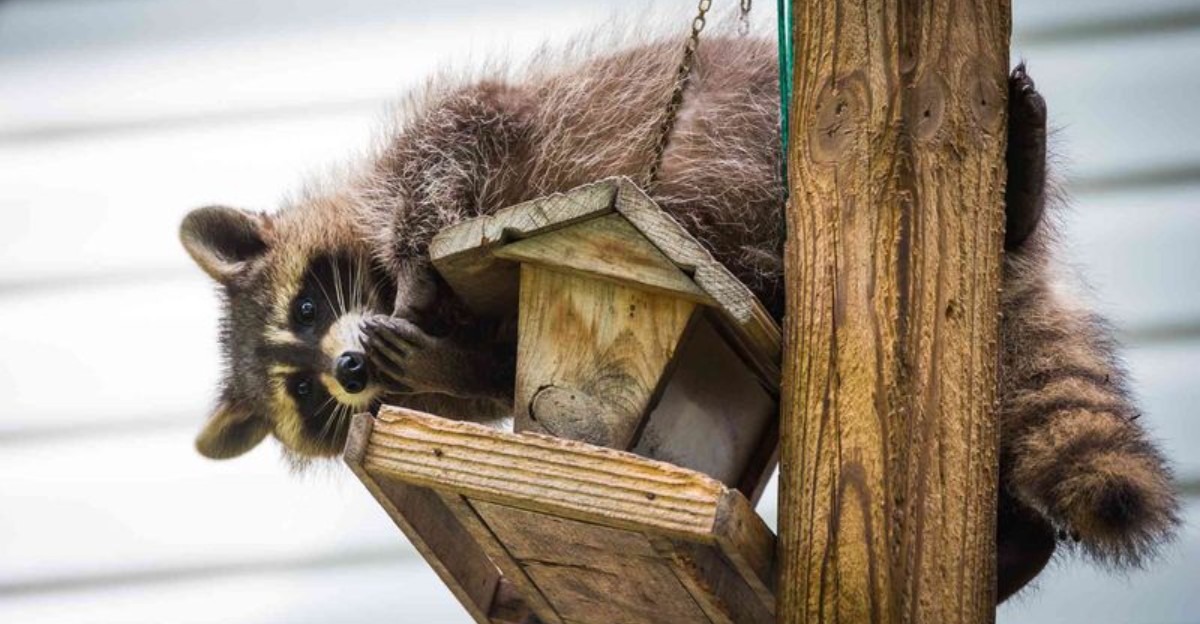
It starts with a clatter at midnight, followed by the sound of something rummaging where it should not. You flip on the porch light, and a masked face stares back like you interrupted a very important meeting.
By morning, your lawn looks like a tiny tornado swept through with a grocery list. Coffee grounds, chicken bones, and soggy napkins are scattered across the grass like confetti after a strange party.
Your nighttime visitor is clever, curious, and has tiny hands that can open things you thought were locked. Worse, it remembers every snack stop and comes back with friends.
September makes things even busier, since these furry bandits are bulking up before the cold months arrive. Your yard might be sending out invitations without you even knowing it.
Luckily, a few simple fixes can turn your yard from a five-star buffet into a closed restaurant. Besides, that masked guest can hold its midnight meetings at someone else’s house.
1. Unsecured Trash Cans
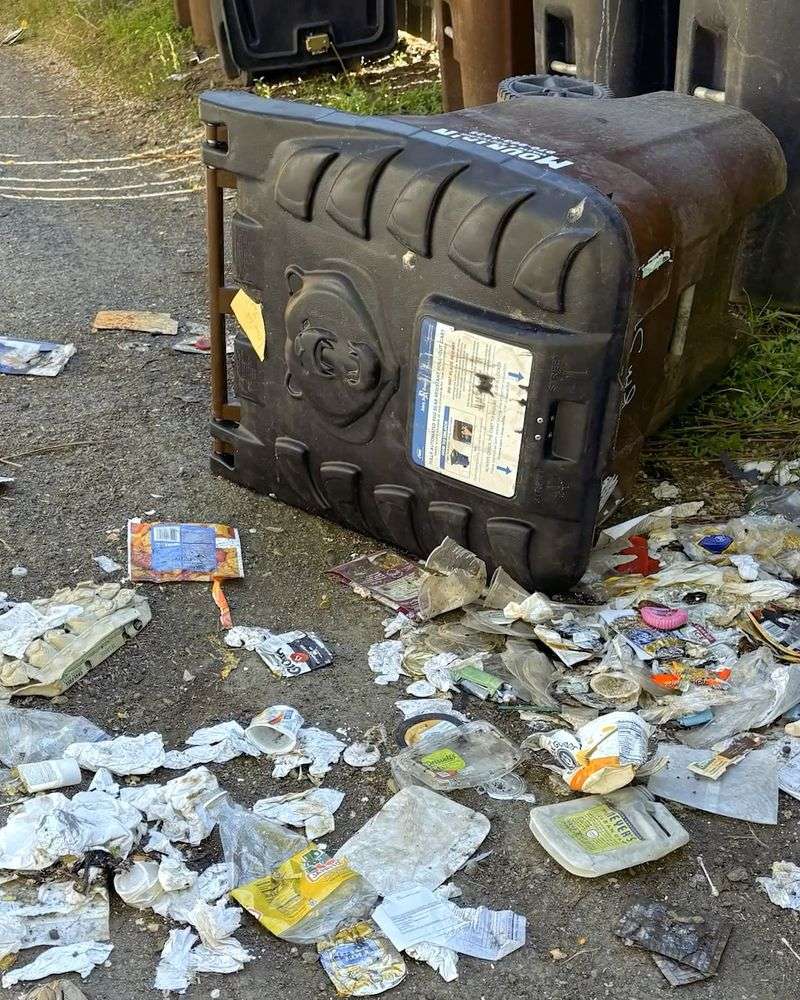
Picture a furry little burglar with a mask, nimble fingers, and a nose that can sniff leftovers from far away. Your garbage can is basically its favorite drive-through restaurant, open all night with no bouncer.
Raccoons can pop off loose lids, tip over light bins, and even tear open tied bags. Once they score a meal, they remember the spot and return night after night.
Fun fact: a raccoon’s front paws have thousands of nerve endings, making them super sensitive. They can feel their way through garbage almost like reading with their fingertips.
Start by picking bins with tight-locking lids or adding bungee cords that stretch across the top. Some people use special animal-proof cans with clamps that little paws cannot pry open.
Next, keep the cans from tipping by storing them in a garage or shed. If that is not possible, strap them to a fence post or place them inside a wooden bin.
Smell matters too, since a stinky bin works like a dinner bell. Rinse cans with soapy water or a splash of vinegar every couple of weeks.
Try to put trash out on the morning of pickup instead of the night before. That one small change removes hours of tempting midnight snacking time.
In September, raccoons are packing on fat for winter, so they get extra bold. Locking down your trash now can save you a messy fall full of cleanup duty.
2. Pet Food Left Outside
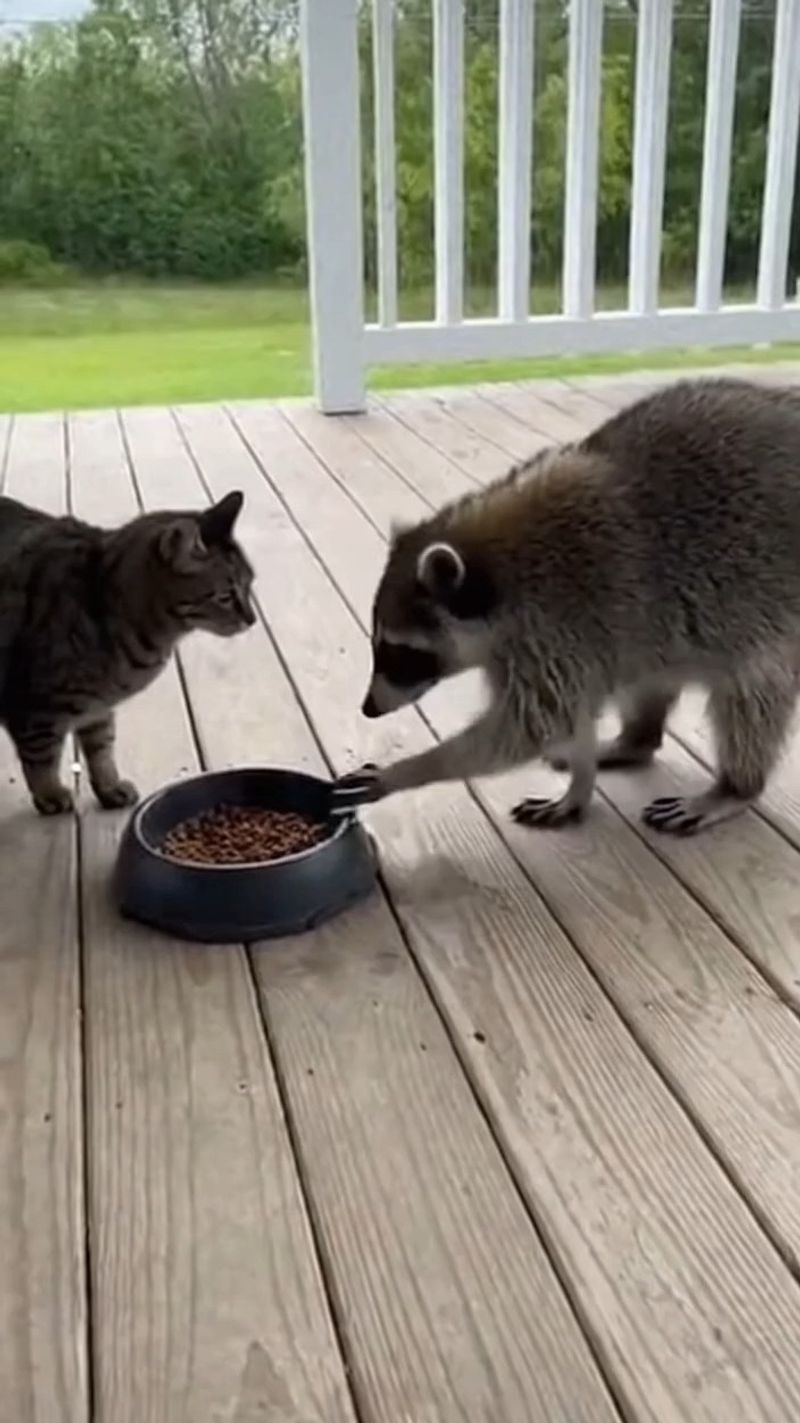
Your cat thinks that bowl on the porch belongs to her, but the neighborhood night crew disagrees. A bowl of kibble left outside is one of the easiest meals a raccoon can find.
Pet food is packed with protein and fat, which is exactly what these critters crave. The smell drifts far, especially on warm September evenings when the air is still.
Even worse, a hungry raccoon might face off with your pet over dinner. That can lead to scratches, bites, or scary emergency vet trips that nobody wants.
The simplest fix is feeding your pets indoors whenever you can. If your dog or cat eats outside, pick up the bowl as soon as they finish.
Don’t forget about water bowls and any spilled crumbs around the feeding area. A quick sweep keeps leftover bits from turning into a late-night treasure hunt.
Store big bags of pet food in metal bins with snug lids rather than paper sacks. Raccoons can chew through bags in a garage or on a porch given the chance.
Pet doors can also be an open invitation for curious nighttime visitors. Consider a microchip door that only opens for your own furry family member.
Here’s a quirky fact: raccoons often dunk food in water before eating it. So if your pet’s water bowl is full of soggy kibble, you may have had a guest.
3. Bird Feeders With Spilled Seed
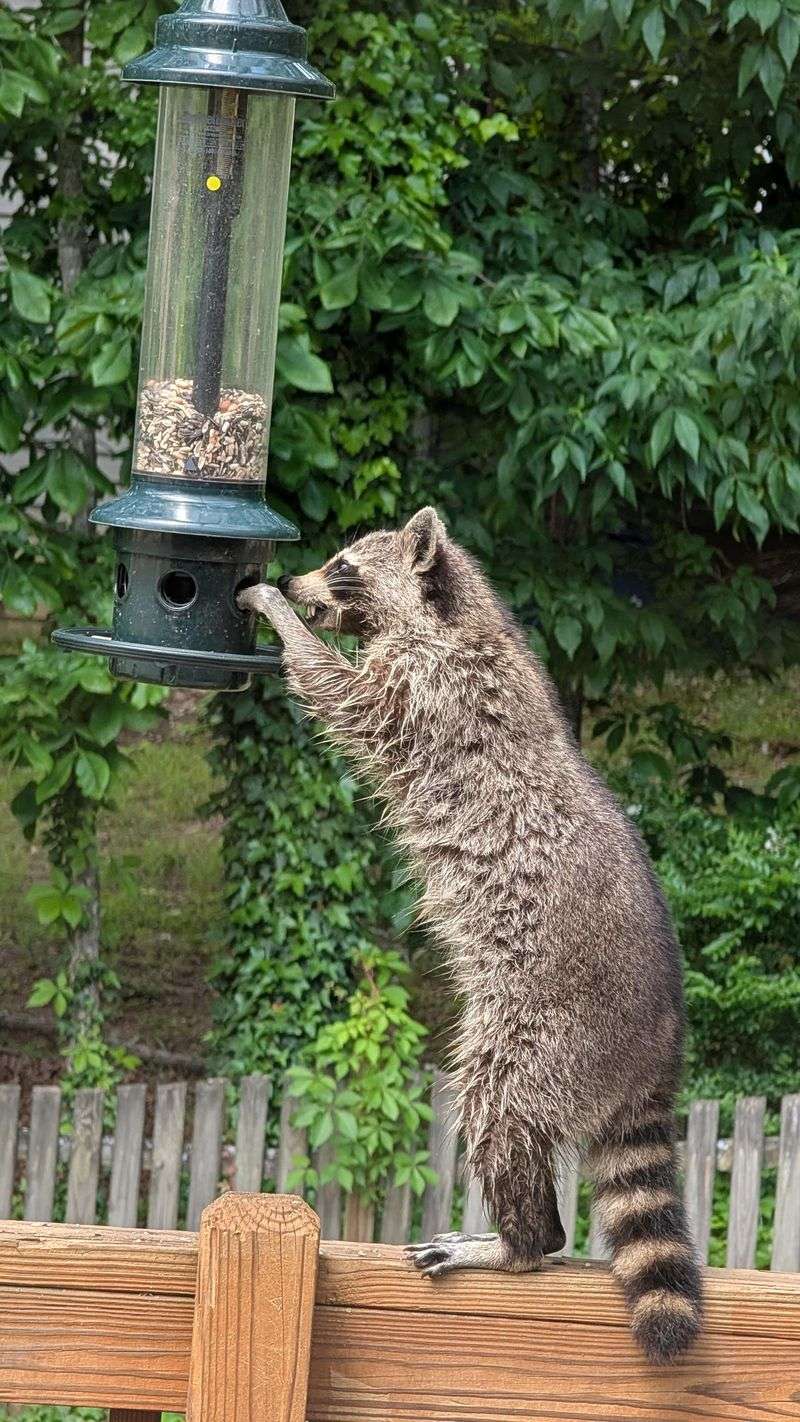
Watching cardinals and chickadees flutter around a feeder is one of the sweetest parts of backyard life. Unfortunately, the birds are not the only ones enjoying the show, or the snacks.
Birds are messy eaters, tossing seeds onto the ground below with every peck. By nightfall, that pile of sunflower seeds and cracked corn becomes a raccoon picnic blanket.
Raccoons are also skilled climbers who can shimmy up poles and swing onto hanging feeders. Some folks have caught them on camera hugging a feeder like a giant snack jar.
Place a seed tray under your feeder to catch falling bits before they hit the grass. Rake up leftover seeds every evening, or at least a few times each week.
A cone-shaped baffle on the pole can stop climbers from reaching the top. Mount feeders at least ten feet from trees, fences, and roofs so nobody can leap over.
Another smart trick is bringing feeders inside at night, since songbirds eat mostly during daylight. Your feathered friends will not miss a thing, but masked visitors will find an empty table.
Store extra birdseed in a sealed metal can, not a flimsy plastic tub. A forgotten bag in the shed can attract a whole family of hungry guests.
Switching to safflower seed or no-mess blends can also cut down on shells scattered below. With fall migration happening in September, a tidy feeder helps travelers without feeding bandits.
4. Uncovered Compost Piles
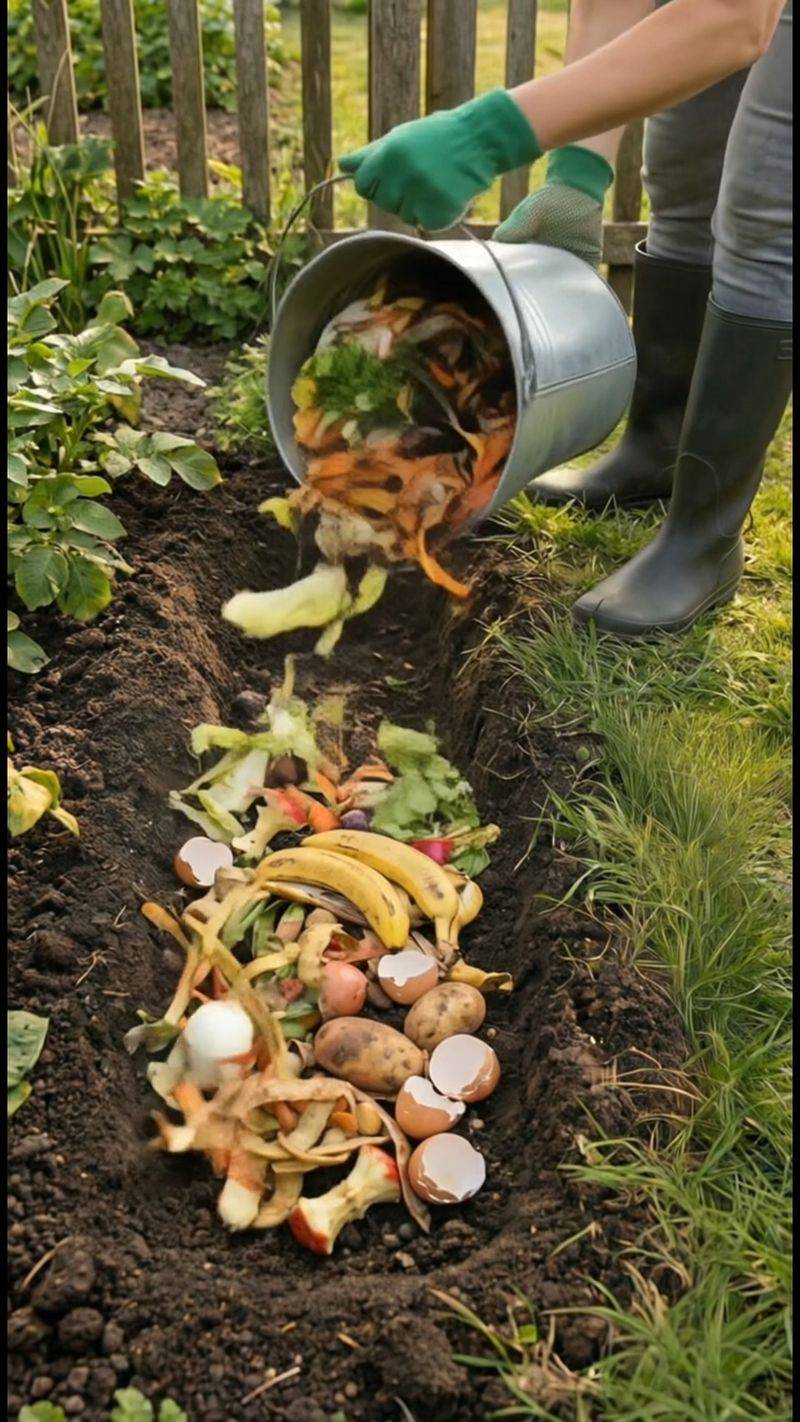
Composting feels like a gold star for the planet, turning banana peels into rich garden soil. To a raccoon, though, an open compost pile looks like an all-you-can-eat salad bar.
Food scraps give off strong smells as they break down, and curious noses pick that up quickly. Melon rinds, corn cobs, and old bread are especially hard for them to resist.
Late summer and early fall bring piles of garden leftovers, so compost bins fill up fast in September. That timing lines up perfectly with raccoons searching for extra calories before winter.
Switch from an open heap to a closed bin with a locking lid. Tumbler-style composters work great because they sit off the ground and spin shut.
Keep meat, dairy, bones, and oily foods out of your compost altogether. Those items smell the strongest and draw in the most unwanted company.
When you add fresh scraps, bury them under a layer of leaves, grass clippings, or soil. Covering food waste hides the scent and helps everything break down faster, too.
For extra protection, line the bottom of your bin with sturdy hardware cloth. That wire mesh stops diggers from tunneling up underneath like tiny construction workers.
Did you know raccoons will eat almost anything, from eggshells to coffee filters? Their famously flexible diet is exactly why a smelly compost pile tempts them so much.
5. Fallen Fruit On The Ground
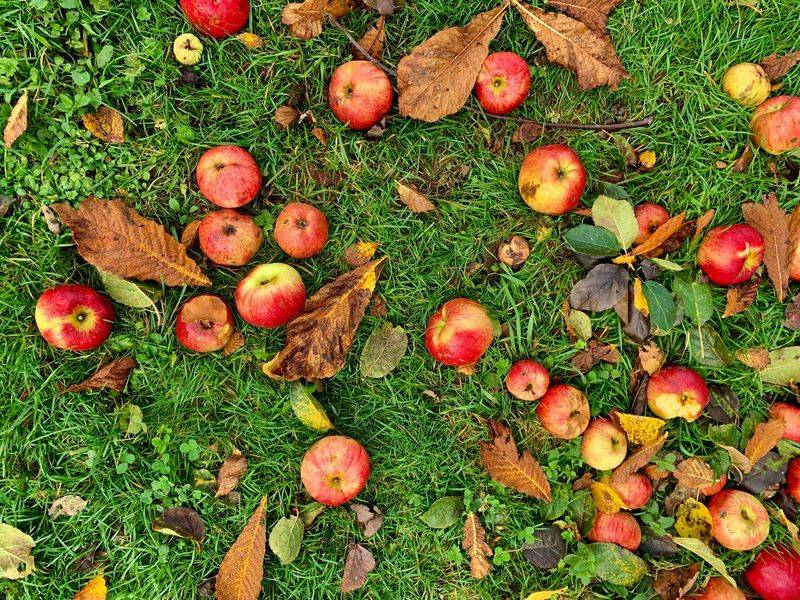
Apples thumping onto the grass is one of the classic sounds of September. For raccoons, each thump is like a doorbell announcing a fresh delivery of dessert.
Fruit trees such as apple, pear, plum, and persimmon drop plenty of goodies this time of year. Sweet, soft fruit is packed with sugar, which helps raccoons fatten up for the chilly months.
Rotting fruit makes matters worse because the smell gets stronger each day it sits. It also attracts wasps, flies, and other critters you probably do not want nearby.
Make it a habit to walk your yard every morning with a bucket in hand. Scoop up any fruit on the ground before the sun goes down again.
Better yet, pick ripe fruit straight from the branches before it has a chance to fall. Share extras with neighbors, bake a pie, or freeze slices for winter smoothies.
Vegetable gardens deserve attention too, since raccoons adore sweet corn, tomatoes, and melons. A sturdy fence with a floppy top edge can make climbing much harder for them.
Wrapping tree trunks with a smooth metal sheet can also keep climbers out of the branches. Make sure nearby limbs from other trees do not give them a sneaky side entrance.
Raccoons have been spotted acting wobbly after eating overripe fruit, almost like they’d had too much sugar. Keeping the ground clean spares everyone that goofy late-night show.
6. Open Chimneys Or Vents
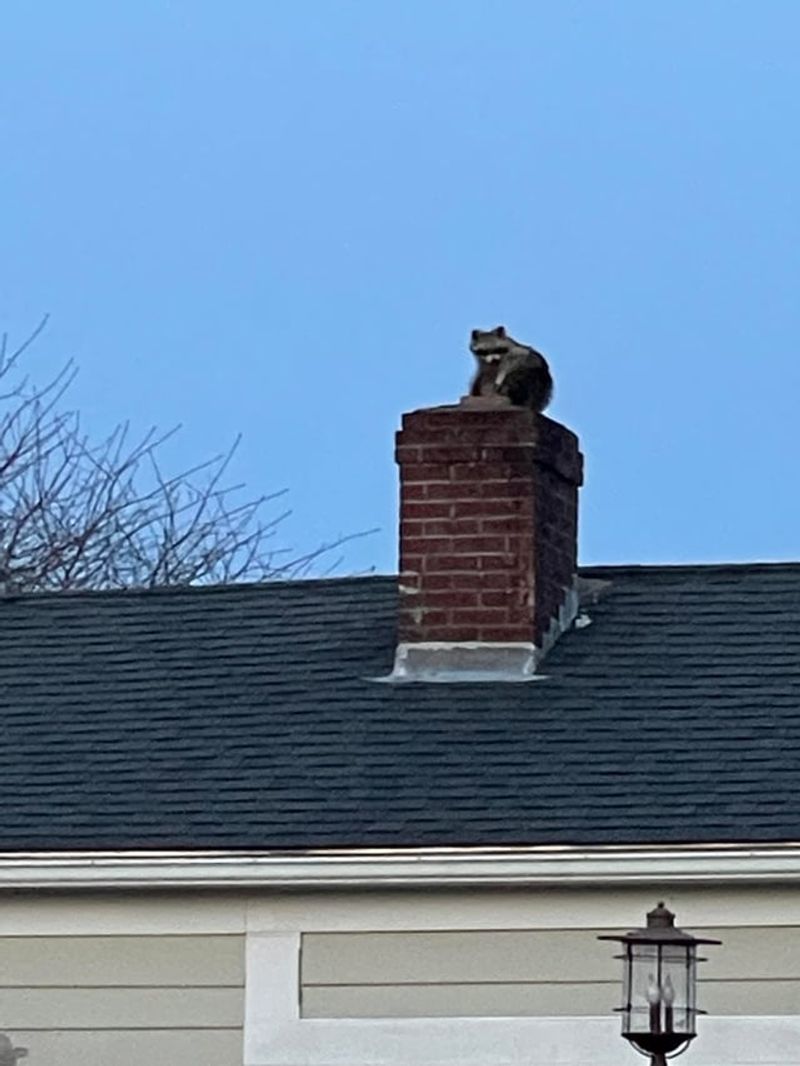
One homeowner joked that Santa had shown up months early after hearing scratching inside the chimney. The real culprit was a mother raccoon who had turned the smoke shelf into a cozy nursery.
Chimneys feel a lot like hollow trees to raccoons, which makes them perfect den spots. Open attic vents, roof gaps, and loose soffits are just as tempting for a determined climber.
As nights get cooler in fall, these animals start hunting for warm, dry shelter. Your house, with its soft insulation and quiet corners, can look like a luxury hotel.
Once inside, they can tear up insulation, chew wires, and leave behind smelly messes. Repairs can get expensive fast, so prevention is much cheaper than cleanup.
Install a sturdy chimney cap with a mesh screen to block the opening from above. Cover attic and dryer vents with heavy-duty metal screens that paws cannot rip through.
Walk around your home and look closely at the roofline for gaps, holes, or sagging spots. Even an opening the size of a softball can let a raccoon squeeze through.
Before sealing anything, make sure nobody is already living inside, especially baby raccoons. Sprinkle flour near the entry or stuff loose newspaper in the hole, then check for disturbances.
If an animal is trapped inside, call a licensed wildlife removal expert for help. They can guide the family out safely and humanely.
7. Cluttered Woodpiles
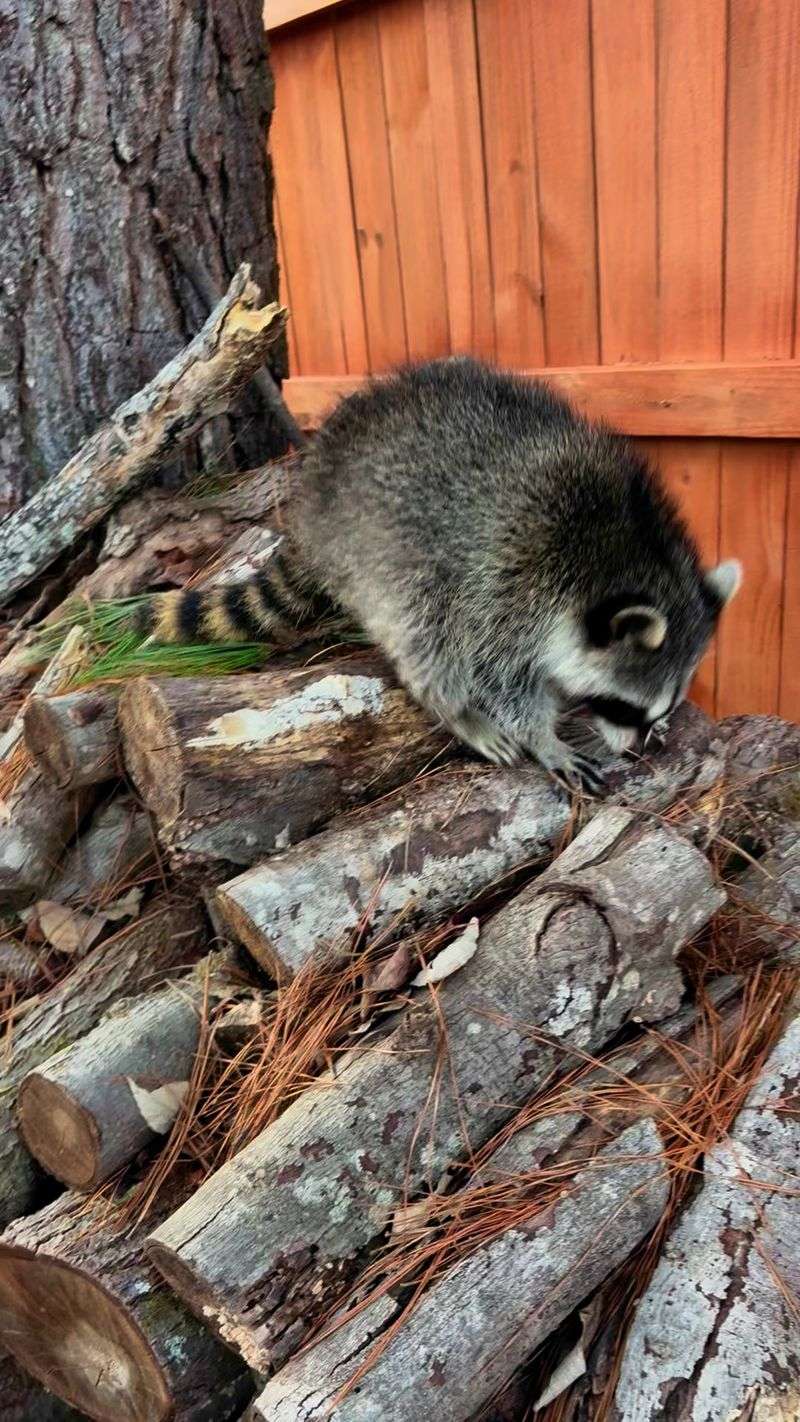
Stacking firewood in September feels wonderfully satisfying, like you are getting ready for crackling fires and hot cocoa. Just remember that a messy woodpile can double as a raccoon apartment complex.
Loose logs create dark gaps and tunnels where critters can hide during the day. Woodpiles also draw mice, insects, and grubs, which are tasty snacks for hungry raccoons.
It is a bit like leaving out a free room with room service included. No wonder so many critters settle in and stay for a while.
Stack your wood neatly and tightly on a raised rack at least 18 inches off the ground. Lifting it up removes the shady hiding spaces underneath that animals love.
Place the pile away from your house, ideally about 20 feet from walls and doors. That distance keeps pests from moving from the wood straight into your home.
Clear out old bark, sticks, and scraps around the base every few weeks. A tidy area makes it harder for anything to build a secret hideout.
The same goes for other yard clutter, like old lumber, flower pots, and forgotten tarps. Anything that creates a sheltered pocket can become a surprise rental unit.
Cover the top of your pile with a fitted tarp or small roof to keep wood dry. Just tuck the edges tight so nobody can crawl beneath and camp out.
8. Unsealed Crawl Spaces
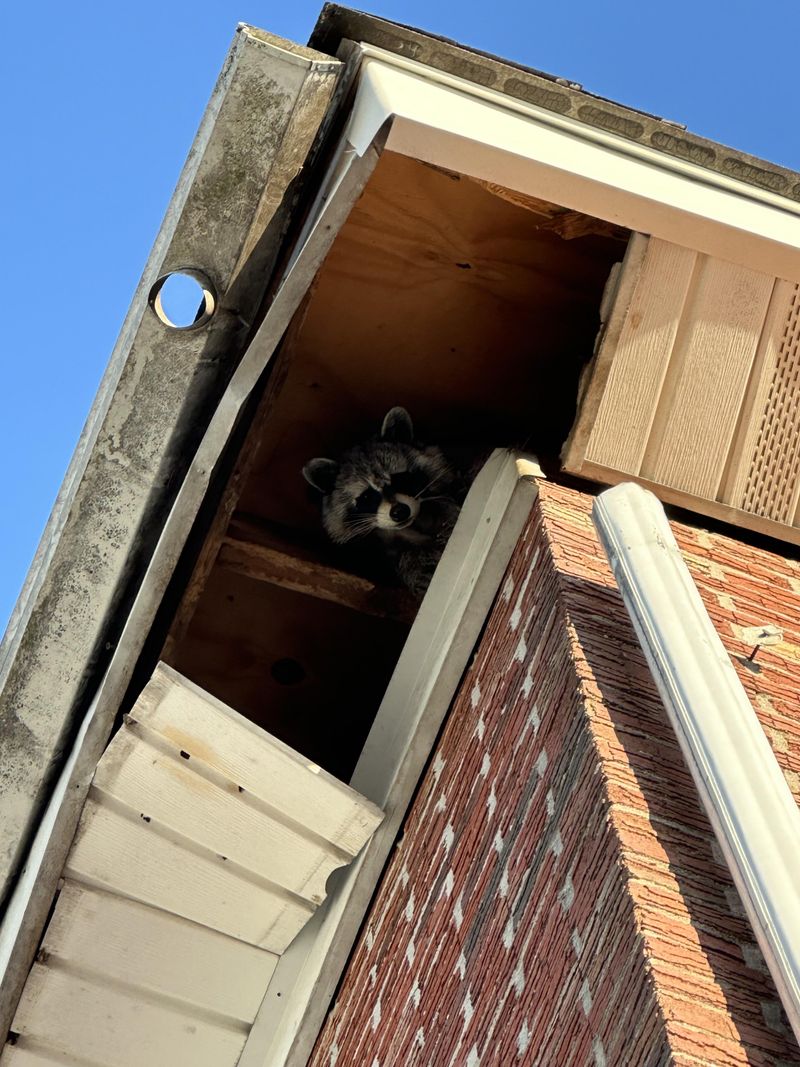
Underneath many homes sits a dark, quiet space most people rarely think about. For a raccoon looking for a den, that crawl space is prime real estate with a great location.
Crawl spaces stay sheltered from wind, rain, and predators, which makes them feel very safe. Decks, porches, and sheds with open bottoms offer that same hidden hangout.
Autumn is peak moving season for young raccoons leaving their mothers to find homes of their own. So September and October are the months when new tenants often show up.
Signs of a hidden guest include scratching sounds at night, strong odors, or torn vent screens. You might also notice dug-up soil or tracks that look like tiny human handprints.
Seal crawl space vents and openings with galvanized hardware cloth, not flimsy chicken wire. Strong mesh holds up against clawing, chewing, and stubborn tugging.
For decks and sheds, bury an L-shaped wire barrier about a foot deep around the edges. Raccoons may dig, but they hit the bent wire and usually give up.
Just like with chimneys, check that no animals are inside before closing things up. A one-way exclusion door lets critters leave but stops them from getting back in.
Bright lights or a radio playing talk shows can encourage squatters to pack up and move. Apparently, even raccoons get tired of listening to chatty hosts.
9. Standing Water Sources
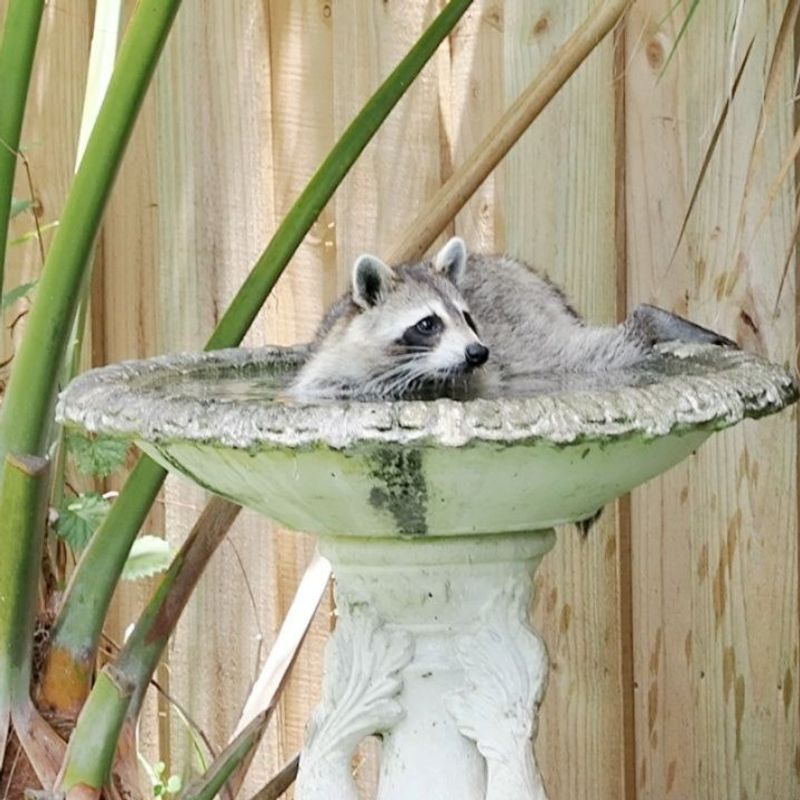
The raccoon’s scientific name is Procyon lotor, and lotor means washer in Latin. Fitting, since these masked critters seem to adore splashing their paws in any water they find.
Birdbaths, fish ponds, clogged gutters, and pet water bowls can all become neighborhood watering holes. Even an upright wheelbarrow or old tire filled with rainwater counts.
Water is more than a drink for raccoons, since ponds can also hold frogs, fish, and crayfish. A backyard koi pond might look like a sushi bar to a hungry visitor.
Early fall can be dry in many areas, which makes a reliable water source even more valuable. If your yard has the only puddle on the block, expect nightly visits.
Start by emptying buckets, planters, and toys that collect rainwater after storms. Clean out gutters too, since clogged ones hold water and soggy leaves full of bugs.
Dump and refill birdbaths each morning, or bring them in overnight if possible. Fixing leaky hoses and dripping outdoor faucets also stops small puddles from forming.
Pond owners can protect fish with netting, steep sides, or underwater hiding caves. Raccoons prefer wading over swimming, so pond edges deeper than a couple feet help a lot.
Motion-activated sprinklers are another fun option that startles visitors with a sudden spray. Ironically, a creature that loves water still hates getting surprised by a cold blast of it.
10. Overgrown Shrubs Or Brush
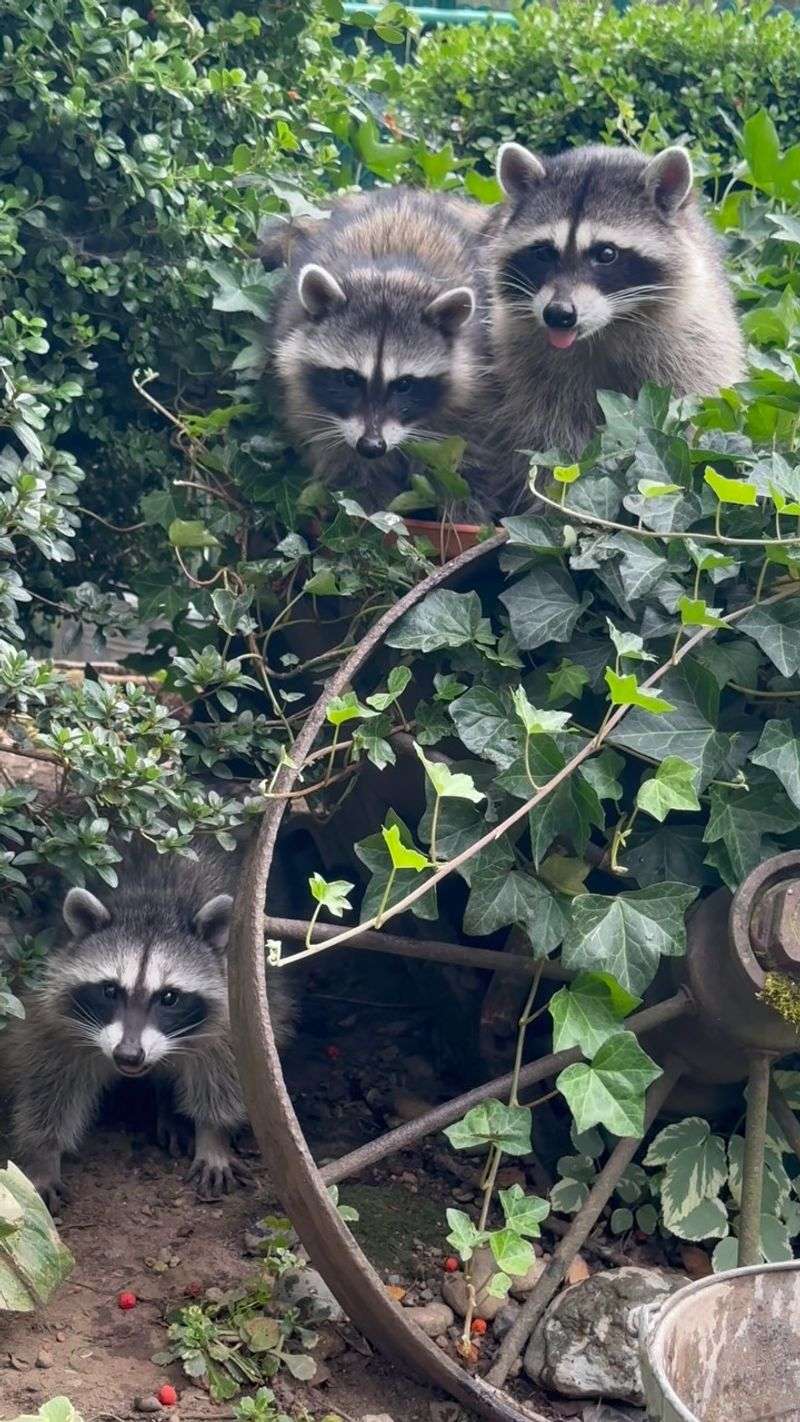
Think of thick bushes as a raccoon’s secret hallway, letting it sneak from yard to yard unseen. Tall grass, tangled brush, and ivy-covered corners work the same way.
Raccoons feel safest when they have cover from owls, coyotes, and nosy dogs. Dense plants near your house give them a hidden resting spot close to all your other attractions.
Overgrown hedges also hide the very problems this list covers, like fallen fruit or gaps under decks. When you cannot see those trouble spots, fixing them gets much harder.
September is a great month for trimming, since summer growth has slowed and the weather feels pleasant. Cut shrubs back so there is a clear gap of at least a foot around your home.
Trim lower branches off bushes so you can see underneath them easily. Raccoons are less likely to hang out where they feel exposed.
Mow tall grass, pull weeds, and clear piles of leaves or yard trimmings. Tree limbs hanging over your roof should come down too, since they work like bridges.
Motion-sensor lights along garden paths can make hiding spots feel less welcoming. Most raccoons prefer darkness and will move along when a bright beam flicks on.
A tidy yard does not have to look bare, just open enough that no one can hide. Your garden stays pretty, and your masked neighbor finally gets the hint.