What Pennsylvania Hydrangeas Need Before Winter For Bigger Spring Blooms
Next summer’s flowers are already sitting in your yard right now. They’re tucked inside fat little buds at the tips of stems that look plain and bare.
Nobody warned me about that when I started gardening. I used to treat fall cleanup like a haircut, snipping everything tidy, and then I wondered why my big blue shrub gave me nothing but leaves the next year.
Pennsylvania winters can swing from mild rain to single digits in a week. Those tiny buds sit out in the open the whole time, and a hard freeze or a hungry deer can erase a season of color overnight.
The fix is simpler than you’d expect, and most of it takes an afternoon. I truly believe a few small moves this fall make the biggest difference you’ll see in June. So which mistake is your shrub quietly paying for?
1. Those Fat Bigleaf Hydrangea Buds Hold Next Year’s Whole Show
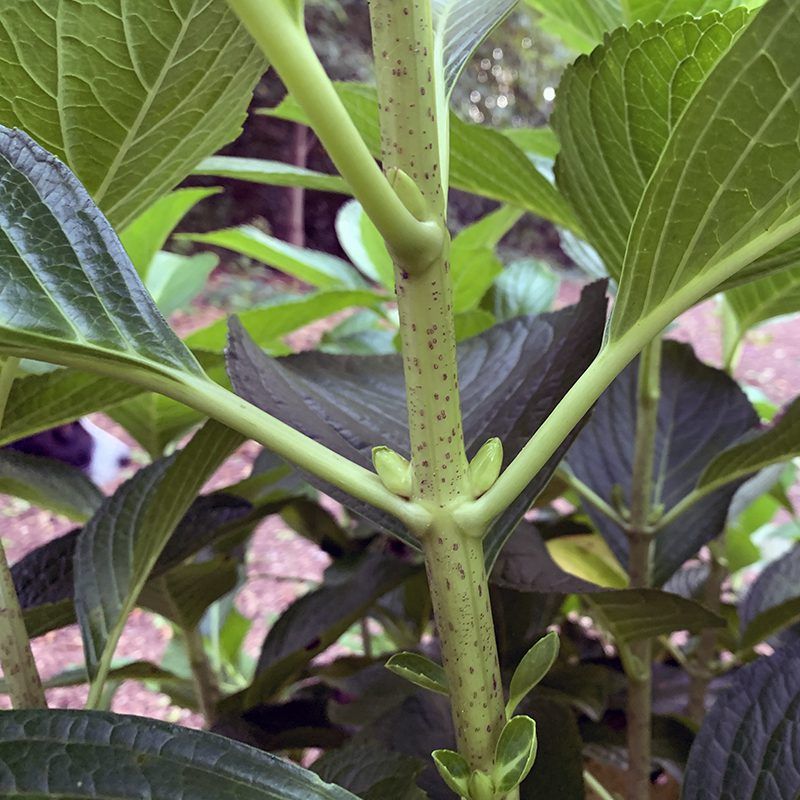
Run your fingers along a mophead stem in November and you’ll feel them. Plump, pointed buds sit at the tips and along the upper nodes, often with a soft green or purple tint.
Bigleaf hydrangeas set those flower buds in late summer and early fall, according to Penn State Extension and other university sources.
That means the blooms you want next June already exist, packed tight inside each bud like a folded umbrella.
Oakleaf hydrangeas work the same way, and so do many mountain hydrangeas. All of them bloom on old wood, which is simply last year’s stems.
That single fact explains most flowerless summers. When a cold snap, a harsh wind, or a pair of eager pruners damages those buds, the shrub still leafs out beautifully. It just has nothing left to open.
Bigleaf types are the touchiest of the group. Their stems are usually hardy, but the buds can suffer when temperatures drop into the single digits, especially after a warm spell softens them.
Personally, I started treating those buds like eggs in a carton. Every step in this list protects them, feeds the roots below them, or helps them wake up safely. Once you see them that way, winter care starts to make a lot more sense.
2. Put The Pruning Shears Down Until You Know Your Hydrangea Type
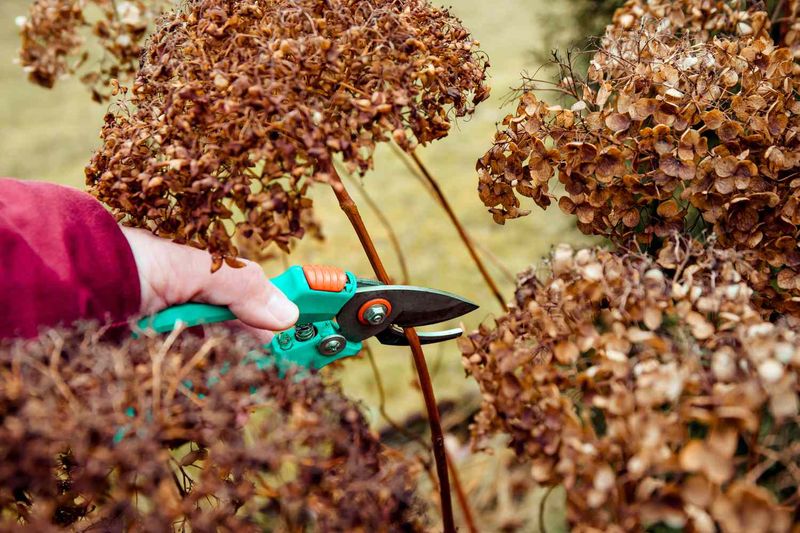
Snipping in fall feels productive. The garden is winding down, the stems look messy, and your hands want something to do.
Hold that thought until you identify your plant. Bigleaf and oakleaf hydrangeas bloom on old wood, so fall or winter cuts remove next year’s flowers.
The right time to trim them is just after the blooms fade in summer, and even then, a light touch works best.
Panicle hydrangeas, like ‘Limelight’ and ‘Quick Fire’, and smooth hydrangeas, like ‘Annabelle’, bloom on new wood.
They form buds on growth that appears in spring, so you can prune them in late winter or early spring without losing flowers.
Reblooming bigleaf types, such as the Endless Summer series, flower on both old and new stems. They still give their biggest early show from old wood, so leave them mostly alone in fall.
Not sure what you have? Cone-shaped blooms usually mean panicle, while big round heads with glossy, coarse leaves often mean bigleaf.
Oakleaf types are easy to spot, with leaves shaped like oversized oak leaves that turn wine red in fall.
For any type, you can safely remove broken branches anytime. Everything else can wait, and your June self will thank you for the patience.
3. A Deep Soak Before The Ground Freezes Helps Hydrangea Roots
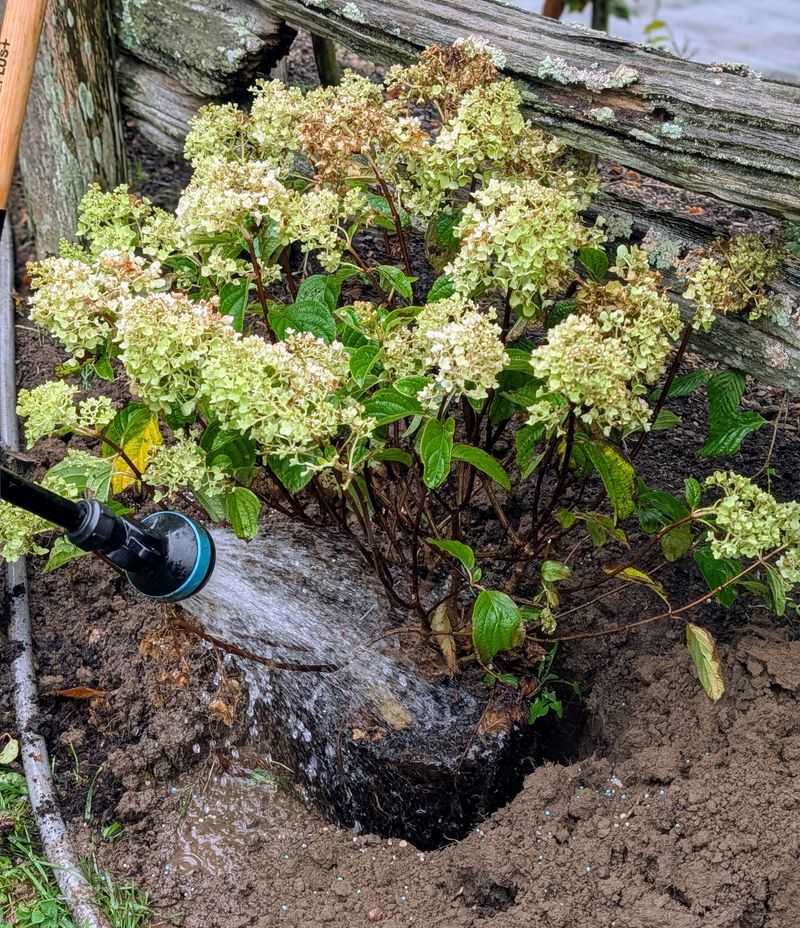
Dry fall weather sneaks up on a lot of gardeners. We stop watering in September because the heat is gone, but a dry October can leave shrubs heading into winter thirsty.
Hydrangeas are moisture lovers, and their name even comes from Greek words for water and vessel.
Well-hydrated plants handle winter wind and cold far better than dry ones, since frozen ground blocks roots from pulling up new moisture.
Aim for a slow, deep watering every week or so if rain is scarce, right up until the soil freezes.
In much of the state that lands somewhere between late November and December, though northern counties often freeze earlier than the southeast.
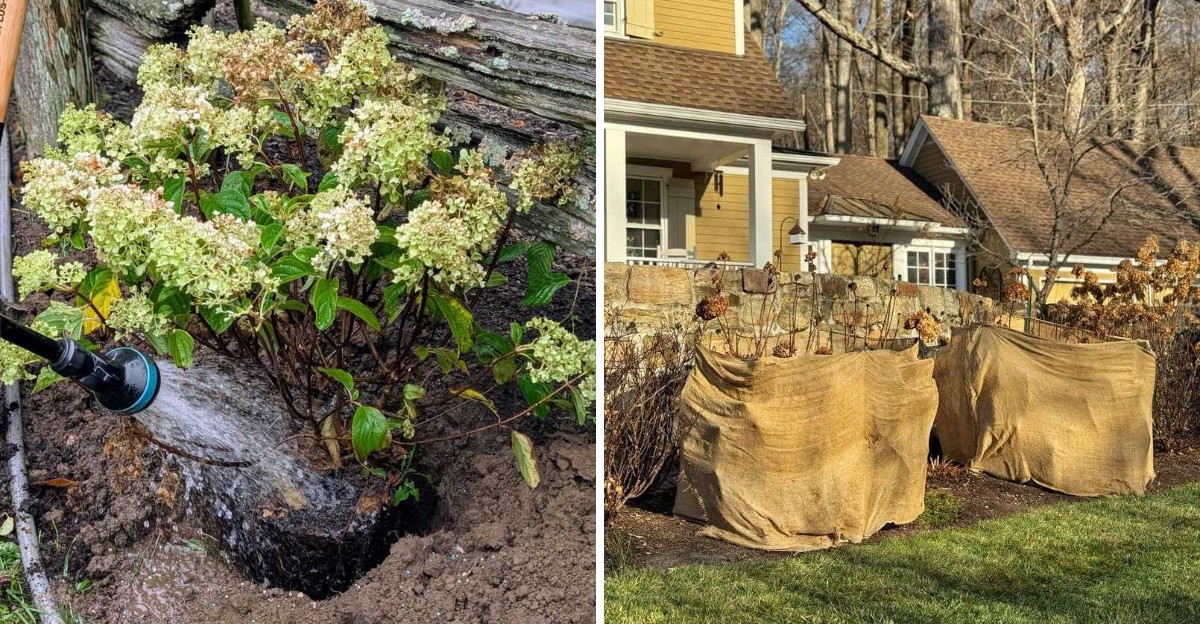
A soaker hose or a garden hose on a slow trickle for 20 to 30 minutes works well. You want moisture to reach several inches down, not just darken the surface.
Check before you water. Push a finger two inches into the soil near the base, and if it feels dry, give the plant a drink.
Skip the soak if the soil is already soggy. Hydrangeas like moisture, but waterlogged roots can rot, especially in the heavy clay common across many Pennsylvania yards.
4. A Leaf-Filled Wire Cage Shields Bigleaf Buds From Winter Wind
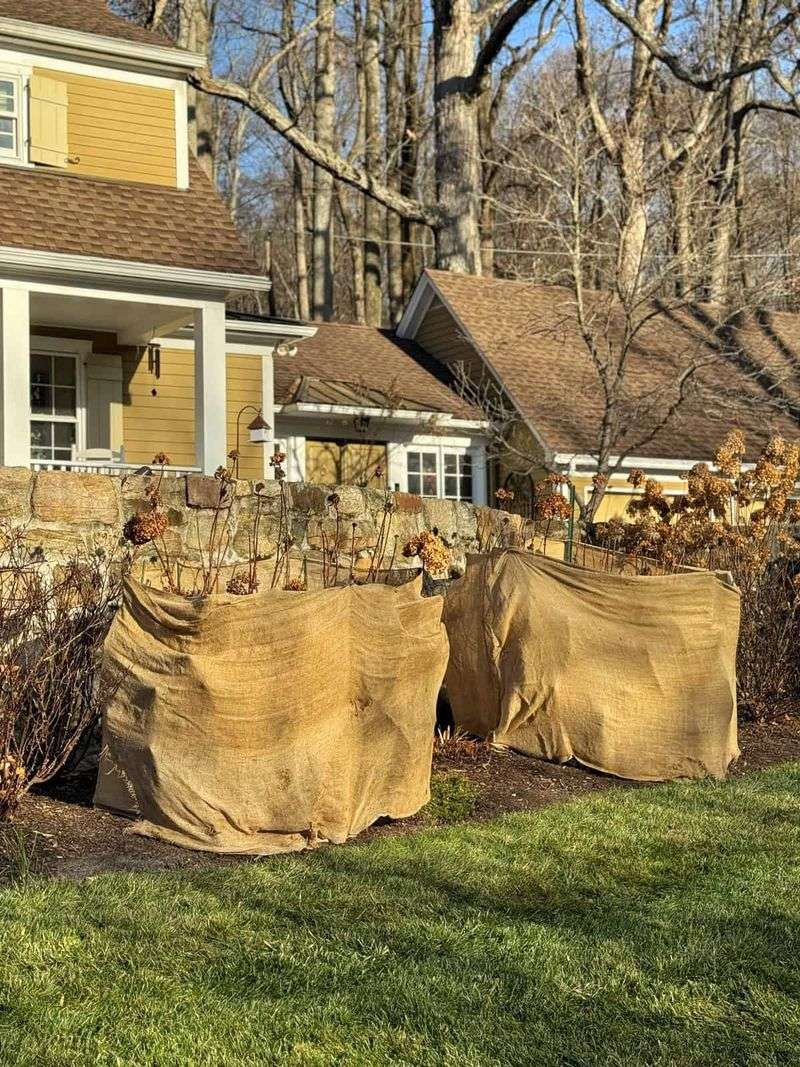
Chicken wire and a pile of raked leaves might be the best winter coat a bigleaf hydrangea ever gets. It looks a little odd for a few months, but the payoff in June is hard to argue with.
Extension experts across the Northeast recommend this method for bigleaf types in colder spots. It matters most in zones 5 and 6, which covers much of central and northern Pennsylvania, plus exposed yards anywhere.
Set four stakes around the shrub and wrap chicken wire or burlap around them to form a cage. Fill it loosely with dry shredded leaves or straw, tucking material between the stems without snapping them.
Oak leaves are a favorite because they stay fluffy and resist matting. Shredding them with a mower first helps too. Wet, packed leaves can hold too much moisture and encourage rot.
Wait until the plant goes dormant and nights are dipping into the 20s, usually in late November. Covering too early can trap warmth and humidity around stems that still need to harden.
Gardeners in the milder southeast, around Philadelphia, can often skip the cage for established plants. A burlap windbreak on the windy side is a nice middle ground if you want some insurance.
5. A Fluffy Mulch Ring Keeps Hydrangea Roots Snug All Winter
Roots don’t get the glory, but they do the heavy lifting. A healthy root system is what powers those big flower heads come spring.
Freeze and thaw cycles are the real trouble in Pennsylvania. The ground freezes, warms up on a sunny day, then freezes again, and that constant shifting can heave shallow-rooted or newly planted shrubs right out of the soil.
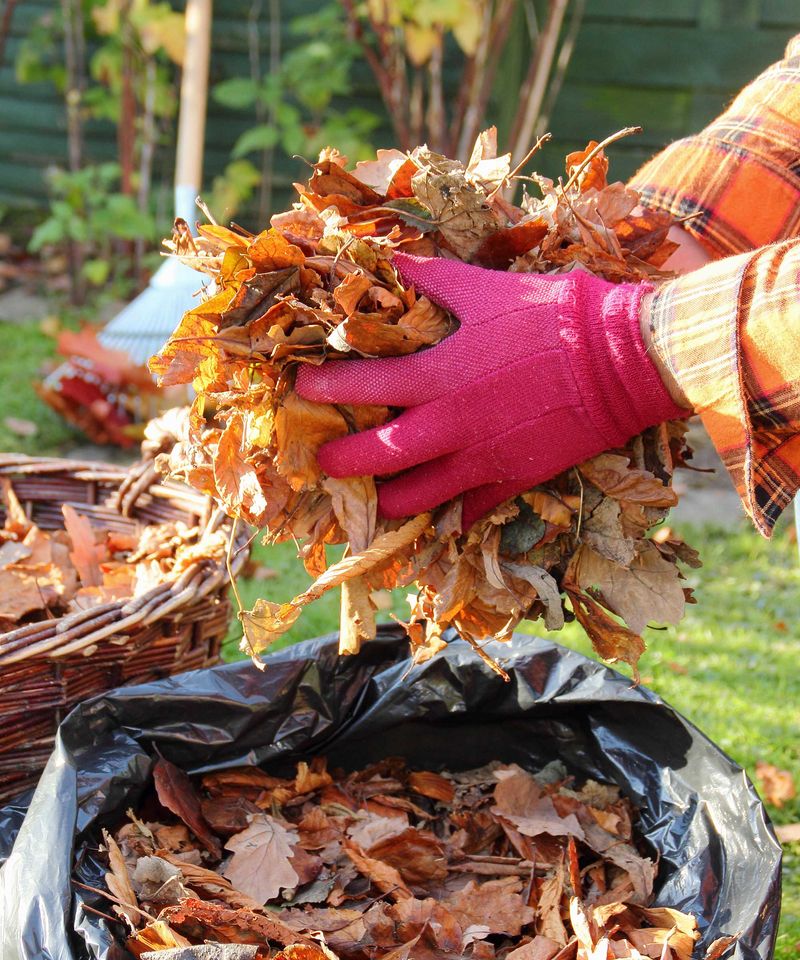
A two to four inch layer of shredded bark, pine needles, or chopped leaves evens out those swings. Spread it in a wide ring out to the drip line, and keep it a few inches away from the stems so moisture doesn’t sit against the bark.
Timing helps here as well. Mulching after the ground starts to firm up keeps the soil cold and steady, rather than locking in fall warmth.
Potted hydrangeas need a different plan, since roots in containers face far colder temperatures than roots in the ground.
Move pots into an unheated garage or shed once they go dormant, and water lightly about once a month.
Bonus perk? As shredded leaves break down over winter, they feed soil life and add organic matter, so your mulch quietly becomes next year’s soil improvement project.
6. Skip The Fertilizer Bag Once August Wraps Up
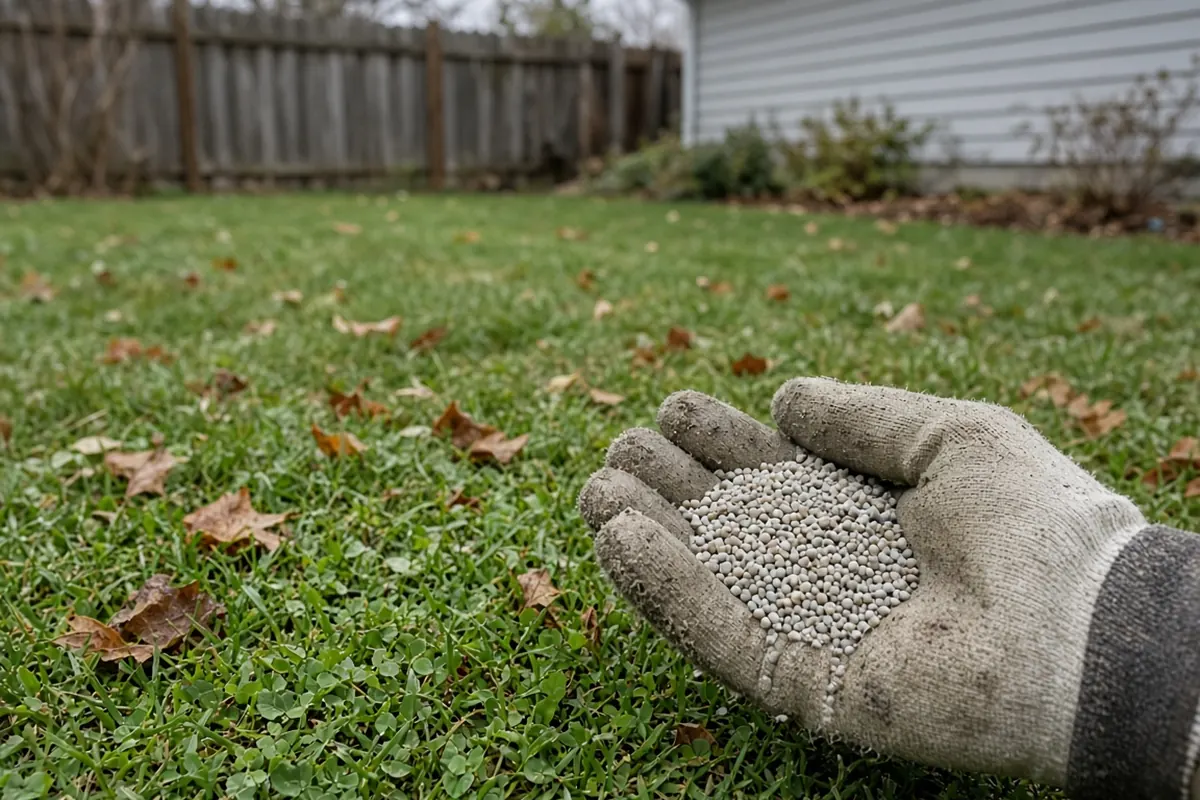
Feeding a plant before winter sounds kind, like packing a snack for a long trip. For hydrangeas, it often backfires.
Nitrogen pushes soft, leafy growth. When that growth shows up in September or October, it has no time to harden before frost, and the tender tissue gets damaged easily. Worse, the plant may spend energy on leaves instead of ripening the buds you care about.
Most extension guidance says to finish fertilizing hydrangeas by mid to late summer. Bigleaf types, in particular, can produce lots of foliage and fewer blooms when overfed.
So what can you do in fall? A thin layer of compost spread around the base is gentle and slow. It improves soil structure without a sudden nitrogen spike.
Fall is also a smart time for a soil test through Penn State Extension. The kits are inexpensive, and results tell you pH and nutrient levels before you buy anything.
That matters for color, too. Bigleaf flowers lean blue in acidic soil and pink in more alkaline soil, and amendments like sulfur or lime work slowly, so fall application gives them a head start on next summer’s show.
7. Hungry Deer Treat Hydrangea Stems Like A Winter Buffet
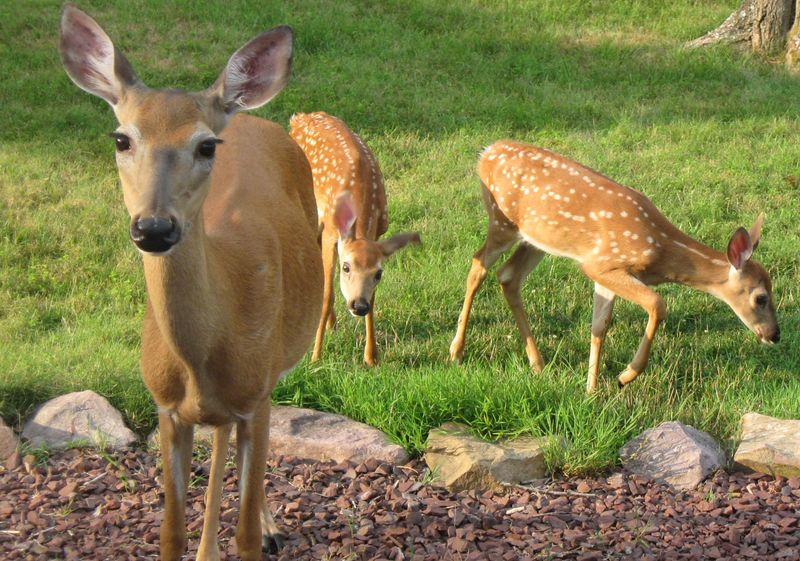
Ask anyone gardening near a Pennsylvania woodlot, and they’ll tell you deer have opinions about hydrangeas. Mostly, the opinion is that they taste great.
The state has a large white-tailed deer population, and winter browse gets scarce once acorns and green plants run out. Bigleaf hydrangea tips, right where the flower buds sit, are easy pickings at nose height.
One night of nibbling can remove a summer’s worth of blooms. The shrub survives just fine, but you get leaves and very few flowers.
Physical barriers work better than anything else. The same wire cage you use for insulation does double duty here, and a simple ring of deer netting or fencing around individual shrubs helps a lot.
Repellent sprays can help, too, though they need reapplying after heavy rain or snow. Rotating between scent-based and taste-based products keeps deer from getting used to one.
Watch for hoof prints in fresh snow near your shrubs, an easy clue that visitors have found the buffet.
Panicle hydrangeas handle deer pressure better, since they bloom on new wood and can regrow flowering stems after a winter nibble. If deer visit your yard nightly, that’s worth remembering next time you plant.
8. Uncover Hydrangeas Slowly When Spring Frost Keeps Hanging Around
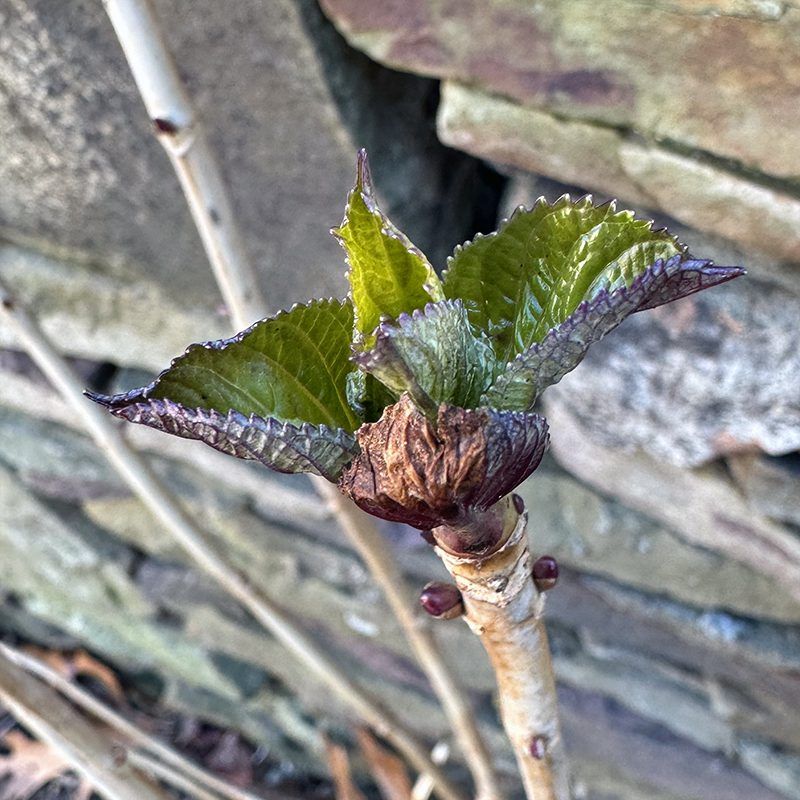
All that winter effort can unravel in one April night. Late frosts are common across the state, and they hit just as hydrangea buds swell and push out tender green leaves.
Leave cages and heavy covers in place until the worst cold has passed, usually early to mid April in the southeast and later in the mountains and northern tier.
Then remove them gradually over a week or so, letting the plant adjust to sun and wind.
Keep an old sheet or frost cloth handy. If the forecast calls for temperatures near freezing after the buds open, drape it over the shrub in the evening and remove it in the morning.
Resist pruning until you see where green growth appears. Stems that stay brittle and bare by late May can be cut back to the first healthy bud, while living stems should stay put.
Old flower heads you left over winter can come off now, too, snipped just above the first plump pair of buds.
I like to think of spring as the final exam. Keep the shrub watered, watch the weather, and you’ll likely see the fullest blooms your hydrangea has offered in years.