7 Things That Attract More Armadillos To Your Texas Yard This Fall
Armadillos in a Texas yard are one of those wildlife problems that tend to escalate without much warning.
One visit becomes a pattern, and before long the lawn looks like something was excavating it from below, because something was.
Fall brings a noticeable increase in armadillo activity across Texas properties, and certain yard conditions are drawing them in more reliably than others. These animals are not wandering randomly. They’re following signals.
Specific features in a Texas yard make it significantly more attractive to armadillos at this point in the year, and most homeowners are creating those conditions without realizing it.
Understanding what’s pulling armadillos in gives you a practical starting point for reducing encounters before the problem becomes something larger to manage.
1. Juicy Grubs And Insects Hiding In The Soil
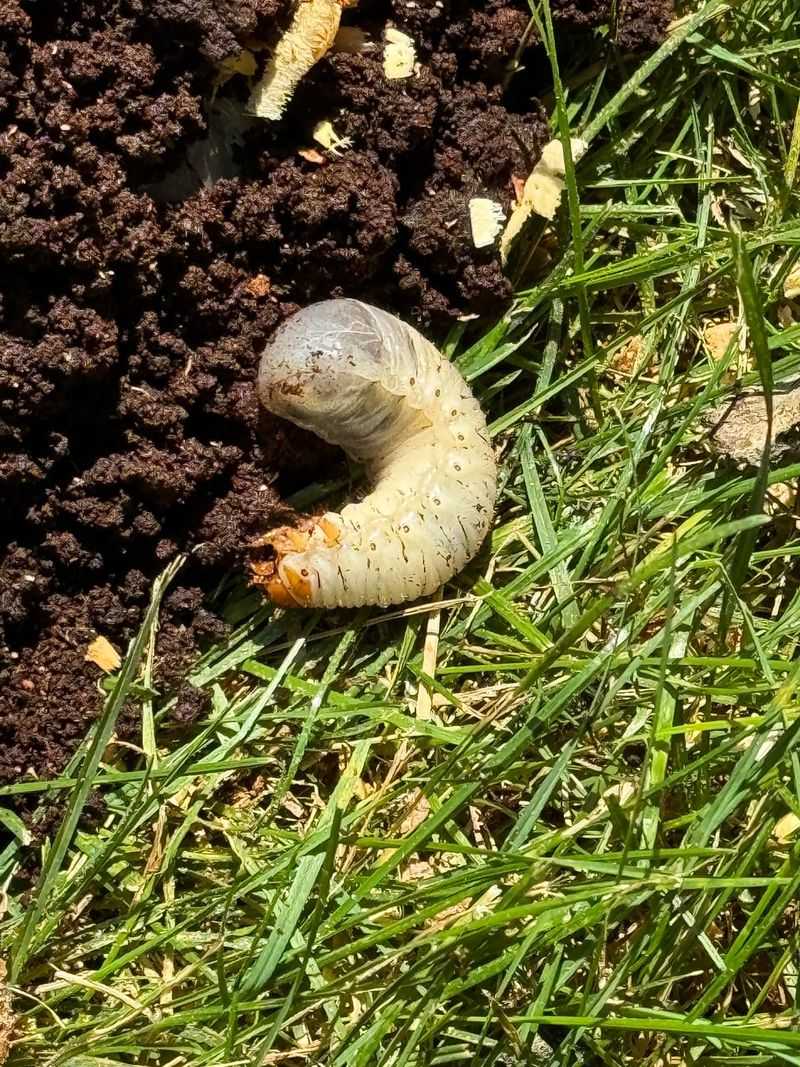
If there is one thing that makes an armadillo’s nose twitch with excitement, it is a yard full of tasty bugs.
These animals love grubs, worms, beetles, and ant larvae that live just below the surface of your soil.
During fall in Texas, insect activity stays strong because the weather is still warm. That means plenty of snacks waiting underground.
Armadillos use their powerful claws to dig little cone-shaped holes wherever they smell a meal.
The more bugs your lawn holds, the more often these critters will visit. Overwatered grass and rich, moist soil tend to attract the most insects.
A healthy population of grubs practically rings the dinner bell for hungry armadillos.
You can cut down on their food supply by treating your lawn for grubs with safe, store-bought products. Applying beneficial nematodes is another natural trick that reduces insect numbers without harming your yard.
Try not to overwater your grass either, since damp soil brings worms closer to the top. Keeping your lawn a little drier makes digging less rewarding for these visitors.
Regular lawn care also helps. Mowing, raking, and aerating keep pests under control and make your yard less inviting.
Fun fact: an armadillo can eat thousands of insects in a single meal, which actually helps gardens in some ways.
Still, the holes they leave behind are rarely worth the free pest control. By shrinking their buffet, you gently encourage them to search somewhere else for dinner.
2. Thick Brush Piles And Overgrown Corners
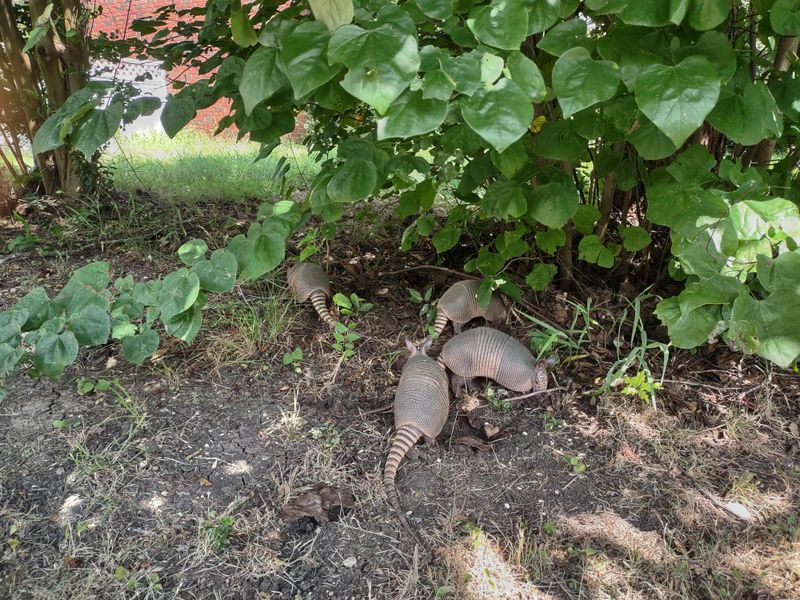
Picture a quiet, shady corner stacked with branches, leaves, and old logs. To an armadillo, that spot looks like a five-star hotel.
These animals love hiding places where they feel safe and shaded. Brush piles offer cover from predators and a cool retreat during warmer fall afternoons in Texas.
Overgrown shrubs, tall weeds, and tangled vines create the perfect shelter too. The messier your yard, the more welcome an armadillo feels.
Cleaning up these areas is one of the easiest ways to make your property less appealing. Start by clearing away old brush piles and stacking firewood off the ground and away from your home.
Trim back bushes so there is open space underneath instead of a hidden hideout. Pulling weeds and keeping corners tidy removes the sense of security these visitors crave.
Your Texas Garden Changes Every Week. Your Plan Should Too.
Gardening in Texas changes quickly throughout the season. Every Friday you’ll receive a simple weekly plan showing exactly what to plant, prune, fertilize, harvest, and protect so you never miss the right timing.
Good lighting can help as well. Armadillos prefer dark, secluded spaces, so adding motion-activated lights near shady corners makes them think twice.
You might be surprised how quickly a tidy yard sends them packing. Without a comfy hideaway, they simply move on to easier grounds.
Here is something neat: armadillos often keep several burrows within their home range, using different ones on different days. A neat yard gives them fewer choices near your house.
By staying on top of yard cleanup this fall, you remove both shelter and comfort. That small effort goes a long way toward keeping these diggers out of your space and protecting your landscaping from surprise tunnels.
3. Soft, Moist Soil That Is Easy To Dig
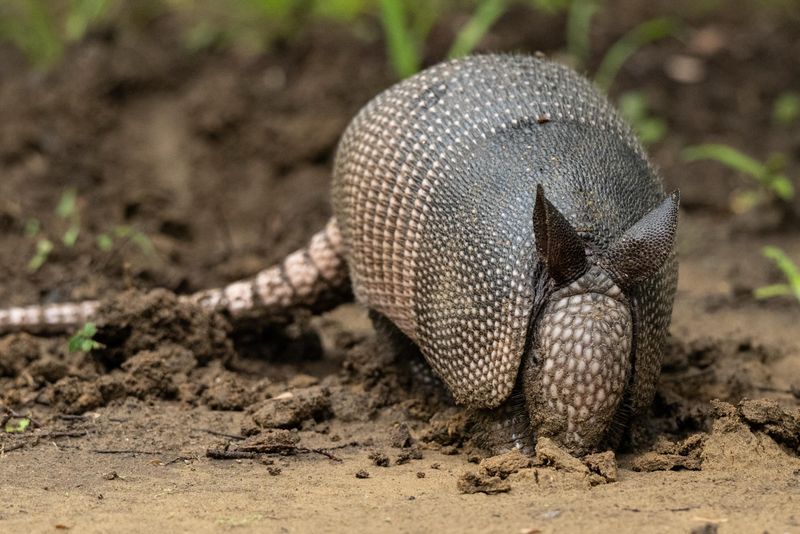
Loose, damp dirt is basically an open invitation for an armadillo to start digging. Their claws slide through soft soil with almost no effort.
When fall rains sweep across Texas, the ground stays moist and easy to work. That softness makes hunting for bugs a breeze and encourages more visits.
Freshly tilled gardens, flower beds, and heavily watered lawns all offer the kind of ground these animals adore. Hard, dry soil, on the other hand, is much harder for them to break into.
One helpful step is to water your lawn less often and more deeply instead of light daily sprinkling. Deeper watering keeps the top layer firmer and less tempting.
Fixing leaky sprinklers and improving drainage also reduces soggy patches. Standing water and mushy spots draw both insects and diggers.
If you have raised garden beds, consider laying down wire mesh under the soil. That barrier blocks claws from reaching deeper layers where bugs live.
Mulch can be tricky here. While it looks nice, thick mulch holds moisture and hides insects, so use it thoughtfully around vulnerable areas.
Armadillos have poor eyesight but an amazing sense of smell, which they rely on to sniff out food beneath soft ground. Firmer soil makes their nose work harder for less reward.
Keeping your yard’s moisture balanced protects your plants and discourages tunneling. A little planning with your watering schedule this fall can make your property far less appealing to these persistent little excavators searching for an easy dig.
4. Fallen Fruit And Garden Leftovers
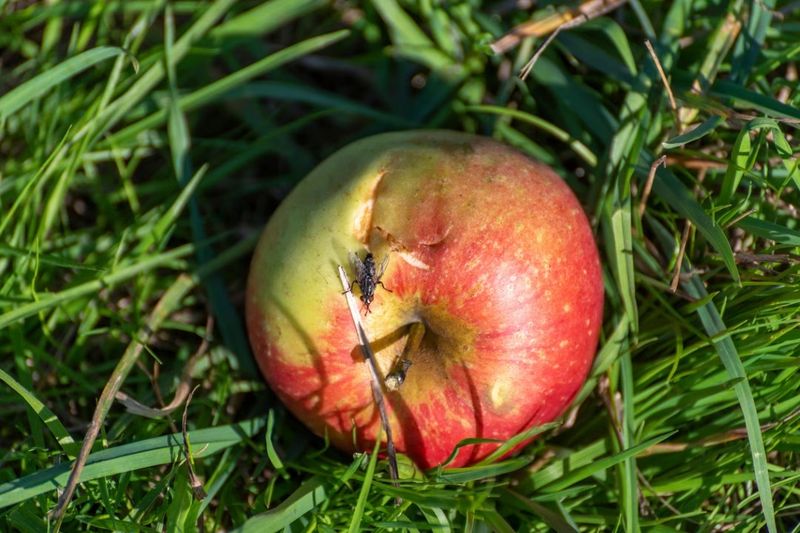
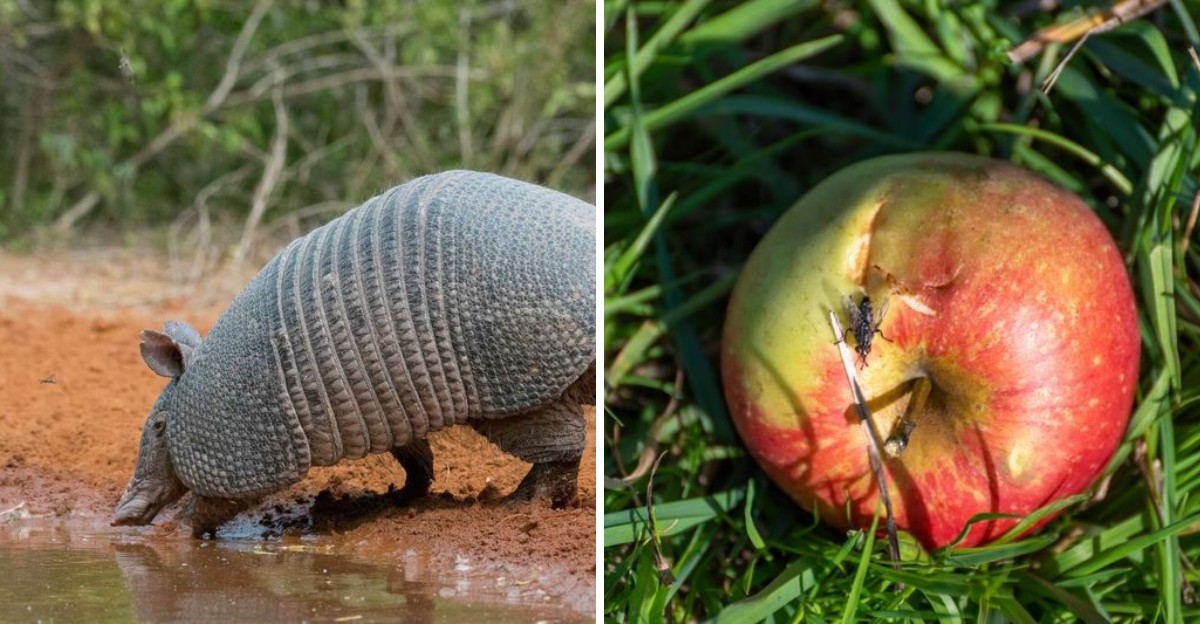
An overripe apple lying in the grass might not seem like a big deal, but to an armadillo it smells like a treat. These animals happily snack on soft fruit when it is easy to reach.
Gardens that produce fall harvests can leave behind plenty of scraps. Dropped tomatoes, berries, and other veggies attract insects, which in turn attract hungry diggers.
The combination of sweet-smelling food and the bugs it draws makes your garden a double magnet. Rotting produce is especially tempting because it is soft and full of flavor.
Picking up fallen fruit regularly is a simple fix. Walk your garden every couple of days and gather anything that has dropped.
Compost piles need attention too. An open pile full of scraps can pull armadillos in from surprising distances, so use a sealed compost bin instead.
Harvest your crops promptly once they ripen. Leaving produce on the vine too long increases the chance it falls and rots on the ground.
Fencing off your garden with mesh buried a few inches deep adds another layer of protection. It stops both digging and browsing around your plants.
Interestingly, armadillos are not big fruit eaters compared to insects, but they will grab an easy meal when it appears. Removing that easy option nudges them elsewhere.
Staying tidy with your fall harvest keeps your garden thriving and less crowded with visitors.
A few minutes of cleanup each week protects all your hard gardening work from becoming an armadillo snack bar.
5. Cozy Burrow Spots Under Decks And Sheds
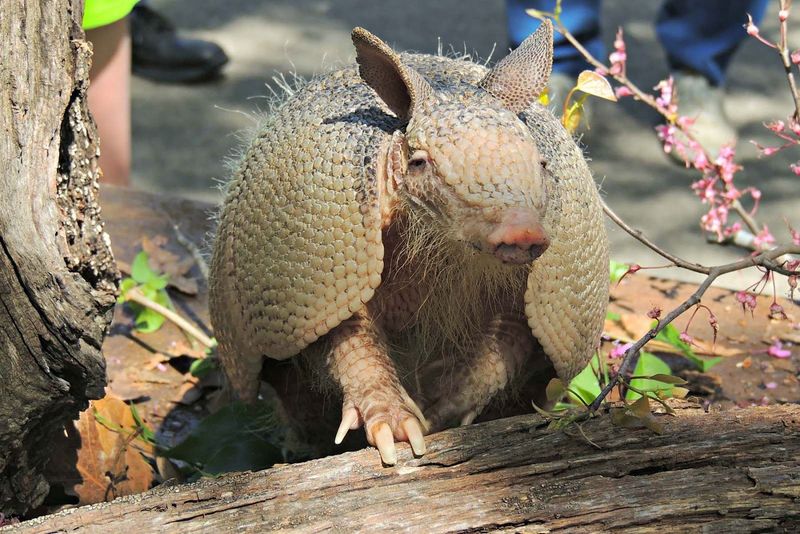
There is nothing an armadillo loves more than a ready-made hideout, and the space under your deck fits perfectly. These sheltered areas feel safe, dry, and quiet.
As fall temperatures dip at night, armadillos look for warmer, protected places to burrow. The ground beneath decks, sheds, porches, and foundations offers exactly that.
Once they dig a burrow there, they may return again and again. A single armadillo can create tunnels several feet long, which can even weaken structures over time.
Blocking these entry points is one of the smartest moves you can make. Install sturdy lattice or wire mesh around the base of decks and sheds.
Bury the barrier at least a foot deep so they cannot dig underneath. Armadillos are strong diggers, so a shallow fence rarely stops them.
Check your foundation for gaps and seal any openings where a critter might squeeze through. Small holes today can become big burrows tomorrow.
Before sealing anything, make sure no animal is trapped inside. Watching the area at dusk helps you learn their comings and goings.
A quirky detail: armadillos usually give birth to identical quadruplets, all the same sex. That means one burrow can quickly turn into a family gathering under your deck.
Keeping these snug spaces sealed off protects both your yard and your buildings. Taking action early in the fall stops them from settling in for the cooler months.
A well-blocked structure sends the message that your property is not the cozy retreat they were hoping to find.
6. Water Sources Like Ponds And Leaky Faucets
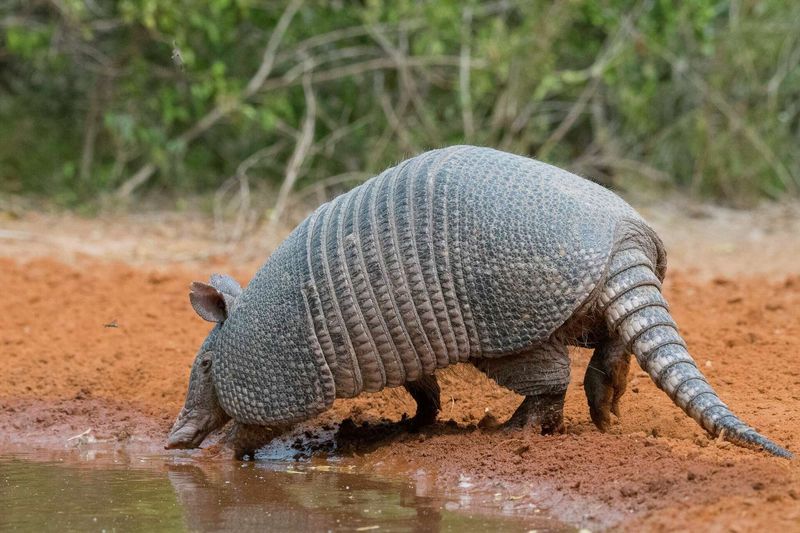
Every living creature needs water, and armadillos are no exception. A reliable water source can turn your yard into a favorite stop.
Ponds, birdbaths, pet water bowls, and even dripping faucets all provide the moisture these animals seek. During dry fall stretches in Texas, that water becomes even more valuable.
Damp areas around water sources also grow more insects and keep the soil soft. That combination checks every box on an armadillo’s wish list.
Fixing leaks is a great starting point. Repair dripping outdoor faucets and hoses so no puddles form nearby.
Bring pet water bowls inside at night when armadillos are most active. Leaving them out is like setting the table for uninvited guests.
If you have a pond or water feature, keep the surrounding ground well drained. Avoid letting muddy, soggy edges build up where digging is easy.
Birdbaths can stay, but placing them on hard surfaces rather than soft soil reduces the appeal. Clean, controlled water spots are less likely to cause trouble.
Good drainage across your whole yard helps too. Standing water after fall rains invites both bugs and thirsty visitors.
Believe it or not, armadillos can hold their breath and even walk across the bottoms of streams to cross water. They are far more comfortable around it than you might guess.
Managing moisture around your property makes it less welcoming without harming local wildlife.
A few small repairs and smart habits keep your yard from becoming the neighborhood watering hole for these determined little diggers this season.
7. Bright Yard Lights That Draw In Insects
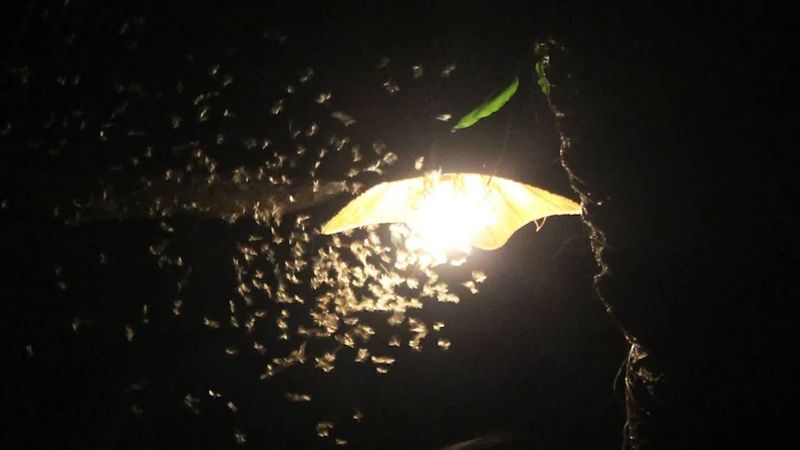
Here is a sneaky reason armadillos might love your yard: your outdoor lights. Bright bulbs attract swarms of insects, and those insects attract hungry armadillos.
On warm fall evenings in Texas, porch lights and floodlights pull in moths, beetles, and other bugs. When those insects gather on the ground below, they become an easy buffet.
Armadillos are mostly active at night, so a well-lit yard full of bugs is like a glowing dinner sign. The connection between lighting and feeding is easy to miss.
Switching to yellow or warm-toned bug lights can help a lot. These bulbs attract far fewer insects than bright white lights.
Turning off unnecessary outdoor lights when you head to bed also cuts down on the insect crowd. Less light means fewer bugs settling nearby.
Motion-activated fixtures are a smart choice too. They only turn on when needed, so bugs do not gather all night long.
Place lights a bit farther from garden beds and lawns where digging happens. Keeping the brightest lights near hard surfaces gives armadillos less to feast on.
Solar path lights on low settings offer gentle safety lighting without becoming an insect magnet. Small changes to your lighting habits add up fast.
Something surprising: armadillos often follow the same nightly paths, so if your lit yard feeds them once, they will likely circle back. Breaking that routine matters.
Rethinking your outdoor lighting this fall reduces the insect crowd and quietly makes your yard less rewarding. It is one of the simplest changes with a noticeable payoff for keeping diggers away.