What California Gardeners Should Do With Summer Plants As Fall Begins
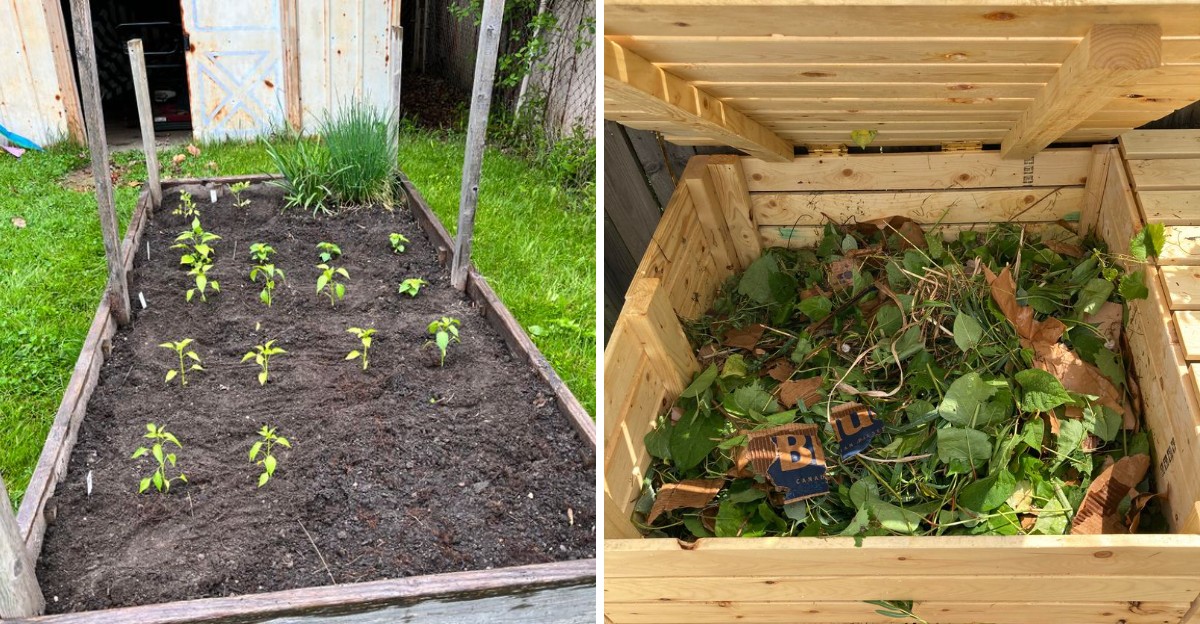
Picture a September garden bed in California. One tomato plant still loaded with green fruit, a squash vine collapsed into a powdery mess, peppers quietly setting a second round, and basil bolting to flower.
The gardener stands there with pruners in hand, unsure whether to yank everything out or leave it alone another month before deciding anything at all.
That moment of hesitation is normal, and the good news is that the switch from summer to fall does not have to happen in a single weekend.
Most gardeners feel pressure to clear everything at once the moment September arrives, treating fall transition like a single deadline rather than a gradual process.
Working through the garden step by step, bed by bed, keeps food coming while new cool-season crops get their start at the same time.
1. Assess What Is Still Actually Producing
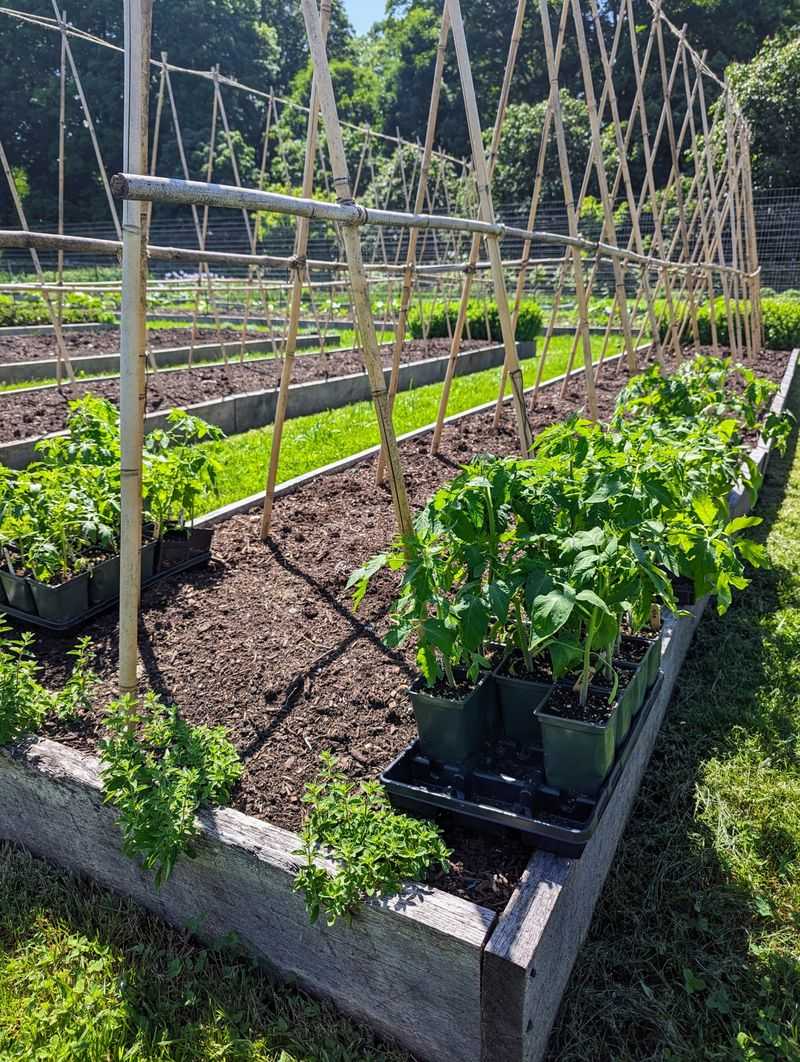
Before a single plant gets pulled, walk the garden with a notebook and look at each bed honestly without rushing to judgment right away.
Peppers, eggplant, and many tomatoes keep setting fruit well into October across much of California, especially in coastal and inland valley areas.
Look for three signs of real production worth checking for. New flowers, young fruit forming, and healthy green growth at the tips of each plant.
A plant with all three earns its space for a few more weeks rather than getting pulled prematurely out of pure habit.
Compare that with plants that are only holding old, oversized fruit and no new blossoms anywhere along the stems or branches.
Those have essentially finished their job, even if they still look green from a distance across the garden bed itself.
UC Agriculture and Natural Resources encourages gardeners to match decisions to their specific climate zone, since a Sacramento garden runs differently.
Keep an eye on what your household actually eats too. A cucumber vine producing two fruits a week may not be worth the space.
Assessment takes maybe twenty minutes, and it turns a vague chore into a clear plan with priorities you can act on over weekends.
2. Clear Out Anything Past Its Prime
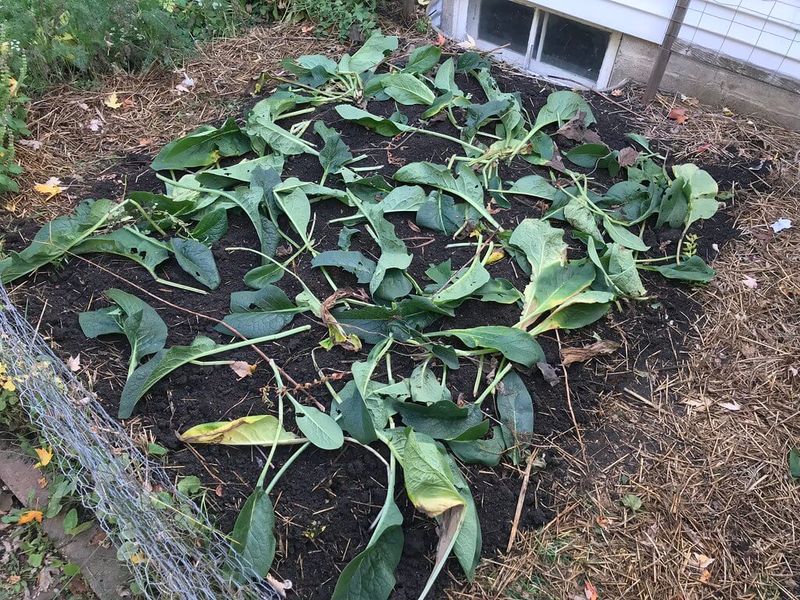
There is a certain satisfaction in pulling a spent squash vine that has been sulking since August without much to show for it.
Once a plant has stopped flowering, dropped most of its leaves, or turned crisp and brown at the base, it is taking up room.
Start with the obvious cases first. Bush beans that have gone leathery and melon vines that have collapsed after harvest can all come out.
Pull annual plants gently by the base so the root ball lifts with the stem without leaving too much broken root behind.
If roots are stubborn or the soil is very dry, water lightly the day before to loosen things up considerably before pulling anything.
For plants that showed heavy disease, cutting the stem at soil level and leaving fine roots to break down is sometimes preferable overall.
Either way, rake out fallen leaves and dropped fruit, since both can shelter pests through winter without much effort required otherwise.
Your California Garden Changes Every Week. Your Plan Should Too.
Gardening in California changes quickly throughout the season. Every Friday you’ll receive a simple weekly plan showing exactly what to plant, prune, fertilize, harvest, and protect so you never miss the right timing.
Squash bugs and whitefly populations all appreciate the messy leftovers of a neglected summer bed sitting there through fall and into winter.
Do not feel obligated to clear everything in one afternoon at all. Two or three beds at a time keeps the work manageable.
3. Save Seeds From Strong Performers
Ever notice how one tomato plant out of six seems to shrug off heat, pests, and neglect without much visible struggle at all?
That plant is worth remembering, and the easiest way to remember it is to save its seed for planting again next year.
Choose seed only from open-pollinated or heirloom varieties for this purpose. Hybrid seed will not reliably grow into the same plant next year.
Beans and peas are the simplest starting point for anyone new to this practice. Let a few pods dry right on the plant.
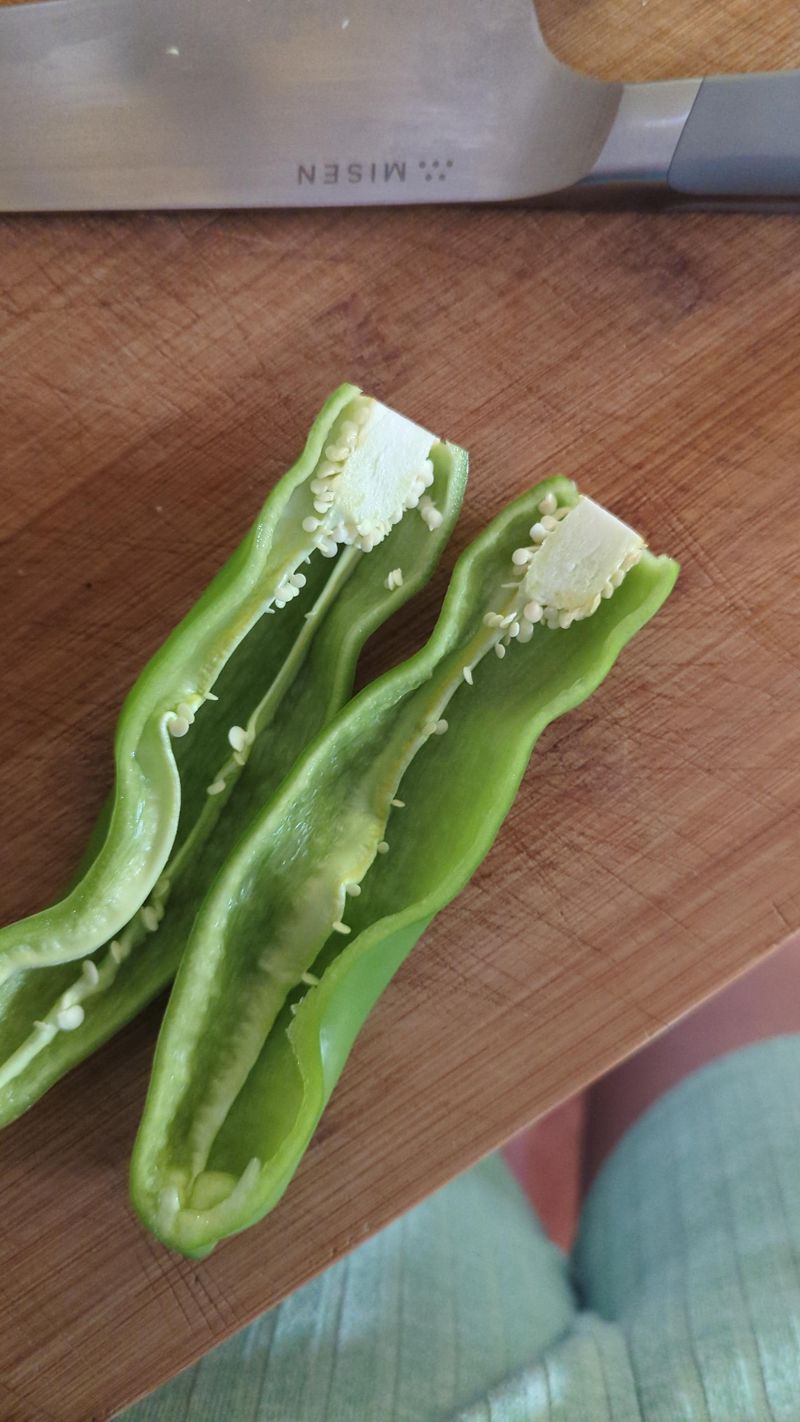
Peppers are nearly as easy to handle too. Let a fruit ripen fully, scoop the seeds onto a plate, and let them dry.
Tomatoes take one extra step compared to the others. Squeeze the pulp and seeds into a jar with a little water first.
Label everything as you go, including the variety and the year it was collected, so nothing gets confused later when planting.
UC Master Gardener programs across the state also run seed libraries and swaps, which is a friendly way to trade extras with neighbors.
Seed from a plant that thrived in your own soil often outperforms anything from a rack at the nursery or garden center.
4. Refresh Soil Before Replanting The Space
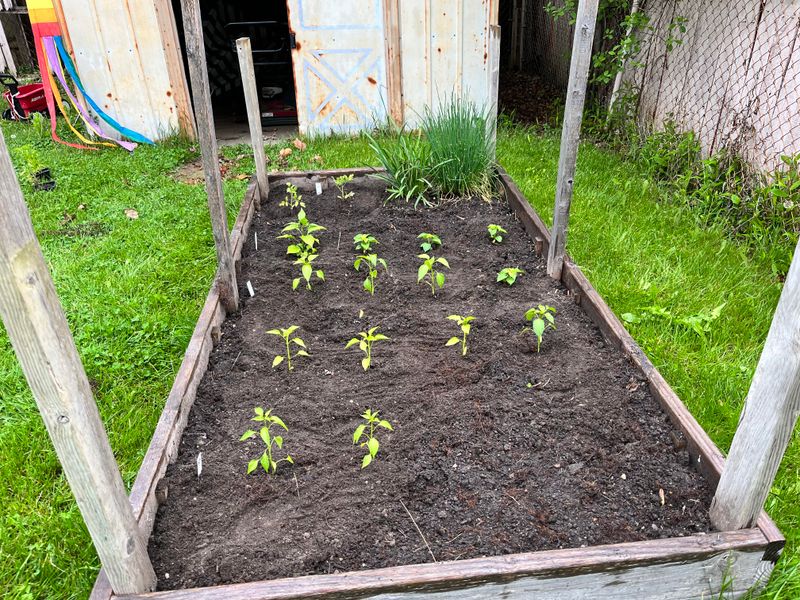
Summer crops are hungry throughout their whole growing cycle. Tomatoes, corn, and squash pull a lot of nutrients out of a bed over months.
Dropping fall seedlings into that tired soil usually leads to pale, sluggish plants that never really thrive the way they should have.
Spread a layer of finished compost, roughly one to three inches, across the cleared area before planting anything new there at all.
Compost feeds soil life, improves how water moves through the bed, and helps sandy or clay-heavy California soils behave better overall.
Work it into the top few inches with a fork rather than turning the whole bed over completely, preserving the soil structure.
Cool-season leafy crops appreciate nitrogen, so a balanced organic fertilizer or aged manure blended in at planting time gives them a strong start.
Water the refreshed bed and let it settle for a day or two before seeding anything into that freshly amended soil.
Gardeners who have battled soilborne trouble like verticillium wilt should also think about rotation, moving tomato-family crops to a different bed.
A short soil test every few years removes guesswork about pH and nutrients entirely, giving you real data to work from instead.
5. Compost Healthy Spent Plants Only
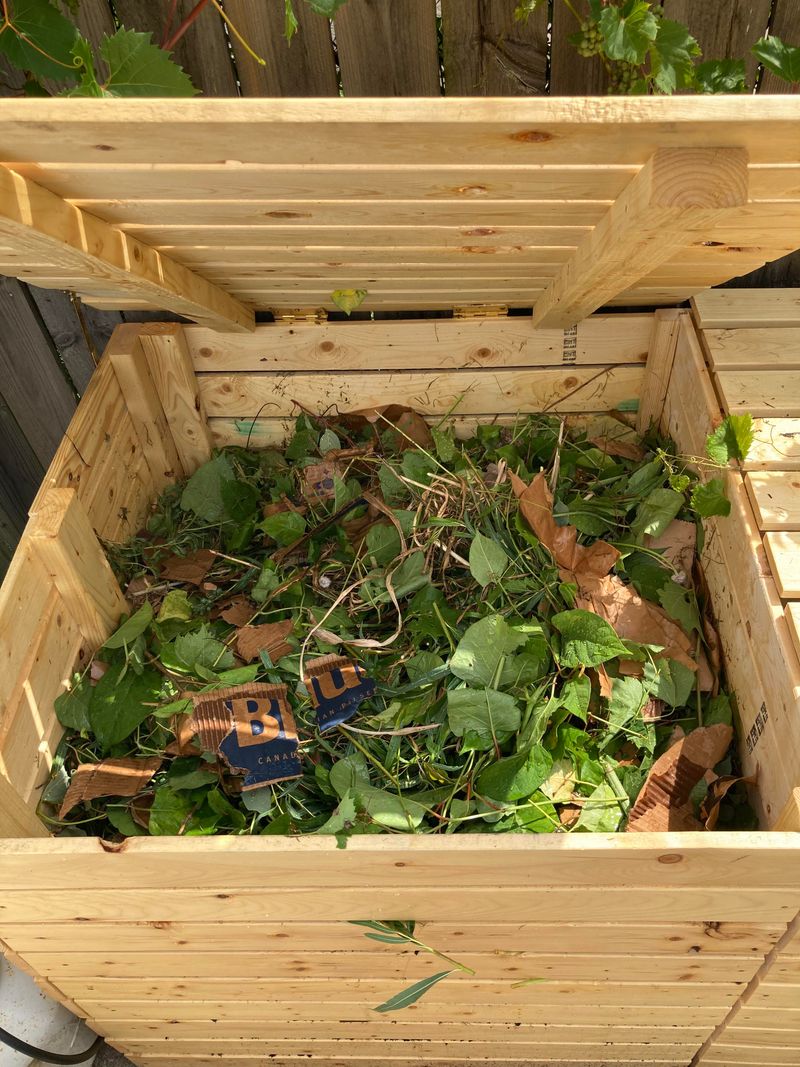
All that pulled foliage has to go somewhere, and the pile in the corner is the obvious answer for most gardeners handling cleanup.
The catch is that not every plant deserves a spot in it, since some carry disease that a home pile simply cannot handle.
Healthy material composts beautifully without much trouble at all. Bean vines and pepper plants that finished clean can all be chopped into pieces.
Chopping matters more than most people expect here. Smaller pieces break down in weeks rather than months since microbes have more surface area.
Diseased material is a different story entirely though. Plants hit by powdery mildew or root knot nematodes should go into the municipal green waste bin.
Home compost heaps rarely hold the sustained temperature range needed to break down many pathogens and weed seeds throughout the whole pile consistently.
Anything that went in sick has a decent chance of coming out sick too, spreading the same problem right back into next year’s beds.
Keep the pile roughly as damp as a wrung-out sponge and turn it every couple of weeks throughout the composting process itself.
Finished compost from this batch will be ready in time to feed spring beds once the whole breakdown process finishes properly.
6. Transition Beds One Section At A Time
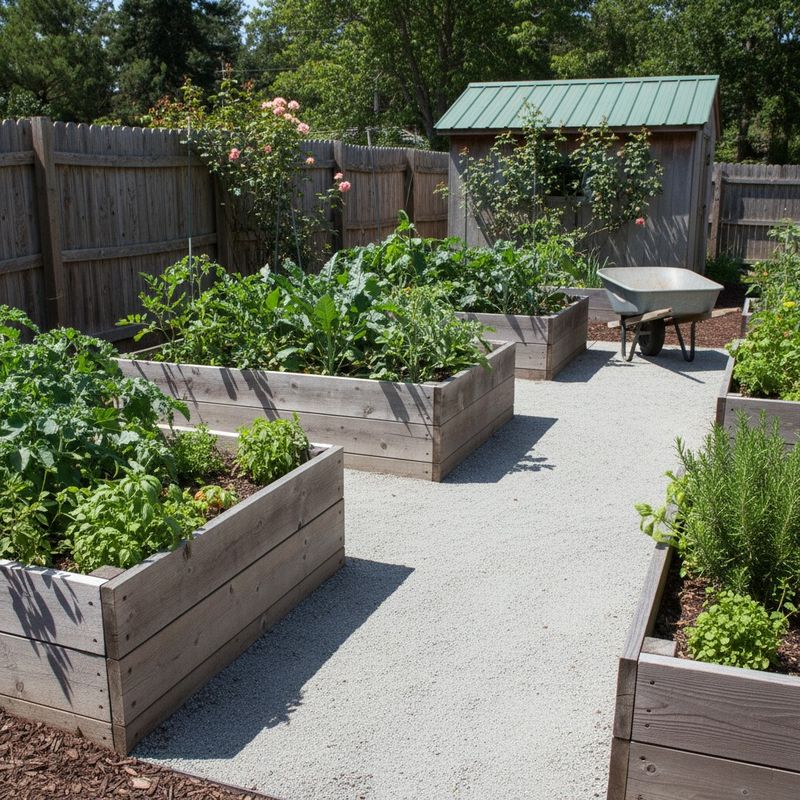
Clearing an entire garden in one push sounds tidy and usually ends in a sore back and an empty harvest basket for weeks.
A staggered approach works better and matches how California gardens actually behave in autumn without forcing an artificial deadline onto the process.
Think of the garden as sections rather than one big project tackled all at once over a single exhausting weekend.
Beans and summer squash tend to finish earliest, so those areas become the first fall planting spots worth prioritizing right away.
Tomatoes and peppers often hang on until the first real cold snap, sometimes into November in Southern California and coastal zones specifically.
Staggering also spreads out the labor considerably. An hour on a Saturday morning feels reasonable, while an entire weekend of hauling vines does not.
Another benefit is a continuous harvest throughout the transition. While lettuce and radishes are germinating in one bed, ripe peppers keep coming elsewhere.
Planting in waves gives you a second chance too. If an early sowing gets scorched by a late heat wave, more sections remain.
Keep a simple written plan listing which bed gets cleared next and what goes into it, turning a jumble of tasks into rhythm.
7. Fall Planting Can Start Right Behind Summer
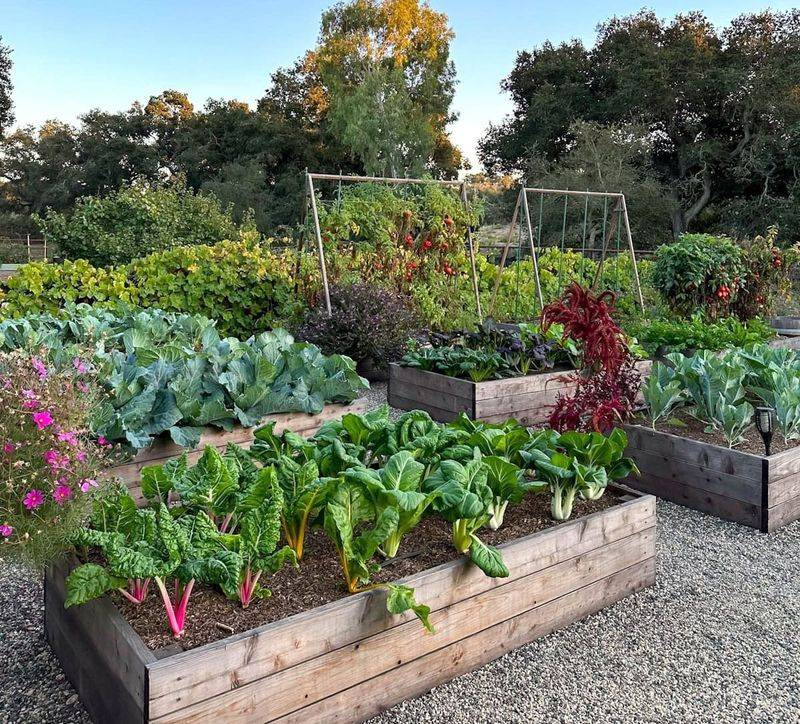
Here is the part that makes the whole process worthwhile. The moment a bed is cleared and amended, something new can go in right away.
Cool-season crops actually prefer the shortening days of fall. Lettuce, spinach, kale, chard, carrots, and green onions all thrive as temperatures ease considerably.
Transplants of broccoli, cauliflower, and Brussels sprouts should go in earlier in fall so they size up before daylight gets short.
Garlic and onion sets typically go in around October and November for an early summer harvest the following year without much delay.
Timing varies widely by region across the state. UC Master Gardener county offices publish local planting calendars worth bookmarking for reference each season.
Early fall soil is still warm, which helps seeds sprout quickly once planted into that freshly amended, still-warm ground from summer.
The trade-off is heat spikes though. Shade cloth over young seedlings for a week or two prevents a heartbreaking wipeout during any lingering warm days.
Watering needs shift as well throughout this transition period. Check moisture by hand rather than leaving the summer irrigation schedule running unchanged.
By December, beds that held tired squash vines in September can be producing crisp greens and sweet carrots without much trouble at all.
8. Watch For Volunteer Seedlings From Dropped Fruit
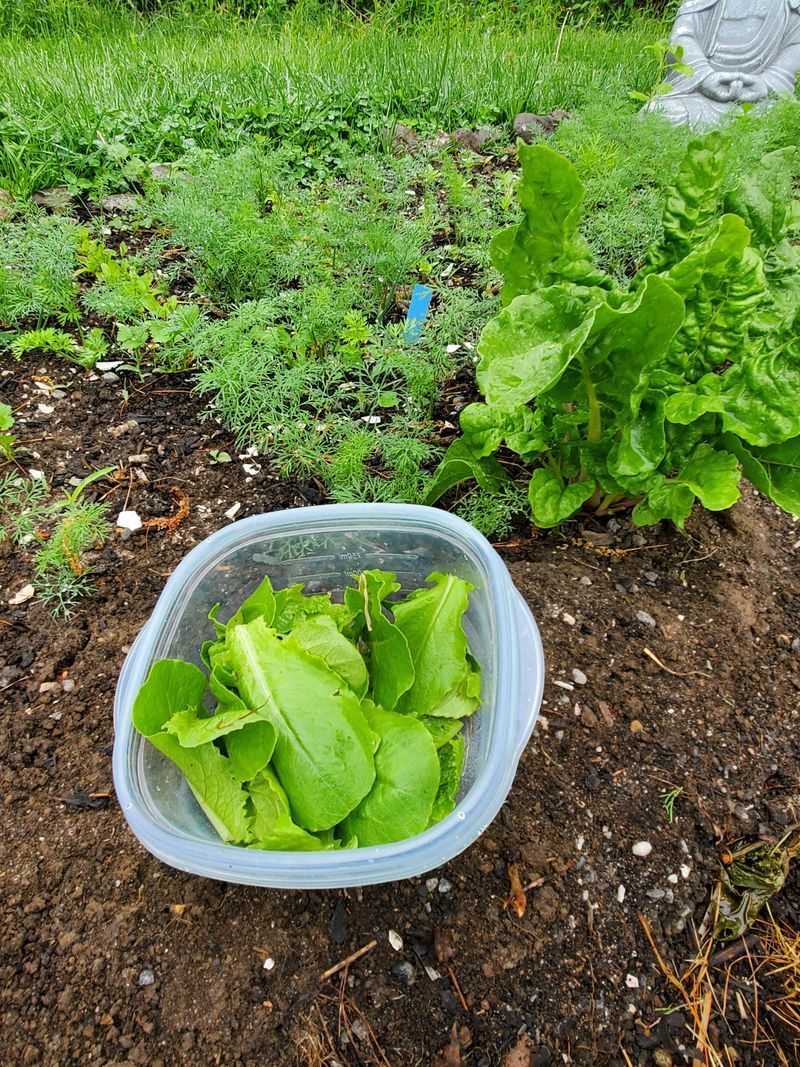
Somewhere between clearing beds and planting fall crops, tiny volunteer seedlings often sprout on their own from seeds that dropped unnoticed during summer harvest, tucked into mulch or fallen fruit left sitting too long.
Tomatoes, squash, and cucumbers are especially prone to this, since a single overripe fruit left on the ground can scatter dozens of viable seeds that germinate readily once fall rain or irrigation arrives.
These volunteers are rarely worth keeping as a primary crop, since seed from hybrid varieties will not grow true to the parent plant, often producing smaller or less flavorful fruit than the original planting delivered.
Still, pulling them the moment you spot them is not always necessary, since a vigorous volunteer squash or tomato can sometimes fill a gap while a fall bed transitions, offering a small bonus harvest before frost.
The real risk comes from disease carryover, since a volunteer sprouting from a fruit that dropped off a mildew-affected plant often inherits that same vulnerability, undoing some of the sanitation work already done elsewhere in the garden.
Checking volunteers for the same warning signs covered earlier, powdery coating, wilting despite moist soil, makes sense before deciding whether to let one grow or pull it immediately.
Volunteers popping up in a bed you specifically cleared and amended for fall greens usually need to go regardless of vigor, since they compete directly with the lettuce or spinach you actually planted there on purpose.
Keeping an eye out for these surprises through September and October, rather than assuming every green sprout is intentional, avoids the confusion of wondering weeks later why a squash plant is thriving in the middle of a carrot row.
9. Check Irrigation Lines Before The Rainy Season
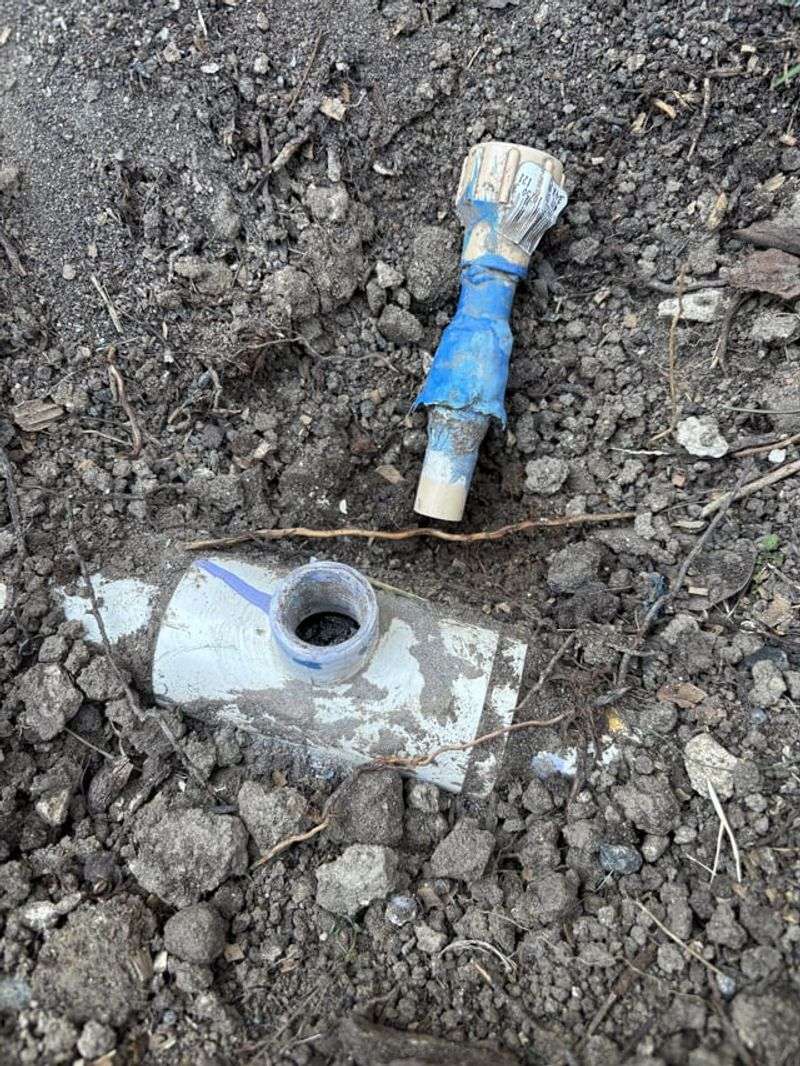
Drip lines and soaker hoses that ran reliably all summer sometimes develop clogs, leaks, or misaligned emitters that go unnoticed until a fall planting suddenly struggles despite what looks like a normal watering schedule.
Mineral buildup inside emitters is common across much of California given the hard water many regions rely on, gradually reducing flow until a section of the bed receives far less water than the rest of the irrigation system suggests.
Walking the lines while the system runs, rather than assuming everything works based on last season’s performance, reveals dry spots or unexpected puddles that point to a specific emitter or connection needing attention before fall seedlings go in.
This matters more heading into fall than most gardeners realize, since newly planted lettuce or carrot seed depends on truly consistent moisture during germination, and a malfunctioning line can undo careful bed preparation within just a few days.
Replacing worn-out drip tape or clogged emitters now, while the garden center still stocks summer irrigation supplies, beats discovering the problem in November when replacement parts become harder to track down locally.
For gardeners transitioning beds in stages, as already covered, checking irrigation section by section pairs naturally with that staggered cleanup, since each bed gets a quick system check right before new seed or transplants go into the ground.
Rainy season arriving later in fall changes watering needs considerably too, and a system left on its summer schedule can oversaturate beds once natural rainfall starts contributing meaningfully, so adjusting timers becomes part of this same maintenance pass.
Five or ten minutes spent testing each zone before relying on it for a whole new planting saves the frustration of troubleshooting patchy germination weeks later, when the actual cause was a simple mechanical issue sitting right there in the line the whole time.