8 Things Virginia Gardeners Can Still Do When Drought Restrictions Hit
Water gets shut off and gardeners panic. That’s the pattern every dry Virginia summer follows, almost without fail.
But the people who come out the other side with healthy yards aren’t lucky. They just knew what to do before the first restriction notice hit their mailbox. They had a plan.
You’re about to have one too. Drought rules feel overwhelming at first. Odd-even watering schedules, banned sprinklers, and fines for runoff catch most homeowners completely off guard.
What they never hear is how much room you still have to work with inside those restrictions. Timing, soil health, plant selection, mulch depth.
None of that requires a single drop of extra water. Virginia summers don’t forgive neglect, but they do reward preparation.
The Chesapeake Bay watershed adds pressure the rest of the country simply doesn’t face. What follows is a practical roadmap for keeping your garden alive when water becomes the most valuable thing in your yard.
1. Water Garden On Your Assigned Alternating Days
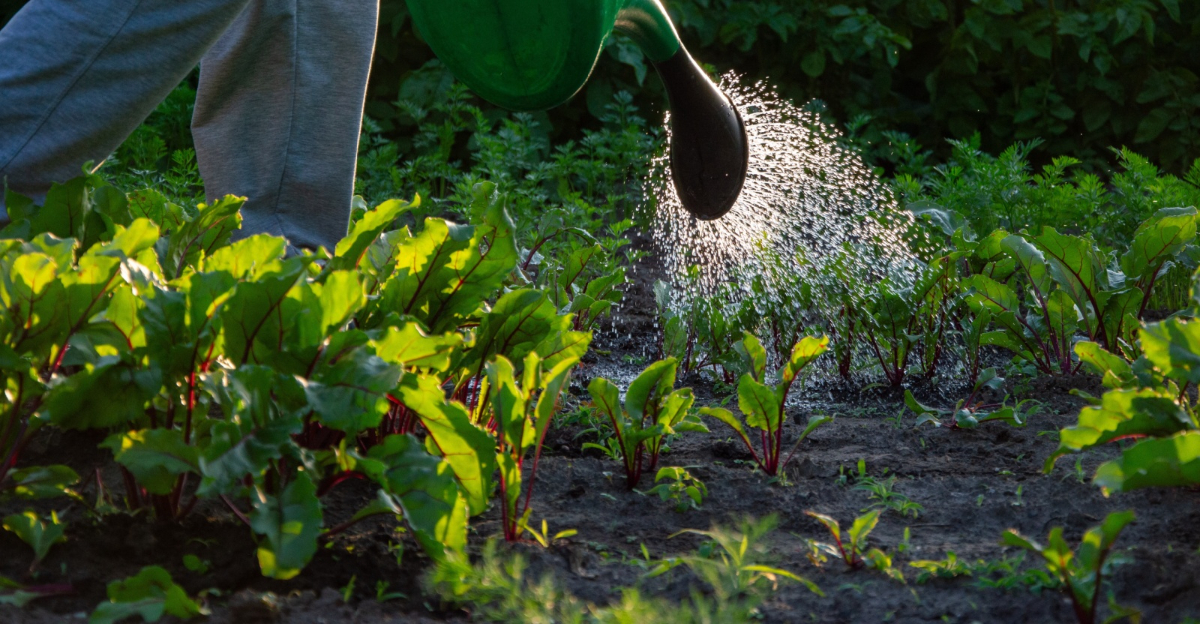
Alternating-day watering sounds limiting at first, but it can actually train your plants to thrive in ways that daily light watering never could.
Most Virginia counties assign odd or even address numbers to specific watering days during drought restrictions, so the first step is simply knowing which group you belong to.
Check your county’s website or call your local water authority to confirm your schedule before you water anything.
Rules vary between municipalities and getting it wrong can mean a fine, not just a missed watering window. Once you know your assigned day, commit fully to deep watering instead of light sprinkling.
Deep watering pushes moisture down to root level, which encourages roots to grow downward in search of water rather than staying shallow and vulnerable near the surface.
Shallow watering does the opposite. It creates weak root systems that dry out fast and struggle the moment conditions get tough. One slow, thorough session consistently beats three quick passes every single time.
Plan your watering day around what your garden actually needs most. Thirsty crops like tomatoes and squash should get priority over already-established shrubs that have deeper root systems and more natural resilience built up over time.
Keep a simple calendar on your fridge or set a recurring reminder on your phone. Missing your assigned day means waiting two more days for the next opportunity, which can put real stress on young plants during a heat wave.
Virginia drought restrictions exist to spread water use across the community fairly and keep the supply stable for everyone. Following the schedule protects your garden and your neighbors equally.
2. Irrigate Only Between Dusk And Dawn
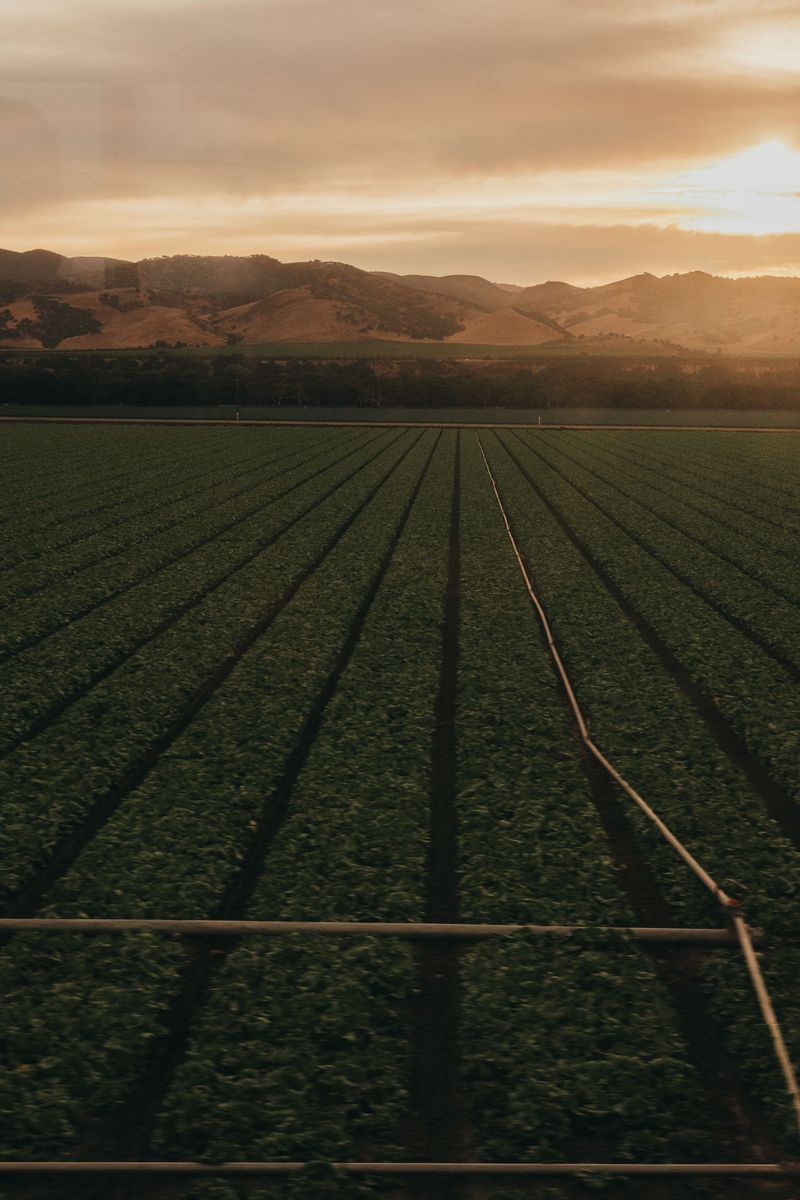
Watering at night feels counterintuitive, but it is one of the smartest moves you can make during a drought. The sun is not around to pull moisture away from the soil before roots ever get a chance to use it.
During drought restrictions in Virginia, most water authorities require irrigation only between dusk and dawn. That window exists for good reason.
Your Virginia Garden Changes Every Week. Your Plan Should Too.
Gardening in Virginia changes quickly throughout the season. Every Friday you’ll receive a simple weekly plan showing exactly what to plant, prune, fertilize, harvest, and protect so you never miss the right timing.
Daytime watering can waste a significant portion of water before it ever reaches the roots, which defeats the purpose entirely when every drop counts.
Set a timer on your irrigation system or hose to run around 10 PM. That gives the soil several hours to absorb moisture slowly and thoroughly before morning heat begins building again.
Roots drink better when the ground is calm and cool. Early morning, just before sunrise, is also an approved and highly effective window.
Plants head into the day already hydrated, which gives them a real advantage when afternoon temperatures climb.
Avoid watering right at midnight if you can manage it. Wet foliage sitting in cool night air for extended periods can invite fungal problems on certain plants, particularly anything with dense or overlapping leaves.
A simple mechanical timer attached to your outdoor faucet handles the schedule automatically so you never accidentally water at the wrong time.
They are widely available and inexpensive at most hardware stores and genuinely earn their place in a drought-season garden setup.
Nighttime irrigation also quietly trims your water bill over time. Less waste means lower costs, and that benefit stacks up week after week throughout a long dry summer.
3. Apply Mulch Heavily To Retain Soil Moisture
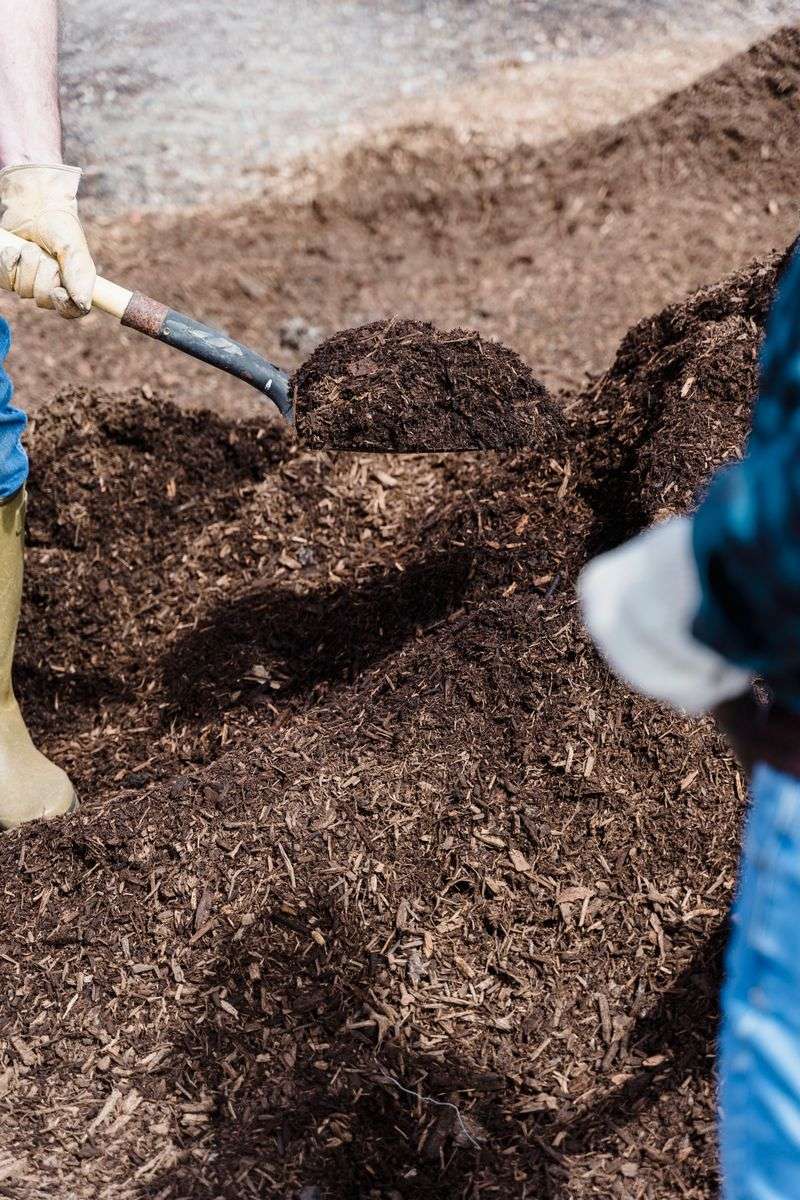
Mulch is basically a blanket for your soil, and drought season is when that blanket earns its keep.
A thick layer traps moisture so the ground stays damp far longer between waterings, which matters enormously when your watering days are already restricted.
Aim for three to four inches of mulch around your plants. Anything less and the sun will work through it surprisingly fast on a hot Virginia afternoon, leaving soil exposed and dry well before your next assigned watering day.
Wood chips, straw, shredded leaves, and pine needles all work well. Each one breaks down slowly over the season and adds organic matter back into the soil, which improves its ability to hold moisture over time.
Keep mulch a couple of inches away from plant stems. Piling it directly against bark traps moisture in the wrong place and can cause rot that quietly damages plants from the base up.
Fresh mulch applied at the start of drought season can meaningfully reduce how often you need to water. That kind of advantage compounds quickly when every watering opportunity is limited.
Bagged mulch from a garden center works fine, but free options exist too. Many municipalities offer wood chip mulch from tree trimming crews throughout the summer, often available for pickup at no cost.
Mulching also suppresses weeds, which compete aggressively with your plants for whatever moisture remains in the soil. Fewer weeds mean more water stays exactly where you need it.
4. Collect And Reuse Household Greywater
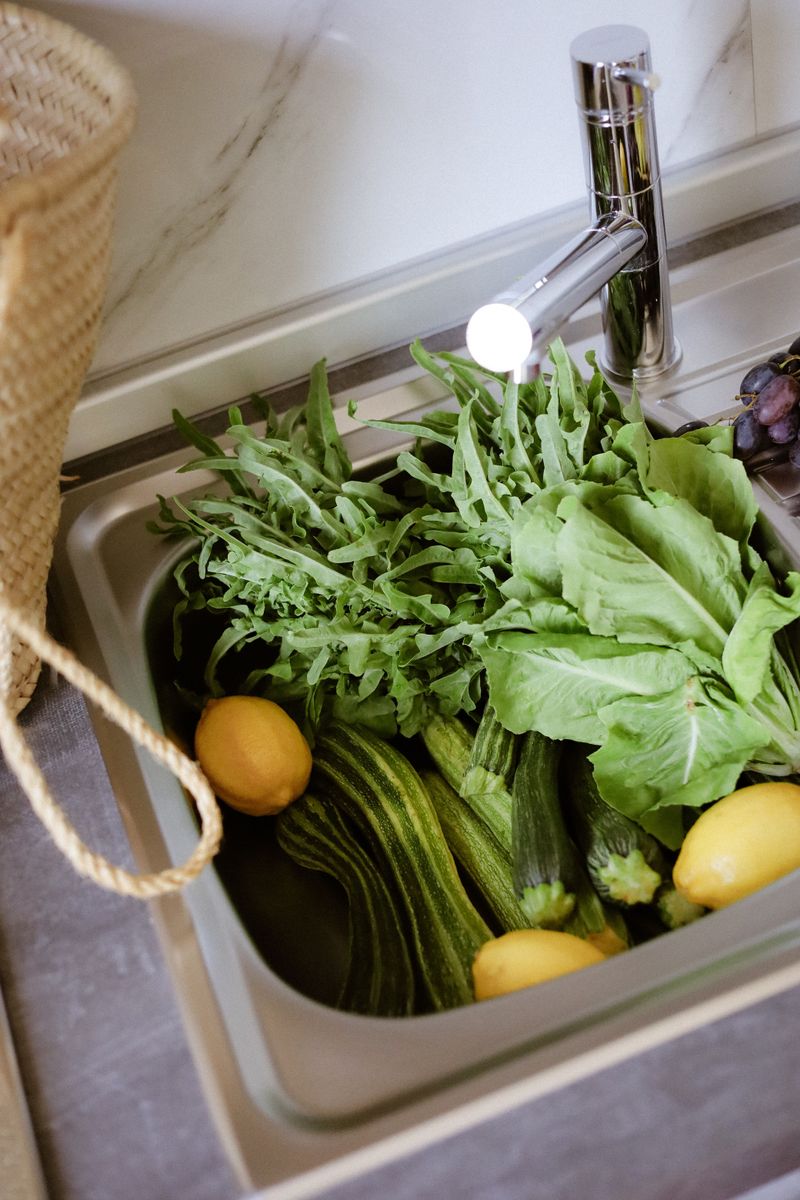
Greywater sounds technical but it simply means gently used water from sinks, showers, and laundry. Collecting it is one of the most practical ways to keep plants hydrated during restrictions without touching your outdoor water allowance at all.
The bucket-in-the-shower method is the easiest starting point. Place a five-gallon bucket under the showerhead while the water warms up and you will collect a surprising amount each morning without any effort or special equipment.
Rinse water from washing fruits and vegetables is also worth saving. It is clean enough for most outdoor plants and would otherwise disappear down the drain completely unused.
Check Virginia’s greywater guidelines before making any changes to your plumbing. Simple bucket collection is generally fine, but permanent greywater systems may require a county permit.
Avoid greywater that contains bleach, harsh cleaners, or heavy-duty detergents. Those chemicals can damage soil bacteria and harm plant roots gradually over repeated applications in ways that are not always immediately visible.
Mild dish soap in small amounts is usually fine for established plants. Biodegradable soap brands are the safer choice and widely available at most grocery stores.
Greywater reuse during drought restrictions can keep your garden going without breaking any rules. The habit also carries real value long after restrictions lift, quietly reducing your household water use season after season.
5. Hand-Water With A Drip Or Soaker Hose
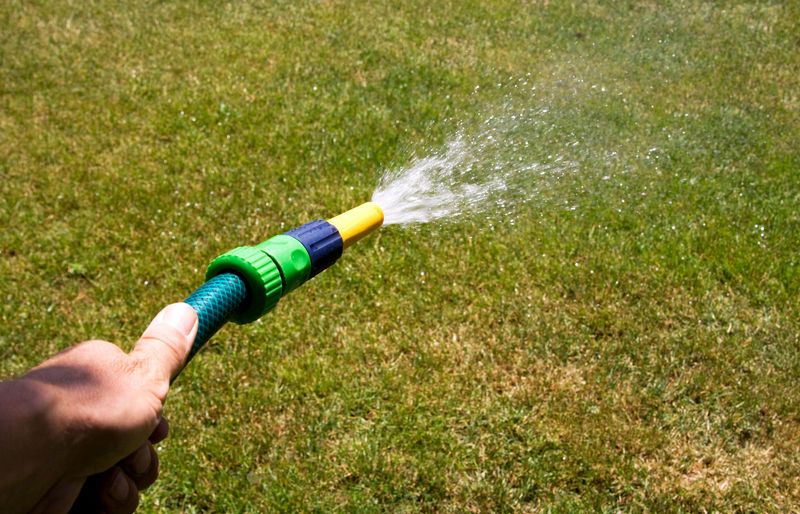
Soaker hoses are one of the most effective tools for drought gardening, and they deserve a lot more credit than they typically get. They deliver water directly to the root zone without losing a single drop to leaves, pathways, or open air.
Unlike sprinklers that scatter water broadly, soaker hoses release moisture slowly along their entire length. That gradual delivery gives soil time to absorb water properly before any of it has a chance to run off or evaporate.
Drip irrigation works on the same principle with even more precision. Tiny emitters place water exactly where each plant needs it, which makes the system particularly well suited to raised beds, containers, and tightly planted vegetable rows.
Both systems can run longer than sprinklers without wasting water. A two-hour soaker hose session often delivers the same practical benefit as a much shorter sprinkler run, with far less waste along the way.
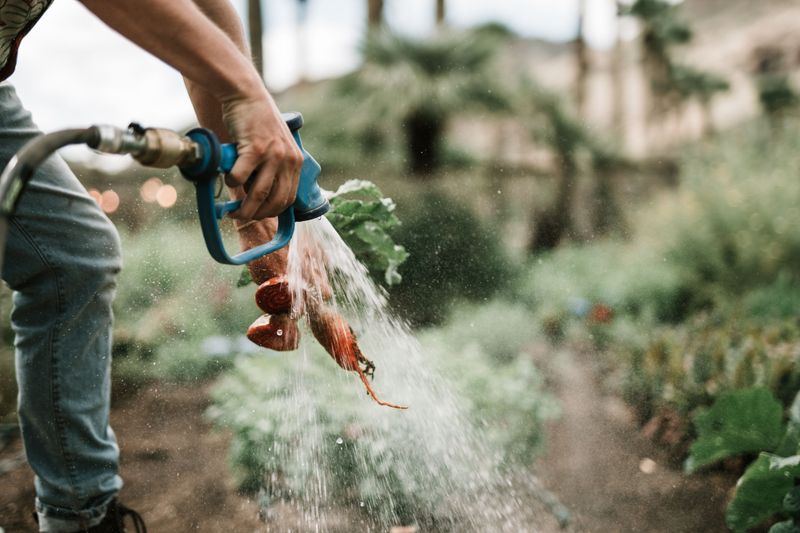
Hand-watering with a wand attachment adds another layer of control. You can bypass already-moist areas entirely and direct your attention only toward plants showing visible signs of stress.
Soaker hoses are inexpensive and available at any hardware store. Lay them out once at the start of the season and leave them in place.
During Virginia drought restrictions, targeted watering stretches your allowance further than almost any other single change you can make.
6. Let Lawns Go Dormant Naturally
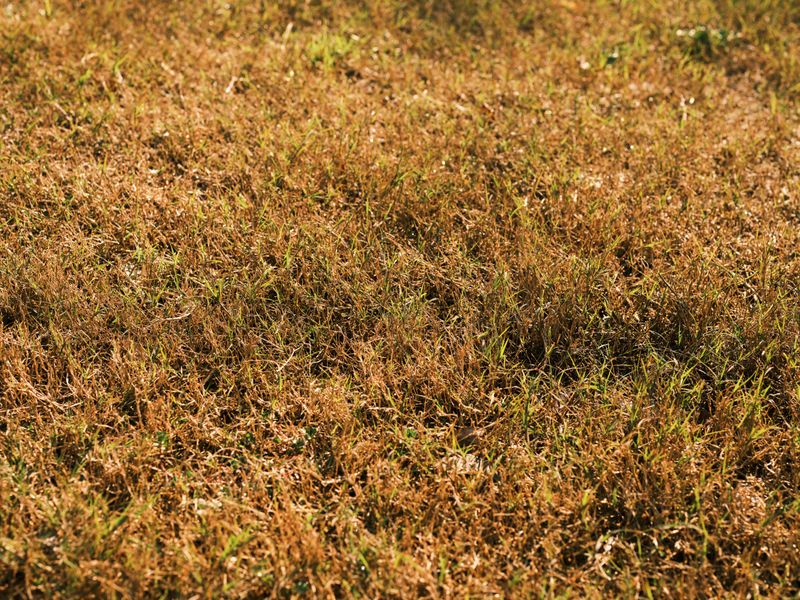
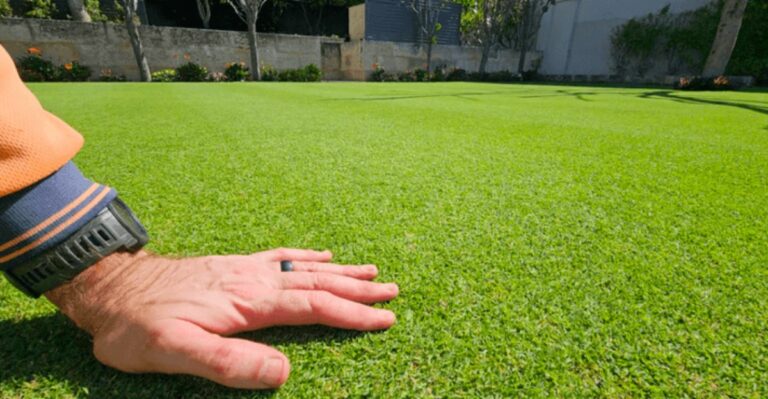
A brown lawn in August is not a lost lawn, and that distinction matters more than most people realize.
Grass goes dormant during heat and drought as a natural survival strategy, pulling energy inward and waiting for better conditions rather than giving up entirely.
Cool-season grasses like tall fescue, which is common across Virginia, are especially well suited to this. They turn tan and stiff through the worst of summer but recover reliably once rainfall returns or temperatures begin to drop.
Letting your lawn go dormant during drought restrictions is not only acceptable, it is genuinely the smarter move.
Watering a lawn during severe restrictions uses a precious resource on something that will recover perfectly well without your help.
Mow less frequently while the lawn is dormant. Grass that is not actively growing does not need cutting, and running a mower over stressed, dry turf adds unnecessary strain at exactly the wrong time.
Avoid heavy foot traffic on dormant grass where possible. Dried blades are more fragile than they look and take noticeably longer to recover when they have been repeatedly walked on or crushed.
Hold off on fertilizing too. Fertilizer pushes growth, and a lawn in survival mode does not need that kind of demand placed on it right now.
Once fall rains arrive, the recovery happens faster than most homeowners expect. Dormancy is a natural pause, not a permanent one, and patience consistently pays off.
7. Switch To Drought-Tolerant Or Native Plants
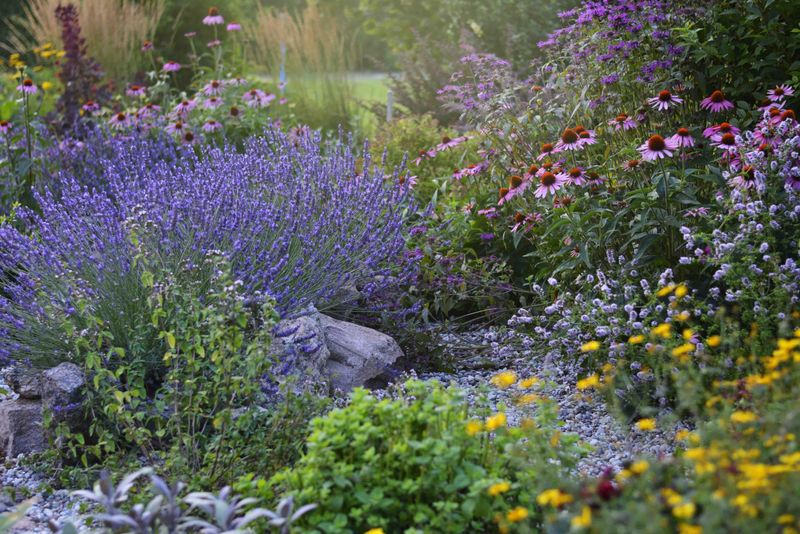
Native plants are well adapted to Virginia summers, and drought restrictions rarely affect them significantly. They evolved here over thousands of years and developed exactly the right tools for handling heat, dry spells, and unpredictable rainfall.
Black-eyed Susans, purple coneflowers, and switchgrass are all excellent starting points. They thrive with minimal water once established, attract pollinators throughout the season, and require very little attention once their roots settle in.
Switching even a portion of your landscape to natives pays off faster than most gardeners expect. Less watering, less maintenance, and a yard that looks intentional rather than neglected during the driest stretches of summer.
Drought-tolerant non-natives also deserve serious consideration. Lavender, rosemary, and ornamental sedums handle dry conditions beautifully and add texture, fragrance, and color to any bed without demanding much from your water allowance.
Fall is actually the best time to plant natives in Virginia. Cooler temperatures and autumn rainfall give roots time to establish properly before next summer’s heat puts them to the test.
Plants that go in during fall arrive at their first drought season already grounded and ready. If replanting isn’t possible right now, start smaller.
Overseed bare patches with drought-resistant grass varieties and you’ll notice the difference quickly.
Fine fescue blends need far less water than standard turf options and hold up remarkably well under restrictions.
Every drought-tolerant plant you add reduces your future watering burden a little more. Smarter plant choices made today mean Virginia drought restrictions will feel far less stressful with each season that passes.
8. Use A Commercial Car Wash Instead Of A Hose
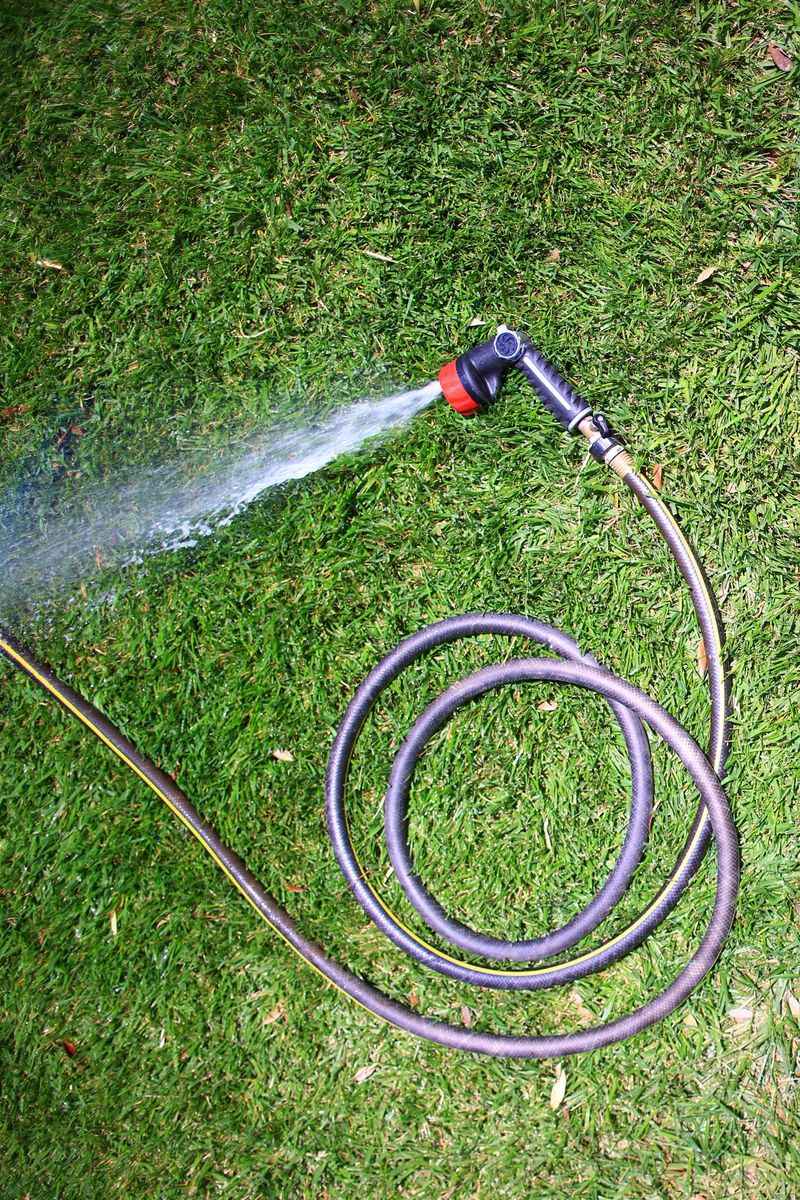
Washing your car at home during drought restrictions is usually banned outright, and for good reason. A standard garden hose can use a surprising amount of water for a single car wash.
Commercial car washes, by contrast, use a fraction of that water per vehicle. They also recycle water through closed-loop systems that residential hoses simply can’t match.
Many Virginia drought ordinances exempt commercial car washes, but check your county’s specific rules before assuming you’re covered.
If your county allows it, a commercial wash lets you keep your car clean without drawing from your restricted outdoor water allowance.
Touchless washes are especially efficient and gentle on paint. They skip the scrubbing step that often requires extra rinse water anyway.
If your car only needs a quick cleanup, try a waterless car wash spray. These products are widely available at auto stores and require no water at all.
Waterless sprays work surprisingly well on light dust and fingerprints. They’re not ideal for muddy vehicles, but they handle everyday grime with just a microfiber cloth.
Choosing a commercial wash during drought restrictions is a simple swap with a big impact. It keeps your car presentable while protecting the water supply that your garden and community depend on.