This Slug Is Not An Enemy In Your Texas Yard But A Nocturnal Ally
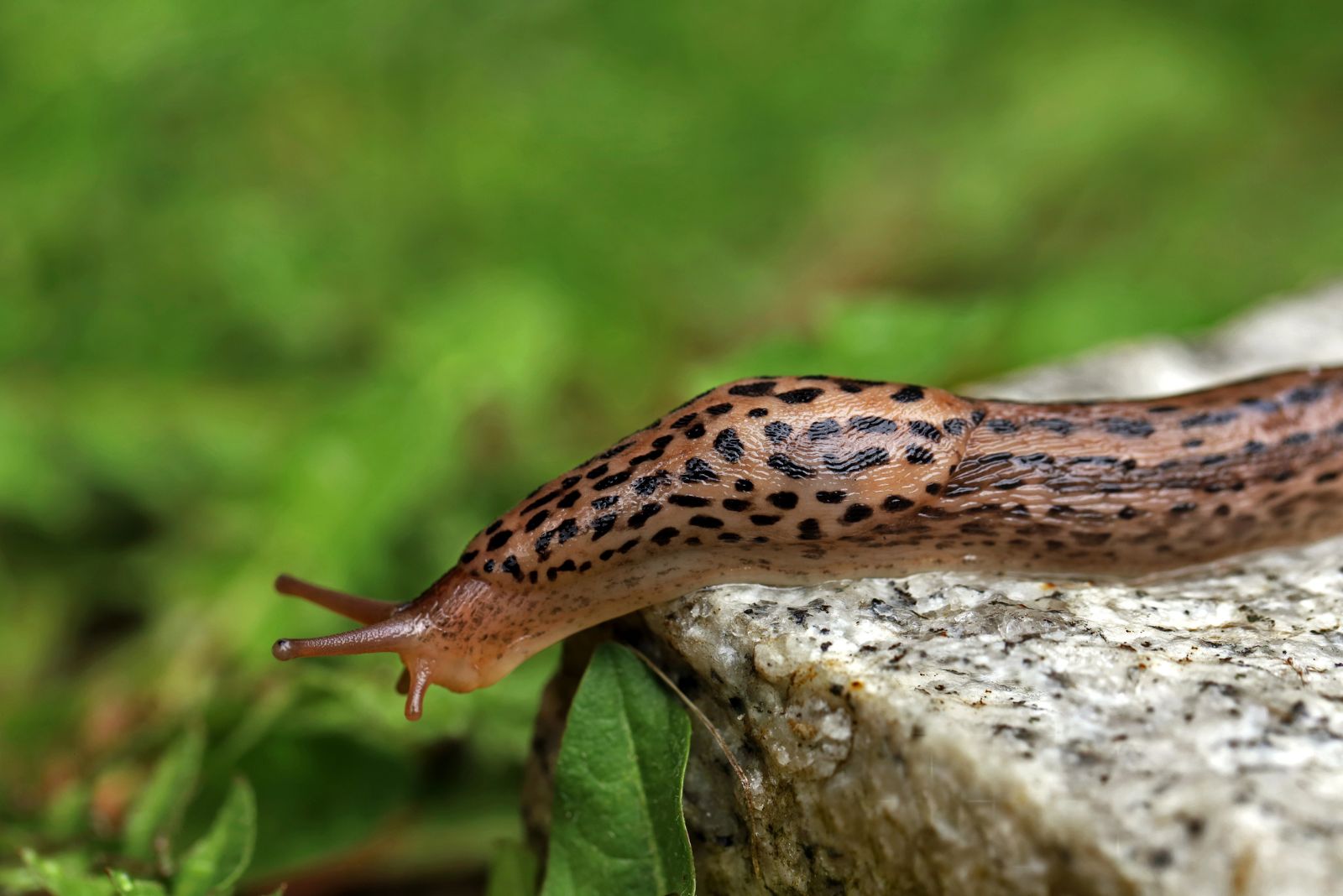
When most people spot a slug in their Texas yard, the reaction is pretty predictable. Disgust, maybe a little panic, and an immediate search for ways to get rid of it.
Slugs have one of the worst reputations in the gardening world, and honestly, it’s not hard to see why. They’re slimy, they come out at night, and they look like the kind of creature that’s definitely up to no good.
But what if you’ve been completely wrong about this one? There’s a particular slug showing up in Texas yards that deserves a second look.
While most people are reaching for the salt or the pesticide, this nocturnal creature is actually out there doing some surprisingly useful work after dark.
Work that directly benefits your garden and your yard in ways you probably never expected from something so easy to dismiss. It hunts. It cleans up.
It handles things that would otherwise become real problems for your outdoor space. All while you sleep.
Before you declare war on every slug you see, read this. You might just change your mind about one of the most misunderstood creatures in your yard.
Meet The Leopard Slug
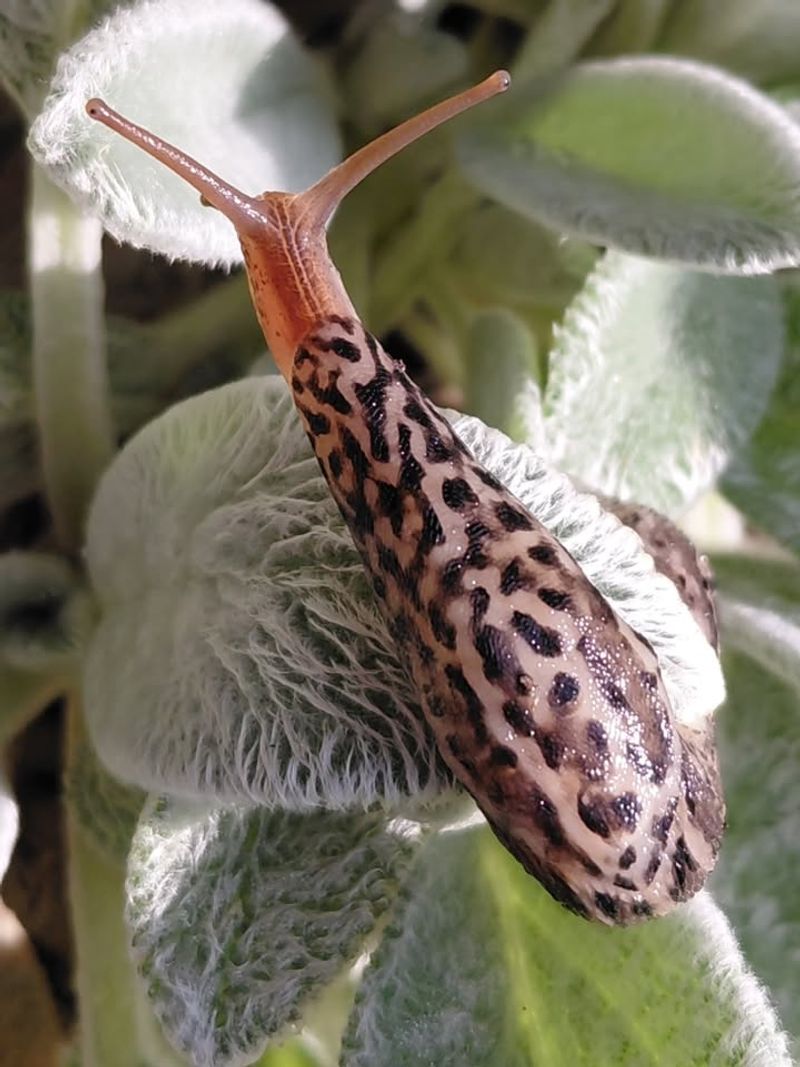
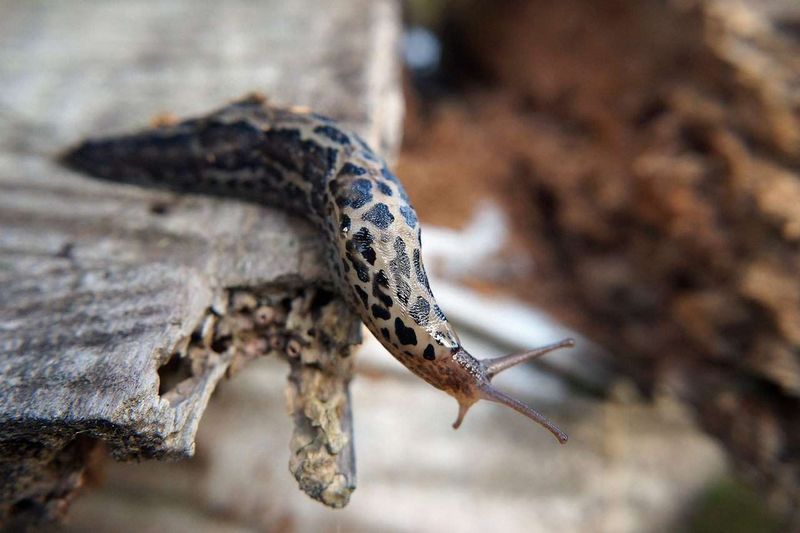
Spotted, slimy, and surprisingly fascinating, the Leopard Slug goes by the scientific name Limax maximus, which actually means “great slug” in Latin. That name fits perfectly.
These slugs can grow up to eight inches long, making them one of the largest slug species you will find crawling through a Texas garden.
Their pale gray or yellowish bodies are covered in dark spots and streaks that look a lot like a leopard’s coat, which is exactly how they got their name.
Most people assume any slug in the yard is bad news. That assumption is worth reconsidering when it comes to this particular species.
The Leopard Slug is not interested in munching through your healthy tomato plants or flower beds. It has very different habits compared to the small, destructive slugs that gardeners typically worry about.
Originally from Europe, the Leopard Slug has adapted well to many environments across North America, including the warm and humid conditions found in parts of Texas.
You will usually spot them on rainy nights or in moist areas near compost piles, wood piles, or under dense ground cover.
They move slowly and steadily, using a muscular foot and a trail of mucus that actually helps them glide across surfaces. That slime trail might look gross, but it serves a real purpose in how the slug navigates its environment.
Learning to recognize a Leopard Slug by its size and markings is the first step toward appreciating everything it quietly does for your yard each night.
Natural Decomposer
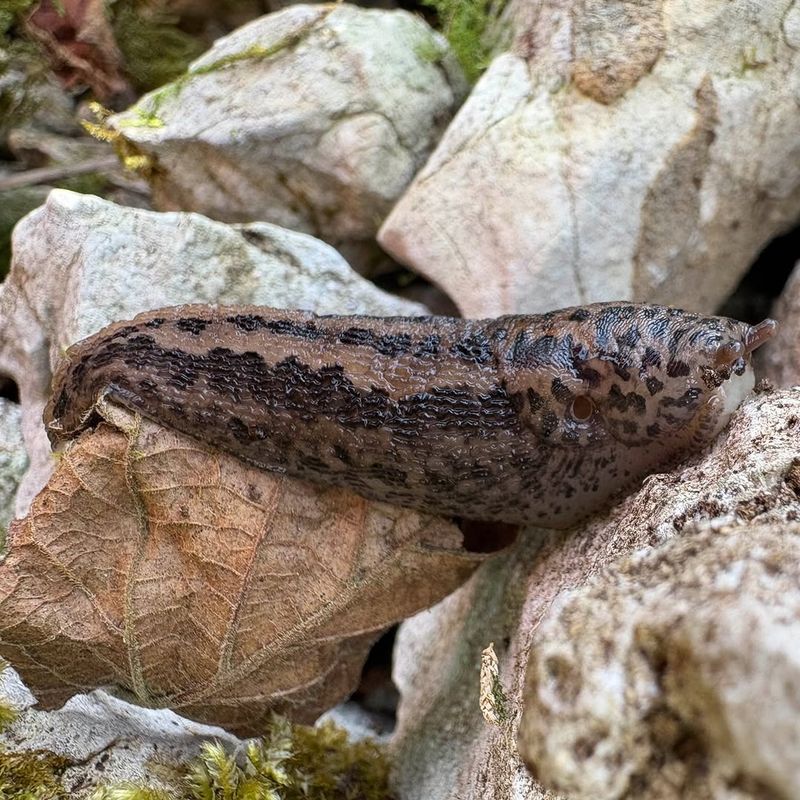
Fallen leaves, rotting wood, dry plant stems, and old fruit sitting on the ground all have one thing in common: the Leopard Slug loves them. Unlike pest slugs that target fresh, living plants, the Leopard Slug prefers organic material that is already breaking down.
This makes it a natural decomposer, a creature that helps recycle the garden’s waste back into something useful.
Your Texas Garden Changes Every Week. Your Plan Should Too.
Gardening in Texas changes quickly throughout the season. Every Friday you’ll receive a simple weekly plan showing exactly what to plant, prune, fertilize, harvest, and protect so you never miss the right timing.
When the Leopard Slug eats decaying matter, it breaks that material into smaller pieces. Those pieces then become easier for bacteria and fungi to process further.
The result is rich, nutrient-packed material that works its way back into the soil. Gardeners spend a lot of money on compost and soil amendments to get this same effect, but the Leopard Slug does it for free every single night.
Think of it like a tiny, slimy compost machine moving quietly through your yard. Every pile of dry leaves it passes through gets processed a little faster.
Every rotting stem it nibbles on releases nutrients sooner than it would on its own. Over time, this adds up to noticeably healthier, more fertile soil.
Healthy soil means stronger roots, better water retention, and more productive plants. Gardeners who work hard to build good soil know how valuable any natural help can be.
The Leopard Slug fits right into that system without being asked. It shows up, does its job, and slips back under the leaf litter before sunrise.
Recognizing this role changes the slug from an unwanted visitor into a genuinely useful part of your garden’s natural cycle.
Predator Of Pest Slugs
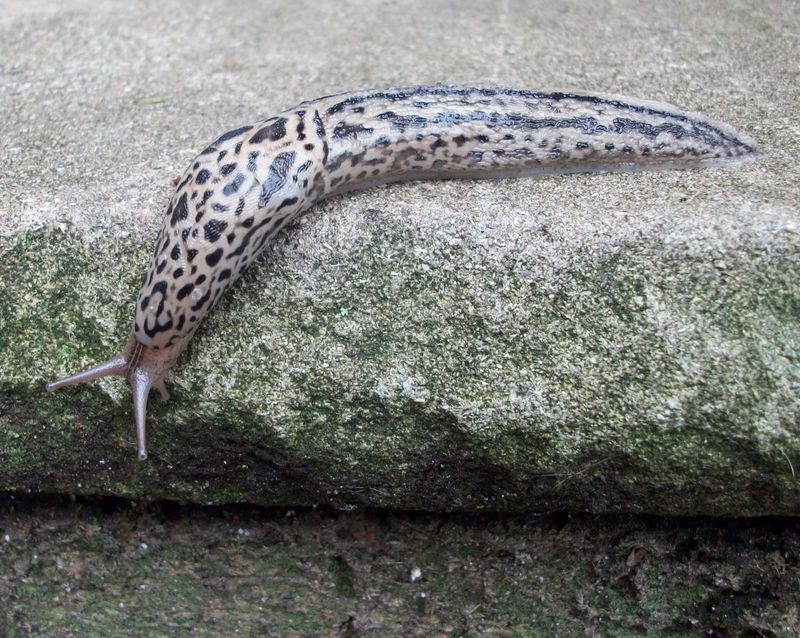
Here is something that surprises most gardeners: the Leopard Slug actually hunts other slugs. While you are sleeping, it is out tracking down the smaller, more destructive species that really do chew through your vegetable beds and flower gardens.
It follows slime trails left by other slugs, using those chemical signals to locate its prey in the dark.
The smaller slugs it targets, like the common gray field slug, are the ones responsible for the ragged holes you find in your lettuce and hostas in the morning. By reducing the population of these pest species, the Leopard Slug acts like a natural form of pest control.
No traps, no pellets, no chemicals needed. Just one hungry nocturnal predator doing what it naturally does.
It also feeds on slug eggs. Slug eggs are tiny, pearl-like clusters hidden in moist soil and under debris.
Left alone, each cluster can hatch dozens of new slugs ready to munch through your garden. The Leopard Slug finds and eats these egg clusters before they ever get the chance to hatch, cutting pest populations off at the source.
Gardeners who rely heavily on pesticides often create an imbalance that wipes out helpful creatures along with harmful ones. Keeping the Leopard Slug around supports a more balanced ecosystem where natural checks and controls stay in place.
Fewer pest slugs mean less plant damage, and that means less work for you. Letting this spotted predator roam freely at night is one of the easiest and most natural ways to protect your garden from the slugs that actually cause problems.
Aerates The Soil
Soil health is about more than just nutrients. Structure matters too. When soil gets packed down too tightly, water cannot move through it properly, roots struggle to spread, and the microorganisms that keep soil alive have a harder time doing their job.
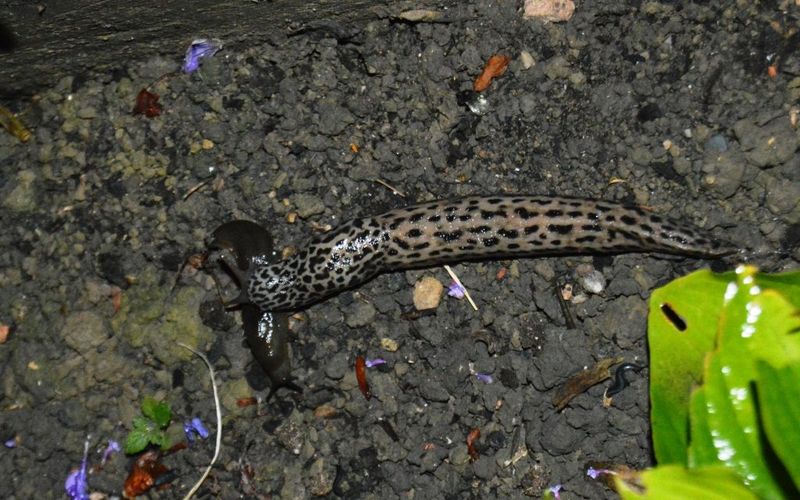
That is where the Leopard Slug quietly steps in to help. As it moves through leaf litter and topsoil each night, the Leopard Slug physically loosens the material it passes through. Its muscular body pushes through compacted patches, creating tiny channels and gaps.
Those small openings make a real difference over time. Water infiltrates more easily, air reaches deeper into the soil, and roots can push through with less resistance.
You might not think a slug could have much impact on soil structure, but consider how many nights it travels through the same garden beds over the course of a season. That repeated movement adds up.
Many small improvements to soil aeration can lead to noticeably better plant growth without a single tool being picked up.
Earthworms are famous for aerating soil, and gardeners celebrate them for it. The Leopard Slug works in a similar way, just on the surface level through leaf litter and the top layer of soil rather than deeper underground.
Both creatures contribute to the same goal: keeping soil loose, breathable, and ready for healthy plant growth.
If you already appreciate earthworms crawling through your garden beds, the Leopard Slug deserves a little of that same appreciation. It is doing quiet, consistent work every night that most gardeners never even notice.
Nighttime Garden Clean-Up
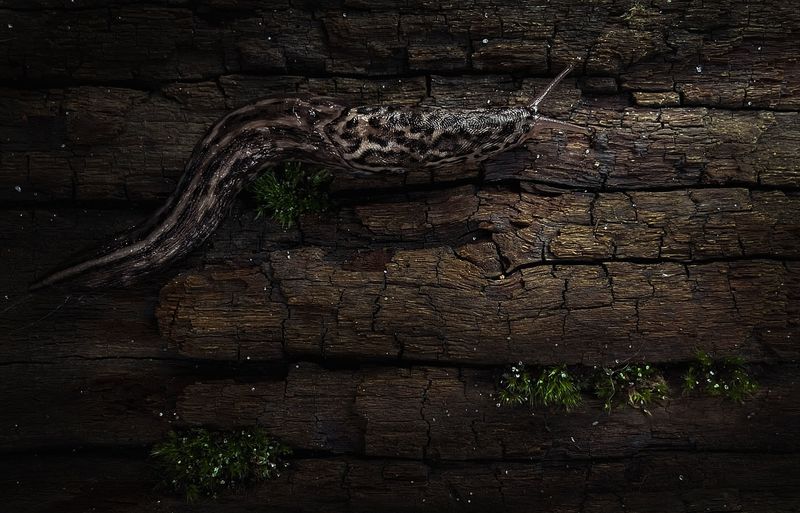
Imagine hiring a cleanup crew that works only at night, never touches your healthy plants, and asks for nothing in return. That is basically what the Leopard Slug offers your garden.
Once the sun goes down and moisture rises, this slug gets to work clearing away the organic mess that builds up over time in any yard.
Old mulch that has started to break down, fallen petals from flowering plants, overripe fruit that dropped before you could pick it, soggy leaves plastered against the soil: all of this is fair game for a foraging Leopard Slug.
It moves methodically through the garden, consuming what is already past its prime and leaving the living, thriving plants completely alone.
This selective feeding habit is one of the key differences between the Leopard Slug and the pest species gardeners dread. Pest slugs go straight for fresh, tender growth.
The Leopard Slug is much more interested in what is already on its way out. That distinction matters a lot when you are deciding whether to remove a slug you find in the garden or leave it be.
Keeping the garden floor tidy reduces hiding spots for harmful insects and lowers the risk of fungal problems that thrive in piles of damp, rotting debris.
The Leopard Slug handles much of that cleanup automatically, night after night, without any chemicals or effort on your part.
For gardeners who prefer natural, low-intervention approaches to yard care, this slug is a genuinely valuable partner. Letting it do its nightly rounds is one of the simplest choices you can make for a cleaner, healthier garden.
Supports Biodiversity
A garden is not just a collection of plants. It is a living web of creatures that depend on each other in ways that are easy to overlook.
The Leopard Slug plays a surprisingly important role in that web, not just as a helper to plants and soil, but as a food source for other animals that visit or live in your yard.
Birds like robins and thrushes are known to eat slugs, especially during early morning hours when slugs are finishing their nightly activity. Frogs and toads, which are excellent natural pest controllers themselves, also feed on slugs regularly.
Ground beetles, hedgehogs, and even some snakes will take advantage of a slow-moving slug when the opportunity arises. By supporting a slug population, your garden indirectly supports all of these animals too.
More wildlife in your garden means more natural pest control, more pollination activity, and a richer, more balanced environment overall. Biodiversity is what makes a garden resilient.
When one species struggles, others can often fill the gap because the system has enough variety to adapt. Removing too many creatures, even ones that seem unimportant, can quietly unravel that balance.
Choosing not to use harsh slug pellets or chemical treatments protects the Leopard Slug and keeps this food chain intact. Many common pesticides do not just affect their target species.
They can harm the birds, frogs, and insects that eat contaminated slugs. Keeping your yard chemical-free encourages a thriving, interconnected community of creatures.
The Leopard Slug is one small but meaningful thread in that larger tapestry, and your garden is better for having it around.