How To Get More Blooms From Your Virginia Potted Geraniums
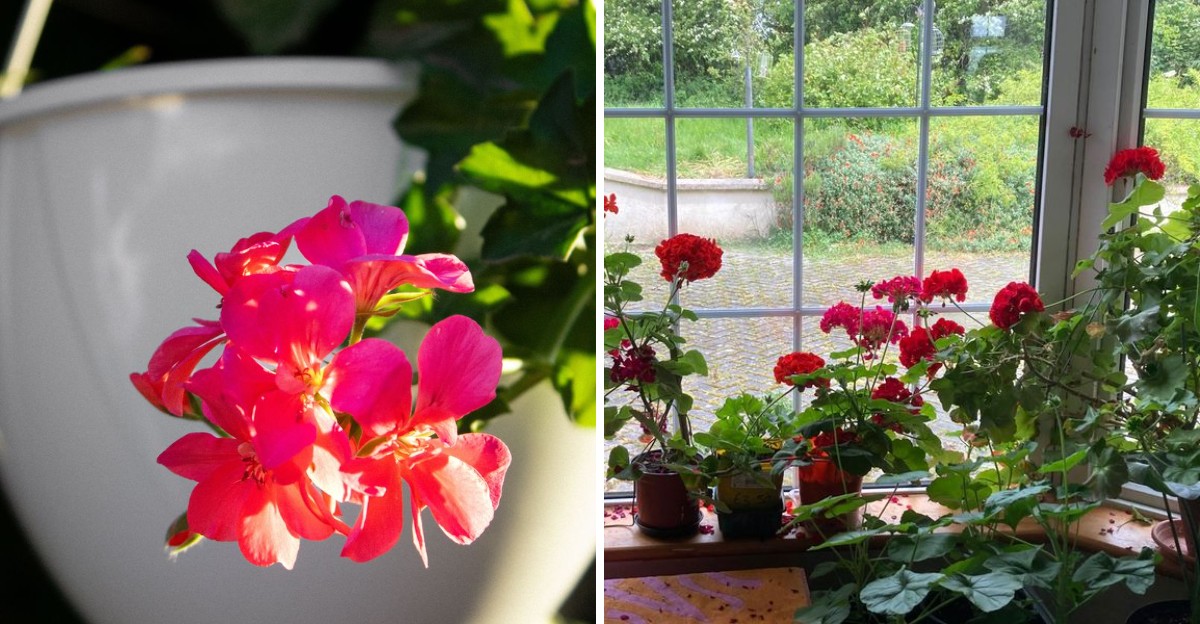
A pot full of lush green leaves and just three lonely flowers can feel like a betrayal. You watered, you waited, and the color never showed up.
Nothing brightens a Virginia porch quite like geraniums spilling over in red, pink, or coral. When blooms go missing, the fix is often simple and surprisingly cheap.
Most flowering problems come down to how and when you feed your plants. Sticky heat, sudden storms, and frequent watering flush nutrients right out of containers.
A few smart habits can turn a tired pot into a nonstop color show. It starts with choosing the right fertilizer, using it at the right pace, and knowing when to hold back.
Two bonus tricks that seasoned gardeners swear by round things out. Put them to work, and your geraniums will be showing off in no time.
A Balanced Fertilizer Like 20-20-20 Works Well
Picture a three-legged stool with one short leg. Your geraniums feel the same wobble when their food is out of balance.
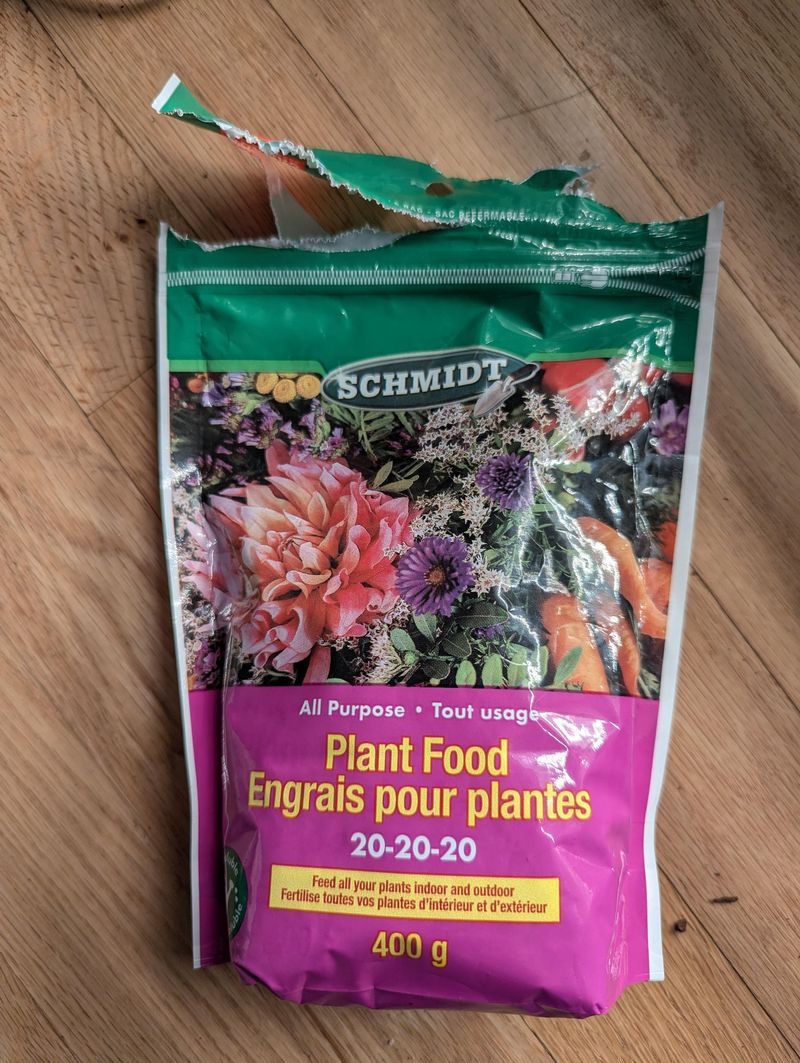
The numbers on a fertilizer bag stand for nitrogen, phosphorus, and potassium. A 20-20-20 blend gives your plants equal parts of all three nutrients.
Nitrogen builds healthy green leaves and sturdy stems. Phosphorus supports strong roots and helps flower buds form.
Potassium works quietly behind the scenes to keep plants tough. It helps geraniums handle heat, pests, and the ups and downs of summer weather.
Some gardeners reach for high-phosphorus bloom boosters right away. Many experts, though, find that geraniums flower best when all three nutrients stay even.
A balanced formula keeps the plant from putting too much energy into one area. You get full foliage, solid roots, and plenty of bright flower clusters together.
Shopping is easy because 20-20-20 blends are sold at almost every garden center. Look for words like all-purpose or balanced on the label to find the right match.
Here is a handy tip for beginners. Write the date on the box when you open it, so you know how fresh your supply is.
Water-Soluble Liquid Feeds Act Fast
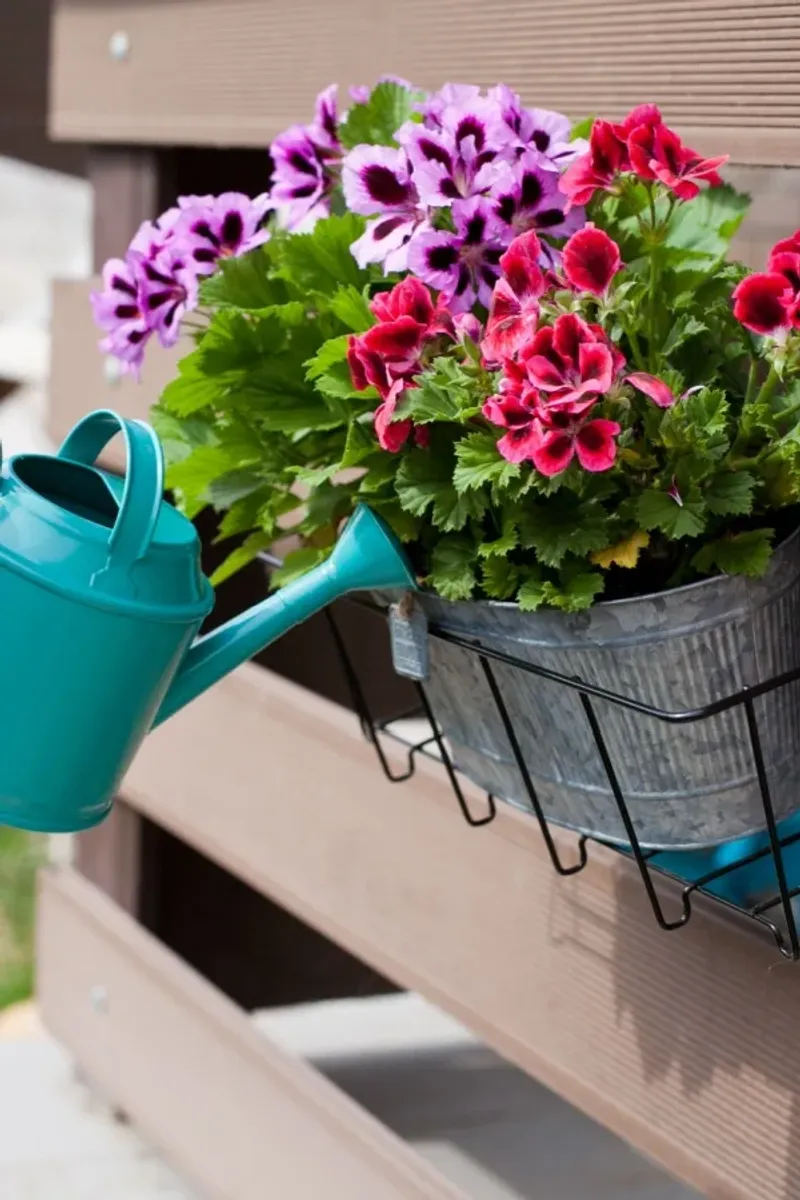
Think of liquid fertilizer as a smoothie for your plants. Roots soak it up quickly, so the boost shows up much sooner than with pellets.
Granular fertilizers break down slowly over weeks or months. Water-soluble feeds dissolve right away and reach the roots with your very next watering.
Speed matters a lot for container plants. Every time you water a pot, some nutrients wash out through the drainage holes.
Frequent watering during a hot July can rinse away food faster than you expect. A quick liquid feed refills the tank before your geraniums start to struggle.
Mixing is simple once you get the hang of it. Most products call for a small scoop or capful in a gallon of water.
Stir until the powder or concentrate fully disappears into the water. Undissolved bits can settle at the bottom and deliver uneven doses to your pots.
Keep a dedicated watering can just for fertilizer if you can. A colored ribbon on the handle helps you avoid mixing it up with your plain water can.
Your Virginia Garden Changes Every Week. Your Plan Should Too.
Gardening in Virginia changes quickly throughout the season. Every Friday you’ll receive a simple weekly plan showing exactly what to plant, prune, fertilize, harvest, and protect so you never miss the right timing.
Fun fact for curious gardeners: the blue color in many liquid feeds is just dye. It shows you how well the product has mixed into the water.
Every Two Weeks Suits Active Growth
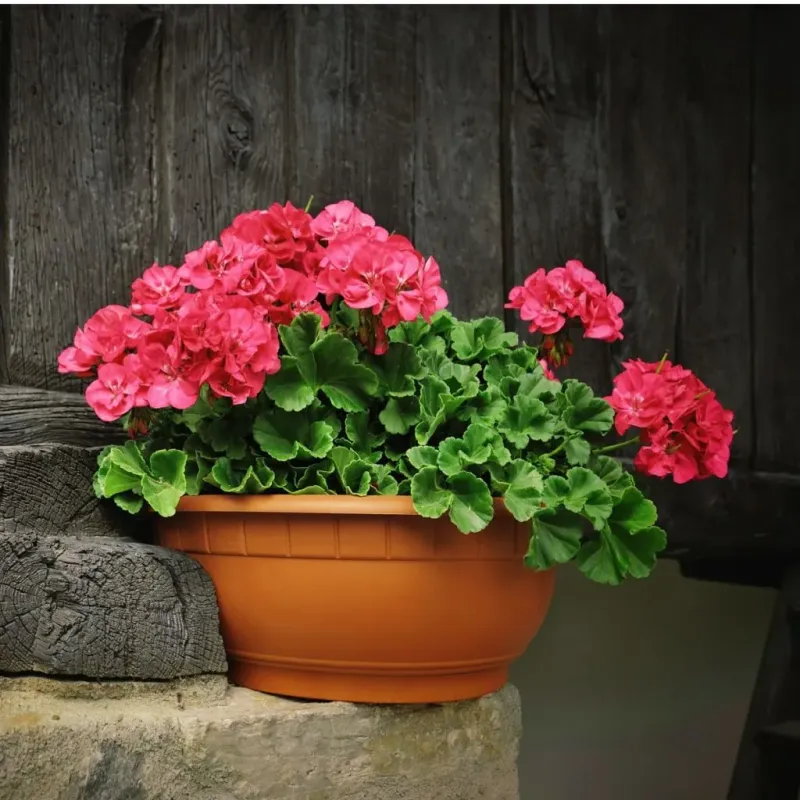
Mark your calendar, because rhythm is the secret here. Geraniums love a steady routine during their busiest months of the year.
Spring and summer are prime growing time for potted geraniums. Feeding every two weeks keeps nutrients flowing while the plants push out fresh buds.
Some gardeners stretch the gap to three or four weeks. Others prefer weekly feedings at half strength for an even, gentle supply.
Both methods can work well if you stay consistent. Skipping feedings for a month or more is usually when blooms start to fade.
Plants in small pots or hanging baskets often need food more frequently. Their limited soil holds fewer nutrients and dries out faster in summer heat.
In Virginia, active growth usually runs from late April through September. Start your schedule once nights stay above fifty degrees and new leaves appear.
Read your product label before settling on a schedule. Different brands have different strengths, and the instructions will guide your exact timing.
A simple trick keeps you on track without much thought. Feed every other Saturday morning, and the habit will soon feel like second nature.
Too Much Nitrogen Means Leaves Instead Of Blooms
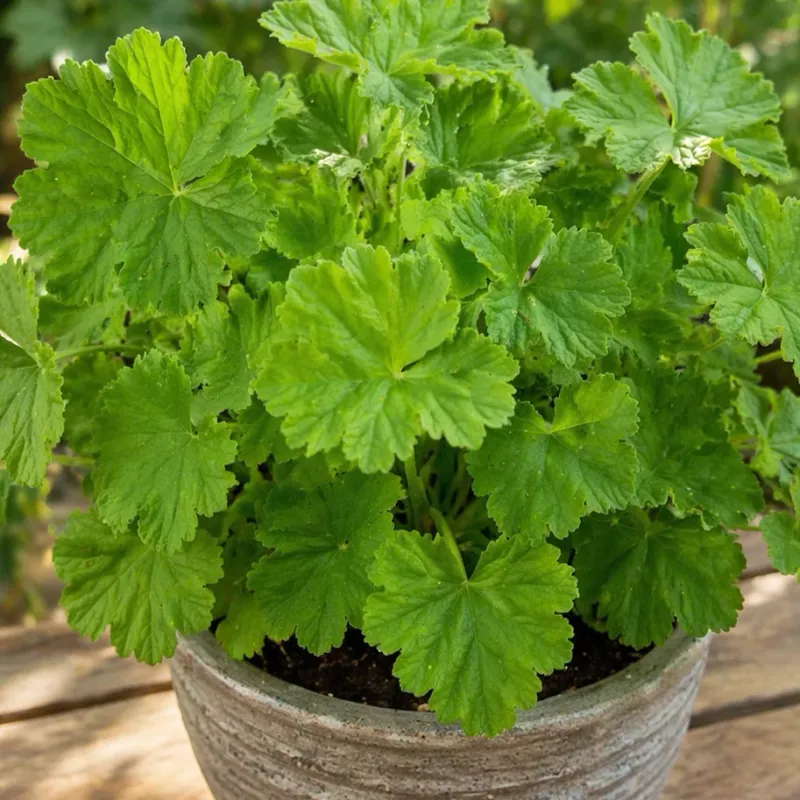
Ever grown a geranium that looked like a lush green shrub with zero flowers? Extra nitrogen is a likely culprit behind that leafy surprise.
Nitrogen tells plants to grow leaves and stems. Too much of it convinces your geranium to skip flowering and focus on foliage instead.
Lawn fertilizers often cause trouble here. Many contain very high nitrogen levels, which is great for grass but poor for blooms.
Look closely at the first number on any fertilizer label. A blend like 30-10-10 leans heavily toward leaves and away from flowers.
Watch for warning signs in your pots. Big, dark green leaves and long stretchy stems with few buds suggest a nitrogen overload.
Fixing the issue usually takes patience rather than drastic action. Switch to a balanced blend and give your plant a few weeks to adjust.
Compost and rich potting mixes can add nitrogen too. Factor these into your plan so you do not accidentally double up on leaf food.
Here is an interesting bit of plant science. Geraniums naturally bloom more freely when slightly hungry for nitrogen, so a lighter hand often pays off.
Moist Soil Protects Roots From Fertilizer Burn
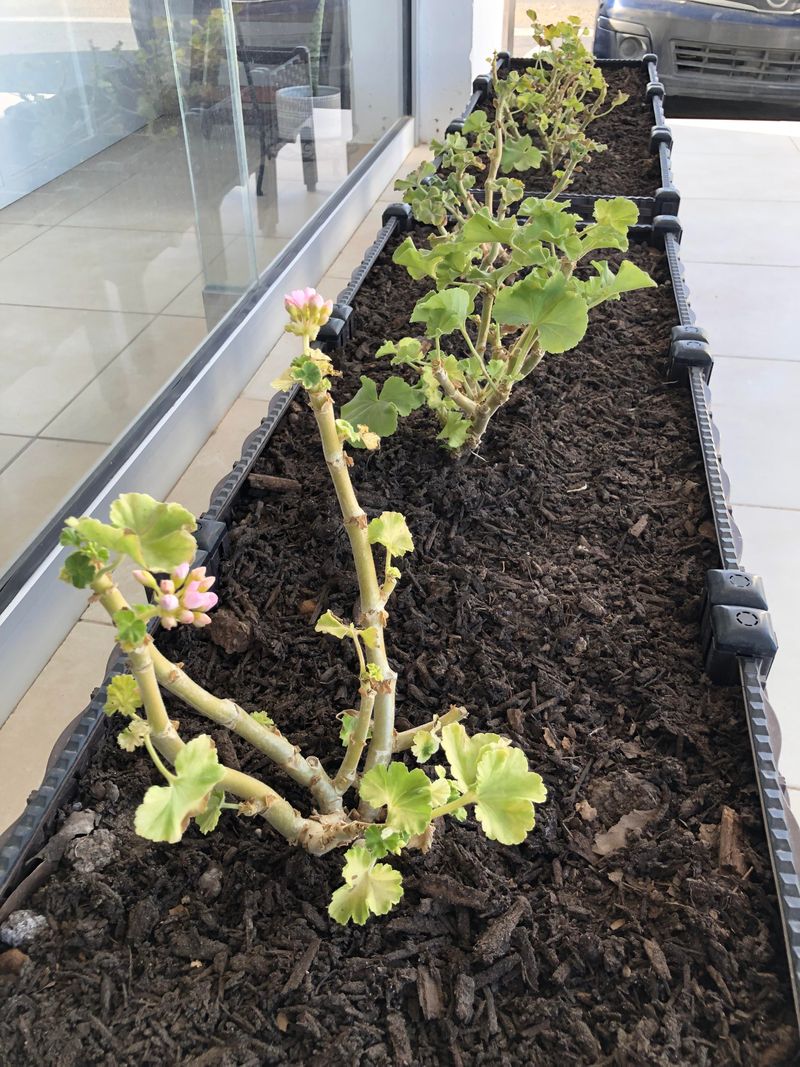
Imagine drinking strong coffee on an empty stomach. Dry roots react much the same way when hit with fertilizer.
Fertilizer contains salts that pull moisture away from roots. Parched soil leaves roots unprotected, which can lead to scorched tissue called fertilizer burn.
Signs of burn include brown leaf edges and sudden wilting. Crispy tips on lower leaves often appear a few days after a feeding.
Prevention is refreshingly easy. Water your geraniums lightly first, then wait about thirty minutes before adding fertilizer.
Damp soil spreads the nutrients more evenly through the pot. Roots can then absorb food gently without getting overwhelmed in one spot.
After feeding, give the pot a thorough drink if the label suggests it. Extra water helps carry nutrients deeper into the root zone.
Use the finger test to check moisture before you start. Push a finger an inch into the soil, and feel for a cool, slightly damp texture.
Morning is the best time for this whole routine. Cooler air reduces stress, and leaves have time to dry before evening humidity arrives.
Feeding Tapers Off As Growth Slows In Fall
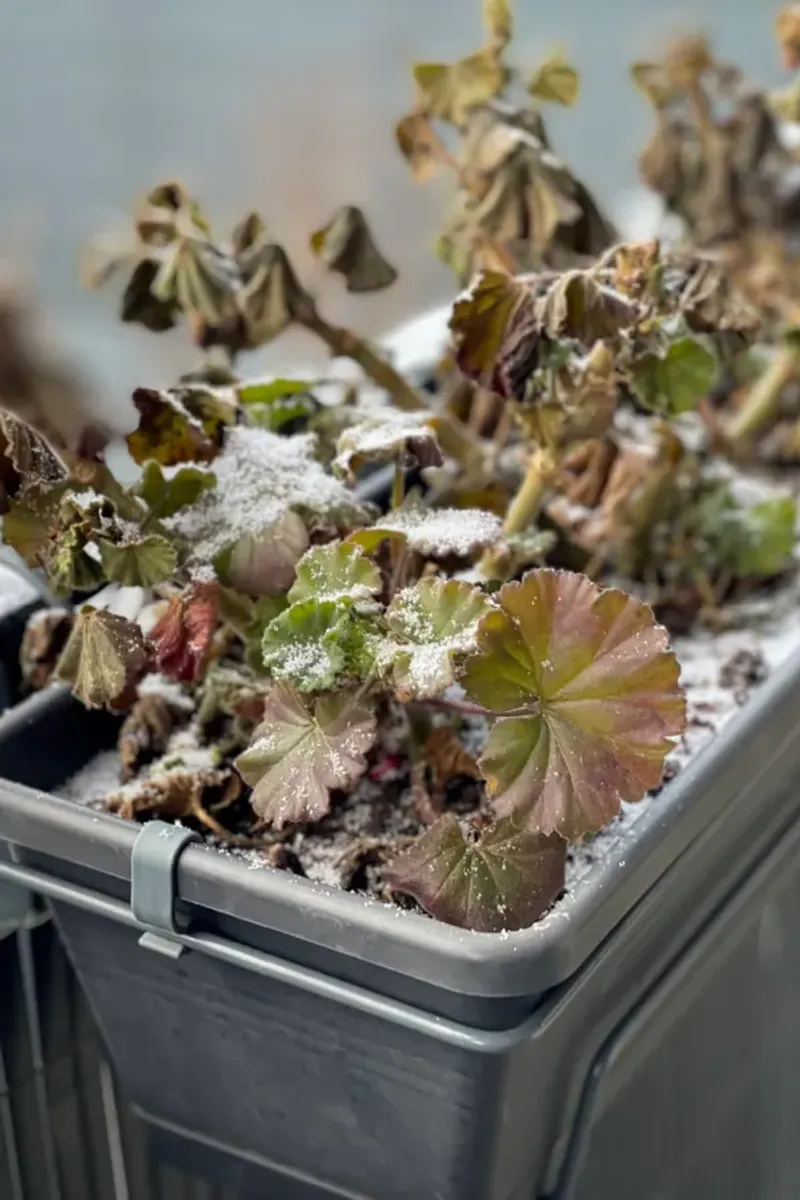
Autumn has a way of telling plants to slow down. Crisp mornings and shorter days signal that your geraniums are ready to rest.
Growth naturally slows as temperatures drop. Your plants simply cannot use as much food when they are no longer pushing out new leaves.
Extra fertilizer at this stage can cause more harm than good. Unused nutrients build up in the soil and may stress tired roots.
Start easing back in early September. Stretch feedings from every two weeks to every three or four weeks.
By late September or early October, you can stop feeding entirely. Most of the state sees its first frost somewhere between mid-October and early November.
Gardeners in the mountains should stop a bit earlier than coastal growers. Check your local frost date through the Virginia Cooperative Extension for a clearer timeline.
Planning to bring geraniums indoors for winter? Skip the fertilizer entirely during those cool, dim months until spring returns.
A Flush With Plain Water Clears Salt Buildup
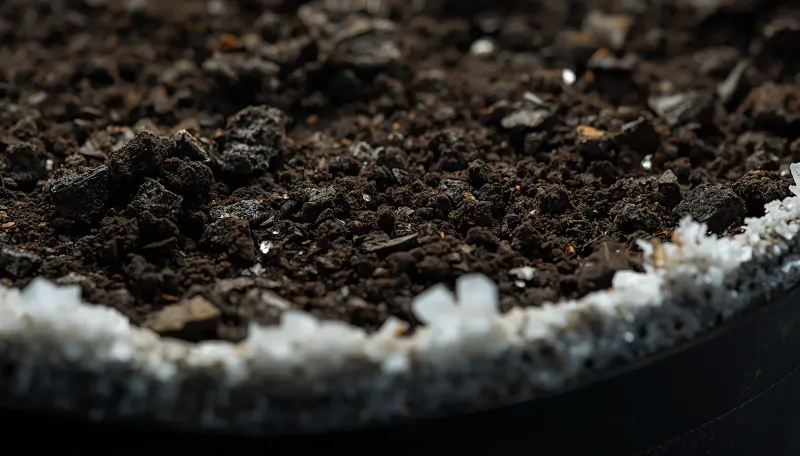
Spot a crusty white ring around your clay pot lately? That chalky line is a clue that salts are piling up in the soil.
Fertilizer leaves behind tiny mineral salts after each feeding. Over months, these salts collect and make it harder for roots to absorb nutrients.
Plants with heavy buildup may show yellow leaves or brown, crispy edges. Growth can stall even when you feed on a regular schedule.
Flushing is the cure, and it takes only a few minutes. Slowly pour plain water through the pot until it streams freely from the bottom.
Aim to run about twice the pot’s volume through the soil. For a ten-inch pot, that can mean a few gallons, so keep the hose handy.
Do this once a month during the growing season. Skip fertilizer on flush day so the soil gets a fresh start.
Rainwater works wonderfully for this task if you collect it. Virginia gets plenty of summer showers, so a simple rain barrel can supply you.
Wipe the crust off pot rims with a vinegar-dampened cloth. Your containers will look cleaner, and the stems resting on the edge stay protected.
Dry Or Stressed Plants Should Wait To Be Fed
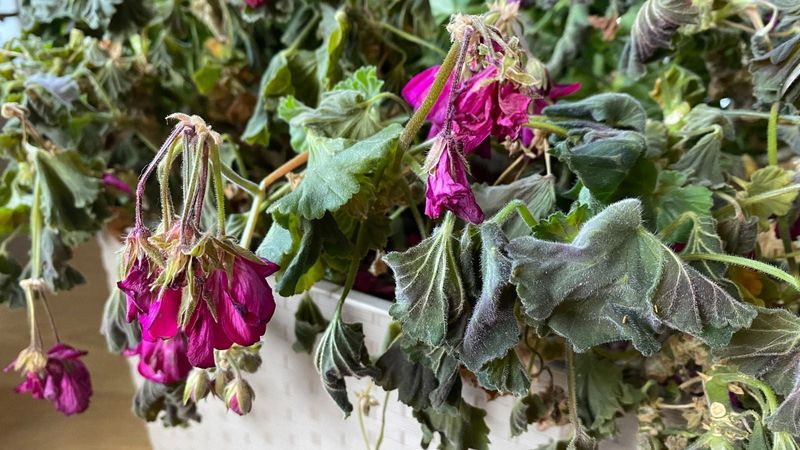
Nobody wants a big meal while running a fever. Stressed geraniums feel the same way about fertilizer.
Wilting leaves, yellow patches, or bone-dry soil all signal a plant in distress. Feeding during these moments can push roots past their limit.
Address the real problem first before reaching for plant food. Water a thirsty plant deeply and let it recover for a day or two.
Heat waves cause plenty of stress in summer. Temperatures in the nineties can make even healthy geraniums droop by mid-afternoon.
Move pots into light afternoon shade during extreme heat if possible. Your plants will bounce back faster and be ready for food sooner.
Freshly repotted geraniums also need a short break. Give them about two weeks to settle into new soil before their first feeding.
Pests and disease count as stress too. Treat aphids, whiteflies, or leaf spots first, then return to your normal feeding schedule.
Patience truly pays off here. A rested, well-watered geranium uses fertilizer far better and rewards you with steady, colorful clusters.
Bonus Trick: Remove Spent Blooms Often
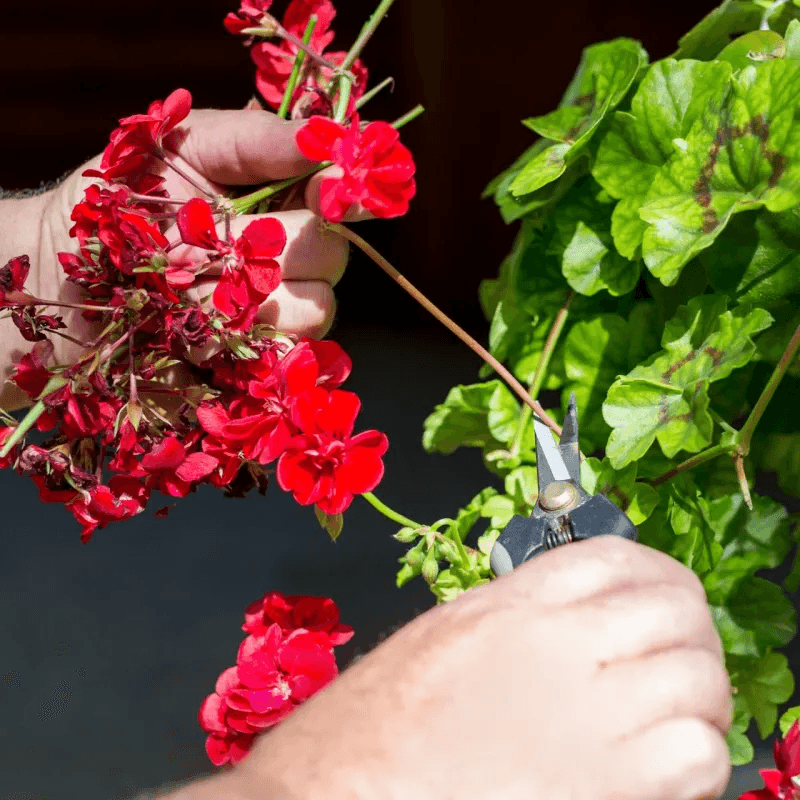
Here is a chore that feels almost like magic. Snap off faded flowers, and your geranium answers with fresh buds.
Spent blooms tell the plant to start making seeds. Seed production uses lots of energy that could go toward new flowers instead.
Removing old blooms redirects that energy right back into flowering. Your plant keeps trying to bloom because its seed mission never finishes.
Technique matters more than most people realize. Follow the flower stalk all the way down to where it meets the main stem.
Snap it off cleanly with your fingers or use small scissors. Pulling only the petals leaves a bare stalk that turns brown and looks messy.
A weekly walk through your pots works beautifully. Many Virginia gardeners make it part of their morning coffee routine on the porch.
Toss spent blooms into your compost pile rather than leaving them in pots. Fallen petals can trap moisture and invite fungal problems in humid weather.
Bonus Trick: Pinch Tips For Bushier Plants
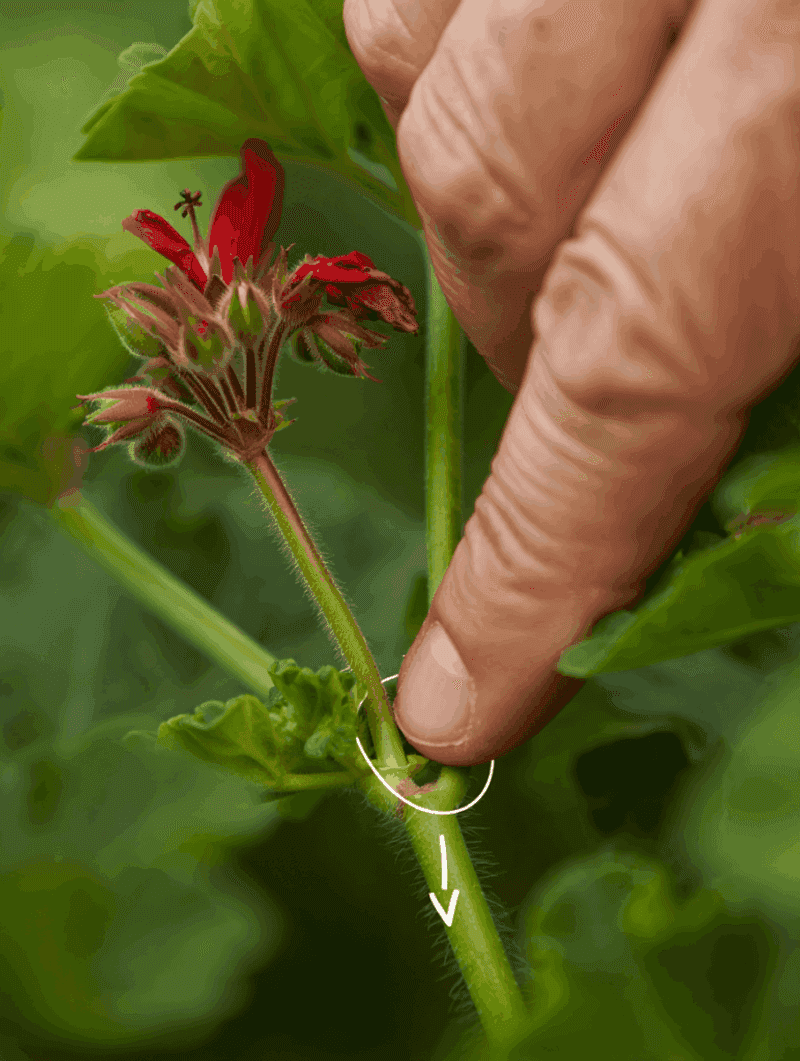
A little pinch today can mean double the flowers tomorrow. Small cuts at the right time create a fuller, rounder geranium.
Each stem has a growing tip that leads the way upward. Removing it wakes up sleeping buds lower on the stem.
Those buds turn into fresh side branches. More branches give the plant more places to form flower clusters.
Pinching is easy enough for any beginner. Use your thumb and finger to remove the top inch of soft growth just above a leaf.
Early spring is the ideal time to start. Pinch young plants a couple of times before they set their first big round of buds.
Leggy geraniums benefit from pinching any time during the season. Long, bare stems usually mean the plant is reaching for more light.
Save healthy pinched tips for an easy bonus. Many root in moist potting mix within a few weeks, giving you free plants.
Gardeners across Virginia share cuttings this way with friends and neighbors. One well-pinched geranium can quietly become a whole porch full of color.