Long Twisted Pods Dropping In Indiana Yards Come From A Tree That Usually Grows Thorns
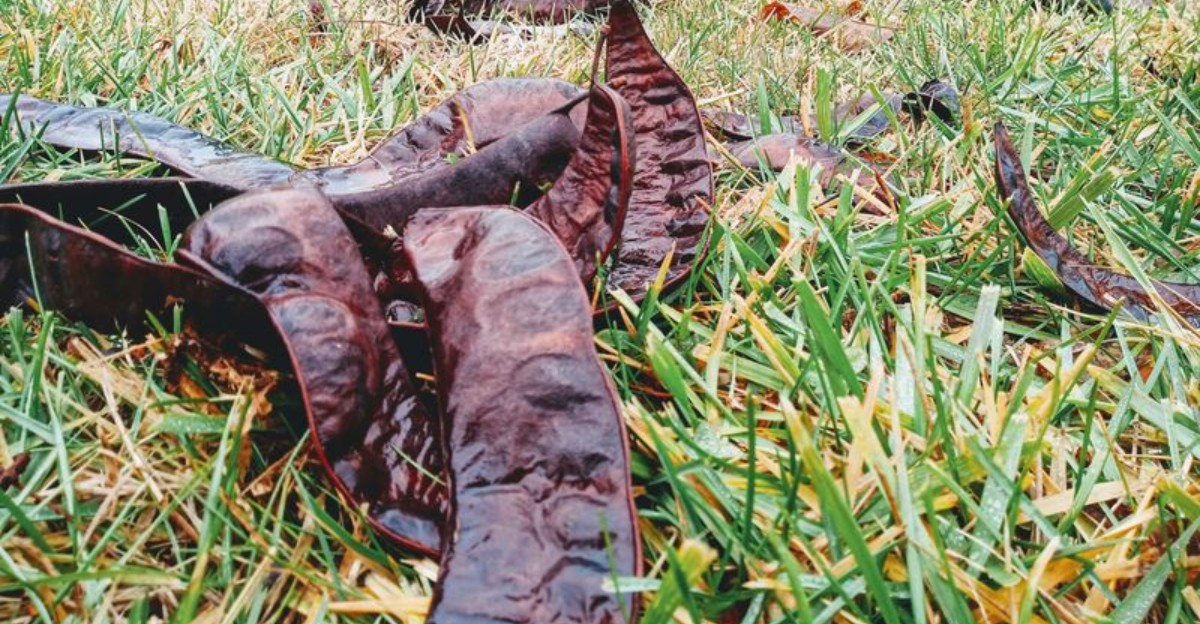
Some of the thorns on this tree grow longer than a pencil and split into three sharp points. Yet the same tree drops leathery brown pods that can stretch past a foot long, twisting like curly fries as they dry.
I’ll admit it, the first time I stepped on one, I thought a snake had wandered into the lawn. The pods crackle, curl, and pile up under the branches each fall and winter across Indiana.
Inside each pod sits a sticky, sweet pulp around hard little seeds. Deer and squirrels know all about it, and early settlers did too.
Here’s what gets me most. Plenty of these trees in our neighborhoods carry no spikes at all, even though their wild cousins bristle with them. So which tree is shading your driveway, and why did it suddenly start raining pods?
Those Curly Brown Pods Have A Spiky Family Secret
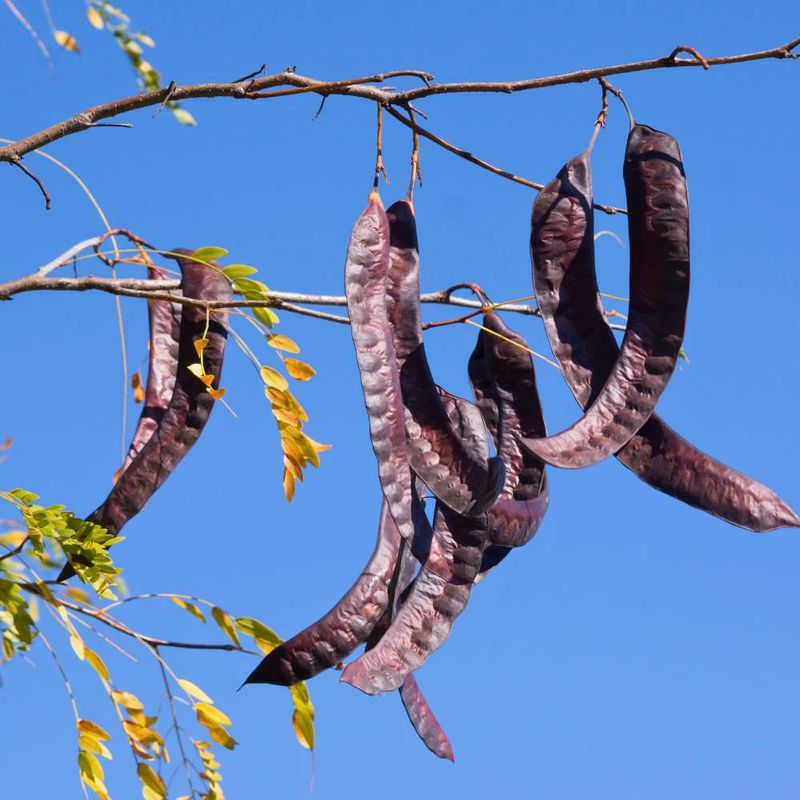
Grab one of those pods and give it a shake. You might hear seeds rattling inside a shell that feels like old leather.
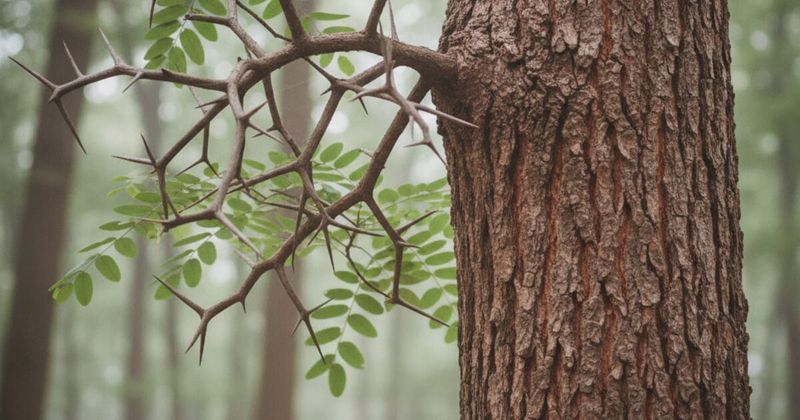
Pods like that point to one tree in Indiana yards, and it’s a native with a tough reputation. Out in the wild, its trunk and branches often carry clusters of branched thorns that can reach several inches long.
So how can a yard tree with smooth bark drop the same pods? The answer is that people have been choosing and breeding this tree for decades. Many landscape versions lost their spikes but kept the lacy leaves and easygoing habits.
That leaves a fun detective puzzle for homeowners. You may have a wild-type tree that sprouted on its own, a nursery tree with an occasional pod habit, or something in between.
A quick look around the trunk usually helps. Check the bark for stout spines, then glance up at the feathery leaves made of many tiny leaflets.
If you spot long, twisted pods along with that fine, fern-like foliage, you’re likely close to your culprit. In the next section, we’ll put a name on it and look at what makes those pods so unusual compared to other trees in the neighborhood.
Meet Your Pod Dropper, The Native Honeylocust Tree
The tree behind the mess is the honeylocust, known to scientists as Gleditsia triacanthos. That second word means three thorns, a nod to the spikes that often split into three points.
Honeylocust is a member of the bean family, so its pods are basically giant bean pods. They’re flat, glossy, reddish-brown, and frequently twisted or spiraled. Most run 6 to 18 inches long, and a few stretch even more.
Purdue and other extension sources note that pods ripen in early fall. Some drop right away, while others cling to branches and keep falling through winter. That’s why you can rake them up in October and still find fresh ones in February.
Each pod holds a row of hard, bean-shaped seeds. Between them is a sweet, sticky pulp, which gave the tree the honey part of its name.
Don’t mix it up with black locust, another Indiana tree. Black locust has short paired spines, rounder leaflets, and small thin pods only a few inches long.
Kentucky coffeetree is another lookalike, but its pods are short, thick, and chunky. If yours look like long brown ribbons, honeylocust is almost certainly your tree.
Those Branched Honeylocust Thorns Deserve Some Respect
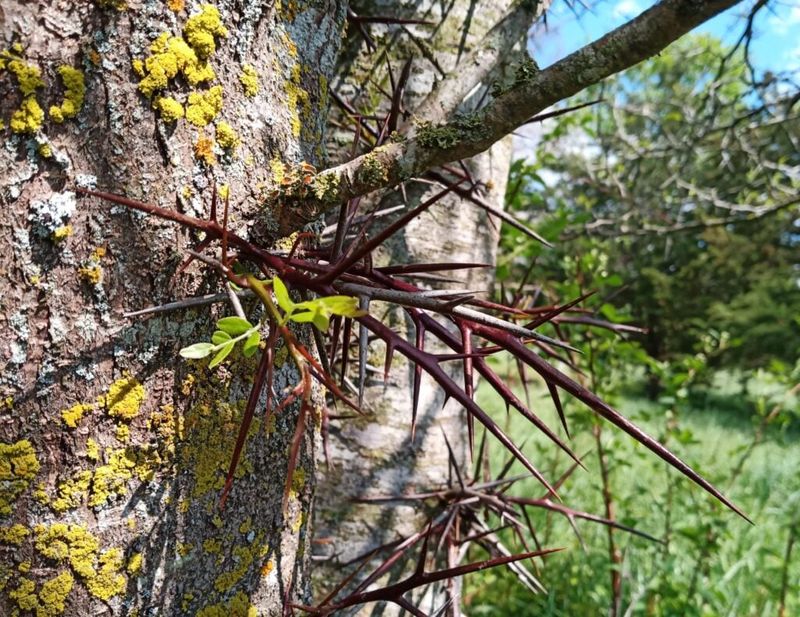
Fair warning, wild honeylocust thorns are no joke. They grow in tough clusters right out of the trunk and limbs, and some reach up to about 8 inches.
Young thorns look reddish, then fade to gray as they age. Many split into three or more sharp points, which makes them easy to recognize and easy to regret bumping into.
Why so well armed? Many botanists think the thorns, along with those sweet pods, are leftovers from the Ice Age. Huge plant eaters like mastodons and giant ground sloths may have browsed the tree and spread its seeds. This idea is widely discussed, though it’s a theory rather than a proven fact.
For your yard, safety matters more than history. Wear thick gloves and long sleeves when pruning a thorny tree. Thorns can puncture shoes, bike tires, and even some mower tires.
If kids play nearby, consider removing low thorny shoots you can reach easily. Many gardeners also prune off water sprouts along the trunk, since those often carry fresh spines.
Fallen thorny twigs deserve a quick pickup before mowing. Toss them in yard waste rather than compost, where they stay sharp for a long while.
Thornless Honeylocust Cultivars Can Still Surprise You With Pods
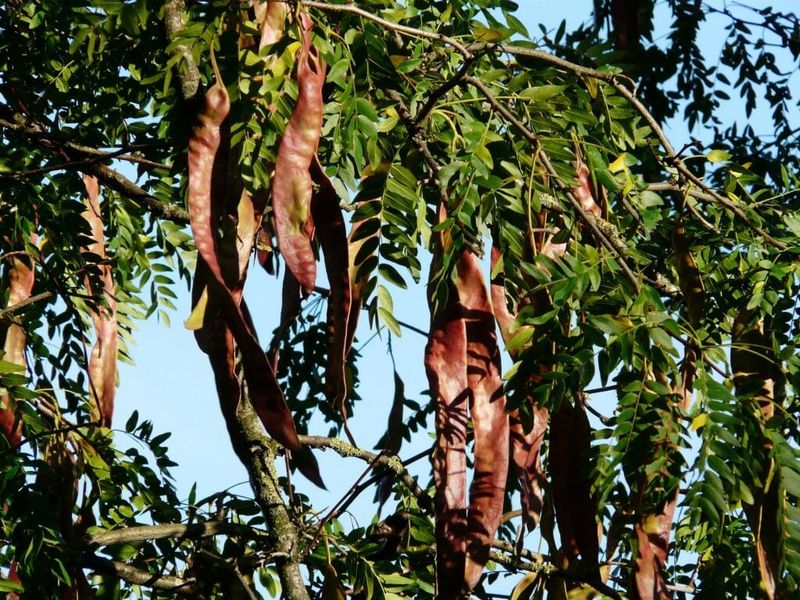
Not going to lie, this part confused me for years. Most honeylocusts planted along streets and in yards are the thornless type, called Gleditsia triacanthos var. inermis.
Nurseries sell popular cultivars such as Shademaster, Skyline, and Sunburst. These were selected to skip the dangerous spikes, and many were also chosen because they produce few or no pods.
Here’s the catch. Few or no pods doesn’t mean zero forever. Some so-called podless trees set a crop in certain years, and older or seed-grown thornless trees can be heavy producers.
Honeylocust trees are often male or female flowered, with some trees carrying both. A tree with female flowers near a pollen source can surprise you with pods, even if the tag promised otherwise.
You may also spot a stray thorn on a thornless tree now and then. That’s normal and usually limited to a twig or two.
If you’re shopping for a new tree, ask the nursery whether the cultivar is known for low pod production. Reading the plant tag and asking questions saves a lot of raking later, and it keeps you from blaming the wrong tree.
Raking Up Honeylocust Pods Without Losing Your Weekend
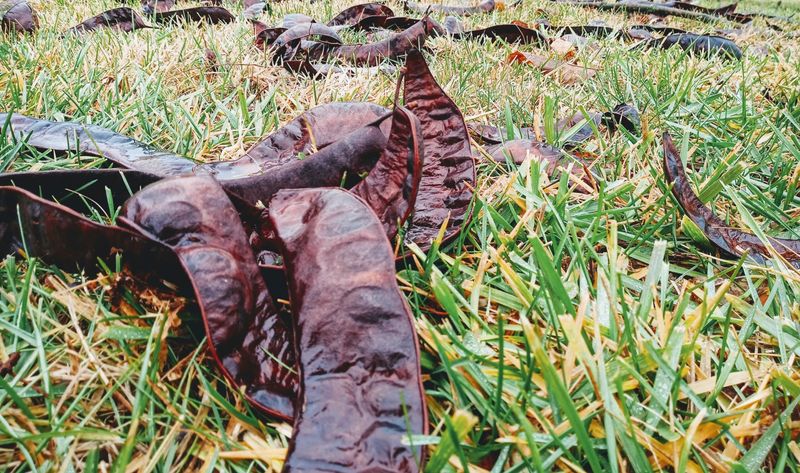
Every fall, I find the same thing. Leaves come down first, then the pods keep arriving like guests who missed the party.
A sturdy leaf rake works, but a mower with a bagging attachment is often faster. Dry pods chop up nicely, though very fresh, rubbery ones may need a few passes.
Keep pods off sidewalks and driveways. Wet pods get slick, and squashed pulp can feel like stepping on a banana peel.
Plan for more than one cleanup. Since pods may hang on into winter, a quick sweep every couple of weeks beats one giant chore in spring.
Wondering about compost? Shredded pods break down fine, but the hard seeds can survive and sprout later. Many gardeners put whole pods in yard waste pickup instead of the home pile.
Gutters deserve a look too. Long pods can lodge in downspouts and block water flow during winter rains.
If the mess feels like too much, an arborist may suggest growth regulator treatments that reduce fruiting. Results vary, timing around bloom is tricky, and costs add up, so ask a certified arborist whether it makes sense for your tree.
Deer And Squirrels Treat Honeylocust Pods Like A Snack Bar
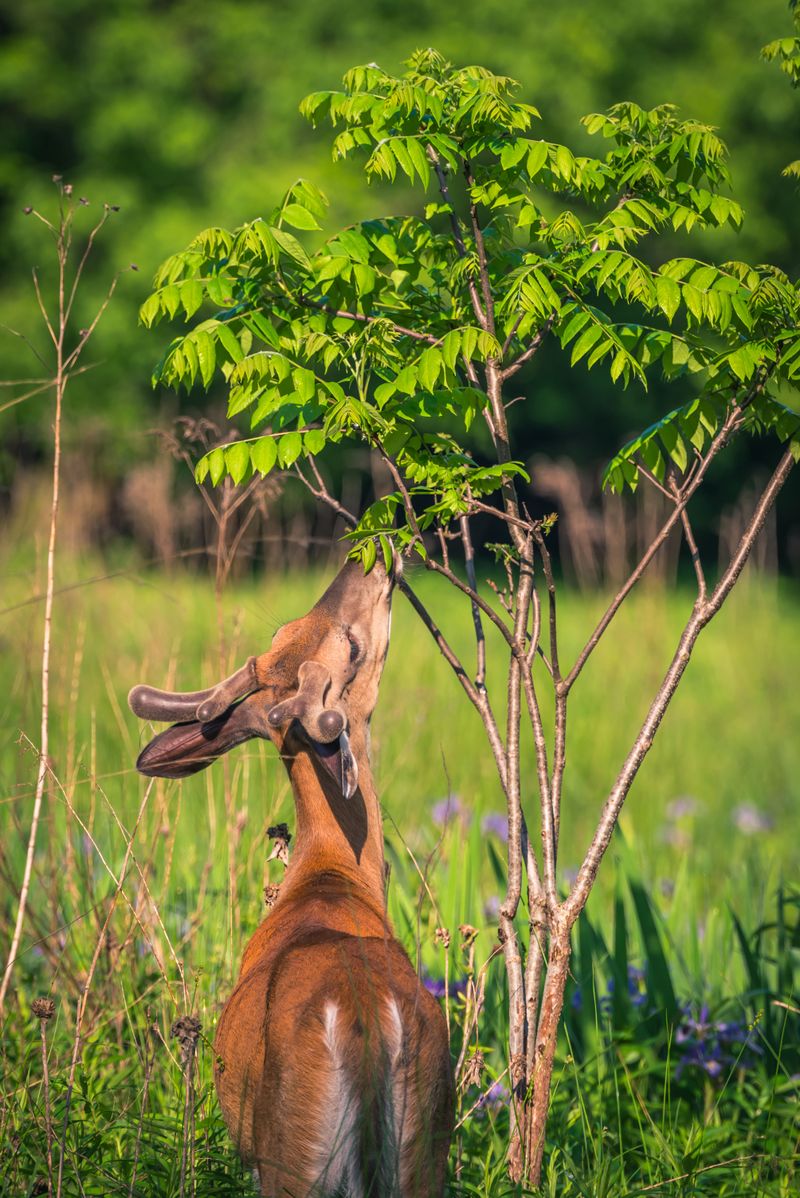
Ever notice chewed pods scattered across the lawn? You probably had some furry visitors overnight.
Honeylocust pods are a real food source for wildlife. White-tailed deer, squirrels, rabbits, and opossums eat the sweet pulp, and livestock like cattle enjoy it too. Animals that swallow seeds help spread them far from the parent tree.
Winter is when these pods really shine. Food runs low after the snow arrives, and pods still hanging on branches offer calories when little else does.
People have a history with the pulp as well. Native American communities and early settlers used the sweet inner pulp as food, and some sources mention brewing it into drinks.
Before you taste one, slow down. The pulp is generally considered edible in small amounts, but the seeds are hard and the pods are tough. Don’t confuse them with black locust, whose seeds and bark are toxic.
For pets, a few chewed pods usually aren’t a crisis, but large amounts can upset a dog’s stomach. Call your vet if your pup eats a pile. Leaving a few pods at the woodland edge of your property is a kind gesture for hungry wildlife.
Honeylocust Seedlings Pop Up Where You Least Expect Them
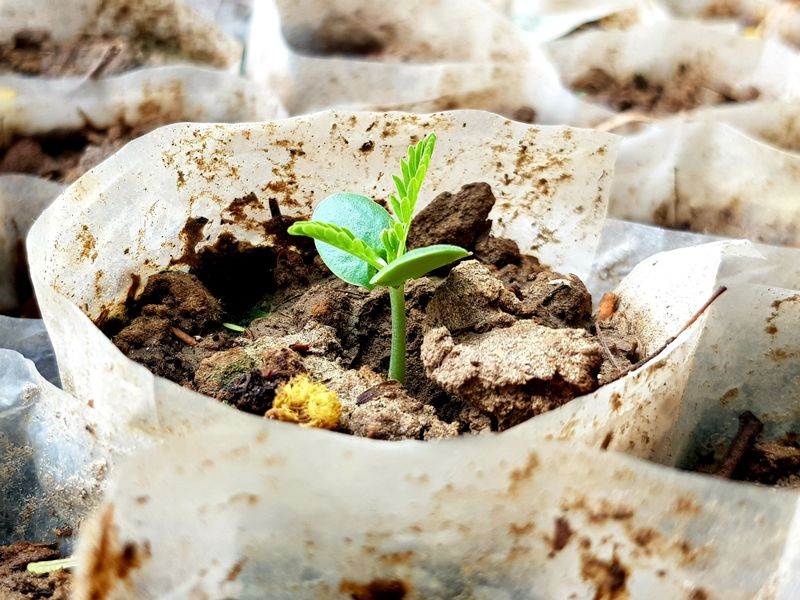
Spring brings a sneaky little side effect. Tiny trees with fern-like leaves start popping up in flower beds, fence lines, and pastures.
Honeylocust seeds have a very hard coat. Some wait in the soil until conditions are right, so seedlings may show up a year or more after the pods dropped.
Here’s a twist that surprises many gardeners. Seedlings from thornless trees can grow up with thorns. The thornless trait doesn’t reliably pass along through seed, so those babies may bristle like their wild ancestors.
That’s why pulling seedlings early makes life easier. Young sprouts come out cleanly when the soil is moist, and you avoid handling thorny saplings later.
Mulch helps block many seeds from rooting in beds. In lawns, regular mowing keeps most seedlings in check.
Farmers across Indiana know honeylocust as a pasture colonizer. Cattle eat pods, drop seeds, and the thorny young trees fill in fields. Even though it’s a native species, it can spread aggressively in open, disturbed ground.
Spotted a seedling with thorns? Wear gloves, dig deep to get the taproot, and dispose of it with your yard waste.
Your Honeylocust Earns Its Spot With Golden Leaves And Light Shade
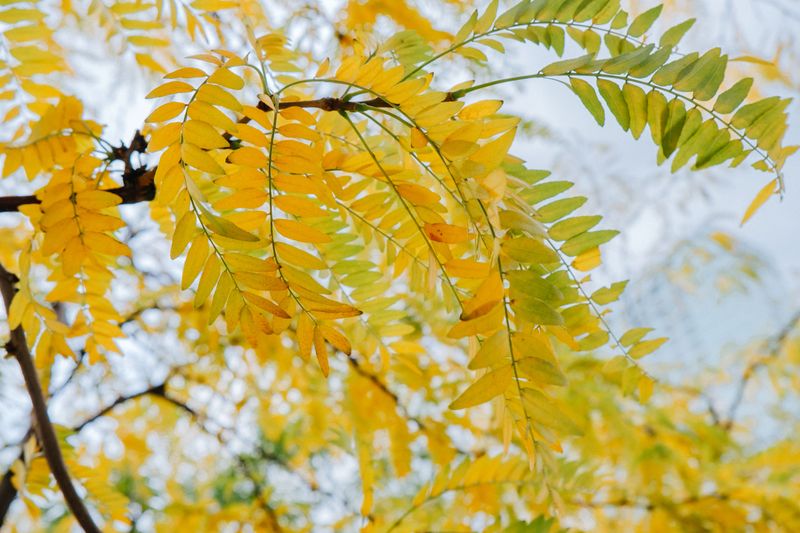
Call me stubborn, but I’ve come to like these messy trees. Their tiny leaflets create soft, dappled shade that lets grass and flowers keep growing underneath.
Honeylocust is native to Indiana and grows best in moist stream valleys, especially in the southern part of the state. It’s hardy across USDA zones 3 to 8, which covers all of Indiana with room to spare.
Urban life rarely bothers it. Purdue notes it handles drought, road salt, compacted soil, and pollution better than many shade trees. In fall, leaves turn bright yellow, and the small leaflets often slip down into the lawn without much raking.
Watch for a few common pests. Honeylocust plant bugs and mimosa webworms can make leaves look scorched or webbed in summer. Spider mites and scale may show up during dry stretches, and canker diseases can affect stressed trees.
Healthy trees usually bounce back. Water deeply during droughts, avoid wounding the trunk with mowers, and prune in late winter.
The best next step is simple. Look closely at your tree’s trunk, leaves, and pods, then decide whether to keep it, manage the mess, or plant a podless cultivar next time.