12 Things You Should Keep Out of Your Compost Pile This Fall
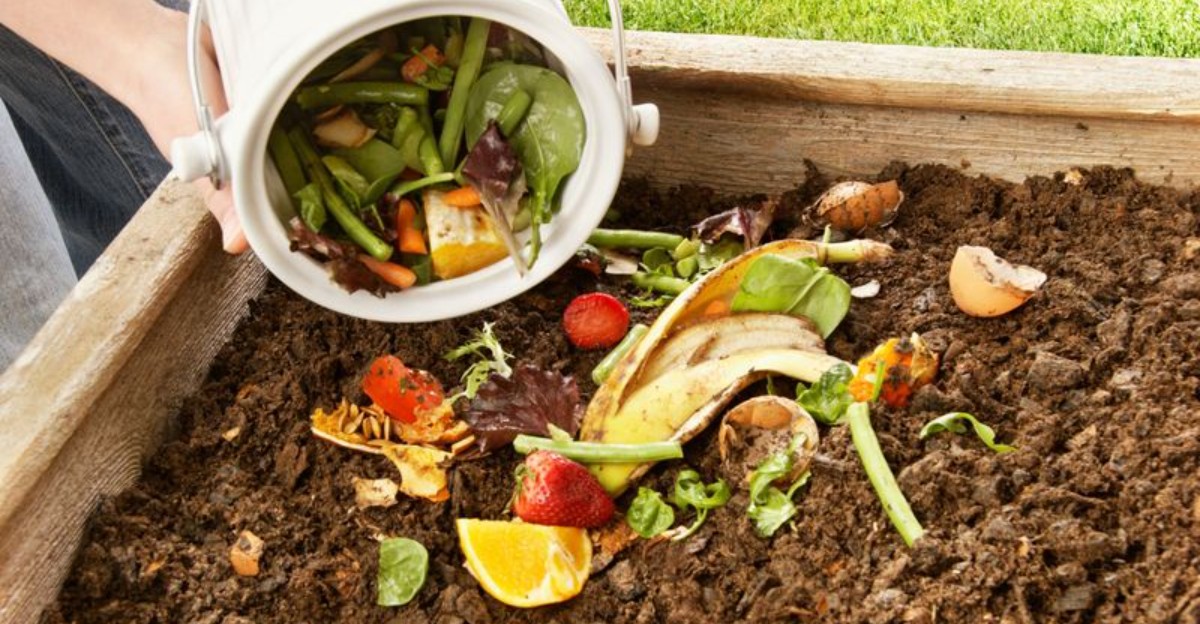
Fall smells like crunchy leaves, apple cider, and that earthy whiff drifting from the back corner of the yard. Your garden heap is humming along, warm and steamy on chilly mornings.
It feels like the easiest chore on the list, since you just toss stuff in and walk away. Then one day the pile starts smelling like a gym sock that went on vacation.
Raccoons show up at midnight, weeds pop up in odd places, and your tomatoes look sad next summer. None of that is random bad luck, even if it feels that way.
A heap is a lot like a picky eater with a big appetite. Feed it the right snacks and it rewards you with dark, crumbly gold.
Feed it the wrong ones, and it sulks, stinks, and throws a smelly tantrum. Basically, you are raising a moody teenager who lives outside and begs for pumpkin guts.
1. Skip Diseased Plant Leaves
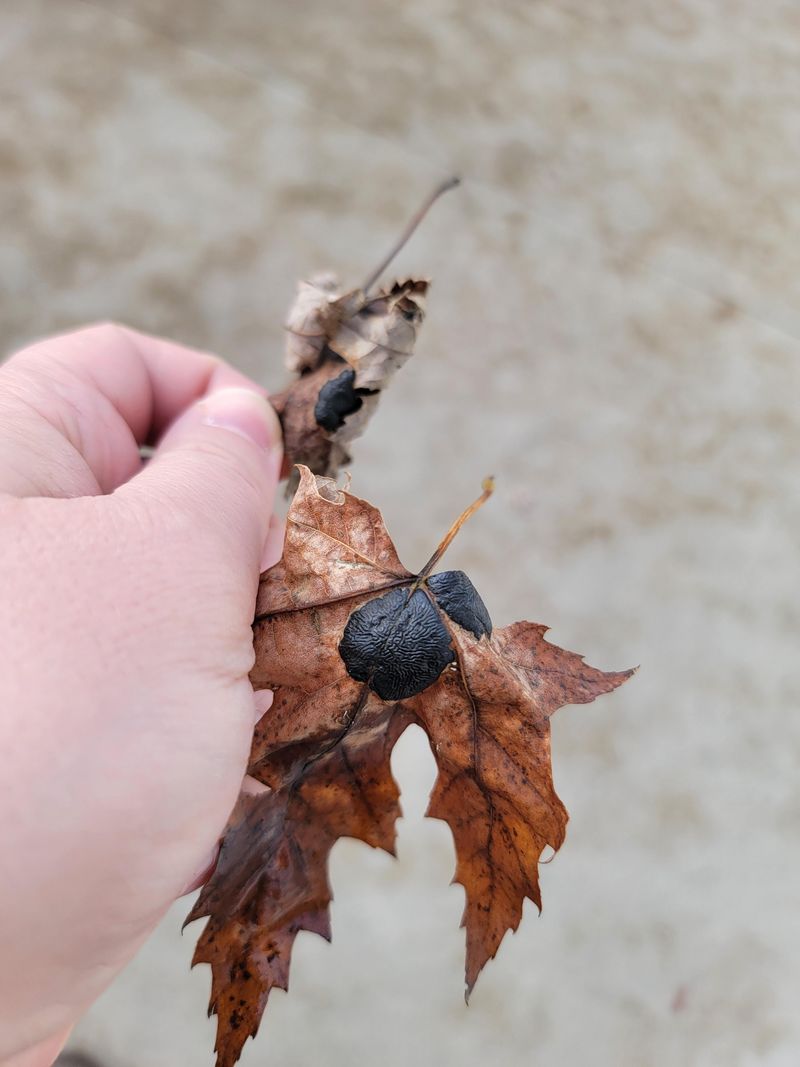
Picture your tomato plants in September, covered in brown spots and curling yellow leaves. It is tempting to rip them out and dump everything straight onto the heap.
Hold that thought for a second. Many plant diseases, like blight and powdery mildew, can survive in a pile that does not get hot enough.
Most backyard heaps only reach warm temperatures, not the steady 140 degrees needed to eliminate tough germs. Those spores then ride along when you spread finished compost next spring.
Suddenly, the same problem shows up in fresh beds, and you are left scratching your head. Early blight fungus can hang around in soil and plant bits for a year or more.
A better plan is to bag sick leaves and stems for yard waste pickup. Many towns use large commercial systems that heat debris far hotter than a home pile.
Wash your pruners afterward with a disinfecting solution. That quick wipe keeps you from carrying germs from one sick plant to the next healthy one.
Healthy leaves from oaks, maples, and other trees are still welcome, so keep raking. Just play detective first and leave the spotty, fuzzy, or mushy ones out of the mix.
2. Leave Out Weeds With Seeds
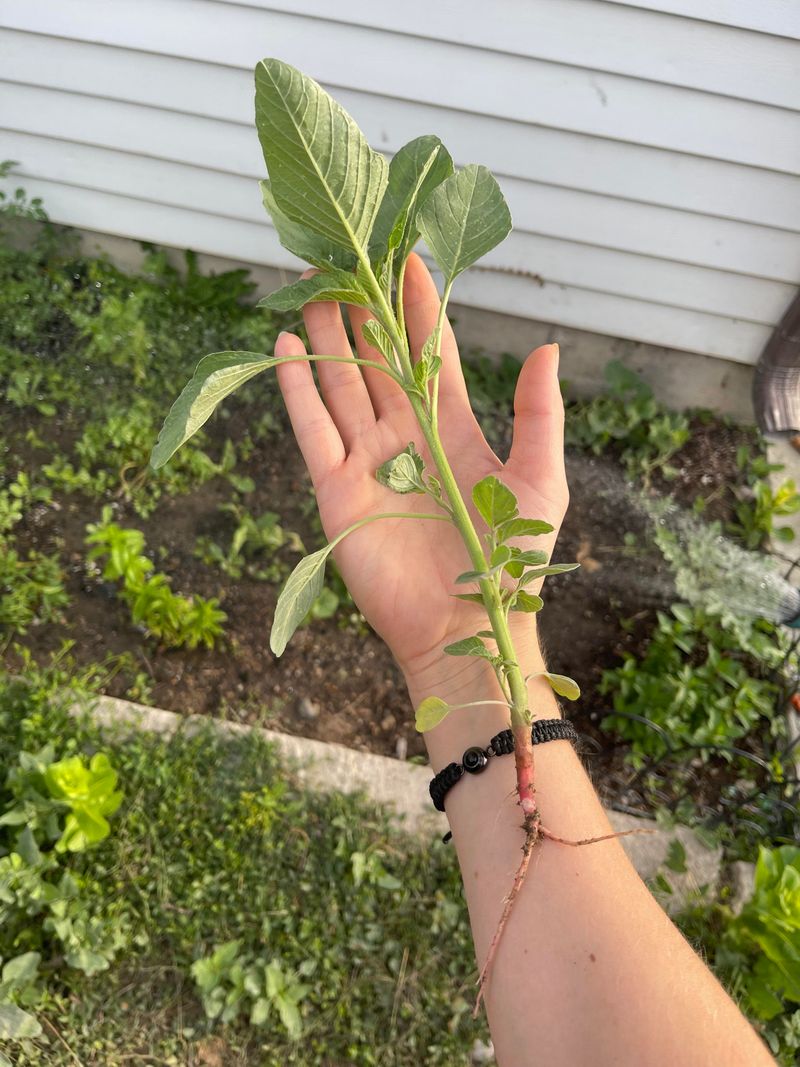
Weeds are the ultimate party crashers, and fall is when many of them pack their bags with seeds. One pigweed plant can produce over 100,000 seeds in a single season.
Toss that plant into your heap, and you might be planting a weed farm without knowing it. Seeds are tough little capsules built to wait for the perfect moment to sprout.
A cool backyard pile rarely gets hot enough to stop them. Then you spread that rich material in spring, and crabgrass pops up like it owns the place.
Some weeds are sneaky even without seeds. Bindweed, quackgrass, and Bermuda grass can regrow from tiny bits of root or stem.
Here is a trick worth trying for weeds that have not flowered yet. Pull them early, lay them in the sun to dry out, then add them safely.
Soak rooty troublemakers in a bucket of water for about a month until they turn to mush. Anything with seed heads, though, belongs in the trash bag, not your heap.
Fall weeding pays off twice, since every seed you stop now is one less weed next year. Your future self, knees and all, will thank you in May.
3. Avoid Black Walnut Debris
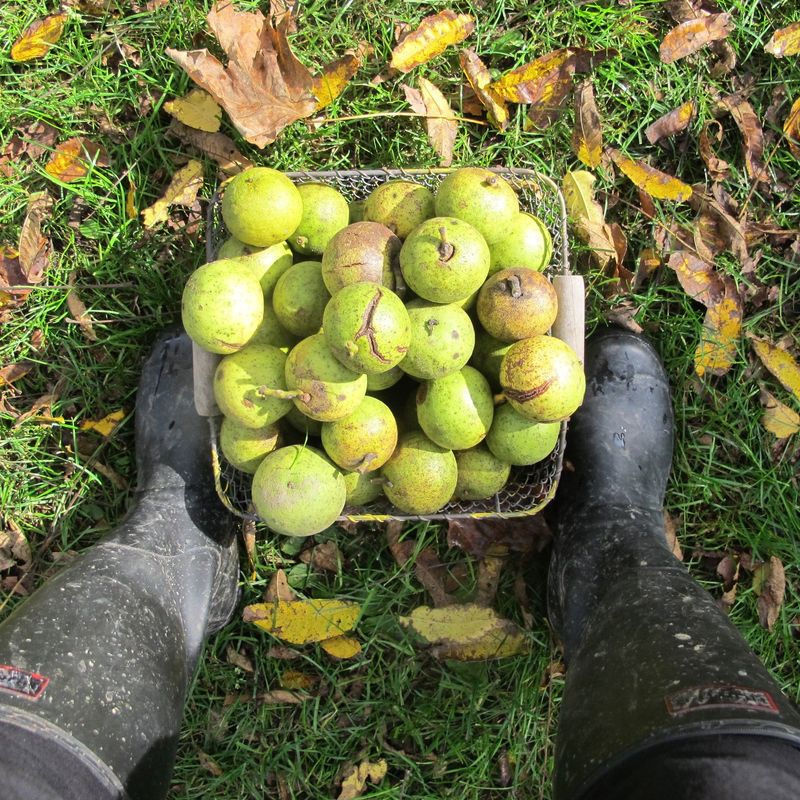
Black walnut trees look majestic in autumn, dropping green tennis-ball nuts all over the lawn. Beneath that beauty hides a chemical secret called juglone.
Juglone is a natural compound the tree uses to keep rival plants from growing nearby. Its leaves, twigs, hulls, and roots all carry it in varying amounts.
Tomatoes, peppers, potatoes, and blueberries are especially sensitive to it. Exposed plants can wilt, yellow, and stop growing, almost like they caught a mystery bug.
Juglone does break down over time, usually within a few weeks to a couple of months in a well-managed pile. The hulls and wood, though, are stubborn and linger much longer.
If you have a big tree, the safest move is a separate pile just for walnut debris. Let it sit for at least six months, then use it around tolerant plants like squash or onions.
Fun fact: early Americans used walnut hulls to make rich brown dye for clothing and wood. Wear gloves when you handle them, or your hands will be stained for days.
Neighbors with walnut trees might offer you bags of leaves this fall. Politely check the leaf shape first, since those long, feathery leaflets are easy to spot.
4. Keep Treated Grass Clippings Out
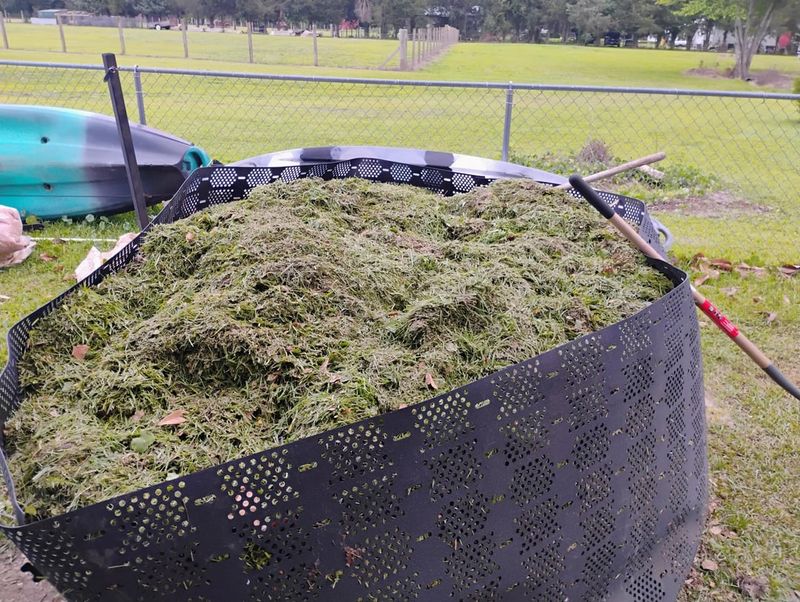
Grass clippings are usually a heap’s best friend, packed with nitrogen that heats things up fast. The trouble starts when that lawn recently got sprayed with herbicide.
September is prime time for fall weed-and-feed products, since broadleaf weeds soak them up before winter. Some of those chemicals hang around far longer than you might expect.
Certain herbicides, like clopyralid and aminopyralid, can survive the whole composting process. Gardeners have reported twisted, curled tomato plants after using compost made from treated clippings.
Beans, peas, and sunflowers are also easily harmed by tiny traces. That means one bag of the wrong grass could quietly spoil a whole garden bed.
If you use a lawn service, ask them what they spray and when. Borrowing clippings from a neighbor calls for the same friendly question.
Treated grass can still help your yard in a different way. Just leave the clippings on the lawn, where they feed the soil and save you raking time.
Not sure about a batch? Try a simple bean test by planting a few seeds in a pot of the finished material.
Curled or cupped leaves after a couple of weeks are a red flag. Healthy sprouts mean you are good to go.
5. Steer Clear Of Pet Waste
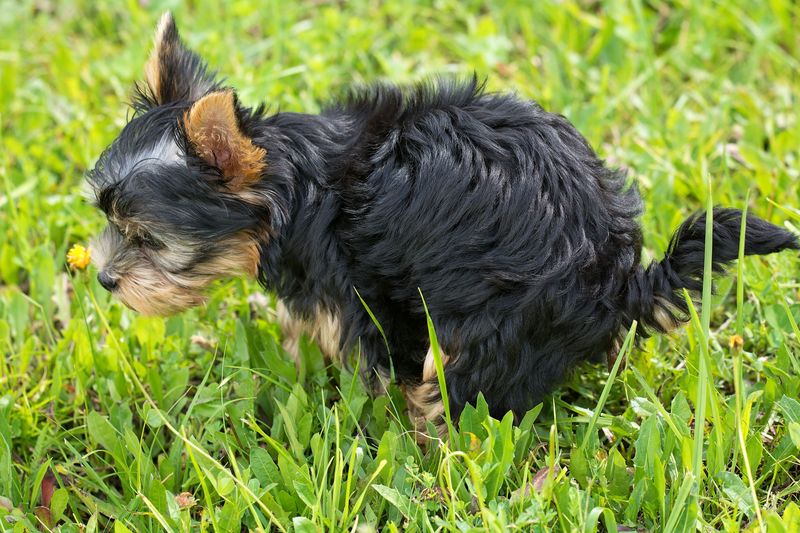
Your dog produces a lot of, well, fertilizer, so why not put it to work? It sounds eco-friendly, but dog and cat poop do not belong in a food garden heap.
Meat-eating animals carry parasites and bacteria that plant-eaters like cows and rabbits usually do not. Roundworms, hookworms, and salmonella can all hitch a ride straight into your soil.
Cat waste is extra risky because it can carry toxoplasma, a parasite that is especially harmful during pregnancy. Those eggs can stay alive in soil for over a year.
A normal backyard pile does not get hot enough, long enough, to make it safe. Spreading that material around lettuce or carrots is a gamble nobody should take with their family.
Kitty litter adds another headache, since clay types do not break down at all. Scented litters can also contain chemicals you would not want near your veggies.
That said, not all pet droppings are off limits. Rabbit, hamster, guinea pig, and chicken manure make fantastic additions to any pile.
For dog and cat waste, bag it and trash it, or look into a special pet waste digester. Your garden, and your nose, will be much happier.
6. Toss Meat Scraps Elsewhere
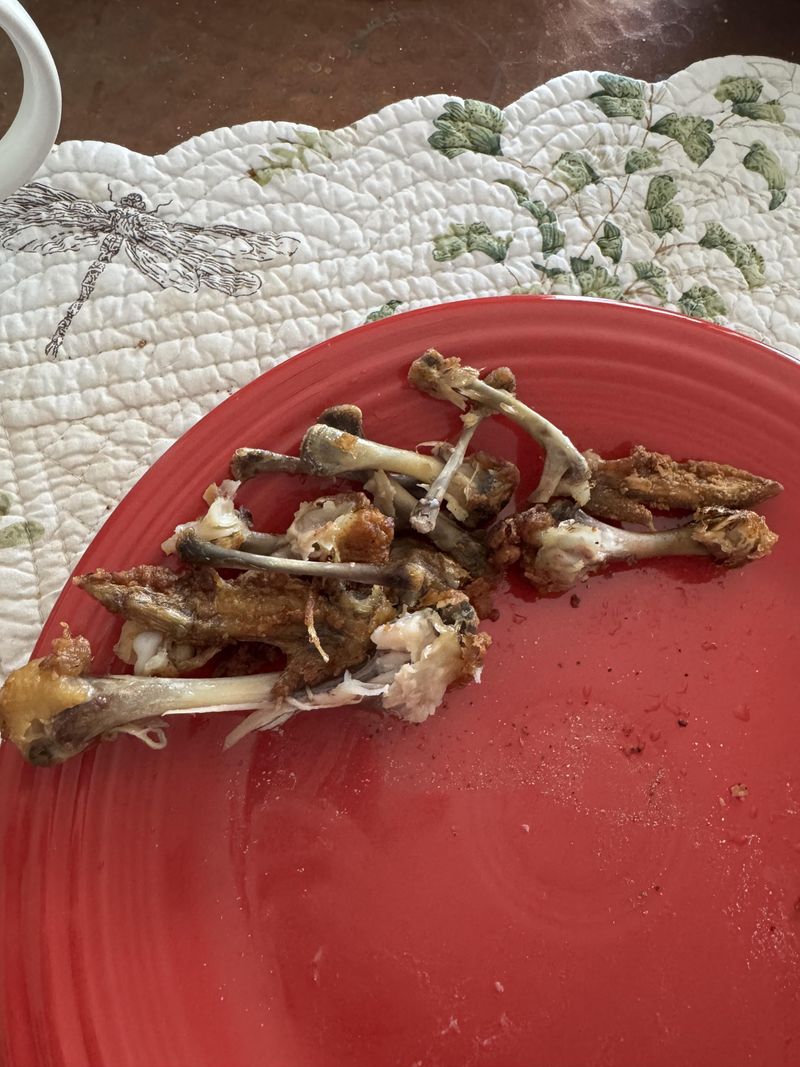
Ask anyone who has found their bin tipped over at dawn, and they will tell you the same story. Somebody tossed in leftover chicken bones, and the neighborhood raccoons threw a feast.
Meat, fish, and bones give off strong smells as they rot. Those odors travel far, drawing in raccoons, opossums, rats, skunks, and even the occasional bear.
Fall makes the problem worse because wild animals are bulking up for winter. They are hungry, bold, and happy to dig through anything that smells like dinner.
Beyond the critters, meat can breed nasty bacteria when a pile stays lukewarm. Flies love it too, and nobody wants a cloud of them near the back porch.
Bones are also slow to break down, sometimes sticking around for years. You might find a mystery rib bone while planting spring bulbs, which is a strange surprise.
So where should all those meat scraps go instead? A bokashi bucket can break them down indoors, and some cities collect food waste curbside for large facilities.
Those big operations run hot enough to handle meat safely. Otherwise, the regular trash is the simplest spot for last night’s pork chop bones and fish skins.
7. Skip Dairy Fats And Oils
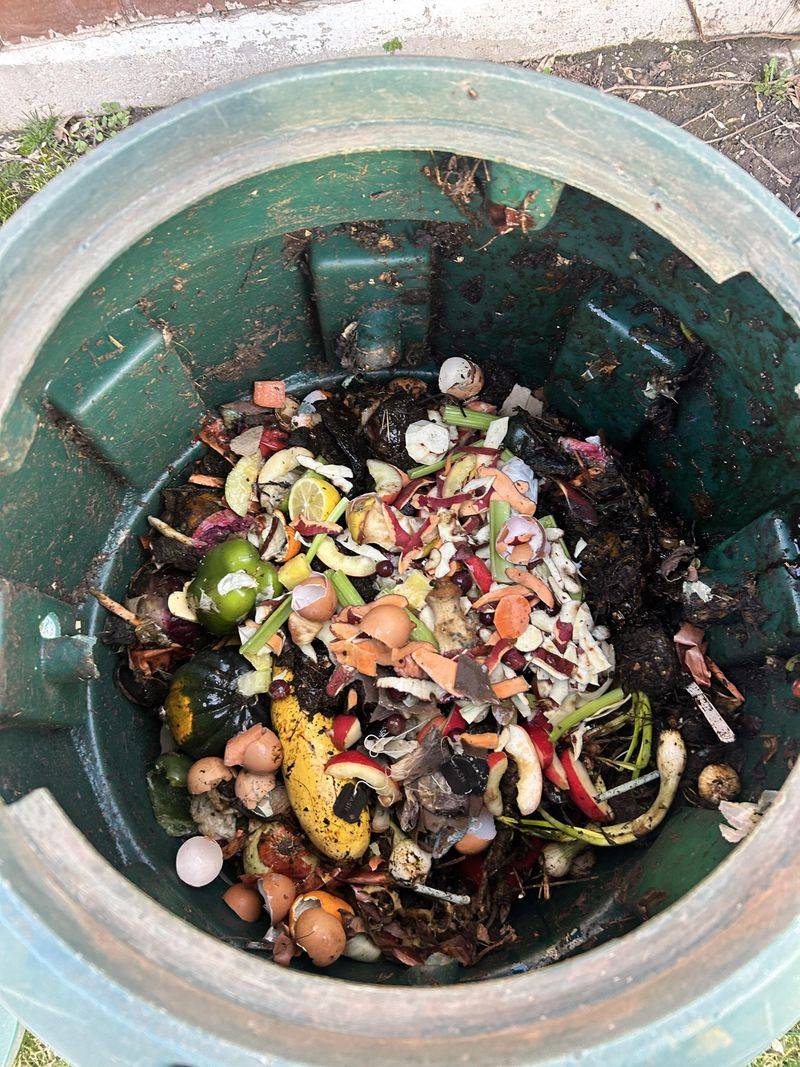
Leftover mac and cheese, a splash of sour milk, and that pan of bacon grease all seem harmless enough. Unfortunately, they can turn a healthy heap into a greasy, smelly swamp.
Oils and fats coat everything they touch, blocking air and water from reaching the helpful microbes. Without oxygen, those tiny workers slow down, and bad odors take over.
Dairy has its own problems, since cheese, butter, and yogurt spoil with a sour, rotten smell. That scent is like a dinner bell for mice, rats, and curious dogs.
Think of your pile like a sponge that needs to breathe. Pour grease on a sponge, and it stops soaking up water, which is roughly what happens outside.
Fall cooking brings plenty of temptation, from turkey drippings to pumpkin pie with whipped cream. Scrape plates into the trash first, then save the veggie peels for your heap.
Used cooking oil should not go down the drain either, since it clogs pipes. Let it cool, pour it into a sealed jar, and check if your town has an oil drop-off spot.
Tiny amounts, like a greasy paper towel, will not wreck anything. Just keep the big globs and gooey leftovers far away from the bin.
8. Remove Rotten Fallen Fruit
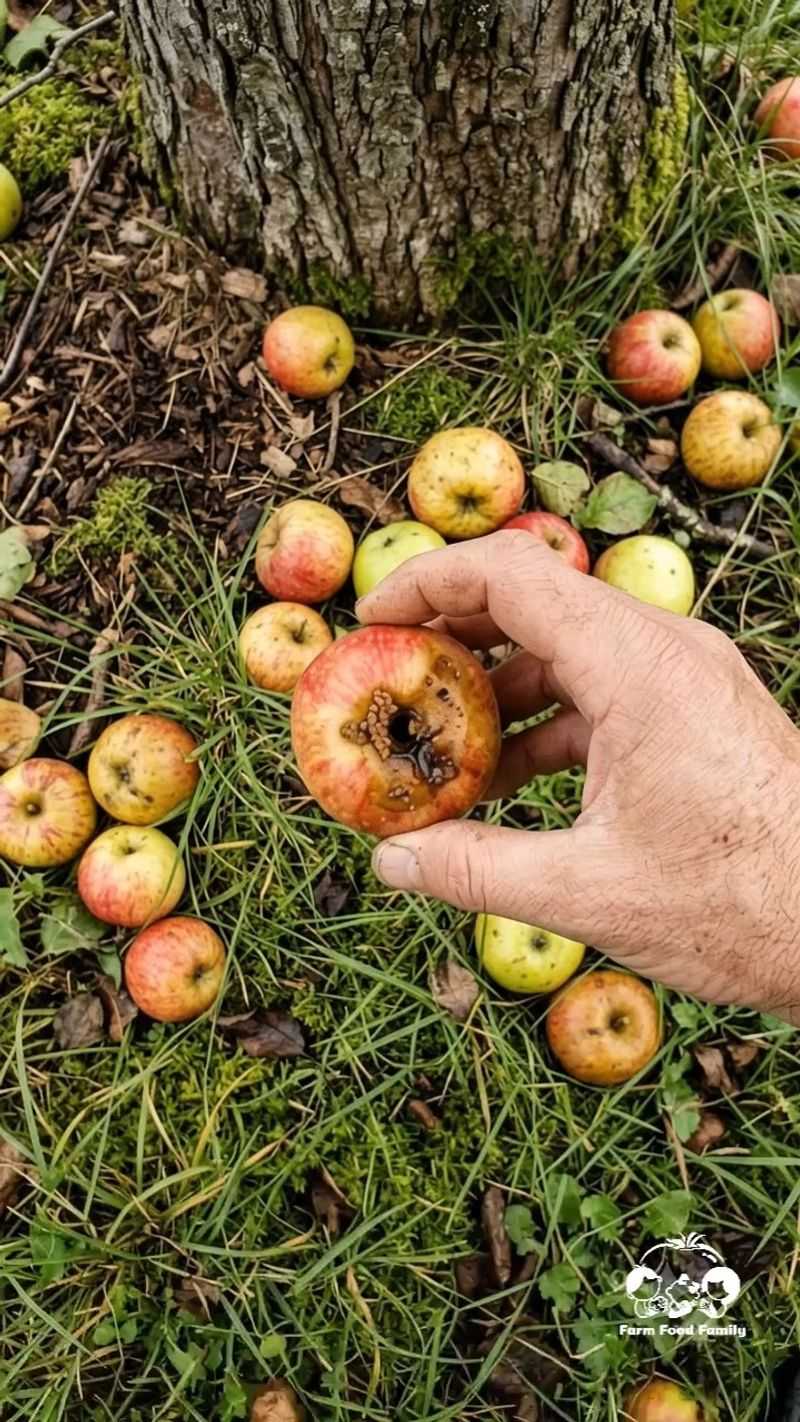
Nothing says autumn like apples thudding onto the grass under an old tree. After a few days, though, those windfalls turn brown, squishy, and buzzing with wasps.
Fruit itself is fine to add in small amounts, but moldy, fallen fruit often carries more than sugar. Brown rot, apple scab, and bitter rot can linger in those mushy lumps.
Insect pests hide inside too, like codling moth larvae and apple maggots. Dump infested fruit on a cool pile, and they happily finish growing and return next year.
Piles of sweet, rotting fruit also draw yellow jackets, fruit flies, and even deer. That turns a simple trip to the bin into a sting-dodging adventure.
Old-time orchard keepers had a good habit worth copying. They gathered windfalls every few days so pests and diseases had less time to settle in.
Bag fruit that is moldy, holey, or mummified and send it out with yard waste or trash. Fresh, clean drops can go to the heap, as long as you bury them under leaves.
Mummified fruit still clinging to branches deserves a quick pick too. Removing it this fall means healthier blossoms and tastier, cleaner fruit next season.
9. Avoid Coal Ash Additions
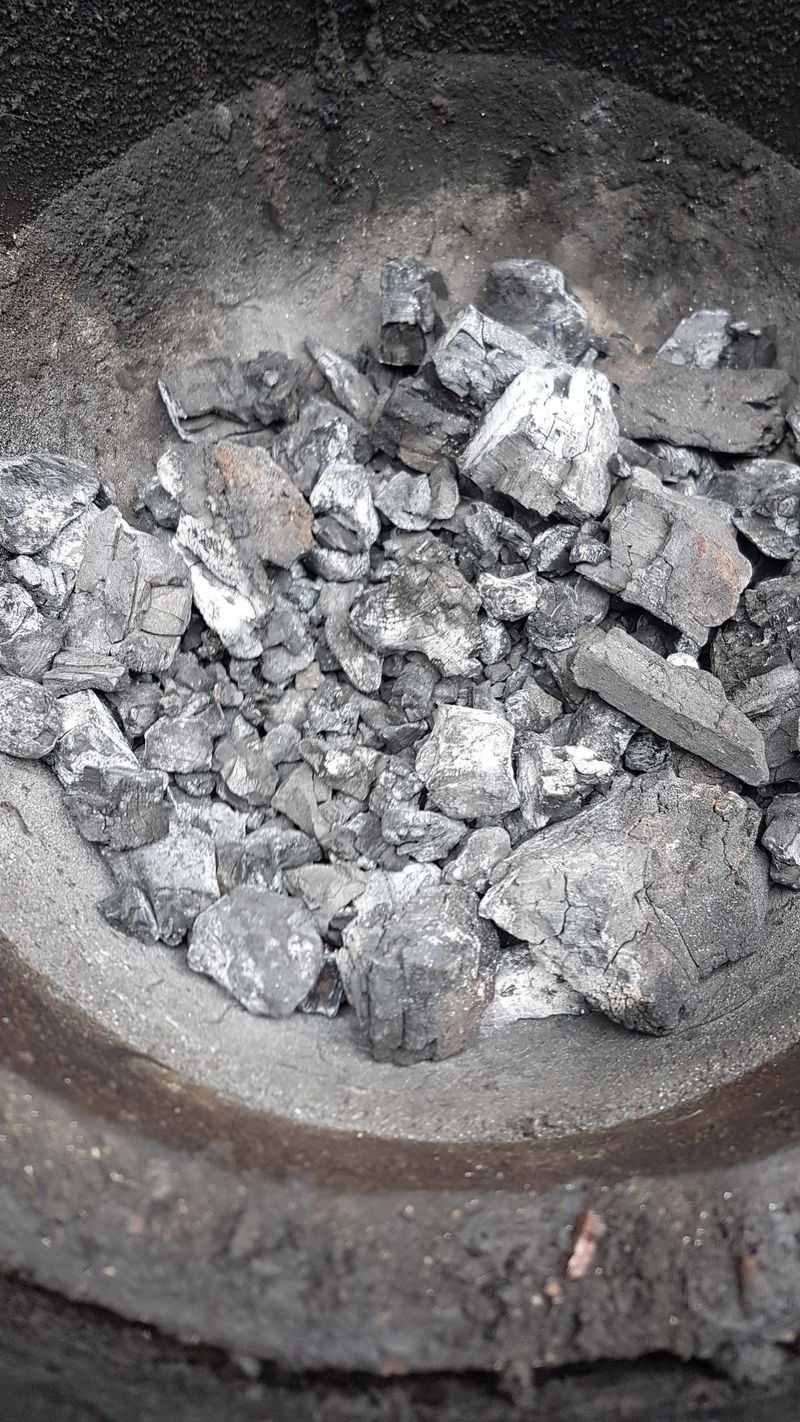
Cool September nights mean the first fires in the grill, fire pit, or old stove. Once the flames fade, you are left with a pile of gray ash and a question.
Wood ash from clean, untreated logs can help a heap in small, careful doses. Coal ash and charcoal briquette ash are a whole different story.
Coal ash often contains heavy metals like arsenic, lead, and mercury. Those metals do not break down, so they end up in your soil and possibly your vegetables.
Many briquettes include binders, lighter fluid, and other additives that plants do not need. Quick-light charcoal is especially loaded with fuel chemicals that linger.
Even good wood ash is strongly alkaline and can push soil pH too high. A light dusting between layers is plenty, especially if blueberries or potatoes grow nearby.
Here is a handy rule to remember around the fire pit. Logs usually get a pass, but anything from a briquette bag or coal bin gets the boot.
Let all ash cool for several days in a metal can before handling it. Hidden embers can stay hot surprisingly long and spark a nasty fire in a dry pile.
10. Skip Glossy Coated Paper
Fall catalogs start piling up in September, stuffed with shiny photos of cozy sweaters and holiday decor. It seems smart to shred them for the heap, but glossy paper is a sneaky exception.
That shine comes from a coating of clay, plastic polymers, or other finishes. Microbes struggle to chew through it, so the pages sit there looking brand new for months.
Some coatings can shed tiny plastic bits as they slowly wear down. Nobody wants microplastics mixing into the soil where carrots and potatoes grow.
Colorful inks on older glossy prints sometimes contained metals, too. Most modern inks are safer, but coated paper still brings little benefit to your pile.
Wondering if a sheet is safe? Try the tear test: plain paper rips with fuzzy edges, while coated paper tears clean and feels slick.
Plain newspaper, brown paper bags, cardboard, and paper towels make excellent brown materials. They balance out green kitchen scraps and help soak up extra moisture during rainy fall weeks.
Send the glossy stuff to the recycling bin instead, where it can become new paper. Remove any plastic windows or tape from cardboard before adding it to the heap.
11. Leave Treated Wood Out
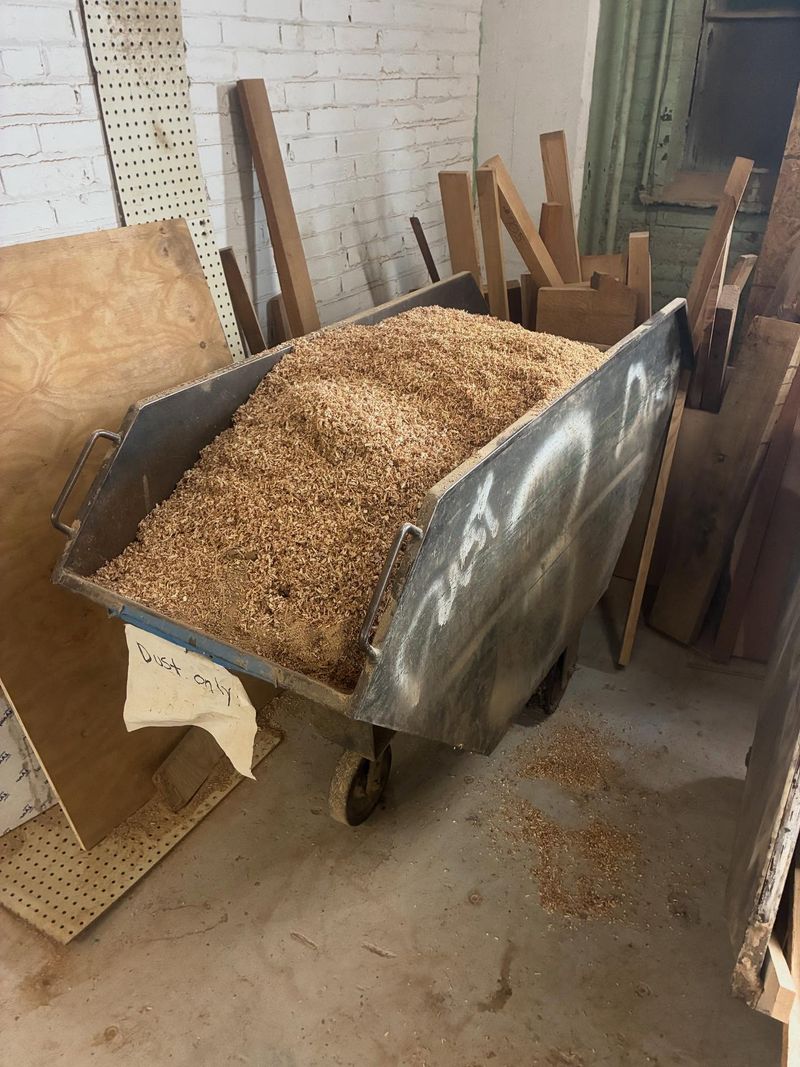
September weekends are perfect for backyard projects, like tearing out an old deck or rebuilding a raised bed. All that leftover sawdust and scrap wood looks like perfect brown material.
Pause before you sweep it into the bin. Pressure-treated lumber is soaked in chemicals designed to stop rot and insects for decades.
Wood treated before 2004 often contains CCA, which includes arsenic and chromium. Newer lumber uses copper-based treatments, and too much copper can harm soil life and plants.
Painted and stained wood brings its own baggage, especially old paint that may contain lead. Plywood, particleboard, and MDF also hold glues that you do not want near food crops.
Spotting treated lumber is easier than you might think. Look for a greenish tint, small slit marks along the surface, or a stamped tag on the end.
Clean sawdust and wood chips from untreated pine, oak, or maple are welcome guests. They add carbon, improve airflow, and break down slowly into rich, earthy humus.
Take treated scraps to your local landfill or a hazardous waste drop-off, following town rules. Burning them is a bad idea too, since the smoke and ash carry the same chemicals.
12. Pull Produce Stickers First
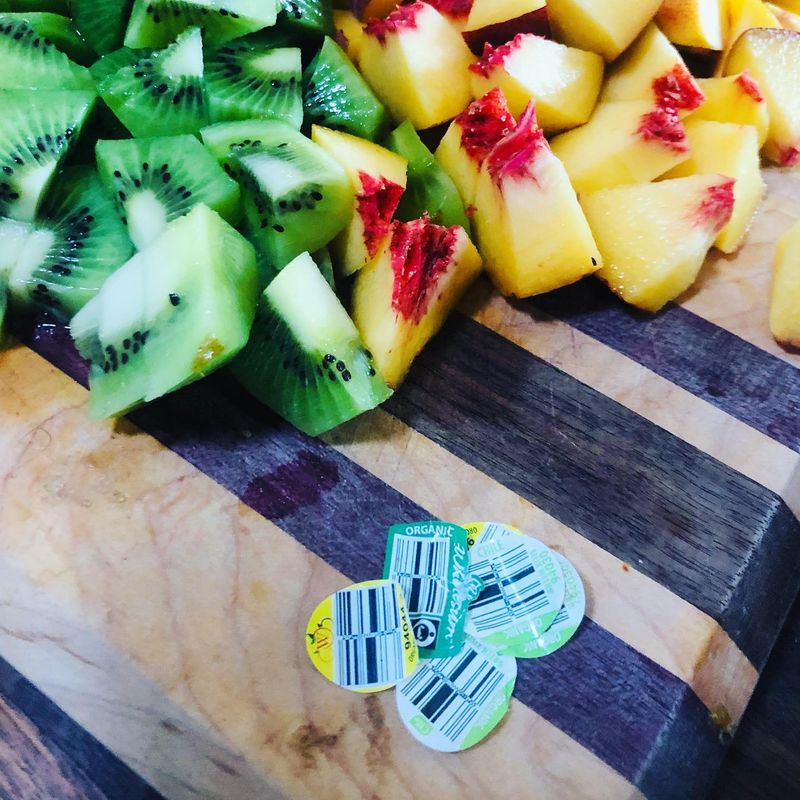
Spread your finished soil in spring, and you might spot something odd: tiny, perfect banana stickers. Gardeners find them all the time, still bright and readable after a year in the pile.
Those little labels are made of plastic or vinyl, not paper. They do not break down, so they just float around your garden like confetti from a party nobody remembers.
Fall is peak season for apples, pears, squash, and avocados, nearly all wearing a sticker. Toss the peels and cores without checking, and plastic bits add up fast.
Many cities with food scrap programs list stickers as a top contaminant. Big facilities spend real money screening them out of finished soil.
Those numbers printed on each sticker are PLU codes, which help cashiers ring up your produce. A five-digit code starting with 9 usually means the fruit was grown organically.
The fix is simple and takes about two seconds. Peel them off when groceries come home, and park them on the trash can lid.
Kids love this job, so hand it over and make it a game. Watch for rubber bands, twist ties, and plastic mesh bags too, since those sneak in just as easily.