The Muscadine Grapes Putting On Their Best Show In Virginia Right Now
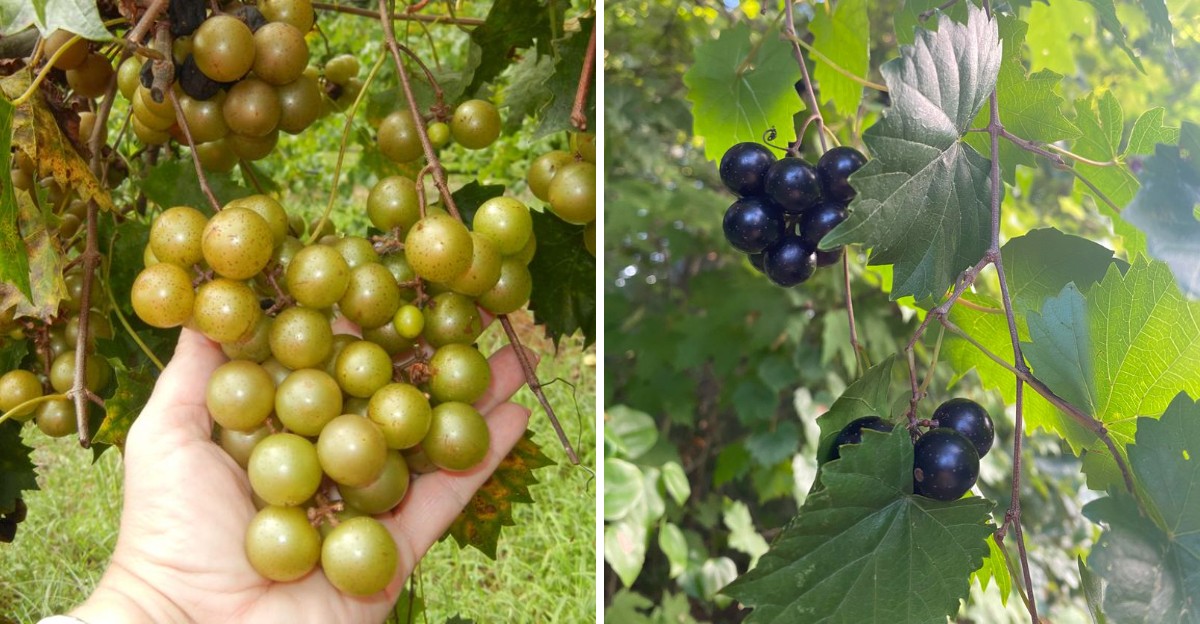
A warm September afternoon smells different when muscadines ripen, sweet and musky across the whole yard. One sniff, and you know the vines are ready.
These native Southern grapes shrug off heat, humidity, and the Pierce’s disease that plagues bunch grapes. Their thick skins pop between your teeth and release juice like summer candy.
Some varieties glow golden bronze, while others ripen to a deep, inky purple. Harvest runs from late summer into fall, perfect for snacking, jelly, juice, and homemade wine.
Muscadines thrive in the warmer parts of Virginia, especially the Coastal Plain east of Richmond. The right vine can keep your basket full for weeks.
Some varieties need a partner nearby to set fruit, while others happily go solo. The vines below are stealing the spotlight this season, and each one brings something special.
1. Carlos Brings Bronze Fruit And A Midseason Harvest To Backyards
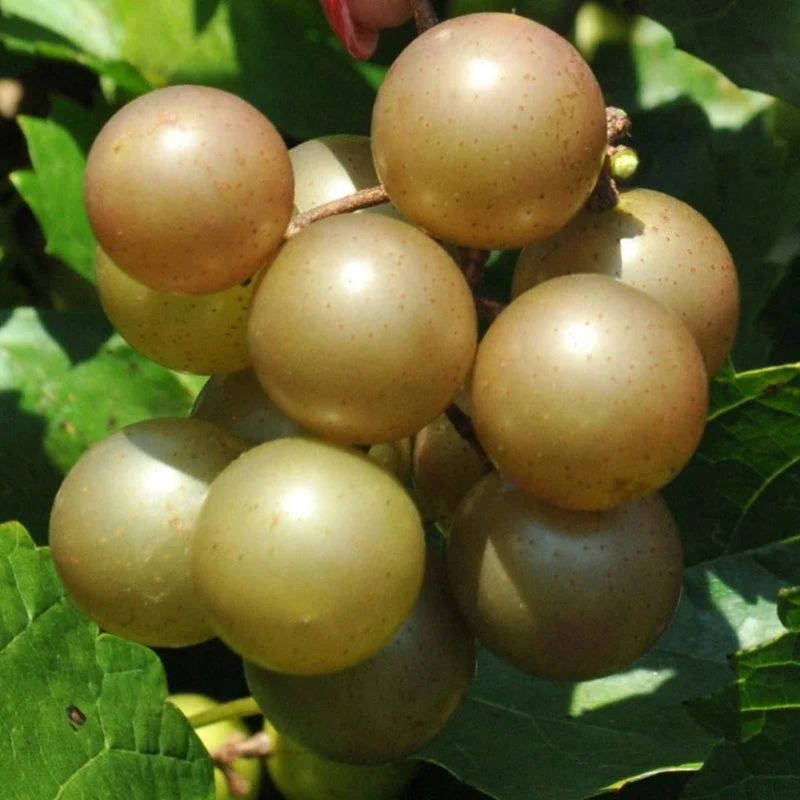
Ask ten Southern grape growers to name a dependable bronze muscadine, and most will say Carlos. Growers have leaned on it for decades because it simply keeps producing.
Carlos is self-fertile, so one vine can bear fruit without a partner nearby. It also works as a pollinizer for female varieties, which makes it a smart first pick.
Harvest usually arrives in late August and runs into September across much of Virginia. The berries are small to medium, averaging about five grams each, with golden bronze skins.
Here is a handy perk you might not expect. Carlos has a dry stem scar, meaning berries tear away cleanly and stay fresh longer after picking.
Home cooks love it for jelly, juice, and preserves, and wineries value its steady quality. Its flavor is sweet with that classic musky tang muscadine fans crave.
The vines grow vigorously and show good disease resistance in humid summers. Still, give them full sun and space for air to move between leaves.
For best results, train Carlos along a single sturdy wire about five feet high. Prune back last year’s growth to short spurs of two or three buds each winter.
Try picking in the cool morning hours, when berries are firm and full of flavor. Gently shake the vine over a tarp, and ripe fruit will drop right into your hands.
Pop a few straight from the vine, too. Nothing beats a sun-warmed Carlos berry on a lazy late-summer afternoon.
2. Noble Delivers Dark Muscadines With A Midseason Ripening Window
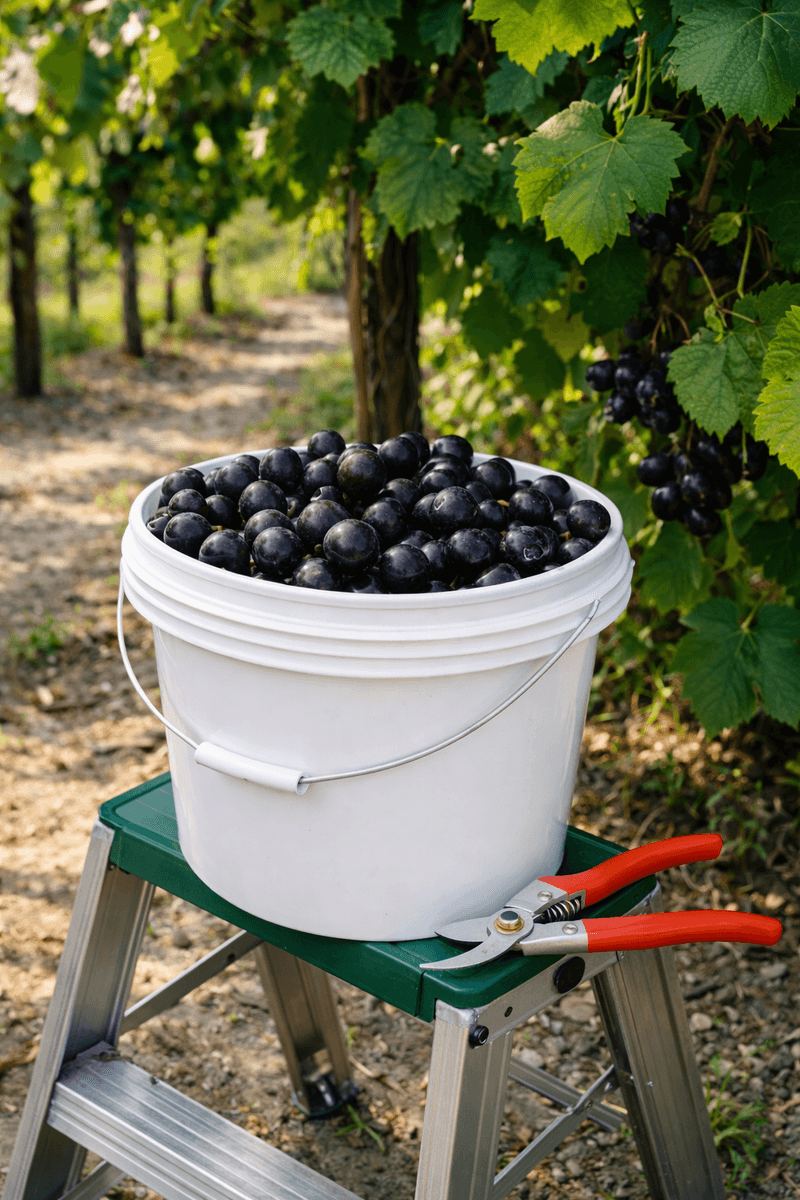
If you have ever sipped a glass of red muscadine wine, there is a good chance Noble was involved. Wineries across the South treat it as the standard for red muscadine wine.
The berries are small to medium and ripen to a deep purple-black. Their dark skins give juice and wine a rich, jewel-toned color that is hard to beat.
Noble ripens midseason, often from late August through September. Its timing fits neatly into a Virginia late-summer schedule, right before school gets busy.
Productivity is where Noble truly shines. Mature vines can bear heavy crops year after year with fairly simple care.
Your Virginia Garden Changes Every Week. Your Plan Should Too.
Gardening in Virginia changes quickly throughout the season. Every Friday you’ll receive a simple weekly plan showing exactly what to plant, prune, fertilize, harvest, and protect so you never miss the right timing.
Being self-fertile, it needs no partner to set fruit. Many growers plant it as a pollinizer for female varieties because it blooms so reliably.
The fruit also resists shattering, meaning berries cling to the vine instead of dropping early. Fewer grapes end up on the ground, where birds, wasps, and raccoons would grab them.
Winter hardiness adds another layer of confidence. Noble tolerates chilly snaps better than many muscadines, which helps in cooler parts of the state.
Want to make juice at home? Simmer crushed berries gently, strain through cheesecloth, and chill for a bold, tart-sweet drink.
Protect ripening clusters with bird netting if feathered visitors show up. Draping netting over the trellis a few weeks before harvest works nicely.
Noble’s color can stain fingers and clothes, so wear old gear while picking. Consider it a badge of honor from a successful harvest.
3. Doreen Extends The Bronze Muscadine Season Into Late Summer
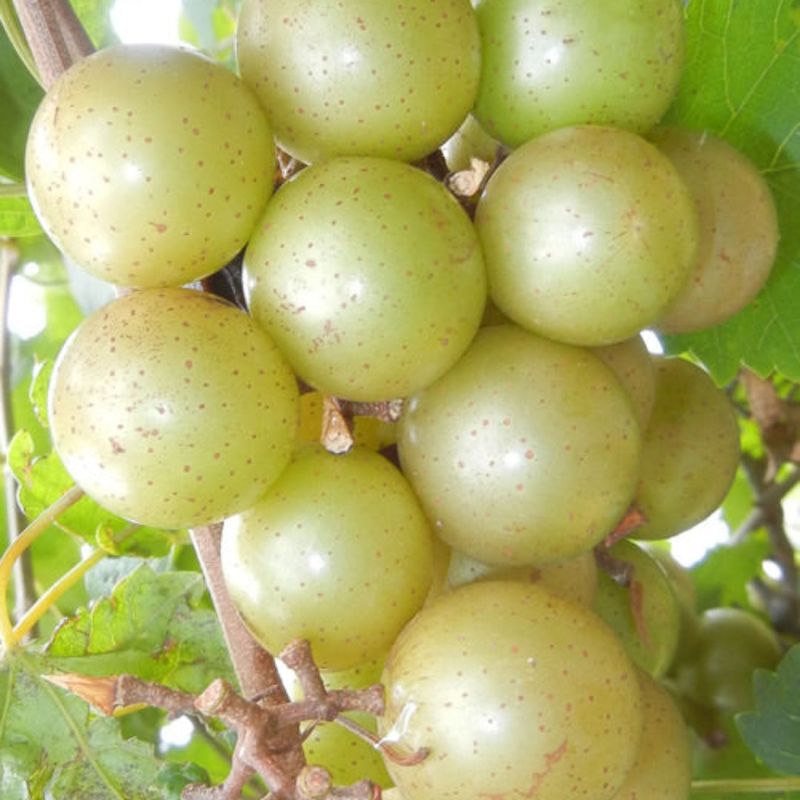
Just when most vines are winding down, Doreen is only getting warmed up. Think of it as the encore performer of the bronze muscadine world.
Ripening usually starts in mid-September and stretches into early October. Planting Doreen alongside earlier varieties gives you fresh grapes for many more weeks.
Its medium-sized berries have a slightly oval, football-like shape that sets them apart. The flavor leans sweet and rich, with a pleasant hint of classic muscadine musk.
Doreen is self-fertile, so it bears well on its own. It can even help pollinate a female vine growing somewhere nearby in your yard.
Juice lovers, take note of one standout trait. Doreen is known for excellent juice yields, making it a favorite for jelly makers and home winemakers.
Tough vines are another bonus. Doreen holds up well against common fungal problems and handles hot, sticky summers with ease.
Gardeners in central and southern Virginia often have the best luck with late-season types. Warmer falls give the berries enough time to sweeten before cool weather arrives.
Watch your local frost dates closely if you live in the mountains. An early cold snap can catch late clusters before they finish ripening.
Taste a berry or two before harvesting the whole vine. Ripe Doreen fruit turns a warm golden bronze and slips off the stem easily.
Pack extras in shallow containers and chill them right away. Stored properly, they can stay fresh in the fridge for about a week.
4. Magnolia Produces Large, High-Quality Bronze Fruit In Midseason
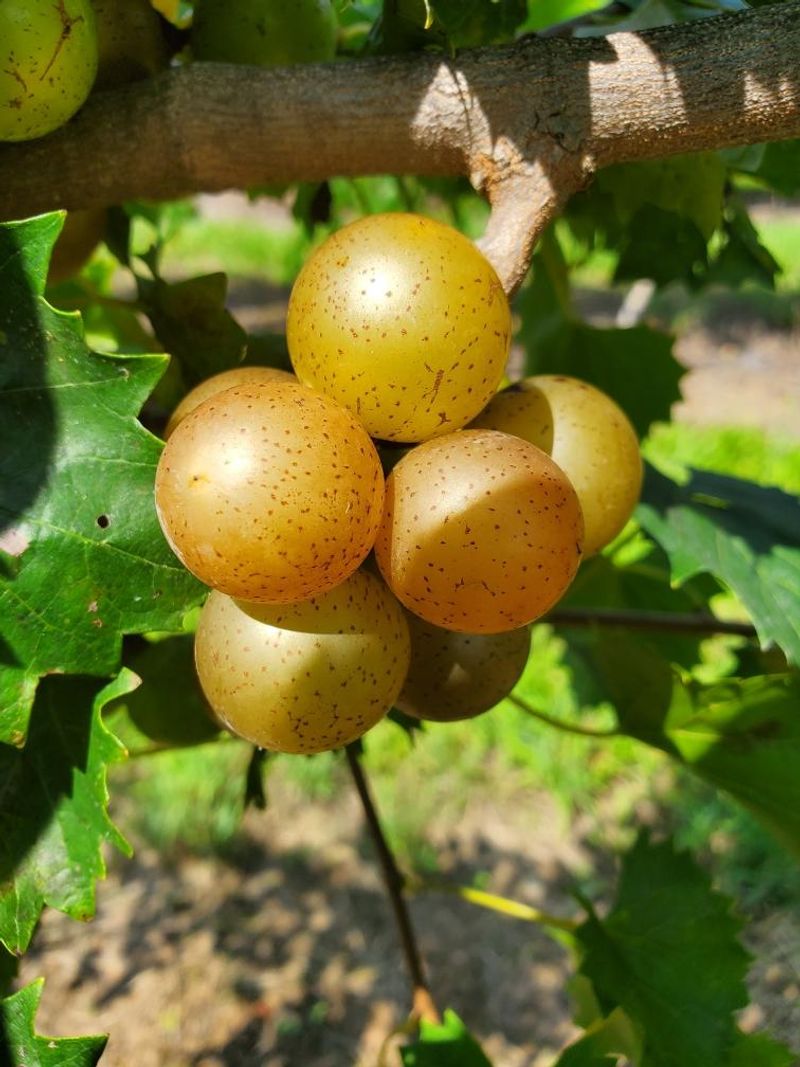
Named after the South’s most famous flowering tree, Magnolia has a gracious reputation to match. Its fruit is clean, sweet, and lovely enough to star at any summer picnic.
The bronze berries range from medium to large, with smooth skins and juicy pulp. Sugar content sits around 15 percent, giving a mellow sweetness rather than a sugary punch.
Magnolia ripens midseason, typically lining up with the busiest stretch of grape harvest. Expect picking to begin in late August or early September in most areas.
Self-fertile vines like this one make life easy for beginners. You can plant a single Magnolia and still enjoy a heavy crop.
Winemakers especially appreciate Magnolia for light, crisp white wines. Home cooks also turn it into pale golden jelly that looks beautiful in glass jars.
Cold hardiness is one of its quiet strengths. Magnolia handles chilly snaps better than tender types, though northern Virginia winters remain risky for any muscadine.
Disease resistance is solid as well, which means less time worrying and more time snacking. Keep the area under the vine weeded to reduce moisture and pests.
A quick tip on feeding helps, too. Spread a small amount of balanced fertilizer in early spring, then again lightly in early summer.
Avoid heavy feeding late in the season. Too much nitrogen pushes leafy growth instead of sweet, well-colored fruit.
Harvest when berries feel slightly soft and smell fragrant. One gentle tug should free them, leaving the stem behind on the vine.
5. Southern Home Combines Dark Fruit With Distinctive Lobed Foliage
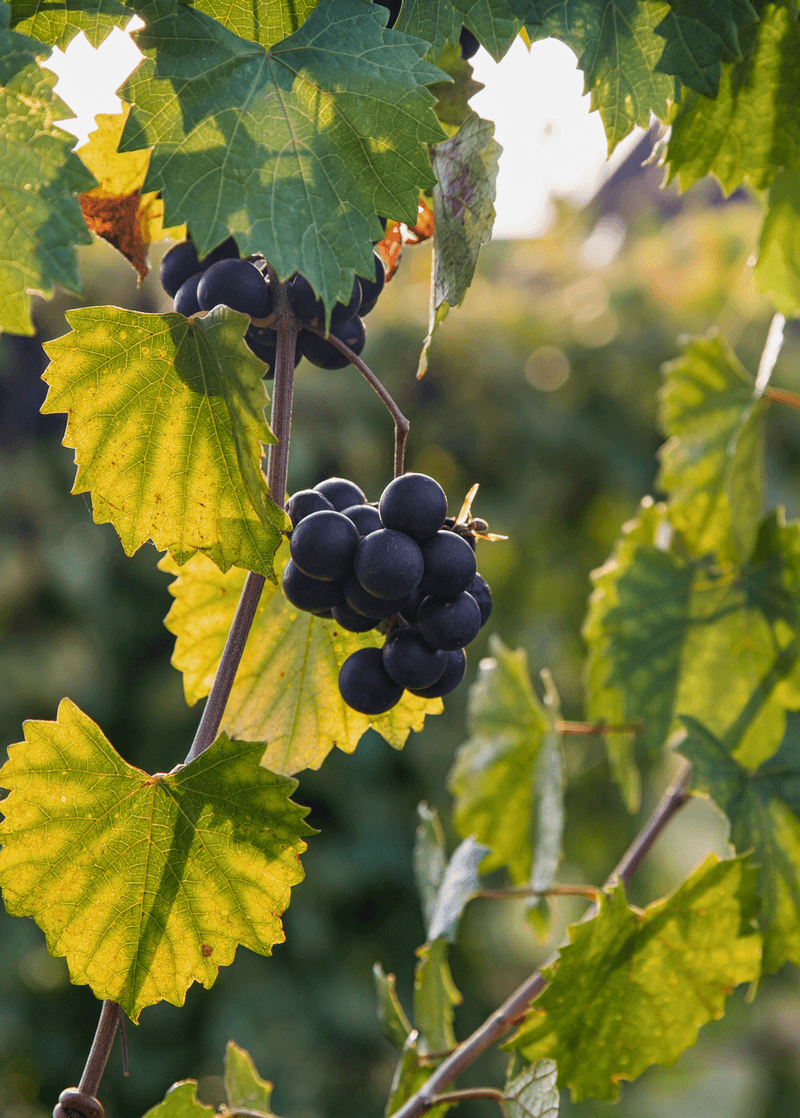
Most grapevines look like, well, ordinary grapevines. Southern Home breaks the mold with deeply lobed leaves that resemble fig or oak foliage.
Breeders created it as a hybrid, and the unusual leaves make it a real conversation starter. Many gardeners grow it on arbors and fences purely for its good looks.
The fruit deserves just as much attention. Medium-sized berries ripen dark purple to nearly black, with musky sweetness and a slight tangy finish.
Harvest typically runs from August into September. In warm years, some clusters keep ripening unevenly, stretching the picking season well beyond a single weekend.
Uneven ripening is actually a bonus for home gardeners. You can pick a small bowl every few days instead of facing one overwhelming harvest.
Southern Home is self-fertile and tough. It tolerates heat, drought, and mildew better than many vines, which suits busy or forgetful gardeners.
Here in Virginia, it makes an eye-catching choice for patios and front yards. Train it over a pergola, and you get shade, beauty, and snacks in one spot.
It even does well in large containers. Choose a pot at least 20 gallons in size, with plenty of drainage holes.
Water container vines deeply whenever the top two inches of soil feel dry. Potted plants dry out faster than those in the ground, especially in July.
Snip a few leaves for flower arrangements, too. Their bold shape adds a surprising touch of greenery to a late-summer bouquet.
6. Delicious Offers Dark, Medium-Sized Fruit For Early-Season Picking
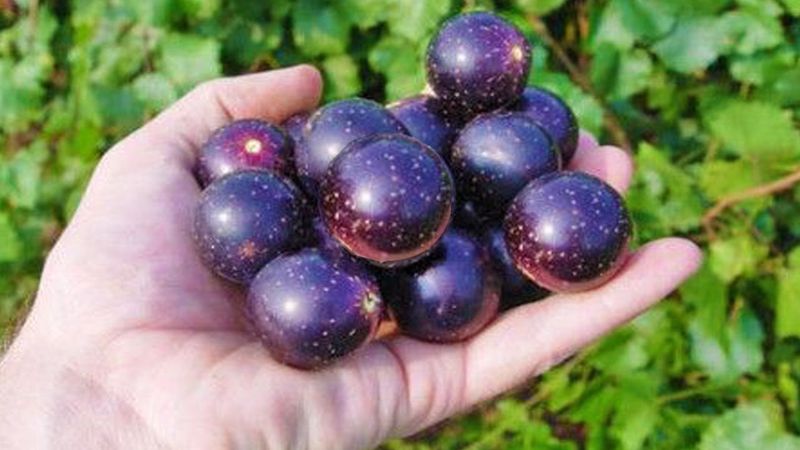
Impatient snackers, meet your new best friend. Delicious ripens two to three weeks ahead of many muscadines, often in late July or early August.
Its name is not an exaggeration. Growers praise its excellent taste and tender texture, and the dark skin is pleasant enough to eat.
Medium-sized black berries hang in loose clusters rather than tight bunches. Like other muscadines, you usually pick them one at a time as they ripen.
Delicious is self-fertile, so a single vine can reward you with a generous crop. High yields mean plenty for snacking, with leftovers for jam or juice.
Its dry stem scar is a practical feature worth knowing about. Berries separate cleanly, which helps them stay fresh longer in your refrigerator.
Early ripening also helps growers in cooler, higher areas. Fruit finishes well before autumn chills, lowering the risk of losing a crop to frost.
Planting tips are simple but important. Pick a sunny site with well-drained soil, and space vines about 15 to 20 feet apart.
Muscadines prefer slightly acidic soil, ideally between 6.0 and 6.5 pH. A quick soil test from your local extension office takes the guesswork out.
Once vines settle in, disease resistance keeps maintenance fairly light. Water young plants weekly during dry spells for their first two summers.
Kids especially love early varieties like this one. Picking warm, sweet berries in August can turn a reluctant helper into an eager gardener.
Keep a bowl by the back door during harvest week. It will empty faster than you think!
7. Ison’s Muscadine Stands Out With Large Dark Berries In Early To Midseason
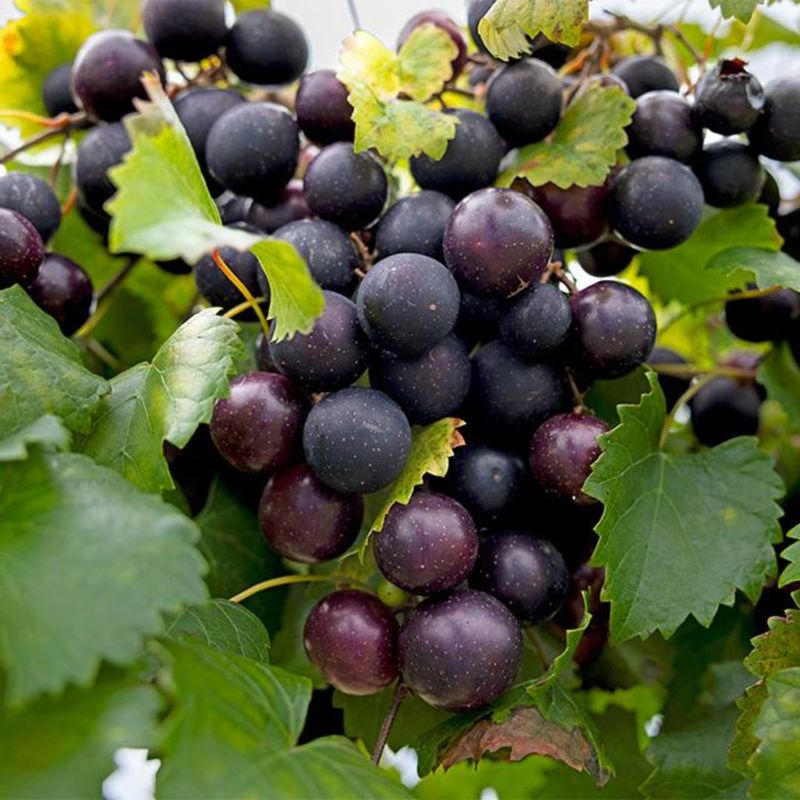
Picture an old family farmstand with baskets of glossy black grapes, each one big as a marble. Ison’s berries often look exactly like that, fat and shiny and impossible to resist.
The variety carries the name of Ison’s Nursery in Georgia, a longtime muscadine source. Its popularity has spread well beyond the Deep South.
Large dark berries ripen early to midseason, usually starting in late August. Uniform ripening means clusters mature together, so you can harvest efficiently.
Flavor is where Ison’s gets personal. The pulp is sweet, while the skin carries a pleasant tartness and a strong, old-fashioned muscadine flavor.
Some folks eat the pulp and spit out the skin, which is a Southern tradition. Others chew the whole berry for that sweet-tart contrast.
Being self-fertile, Ison’s is a popular pollinizer for female vines. Plant one near a variety like Sugargate, and both can benefit.
Disease resistance is another reason growers keep coming back. Many backyard growers report needing little or no spraying, a big win for low-effort gardens.
Vigor runs high, so plan your trellis before planting. A sturdy post-and-wire system in a sunny yard can support decades of growth.
Prune hard each winter to keep the vine tidy and productive. Remove most of last season’s shoots, leaving short spurs along the main arms.
Try Ison’s in homemade muscadine hull pie, an old Southern dessert. The thick skins cook down into a tangy, jammy filling that surprises first-time tasters.
8. Late Fry Delivers Large Bronze Berries Around Midseason
Here’s a riddle for grape lovers. When is a Late Fry not really so late?
Sources disagree on exact timing, which confuses plenty of shoppers. Some list it as midseason, while others report ripening from mid-September into October.
Where you live plays a big role. Warmer coastal spots may see earlier ripening than higher, cooler areas farther west.
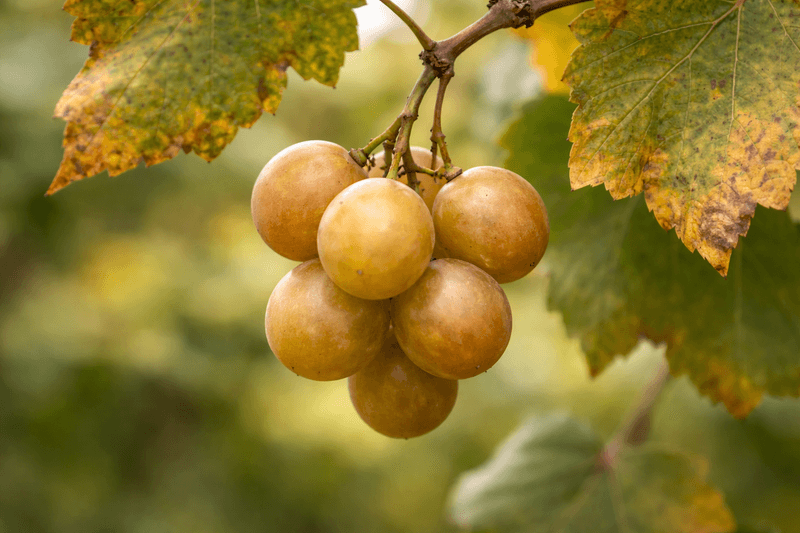
Whatever the calendar says, the berries are worth the wait. They are large, bronze, and sweet, with sugar levels reaching around 20 percent.
Eating quality ranks among the best of any bronze muscadine. The skin is tender enough to eat, so fresh snacking feels easy.
Late Fry is self-fertile and produces high yields on vigorous vines. It is also fairly cold hardy, a plus when winter temperatures dip.
Frost timing is the main concern. In areas with early autumn freezes, late clusters might not finish ripening before cold weather hits.
Choose the warmest planting spot you have. A south-facing slope or a spot near a warm brick wall can soak up extra heat.
Keep an eye on the fruit as fall approaches. Ripe berries turn a deeper bronze, feel slightly soft, and come off with a gentle pull.
Large, sugary grapes tend to attract wasps and yellowjackets. Harvest promptly, and wear gloves when reaching into busy, buzzing clusters.
Enjoy the extra-sweet berries fresh, or freeze them on a tray for later. Frozen muscadines make fun, icy snacks on a warm September day.
9. Sugargate Produces Large Dark Fruit Early And Needs A Pollinizer
Twenty-three percent sugar. Sugar levels like that place Sugargate among the sweetest muscadines you can grow at home.
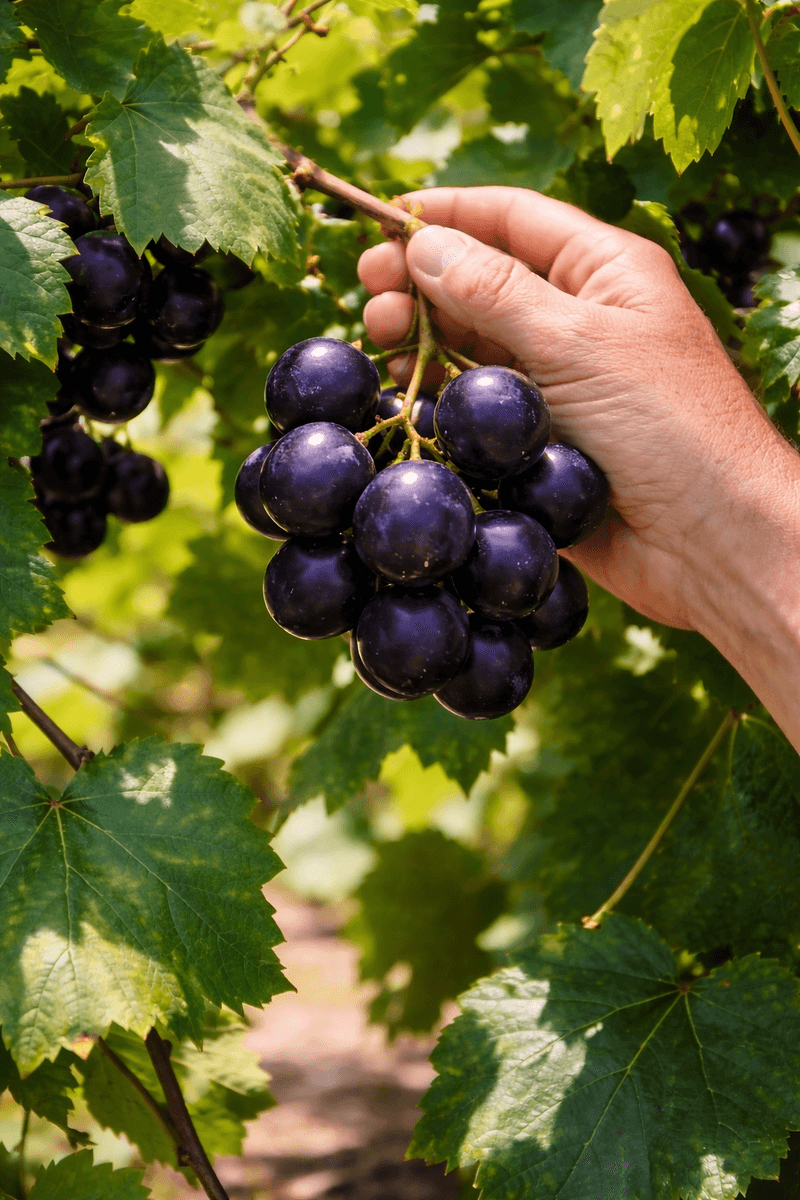
The berries are large and dark, often black or deep reddish purple. They ripen early in the season, giving you a sugary treat before many vines are ready.
Here comes the catch. Sugargate is a female variety, so it cannot pollinate itself and needs a partner nearby.
Plant at least one self-fertile vine, such as Noble, Carlos, or Triumph, within about 50 feet. Bees handle the rest, carrying pollen between flowers during late spring bloom.
Without a pollinizer, flowers may appear but fruit set will be poor. Many gardeners learn this lesson the hard way after years of empty vines.
Flavor makes the extra planning worthwhile. The skin is edible, and the juicy pulp tastes almost like grape candy.
Vines grow very vigorously and resist common diseases well. Give them strong support, since heavy growth can pull down a flimsy trellis.
Commercial growers find its yields a bit inconsistent from year to year. Backyard growers, however, usually care more about size and sweetness than maximum tonnage.
A good planting layout helps. Many growers alternate one self-fertile vine for every two or three female vines in a row.
Pick Sugargate as soon as berries darken fully and soften slightly. Very ripe fruit can split after heavy rain, so check vines often during wet weeks.
Share a handful with friends who think grapes are just grapes. Their surprised faces tell you everything.