Things You Should Never Do To Dormant Bermuda Grass In Georgia
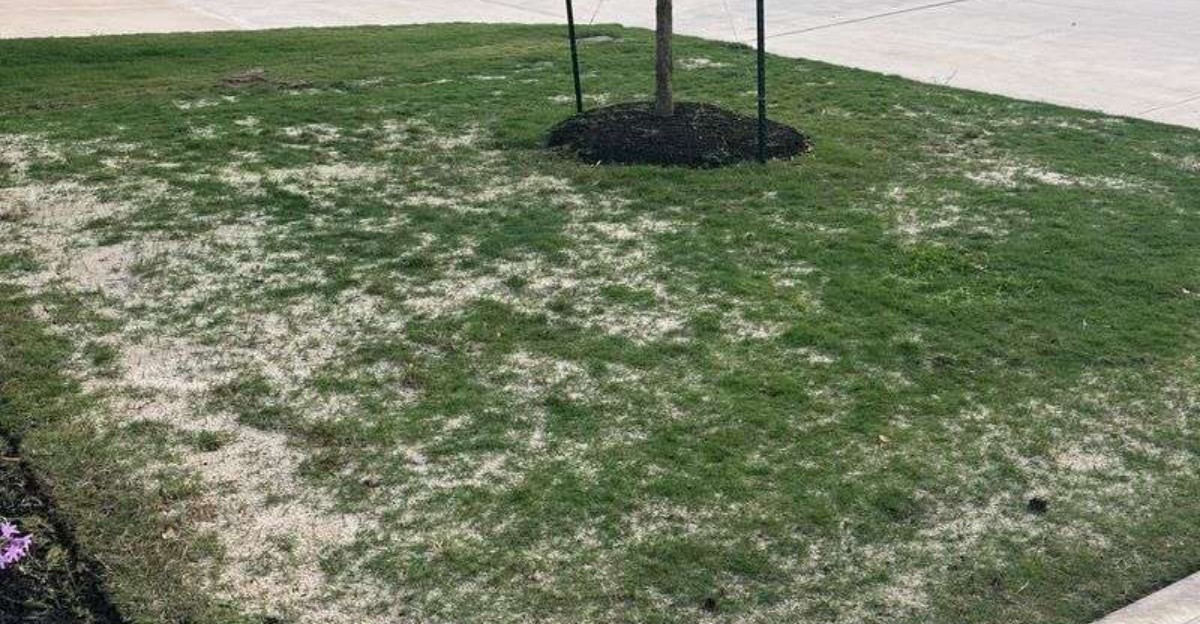
Underground stems called rhizomes can stay alive for months while the blades above them turn crispy and tan. That hidden survival kit is why some lawns bounce back each spring while others limp along until June.
In Georgia, warm-season turf usually goes brown after the first hard frosts of late fall arrive.
The grass is resting, storing sugars in its roots and runners until warm soil wakes it up again.
I have to admit that a straw-colored yard used to make me reach for every product in the garage. You might notice that the busiest lawn owners on your street often get the patchiest spring results.
Winter mistakes stay quiet for weeks, then show up as thin spots and weeds once the weather warms.
Which common lawn care habits are quietly sabotaging that sleeping lawn right under your feet?
1. Skip The Nitrogen Fertilizer On Brown Bermuda Grass
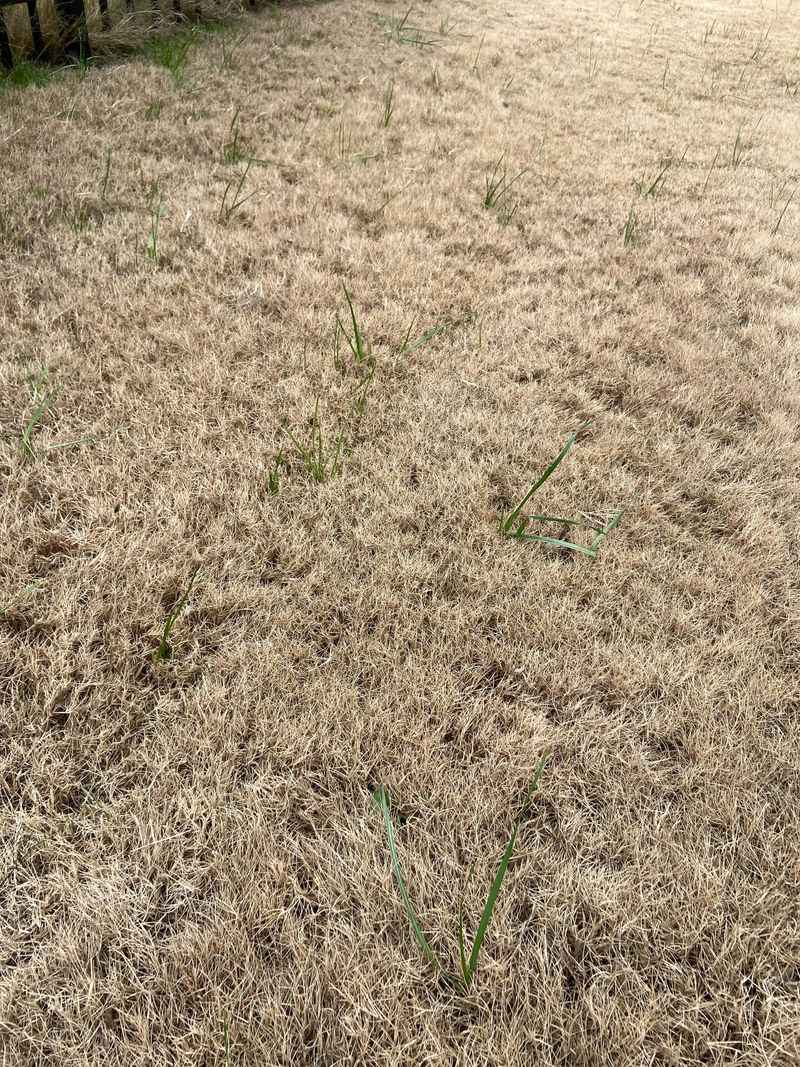
Feeding a brown lawn in January feels generous, yet the grass has almost no way to use that meal right now. Dormant Bermuda roots barely absorb nitrogen, so most of the fertilizer sits in the soil waiting for something else.
That something else is usually a crop of winter weeds like henbit and annual bluegrass, which love cool weather.
Personally, I hate the idea of buying a fancy bag just to feed the very plants I want gone.
Unused nitrogen can also wash through the soil after heavy winter rains and reach nearby streams and ponds. University turf experts recommend waiting until the lawn is mostly green before giving it any nitrogen at all.
Most Bermuda lawns across the state green up from mid-April into May, depending on how far north you live. A good rule is to fertilize once the turf is actively growing and soil temperatures stay near 65 degrees.
In Georgia, late summer or early fall is when many gardeners add potassium, which may help roots handle the coming cold.
Soil testing first tells you whether your lawn actually needs potassium, so you avoid guessing and wasting money.
Your local Cooperative Extension office can run that soil test for a small fee and explain the results clearly. I like how those reports turn lawn care from guesswork into a simple plan you can follow each year.
2. Keep The Sprinkler Off Your Sleeping Lawn
A tan lawn looks thirsty, but those crunchy blades are resting rather than begging for a drink. Winter rain in most of the Southeast usually supplies enough moisture for dormant turf to stay healthy underground.
Extra water during cool weeks keeps the soil soggy, which invites root problems and fungal trouble later on.
Heavy clay soil, common across much of the Piedmont, holds moisture longer than many homeowners expect.
I believe the smartest winter irrigation plan is turning off the automatic timer once the lawn goes brown. You can still check the soil by hand with a screwdriver to see how damp it feels below the surface.
Long dry spells do happen, especially when windy weather pulls moisture from exposed soil for several weeks. In those rare stretches, one light watering on a mild day can help keep the roots and runners from drying.
Water early on a sunny day so the surface dries before evening temperatures drop again. Wet grass that freezes overnight can suffer more injury than turf that stays dry when the cold arrives.
Skipping winter sprinkler runs also trims your water bill, which feels like a nice little bonus after the holidays. Many cities also encourage outdoor water conservation, so a quiet sprinkler is a neighborly choice.
In Georgia, save regular watering for late spring, when Bermuda is green and growing quickly again. That is when deep, less frequent soakings really help it build roots for the summer heat ahead.
3. Park The Lawn Mower Until Spring Green-Up
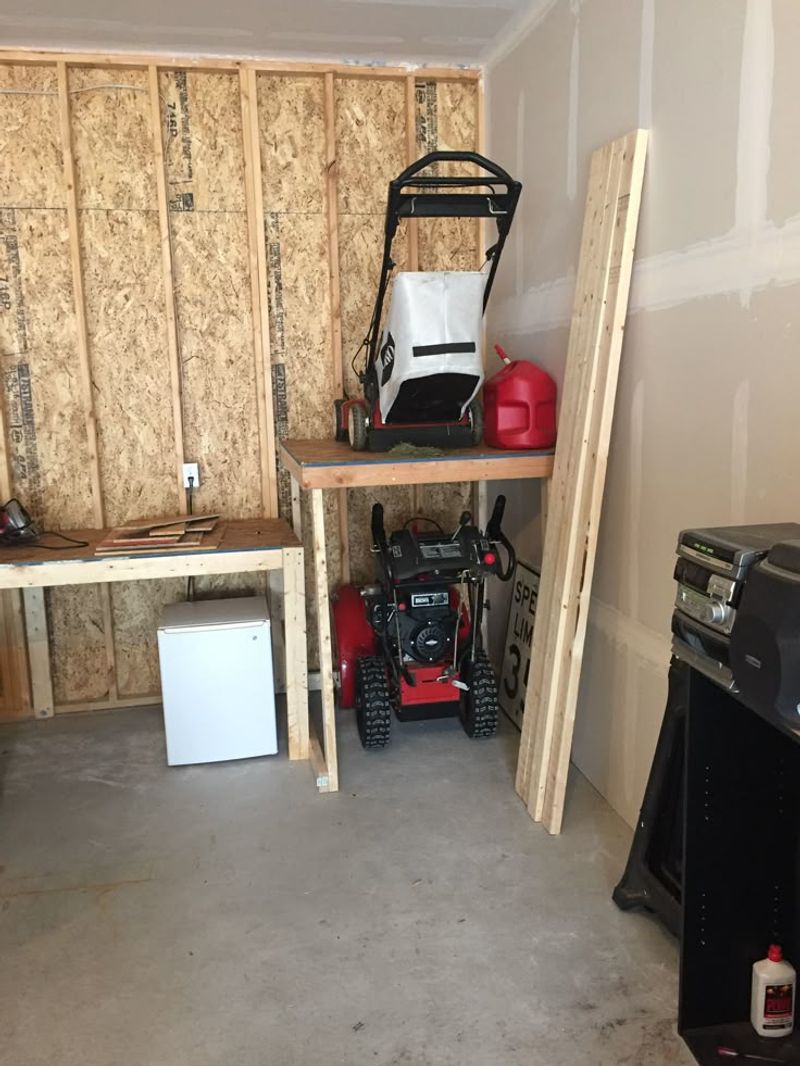
My mower gets a long vacation every winter, and I honestly think the lawn appreciates the break. Dormant Bermuda grass is not growing, so there is nothing useful for those spinning blades to trim.
Running a mower over brown turf mostly tears up brittle leaves and stirs dust into the air.
Repeated passes can also wear the surface thin, exposing runners that would rather stay tucked under their tan covering.
Fallen leaves are the main exception, because a thick layer can block light and hold damp air. A quick pass with the mower set high can shred leaves into small pieces that settle into the turf.
Many gardeners prefer a leaf blower or rake for this job, which disturbs the grass even less. Either way, aim for light cleanup rather than a regular mowing schedule during the coldest months.
Spring brings a different story, since many experts suggest a low cut once the grass starts turning green. That early trim removes old brown material and lets sunlight warm the soil a bit faster.
Timing matters, so wait until the risk of hard frost has mostly passed in your area of Georgia. Cutting too early can leave tender new shoots exposed if a surprise cold night drops in.
Use these quiet weeks to sharpen the blade, change the oil, and check the tires on your mower. Then you will be ready when the yard wakes up and starts growing again.
4. Hold Off On Weed Spray Over Partly Green Bermuda
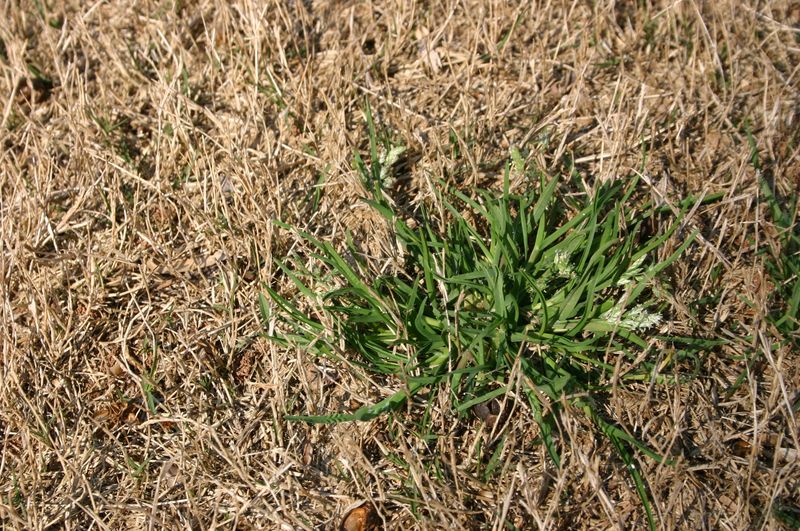
Winter weeds look extra bright against a tan lawn, almost like they are showing off on purpose. That contrast tempts many of us to grab a sprayer, but timing makes all the difference here.
Some herbicides can injure Bermuda if any green tissue remains in the leaves, stems, or runners.
Before spraying, part the brown blades and look closely near the soil for hidden green shoots.
Fully dormant Bermuda tolerates certain products that would injure it during active growth, according to university turf guides. Still, every label lists its own rules, so read the instructions carefully before mixing anything at all.
Mild days often work best for weed control because actively growing weeds absorb the product more readily. Spraying during a cold snap usually gives weaker results, leaving you with tougher weeds and wasted product.
Pre-emergent herbicides work differently by preventing susceptible weed seedlings from developing successfully after germination.
Late winter applications are commonly used to block summer weeds like crabgrass before they get started.
Hand pulling a few weeds on a pleasant afternoon is surprisingly satisfying, especially when the soil is soft. I like doing this with a cup of coffee nearby and the dog supervising from the porch.
Healthy, thick turf is still the strongest long-term defense against weeds in Georgia lawns. Spray carefully and sparingly, and let good spring growth crowd out most of those unwanted visitors later.
5. Walking On Frosty Bermuda Grass Leaves Footprint Scars
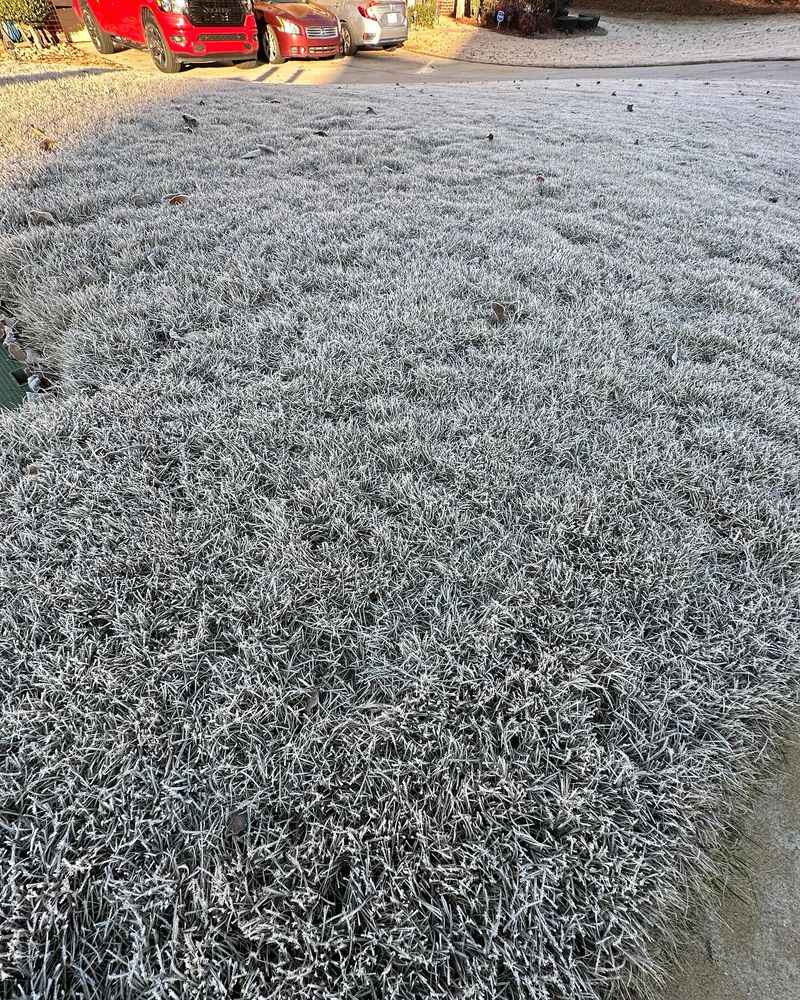
Footprints in frosty grass look charming at sunrise, yet they can leave marks that last well into spring.
Frozen blades turn brittle, and pressure from shoes can crush the plant cells inside them.
Dormant Bermuda cannot repair that damage quickly, because it is not producing new leaves during cold weather. Those crushed spots may show up as darker paths or thin patches once warm weather arrives.
I have to admit that I once wore a perfect trail from the back door to the bird feeder. The path stayed visible for weeks after the rest of the yard turned green again.
Heavy foot traffic also packs down clay soil, squeezing out air spaces that roots need for healthy growth.
Compacted soil drains slowly and warms more slowly, which can delay spring green-up in busy spots.
Stepping stones or a mulch path offer an easy fix for everyday routes across Georgia yards. Moving the trash cans or play equipment occasionally also spreads out the wear instead of concentrating it.
Waiting until frost melts before walking across the yard is a simple habit worth building. Most frosty mornings warm up by midday, giving the grass time to soften and become less fragile.
Vehicles cause even more harm, so try to avoid parking on the lawn during wet winter weather. Deep ruts in soft ground can take a long time to level out once spring growth begins.
6. Save The Core Aerator For Late Spring
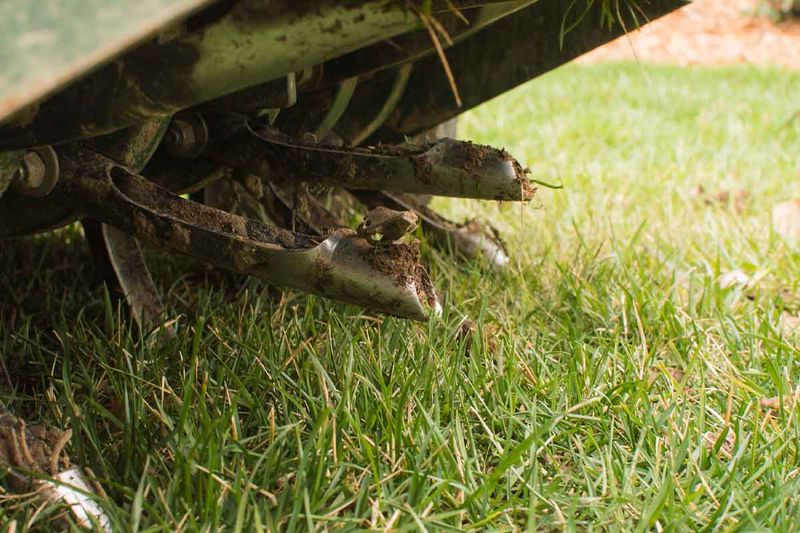
Soil plugs scattered across a lawn look a bit like goose droppings, which always makes me laugh a little. Those plugs are helpful, but only when the grass is awake enough to fill the holes.
Core aeration pulls out small cores of soil, letting air and water reach deeper into the root zone.
Actively growing Bermuda spreads quickly into those openings, closing them within a few weeks during warm weather.
Dormant Bermuda grass in Georgia cannot fill those gaps, so winter holes stay open and bare for months. Weed seeds can settle into them and sprout before the lawn has a chance to respond.
Turf specialists generally recommend aerating warm-season grasses from late spring into early summer for the best recovery. By then, Bermuda is growing strongly and can heal any stress from the machine fairly fast.
Slightly moist soil makes the job easier, since dry clay resists the tines and wet clay smears. Watering a day or two before aerating often helps the machine pull cleaner, deeper plugs.
Many homeowners rent an aerator with neighbors and split the cost, which turns chore day into a social event.
You can leave the plugs on the lawn, where they break down naturally after rain and mowing.
Winter is a great time to mark sprinkler heads and buried lines so they stay safe later. A few small flags now can prevent expensive repairs when aeration day finally comes around.
7. Think Twice Before Overseeding With Ryegrass
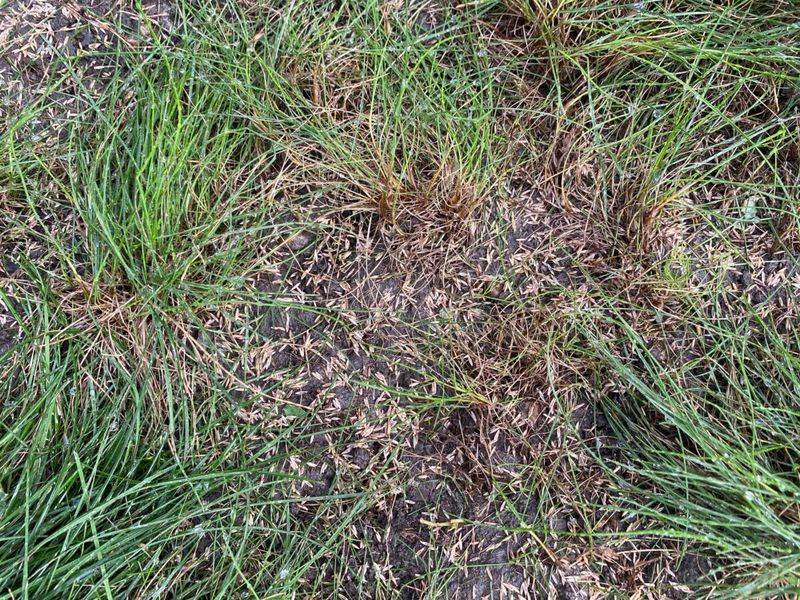
Golf courses across the South glow green all winter, and that look tempts plenty of home gardeners. Many of those courses use ryegrass overseeding along with careful management that most homeowners rarely match.
Ryegrass competes with Bermuda for water, light, and nutrients, especially when spring arrives and both grasses want space.
Research from southern universities shows overseeding can slow Bermuda green-up and thin the stand over time.
Perennial ryegrass can linger into late spring, shading the warming Bermuda underneath during an important growth period. Annual ryegrass usually fades sooner in the heat, though it still adds competition while it hangs on.
An overseeded lawn also needs winter mowing, watering, and feeding, so the work continues through cold months. Personally, I enjoy having a season off from lawn chores to focus on houseplants and garden planning.
A tan winter lawn has its own quiet charm in Georgia, especially with frost sparkling across it in the morning.
I love how the warm color pairs with evergreen shrubs and red holly berries in the landscape.
If you truly want green, consider overseeding only a small area near the front walk or patio. That compromise keeps most of your Bermuda resting without competition while still giving you a touch of color.
Talk with your local Extension agent before trying it, since timing and seed type matter quite a bit. Their guidance can help you weigh winter beauty against the health of your main lawn.
8. Wait To Spread Sand Or Topdressing Over Bermuda
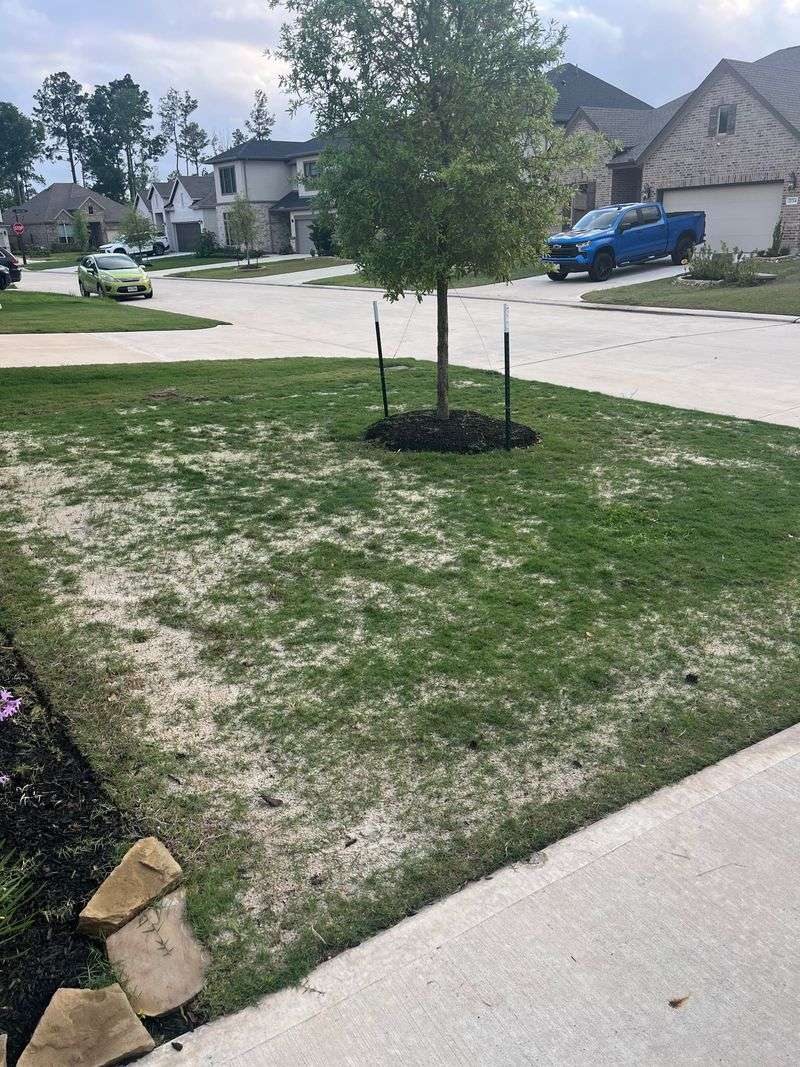
Lawn leveling videos make topdressing look wonderfully satisfying, with sand gliding smoothly into every low spot.
The trick is doing it when Bermuda can actually grow up through that fresh layer.
Dormant grass sits still under a blanket of sand or soil, unable to push new shoots through it. That covering can hold extra moisture around the crowns during cool, damp weather, which is rarely helpful.
Bermuda spreads by aboveground stolons and underground rhizomes, so it heals and levels nicely during summer growth.
Applying topdressing in late spring or early summer lets those runners stitch through the material quickly.
A thin layer usually works best, with most sources suggesting about a quarter inch at a time. You should still see grass blades poking through after spreading, rather than a solid layer of sand.
Pairing topdressing with core aeration lets some material settle into the holes and improve the soil structure. That combination can help level bumpy areas over several seasons without smothering the lawn.
Pick a clean, screened sand or a soil mix free of weed seeds for your project. Cheap fill dirt sometimes carries surprise weeds that you will spend all summer pulling out of the turf.
Winter is a fine time to walk the yard and note dips, puddles, and uneven patches. A simple sketch now gives you a clear plan when warm weather makes topdressing worthwhile again.