Things You Should Never Spray On Florida Plants No Matter What You Read Online
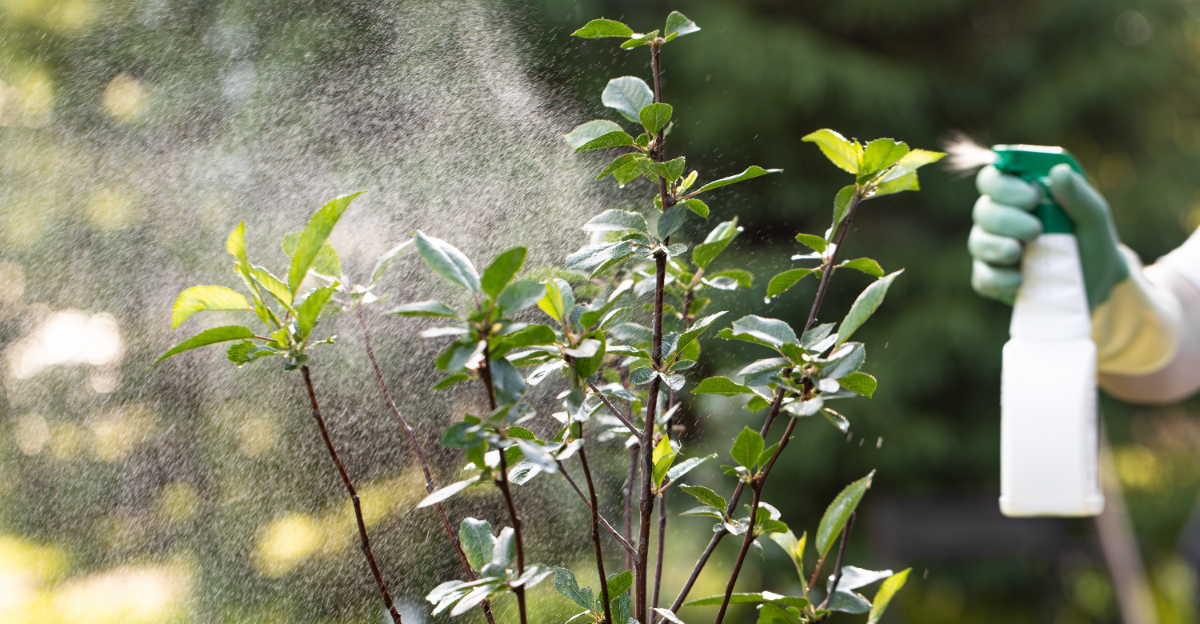
The internet will confidently walk you straight into ruining your garden.
Someone posts a “miracle spray” in a gardening forum, it gets shared hundreds of times, and suddenly everyone’s reaching for the same concoction that has no business going anywhere near Florida plants.
The problem? What works in cooler, drier climates can absolutely wreck a plant already pushing through heat, humidity, and unpredictable rain cycles.
Florida gardening plays by its own rules, and the sprays that seem harmless, or even helpful, on paper can scorch leaves, attract pests, disrupt soil biology, and set your garden back by weeks. We’ve seen it happen more times than we’d like to admit.
So before you grab that spray bottle and start treating every problem like a nail, pump the brakes. Some of these are sitting in your cabinet right now, marketed as safe, even natural.
Keep them far away from your Florida plants, no matter what you read online.
1. Skip Vinegar Sprays On Leaves
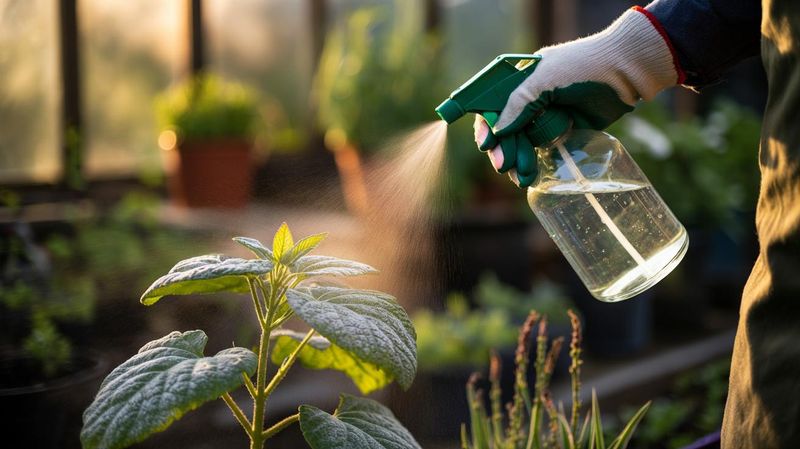
Vinegar has a reputation as a kitchen staple that can do just about anything, but spraying it on your plant leaves is one experiment you want to skip entirely.
The acetic acid in vinegar is strong enough to break down leaf tissue, and Florida’s intense afternoon sun can make that chemical stress show up quickly as leaf burn.
You might see brown edges, crispy tips, or wilted growth within hours of application.
UF/IFAS researchers and extension educators consistently point out that vinegar is sometimes discussed as a non-selective contact herbicide for small weeds, but UF/IFAS notes that vinegar products strong enough for weed control can be hazardous and may cause severe burns or eye injury.
That is very different from spraying it on desirable plant foliage.
Acidic sprays can strip away the waxy protective coating on leaves, leaving tender tissue exposed to heat and pathogens.
Before reaching for any spray, take time to correctly identify what you are dealing with. Is it a pest, a fungal issue, or a nutrient deficiency?
Your local UF/IFAS extension office can help you get a proper diagnosis so you treat the actual problem rather than making things worse with an unverified home remedy.
2. Keep Bleach Away From Plants
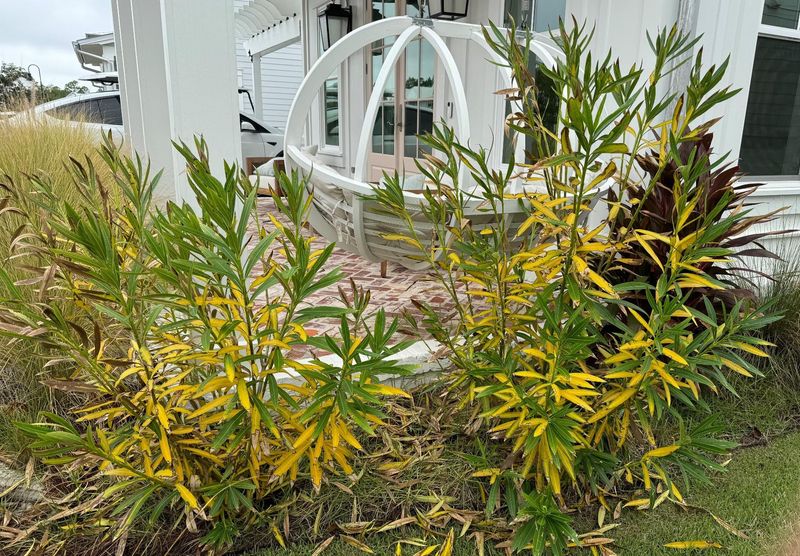
Bleach belongs on tool blades and potting benches, not anywhere near living plant tissue. Sodium hypochlorite, the active ingredient in most household bleach, is a powerful oxidizing agent designed for hard, non-porous surfaces.
When it contacts leaves, stems, or exposed roots, it can cause rapid tissue breakdown, and even a diluted mist drifting onto nearby foliage can leave lasting marks.
Florida’s sandy soils drain quickly, but bleach residue can still linger long enough to disrupt the beneficial microbial life that healthy soil depends on.
Earthworms, mycorrhizal fungi, and helpful bacteria all play roles in breaking down organic matter and supporting root health.
Introducing bleach to that ecosystem, even in small amounts, is not worth the risk.
Proper sanitation in the garden does not require misting bleach around beds or containers.
Your Florida Garden Changes Every Week. Your Plan Should Too.
Gardening in Florida changes quickly throughout the season. Every Friday you’ll receive a simple weekly plan showing exactly what to plant, prune, fertilize, harvest, and protect so you never miss the right timing.
UF/IFAS recommends a 10 percent bleach solution, one part bleach to nine parts water, as one option for disinfecting horticultural tools, with a 30-minute soak and fresh solution for each round of cleaning.
Keep that use limited to tools and hard surfaces, not leaves, soil, or beds. For foliage problems, rely on verified cultural practices and proper diagnosis instead.
3. Avoid Salt Water In The Garden
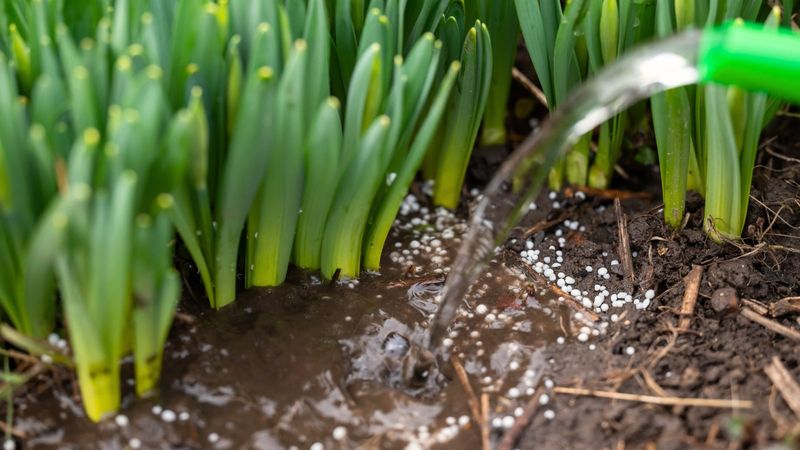
Gardeners in coastal Florida already manage real salt stress from sea breezes, occasional storm surge, and brackish irrigation water.
Adding salt intentionally to the garden, whether as a spray or a soil drench, compounds a problem that many Florida yards are already fighting.
Salt interferes with osmosis, which is the process plants use to pull water through their roots, and it can make moisture essentially unavailable even when the soil feels wet.
Some online posts suggest using salt water to suppress weeds or treat fungal problems, but salt does not distinguish between a weed and a prized plumeria. It accumulates in soil over time, and containers are especially vulnerable because there is nowhere for the salt to go.
Plants in pots may show tip burn, yellowing, and stunted growth weeks after a single salty application.
Florida’s University of Florida IFAS Extension recommends addressing weed pressure through mulching, hand removal, and appropriate pre-emergent products rather than salt-based methods.
For fungal concerns, improving air circulation, adjusting watering schedules, and selecting disease-resistant varieties are far more effective long-term strategies.
Salt is not a shortcut; it is a slow-moving stressor that can linger in your soil long after the plants show trouble.
4. Do Not Spray Rubbing Alcohol Freely
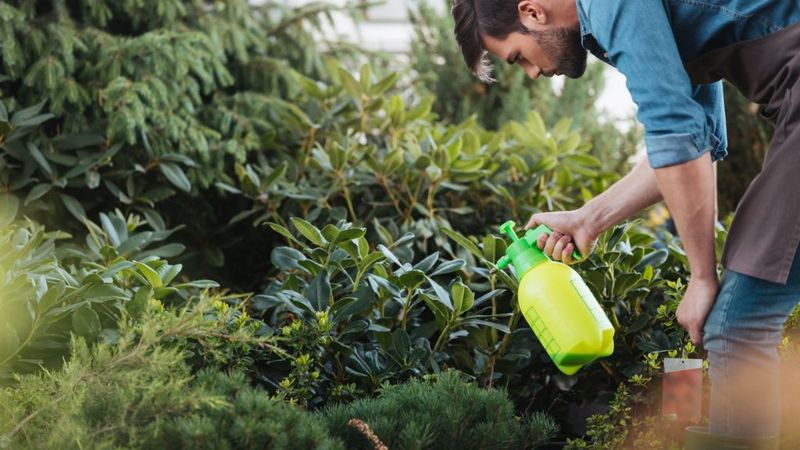
Rubbing alcohol pops up in a lot of online pest-control advice, often suggested as a quick fix for mealybugs, scale insects, or spider mites.
There is a narrow, verified use for isopropyl alcohol in pest management, but that involves a cotton swab applied carefully to individual pests on hardy plants, not a broad spray across an entire shrub or container garden.
Florida’s climate makes casual alcohol spraying especially problematic. High temperatures and direct sun can cause the alcohol to evaporate rapidly while pulling moisture from leaf surfaces, irritating or drying leaf surfaces that are already under heat stress.
Tender tropical foliage like that of coleus, caladiums, or young citrus is particularly vulnerable to this kind of surface injury.
If you are seeing pest activity on your plants, the most reliable step is correct identification before any treatment. UF/IFAS Entomology and Nematology resources offer detailed pest identification guides and management recommendations that are specific to Florida conditions.
Once you know exactly what pest you are dealing with, you can choose a labeled, tested product rather than a homemade mixture that may create more problems than it solves.
5. Leave Dish Soap Out Of Sprayers
Dish soap and insecticidal soap are not the same product, even though they both create lather and come in squeeze bottles. Insecticidal soaps are specifically formulated for plant use, tested for phytotoxicity, and labeled with instructions for safe application.
Dish detergents, on the other hand, are engineered to cut through grease and food residue, and many contain degreasers, synthetic fragrances, dyes, and preservatives that have no business being on plant foliage.
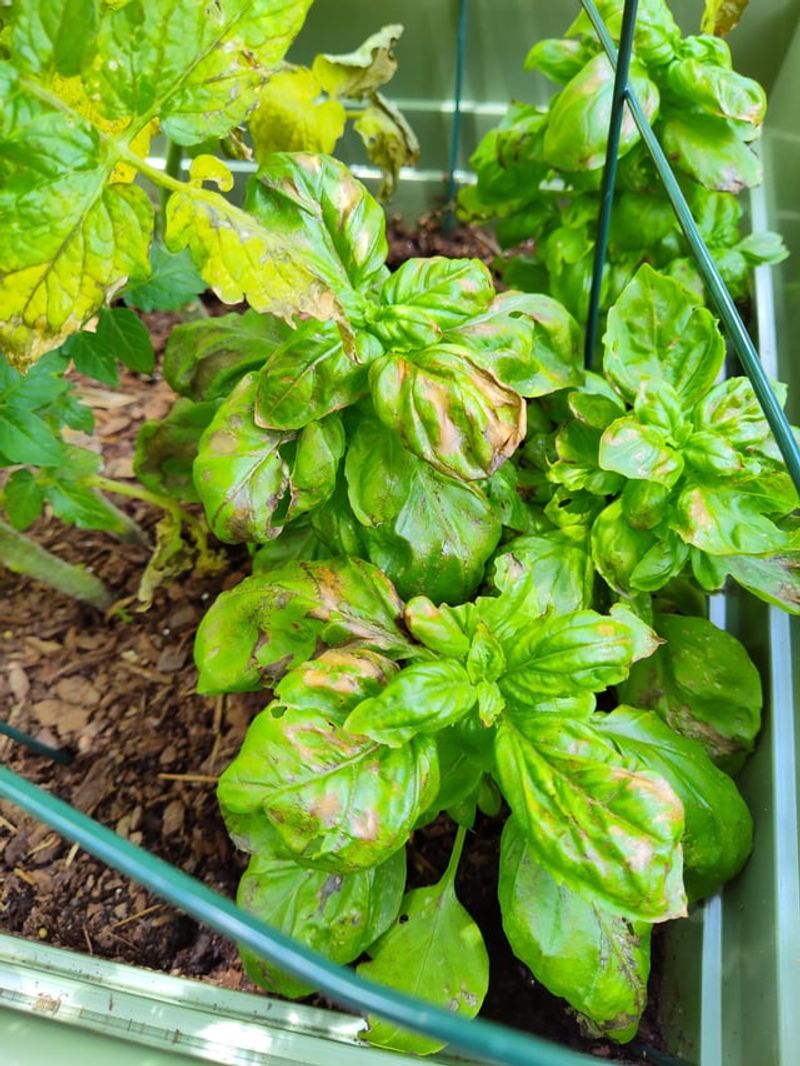
In Florida’s heat, those additives can quickly cause leaf spotting, bleaching, tip burn, or premature leaf drop. Sensitive plants, tender new growth, and drought-stressed foliage may show injury faster, especially when soap residues sit on leaves during hot weather.
Even one application on the wrong plant on a hot afternoon can set growth back noticeably.
UF/IFAS recommends using labeled insecticidal soap products when soap-based pest management is appropriate, following label directions carefully, applying during cooler parts of the day, and rinsing plants with clean water afterward.
If you are unsure whether a soap product is appropriate for your specific plant, contact your county extension office before spraying anything.
6. Use Baking Soda Mixes Carefully
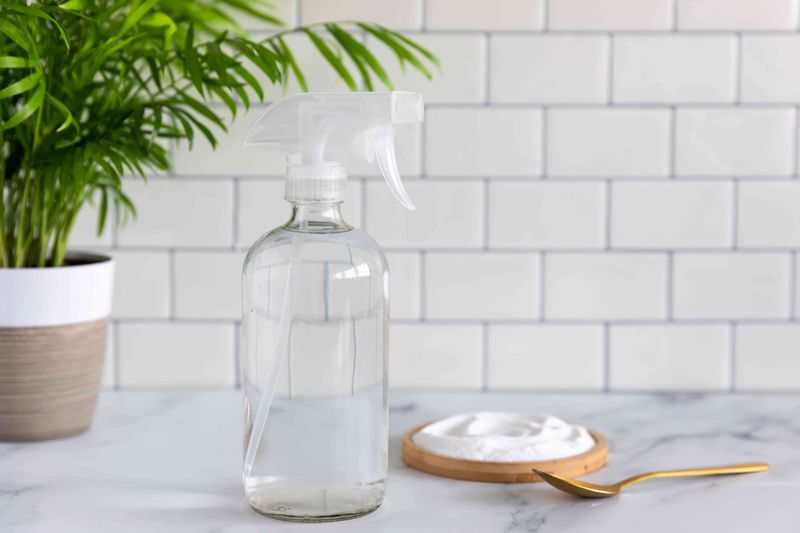
Baking soda sprays have been circulating in gardening communities for decades, often recommended as a low-cost fungal treatment. The idea is that sodium bicarbonate raises the pH on leaf surfaces enough to discourage fungal spores.
There is some limited research supporting mild efficacy in controlled settings, but the jump from lab result to backyard spray bottle involves a lot of variables that can go wrong.
Mixing baking soda too strongly or applying it repeatedly can leave residue on leaf surfaces and may injure sensitive foliage, especially when combined with heat, sun, or other ingredients.
Florida’s humidity already creates challenging conditions for fungal diseases like powdery mildew, black spot, and downy mildew, but the real solution starts with plant selection, spacing, and airflow rather than a spray that may injure the plant it is supposed to protect.
Before treating any suspected fungal problem, get a confirmed diagnosis.
UF/IFAS Plant Disease Management guides and your local extension office can help identify whether you are actually dealing with a fungal issue or something else entirely, like a nutrient deficiency or environmental stress.
Treating the wrong problem with the wrong product wastes time and can delay real recovery for your plants.
7. Never Mist With Hydrogen Peroxide
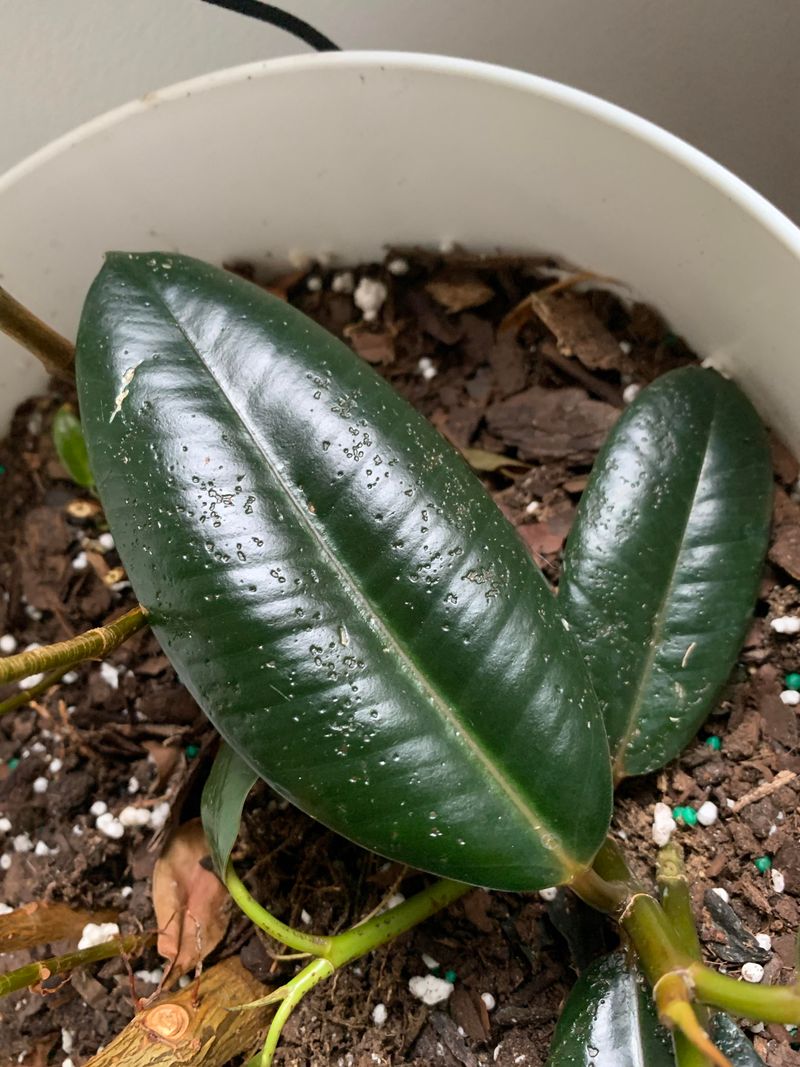
Hydrogen peroxide gets a lot of attention online as a cure for root rot, fungal outbreaks, and even pest problems.
The reasoning sounds plausible since it releases oxygen and has some antimicrobial properties, but applying it casually to leaves, flowers, or soil without a specific diagnosed problem and a tested protocol is not a good idea.
Hydrogen peroxide is an oxidizer, and strong or repeated applications can irritate tender plant tissue, especially when gardeners use untested concentrations or apply it in hot, bright conditions.
Root problems in Florida containers often start with overwatering, poor drainage, or a heavy potting mix, even when pathogens become part of the problem later. Drenching soil with hydrogen peroxide to fix a drainage problem does not fix the drainage problem.
It may temporarily disrupt the soil biology while the underlying cause continues unchecked.
Addressing overwatering, improving container drainage, using well-aerated potting mix, and selecting plants appropriate for your light and moisture conditions will do far more good than any peroxide drench.
If you suspect a genuine soil-borne disease, UF/IFAS Plant Pathology resources and your county extension agent can guide you toward a correctly diagnosed treatment plan that actually targets the confirmed issue.
8. Stop Coating Leaves With Cooking Oil
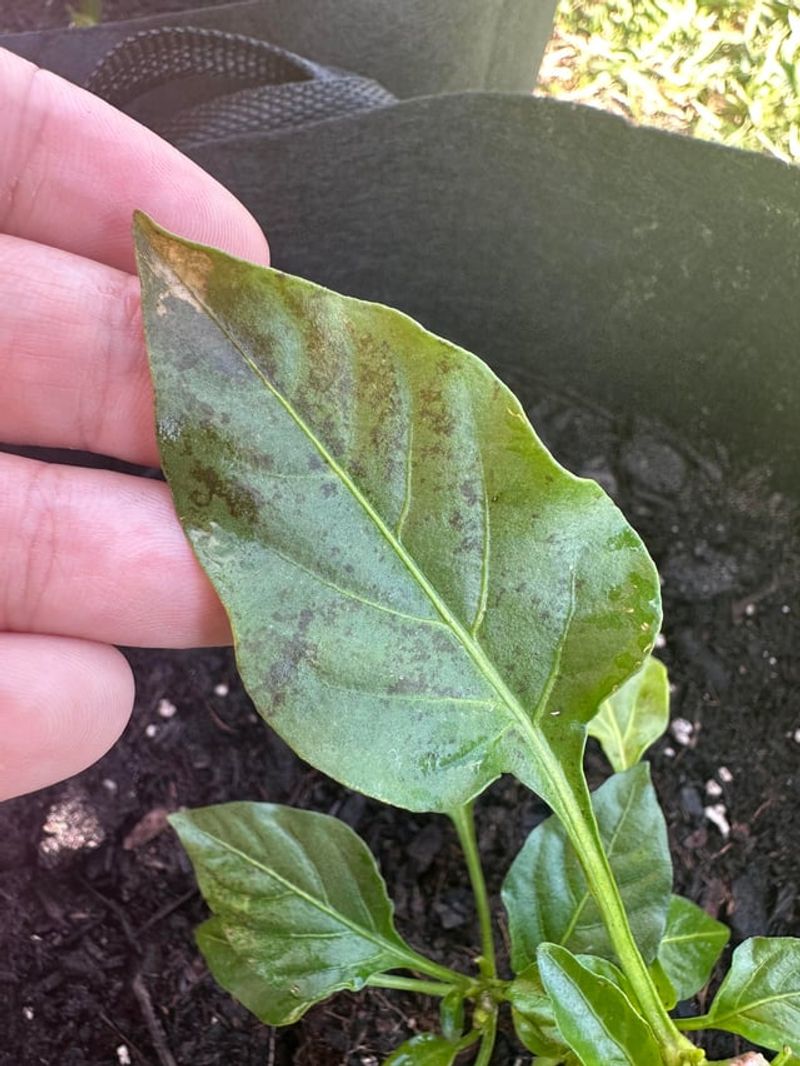
Cooking oils from the kitchen, whether olive, vegetable, canola, or coconut, are not interchangeable with horticultural oils designed for pest management.
Horticultural oils go through formulation and testing to ensure they spread evenly, break down predictably, and do not block leaf function at recommended rates.
Cooking oils are processed for flavor and food safety, not for plant compatibility.
When cooking oil coats a leaf surface, it can interfere with normal leaf function and leave residues that are difficult for plants to handle. In Florida’s bright, intense sunlight, that oil layer can trap heat and increase the chance of leaf scorch or spotting.
The oil can also become sticky and trap dust, fungal spores, and sooty mold.
If a pest situation on your plants calls for an oil-based treatment, use a labeled horticultural oil product and follow the instructions precisely. Many labels specify application timing, temperature limits, and which plants should not be treated.
UF/IFAS Integrated Pest Management recommendations for Florida landscapes can point you toward the right product and the right application method for your specific situation.
9. Do Not Spray Milk Or Sugary Drinks
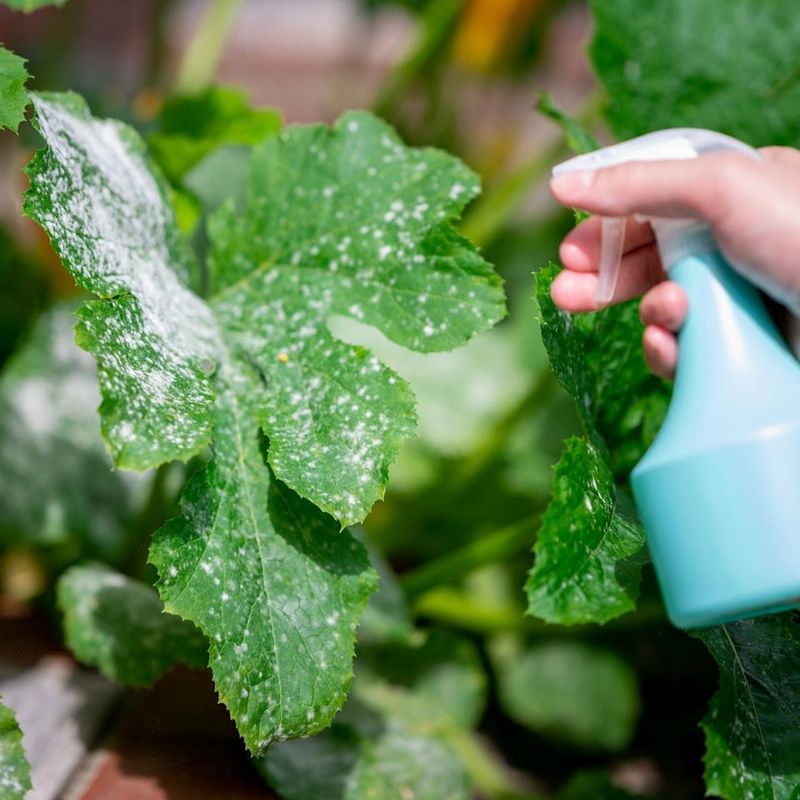
Milk spray for powdery mildew is one of those gardening ideas that refuses to go away despite thin evidence and real downsides.
A few small studies have shown some mild fungal suppression under specific conditions, but translating that to a humid Florida yard where ants are already aggressive and sooty mold is always looking for a foothold is a different story entirely.
Sweet or protein-rich residues on foliage attract insects you do not want.
Soda, sports drinks, diluted juice, and sugar water are sometimes suggested as plant tonics or pest deterrents online, but those claims are not reliable enough to replace extension-backed disease or pest management.
Sugary films on leaves can feed fungal growth, attract aphids and scale insects, and create the exact conditions that invite sooty mold, which coats leaves in black residue and blocks light absorption.
Florida summers are already warm and humid enough to encourage fungal problems without adding food residues to the equation.
Managing fungal disease in the Florida landscape starts with proper plant spacing, morning watering schedules, mulching, and selecting resistant varieties.
Your local UF/IFAS extension office can recommend proven disease management strategies that do not involve the kitchen pantry.
10. Avoid Random Essential Oil Blends
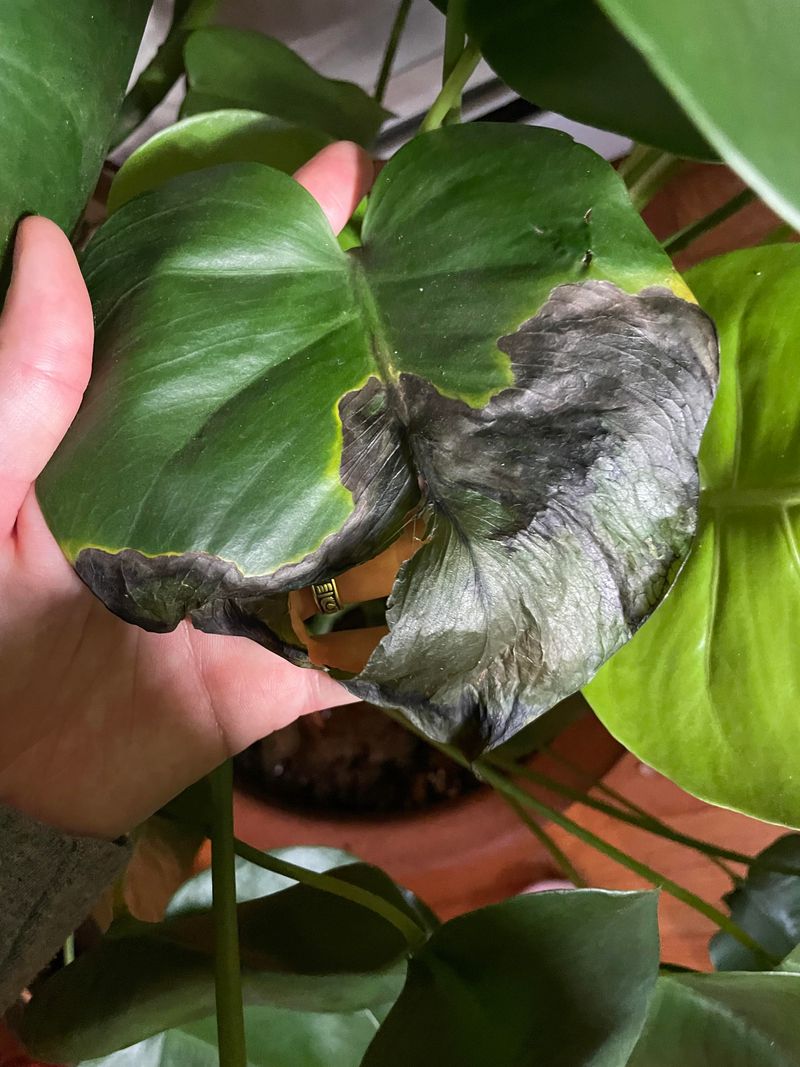
Essential oils have a strong following in wellness communities, and that enthusiasm has spilled over into gardening advice in a big way.
Peppermint, clove, tea tree, rosemary, and unlabeled neem-style kitchen mixes all appear regularly in DIY pest recipes, sometimes in combinations that have never been tested on specific plants or in specific climates.
Labeled neem or horticultural oil products are different from homemade essential oil blends and should be used only according to the label.
The word natural gets used a lot in these recipes, but concentration matters enormously, and many essential oils are potent enough to burn leaf tissue on contact.
Beneficial insects, including native bees, predatory wasps, and parasitic flies that help control pest populations, can be affected by essential oil applications even when the intent is to target a specific pest.
Florida’s pollinator community is already under pressure from habitat loss and pesticide exposure, and adding untested blends to the mix can cause unintended harm beyond your own yard.
Pets and children who spend time in the yard can also be affected by residues from concentrated oil sprays, particularly on low-growing plants or ground covers.
Rather than experimenting with unverified recipes, check the UF/IFAS pest management resources or the Florida Department of Agriculture and Consumer Services for guidance on labeled products that have been evaluated for safety and effectiveness in Florida conditions.