When Epsom Salt Can Help Ohio Cucumbers And When To Skip It
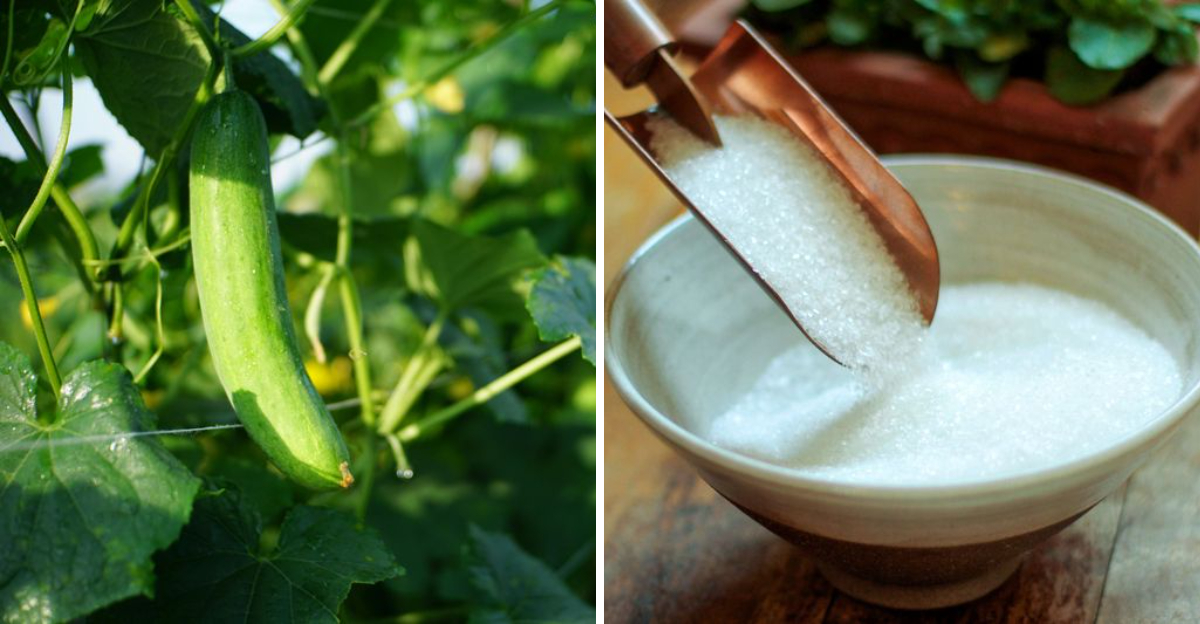
Cucumber growers in Ohio have a short window and they know it. The season comes in fast, the heat peaks, and before long the temperatures start sliding back down and the plants are done.
Every week of strong production matters, and that pressure pushes a lot of gardeners toward anything that promises to squeeze more out of the season. Epsom salt keeps coming up in that conversation.
It is cheap, widely available, and has been kicking around vegetable gardens for generations.
But it is not a cure-all, and throwing it at every plant in the garden without understanding what it actually does is how people end up disappointed or, worse, with soil that is out of balance.
Where it can genuinely help is in specific situations, and cucumbers in magnesium-deficient Ohio soil happen to be one of them. The key word there is can.
This is not a guaranteed fix, it is a targeted tool, and context matters before you reach for the bag.
1. Start With A Soil Test Before Adding Epsom Salt
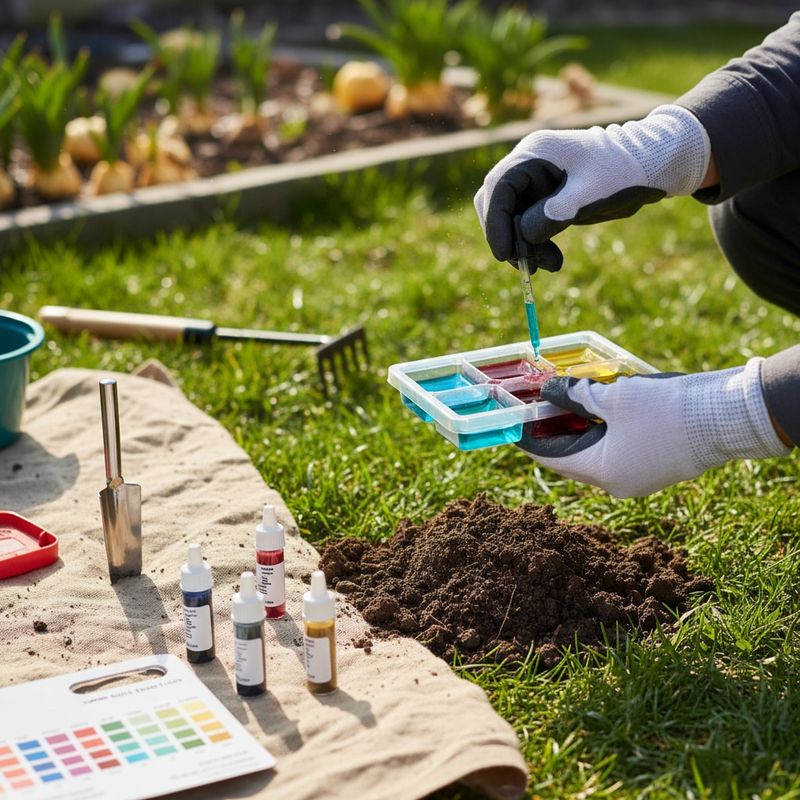
Before you reach for anything on the shelf, pull out a trowel and take a close look at what is actually happening in your garden soil.
A soil test is the single most reliable way to find out whether your cucumbers genuinely need magnesium, or whether something else entirely is causing the problem.
Ohio State University Extension and your local county Extension office are excellent places to start when looking for tested, trustworthy soil testing guidance.
Soil tests reveal magnesium levels, soil pH, organic matter, and other nutrient concentrations that can tell you exactly what your garden lacks and what it already has in abundance.
When soil pH is too high or too low, nutrients can become locked up even when they are technically present. It means your cucumbers may show deficiency signs without actually needing extra amendments.
Guessing and adding Epsom salt without testing can waste money and potentially throw off nutrient balance in ways that are hard to correct later.
Spending a few dollars on a soil test upfront gives you a clear picture of what your cucumber bed actually needs. Every amendment you add is purposeful rather than a shot in the dark.
2. Know What Epsom Salt Actually Adds To Soil
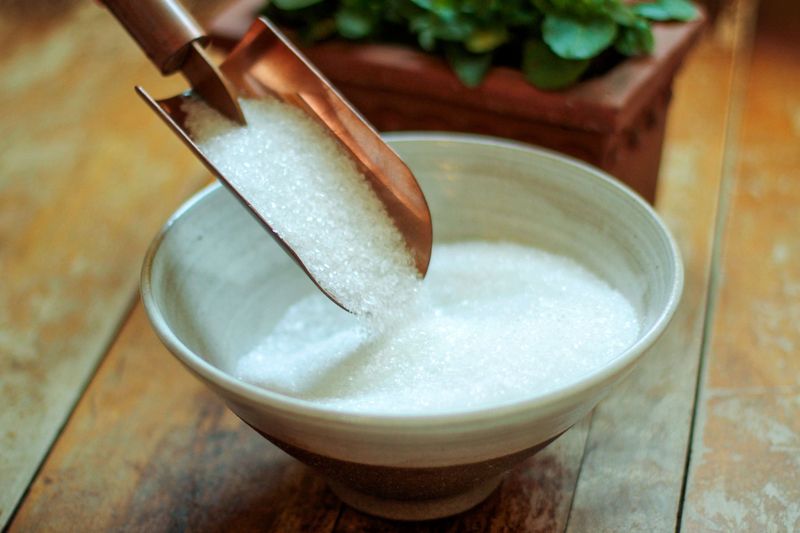
Not every white powder in a garden shed does the same job, and Epsom salt is a good example of a product that gets used for reasons that do not always match what it actually contains. Epsom salt is magnesium sulfate, a compound made up of magnesium and sulfur.
Those are the only two nutrients it adds to your soil, and that matters a great deal when you are trying to figure out whether it is the right choice for your cucumber patch.
Cucumbers are considered heavy feeders, meaning they use significant amounts of nitrogen, phosphorus, and potassium throughout the growing season.
Epsom salt provides none of those three main fertilizer nutrients, so it cannot serve as a substitute for a balanced fertilizer, compost, or a well-amended garden bed.
Your Ohio Garden Changes Every Week. Your Plan Should Too.
Gardening in Ohio changes quickly throughout the season. Every Friday you’ll receive a simple weekly plan showing exactly what to plant, prune, fertilize, harvest, and protect so you never miss the right timing.
Magnesium does play a real role in plant health. It sits at the center of every chlorophyll molecule, which means it is directly tied to a plant’s ability to photosynthesize and produce energy.
Sulfur supports protein formation and enzyme activity. Both nutrients matter, but only when they are actually missing from your soil.
Knowing what Epsom salt does and does not supply helps you use it wisely rather than routinely.
3. Look For Magnesium Deficiency Before You Treat
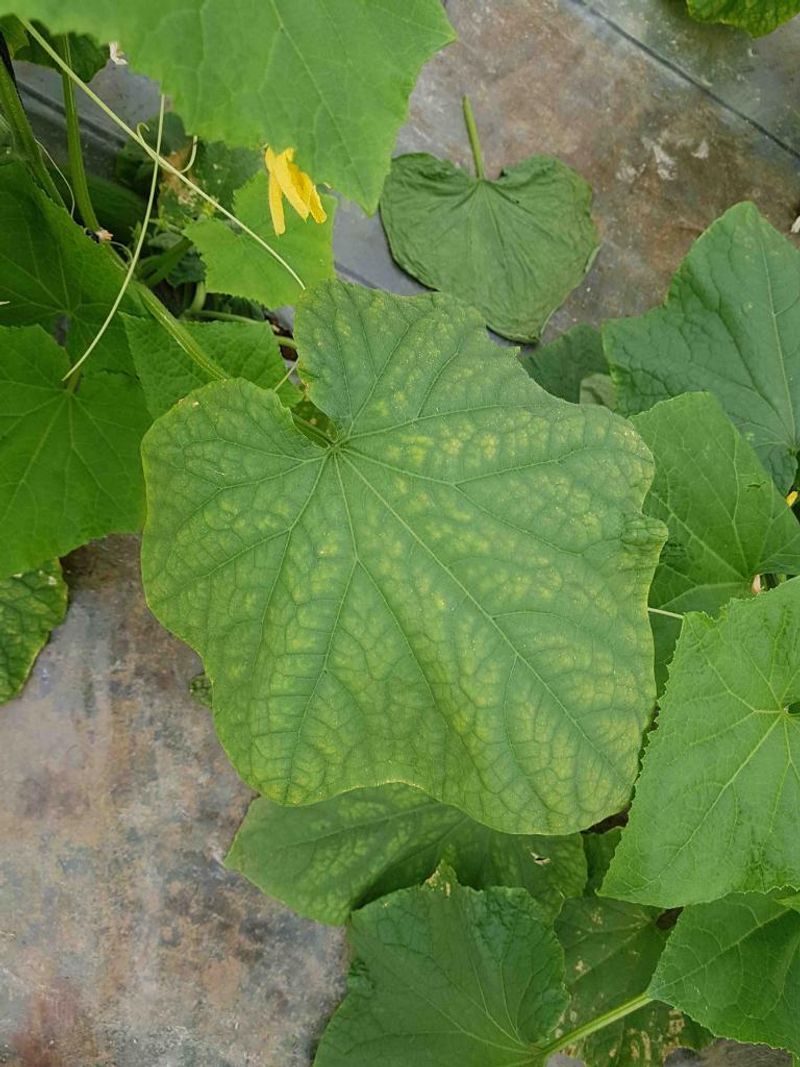
Yellowing cucumber leaves can send a gardener straight to the garden center, but not all yellowing means the same thing.
Magnesium deficiency has a fairly specific look: older leaves toward the bottom of the vine develop yellow patches between the veins, while the veins themselves stay noticeably green.
That pattern, called interveinal chlorosis, appears on mature leaves first because magnesium is a mobile nutrient that plants pull from older tissue when supplies run low.
Recognizing that pattern matters because visual symptoms alone are not always enough to confirm magnesium deficiency with confidence.
Nitrogen deficiency, sulfur deficiency, certain diseases, and even normal leaf aging can produce yellowing that looks similar at a glance.
Rushing to treat without a reliable diagnosis risks adding a nutrient the plant does not actually need while the real problem goes unaddressed.
If you notice interveinal yellowing on older leaves and your soil test shows low magnesium, that combination gives you solid reason to consider Epsom salt as an amendment.
Without both pieces of information pointing in the same direction, the cautious move is to check other possible causes first. This includes watering consistency, soil drainage, pest pressure, and root health, before treating for a deficiency that may not exist.
4. Do Not Use Epsom Salt As A Complete Fertilizer
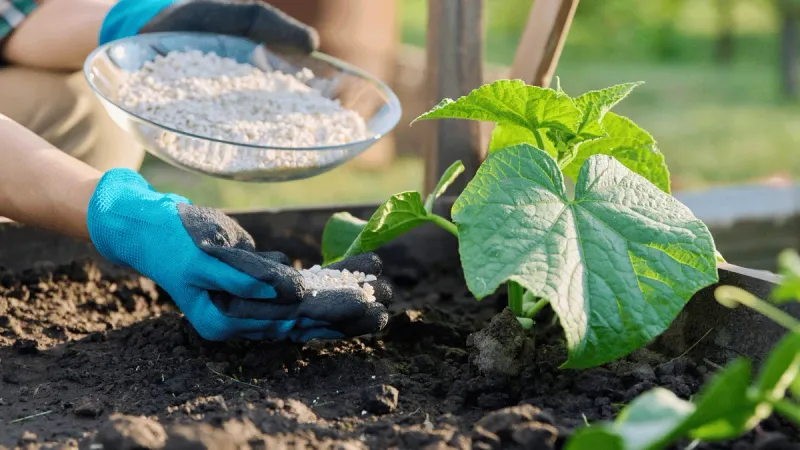
Some gardeners treat Epsom salt like a general plant tonic, sprinkling it around vegetables whenever growth looks slow or leaves seem off-color. That approach can lead to real problems because Epsom salt is a targeted supplement, not a complete plant food.
Cucumbers need a steady supply of nitrogen for leafy vine growth, phosphorus for root development and fruiting, and potassium for overall plant strength and disease resistance.
None of those macronutrients come from Epsom salt. A cucumber vine that is short on nitrogen will look pale and weak regardless of how much magnesium it receives.
Relying on Epsom salt as a primary amendment can leave plants genuinely undernourished while giving the appearance of doing something helpful.
Good cucumber nutrition starts with building fertile, well-drained soil before planting.
Working in finished compost, following soil test recommendations for balanced fertilizer, and side-dressing with a nitrogen source mid-season when vines are actively growing gives cucumbers the broad nutritional support they need.
Epsom salt may have a place in a well-rounded fertility plan if magnesium is confirmed to be low. But it works as one small piece of a larger puzzle rather than as a standalone solution to most cucumber nutrition challenges.
5. Avoid Adding Magnesium Ohio Cucumbers Do Not Need
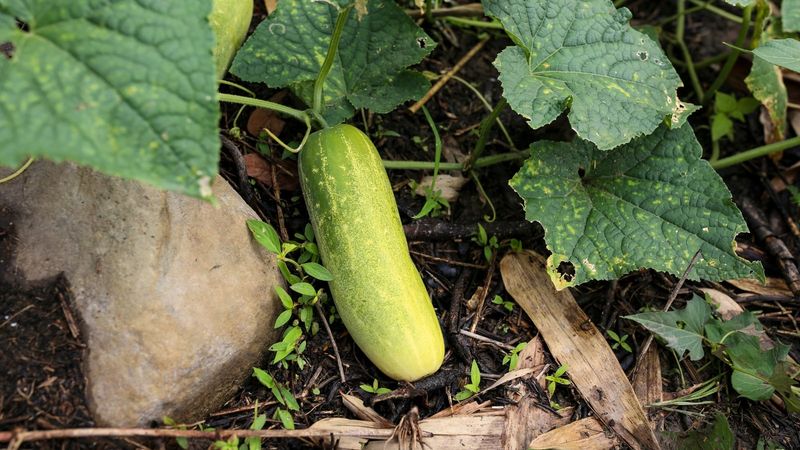
Adding a nutrient that is already present in adequate amounts does not help plants grow better. It can actually work against them.
Extension sources caution that adding Epsom salt when magnesium is already sufficient can interfere with nutrient balance, including calcium uptake.
When magnesium levels climb too high, calcium absorption can become restricted even when calcium is readily available in the soil.
Ohio soils vary widely across the state, and many garden soils may already contain enough magnesium, especially where soil has been amended regularly or has a higher clay content.
Raised beds and containers present a different situation because nutrients leach out more quickly with regular watering and rainfall, making periodic testing more useful in those settings.
The goal is balance, not abundance. A nutrient-balanced soil allows cucumbers to absorb everything they need in the right proportions.
Routine Epsom salt applications without a confirmed deficiency can gradually shift that balance in ways that are difficult to reverse without significant soil amendment work.
Checking your soil’s actual magnesium status before adding anything is the most straightforward way to protect your cucumber crop from nutrient imbalance.
6. Watch For Yellowing Leaves That May Have Other Causes
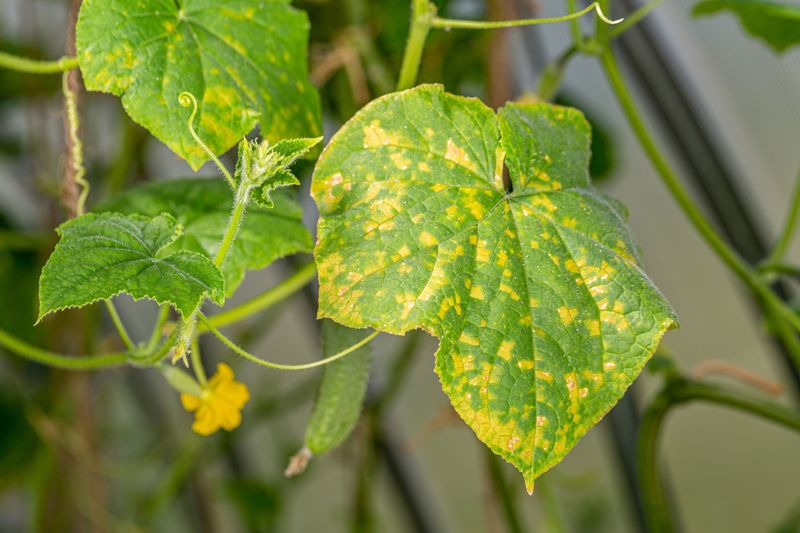
Yellow leaves on cucumber vines are one of the most common reasons gardeners start searching for a quick fix, but the cause is rarely the same from one garden to the next.
Overwatering is one of the most frequent culprits, especially in central and western regions where clay-heavy soils hold moisture longer than sandy or loamy ground.
Roots sitting in saturated soil cannot absorb nutrients effectively, and yellowing follows even when the soil is full of everything the plant needs.
Compacted soil, cold root zones in early spring, and nitrogen depletion from heavy rain can all cause alarming yellowing.
Cucumber beetle damage, fungal diseases like downy mildew, and normal aging of older leaves can do the same, but none of these issues is related to magnesium.
Northern gardens that warm slowly in spring can see cold-related stress symptoms that fade on their own once soil temperatures climb above 60 degrees Fahrenheit.
Before adding any amendment, check drainage around your cucumber roots, look under leaves for pest activity, assess your watering schedule, and think about recent weather patterns.
A yellow leaf is a signal worth reading carefully, not a reason to automatically reach for Epsom salt or any other quick treatment.
Accurate diagnosis leads to solutions that actually work.
7. Use Compost Water And Balanced Feeding First
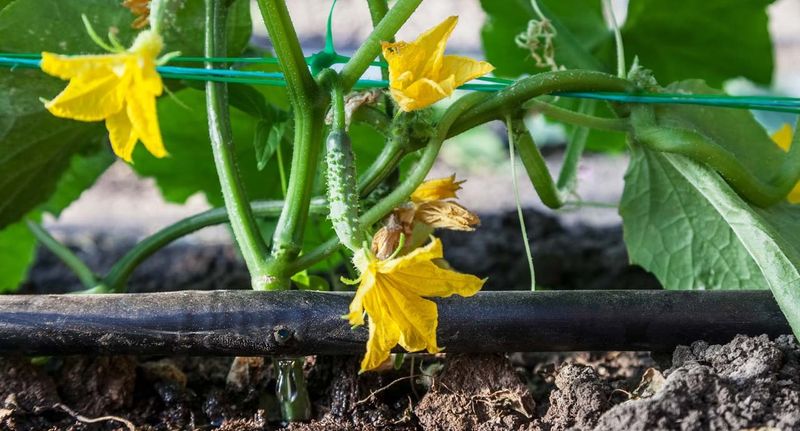
Strong cucumber plants rarely come from a single amendment. They come from good soil preparation, consistent moisture, and steady nutrition built up over time.
Working two to three inches of finished compost into your cucumber bed before planting improves soil structure, feeds beneficial soil organisms, and provides a slow, steady supply of nutrients that synthetic fertilizers alone cannot replicate.
Consistent watering matters just as much as soil quality. Cucumbers prefer even moisture rather than cycles of drought and flooding.
Mulching around the base of plants with straw or wood chips helps regulate soil temperature, hold moisture during dry summers, and reduce the splash-back that spreads soilborne diseases.
Drip irrigation or watering at the soil level rather than overhead keeps foliage drier and reduces fungal pressure during humid growing season.
A balanced fertilizer applied according to soil test results, rather than guesswork, fills in any nutrient gaps that compost alone does not address.
Mid-season side-dressing with a nitrogen source can support vine growth and continued fruiting once plants are actively producing.
Getting these foundational practices right means cucumbers are far less likely to show stress symptoms in the first place, reducing the temptation to reach for quick-fix amendments when plants look off.
8. Apply Epsom Salt Only When A Test Shows A Need
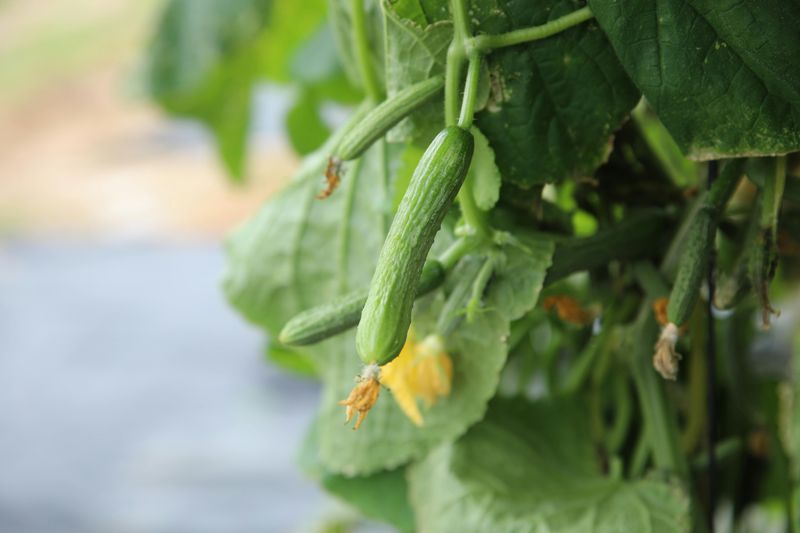
Purposeful use of Epsom salt starts with a confirmed need, not a hunch.
When a soil test from an Ohio State University Extension-affiliated lab or a reputable testing service shows that magnesium levels are genuinely low, Epsom salt becomes a reasonable, targeted option to address that specific gap.
Without that confirmation, routine applications add little benefit and carry the risk of gradually skewing soil chemistry.
Application rates should follow the recommendations provided with your soil test results or guidance from your county Extension office rather than a homemade recipe found online.
General guidelines from university Extension sources typically suggest modest amounts, and more is not better when it comes to micronutrient and secondary nutrient amendments.
Foliar sprays of diluted Epsom salt solution are sometimes suggested for confirmed magnesium deficiency, but they can scorch leaves if mixed too strong or applied under heat or drought stress, so follow Extension guidance carefully.
Avoid turning Epsom salt into a seasonal routine. Applying it every year without retesting soil means you are adding magnesium whether the soil needs it or not.
Retesting every two to three years, or after making significant amendments, gives you an updated picture of where your soil stands and keeps your fertilization decisions grounded in evidence rather than habit.
9. Protect Cucumbers From Ohio Heat Stress And Wet Soil
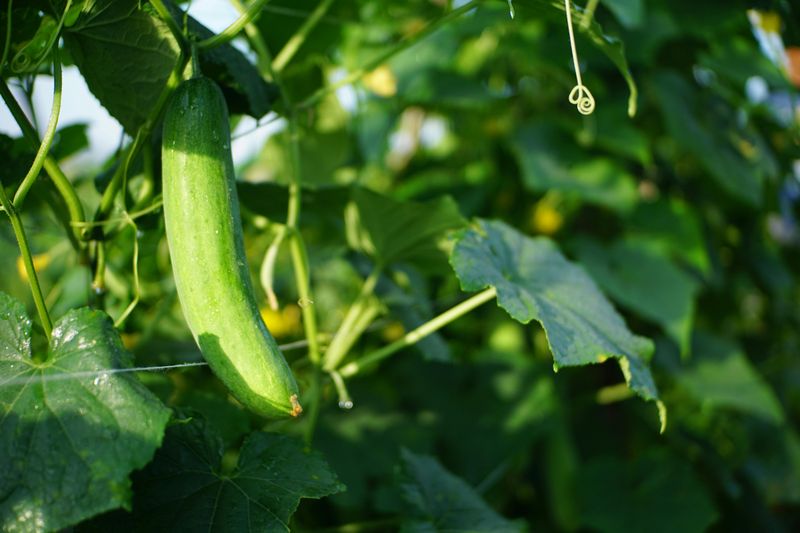
Ohio weather can be genuinely tough on cucumbers, and the challenges go well beyond soil chemistry. Spring planting timing matters more than many gardeners realize.
Cucumber seeds and transplants set out before soil temperatures reach 60 degrees Fahrenheit struggle to establish, and cold soil in northern regioncan linger well into late May.
Waiting for consistently warm soil pays off in stronger, faster-growing plants compared to those pushed into cold ground too early.
Heavy rain events that are common across the state can saturate clay soils for days at a stretch, suffocating roots and creating conditions where fungal pathogens thrive.
Raised beds and amended in-ground beds with improved drainage give cucumbers a better chance of staying healthy through wet stretches.
Southern gardeners dealing with extended summer heat should pay extra attention to consistent watering during dry spells, since heat stress and moisture stress can mimic nutrient deficiency symptoms closely.
Cucumber beetles are a serious regional pest across the state and can cause significant damage to vines and fruit.
Checking plants regularly for beetle feeding and bacterial wilt symptoms, providing good airflow by training vines on a trellis, and avoiding overhead watering all contribute to a healthier crop.
Addressing these real, practical challenges gives cucumbers a far better foundation than any single soil amendment ever could.