This Amish-Inspired August Trick Could Transform Your Wisconsin Garden
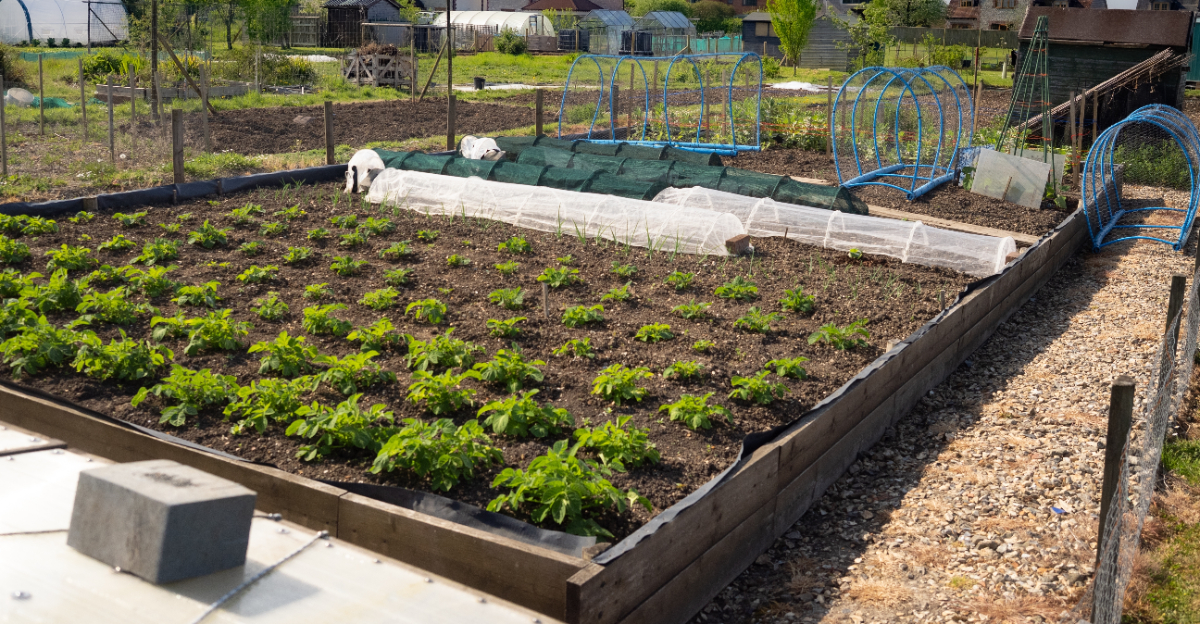
Amish farmers use a planting method many gardeners overlook. Wisconsin summers trick you into thinking the season is over. Truth is, your very best harvest hasn’t even started yet.
Old-order growers plant again while your neighbors slow down. Nothing about this method feels slow to you.
Every row gets reseeded with intention you copy. Shade, timing, and soil temperature work in your favor. Frost helps you more than you realize. Cold actually sweetens what you grow beneath it.
Deep soil holds warmth longer than you expect. Beets, greens, and roots thrive right in your beds.
Timing separates a thin harvest from one you want. Few outsiders ever learn how narrow your window is. Momentum matters more than luck when you plant.
Each planting pushes your garden forward, never backward. Generations of farmers perfected this rhythm for you. You’re standing at the edge of a Wisconsin harvest you cannot ignore.
Why August Is A Turning Point For Gardens
August feels like the end of the main season. Most gardeners grab a lemonade and call the season a win.
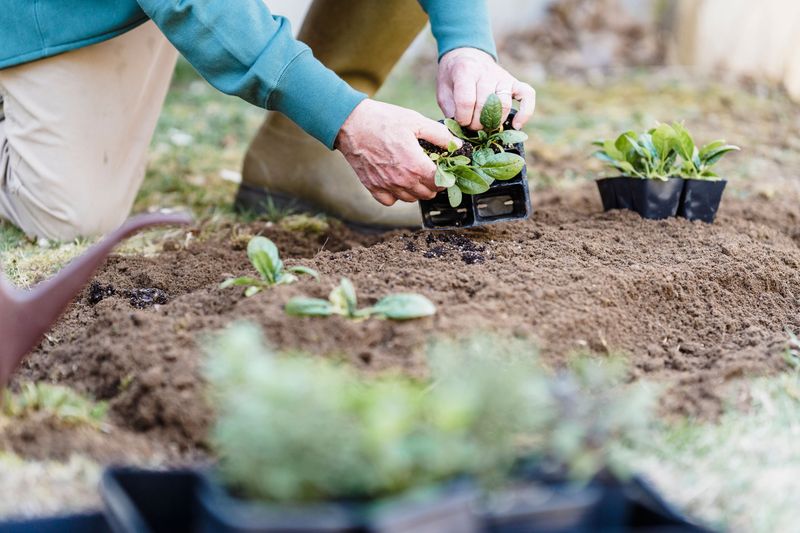
But August is actually a good time to start a second round of planting. Experienced growers know this month holds a second chance most people never take.
The days are still warm enough to sprout seeds fast. Soil temperatures stay high, which speeds up germination like nothing else can.
Meanwhile, the peak heat of July begins to ease up. That cooling trend creates ideal conditions for cool-season crops to thrive.
Frost in Wisconsin typically arrives between late September and mid-October. That window gives you six to eight weeks of solid growing time.
Six weeks is plenty for radishes, spinach, and lettuce to go from seed to salad bowl. Many gardeners are surprised by how much food fits in that window.
Amish families in the Midwest figured this out generations ago. They never let a garden sit idle when it could be producing something useful.
Skipping August planting means missing an opportunity for more harvest. Your garden is already set up, the soil is ready, and nature is offering you a bonus round.
This is the month where attentive gardeners pull ahead of the pack. A few smart choices now lead to fresh harvests well into autumn.
So before you pack away the seed packets, pause and think. Your best garden moment of the year might still be ahead of you.
Succession Planting, The Amish Way
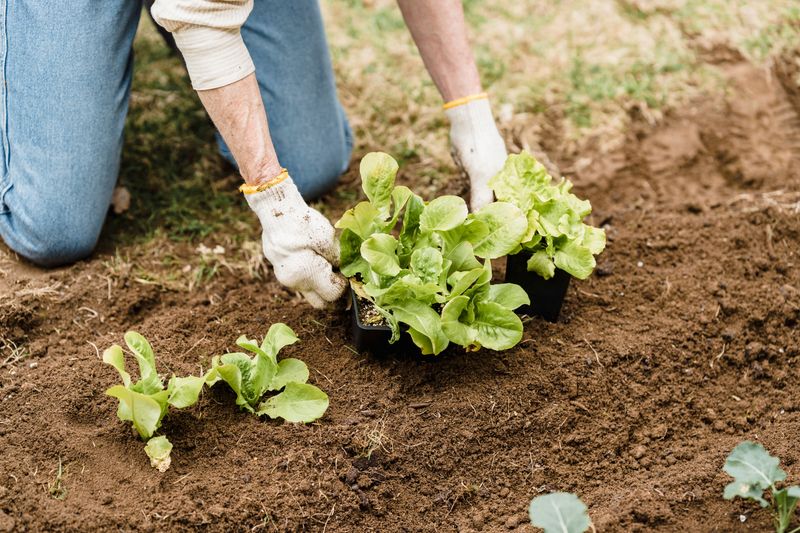
Amish families do not waste a single square foot. Every patch of soil has a job to do at all times.
Their method is called succession planting. It means replacing finished crops with new ones the moment the old ones come out.
When a row of beans stops producing, it does not sit empty. Seeds go in that same afternoon, starting the cycle again.
This keeps the garden working from spring through the first hard frost. It is a rhythm, almost like breathing, in and out all season long.
Your Wisconsin Garden Changes Every Week. Your Plan Should Too.
Gardening in Wisconsin changes quickly throughout the season. Every Friday you’ll receive a simple weekly plan showing exactly what to plant, prune, fertilize, harvest, and protect so you never miss the right timing.
This Amish-inspired approach can improve your Wisconsin garden’s fall harvest by applying this exact rhythm. You simply treat the end of summer as a new beginning.
Pull out exhausted squash plants and replace them with kale. Remove spent bean vines and tuck in turnip seeds instead.
Each swap keeps fresh nutrients cycling through the beds. Roots from new plants break up soil that old crops left compacted.
Rotating crops quickly can also reduce pest pressure, since insects lose access to their food source before their numbers grow too large. It’s an effective but underused strategy.
You do not need fancy tools or expensive products to try this. A hoe, some seeds, and a good sense of timing are all it takes.
Start small if you feel unsure. Even one or two successions will show you results worth repeating next year.
Best Crops To Plant As Summer Fades
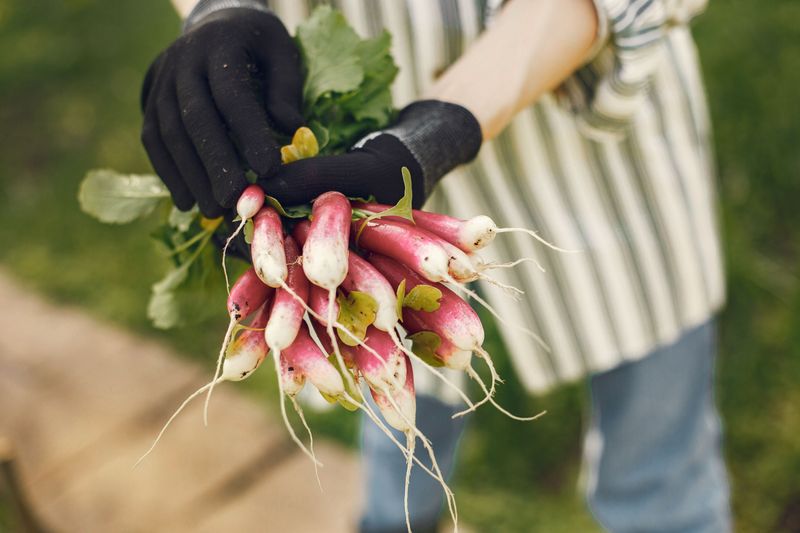
Not every vegetable handles the shift from summer to fall equally well. Choosing the right crops makes all the difference in August.
Spinach is a superstar for late-season planting. It germinates quickly in warm soil and sweetens up after the first light frost touches the leaves.
Kale is another powerhouse. It actually tastes better after cool nights work their magic on the leaves, making them tender and slightly sweet.
Radishes are the speed champions of the garden. Some varieties go from seed to harvest in just 25 days, which fits perfectly in a tight fall window.
Turnips deserve more credit than they usually get. They grow fast, store well, and both the roots and leafy tops are edible.
Arugula adds a peppery punch to fall salads. It bolts in summer heat but loves the cooler temperatures that August nights start to bring.
Beets are a smart pick for August planting in the upper Midwest. They handle light frost without flinching and store beautifully in a root cellar.
Lettuce can be tricky in August heat, but shade cloth solves that problem easily. A simple row cover keeps temperatures cool enough for germination.
Garlic is technically a fall crop, but late August is a great time to plan your beds. Planting happens in October, and August prep makes it seamless.
This Amish-inspired approach works best when you choose crops that align with the season. Timing your choices with the weather makes the difference.
Timing Your Second Planting Right
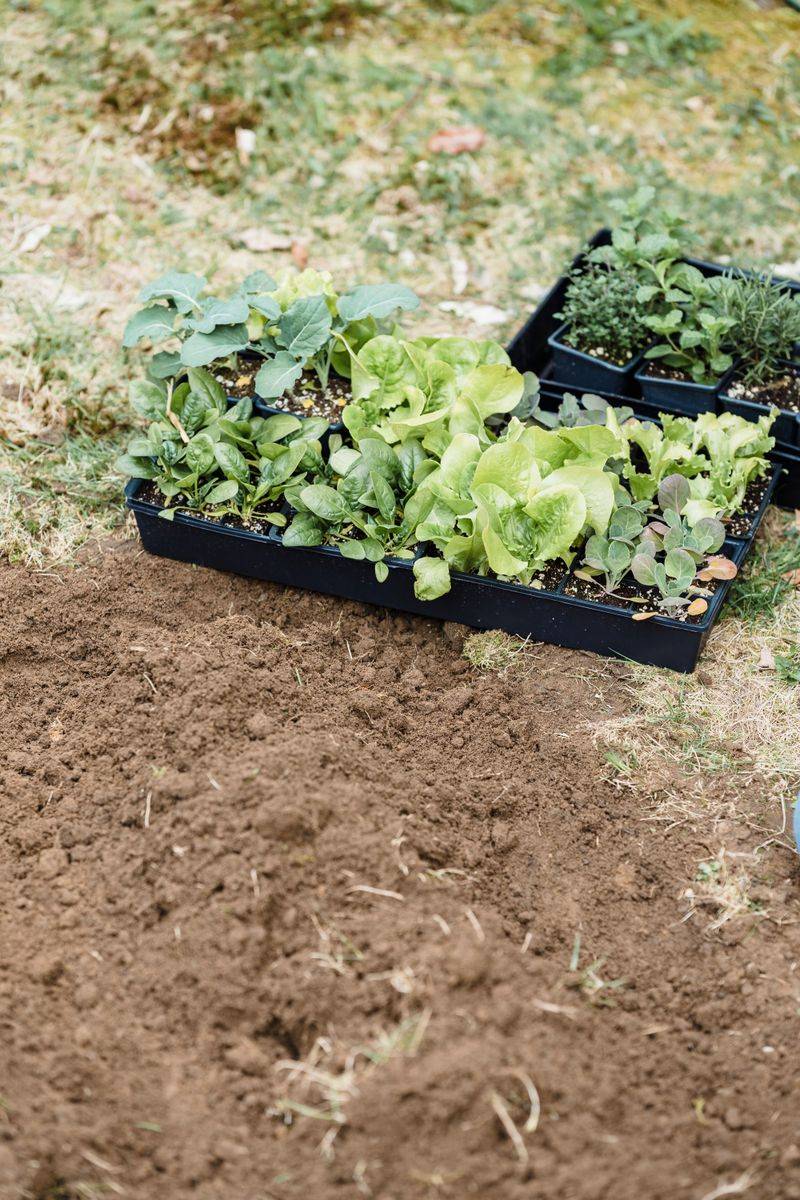
Timing is everything in late-season gardening. Plant too late and frost cuts your harvest short before it even begins.
The key number to know is your first expected frost date. In most of Wisconsin, that falls between late September and mid-October, though northern areas may see frost earlier and southern areas later.
Count backward from that date using the days-to-maturity listed on your seed packet. Add about a week as a safety buffer for slower germination in cooling soil.
For example, if spinach takes 40 days and frost hits October 10, you need to plant by late August. That math is simple but matters a lot.
Soil temperature matters as much as air temperature. Most seeds need soil above roughly 50 degrees Fahrenheit to sprout reliably, though this varies by crop.
In August, Wisconsin soils typically fall somewhere in the 60s to mid-70s Fahrenheit, though this varies by year and location. That range works well for many cool-season crops to germinate fast.
Watering consistently right after planting helps seeds make good contact with warm soil. Dry soil slows germination even when temperatures are perfect.
A soil thermometer costs very little and takes the guesswork out of timing. Sticking one into the ground before planting is a habit worth building.
Some traditional growers rely on observation rather than gadgets, watching plant behavior and seasonal cues to guide planting decisions.
You can blend both approaches. Use the thermometer for accuracy and stay observant for unexpected weather shifts.
Getting the timing right is the foundation of this approach. Get this step right and everything else follows more easily.
How This Trick Extends The Harvest
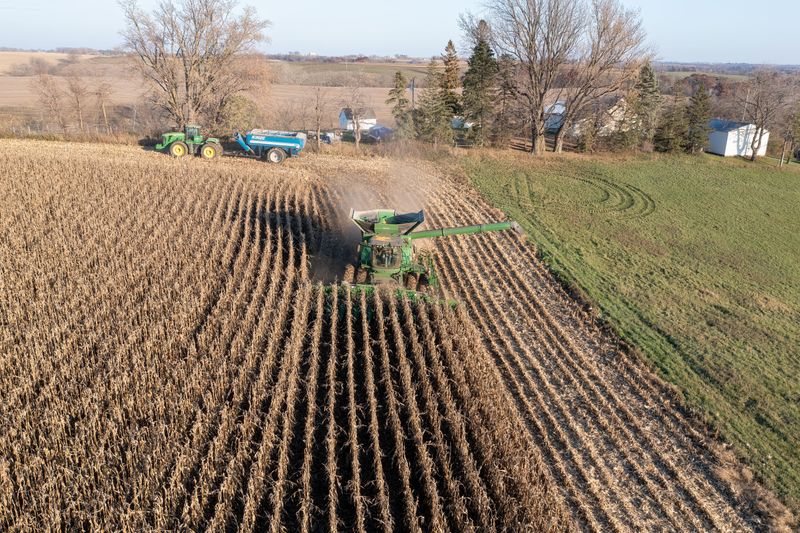
Imagine pulling fresh greens from your garden while neighbors are raking leaves. That is exactly what smart fall planting makes possible.
Extending the harvest is not magic. It is simply a matter of keeping productive plants in the ground as long as the season allows.
Cool-season crops actually slow down rather than stop when temperatures drop. They keep growing, just at a gentler pace that lets flavors deepen beautifully.
Frost does not automatically end a harvest. Light frosts below 32 degrees can even improve the flavor of kale, spinach, and Brussels sprouts significantly.
Row covers are a simple tool that buys extra weeks of production. A single layer of floating fabric can protect plants from several degrees of frost.
Rotating crops quickly can also reduce pest buildup, since insects lose their food source before populations grow. It’s an effective but underused strategy.
A cold frame can help extend greens production into late fall in southern Wisconsin, conditions permitting. That is longer than many gardeners expect.
This Amish-inspired approach can turn your Wisconsin garden into a four-season producer with just a bit of planning. One extra planting now creates harvests that stretch far beyond summer.
Think about the satisfaction of a fresh salad in late October. That kind of reward keeps gardeners motivated through the whole season.
Every week you extend the harvest is a week of fresh food you did not have to buy. That adds up to real savings over a full fall season.
Simple Steps To Try It Yourself
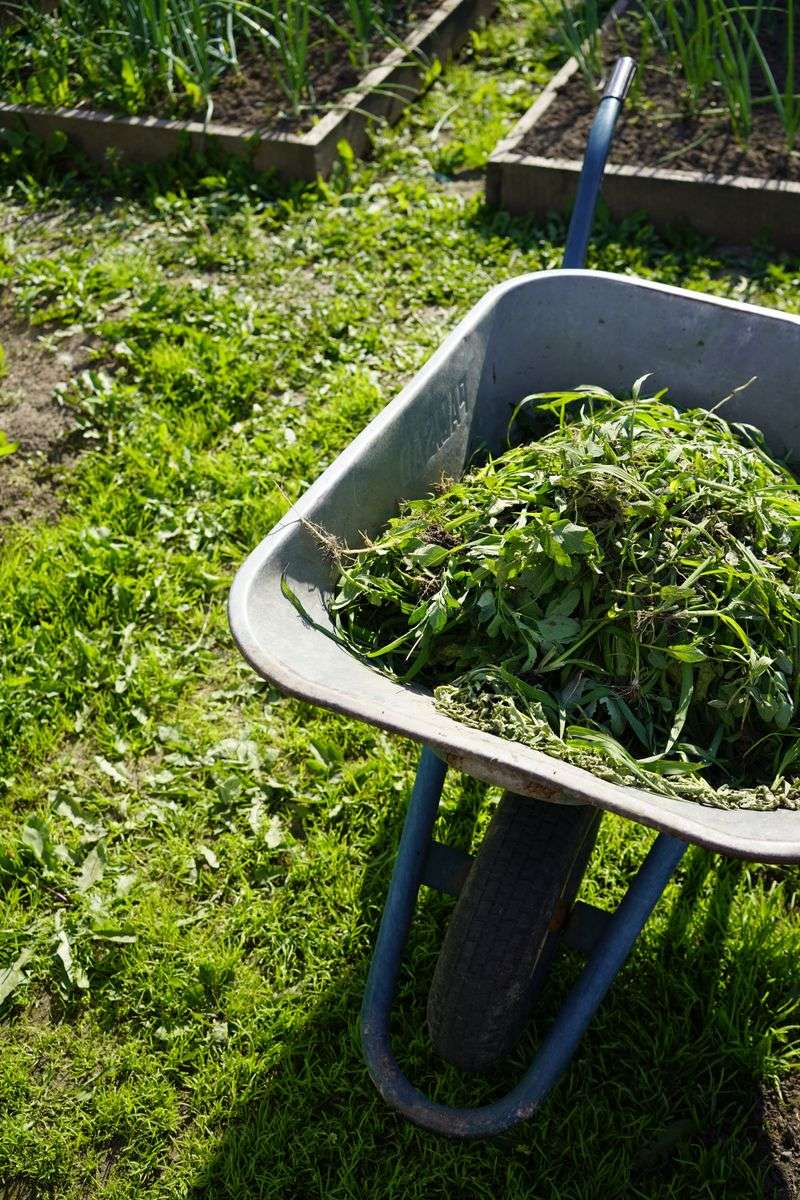
Ready to give this a shot? Starting is easier than most people expect, especially if the garden is already set up from spring.
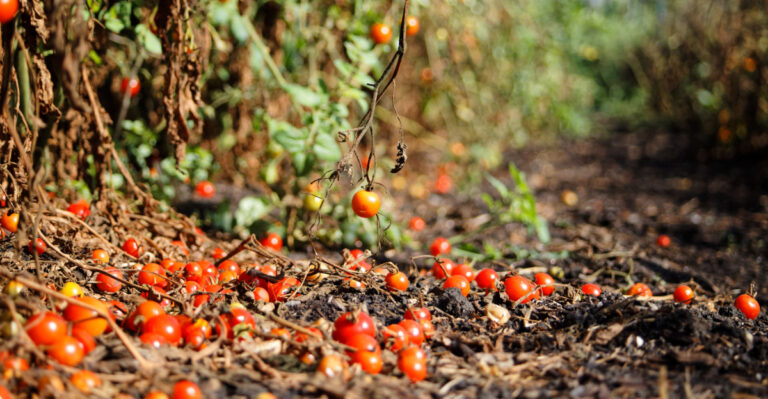
First, clear out any spent or struggling summer crops. Tomato plants past their prime, exhausted cucumbers, and wilting beans should all come out to make room.
Loosen the soil with a garden fork and add a thin layer of compost. Fresh organic matter feeds the next round of plants right from the start.
Rake the bed smooth and water it lightly before planting. Moist soil helps seeds settle in and make good contact with the earth.
Choose two or three crops from the best fall options list. Starting with a small selection keeps things manageable and builds confidence quickly.
Sow seeds a little more densely than the packet suggests. Some seeds may not sprout in cooling soil, so extra seeds improve your odds.
Label each row clearly so you remember what is growing where. A popsicle stick and a permanent marker work perfectly fine for this job.
Water consistently for the first week until seedlings emerge. After that, the cooler temperatures reduce how often you need to water.
Watch for slugs, which love cool and moist conditions. A ring of crushed eggshells around plants creates a barrier that slugs tend to avoid.
Keep notes about what worked and what did not. Those notes become your personal gardening guide for next year.
This Amish-inspired approach can improve your Wisconsin garden starting this season. One small step now creates a habit that feeds your family for years.