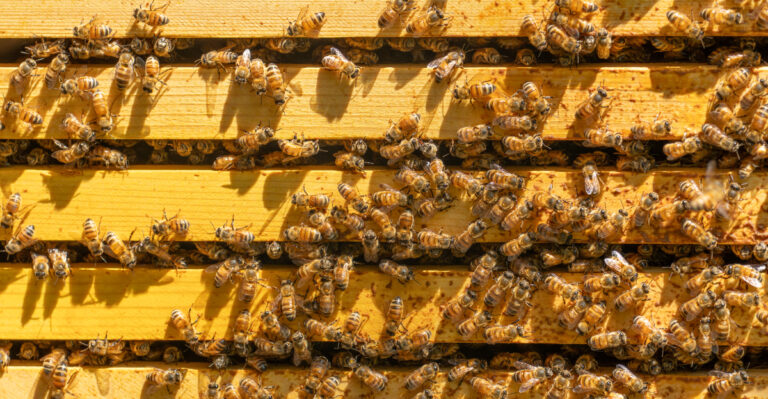
9 trees and shrubs Wisconsin gardeners plant in fall so roots settle before the freeze
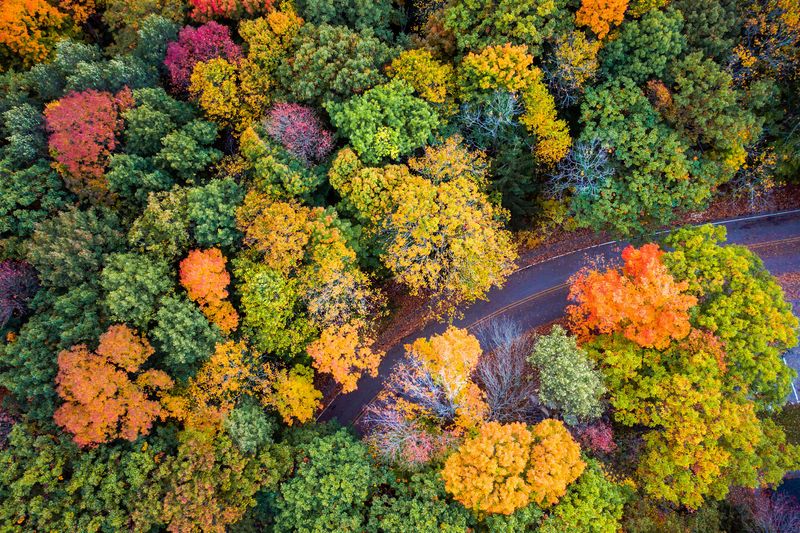
When the air turns crisp and leaves start to blaze across the state, Wisconsin gardeners know it is prime time to get new trees and shrubs in the ground. The soil is still warm from summer, which helps roots grow strong before winter locks everything in ice.
Planting now gives your new additions a real head start for a vibrant spring. Here are seven standout picks worth digging in this autumn.
1. Sugar Maple
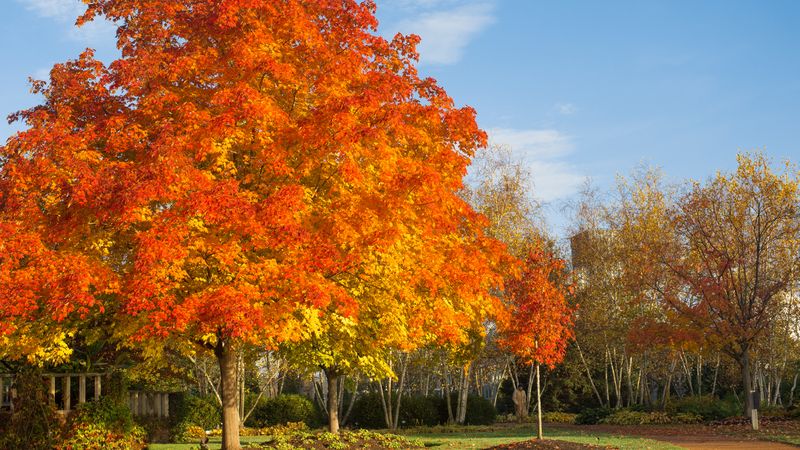
Few trees say autumn in Wisconsin quite like the sugar maple. When October rolls around, its leaves erupt into fiery oranges, deep reds, and glowing golds that stop neighbors in their tracks.
Beyond the show, sugar maples are the same trees tapped for maple syrup, a sweet slice of Wisconsin heritage. Planting one in early fall lets the roots dig in while the soil holds its summer warmth.
Give it plenty of room, since a healthy sugar maple can stretch 60 to 75 feet tall over the decades. It prefers well-drained soil and a spot with full to partial sun.
Water it steadily until the ground freezes, and you will be rewarded with generations of shade and color.
2. Red Maple
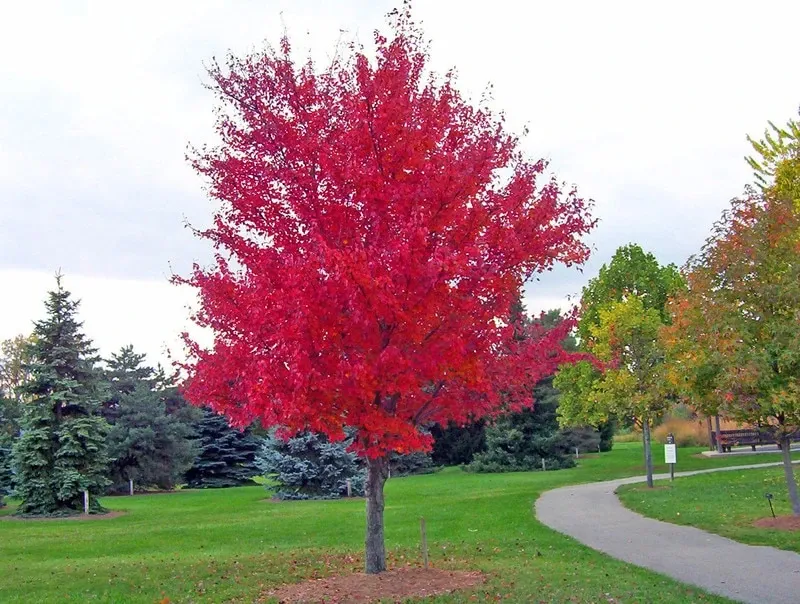
If you love the idea of a maple but want the color to arrive early, the red maple delivers. Its scarlet leaves often light up before most other trees have even thought about changing.
Native across much of North America, red maples adapt beautifully to the varied conditions Wisconsin throws at them, from damp low spots to average garden soil. Most varieties handle fall planting like champs.
Growth is fairly quick, so patience is rewarded sooner than with slower species. Choose a sunny location, keep the soil moist through those cool autumn weeks, and this tree will settle in nicely.
Come next spring, tiny red flowers appear before the leaves, giving you an early hint that winter is finally loosening its grip on Wisconsin.
3. Northern Red Oak
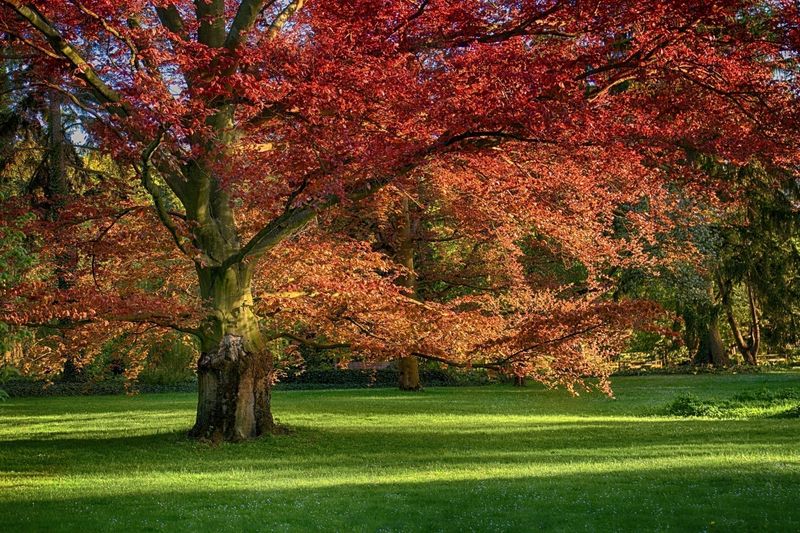
Sturdy and dependable, the northern red oak is a legacy tree that rewards the patient gardener. Its rich red fall leaves have a habit of clinging on well into winter, adding structure to the bare landscape.
Reaching heights up to 75 feet, this oak grows at a moderately fast pace for such a substantial tree. Fall planting suits it well, letting the roots establish before the freeze arrives across Wisconsin.
Acorns from a mature red oak feed squirrels, deer, and countless birds, making it a quiet powerhouse for backyard wildlife. Plant it in full sun with room to spread, and remember that an oak is an investment in the future.
The tree you tuck into the soil this fall may shade your grandchildren someday in Wisconsin.
4. Hackberry
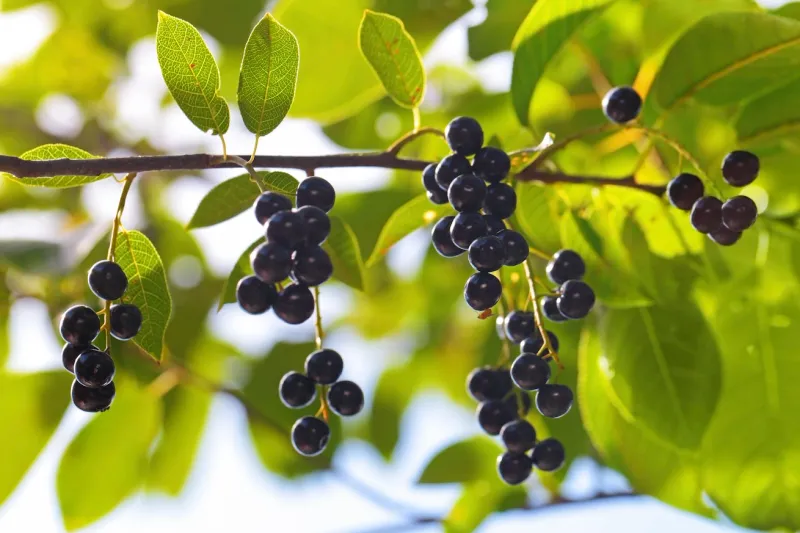
Tough as nails and often overlooked, the common hackberry is the unsung hero of the shade tree world. It shrugs off clay soil, road salt, air pollution, and summer heat without complaint.
Native to southern Wisconsin, it grows happily throughout the state and handles fall planting with ease. Its warty, ridged bark gives it a distinctive personality that stands out even in winter.
Your Wisconsin Garden Changes Every Week. Your Plan Should Too.
Gardening in Wisconsin changes quickly throughout the season. Every Friday you’ll receive a simple weekly plan showing exactly what to plant, prune, fertilize, harvest, and protect so you never miss the right timing.
Small berries ripen in fall and hang on to feed birds through the colder months. If you have a challenging spot where finicky trees have failed, this adaptable survivor deserves a serious look.
Get it planted in early autumn, water consistently, and the hackberry will quietly become one of the most reliable trees on your Wisconsin property.
5. Serviceberry
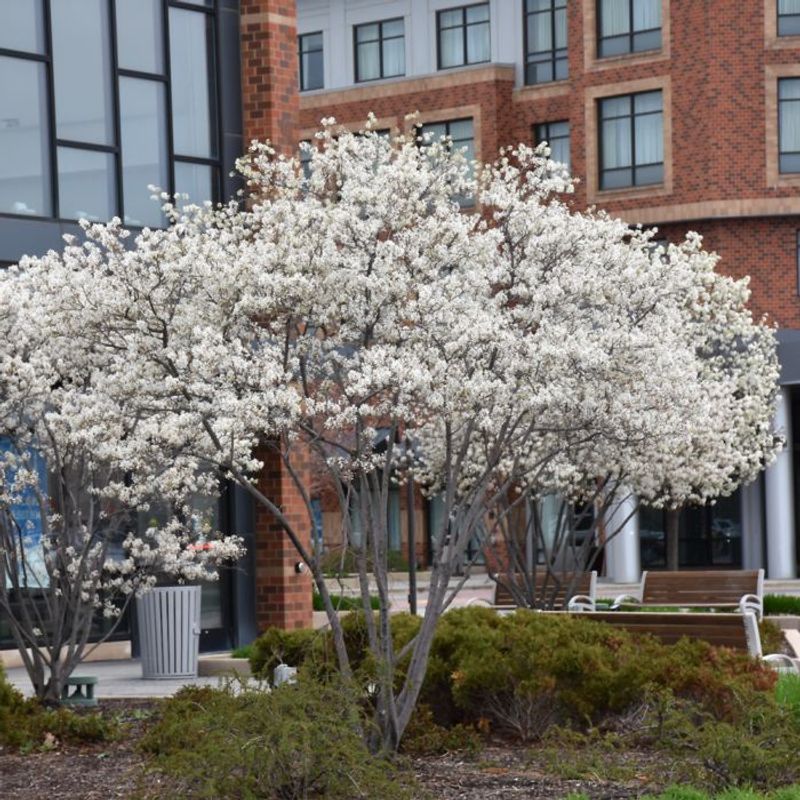
Small in stature but big on charm, the downy serviceberry packs four seasons of interest into a compact frame. Spring brings delicate white blooms, summer offers edible berries, and autumn glows with orange-red foliage.
Because it stays modest in size, this native works beautifully in tighter yards where a towering oak or maple would overwhelm the space. It plays a valuable ecological role too, feeding pollinators in spring and birds in summer.
Fall planting gives the roots time to anchor before the cold sets in. Serviceberry tolerates a range of light, thriving in full sun to partial shade.
For gardeners who want a graceful, wildlife-friendly plant that earns its keep year-round, this Wisconsin native is hard to beat.
6. Lilac
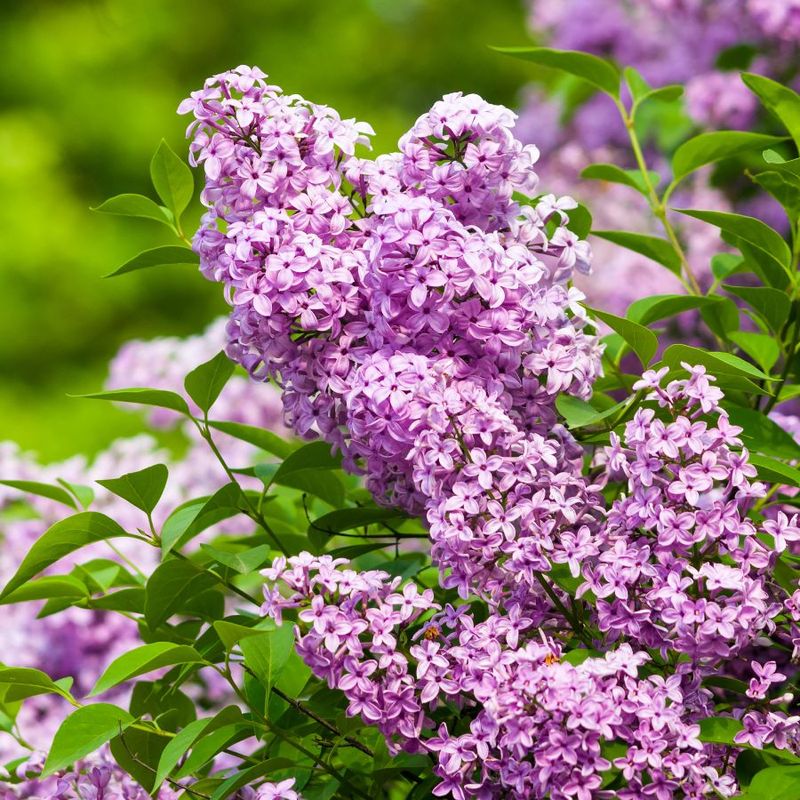
Ask anyone who grew up here about the scent of a Wisconsin spring, and lilacs will likely come up. Those fragrant purple clusters are the stuff of childhood memories and grandma’s backyard.
Lilacs are among the shrubs specifically recommended for fall planting, since the cooler months let their roots settle without the stress of blooming. Plant them now, and they will be ready to burst into perfume once warm weather returns.
They crave full sun and well-drained soil to flower their best. A little patience pays off, as young lilacs focus on getting established before putting on a big floral show.
Water them until the ground hardens, and these old-fashioned favorites will perfume your Wisconsin yard for decades to come.
7. Red Osier Dogwood
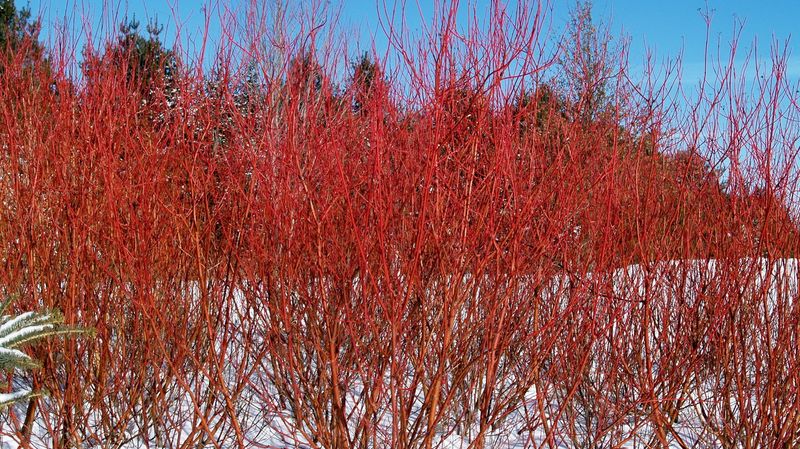
When snow blankets everything and color feels like a distant memory, the red osier dogwood comes alive. Its brilliant red twigs stand out against white drifts like flames against the cold.
A cherished Wisconsin native, this shrub offers white spring flowers and small fall fruits that draw in birds. It especially loves moist, low-lying spots where other plants might struggle to thrive.
Fall planting lets it establish before winter, and the timing is perfect since its best feature shines during the frozen months. The reddest stems appear on new growth, so a little pruning each year keeps the display vivid.
For anyone wanting winter interest and native beauty in one hardy package, this dogwood is a bright spark in any Wisconsin landscape.