The Bloom Cutting Mistake That Stresses Oregon Roses During Extreme Heat
Oregon summers have a way of catching even seasoned gardeners off guard. Heat climbs fast, and roses feel the strain before anyone notices something’s wrong.
Most people just stick to their usual routine without a second thought. The trouble is, that same habit can backfire hard once the temperature spikes.
A rose bush that looks limp and worn out after a normal round of care isn’t just bad luck. Something about the timing or the approach may have tipped it over the edge.
If your roses have been slow to bounce back this summer, it might be time to rethink one small step most gardeners tend to overlook.
Removing Spent Blooms At Midday Heat Shocks Rose Stems
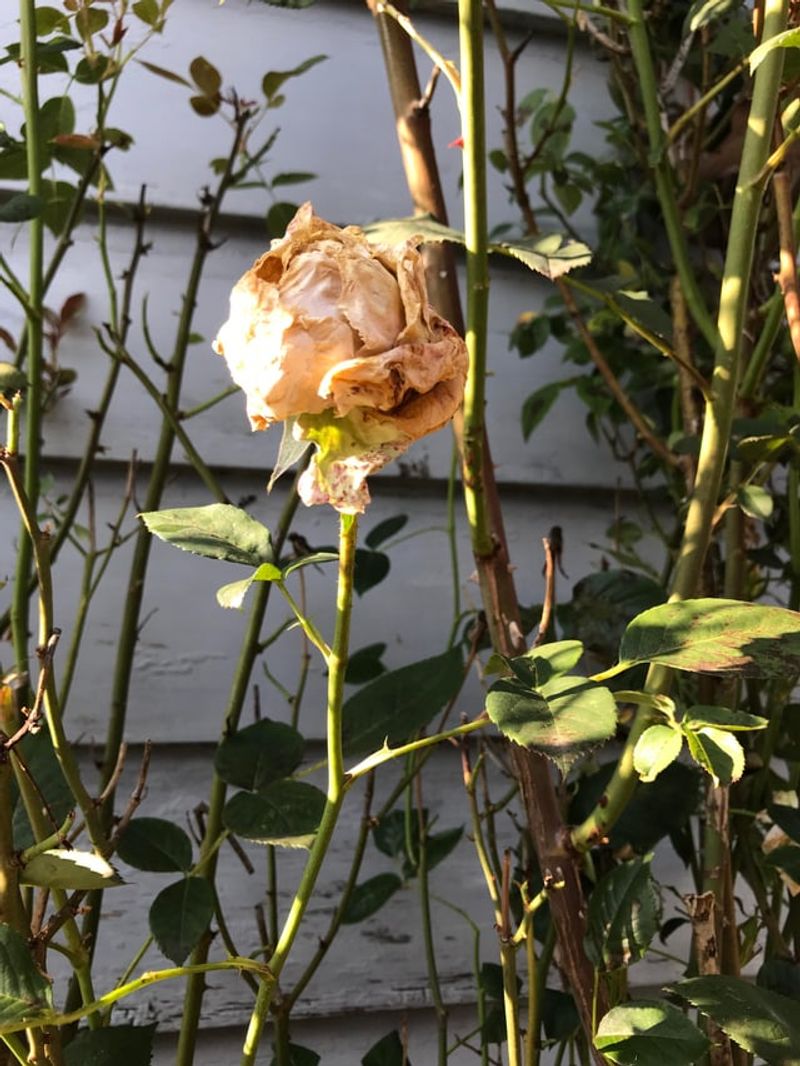
Snipping roses at noon is asking for trouble. Midday heat in Oregon can push temperatures past 95 degrees, and cutting stems during peak sun sends roses into immediate shock.
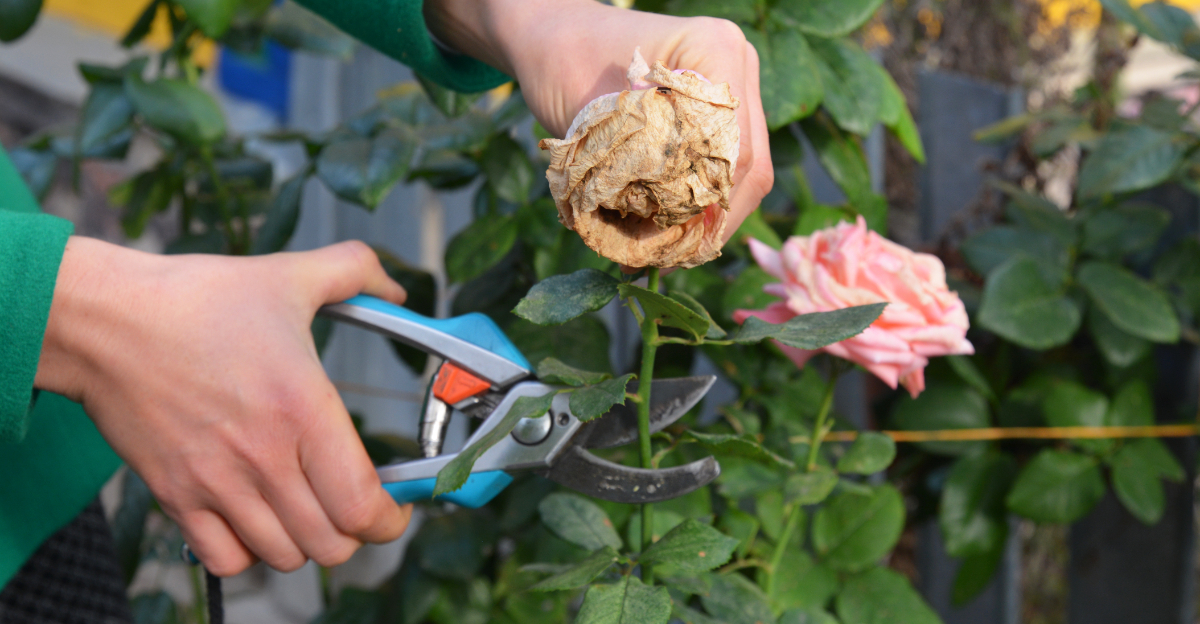
When you remove a spent bloom, you create an open wound on the plant. That cut site loses moisture fast in extreme heat, leaving the stem dehydrated before it can begin healing.
Rose stems are like tiny water pipes. During high temperatures, those pipes are already working overtime to keep leaves and blooms hydrated, so a fresh cut disrupts the whole system.
A rose growing in partial shade handles a midday cut slightly better than one in full sun exposure. Even so, the safest approach is to wait for cooler hours rather than rely on shade alone.
Spent bloom removal during midday also pushes the plant into a defensive state. It shifts energy away from root health and redirects it toward emergency wound repair.
Oregon gardeners have reported seeing their roses droop within an hour of midday bloom removal on hot days. That drooping is not just wilting, it is a visible sign of vascular stress.
The stem tissue near a fresh cut can actually scorch in direct sun. Think of it like a sunburn on exposed skin, painful and slow to heal.
Avoiding midday cuts is one of the easiest changes you can make. Protecting your roses from this common pruning error starts with simply watching the clock before grabbing your pruners.
Oregon Summer Temperatures Amplify Pruning Stress On Roses
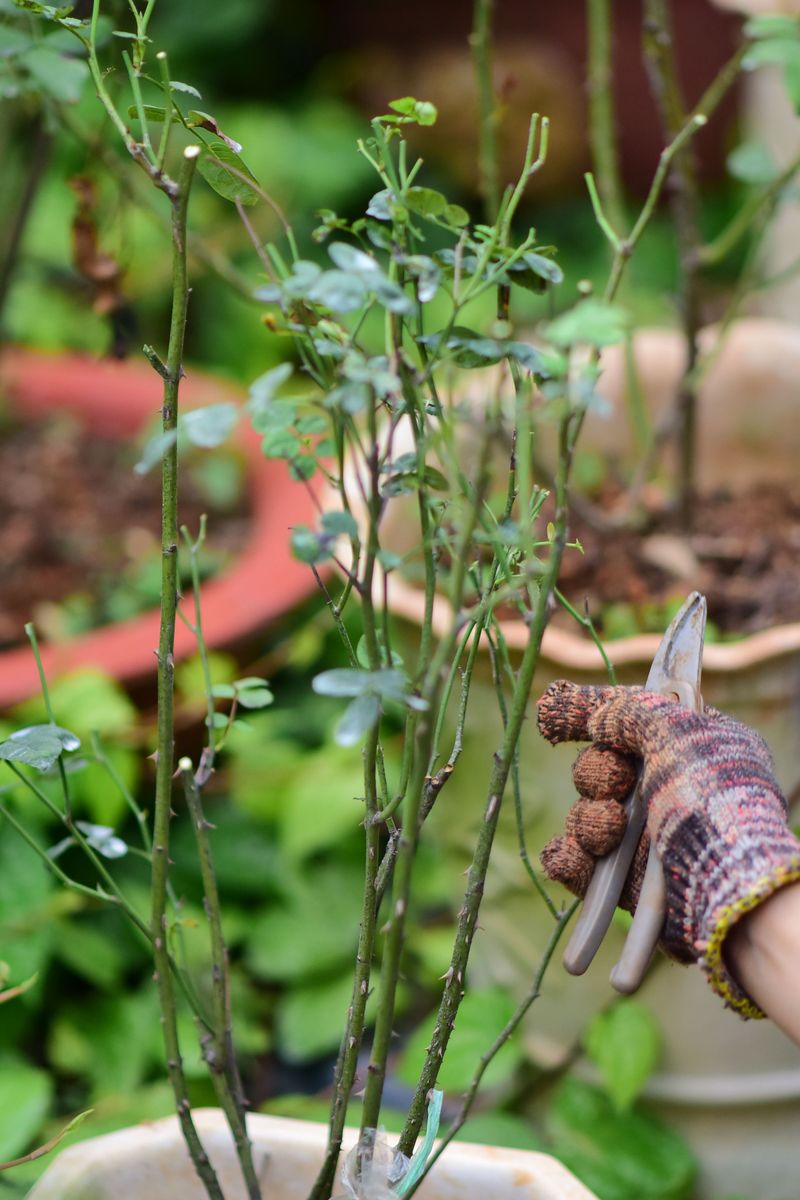
Oregon summers have changed. The Willamette Valley and surrounding regions now regularly see multi-day heat events that push well above 100 degrees.
Roses are tough plants, but they have limits. Spent bloom removal during these heat events adds stress on top of stress, and the results can be damaging.
Heat amplifies every mistake a gardener makes. A cut that would heal in two days during mild weather might take a full week to close up during a heat wave.
High temperatures slow the cellular repair process in rose canes. The plant cannot produce new tissue fast enough to protect the wound before dehydration sets in.
Oregon’s dry summer air makes things worse. Unlike coastal climates with humidity to buffer the heat, inland Oregon gardens can feel like an oven, pulling moisture straight out of cut stems.
Your Oregon Garden Changes Every Week. Your Plan Should Too.
Gardening in Oregon changes quickly throughout the season. Every Friday you’ll receive a simple weekly plan showing exactly what to plant, prune, fertilize, harvest, and protect so you never miss the right timing.
Roses under heat stress also have reduced natural resistance to disease. Fungal and bacterial pathogens love warm, wounded tissue, so a poorly timed cut becomes an open invitation for disease.
Gardeners across the Pacific Northwest have learned this the hard way. Watching a healthy rose bush decline after routine bloom removal during a heat wave is a frustrating and avoidable experience.
Understanding how Oregon’s unique summer climate interacts with spent bloom removal is key. Adjusting your approach to match local conditions can mean the difference between thriving roses and struggling ones.
Cutting Too Deep During Heat Waves Slows Recovery
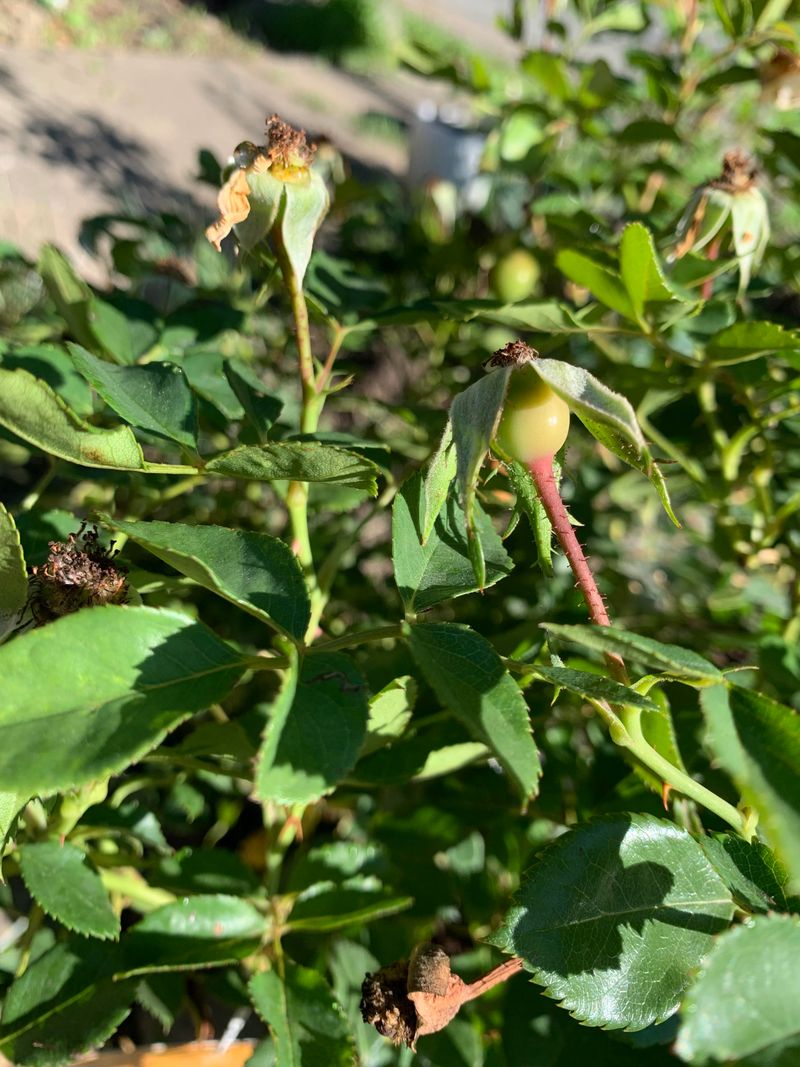
Depth matters more than most gardeners realize. Cutting too far down the cane during a heat wave removes leaves the plant desperately needs for shade and energy production.
Leaves are solar panels for roses. Strip too many away in one cut, and the plant loses its ability to photosynthesize efficiently while simultaneously trying to recover from heat stress.
A common pruning misstep is cutting all the way back to the nearest five-leaf junction without considering how much foliage gets removed. During mild weather, that technique works well.
During a heat wave, that same cut can leave a long section of bare cane exposed to scorching sun. The exposed wood dries out quickly and can split or crack under extreme heat.
Shallow cuts during hot spells are a smarter short-term strategy. Removing just the spent flower head with a tiny bit of stem keeps most of the plant’s energy reserves intact.
Rose recovery time can take significantly longer when deep cuts are made in temperatures above 90 degrees. The plant has to spend precious water reserves on both cooling itself and healing the wound.
Think of a heat wave as a temporary pause button on aggressive pruning. Light, careful spent bloom removal protects your roses and still keeps the garden looking tidy without causing lasting harm.
Dull Tools Increase Wound Exposure In Hot Conditions
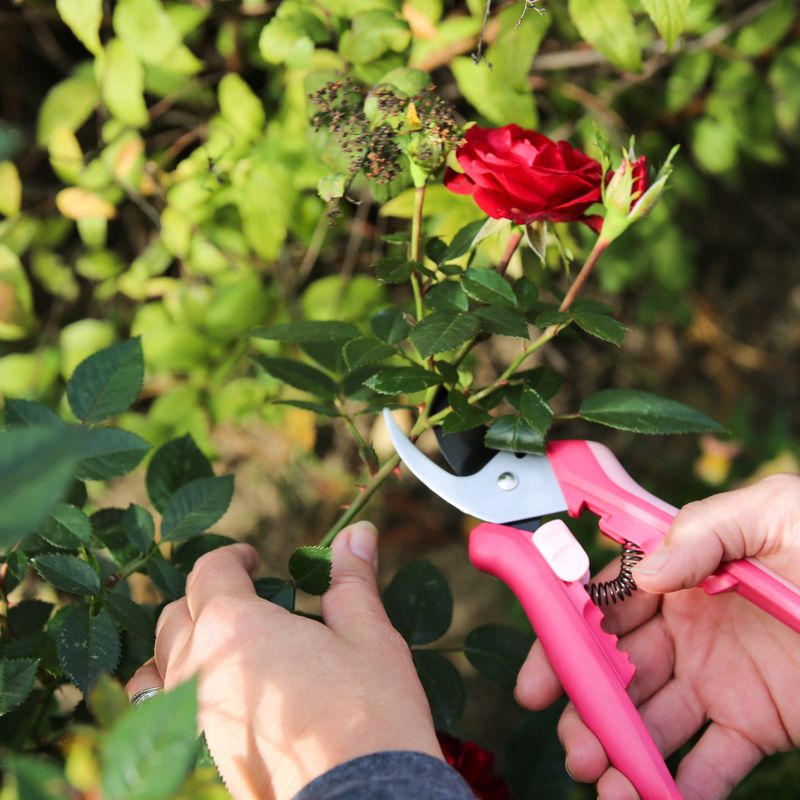
A dull blade is a garden disaster waiting to happen. Especially in the heat, a ragged cut on a rose stem takes far longer to heal than a clean slice.
Sharp pruners cut through rose canes in one smooth motion. Dull tools crush and tear the tissue, leaving a jagged edge that exposes a much larger wound surface area to the hot air.
Larger wound surfaces mean more moisture loss. During extreme heat, that extra exposed tissue can dry out within minutes, preventing the plant from sealing the cut efficiently.
Bacteria and fungi love jagged wounds. The uneven edges created by dull blades trap moisture pockets where pathogens can settle in before the rose even begins its natural healing response.
Sharpening your pruners takes about five minutes. A few passes with a whetstone or a handheld blade sharpener keeps your tools ready for clean cuts that protect plant health.
Sanitizing tools matters just as much as sharpening them. Wiping blades with a disinfecting solution between cuts prevents the spread of any disease that might be lurking on one plant from jumping to the next.
During hot spells, every detail of your spent bloom removal technique counts. A sharp, clean blade is one of the simplest upgrades you can make to keep your Oregon roses healthy all summer long.
Skipping Water Before Trimming Worsens Plant Stress
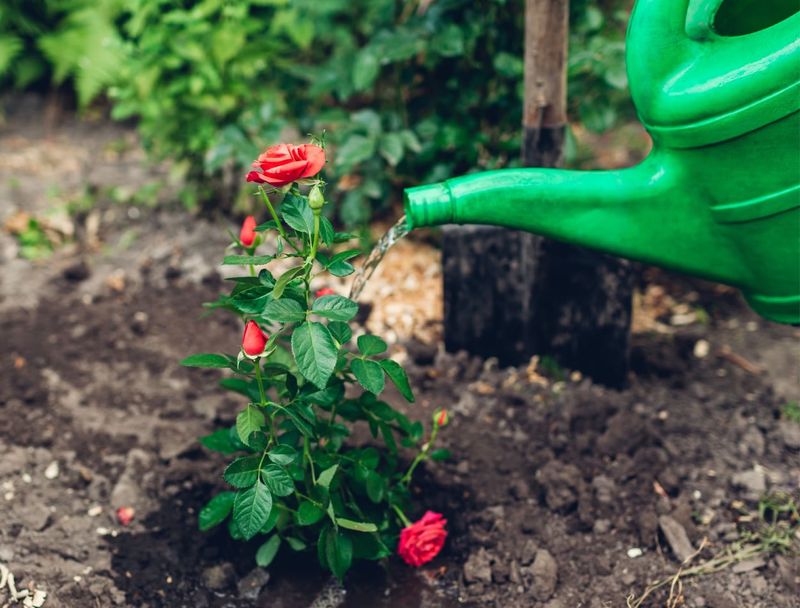
Trimming a thirsty rose is like running a marathon without drinking water first. The plant is already in survival mode, and removing blooms pushes it further into the danger zone.
Roses need to be well-hydrated before any cutting session. A plant with full, turgid cells heals faster and handles the stress of spent bloom removal much better than a dry one.
Watering deeply the evening before a planned bloom removal session gives roots time to absorb moisture overnight. By morning, the plant is primed and ready to handle light pruning without excessive stress.
Dry soil during a heat wave causes rose roots to pull water from the canes and leaves. When you then make a cut, there is simply not enough internal moisture left to support wound healing.
Visible signs of pre-trim dehydration include slightly curled leaf edges and stems that feel less firm to the touch. These are your cues to water first and wait before reaching for the pruners.
Mulching around the base of each rose bush helps retain soil moisture between watering sessions. A two-inch layer of organic mulch can make a measurable difference in how well roots stay hydrated during heat waves.
Pairing good watering habits with smart spent bloom removal timing creates a protective routine. Your Oregon roses will reward that extra care with stronger regrowth and more vibrant blooms after each heat event passes.
Timing Removal For Cooler Hours Protects Rose Health
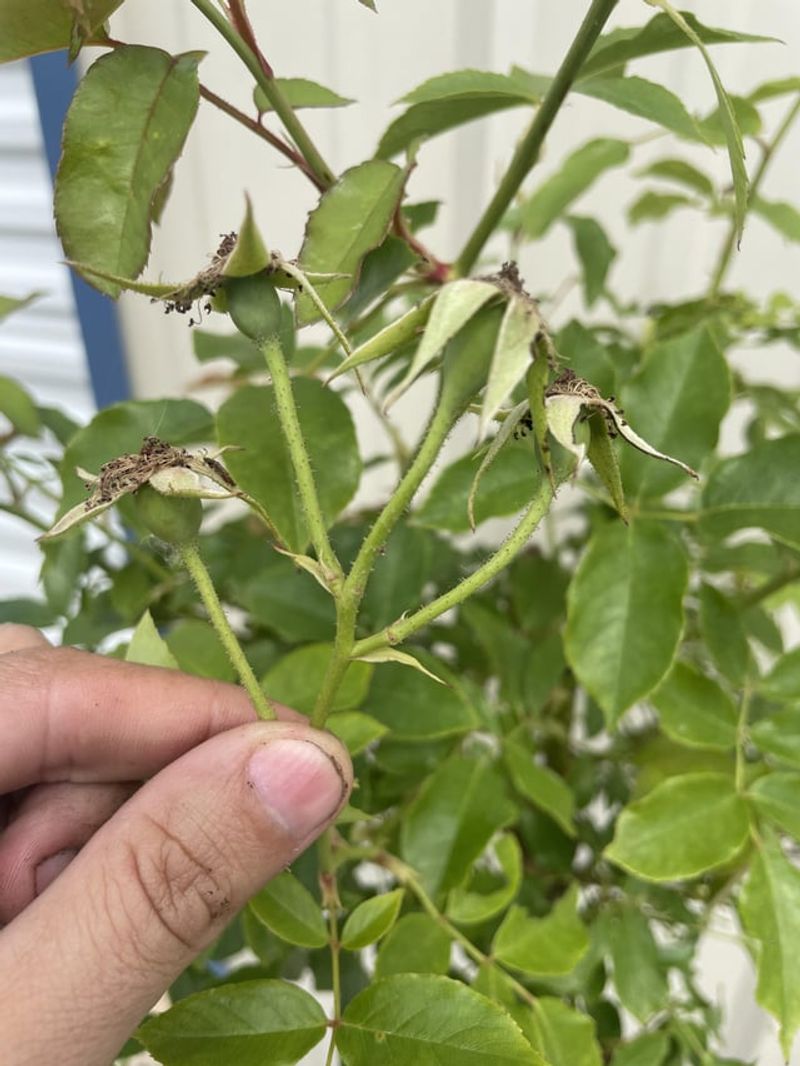
Early morning is a rose’s best friend during summer. The air is cooler, the sun is low, and the plant has had all night to rehydrate from its roots up through every stem.
Spent bloom removal done between 6 a.m. and 9 a.m. gives cut stems hours to begin healing before midday heat arrives. That head start makes a real difference in how quickly roses recover.
Evening is the second-best window for removing spent blooms. Temperatures drop after 6 p.m. in most Oregon valleys, giving roses a cooler environment to begin the initial stages of wound closure.
Avoid trimming on days when the forecast shows no overnight cooling. Some heat waves trap warmth through the night, and cutting during those stretches gives the plant no recovery window at all.
Checking a weather app before heading out to the garden takes thirty seconds. That small habit can prevent a week of watching your roses struggle after an ill-timed spent bloom removal session.
Cooler-hour pruning also benefits the gardener. Working in the morning shade is simply more pleasant, and you are more likely to take your time and make careful, precise cuts when you are not overheated.
Protecting your Oregon roses from unnecessary summer stress comes down to timing. Choose the cool hours, hydrate the plant first, and your roses will keep blooming strong all season.