This Common Virginia Shrub May Deserve More Caution Than A Copperhead
Danger doesn’t always need fangs to reach you in Virginia. Something is growing quietly near you, and it can cause serious harm. Wetlands across Virginia hide a threat you rarely notice.
Shaded, waterlogged ground gives it the perfect cover. Its leaves look soft, almost graceful, fooling you completely.
Beneath that softness sits an oil that can blister your skin. Doctors treat reactions like yours every single season.
Swelling and blisters can follow a quick touch against you. Children playing near quiet creek banks face real exposure. Even seasoned outdoorsmen misidentify it, and so could you.
Hikers, gardeners, and hunters all share the same blind spot. Nobody expects a quiet shrub to outmatch a venomous snake. Yet this thing does, silently, without any warning.
Recognizing it takes seconds, but ignoring it costs dearly. Your next walk near standing water could change everything. What’s hiding in that shade will not stay hidden for long.
Why This Shrub Warrants Serious Caution
Forget the snake warnings for a second. Poison sumac is an often-overlooked hazard in Virginia’s wetlands. Most people associate plant dangers with poison ivy, but poison sumac is far more potent.
The oils it produces cause severe allergic reactions that can affect your skin, eyes, and airways. Even brief contact can trigger swelling that spreads well beyond the original point of exposure.
A copperhead bite is painful and scary, but it rarely causes long-term damage when treated quickly.
Poison sumac exposure, especially through smoke or heavy skin contact, can land you in the hospital for days. Unlike a snake, this plant gives no warning before you touch it.
The plant belongs to the same family as poison ivy and poison oak. However, toxicologists often rank it as significantly more reactive than either of those well-known plants.
Urushiol is the oily chemical responsible for the reaction. Poison sumac is widely considered one of the most potent urushiol-producing plants in North America, which explains why its effects can feel disproportionate to a single brush against it.
Many outdoor enthusiasts in Virginia have no idea this shrub even exists. Hikers, hunters, and gardeners are among the most commonly affected groups each season.
Knowing this plant exists is your first layer of protection. Understanding why it is dangerous keeps you from underestimating it outdoors.
Spotting Poison Sumac Before It Spots You
Sharp eyes save itchy skin. Learning to identify poison sumac is one of the smartest things an outdoor lover can do.
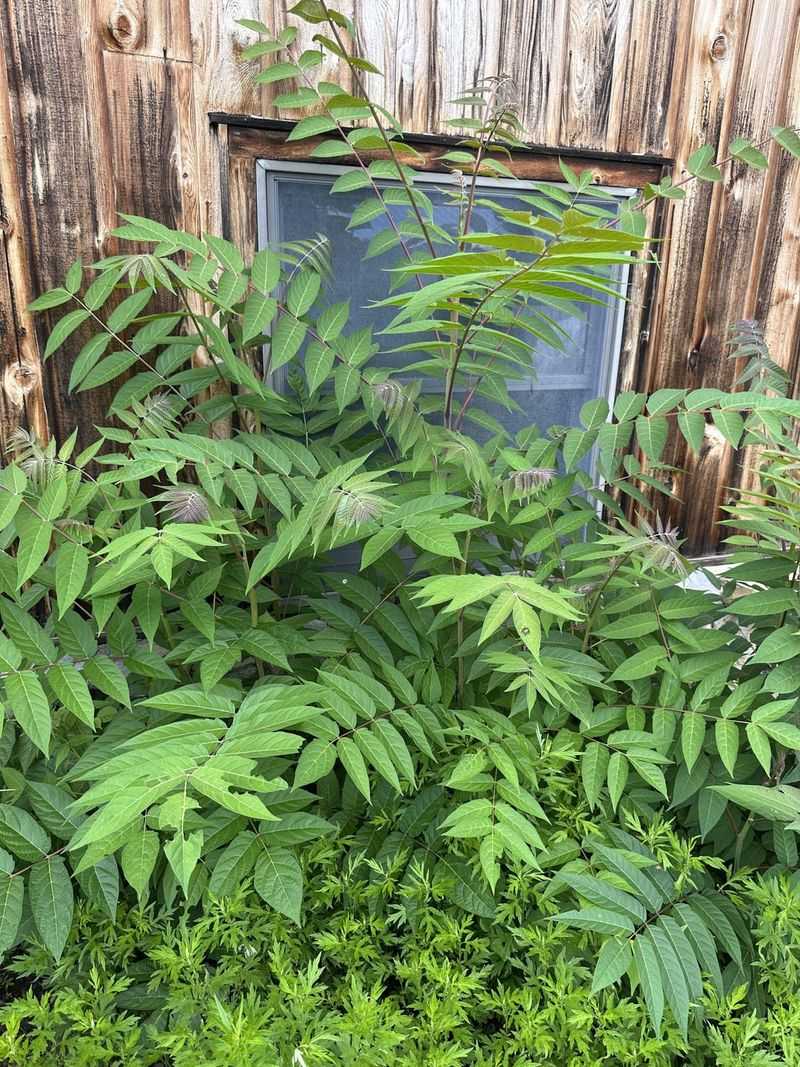
Poison sumac grows as a tall shrub or small tree, often reaching 6 to 20 feet in height. Its leaves are compound, meaning several leaflets grow along one central stem.
Each leaf typically carries 7 to 13 leaflets arranged in pairs. The leaflets are smooth-edged, oval-shaped, and have a glossy appearance that can catch light beautifully in the sun.
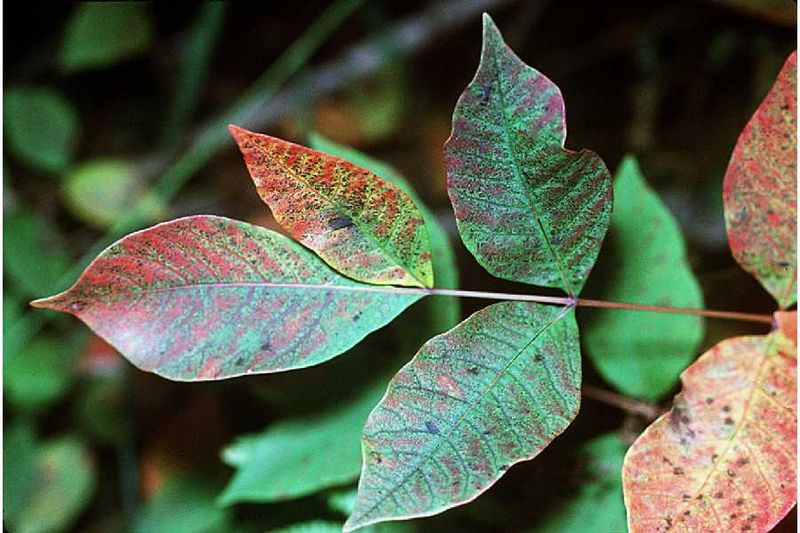
One key identifier is the stem color. Poison sumac often has reddish stems and leaf veins, which stand out against the green foliage.
The berries are another major clue. Unlike the red berry clusters of harmless sumac species, poison sumac produces small, pale yellow or white berries that hang in loose clusters.
Your Virginia Garden Changes Every Week. Your Plan Should Too.
Gardening in Virginia changes quickly throughout the season. Every Friday you’ll receive a simple weekly plan showing exactly what to plant, prune, fertilize, harvest, and protect so you never miss the right timing.
Those white berries are a reliable warning sign year-round. If you spot a shrub near wet ground with whitish berry clusters, back away and do not touch anything.
Harmless staghorn sumac, which many people confuse with the toxic variety, has dense red berry clusters on dry, upland ground. Knowing that difference alone can save your summer.
Spotting poison sumac correctly takes practice, but the visual clues are consistent. Once you train your eyes to look for white berries and red stems near water, identification becomes second nature.
Where It Hides In Virginia’s Wet, Shaded Ground
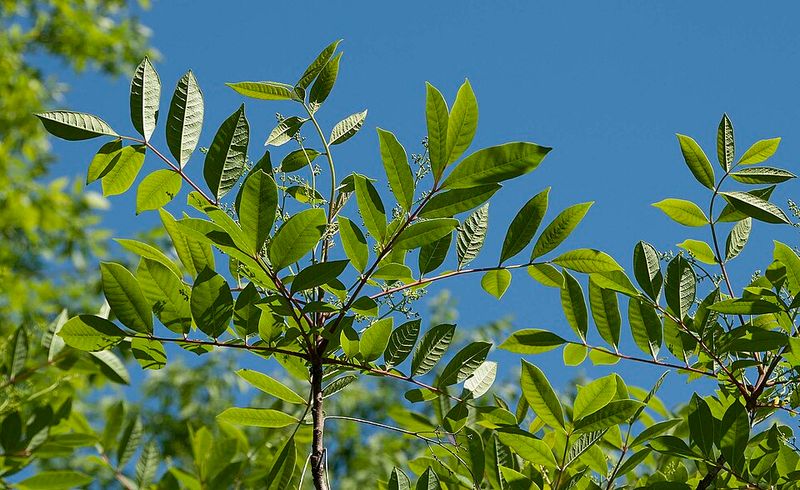
Standing water is a clue. If you see a soggy patch of ground surrounded by dense shrubs, poison sumac could be right at home there.
This plant thrives in wetland environments, including swamps, bogs, and the edges of slow-moving streams. It prefers acidic, waterlogged soil that most other plants avoid.
Virginia has no shortage of these habitats. Virginia’s coastal plain hosts most of the state’s poison sumac, with rare, isolated pockets turning up in mountain bogs.
Poison sumac rarely grows in dry, open fields. That is important to remember because it narrows down where you need to be most alert.
Hunters walking through marshy ground in the fall are especially vulnerable. The plant does not lose its toxic properties in cooler months, and bare branches can still transfer urushiol oil.
Birders and wildlife photographers also face risk. Wetland habitats attract incredible wildlife, which draws curious people right into poison sumac territory without warning.
Even your own backyard could be at risk if it borders a drainage ditch or low-lying wet area. Homeowners sometimes unknowingly plant near or clear around this shrub during yard work.
Knowing the terrain it prefers gives you a strong advantage. Respect wet, shaded areas in Virginia, and always scan your surroundings before grabbing any unfamiliar plant for support or clearance.
Its Rash Proves Nastier Than Poison Ivy

Reactions to poison sumac often last longer and prove more severe than poison ivy. The rash from poison sumac develops from urushiol oil transferring to your skin. Even a tiny amount can trigger an intense immune response in sensitive individuals.
Symptoms usually begin within 12 to 72 hours of contact. You may notice redness, swelling, and intense itching before the blisters even appear.
Those blisters can grow large and ooze fluid. In serious cases, the reaction spreads across wide areas of the body, especially if you touch your face or eyes after contact.
Eye exposure is particularly alarming. Swelling can become severe enough to temporarily affect vision, and medical treatment becomes urgent at that point.
Inhaling the plant’s smoke during burning causes an entirely different level of reaction. The urushiol particles enter your lungs and can cause internal inflammation that requires emergency care.
Doctors sometimes prescribe oral corticosteroids for severe cases. Over-the-counter creams rarely provide enough relief when the reaction is this intense.
Children and people with sensitive skin tend to react more strongly. However, even people who have never reacted to poison ivy can have a fierce response to poison sumac on first contact.
The rash itself is not contagious, but the oil on your clothes, tools, or pet fur absolutely can spread. Washing everything immediately after possible exposure is non-negotiable.
Why Burning It Is Riskier Than It Seems
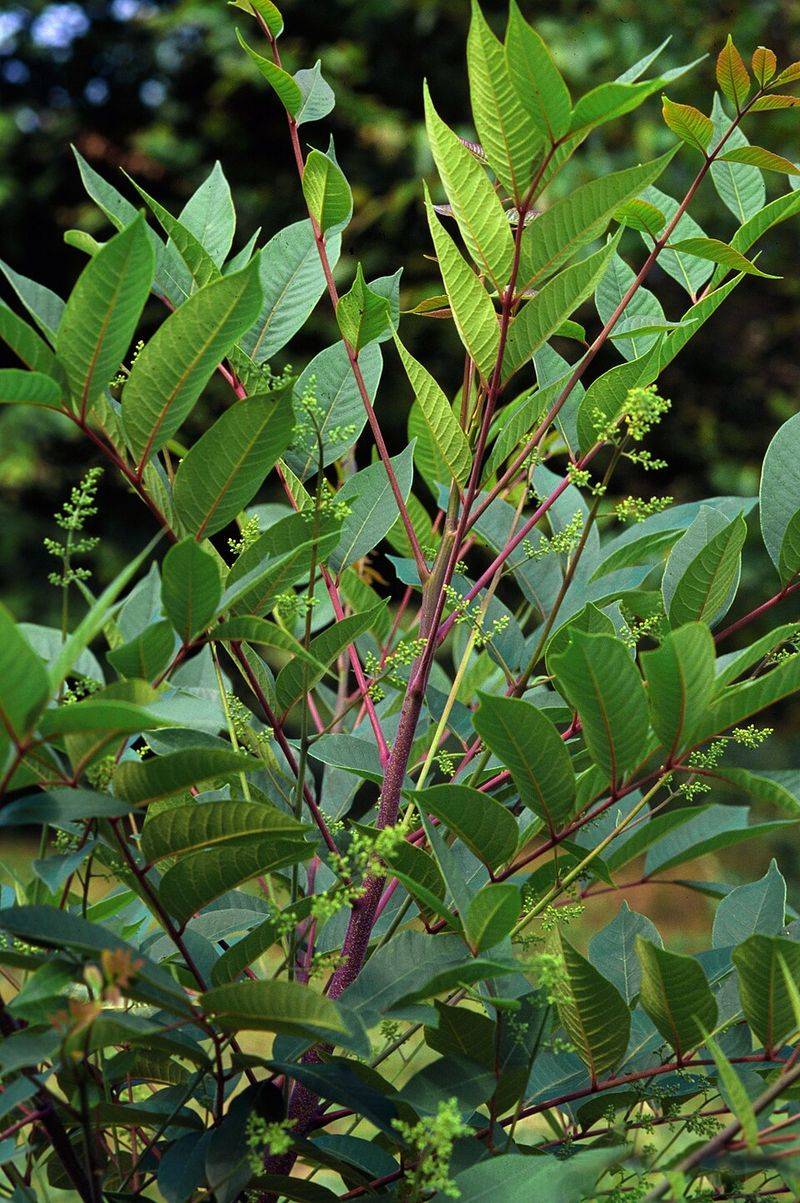
Burning this plant carries risks many people don’t anticipate. Burning poison sumac is one of those mistakes that people often regret after the fact.
When the plant burns, urushiol does not disappear. The chemical becomes airborne, attaching to smoke particles that travel straight into your nose, throat, and lungs.
Breathing that smoke causes internal inflammation that mirrors the external rash, but inside your airways. This can lead to throat swelling, breathing difficulty, and a medical emergency within hours.
Firefighters and land managers are trained to identify toxic plants before controlled burns. Everyday homeowners rarely have that training, which creates serious risk during seasonal brush clearing.
The smoke can also affect bystanders who are not even near the fire. Wind carries those particles farther than most people realize, putting neighbors and pets at risk too.
Even torching dried, withered branches is dangerous. Urushiol remains potent in decayed plant material for months, sometimes even years after the plant has stopped growing.
Protective gear is not enough on its own during a burn. Respiratory protection, such as a properly fitted mask rated for chemical particles, is the minimum requirement for safe handling near fire.
If you suspect poison sumac is in a pile you are about to burn, stop completely. Contact a professional plant removal service or your local cooperative extension office for guidance before proceeding.
Steps For Safe Identification And Removal
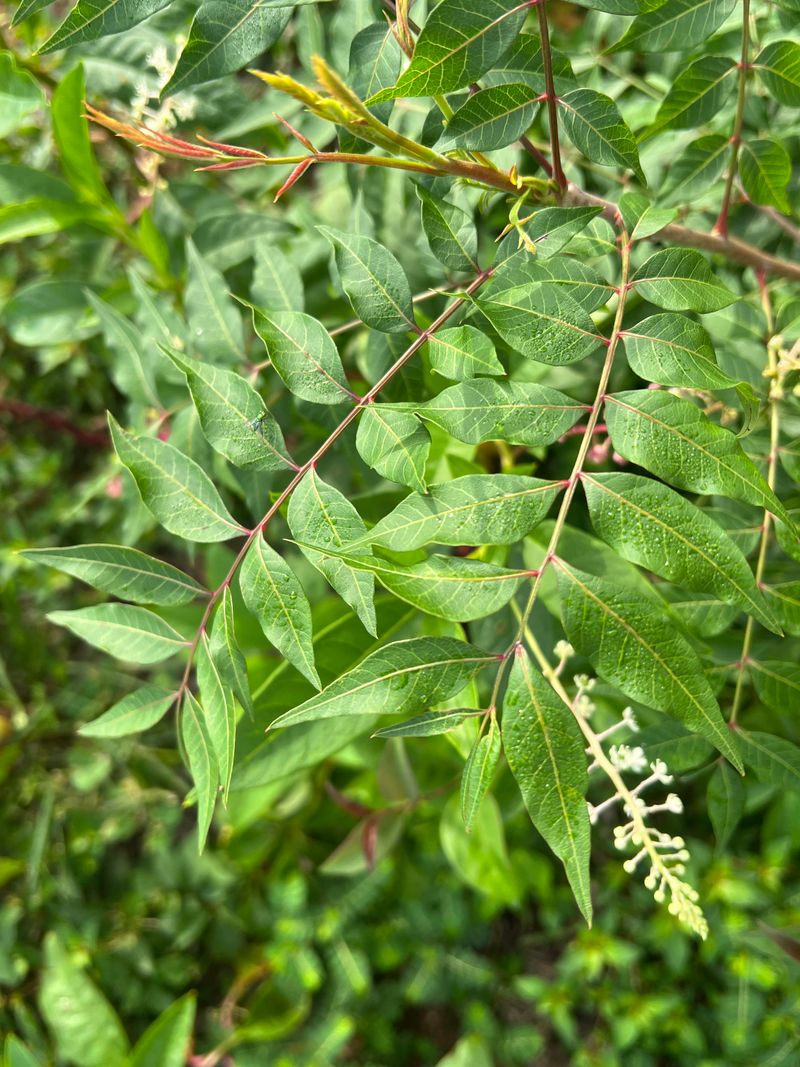
Knowledge without action is just worry. If poison sumac is on your property, there are safe, smart steps you can take right now.
Start with proper identification before touching anything. Use a field guide, a plant ID app, or call your local extension office to confirm what you are dealing with.
Never handle a suspected plant with bare hands. Wear chemical-resistant gloves, long sleeves, long pants, and eye protection before getting anywhere near the shrub.
Bag all plant material in heavy-duty garbage bags immediately after cutting. Seal the bags tightly and dispose of them according to your local waste guidelines, not in a compost pile.
Wash all tools thoroughly with soap and water after contact. Urushiol clings to metal surfaces and can transfer to the next person who picks up that shovel or pruner.
Your clothing needs immediate attention too. Strip off and bag your gear before entering your home, then wash everything separately in hot water with detergent.
Shower as soon as possible using soap, not just water. Rinsing alone does not remove urushiol effectively, and the longer it sits on your skin, the worse the reaction becomes.
For large infestations or plants near waterways, hiring a licensed professional is the safest choice. Protecting yourself from this common Virginia shrub takes preparation, but it is completely manageable with the right approach.