Pennsylvania Gardeners Are Quietly Planting This Native Groundcover To Smother Weeds
Weeding is one of those garden tasks that never really ends, and most Pennsylvania gardeners have quietly made peace with that. You clear a bed, the weeds come back, you clear it again.
The cycle continues season after season with only the specific weeds and the specific beds changing. Most people assume this is simply the cost of having a garden.
But a growing number of Pennsylvania gardeners have found a way to largely opt out of that cycle.
There’s a native Pennsylvania groundcover that smothers weeds with a thoroughness that mulch never quite manages, establishes without demanding constant attention, and once it gets going, holds its ground against most weeds in a way that makes those same beds dramatically easier to maintain year after year.
Not weed free, but close enough to feel like a genuinely different gardening experience. It supports pollinators, stays attractive through multiple seasons, and fits naturally into the Pennsylvania ecosystem in ways that non-native groundcovers simply don’t.
The Pennsylvania gardeners who have discovered it tend to plant it everywhere they’ve struggled with weeds. Here’s why.
Golden Groundsel Spreads Into Dense Colonies
Picture a plant that practically does your gardening for you. Golden groundsel is exactly that kind of plant.
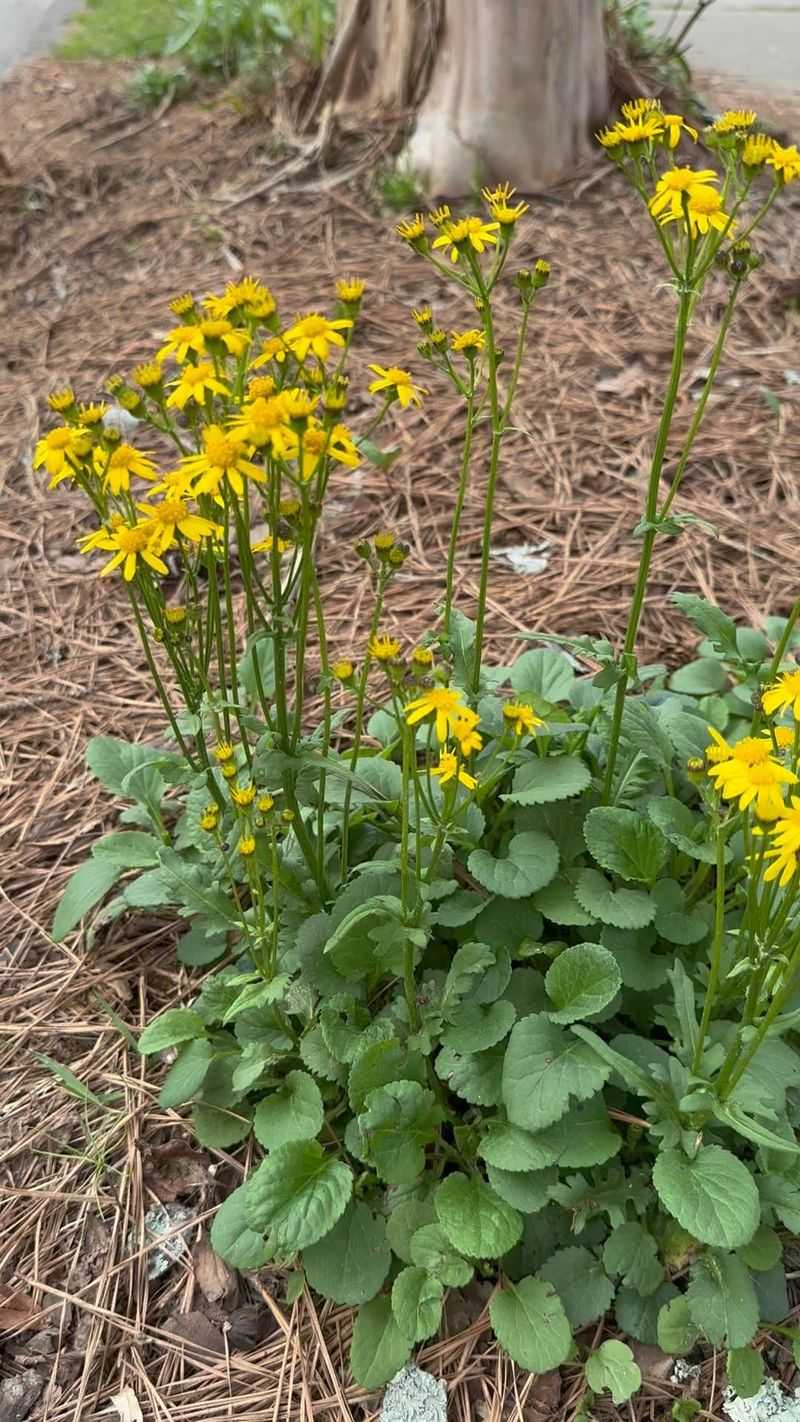
Once it gets settled into your garden, it starts spreading on its own through underground stems called rhizomes, as well as by dropping seeds. Over time, those few starter plants grow into a thick, lush carpet of green that covers the ground completely.
That dense mat of foliage is what makes golden groundsel so valuable for weed control. When the soil is covered by a healthy colony of plants, there is simply no open space left for weed seeds to land and sprout.
Bare soil is basically an open invitation for weeds, and golden groundsel closes that door quickly and naturally.
The spreading habit of this plant is steady but not out of control. It tends to fill in gradually over a season or two, which gives you time to manage its growth if needed.
Gardeners who plant it in a defined bed usually find it stays fairly well-behaved. In open woodland areas, though, it can spread more freely, which is actually a good thing when you want wide coverage.
One of the best parts about this plant is that it fills in gaps without much help from you. You do not need to replant every year or constantly add new plants.
The colony maintains itself and even expands, which saves time and money in the long run. For Pennsylvania gardeners dealing with stubborn bare patches, golden groundsel offers a reliable, self-sustaining solution that gets better with every passing season.
Less Bare Soil Means Fewer Weed Openings
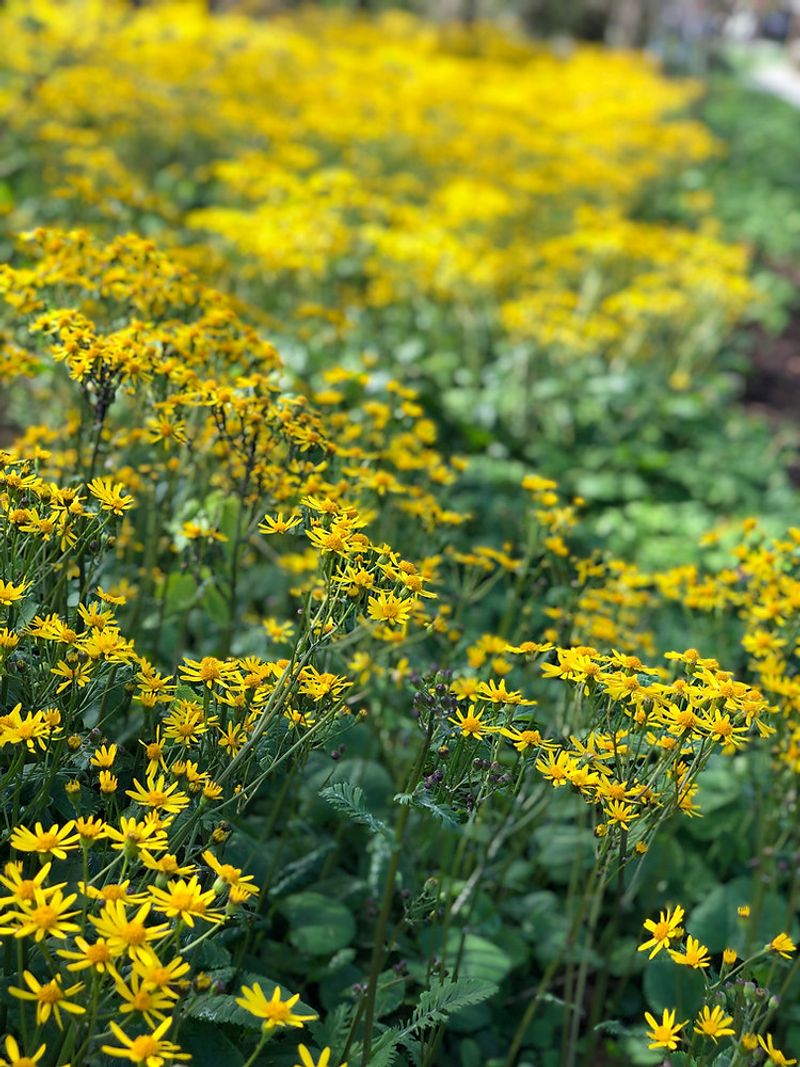
Weeds are opportunists. They move in fast whenever they spot open soil with sunlight and space.
That is why bare ground in a garden is such a problem. Every empty patch is a potential weed zone.
Golden groundsel works as a living shield by covering the ground so thoroughly that weed seeds have nowhere to take hold.
Your Pennsylvania Garden Changes Every Week. Your Plan Should Too.
Gardening in Pennsylvania changes quickly throughout the season. Every Friday you’ll receive a simple weekly plan showing exactly what to plant, prune, fertilize, harvest, and protect so you never miss the right timing.
Think of it like a puzzle with no missing pieces. When golden groundsel fills in completely, there are no gaps for weed seedlings to squeeze through.
The leaves overlap and shade the soil below, which also keeps the ground cooler and moister. Those conditions actually help the groundsel thrive while making life much harder for common weeds like dandelions, chickweed, and crabgrass.
The key is getting the groundsel established quickly. Once the plant hits its stride and starts spreading, the weed pressure in that area drops noticeably.
Many Pennsylvania gardeners report that after one or two full growing seasons, they are spending far less time pulling weeds from beds where golden groundsel has taken over.
Using golden groundsel as a preventative living cover is one of the smartest moves a gardener can make. Rather than waiting for weeds to pop up and then removing them by hand, you are stopping them before they ever get started.
This approach works best when you plant golden groundsel in early spring or fall, giving it time to settle in before peak weed season hits. It is a simple shift in strategy that pays off season after season with less work and a much cleaner, more attractive garden bed.
It Thrives In Part Shade
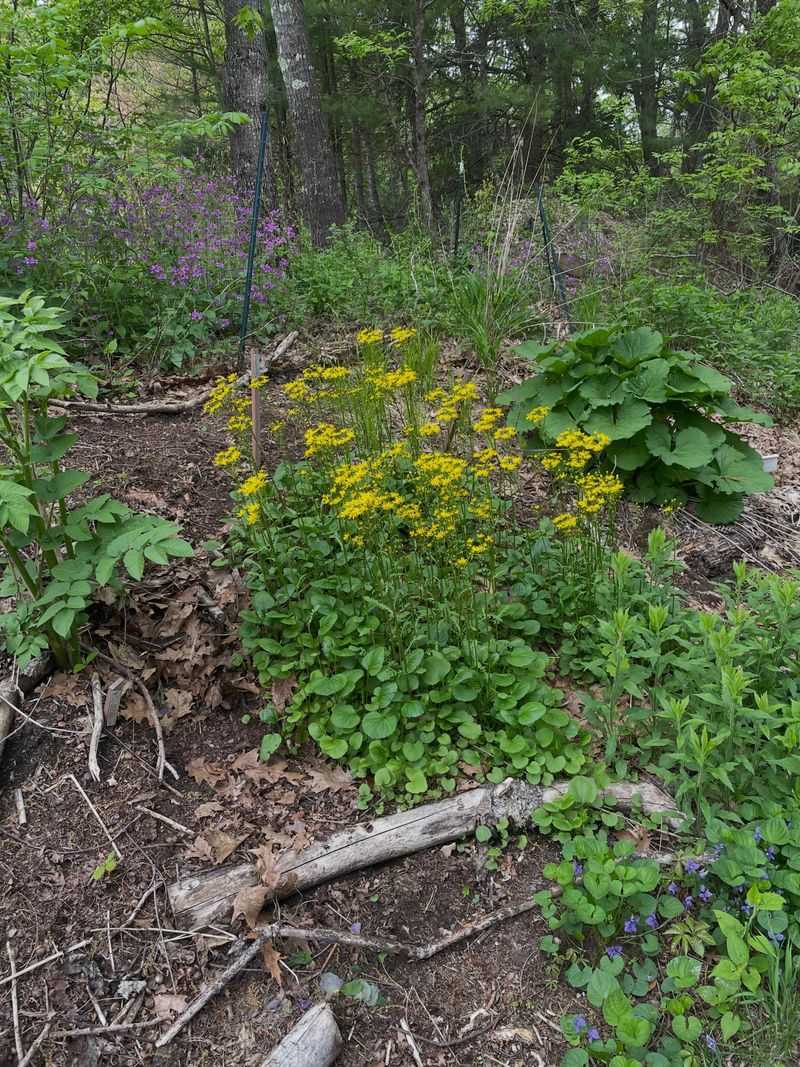
Shady spots in the yard can be some of the most frustrating areas to plant. Grass thins out and looks patchy.
Many popular groundcovers need more sun than those spots can offer. Golden groundsel flips that problem on its head because it actually prefers part shade.
It grows best beneath trees and along woodland edges where sunlight comes and goes throughout the day.
For Pennsylvania gardeners, this is great news. The state has plenty of mature trees, wooded backyards, and north-facing slopes where full sun is hard to come by.
Those are exactly the places where golden groundsel performs at its best. It handles low light conditions with ease and still produces healthy, full growth that covers the ground effectively.
It is worth knowing that golden groundsel can handle some sun, especially in the morning. However, it tends to struggle in hot afternoon sun without enough moisture to balance things out.
In a shady or partly shady location, it stays hydrated more easily and spreads more confidently. This makes it a go-to choice for spots that have defeated other plants before.
Turfgrass, for example, often gives up in deep shade. Sun-loving groundcovers like creeping thyme or sedum need bright conditions to survive.
Golden groundsel steps in where those plants cannot. Gardeners who have been frustrated by a perpetually bare shady corner will find that golden groundsel transforms that problem area into a lush, green space.
It brings life to spots that once seemed impossible to plant, and it does so without requiring much extra attention from the gardener at all.
Moist Soil Helps It Establish Fast
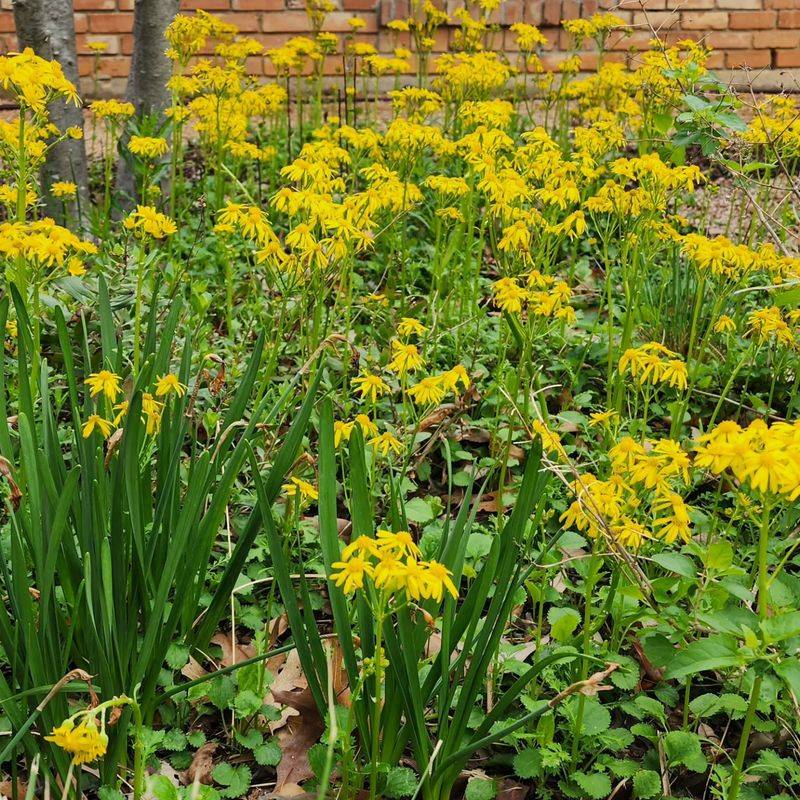
Soil moisture plays a huge role in how quickly golden groundsel gets established. Give it consistently moist, well-drained ground, and it takes off with impressive speed.
Dry, sandy soil slows it down, but the right conditions allow it to spread steadily and fill in a bed within a single growing season. Pennsylvania’s climate, with its regular rainfall and humid summers, often provides exactly what this plant craves.
Rain gardens, low-lying areas, spots near downspouts, and beds alongside streams or ponds are all ideal planting locations. These are the kinds of spots that stay moist naturally, which means less watering work for you.
Golden groundsel planted in these areas tends to establish quickly and expand reliably without much intervention. It is almost like the plant is designed for the kind of wet, shaded corners that are common in Pennsylvania yards.
During the first season, some supplemental watering helps the young plants get rooted in properly. Once established, though, the colonies become much more self-sufficient.
A well-settled patch of golden groundsel can handle short dry spells without looking stressed, especially when it is growing in a shaded location where the soil holds moisture longer.
Gardeners who have tried planting in persistently soggy areas know how hard it can be to find plants that survive. Many common garden plants cannot handle wet feet.
Golden groundsel not only tolerates moisture but welcomes it. That resilience in challenging soil conditions is one of the reasons Pennsylvania gardeners keep reaching for this plant.
It fills a specific niche that very few other groundcovers can match with the same reliability and natural beauty.
Spring Flowers Add More Than Weed Control
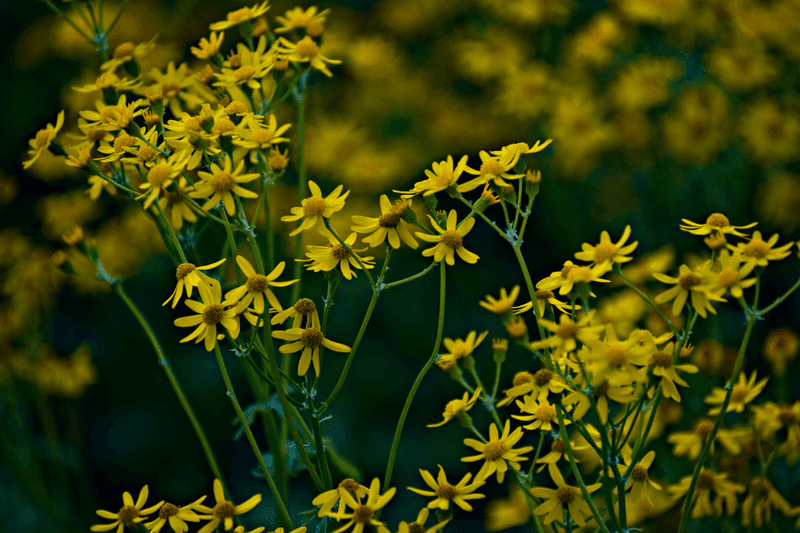
Most people choose a groundcover for practical reasons, like filling space or stopping weeds. Golden groundsel delivers on both counts, but it also gives you something extra that most groundcovers simply cannot offer: a beautiful spring flower show.
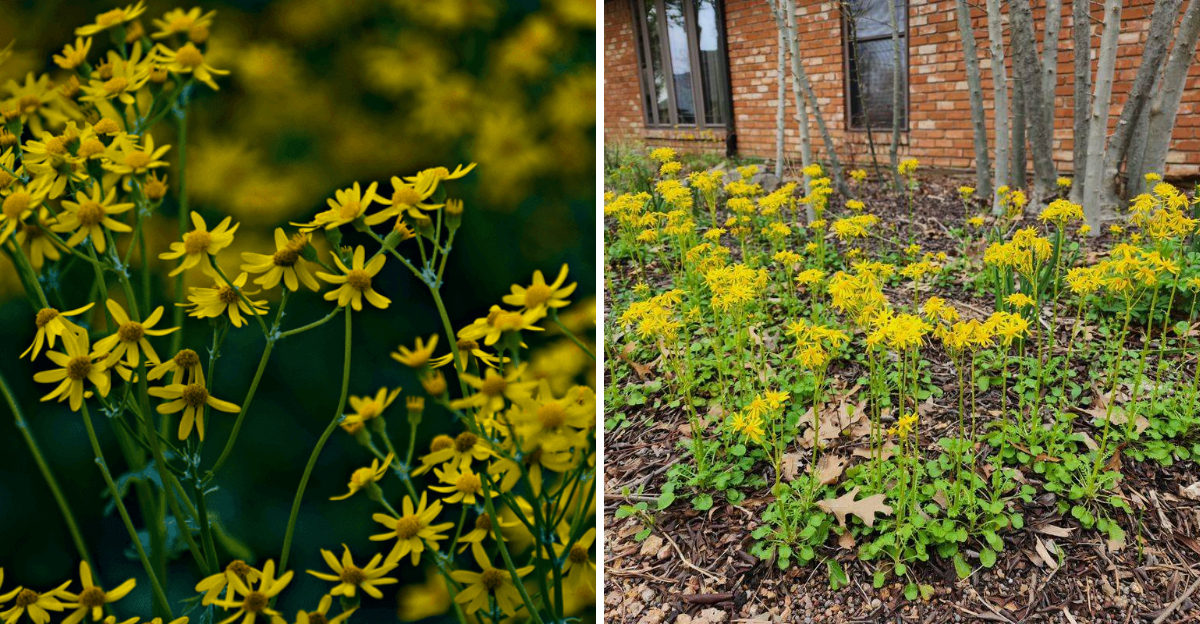
In April and May, clusters of bright yellow blooms rise above the foliage on tall stems, turning the garden into a sea of cheerful color.
Those flowers do more than look pretty. They are an important food source for early-season pollinators.
Bees, butterflies, and other beneficial insects are often hungry in early spring before many other plants have bloomed.
Golden groundsel steps in at just the right time, offering nectar and pollen when pollinators need it most. Planting it is a quiet way to support local wildlife without doing anything complicated.
The blooms have a daisy-like appearance with golden yellow petals surrounding a bright center. They tend to appear in generous clusters, so even a small colony can put on a striking display.
After the flowers fade, the foliage remains green and attractive through the rest of the growing season, continuing to cover the ground and suppress weeds long after the blooms are gone.
For gardeners who want a planting that earns its keep all year long, golden groundsel is a standout choice. It controls weeds, covers bare ground, and then rewards you with a burst of spring color that brightens up shady spots that might otherwise look dull.
The fact that it also helps pollinators makes the whole package feel even more worthwhile. Few plants pack this much value into such a low-maintenance, naturally spreading form.
Give It Room Because It Can Spread
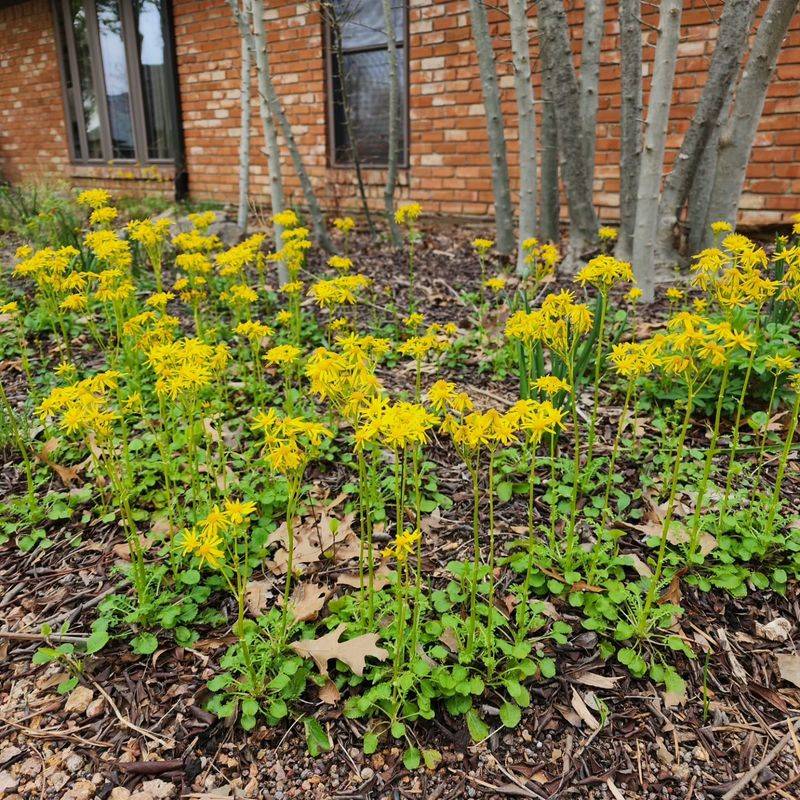
Here is something every gardener should know before planting golden groundsel: it is a spreader. That quality is exactly what makes it so good at smothering weeds, but it also means you need to plan ahead.
Without some thoughtful management, a colony can expand beyond the original planting area and move into spaces where you may not want it.
The good news is that managing golden groundsel is not complicated. Installing a simple garden edging barrier around the bed helps contain the rhizomes and keeps the colony from creeping into neighboring lawn or garden areas.
Plastic, metal, or rubber edging pushed a few inches into the soil works well for this purpose. It is a one-time effort that saves a lot of redirecting later on.
Thinning is another easy way to keep things in check. Every spring or fall, you can dig up sections of the colony and either compost them or transplant them to new areas where you want coverage.
This keeps the existing planting tidy while giving you free plants to expand your groundcover in other spots around the yard. It is a practical and satisfying way to manage a vigorous plant.
Gardeners who give golden groundsel space to do its thing in a defined area tend to be very happy with the results. The key is matching the plant to the right location from the start.
Wide woodland beds, large shady slopes, and naturalized areas under trees are perfect spots where its spreading habit becomes a major asset rather than a concern. A little planning goes a long way with this enthusiastic native groundcover.