Planting Clematis In Georgia This Fall Works Best With One Simple Trick
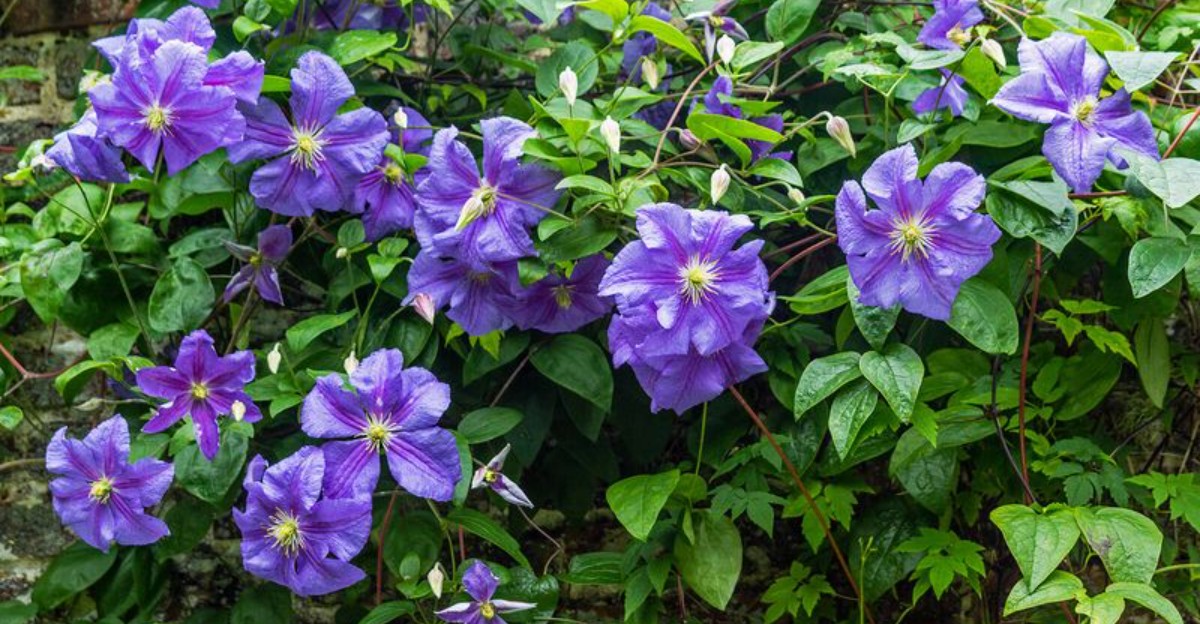
Clematis vines often come home from the nursery looking spindly, with a few thin stems tied to a stake. It can take a season or two before they fill a trellis.
Fall planting gives them a head start, since roots keep growing in cool soil after the top slows down.
How you set the plant in the ground matters as much as when you plant it. Many gardeners plant clematis like any other perennial, which seems sensible.
One small adjustment can lead to more stems and a sturdier plant over the next few years.
It takes no extra tools or special products, just a slightly different approach with the shovel.
Plenty of vines in Georgia struggle longer than they should because that step gets skipped the day they go in.
1. Small Details At Planting Time Shape How Well The Vine Grows
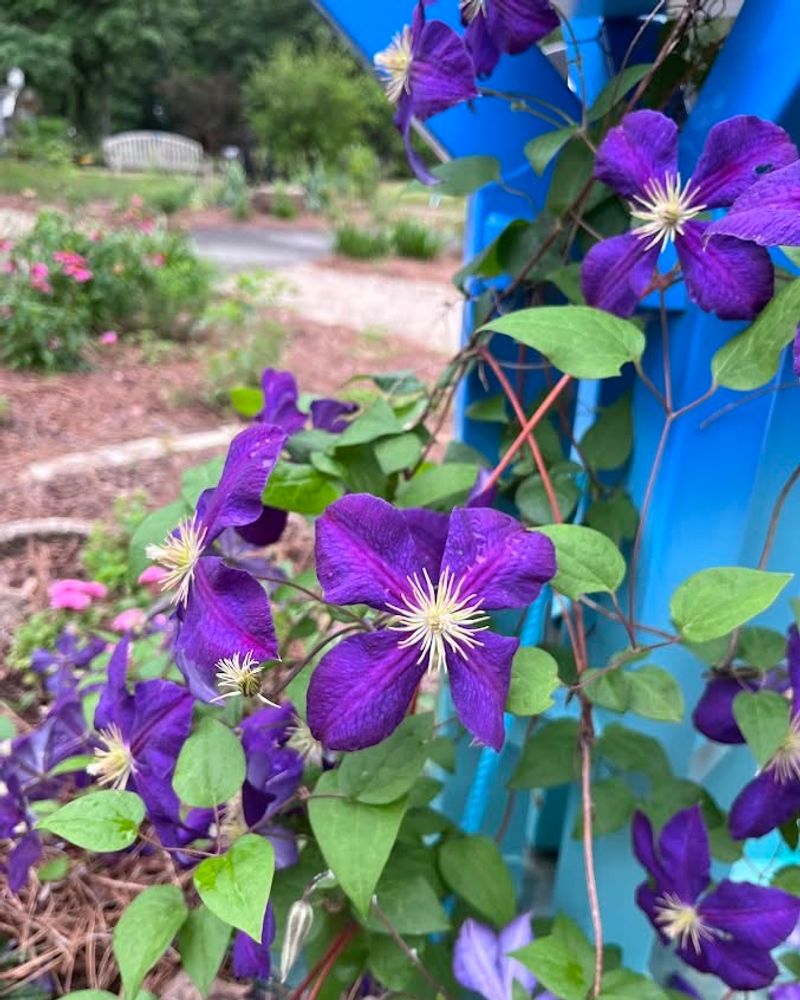
A few extra inches can change everything. Many experienced growers plant suitable large-flowered clematis slightly deeper than they grew in the nursery pot.
Extension sources often suggest setting the crown about two to three inches below the soil surface for these types.
Gardeners in Georgia can use this trick with popular hybrids like Jackmanii, Nelly Moser, and Henryi. Check the plant tag first, because not every clematis responds the same way.
Small-flowered species and some evergreen types may not need deeper planting at all.
Start by digging a hole wider than the pot so the roots can spread into loose soil. Set the plant so the top of the root ball sits a little below the surrounding ground.
Fill in gently around the stems with the soil you removed, then water slowly to settle everything in place.
Avoid packing the soil down hard with your feet. Firm it lightly with your hands instead, since roots need air pockets as much as moisture.
Watch the plant over the next few weeks for signs of settling. If the soil sinks, add a bit more to keep the crown at the right depth.
None of this takes much time, yet small choices like these often decide whether a vine struggles or settles in well.
2. Buried Stem Nodes Can Send Up Extra Shoots
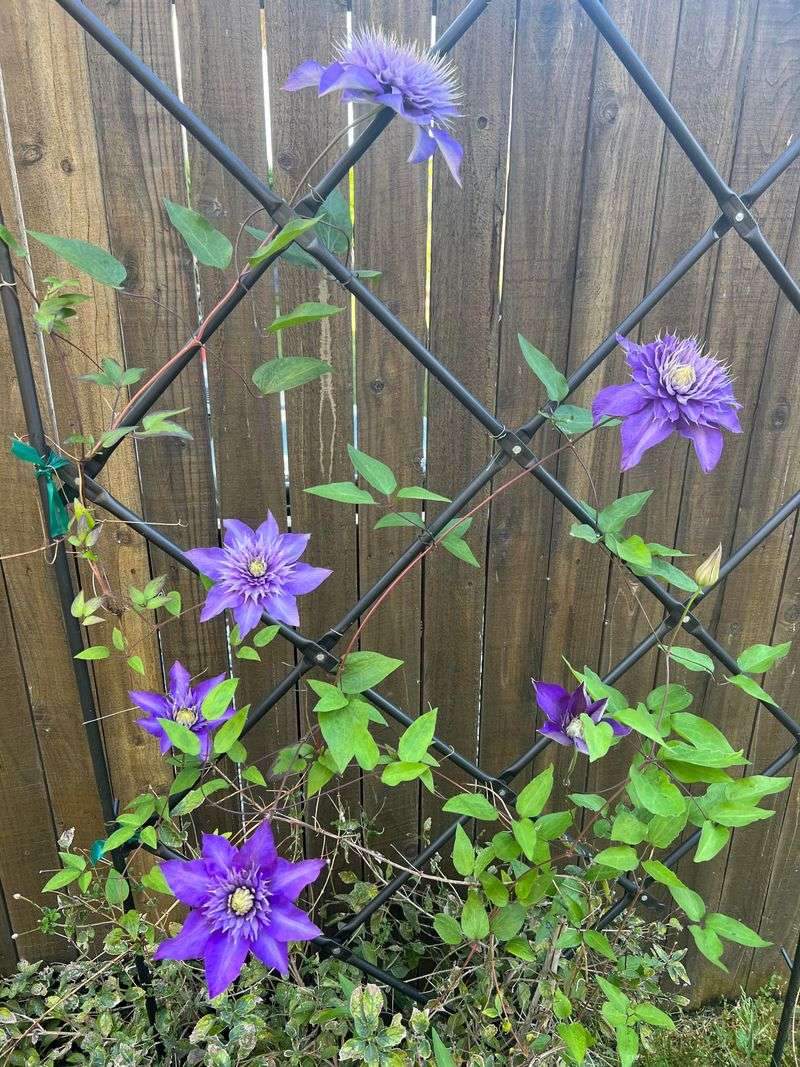
Look closely at a clematis stem and you will spot small bumps along it. Those are nodes, and they hold buds that can grow into new shoots.
When you plant a bit deeper, one or two of those nodes end up below the soil line.
Under the right conditions, buried nodes may push up extra stems over the next season or two. A vine with several stems usually looks fuller than one growing from a single thin shoot.
Results vary, of course.
Some plants send up new shoots quickly, while others take a while to respond. Plant health, variety, and how well the roots establish all play a role in what you see.
Patience pays off here. Gardeners across Georgia often notice the most change in the second spring, once roots have had a full year to grow.
Your Georgia Garden Changes Every Week. Your Plan Should Too.
Gardening in Georgia changes quickly throughout the season. Every Friday you’ll receive a simple weekly plan showing exactly what to plant, prune, fertilize, harvest, and protect so you never miss the right timing.
You can encourage bushier growth on many large-flowered types by pinching young shoot tips in spring, though timing depends on the variety’s pruning group.
Check whether your plant blooms on old wood or new wood before you cut anything. Removing the wrong stems at the wrong time could cost you a season of flowers.
A few extra shoots may not sound like much, but they can help a lanky young vine fill out its trellis.
3. Deeper Crowns Can Regrow If Wilt Strikes The Top
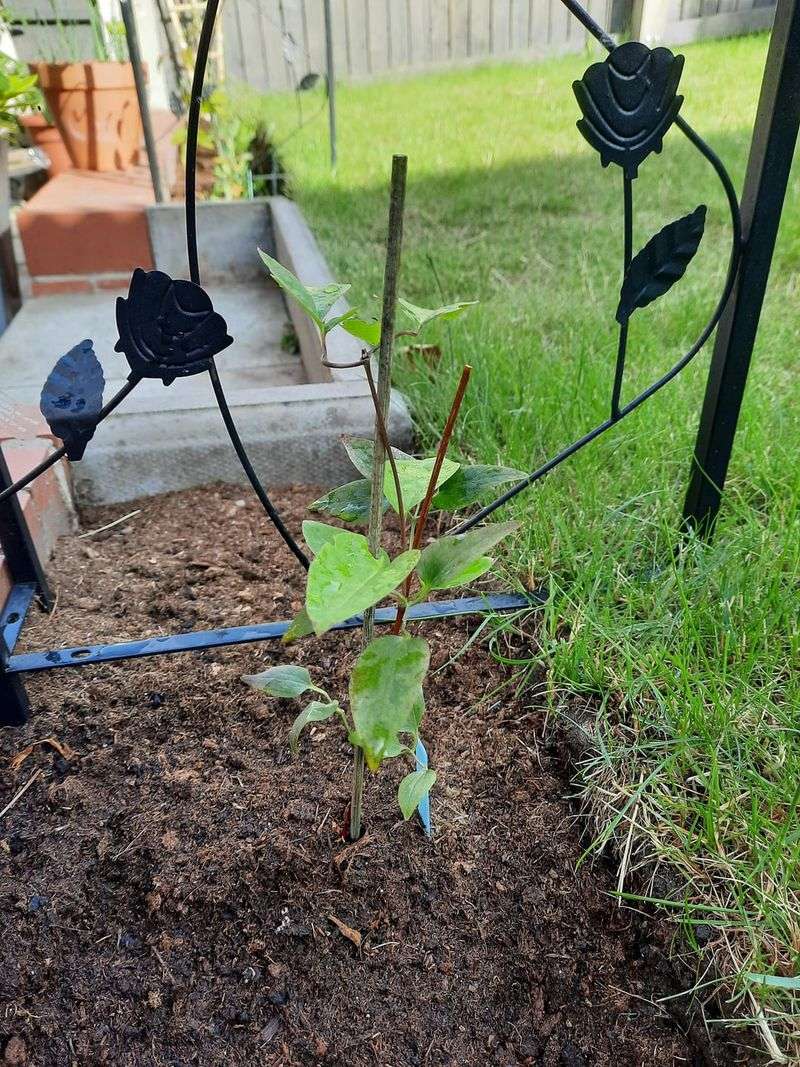
Nothing stings quite like watching a healthy vine suddenly collapse. Clematis wilt can cause stems to droop and blacken within days, often just as buds are forming.
Large-flowered hybrids tend to be more prone to it than small-flowered species.
Wilt is usually linked to a fungus that attacks stems near the soil or at leaf joints. Here is where deeper planting earns its keep.
If the upper growth fails, buds on buried nodes may still be healthy and able to sprout again.
That gives the plant a second chance instead of leaving you with an empty trellis. Regrowth is not certain, but it happens often enough that Extension experts recommend deeper planting for this reason.
Should wilt show up, cut affected stems back to healthy tissue, even down to ground level if needed. Clean your pruners afterward so you are not spreading trouble.
Keep in mind that drooping stems have other causes too.
Drought stress, root problems, slugs, or physical damage can look similar at first glance. In Georgia’s hot summers, lack of water is a common culprit worth ruling out before assuming disease.
Bag up and throw away infected stems rather than adding them to compost.
4. Autumn Planting Gives Roots Time To Establish Before Summer
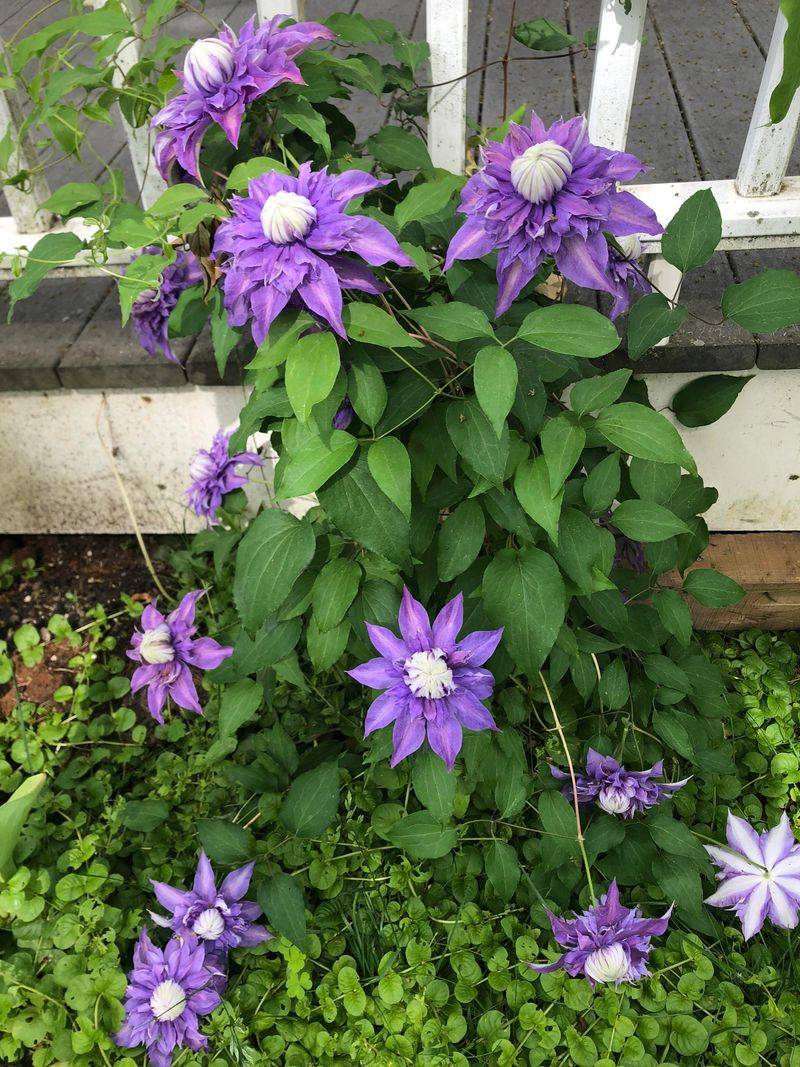
Cooler air, warm soil, and steadier rain make fall a friendly season for new plants. Roots keep growing as long as the ground stays reasonably warm, even after top growth slows.
Fall in Georgia often stays mild well into the season, especially in the Piedmont and Coastal Plain.
Planting during this window gives a clematis months to build roots before summer heat arrives. A plant with a stronger root system usually handles hot, dry spells better than one set out in late spring.
Aim to plant early enough that roots can settle before the ground turns cold.
Timing shifts across the state. North Georgia mountain areas cool down sooner, so gardeners there may want to plant earlier in fall than folks near the coast.
Water is still your job, even in autumn.
Fall rain can be patchy, and dry stretches happen fairly often. Check the soil every few days after planting, and water deeply whenever the top couple of inches feel dry.
Skip heavy fertilizer at planting time in fall. Pushing tender new growth late in the season can leave it open to cold damage when frost arrives.
A light layer of mulch helps hold moisture and evens out soil temperature as winter approaches.
5. Shading The Root Zone Keeps Soil Cooler In Summer
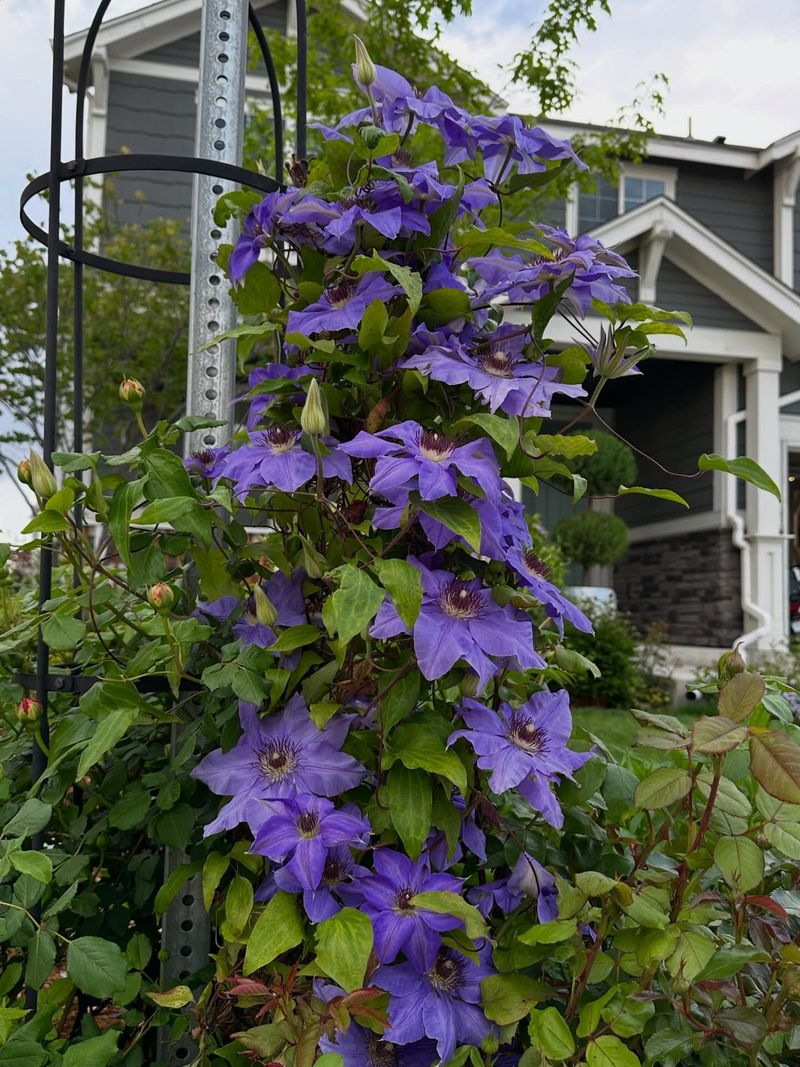
Heads in the sun, feet in the shade. Gardeners have repeated that saying about clematis for generations, and it still holds up well.
Most clematis flower best with plenty of sunlight on their vines, yet their roots prefer cooler, evenly moist soil.
Summer in Georgia can bake bare ground, which may stress shallow feeder roots. A few simple steps help keep that soil from heating up too much.
Spread two to three inches of mulch around the base, keeping it a little away from the stems.
Shredded bark or pine straw both work fine. Pine straw is easy to find across much of the Southeast and breaks down slowly.
Low plants can do the job too.
Try shallow-rooted perennials or small groundcovers planted nearby, as long as they do not crowd the clematis. A flat stone or decorative paver set near the base also casts useful shade.
Some gardeners in the hottest parts of the state find that afternoon shade on the whole plant helps blooms last longer. Morning sun with a break from the harshest afternoon light can be a good balance in southern areas.
Watch how your site behaves through its first summer, then adjust mulch or companion plants if the soil dries out quickly.
6. Good Drainage Matters More Than Adding Soil Amendments
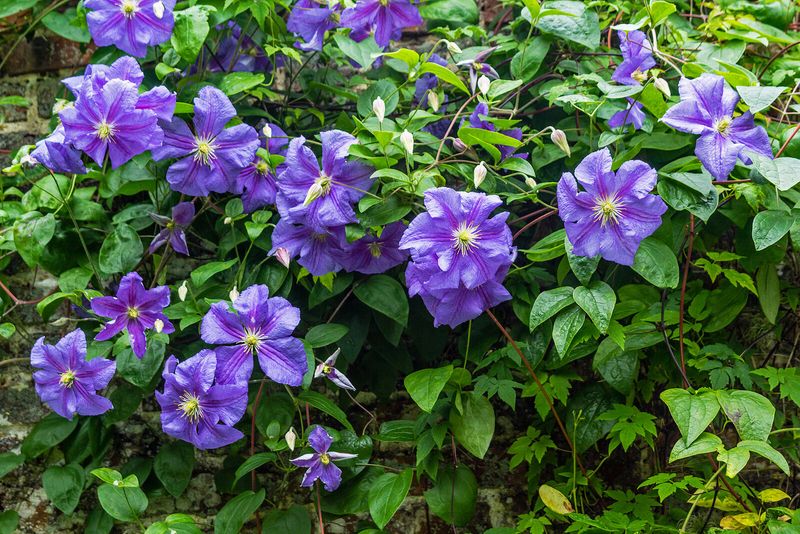
Soggy soil can undo every other good step you take. Clematis likes moisture, but roots sitting in standing water may rot over time.
Before planting, try a simple drainage test.
Dig a hole about a foot deep, fill it with water, and see how long it takes to drain. If water lingers for many hours, that spot may not suit a clematis without some changes.
Heavy red clay is common across much of Georgia, and it often drains slowly.
Loading a single planting hole with compost can backfire in clay. The loose hole may collect water like a bowl, leaving roots wetter than before.
A better approach is often to improve a wider area or choose a different site. Raised beds or gently mounded planting areas can also help water move away from the roots.
Small amounts of organic matter mixed into a broad bed may still help soil structure. The key is working it into a large area rather than one tight hole.
Sandy soils in the Coastal Plain have the opposite issue.
Water may drain away too fast, so mulch and regular watering become more important there. Every yard differs, and a soil test through your county Extension office can show what yours actually needs.
7. Young Stems Snap Easily, So Add A Support Right Away
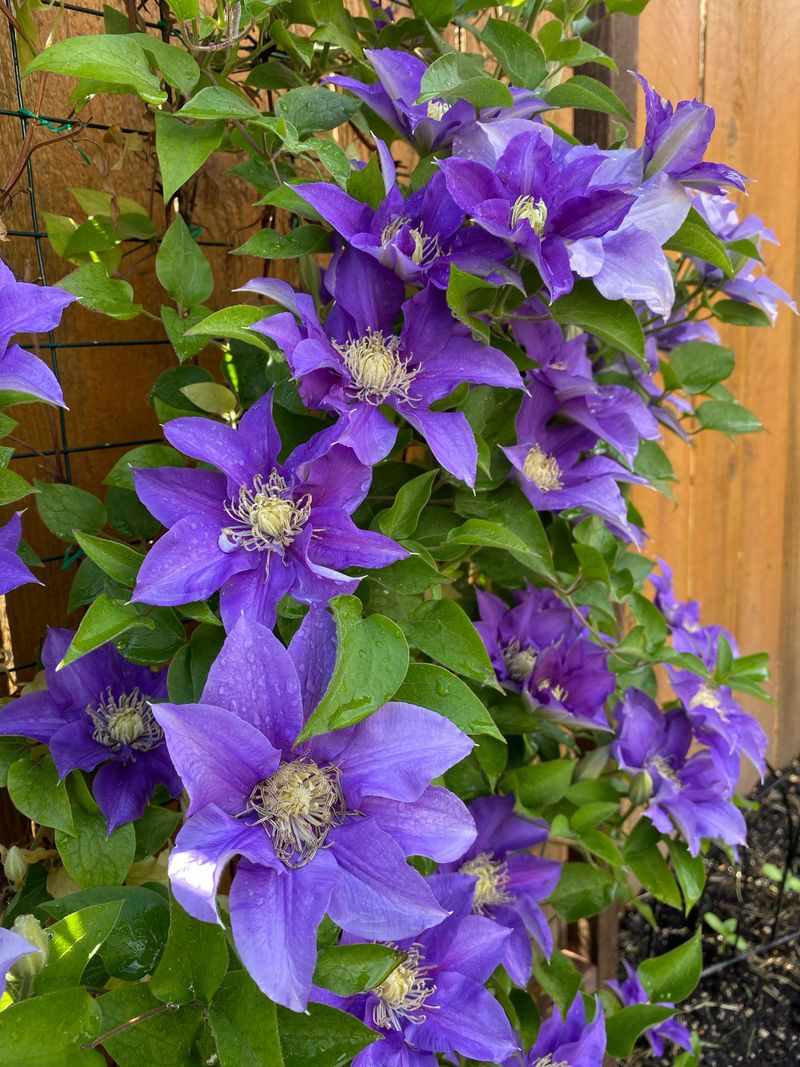
Clematis stems can be surprisingly fragile, almost like thin straws. One strong gust, a curious dog, or a careless step can break them near the base.
Setting up support on planting day helps prevent that kind of loss.
Put the trellis, obelisk, or fence netting in place before the vine starts to sprawl. Adding supports later risks disturbing roots or damaging stems you just worked to protect.
Clematis climbs by wrapping its leaf stalks around thin objects.
Wide boards or thick posts give it little to grab, so add string, wire, or netting for the leaves to hold. Supports roughly the thickness of a pencil or thinner tend to work well.
Guide young stems gently toward the support with soft plant ties. Loop them loosely so stems have room to grow without being pinched.
Some growers place a short collar of wire mesh around the base for added protection. It can shield stems from pets, mowers, and string trimmers.
Fall winds in Georgia are usually mild, but storms do roll through from time to time. A secure trellis anchored firmly in the ground handles those days much better.
Check ties every few weeks as the vine grows, and loosen any that start to cut into stems.