This Flowering Plant Can Replace Tired Summer Annuals In Arizona This Fall
By fall, some summer annuals look like they have given everything they had to give. Thin growth and fading flowers can leave once colorful beds looking ready for a complete refresh.
Instead of trying to revive plants that are clearly past their best, use the seasonal change to bring fresh color back. One flowering choice can step in as summer favorites begin losing their appeal.
Fall in Arizona still brings plenty of warmth, so replacement plants need to suit conditions that remain sunny and dry. Choosing wisely can give your beds another lively stretch without fighting the season.
Look beyond the same annuals you planted earlier this year.
Fresh flowers can quickly change the mood of a worn garden bed.
The right replacement can carry that renewed color well into the cooler months ahead.
1. Snapdragons Bring Fresh Color As Summer Flowers Fade
Summer flowers in the desert look exhausted by August. Petunias droop.
Marigolds get leggy. The whole bed starts to look like it gave up weeks ago.
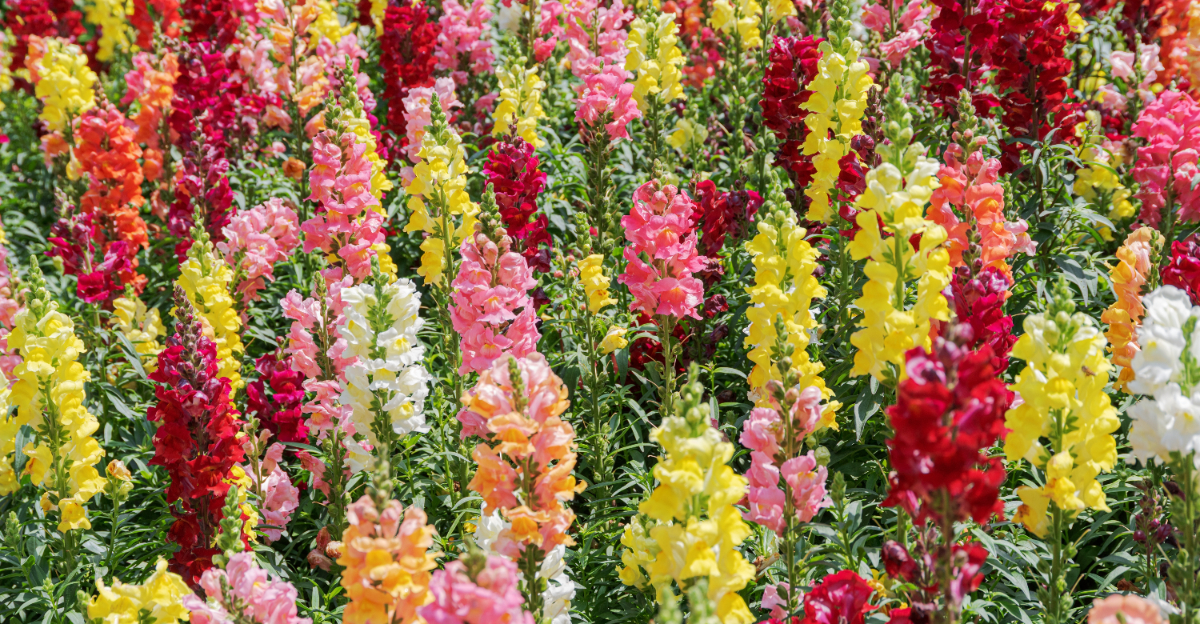
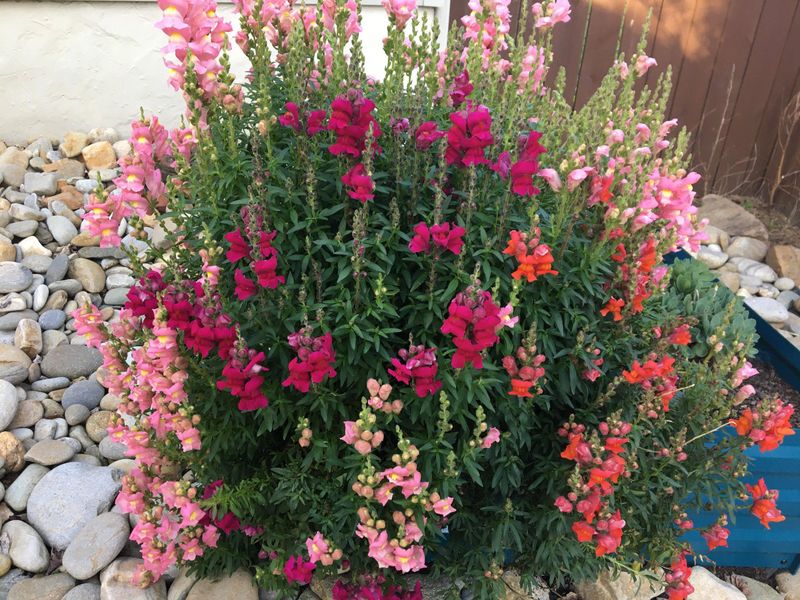
Snapdragons step in right when you need them most. Their tall, colorful spikes bring structure and brightness back to tired garden spaces.
Colors range from soft pastels to deep burgundy and bright orange, so matching your existing landscape is easy.
Each bloom cluster is made up of small, tube-shaped flowers that open from the bottom of the spike upward. That gradual bloom pattern keeps the plant looking fresh for weeks at a time.
Snapdragons are not just pretty. They also attract pollinators like bumblebees, which are strong enough to push open the flower and reach the nectar inside.
That pollinator activity adds life and movement to a garden that may have felt quiet all summer.
Replacing faded annuals with snapdragons gives your yard a second season of color without starting completely from scratch. You can pull out what is not working and plug in transplants quickly.
Most garden centers in the Southwest stock snapdragon starts in late September and October, making the swap straightforward.
2. September Is A Good Time To Start Planting
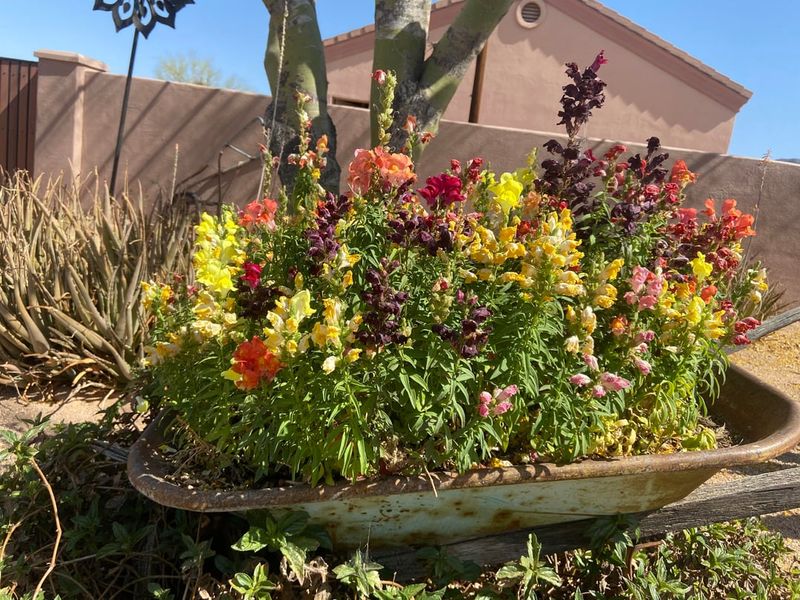
Timing matters a lot with cool-season flowers in the desert. Plant too early and the heat stresses new transplants before they can establish roots.
Wait too long and you lose weeks of potential blooming time.
September hits a sweet spot in much of the low desert. Daytime highs are still warm, but nights begin to cool noticeably.
That temperature shift signals to snapdragons that conditions are improving, and they respond by putting energy into root growth and new foliage.
Planting in early to mid-September gives roots time to settle before the first real cool stretch arrives. Established plants handle mild cold far better than freshly transplanted ones.
Getting them in the ground a few weeks early builds that resilience.
Transplants are usually the easiest option at this stage. Starting from seed in September is possible but adds extra time before you see blooms.
If you want color by October or November, transplants are the more reliable path.
Water transplants deeply right after planting. The soil in Arizona can dry out fast in September, so checking moisture every day or two in the first week is worth the effort.
Your Arizona Garden Changes Every Week. Your Plan Should Too.
Gardening in Arizona changes quickly throughout the season. Every Friday you’ll receive a simple weekly plan showing exactly what to plant, prune, fertilize, harvest, and protect so you never miss the right timing.
A light layer of mulch helps hold soil moisture and keeps roots from overheating during warm afternoons.
3. Cooler Fall Weather Helps Them Grow Better
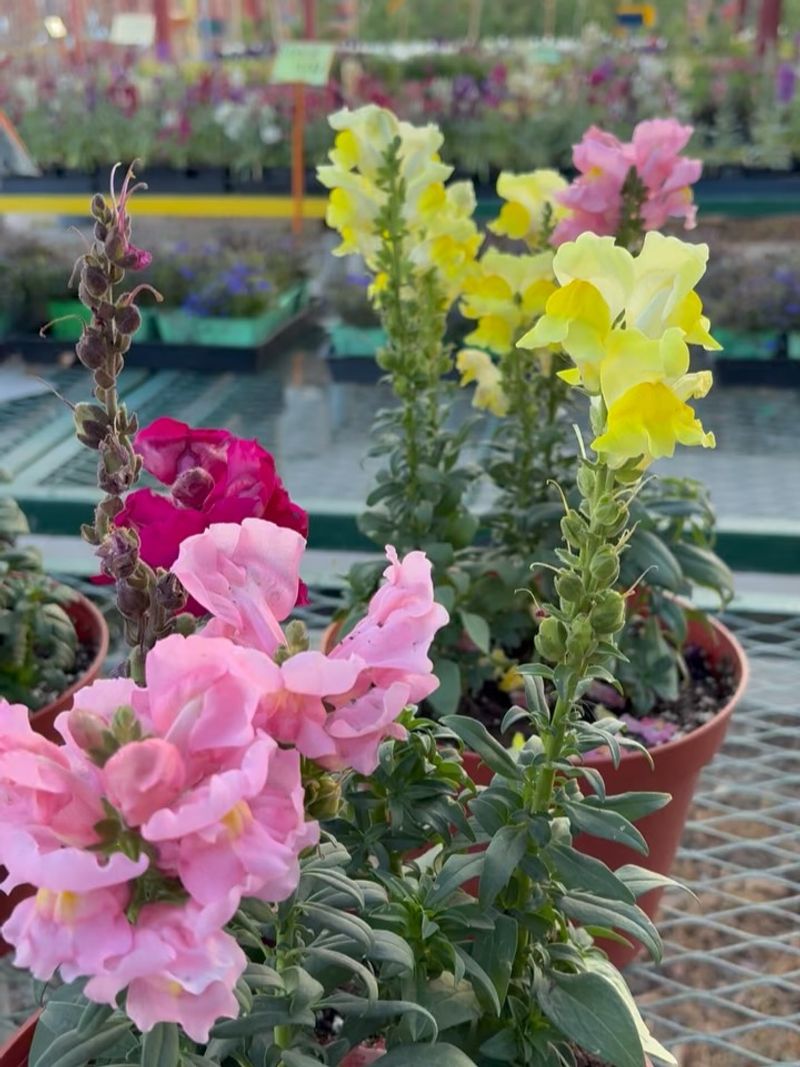
Snapdragons are cool-season plants, which means they actually perform better as temperatures drop. That is the opposite of most summer annuals, which slow down and struggle once the heat breaks.
When nighttime lows fall into the 50s and 60s, snapdragons shift into high gear. Foliage thickens, stems get stronger, and flower spikes start pushing up more aggressively.
The plants look healthier and more vigorous compared to what you would see in warmer months.
Mild frost is generally not a major concern in the low desert. Light freezes can nip tender growth, but established snapdragons often bounce back without much trouble.
In areas with harder winters, a frost cloth draped over plants overnight can protect them during brief cold snaps.
Cool nights also tend to slow down certain pests and fungal issues that are more active in humid or warm conditions. Fewer pest problems mean less intervention and healthier plants overall.
Fall weather in the desert Southwest is genuinely one of the better growing windows of the year. The brutal heat is fading, rainfall can occasionally add natural moisture, and the sun is still strong enough to fuel steady growth.
Snapdragons are built for exactly this kind of environment.
4. Full Sun Gives Them The Best Flower Display
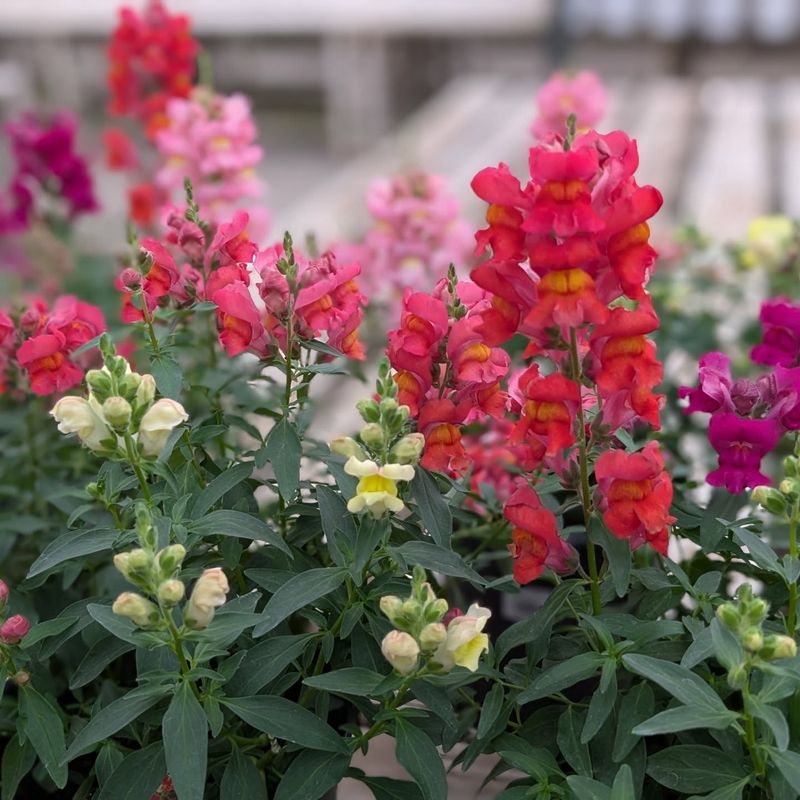
Snapdragons want light. Not filtered shade, not partial sun from a nearby wall.
They want direct, unobstructed sunlight for most of the day.
In fall and winter in the low desert, the sun sits lower in the sky. Spots that had full sun in summer might get partial shade by October.
Before planting, check how much direct light your chosen bed actually gets during fall hours, not summer ones.
A bed that gets six or more hours of direct sun is ideal. Less than that and plants tend to stretch toward the light, producing weak, floppy stems and fewer blooms.
Strong light keeps plants compact and encourages heavier flowering.
South-facing and west-facing beds often hold sun the longest during cooler months. If your garden has a wall or fence that reflects warmth, that can also help plants stay comfortable during unexpected cold spells.
Avoid planting snapdragons under trees or near large shrubs that cast shade during peak daylight hours. Even a couple of hours of blocked sun can reduce bloom quality noticeably over a full season.
Containers are useful here because you can move them to chase better light as the season changes.
5. Even Moisture Keeps New Plants Growing Well
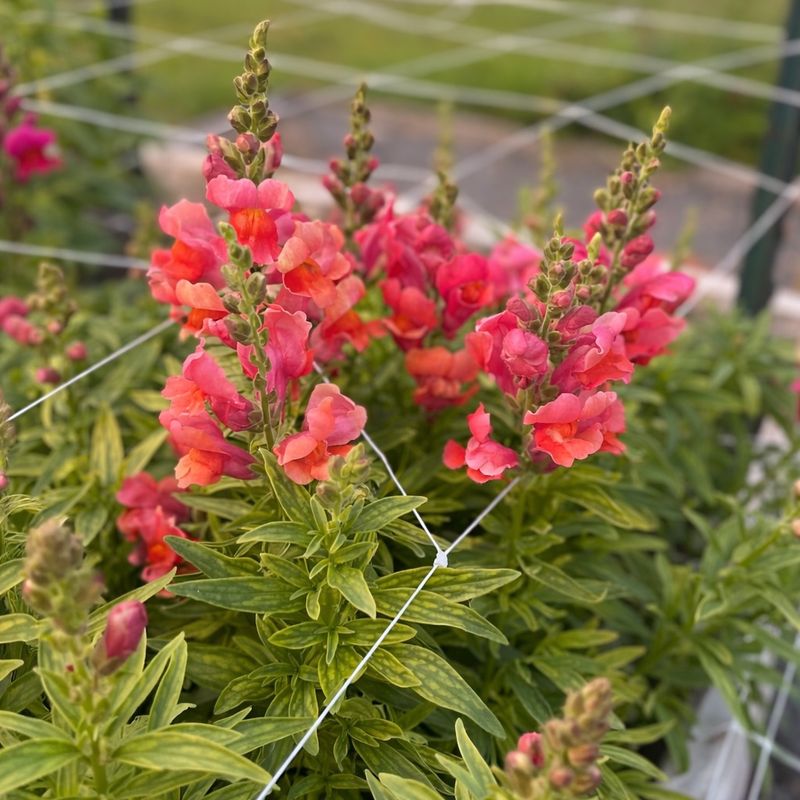
Watering snapdragons is not complicated, but consistency matters more than volume. Uneven moisture, soaking one day and bone dry the next, stresses plants and can cause issues like bud drop or root problems.
Right after planting, water deeply enough to wet the root zone. Shallow watering encourages surface roots that are more vulnerable to heat and drought.
Deep watering pushes roots down where soil stays more stable.
Once established, snapdragons in the desert fall typically need watering every two to four days, depending on temperature and soil type. Sandy soils drain faster and may need more frequent watering than clay-heavy mixes.
Stick your finger about an inch into the soil before watering. If it still feels damp, hold off.
If it feels dry, water thoroughly. That simple check takes five seconds and prevents both overwatering and underwatering.
Overhead watering can leave foliage wet for extended periods, which may encourage powdery mildew in some conditions. Drip irrigation or watering at the base of plants keeps moisture where roots need it and leaves foliage dry.
Mulching around plants also helps regulate soil moisture between waterings.
6. Different Sizes Fit Beds Borders And Containers
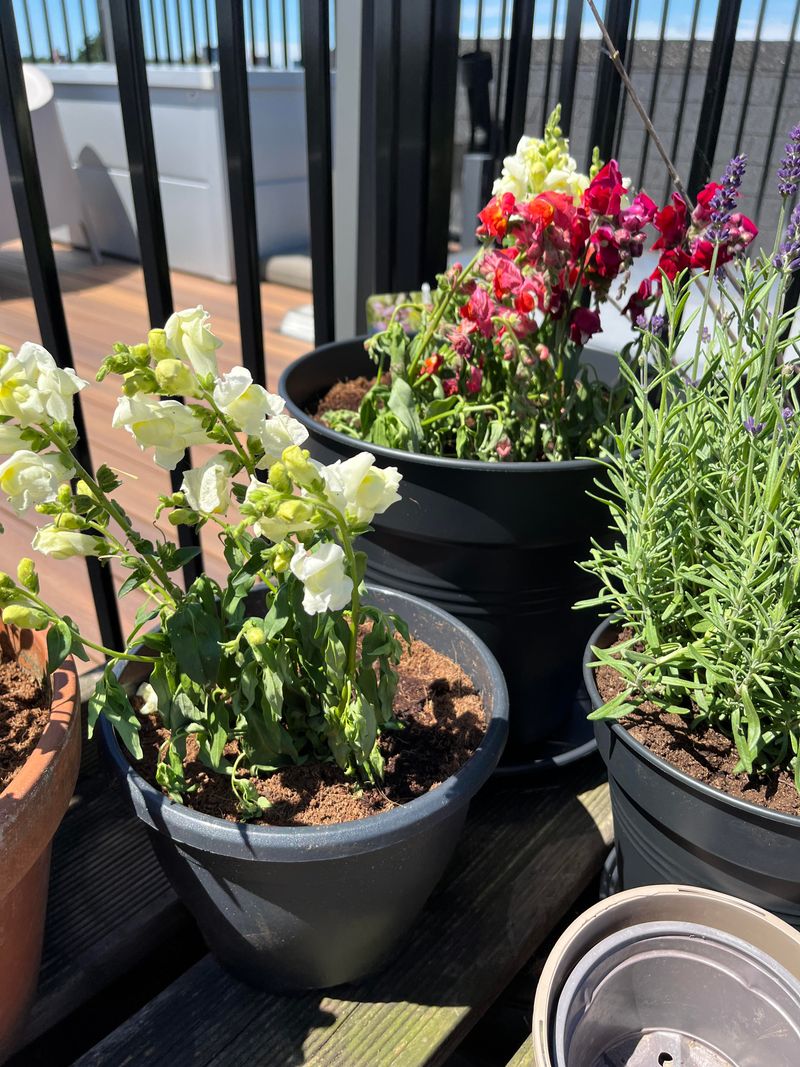
One of the best things about snapdragons is that they come in multiple size categories. You are not stuck with one look or one use case.
Dwarf varieties typically stay under twelve inches tall. They work well in the front of a border, along a pathway edge, or packed into a shallow container.
Their compact shape keeps them from flopping over in wind and they tend to branch out naturally, producing lots of smaller flower clusters.
Mid-size varieties reach between twelve and twenty-four inches. These are the most versatile for standard garden beds.
They have enough height to add visual interest without overwhelming smaller plants nearby. Mixed plantings with pansies, alyssum, or stock can look especially good at this scale.
Tall varieties can reach three feet or more under good conditions. These work well at the back of a border or as a vertical accent in a large container.
They may need staking in exposed or windy spots to keep stems upright.
Containers deserve special mention because they offer flexibility that in-ground beds do not. You can position them near entryways, on patios, or along steps where color makes the biggest visual impact.
Use a well-draining potting mix and make sure containers have drainage holes.
7. Fall Planting Sets The Stage For More Color Ahead
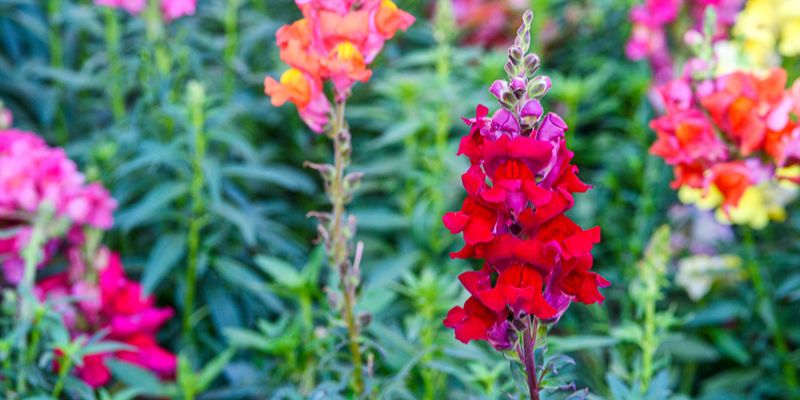
Planting snapdragons in fall is not just about getting color now. It is an investment in a longer bloom season that can stretch well into late winter or early spring.
Plants that go in the ground in September or October have time to develop strong root systems before peak bloom. By November and December, well-established plants often produce their heaviest flush of flowers.
That timing lines up with the holiday season, when curb appeal and patio color tend to matter most.
In Arizona’s low desert, snapdragons can sometimes continue blooming into March or even April, depending on how mild the winter is.
That is a long run for any annual flower and one of the main reasons gardeners in the region keep coming back to them year after year.
Deadheading spent flower spikes encourages plants to push out new ones. Pinch off a finished spike at the base of the stem and a new one often follows within a couple of weeks.
That simple habit can significantly extend the blooming window.
A light application of balanced fertilizer in mid-fall can support steady growth without pushing excessive leafy growth at the expense of flowers. Follow label directions and avoid over-fertilizing, which can cause lush foliage but fewer blooms.