The Arizona Native Vine That Pipevine Swallowtails Can’t Raise Their Young Without
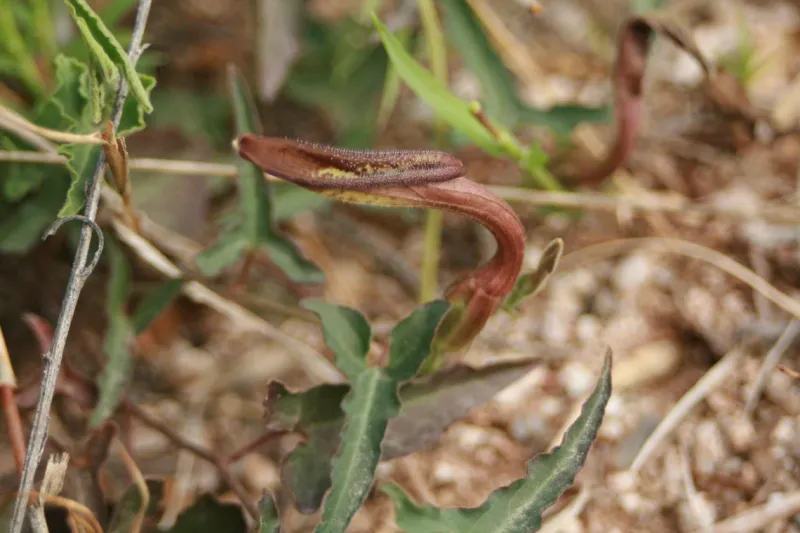
A flash of blue-black wings in a Tucson or Phoenix yard can stop you in your tracks. Pipevine swallowtails are real show-offs, but their caterpillars are picky eaters.
One small native Arizona plant, Southwestern pipevine, gives them the kind of leaves they need. Here is what it does, what it asks of you, and what it cannot promise.
Southwestern pipevine is an important native host
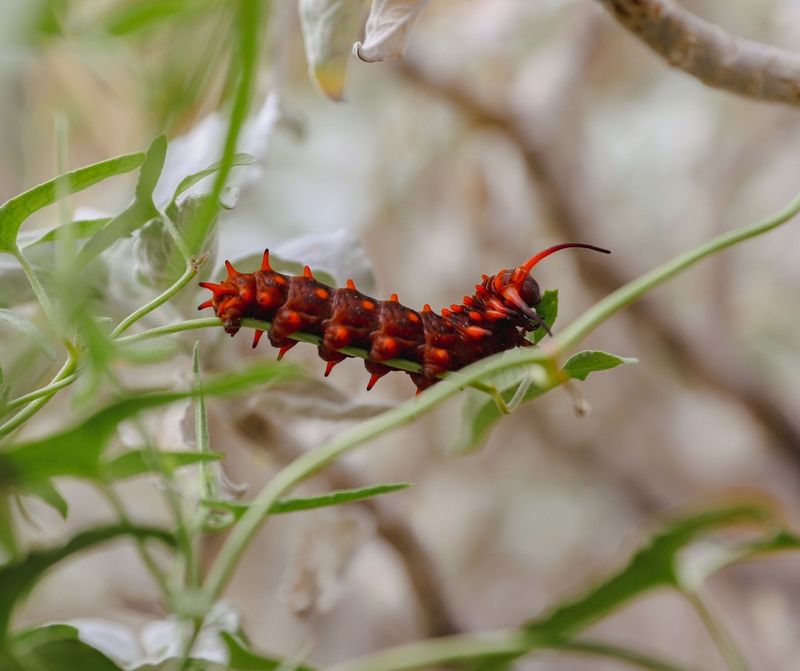
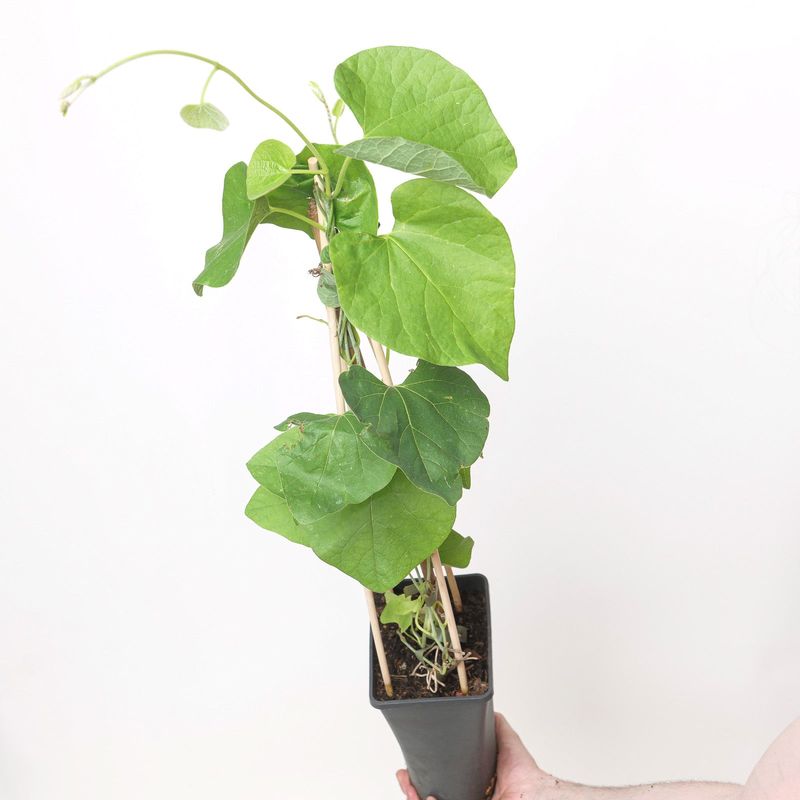
Southwestern pipevine, Aristolochia watsonii, is a native Arizona plant that pipevine swallowtail caterpillars use as food in the southern part of the state. It grows wild in parts of southern Arizona, and it is the native pipevine the butterflies are documented using there.
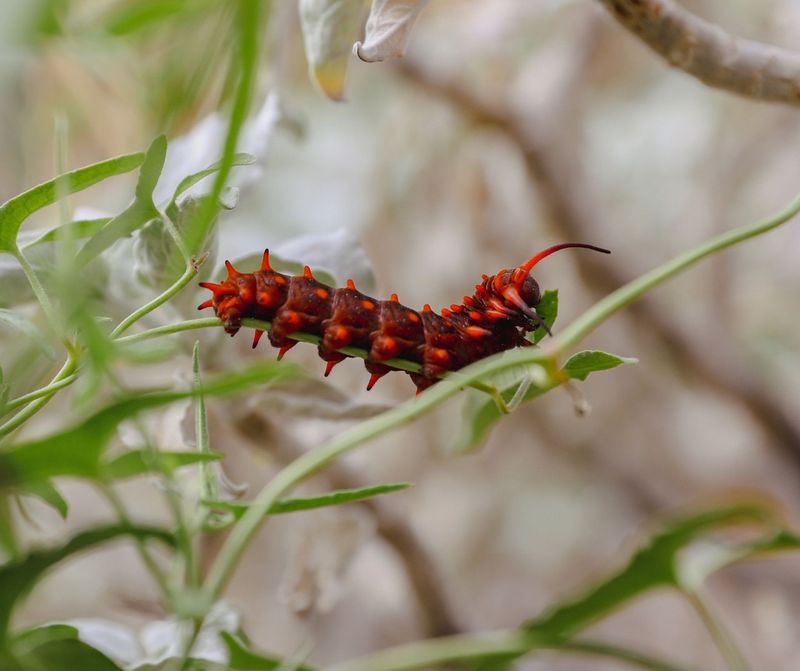
Pipevine swallowtail caterpillars are specialists. They feed on plants in the genus Aristolochia, and nothing else will do for a hungry larva.
Adult females hunt for those plants when they are ready to lay eggs.
The title of this article makes a bold claim, so here is the fine print. Southwestern pipevine is an important native host in Arizona, but it is not the only plant the butterfly can use.
Other Aristolochia species serve as hosts in other parts of the country, and females in Tucson have been seen laying eggs on a cultivated species planted in town.
So think of this vine as a strong local option, not a magic requirement. Choosing it means you are offering the kind of plant the caterpillars are built to eat, one that belongs in our desert.
Host plants and nectar flowers serve different roles
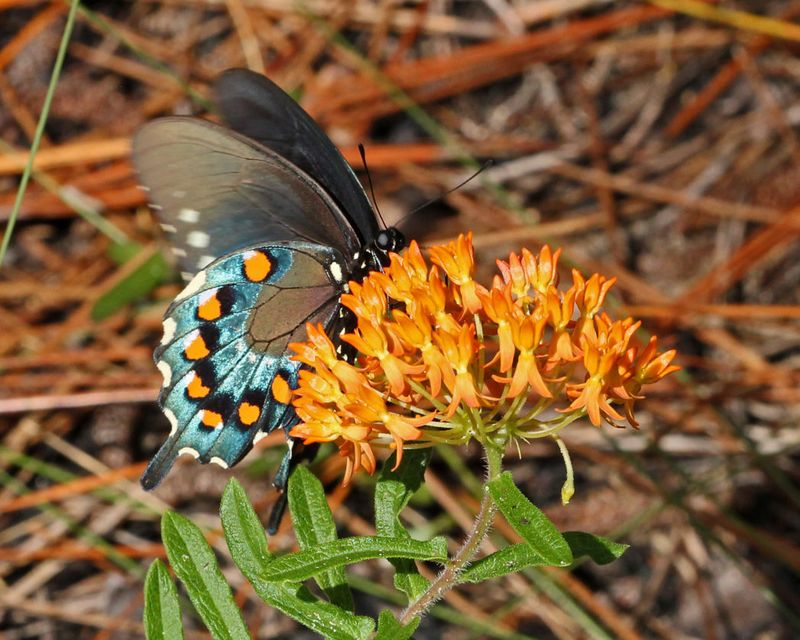
A butterfly has two shopping lists. Caterpillars need the leaves of a specific host plant, while adults need nectar from flowers to fuel their flying.
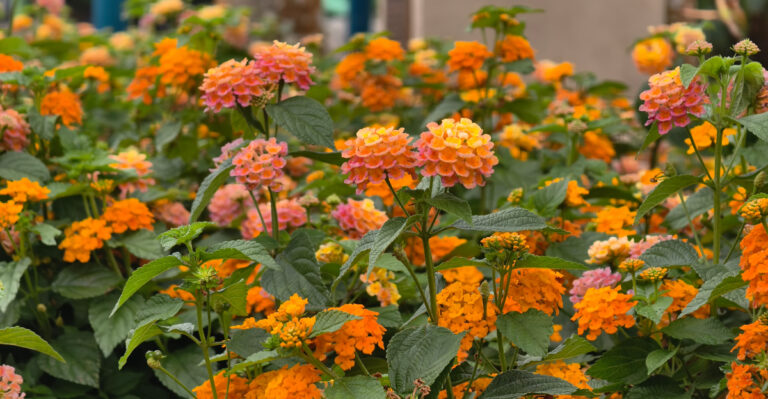
Pipevine swallowtail adults are not picky about nectar. They sip from a range of flowers, including many common backyard bloomers in southeastern Arizona, and they often patrol gardens looking for a drink.
That means a yard without Southwestern pipevine can still get a passing adult now and then. A shimmering blue-black butterfly sipping from a flowering shrub or a wildflower patch is a real possibility whether or not a pipevine grows nearby.
What the yard lacks without the vine is a local native plant for raising the next generation. Adding Southwestern pipevine gives females a place to lay eggs and gives young caterpillars something to eat.
It does not replace nectar flowers, and nectar flowers do not replace it.
Pair the two ideas if you want a fuller butterfly spot: native flowers for adults, pipevine for larvae. Neither choice guarantees visitors.
Fit a low, trailing plant into the garden
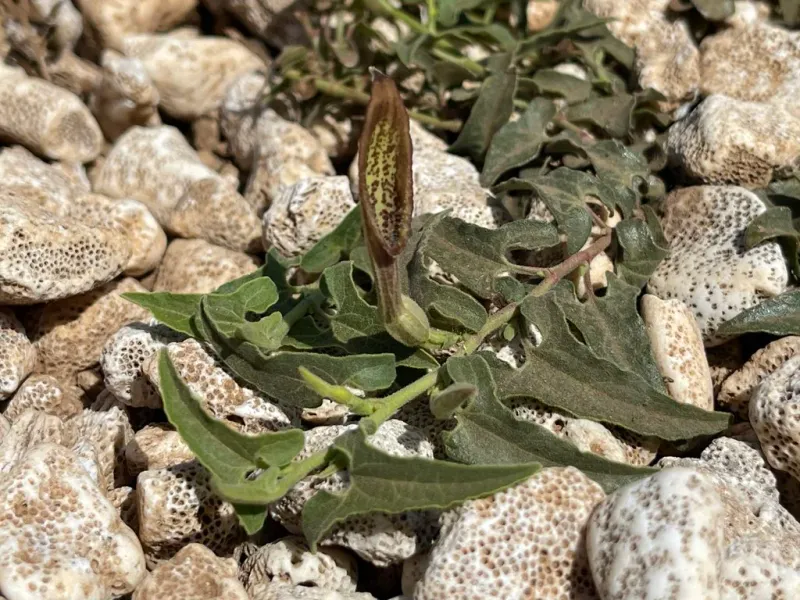
Picture a small, scrappy plant rather than a towering vine. Southwestern pipevine is a perennial that grows from a tuber or thickened root, and its stems stay low to the ground.
In the garden it tends to sprawl into a mat that can reach about three feet across. Its stems twine only weakly, so it may lean into a nearby shrub but will not scramble up a wall or cover a trellis like a grapevine would.
Because it can die back above ground and resprout, mark the spot so you do not dig or plant over the root. A small stake or a ring of stones works well.
For placement, full sun or part shade suits it. In the low desert, a spot with morning sun and some afternoon relief from a shrub or a rock may be kinder during summer heat in Phoenix and Tucson.
Give it room beside a low native shrub so the stems have something gentle to lean on. Keep it where you can watch it, since you will want to notice egg-laying and feeding up close.
Water regularly during establishment, then adjust
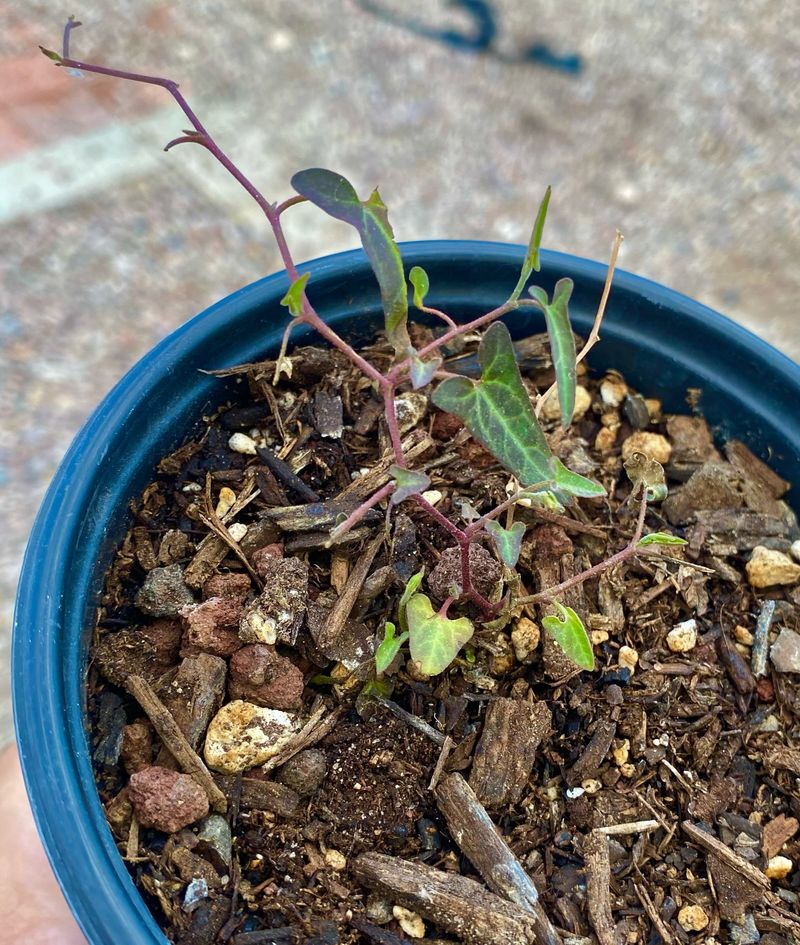
Think of the first season as a training period. While the plant is getting established, give it water at least once a week during the growing season.
After that, adjust. Plants that look vigorous and leafy may need a different rhythm than ones that look stressed, and soil texture matters a lot.
Sandy soil drains fast and may call for more frequent watering than silty soil, which holds moisture longer.
Soil is the other half of the plan. Southwestern pipevine does best in deep, loose, well-drained sandy or silty ground.
Heavy caliche or compacted clay, common across Phoenix and Tucson yards, can hold water around the root, so loosen the planting area well and consider a gentle mound if drainage is poor.
Overwatering is a real risk. Soggy soil can harm a plant that grows from a tuber, so let the look of the plant, not a fixed schedule, steer you.
Please do not treat it as a no-water plant. It is native, but a young pipevine still needs steady attention.
Fall and early spring are the usual planting windows in the low desert.
Expect caterpillars to eat the leaves
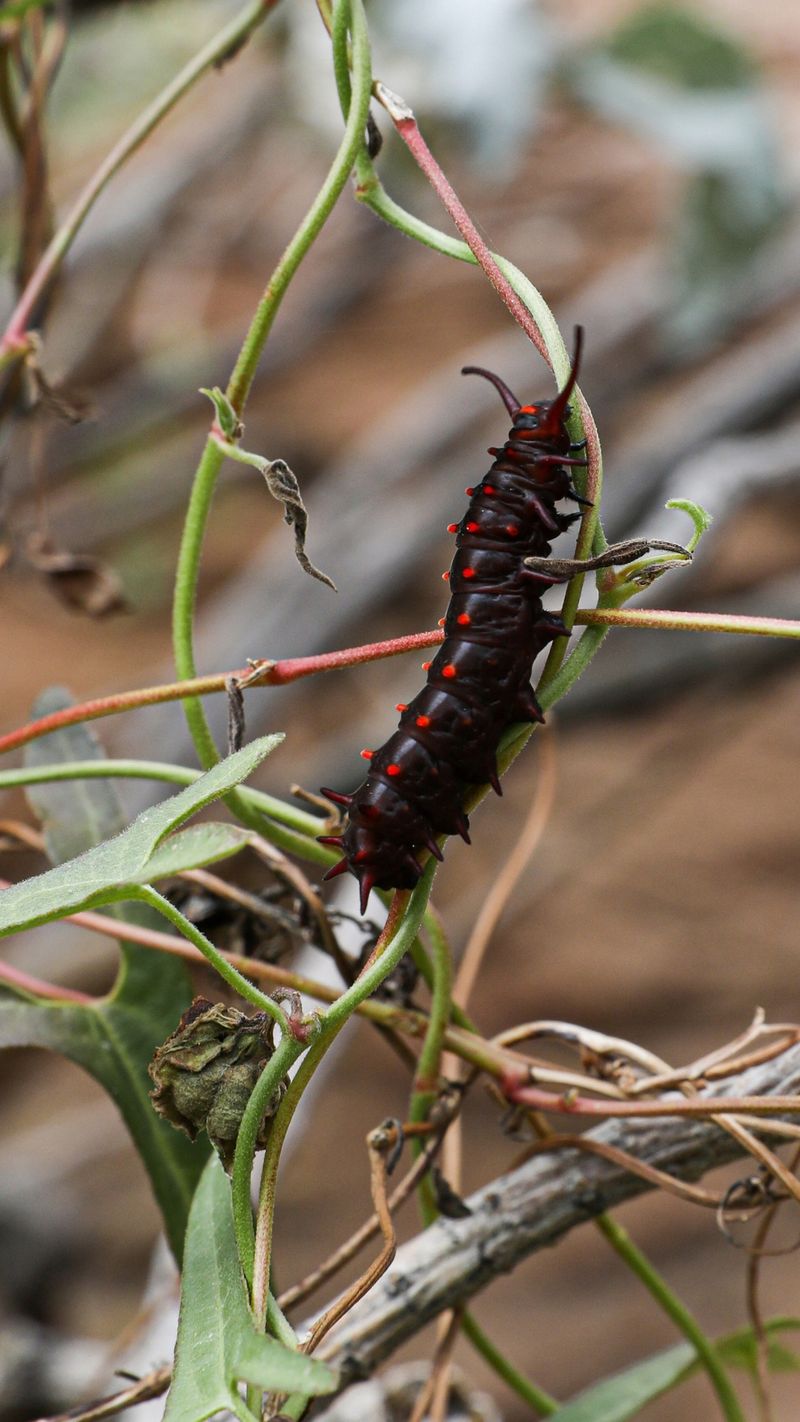
Here is the part that surprises people. If pipevine swallowtails find your plant, the caterpillars may strip a small vine nearly bare.
That ragged look is normal for a host plant, and it is not pretty. A few hungry larvae can eat most or all of the leaves on a young plant in a short time, leaving bare stems.
The good news is that the perennial root can resprout later. Patience matters here, since a chewed plant is not necessarily a failed one.
If your goal is to support the butterflies, leave the caterpillars alone. Do not pick them off, and do not spray the plant with pesticides, since the larvae eat the leaves directly.
Some gardeners plant a couple of vines so one is not the only food source, and keep watering steady so the root has energy to regrow. Expect a bare look for a while, and decide ahead of time whether you can live with it.
Keep the plant away from curious mouths
Southwestern pipevine is a plant to admire, not to taste. Aristolochia plants contain aristolochic acids, compounds linked to serious kidney damage and cancer risk.
The health warnings come from swallowing these compounds, including through contaminated herbal products. Do not eat any part of this plant, and do not brew it, tincture it, or use it as a home remedy, whatever traditional uses you may read about.
The concern is about ingestion. The health guidance does not show that ordinary garden contact, like planting or watching the vine, is dangerous, though washing your hands after gardening is a sensible habit anyway.
Placement is your best tool. Put the vine where kids and pets are unlikely to chew on it, such as a back bed away from play areas or behind a low border.
Curious dogs and toddlers are the main worry.
A plant label in the bed helps visitors, housesitters, and landscapers know to leave it alone.
A host plant offers an opportunity, not a guarantee
Planting Southwestern pipevine is a practical way to offer pipevine swallowtail caterpillars a local native food plant. It makes a yard more suitable for breeding, and that is a worthwhile goal in itself.
It is still an opportunity, not a promise. Observations in southern Arizona show how the butterflies use host plants through the seasons, but that does not mean any one garden will see adults, eggs, or caterpillars.
Your yard’s location, neighboring plantings, the season, and plain luck all play a part. A passing female may simply not be in your neighborhood that spring.
Some gardeners may wait a year or more for a first visit, and some may never see one.
Do the things you control: choose a good spot, water thoughtfully while the plant is young, keep nectar flowers nearby, skip pesticides on the vine, and keep it away from mouths.
Check the plant now and then for small orange eggs on the undersides of leaves, but do not be discouraged if you find none.
You can set the table, but the guests choose for themselves.