The One Thing North Carolina Camellias Need Right Now For A Strong Fall And Winter Bloom
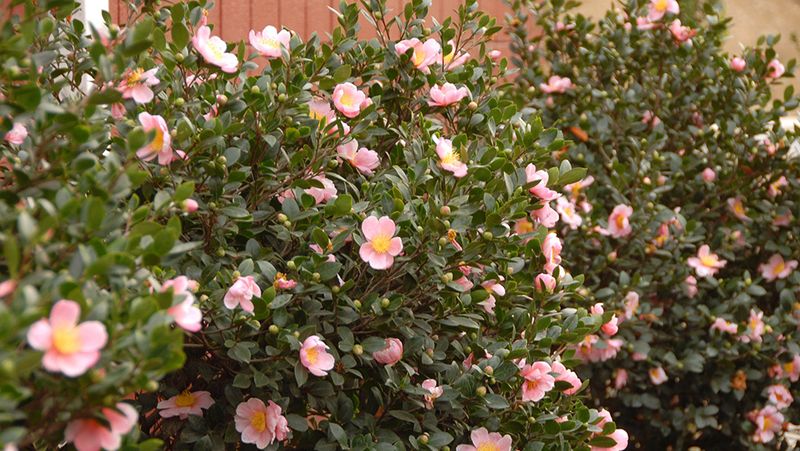
Somewhere in your yard right now, your camellia is quietly doing something you cannot see: building next season’s flower buds. Most gardeners never think about this in July, because the shrub looks perfectly fine in the summer heat. But what happens to those buds over the next few weeks can determine whether your plant opens a full flush of flowers come fall or winter, or just sits there with tight buds that never seem to go anywhere. The single most useful thing you can do right now is make sure the root zone stays evenly moist through these dry summer stretches.
Protect Next Season’s Blooms With Steady Moisture
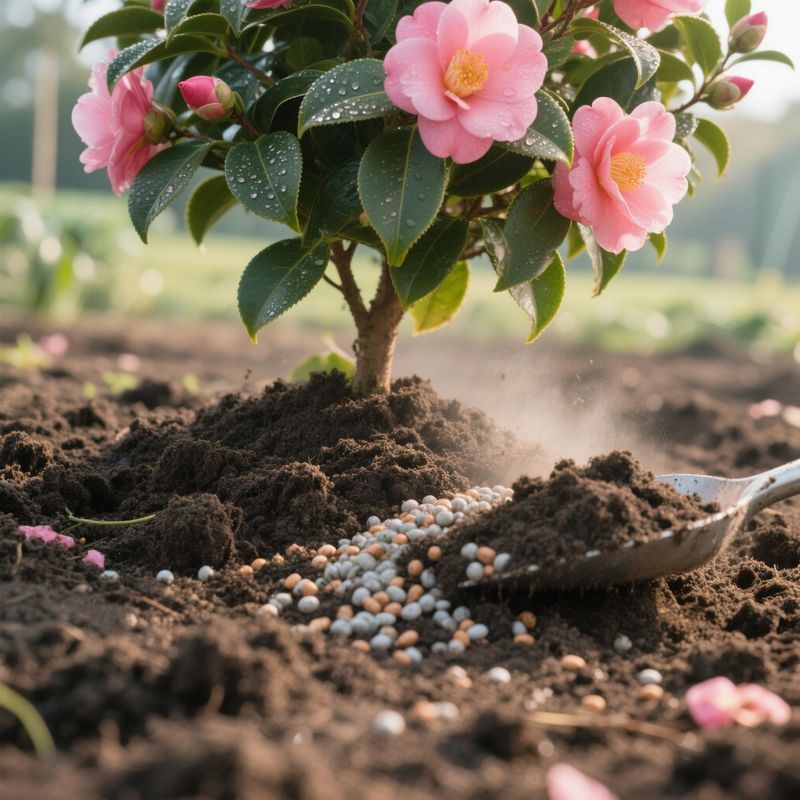
You drag your patio chair into the shade and glance over at the camellia. Green, glossy, not a wilted leaf in sight. Easy to assume everything is fine. But the foliage can look perfectly healthy while the root zone is quietly running low on moisture during the exact weeks when developing flower buds need it most.
The most useful July action for North Carolina camellias is keeping the root zone evenly moist through summer dry spells. That does not mean watering once and moving on. The American Camellia Society advises keeping soil moist but not soggy, which means checking conditions regularly and responding to what you find rather than following a fixed calendar.
Check the soil before you water. Push your finger or a screwdriver several inches down near the drip line, the outer edge of the canopy where feeder roots are most active. If the soil feels dry at that depth, it is time to water slowly and deeply. If it still feels cool and damp, hold off another day or two.
Much of North Carolina has been running in moderate to exceptional drought conditions this summer, and
NC State Extension’s drought guidance recommends checking soil moisture and mulching to conserve what rain does fall. That advice applies directly here. Your goal is not a guaranteed bloom, because no single summer habit can promise that. The goal is to reduce avoidable water stress during bud development and give the plant its best shot at opening flowers when the season arrives.Summer Is When Future Flower Buds Develop
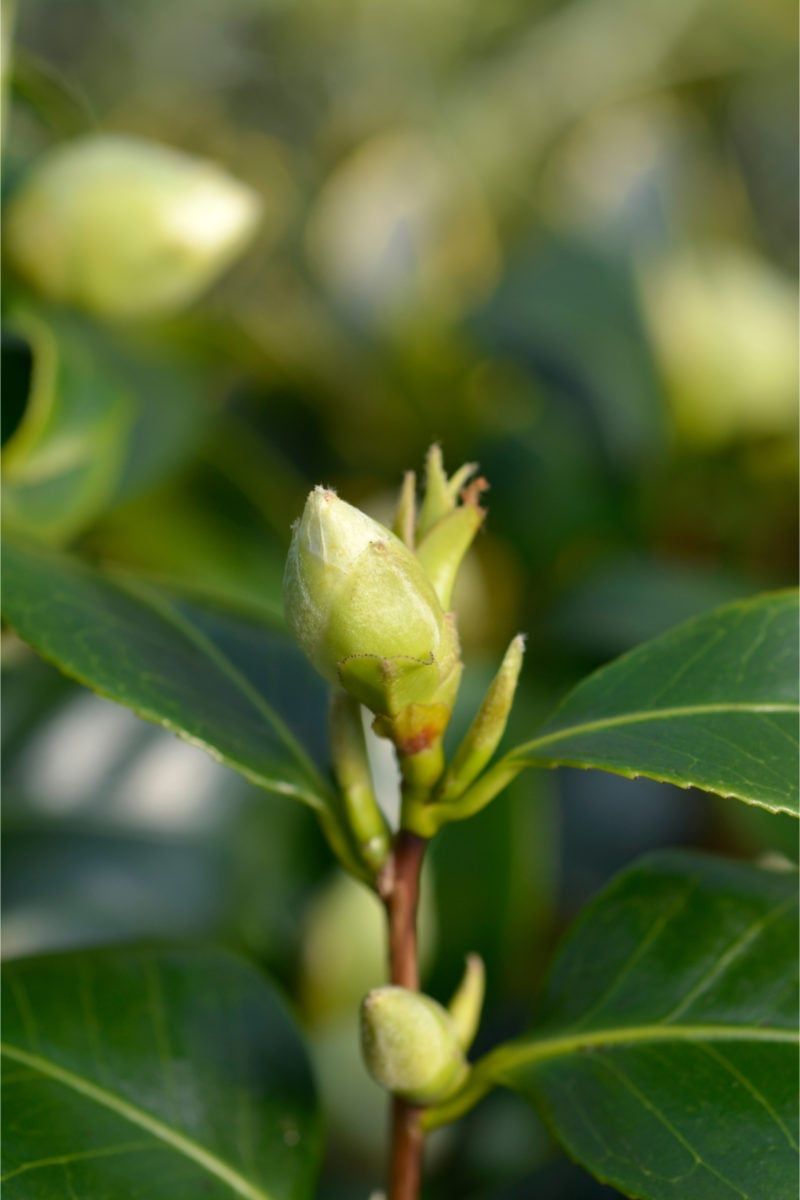
Here is where the timeline surprises most people. Many gardeners assume bud trouble shows up in fall, right before flowering. Actually, the conditions that cause buds to fail or refuse to open are often set weeks or even months earlier, right now in the heat of summer.
Spring-flowering camellias begin developing their next season’s flower buds during late summer, and the Royal Horticultural Society notes that dry soil in late summer can cause buds to abort before they ever have a chance to develop properly. The American Camellia Society echoes this, saying that water stress during flower-bud formation affects bud quality. So a plant that looks completely healthy in July may already be quietly losing bud potential beneath those shiny leaves.
Bud abortion and poor bud opening are possible consequences of summer drought stress, but they are not the only consequences, and not every bud problem traces back to July watering. The practical takeaway is this: you cannot diagnose hidden bud damage by looking at the foliage. A camellia can appear fully vigorous while stress is building in its developing buds.
Your North Carolina Garden Changes Every Week. Your Plan Should Too.
Gardening in North Carolina changes quickly throughout the season. Every Friday you’ll receive a simple weekly plan showing exactly what to plant, prune, fertilize, harvest, and protect so you never miss the right timing.
Because you cannot see what is happening inside those tiny bud formations, the most defensible approach is to check soil moisture regularly and maintain steady conditions rather than waiting for a visible signal. Think of it as a precaution taken in advance of a problem that would not show its face until months later, when fixing it is no longer an option.
Water Deeply Instead of Sprinkling Briefly
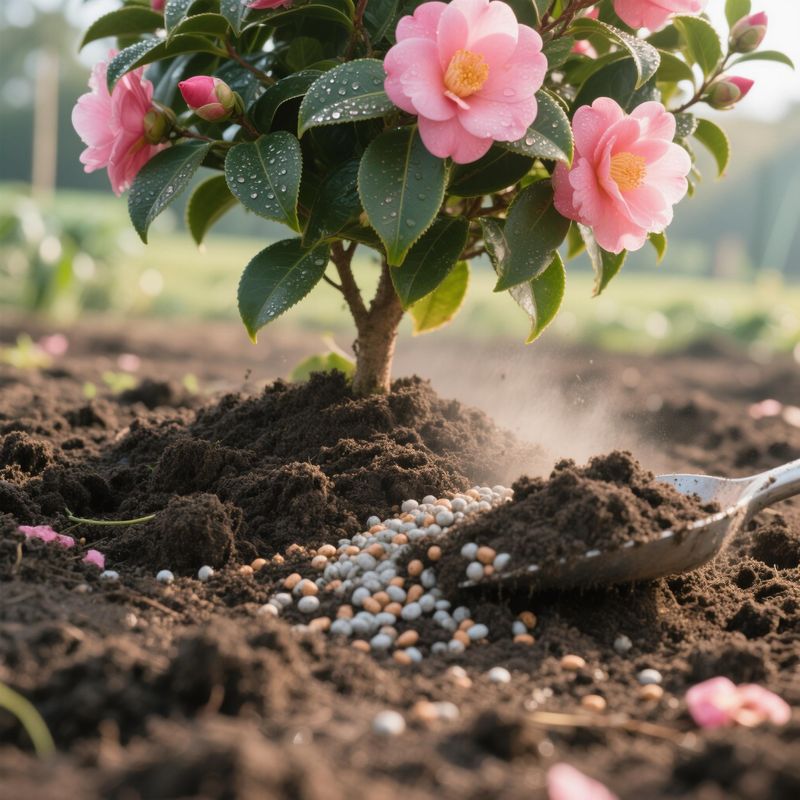
A quick pass with the hose feels satisfying, but a brief sprinkle on a hot July afternoon can wet the top inch of soil and evaporate before it reaches the roots that actually matter. Sandy Coastal Plain soil is especially unforgiving this way, draining fast and drying out even faster between summer thunderstorms.
Deep watering means wetting the soil down through the root zone, not just the surface. The American Camellia Society recommends wetting the soil to a depth of 14 to 18 inches as a general deep-watering target. That is a useful benchmark, not a command to flood poorly drained ground. If your soil drains slowly or sits heavy after rain, ease off and let it breathe between waterings.
A starting point from UF/IFAS camellia guidance puts the drought-period benchmark at roughly 1 inch of water every 10 days to 2 weeks for established plants. That figure is a reasonable place to start, not a rigid rule for every North Carolina yard. A Piedmont garden with heavy red clay holds moisture longer than a sandy lot near the Sandhills, so adjust based on what you find when you check the soil.
Check several inches down near the drip line, not directly against the trunk. Water slowly enough that the soil absorbs it rather than letting it run off. The RHS growing guide for camellias warns that a summer thunderstorm can leave the surface looking wet while the deeper root zone stays dry, especially under a dense canopy or competing tree roots. A rain gauge helps, but the finger test in the soil is the most reliable signal you have.
Deep watering does not mean keeping the soil constantly saturated. Camellias are vulnerable to root rot when drainage is poor or the root zone stays soggy for extended periods. Water thoroughly, allow excess to drain, and then check again before watering a second time.
Use Mulch To Steady Soil Moisture
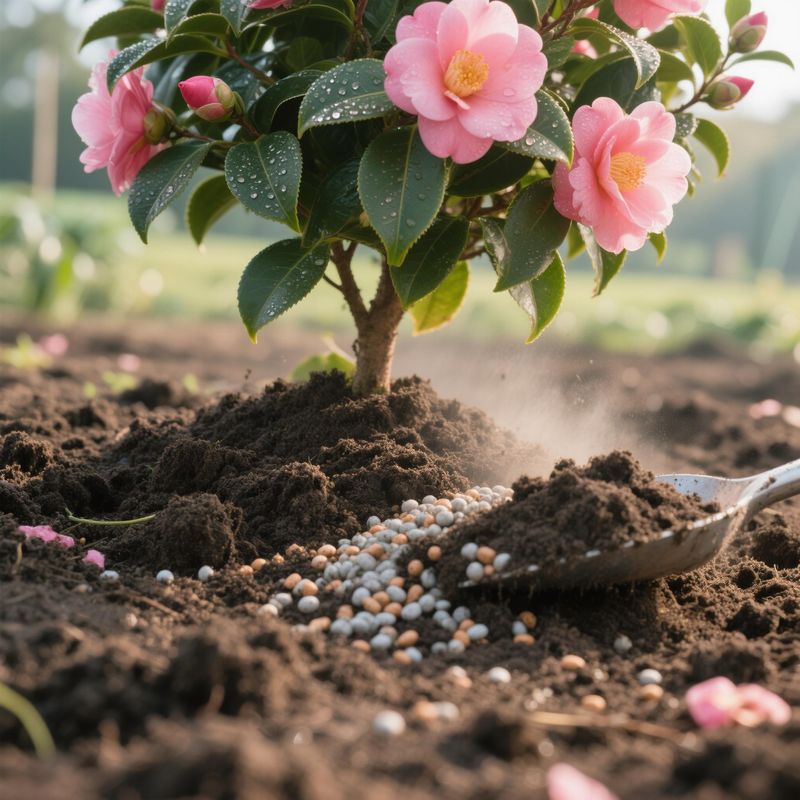
Mulch will not fix bud failure on its own, but it genuinely makes your watering effort last longer. A layer of organic mulch over the root zone slows evaporation, moderates soil temperature during July heat, and gives the root zone a more stable environment between waterings.
For a North Carolina landscape bed, about 2 inches of organic mulch is a practical target. NC State Extension’s drought guidance recommends a 2-inch layer and advises keeping mulch 6 inches away from the base of trunks. That gap matters. Mulch piled against the trunk traps moisture against the bark and can encourage rot or pest problems right at the base of the plant.
Shredded bark, pine straw, and wood chip mulches all work well for camellias. The American Camellia Society notes a broader 2- to 4-inch range for organic mulch but cautions that excessive depth can reduce oxygen around roots or keep heavy, poorly drained soil too wet. In clay-heavy Piedmont beds, staying toward the lower end of that range is a sensible precaution.
Think of mulch as one layer in a broader approach, not a cure-all. It supports steady moisture between waterings, but it cannot compensate for skipping irrigation during a two-week dry stretch, fix drainage problems, or correct a planting depth that is already too deep. Mulch does its best work alongside consistent soil checks and thoughtful watering, not instead of them.
Adjust Care To Your Site And Camellia Type
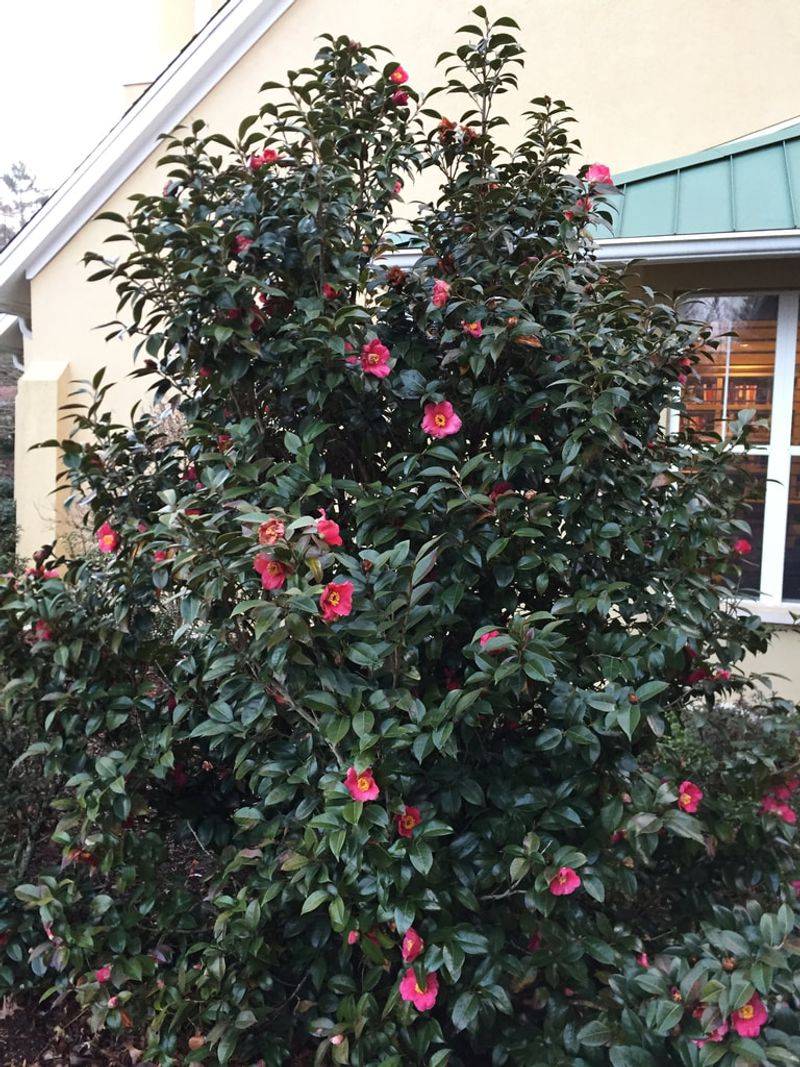
The same moisture principle applies across North Carolina, but the same watering schedule does not. Sandy soils along the Coastal Plain drain quickly and dry out faster between rains. Piedmont red clay can hold water longer, which sounds helpful until it becomes waterlogged after a heavy rain and the roots start sitting in standing water. Adjust what you do based on what you find in the soil, not on a regional label alone.
Mountain camellias face a separate concern that has nothing to do with summer watering. Colder winter temperatures in the North Carolina mountains, where zones dip to 6a and 6b, create a higher risk of winter bud injury that no amount of July watering can prevent. Choosing cold-hardy cultivars and siting plants with some wind protection matters more at elevation than it does along the coast.
Bloom timing is also worth getting straight, because the title’s promise of a fall and winter bloom describes some camellias better than others. Camellia sasanqua commonly blooms from late fall into winter, making it the species most directly tied to that fall-and-winter flowering window. Camellia japonica, the Japanese camellia, typically blooms from winter into spring, a later season that summer bud development still influences but that does not match the fall-bloom expectation.
If you are not sure which species you have, the NC State Extension Gardener Handbook’s woody ornamentals chapter offers identification and care guidance. When the species is uncertain, think about protecting next season’s blooms rather than assuming a specific fall window. The summer moisture work you do now applies to both, even if the payoff arrives at different points in the calendar.
Avoid Late Pruning And Automatic Fertilizing
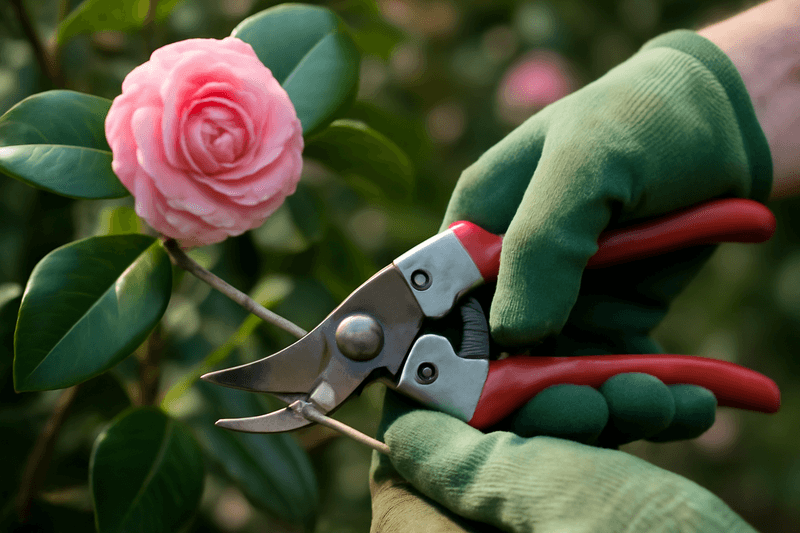
Watering is the strongest July priority, but it is not the only way to accidentally hurt next season’s flowers right now. Two other common summer habits, reaching for the pruning shears and applying fertilizer on autopilot, can each cause their own kind of bud trouble.
Late-summer shearing is a real risk that is separate from drought stress. NC Cooperative Extension’s pruning guidance says June should be the last opportunity for routine shaping on a camellia and that late-summer shearing can remove flower buds if cuts reach the inner layer of growth. The plant may survive the trim just fine and leaf back out, but those developing buds are gone for the season. Dead, diseased, or damaged wood is a reasonable exception, and you can remove it when necessary without worrying about the bloom schedule.
Routine shaping and shearing, though, should wait until after the plant finishes flowering.
Fertilizer is a separate caution. More fertilizer does not mean more flowers, and late-season nitrogen can push tender new growth that is vulnerable to cold snaps later in fall. UF/IFAS camellia guidance recommends spring and early-summer fertilization and warns against late-summer or fall feeding. The RHS growing guide adds that feeding later than the end of July can contribute to bud drop.
If you have not fertilized yet this season and are wondering whether to do it now, the honest answer is to check a soil test result first and follow the product label’s seasonal guidance. A blanket recommendation to fertilize every North Carolina camellia in late July does not hold up against the available evidence. Skip the automatic application, hold off on shearing, and put your energy into the soil moisture work that actually matters most right now.
Drought Is Only One Cause Of Bud Failure
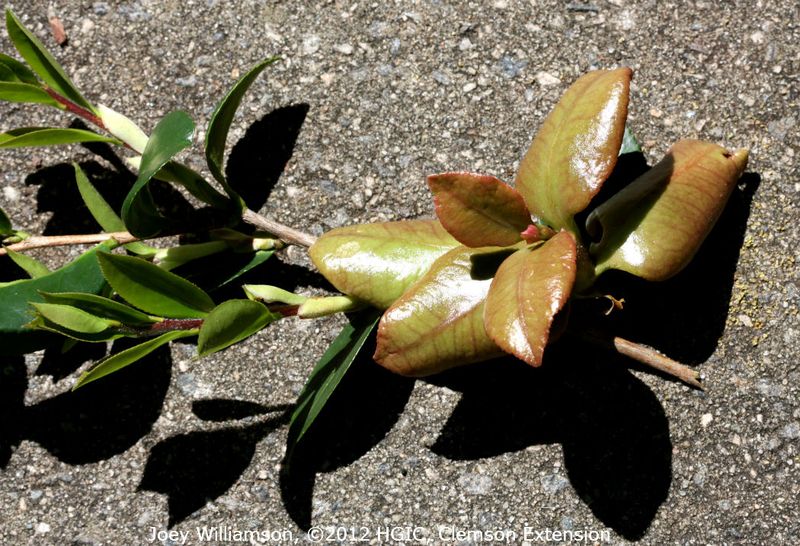
Come fall or winter, if your camellia sits there with buds that stay stubbornly closed, the temptation is to trace it straight back to something you did or did not do in July. Sometimes that connection is real. Often, though, the cause is something else entirely, and blaming yourself for skipping an irrigation cycle is not the whole story.
Clemson Extension’s camellia factsheet notes that camellias can set more buds than they are physically able to open, so some bud drop is natural and does not indicate gardener error. Beyond that, the RHS lists several other causes of buds failing to open: winter freeze injury, warm fall weather that disrupts some cultivars’ flowering cues, cultivar-specific temperature responses, disease, root damage, and poor drainage. Any one of these can produce the same symptom, tight buds that never open, regardless of how carefully you watered in summer.
If you notice unusual bud drop, distorted growth, or sticky residue on the leaves, inspect the plant closely before reaching for a spray. NC State Extension identifies scale insects as a serious camellia pest in North Carolina, but not every flower problem involves insects or disease. Applying a pesticide without a diagnosis can do more harm than good. When the cause is unclear, your local NC Cooperative Extension office is the most reliable place to take a sample or describe what you are seeing.
The NC State Plant Toolbox camellia page is a solid starting point for identifying your species and understanding its typical bloom behavior. Steady moisture, sensible mulch, and timely pruning reduce avoidable stress and give the plant a genuinely better chance at a full flowering season. A camellia that goes into fall well-watered and unpruned has done what it can, the rest is up to the season.