This Georgia Birdbath Habit Helps Birds Without Inviting Mosquitoes
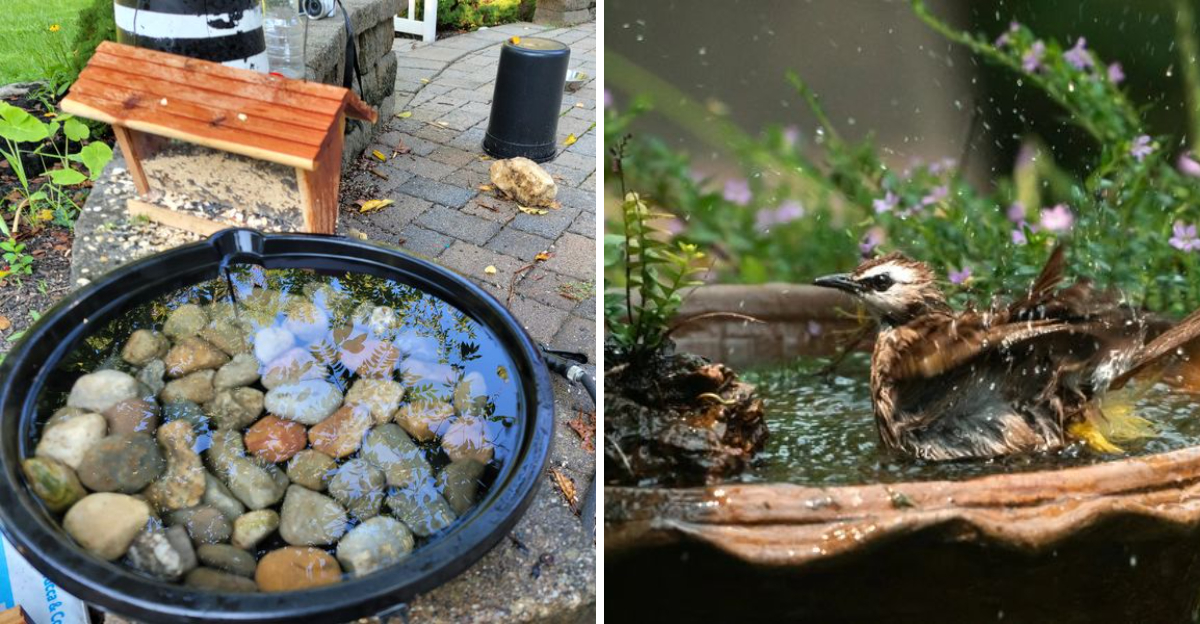
Georgia birdbaths can be adorable and suspicious at the same time.
One minute, a robin is splashing like it booked a spa day. The next, that same shallow bowl is sitting in full heat, turning warm, cloudy, and a little too interesting to mosquitoes.
That is the summer trap.
Birds need clean water during Georgia’s long hot months, but mosquitoes need standing water too. Leave a birdbath alone for too long, and the yard gets the wrong kind of visitors.
The fix is wonderfully unglamorous. Dump it. Scrub it. Refill it.
That simple routine keeps the water fresh for songbirds and interrupts mosquitoes before they can turn the bowl into a backyard nursery.
So how often should Georgia homeowners do it, and what makes the habit work better in real summer heat?
Start with consistency, shade, shallow water, and a brush you actually keep nearby. A clean birdbath brings the birds without giving mosquitoes a standing invitation.
Weekly Dumping Breaks The Mosquito Cycle
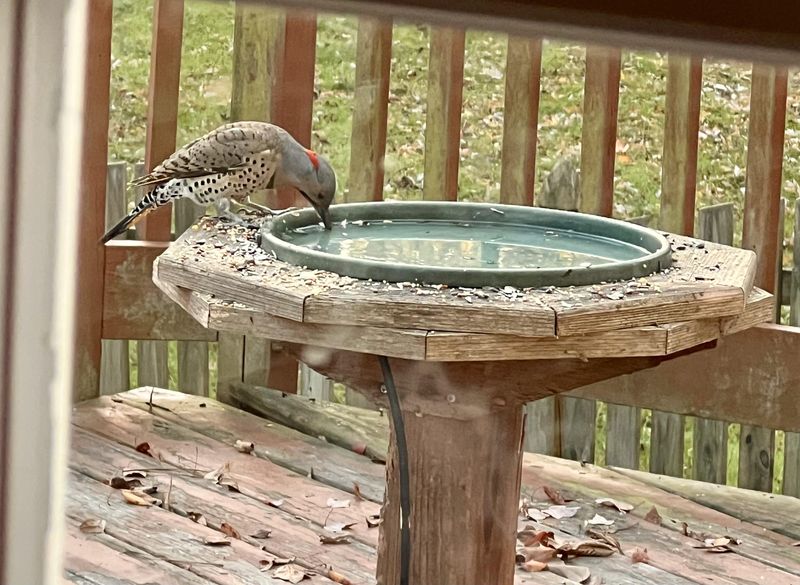
The single most powerful part of the habit is also the simplest: dumping the old water completely at least once a week.
According to UGA Extension, mosquito eggs can hatch in as little as seven to ten days in warm standing water, which means a birdbath left alone through a Georgia summer week is practically an open invitation.
Tipping the bowl empties out any eggs or larvae before they get the chance to develop.
That weekly reset breaks the mosquito life cycle right at the start.
No standing water means no place for mosquitoes to lay eggs, and no eggs means fewer mosquitoes buzzing around your yard and your family.
Pick a day that works for your schedule and make it your birdbath day.
Birds actually prefer fresh water, so you are doing them a favor too. Robins, cardinals, and Carolina wrens that visit Georgia yards love a clean, cool drink after a hot afternoon of foraging.
Think of the weekly refill as a small act of hospitality for your feathered neighbors.
During heat waves, bump that schedule up to every two or three days. Warm water speeds up both algae growth and mosquito egg development, and a birdbath in afternoon Georgia sun can heat up faster than birds appreciate.
Scrubbing Keeps Birds Coming Back
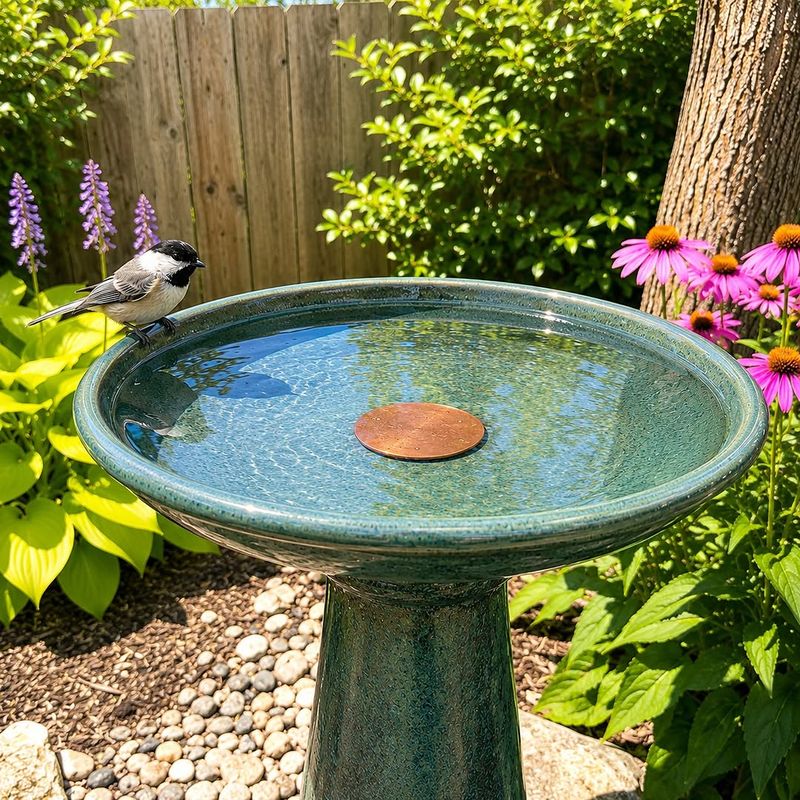
That greenish, slippery film creeping across the inside of your birdbath bowl is not just unpleasant to look at.
Algae and organic grime create a layer that traps bacteria, makes footing slippery for small birds, and gives mosquito larvae a cozy place to hide. Scrubbing the bowl before that slime gets a foothold is one of the smartest parts of the whole routine.
Grab a stiff-bristled brush, not a sponge, and scrub the inside surface every time you dump the water.
You do not need bleach or soap. Plain water and a good scrub handle most buildup just fine. If you use a small amount of diluted white vinegar for stubborn spots, rinse the bowl thoroughly before refilling so no residue is left behind.
Your Georgia Garden Changes Every Week. Your Plan Should Too.
Gardening in Georgia changes quickly throughout the season. Every Friday you’ll receive a simple weekly plan showing exactly what to plant, prune, fertilize, harvest, and protect so you never miss the right timing.
A clean bowl also means the water stays clearer longer, which makes it easier to spot any problems before they get worse.
Songbirds are picky about their bathing spots. A slimy bowl gets skipped in favor of a cleaner option, and you miss out on the show.
A quick scrub every week takes about two minutes and saves you from a much bigger cleaning job later.
Shallow Water Welcomes More Species
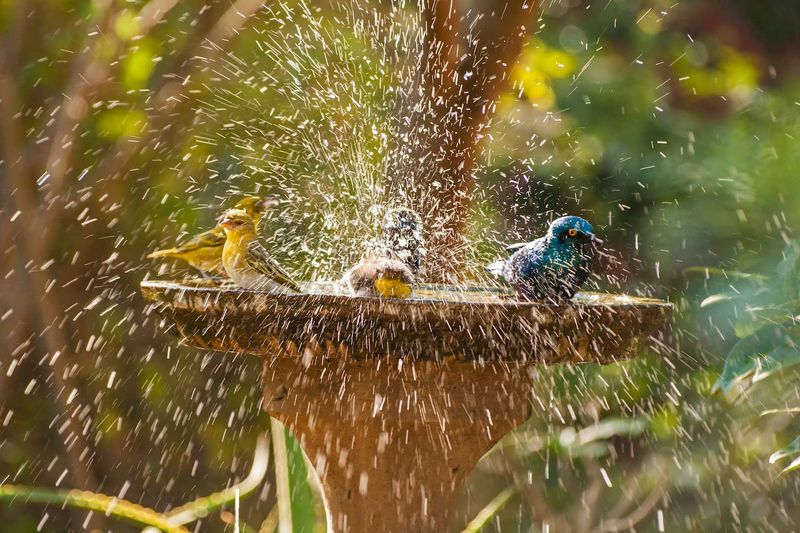
Most backyard songbirds in Georgia are not strong swimmers.
Cardinals, chickadees, goldfinches, and wrens all prefer water that comes up to about one to two inches at the deepest point.
A bowl that is too deep can actually discourage smaller birds from using it, and it holds more standing water than necessary, which gives mosquito larvae more room to develop if the water sits too long.
Shallow water warms up faster in Georgia heat, which speeds up evaporation and reduces the window of time mosquitoes have to lay and hatch eggs.
Keeping the water level low means you are refreshing it more often, which is exactly what you want. Shallow water plus frequent refills is a combination that works against mosquitoes and for birds at the same time.
If your birdbath bowl is deeper than two inches in the center, raise the floor by placing a flat stone or an overturned saucer inside.
Aim for a gradual slope from the edges to the middle so birds of different sizes can wade in comfortably. Watching a tiny wren splash around in an inch of water on a hot Georgia afternoon is genuinely one of summer’s better moments.
Pebbles Give Birds Safe Footing
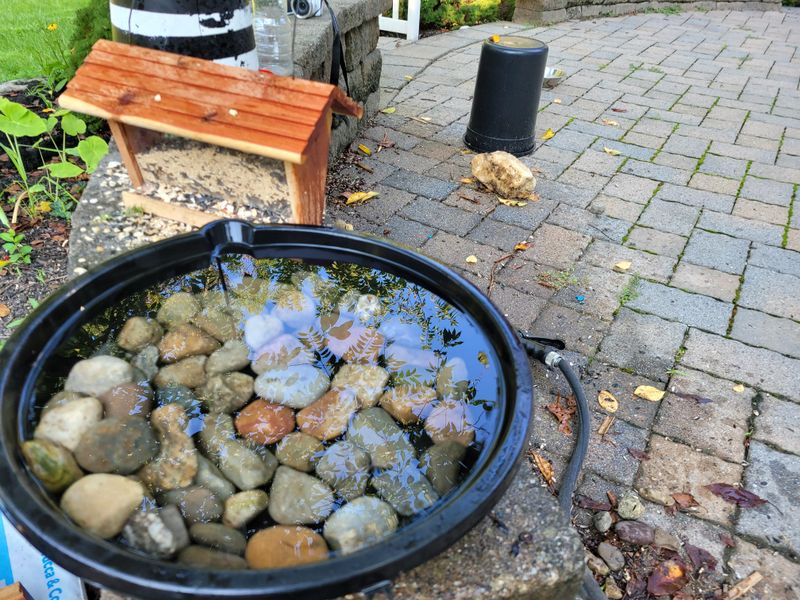
Smooth ceramic and concrete bowls get slippery when wet, especially when a thin layer of algae starts to form.
Small birds can lose their grip, stumble, and get more soaked than they intended, which is stressful for them and can make them avoid that bath altogether.
A handful of clean pebbles or flat river stones placed in the bowl gives birds something solid to stand on while they drink or bathe.
Pebbles also serve another helpful purpose.
Butterflies, bees, and other beneficial insects need water too, but they cannot land on open water safely. A stone poking just above the surface gives them a dry perch to drink from without falling in.
The stones also break up the surface of the water slightly, which can interrupt the calm, still surface that mosquitoes prefer for laying eggs.
Choose smooth, natural stones rather than painted or chemically treated decorative rocks. Rinse them thoroughly before placing them in the bowl. When you do your weekly scrub, pull the stones out, rinse them off, and put them back in.
Birds get better footing, insects get a safe sip, and mosquitoes get a less appealing setup.
Good Placement Reduces Debris And Stress
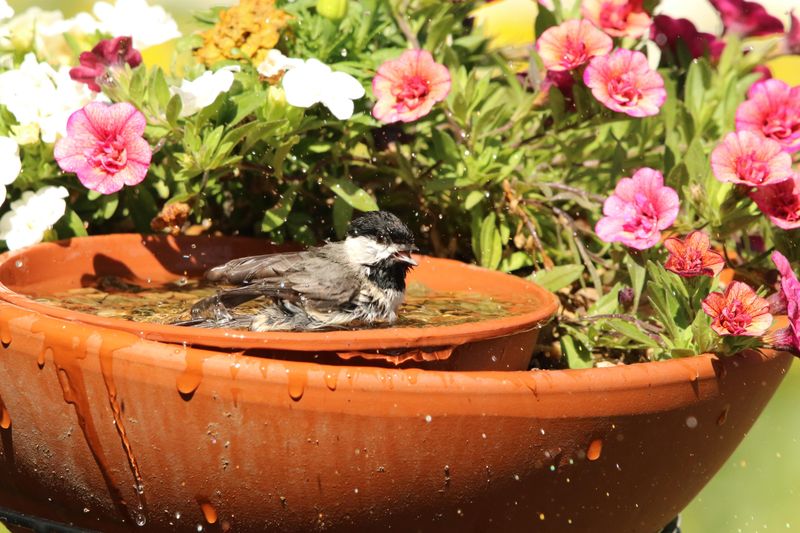
Location matters more than most people realize when setting up a birdbath.
Birds feel vulnerable when they are bathing because they are wet, distracted, and slower to fly away from a threat.
Placing your birdbath within about ten feet of a shrub, small tree, or dense hedge gives birds a quick escape route if a hawk or neighborhood cat shows up uninvited.
At the same time, you do not want the bath tucked so close to thick cover that leaf litter and debris fall into the water constantly.
Fallen leaves decompose quickly in warm Georgia weather, turning your clean bath into a murky soup that is harder to maintain and more attractive to mosquitoes.
Avoid placing the birdbath near piles of wood, overgrown corners, or dense ground cover where mosquitoes already tend to rest during the day.
Keeping the surrounding area tidy, raking up leaves, trimming back overgrowth, and clearing debris, reduces the overall mosquito population near the bath.
A clean, open-but-sheltered spot tells every passing songbird that your yard is worth a stop.
Skipping Chemicals Keeps Birds Safe
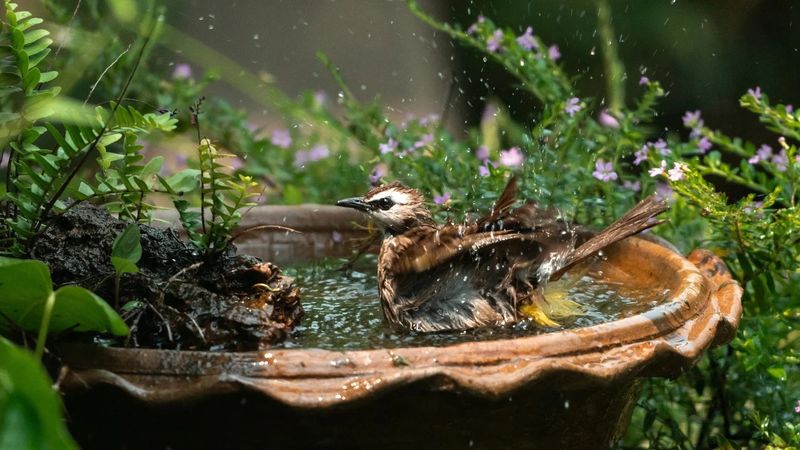
A quick search online turns up all kinds of products marketed as birdbath treatments, algae preventers, and mosquito deterrents.
Before you add anything to your birdbath water, it is worth knowing that birds drink from these baths, preen in them, and sometimes accidentally swallow small amounts of water during bathing.
Copper sulfate is sometimes sold as an algae control product, but it can be toxic to birds in concentrated amounts.
Bleach, even when heavily diluted, leaves residue that can irritate a bird’s skin and eyes. The simplest and safest approach is to rely on physical cleaning, dumping, scrubbing, and rinsing, rather than chemical shortcuts.
That routine handles the problem without putting birds at risk.
If mosquito larvae are already visible in the water, the right response is to dump the entire bowl immediately, scrub it, and refill with fresh water.
Georgia has plenty of native songbirds worth protecting, from painted buntings to wood thrushes, and keeping their water source free of chemicals is one of the easiest ways to look out for them.
Clean water is the best water, full stop.
Refreshing More Often Beats The Heat
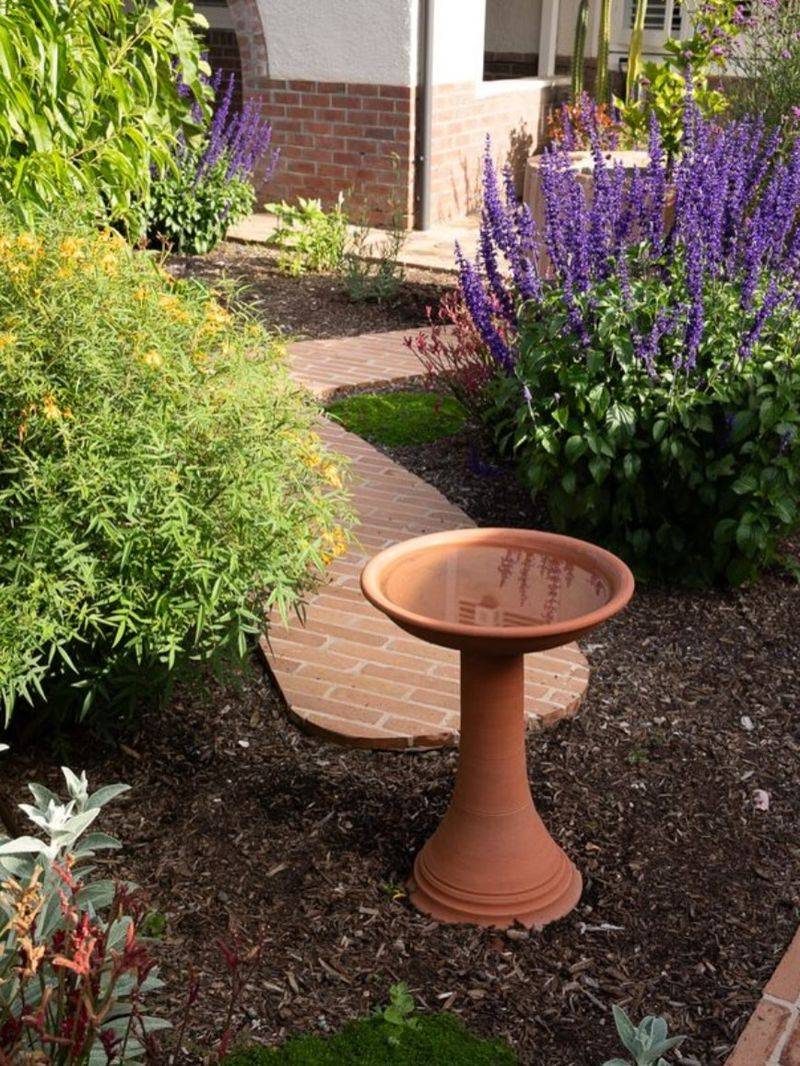
Georgia summers do not ease up, and a once-a-week refresh schedule that works fine in May can fall short by July when the heat really settles in.
When the thermometer pushes past 95 degrees Fahrenheit for days in a row, birdbath water evaporates faster, warms up quicker, and gets fouled sooner than during cooler stretches.
During heat waves, bumping your refill routine to every two or three days makes a noticeable difference for both birds and mosquito control.
Warm water shortens the time mosquito eggs need to hatch and speeds up the growth of algae and bacteria.
A birdbath sitting in afternoon sun during a Georgia heat wave can reach temperatures that feel more like a warm bath than a fresh drink.
Birds notice this and may avoid water that is too warm. Topping off the bowl with cool water in the morning gives birds a refreshing option during the hottest part of the day.
Consider moving the birdbath to a spot that gets morning sun but afternoon shade during the hottest weeks of summer.
Shade slows evaporation, keeps the water cooler longer, and reduces how often you need to refill. A shaded bath still needs regular scrubbing and dumping, but the water quality holds up better between cleanings.
Your birds will repay you with a lot of splashing.