Native Georgia Plants That Thrive Beneath Oak Trees
Growing healthy plants beneath a large oak tree often feels harder than it should. Thick shade, dry soil, and powerful roots leave many popular garden plants struggling to survive.
After enough disappointing results, it’s easy to believe nothing will grow there.
Fortunately, nature already has the answer. Several native Georgia plants evolved in woodland conditions and naturally handle the same challenges found beneath mature oak trees.
They fit into these spaces without demanding constant care or extra attention.
Instead of filling bare areas with plants that never settle in, choose species that already belong in this environment. The right native plants can transform difficult spots into attractive, long-lasting garden spaces.
Once they become established, you’ll spend less time replacing failed plants and more time enjoying a healthier, greener landscape beneath your oak trees.
1. Green And Gold Brightens Dry Woodland Shade
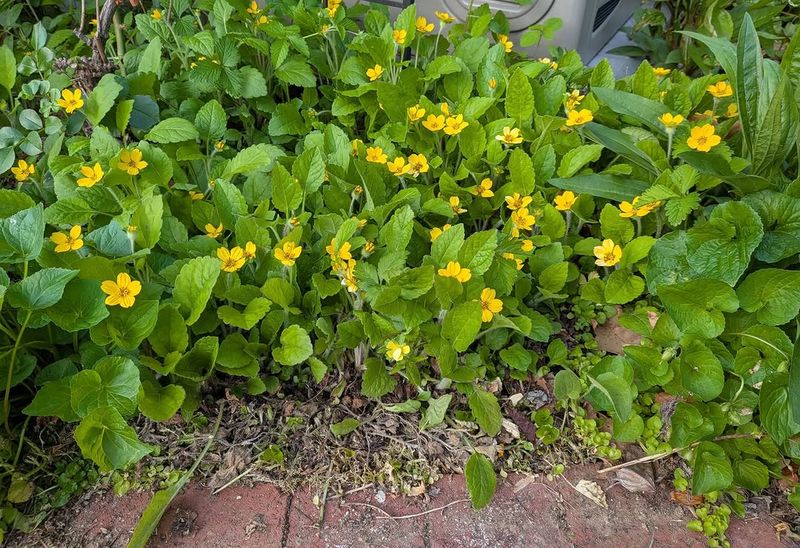
Bright yellow flowers popping out of dry shade sounds impossible, but Green and Gold pulls it off with ease. Chrysogonum virginianum is a low-growing native that handles the tough conditions under oak canopies surprisingly well.
It spreads slowly through runners and forms a semi-evergreen mat that stays tidy without much fuss.
Plant it in spots where other groundcovers have given up. It tolerates dry soil once established, though it may perform better with occasional watering during summer droughts.
Full shade slows blooming, but partial shade keeps flowers coming from early spring through fall.
Spacing plants about 12 inches apart gives them room to fill in naturally over one or two seasons. Avoid heavy clay without amendment, as drainage matters more than fertility for this plant.
Leaf litter from oaks can actually help retain moisture around the roots.
Green and Gold pairs nicely with ferns and wild ginger for a layered woodland look. It rarely needs fertilizing and stays relatively compact, making it easy to manage near walkways or garden edges.
Pollinators visit the flowers regularly, which adds extra value beyond ground coverage. Few native plants offer this combination of low maintenance and reliable seasonal color in tough shaded spots beneath established trees.
Over time, it creates a natural woodland carpet that looks right at home beneath mature trees with very little ongoing care.
2. Partridgeberry Forms A Dense Evergreen Carpet
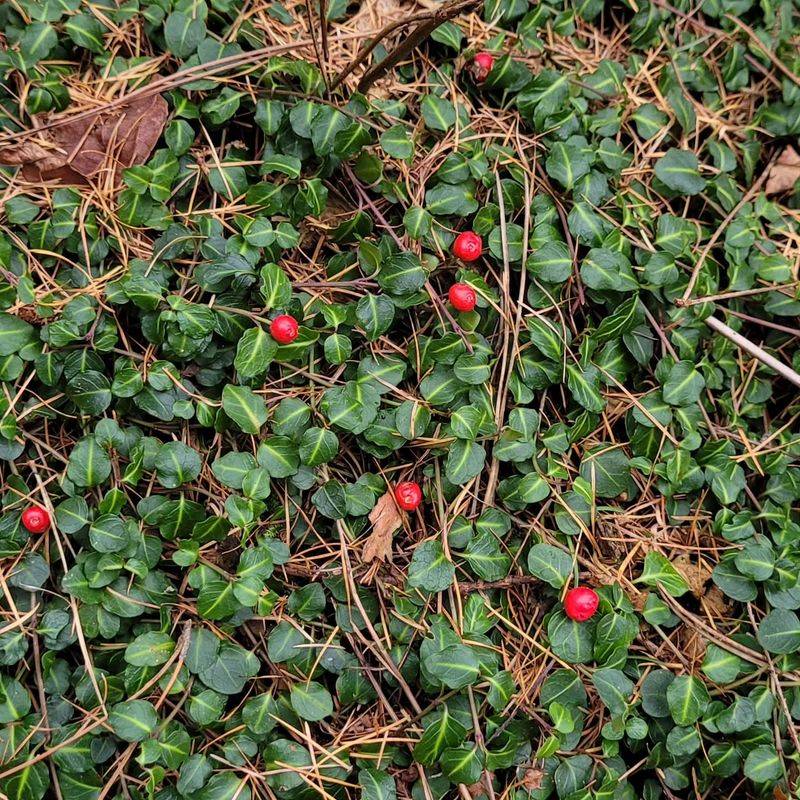
Partridgeberry is one of those plants that stops people in their tracks. Tiny paired leaves, small white flowers, and bright red berries all on a plant barely two inches tall.
Mitchella repens crawls across the forest floor in a slow, steady spread that eventually becomes a thick, weed-suppressing mat.
Oak woodland soil suits it well. It prefers acidic, well-drained conditions with consistent moisture, and the leaf litter that oak trees drop each fall works as natural mulch that benefits this plant directly.
Avoid spots with standing water or compacted soil.
Planting in fall or early spring gives roots time to settle before summer heat arrives. Space plants around six to eight inches apart.
Progress is slow the first year, but patience pays off as coverage builds steadily through seasons two and three.
Your Georgia Garden Changes Every Week. Your Plan Should Too.
Gardening in Georgia changes quickly throughout the season. Every Friday you’ll receive a simple weekly plan showing exactly what to plant, prune, fertilize, harvest, and protect so you never miss the right timing.
Berries persist through winter, making it attractive to birds like wild turkeys, thrushes, and grouse. Gardeners who want year-round visual interest appreciate how the glossy foliage holds color even during cold months.
It works particularly well along shaded garden paths or at the base of large oak trunks where foot traffic is low. Georgia woodland gardens benefit from this plant’s ability to thrive where most ornamentals simply cannot compete with established tree roots.
Once established, it quietly fills difficult shaded spaces with lasting color and texture while asking for very little maintenance in return.
3. Wild Ginger Covers Bare Soil Naturally
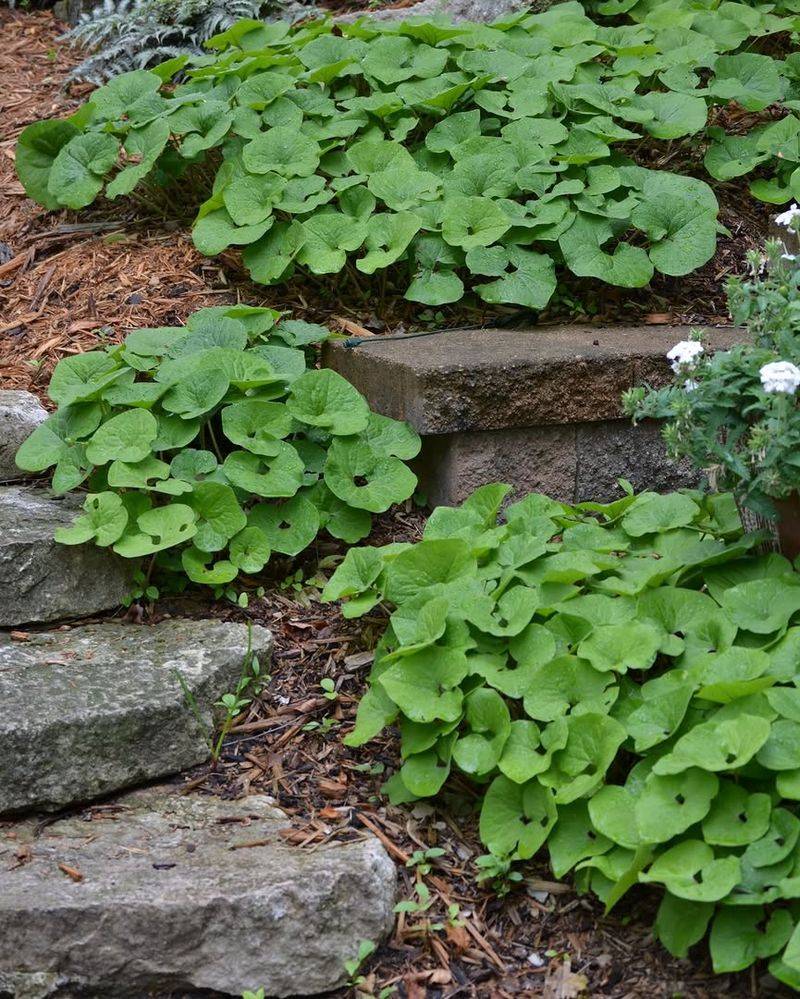
Forget bare patches of soil under your oaks. Wild ginger moves in and covers ground with bold, heart-shaped leaves that overlap into a seamless canopy just six to eight inches off the ground.
Asarum canadense is a native spreader that works hard in deep shade where other plants simply sit still and sulk.
It prefers moist, rich soil but adapts reasonably well to the drier conditions found under mature oaks if given a good start with some organic matter worked into the planting hole.
Consistent moisture during the first growing season makes a real difference in how quickly it establishes.
Divide clumps every few years to speed up coverage or share plants with neighbors. Rhizomes spread just below the soil surface, which makes division straightforward in early spring before new growth emerges.
Planting divisions about eight to ten inches apart fills gaps without overcrowding.
Hidden beneath those large leaves are small, brownish-purple flowers that bloom low at soil level in spring. Most people never notice them, and that is part of wild ginger’s quiet charm.
Deer tend to leave it alone, which is a genuine advantage in wooded suburban areas. The dense canopy of leaves also shades out many common weeds, reducing maintenance over time.
It pairs beautifully with ferns and foamflower in shaded Georgia woodland beds.
Few native groundcovers fill shady spaces so effectively while remaining easy to manage year after year.
4. Foamflower Thrives In Leaf Litter
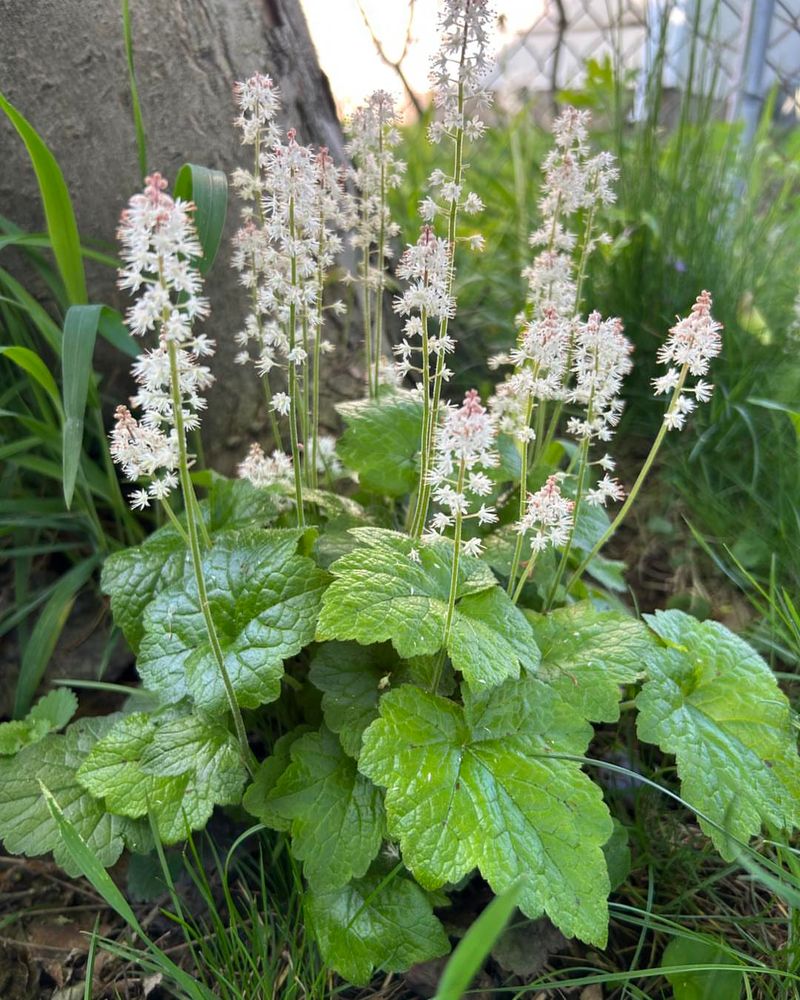
Foamy white flower spikes rising above maple-shaped leaves in spring make Tiarella cordifolia one of the most visually rewarding groundcovers for shaded spaces. It leans into the leaf litter that oaks drop each year rather than struggling against it.
That natural mulch layer is basically its preferred growing medium.
Moisture retention matters most for foamflower.
Spots that dry out hard in summer can stress the plant, but consistent leaf cover and occasional watering usually keep it stable.
Rich, slightly acidic soil under oaks tends to suit it well without much amendment needed.
Spreading happens through stolons, slender stems that root where they touch moist soil. One plant can expand into a small colony over a few seasons without becoming aggressive or invasive.
Pulling unwanted runners is easy when coverage exceeds the intended area.
Foliage often develops attractive reddish-bronze markings in fall and winter, which adds interest beyond the spring bloom period. Hummingbirds and small native bees visit the flowers regularly.
Deer generally avoid it, though browsing pressure varies by location and season. Plant spacing of 12 to 18 inches works well for establishing a naturalistic look that fills in gradually.
Foamflower combines especially well with wild ginger and partridgeberry beneath oak canopies across the Southeast, creating layered coverage that looks intentional without requiring constant upkeep.
As it matures, it creates a soft woodland carpet that looks naturally at home beneath established oak trees with very little ongoing care.
5. Woodland Phlox Brings Spring Color
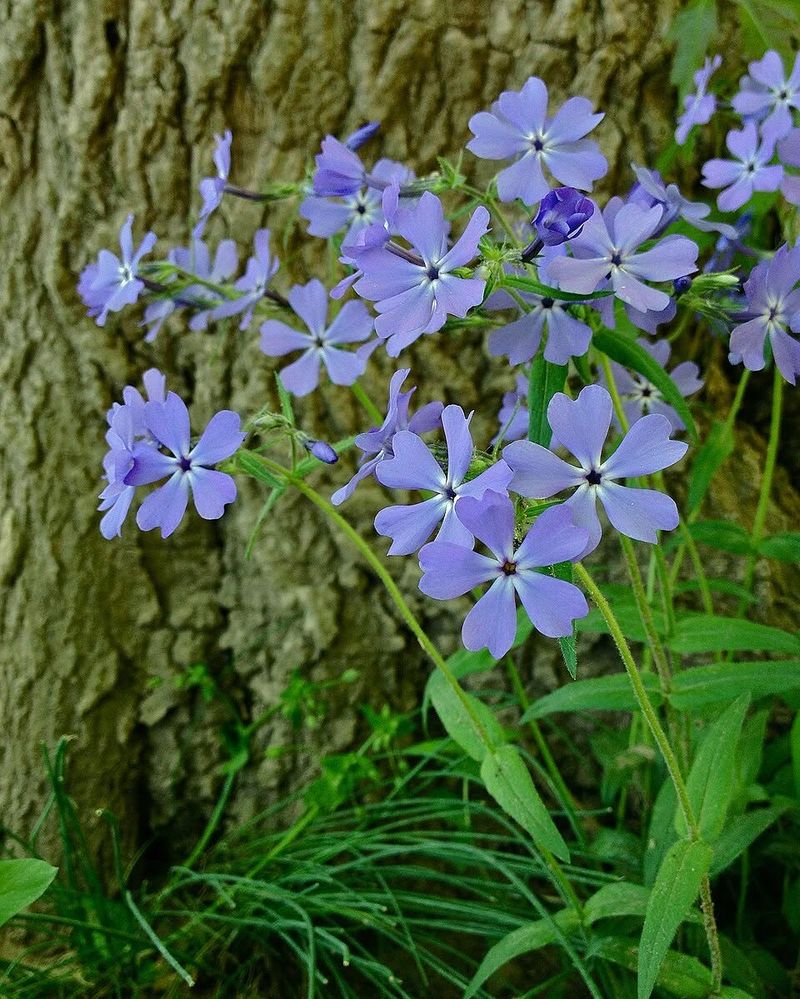
Pale blue and lavender flowers carpeting the ground beneath bare oak branches in early spring is a sight worth planning a whole garden around.
Woodland phlox, or Phlox divaricata, blooms before the tree canopy fills in, making the most of that brief window of extra light reaching the forest floor.
It spreads at a moderate pace through creeping stems and self-seeding, forming loose colonies that feel naturalistic rather than rigid. Well-drained, humus-rich soil gives it the best start.
Avoid soggy spots, as wet roots through winter can weaken plants noticeably.
After blooming finishes, the semi-evergreen foliage stays low and tidy through summer and fall.
Cutting stems back lightly after flowering can encourage a neater appearance without harming the plant. Some gardeners skip pruning entirely and let the natural form do its thing.
Fragrance is a bonus that photos never capture. Standing near a blooming patch on a warm spring morning is genuinely pleasant.
Butterflies and sphinx moths visit the flowers, drawn by both color and scent.
Deer browsing is possible but inconsistent across different areas and seasons. Plant woodland phlox in drifts of at least five to seven plants for visual impact.
It layers well with ferns and foamflower, and in Georgia’s Piedmont and mountain regions, it often appears naturally along shaded roadsides and stream banks beneath established hardwoods.
6. Allegheny Spurge Handles Deep Shade
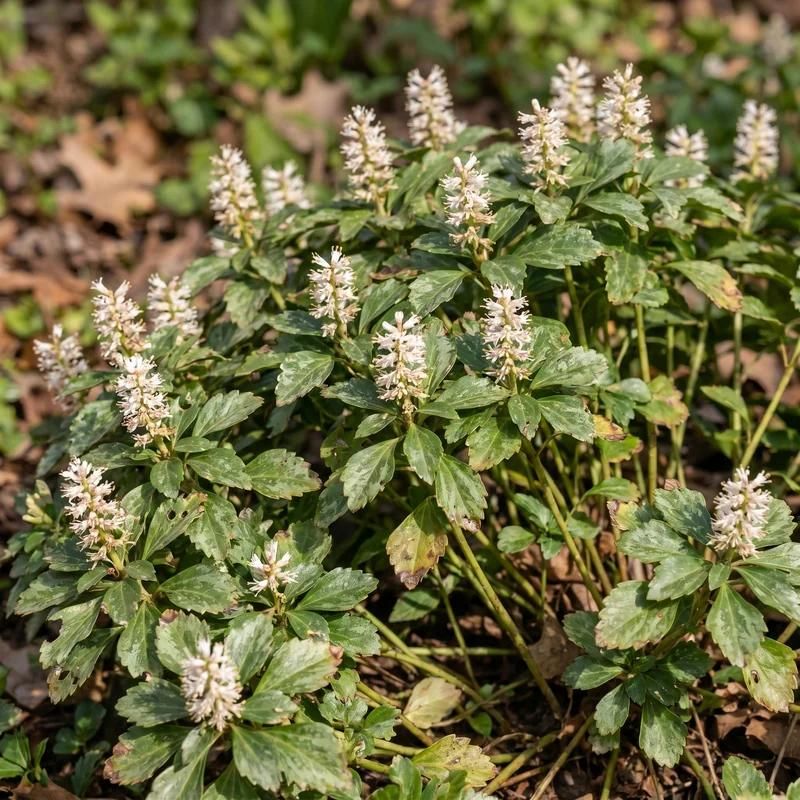
Most gardeners reach for Japanese pachysandra without realizing a native version exists and performs just as well without the invasive baggage.
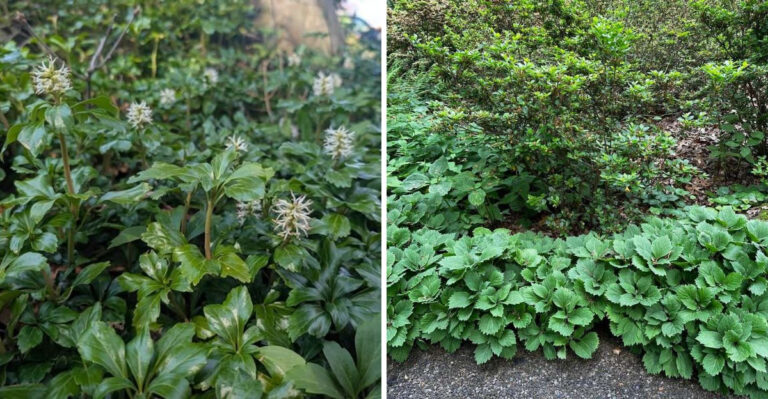
Allegheny spurge, Pachysandra procumbens, is a southeastern native that handles deep shade under oak canopies with quiet confidence.
It is slower to establish than its Asian relative but far better suited to local ecosystems.
Leaves are larger and more mottled than Japanese pachysandra, with attractive silvery patterning that adds texture to shaded beds. In fall, older leaves drop and fresh ones emerge in late winter or early spring.
The plant behaves as semi-evergreen in most parts of the Southeast, holding foliage through mild winters reliably.
Fragrant white flower spikes appear low to the ground in late winter before full leaf coverage returns. Few groundcovers bloom that early, making it a subtle but welcome sign of seasonal change.
Bees emerging on warm late-winter days visit the flowers for early pollen.
Space plants 12 to 15 inches apart for steady coverage over two to three seasons. Moist, acidic, well-drained soil gives the best results, though it tolerates moderate drought once roots are established.
Leaf litter from oaks benefits this plant directly, acting as natural mulch that regulates soil temperature and retains moisture.
Allegheny spurge is one of the more underused native groundcovers available to southeastern gardeners looking for low-maintenance, ecologically sound solutions for challenging shaded areas.
7. Christmas Fern Stays Green Year Round
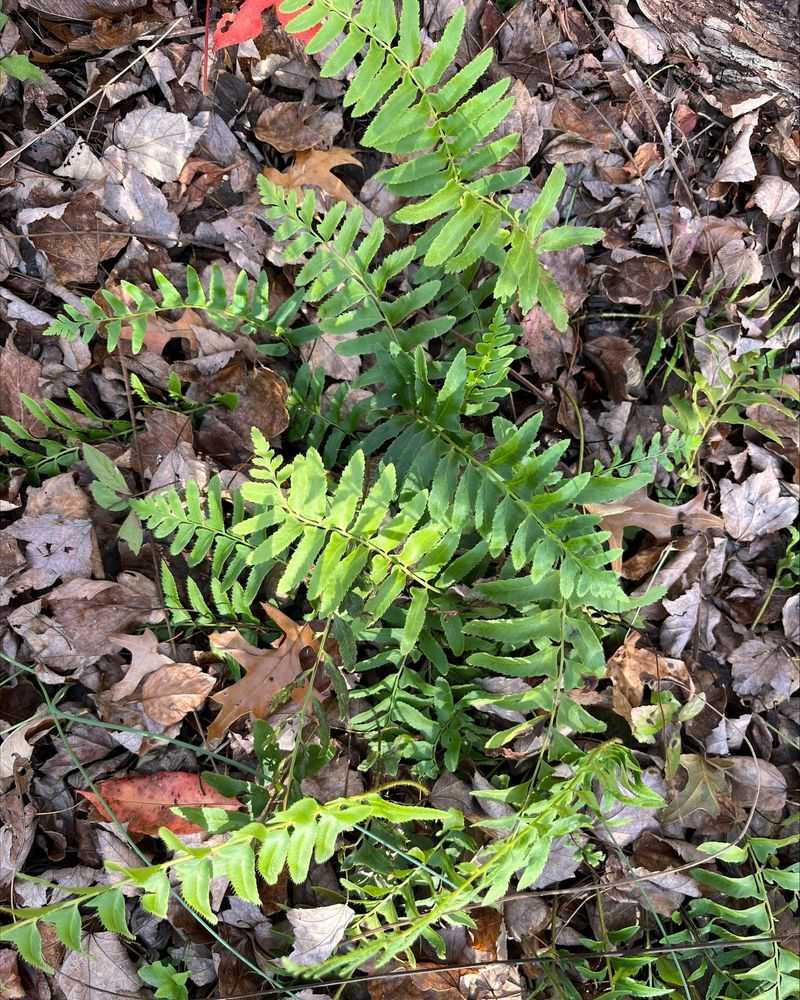
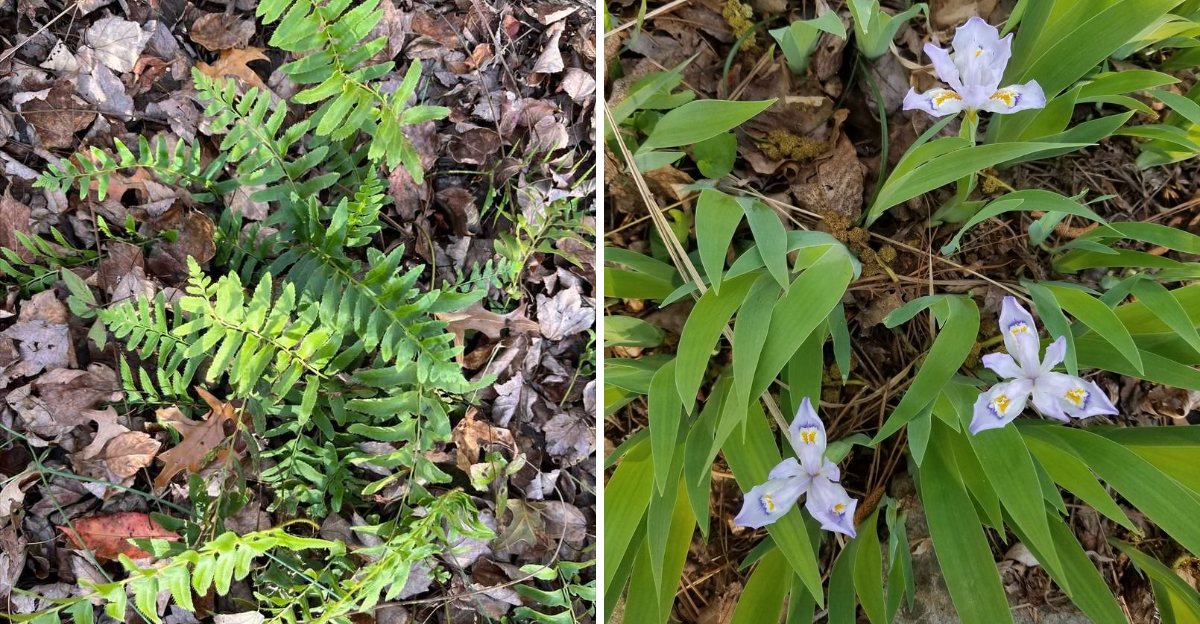
Reliable green color through January and February is something most shade gardens desperately lack. Christmas fern delivers it without complaint, holding dark green fronds through cold snaps that flatten other plants entirely.
Polystichum acrostichoides earned its common name because those fronds were often visible and harvestable for holiday decorating in winter.
It grows in clumps rather than spreading broadly, which makes placement easier to control than many other groundcovers. Each clump gradually expands outward over years, but it stays where you put it without sending runners into unwanted areas.
Spacing plants 18 to 24 inches apart creates good coverage without overcrowding.
Dry, rocky soil under oak trees does not discourage it much. Established clumps handle summer drought better than most ferns, which tend to be moisture-demanding.
Some browning on older fronds in late winter is normal before new growth pushes up in spring.
New fronds, called fiddleheads, emerge in spring with a faint silvery fuzz that catches light attractively. Deer generally leave Christmas fern alone, a practical advantage in wooded suburban and rural settings across the Southeast.
It works well planted in masses along slopes where erosion control matters alongside aesthetics. Combining it with wild ginger or foamflower adds textural contrast at ground level.
Georgia native plant gardens frequently feature Christmas fern as a dependable backbone plant in shaded areas under large hardwoods.
8. Dwarf Crested Iris Blooms Before The Tree Canopy Fills In
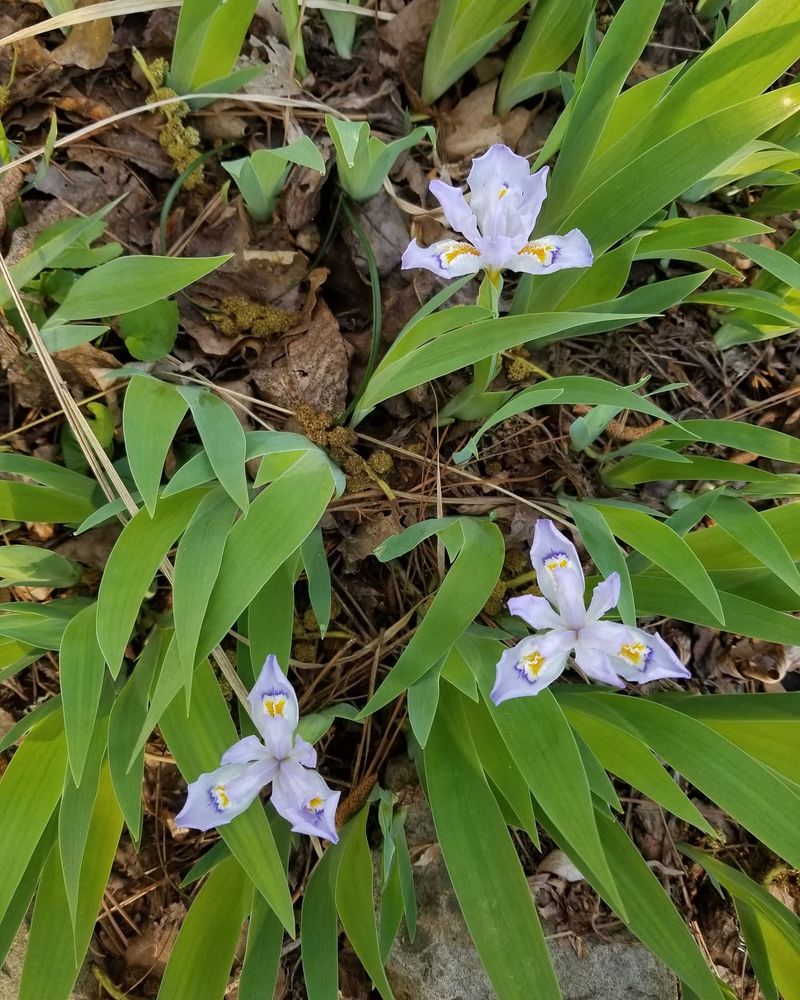
Timing is everything in a woodland garden, and dwarf crested iris plays that game perfectly.
Iris cristata pushes up small purple, lavender, or white flowers in early spring while oak branches are still bare and sunlight reaches the ground freely.
By the time the canopy closes in, the blooming is done and the foliage settles into a neat, low mat.
It spreads through rhizomes that creep just at or slightly below the soil surface. Coverage builds gradually but noticeably over a few seasons.
Avoid planting too deeply, as shallow rhizome placement is important for healthy growth and reliable spring flowering.
Well-drained soil suits it better than wet or compacted ground. Under oaks, natural drainage and leaf litter create conditions close to its native habitat along rocky woodland slopes and stream banks across the Southeast.
Supplemental watering during dry stretches in summer helps during the first year of establishment.
Foliage stays attractive through summer and fall before dying back naturally in winter. Leaving the foliage in place rather than cutting it back allows the plant to store energy for next year’s bloom.
Deer browsing can be an issue in some locations, though pressure varies considerably by area. Plant in drifts of at least six to ten rhizomes for a natural-looking display.
Dwarf crested iris pairs beautifully with Christmas fern and woodland phlox in shaded Georgia native gardens beneath established oaks.