Why Carpenter Bees Are Drilling Holes In Your Georgia Porch This Summer
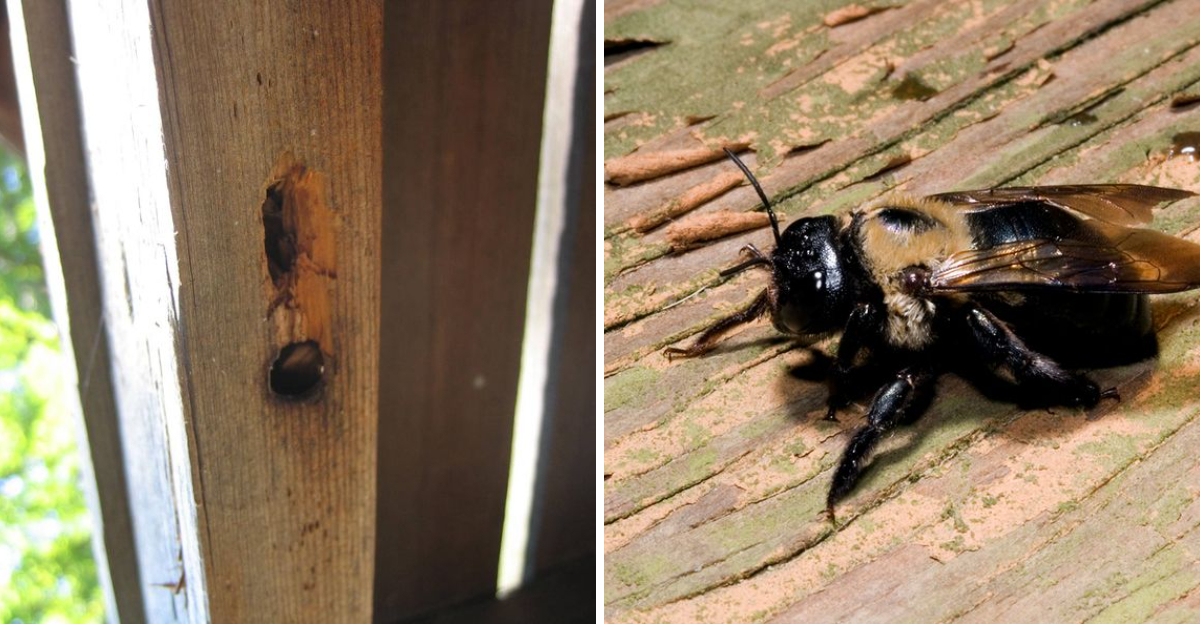
Carpenter bees are not trying to ruin your Georgia porch for no reason. Their familiar round holes usually have one purpose, and understanding it can save you unnecessary worry.
Before you assume the damage is beyond repair, learn what attracts these busy insects.
Small changes around your home can make it less appealing without harming them.
Take a closer look before reaching for quick fixes. Knowing why carpenter bees choose certain spots will help you protect both your porch while avoiding unnecessary damage.
Simple adjustments can make a real difference before the season ends. Pay attention now instead of waiting until the problem grows.
You’ll feel more confident every time you spot fresh holes because you’ll know what deserves your attention first.
That knowledge makes every repair decision much easier.
1. Bare Untreated Wood Attracts Carpenter Bees
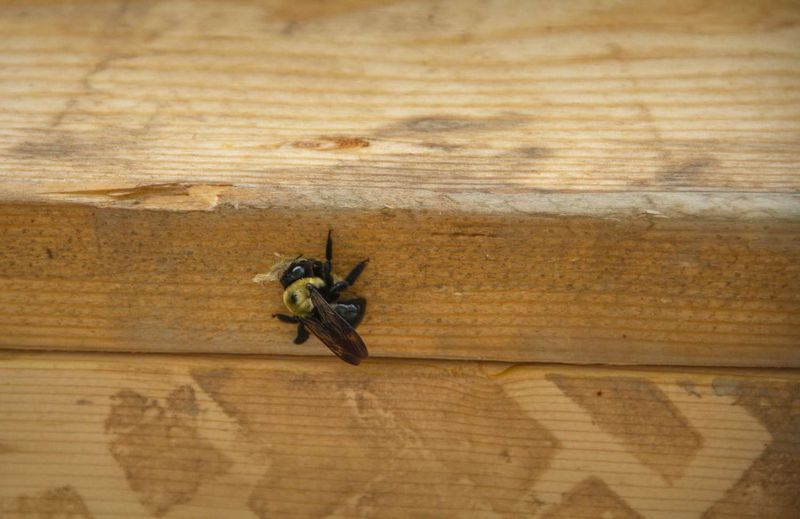
Raw wood is basically an open invitation. Carpenter bees are drawn to bare, untreated surfaces more than almost anything else.
If your porch has exposed wood with no paint, stain, or sealant, it is one of the most vulnerable spots on your property.
Untreated wood is softer and easier to chew through. Bees can detect unprotected grain and will target it fast.
Painted or sealed wood takes far more effort, so they tend to skip it when easier options are nearby.
Porches, eaves, fascia boards, and deck rails are common problem spots. Outdoor furniture made from raw wood can also get hit.
Even wood that looks solid and sturdy can be drilled through if it lacks a protective coating.
Applying a stain or exterior-grade paint is one of the most practical steps you can take. It does not need to be fancy.
A solid coat creates a barrier that most bees will avoid. Varnishes and polyurethane finishes also work well on surfaces where paint is not ideal.
Keep in mind that bees can return to the same spots year after year. Treating your wood once is helpful, but checking and refreshing that coating every season keeps protection stronger.
2. Sunny Surfaces Are More Likely To Be Chosen
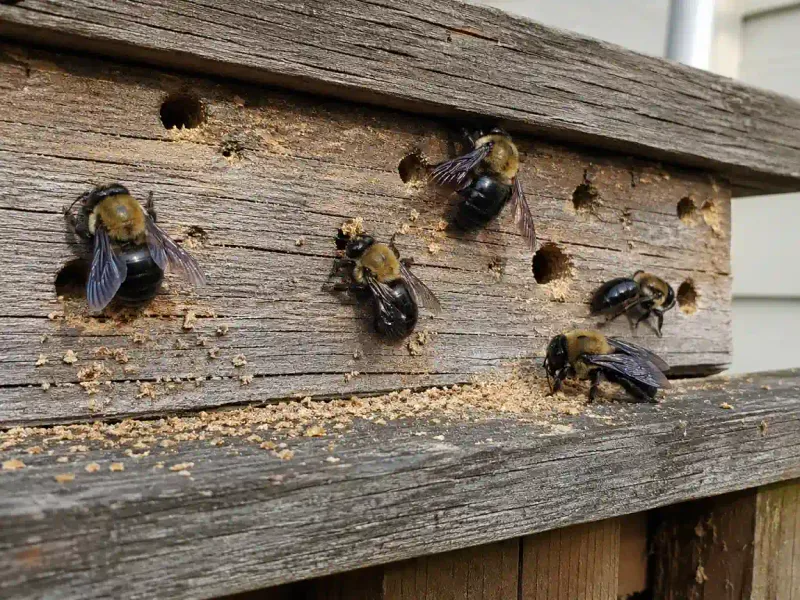
Carpenter bees have a strong preference for sun-warmed wood. South-facing and west-facing sides of a structure tend to get the most attention because they receive direct sunlight for long stretches of the day.
Warm wood is easier to bore into. The heat softens the fibers slightly and makes drilling faster and less exhausting for the bee.
Shaded wood on the north side of a building is less commonly targeted, though it is not immune.
In Georgia, summer sun can be intense, and wood on exposed porches heats up quickly by midday. That warmth signals to carpenter bees that conditions are ideal for nesting.
Female bees are especially active during peak sun hours when they are searching for nesting sites.
Shade structures like pergola covers or canvas awnings can reduce how much direct sun hits your wood. That small change in temperature can make a surface less attractive to nesting bees.
It will not stop every bee, but it can shift where they prefer to go.
Your Georgia Garden Changes Every Week. Your Plan Should Too.
Gardening in Georgia changes quickly throughout the season. Every Friday you’ll receive a simple weekly plan showing exactly what to plant, prune, fertilize, harvest, and protect so you never miss the right timing.
Painting sun-exposed wood with a light color also helps reflect heat rather than absorbing it. Darker stains absorb more warmth, which may make those surfaces slightly more appealing.
3. Old Nesting Tunnels Often Get Reused
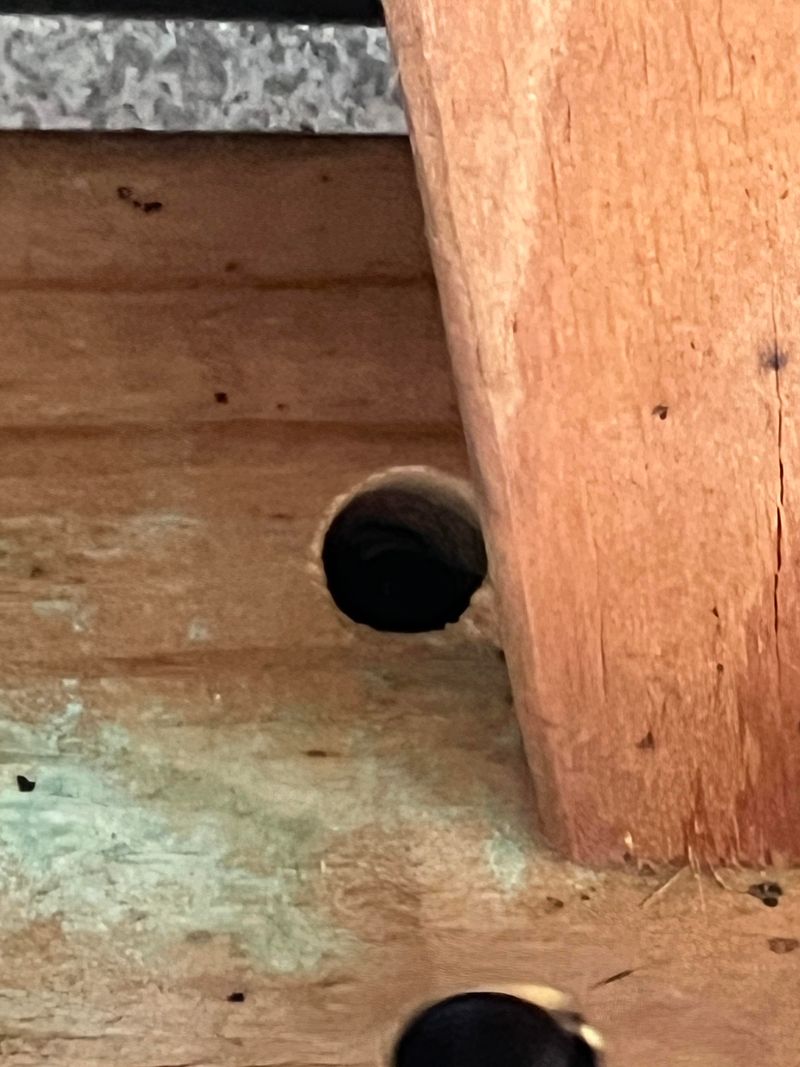
Spotting a fresh hole is frustrating, but old holes are just as much of a problem. Carpenter bees frequently return to tunnels that were bored in previous seasons.
A tunnel that already exists requires almost no effort to reuse or expand.
Female bees often return to the structure where they hatched. They may enter an old tunnel, clean it out, and begin laying eggs inside it.
This behavior means one small hole can turn into a much larger network over multiple seasons if left unaddressed.
The tunnels themselves can grow quite long. What starts as a one-inch entry hole can lead to a gallery that runs six inches or more inside the wood.
Over time, repeated use weakens structural integrity, especially in thinner boards.
Filling and sealing old tunnels is one of the most important steps homeowners can take. Wood putty or a similar filler can close off the entry point.
Once the filler dries, painting or staining over it makes the surface even less appealing for future nesting attempts.
Timing matters when filling tunnels. Waiting until late summer or fall, after bees have left for the season, gives you a clear window to work without disturbing active nests.
4. Softwoods Are Easier For Bees To Bore Into
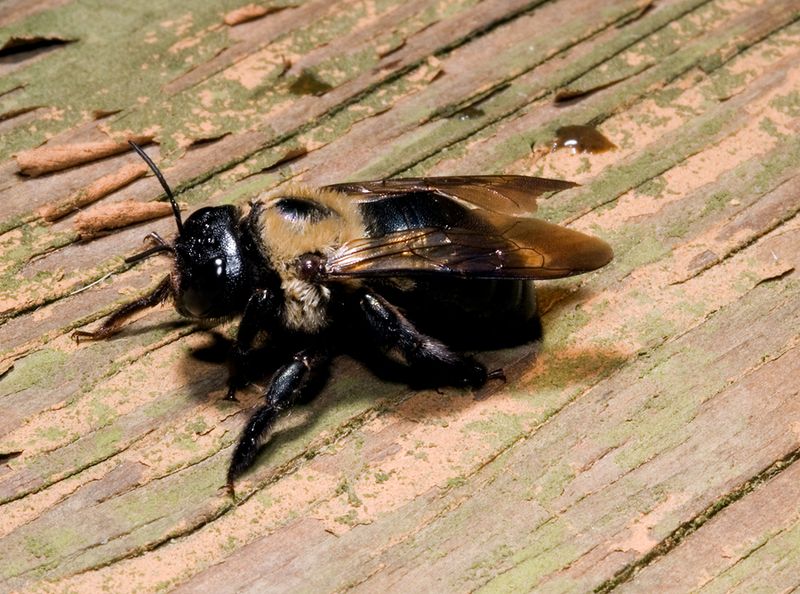
Not all wood is created equal when it comes to carpenter bee activity. Softwoods like pine, cedar, redwood, and fir are far more vulnerable than hardwoods.
Bees choose these materials because they require significantly less effort to drill through.
Pine is especially common in Georgia porches and decks. It is affordable, widely available, and easy to work with during construction.
Unfortunately, those same qualities that make it convenient for builders also make it appealing to carpenter bees.
Cedar and redwood have natural oils that some sources suggest may offer mild resistance to insects. However, that resistance is limited and tends to decrease as the wood ages and dries out.
Older cedar boards can become just as vulnerable as untreated pine over time.
Hardwoods like oak, maple, and pressure-treated lumber are harder for bees to penetrate. If you are replacing sections of your porch, choosing harder materials can reduce future problems.
Pressure-treated wood is especially practical because it is also resistant to moisture and rot, which are common issues in humid climates.
Switching materials is not always practical or budget-friendly. In those cases, applying a quality exterior paint or sealant to softwood surfaces provides a meaningful layer of protection.
5. Fresh Paint Can Help Protect Exposed Wood
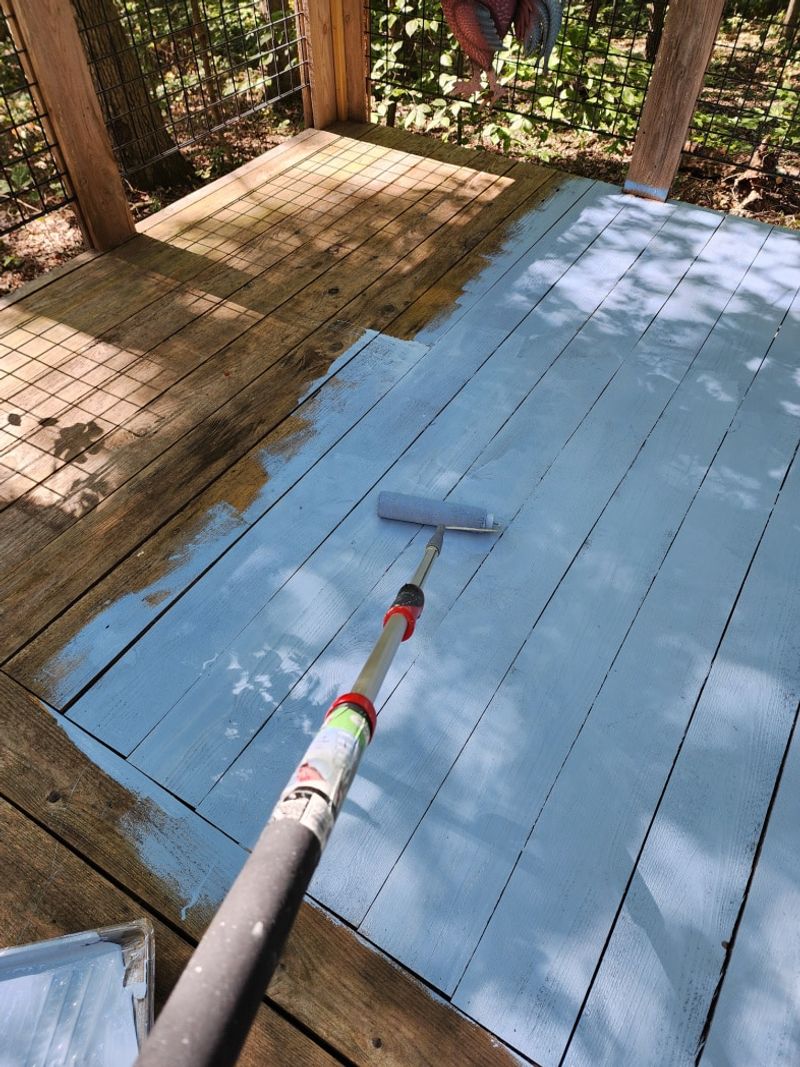
A fresh coat of paint does more than improve curb appeal. It creates a physical barrier between carpenter bees and the raw wood grain they are attracted to.
Bees prefer not to chew through a sealed surface when easier options exist.
Oil-based exterior paints tend to offer stronger protection than latex in high-activity areas. They penetrate the wood more deeply and form a harder surface layer.
That extra durability can make a real difference on porch railings, beams, and fascia boards that get heavy exposure.
Stains are another solid option, especially on decking where a thick paint layer might peel under foot traffic. Solid-color stains seal the grain effectively while still allowing the wood texture to show through.
Semi-transparent stains offer less protection but still improve the surface compared to bare wood.
Timing your painting project matters. Early spring, before carpenter bee season peaks, is an ideal window in Georgia.
Getting protective coatings on before bees become active in late spring gives the paint time to cure fully and reduces the chances of bees targeting fresh surfaces.
Reapplying paint or stain every few years keeps protection effective. Sun, rain, and temperature changes gradually wear down coatings.
Peeling or cracking paint exposes raw wood underneath, which can attract bees even to surfaces that were previously protected.
6. Fill Empty Tunnels After Bees Leave
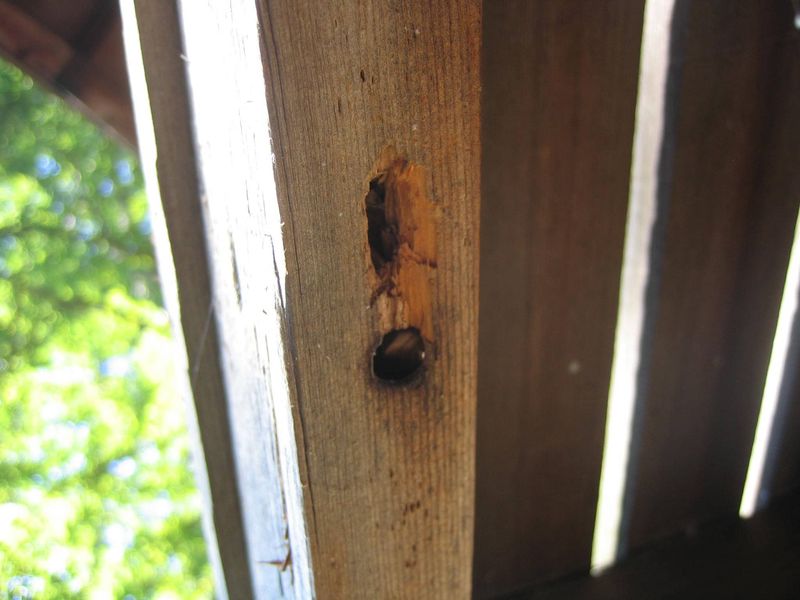
Empty tunnels left in your porch wood are not harmless. Open holes invite future nesting, collect moisture, and can lead to wood rot over time.
Filling them promptly after bees vacate is one of the smartest maintenance moves you can make.
Late summer and early fall are the best times to fill tunnels in Georgia. By that point, the season’s bees have mostly finished nesting and the tunnels are vacant.
Working during that window reduces the risk of trapping bees inside or disturbing active galleries.
Wood putty is a reliable and affordable filler for small to medium holes. It applies easily, sands smooth when dry, and accepts paint well.
For deeper or wider tunnels, steel wool packed into the hole before applying filler can add structural support and make the repair more durable.
Caulk is another option for surface cracks or gaps near entry holes. It seals the area against moisture and creates a surface that bees find harder to reopen.
Using both filler and caulk together in problem areas can give you better results than either product alone.
After filling, sand the area smooth and apply a coat of exterior paint or stain. A finished surface is much harder for bees to reopen than a raw or rough repair.
7. Seal Repaired Tunnels To Prevent Repeat Nesting
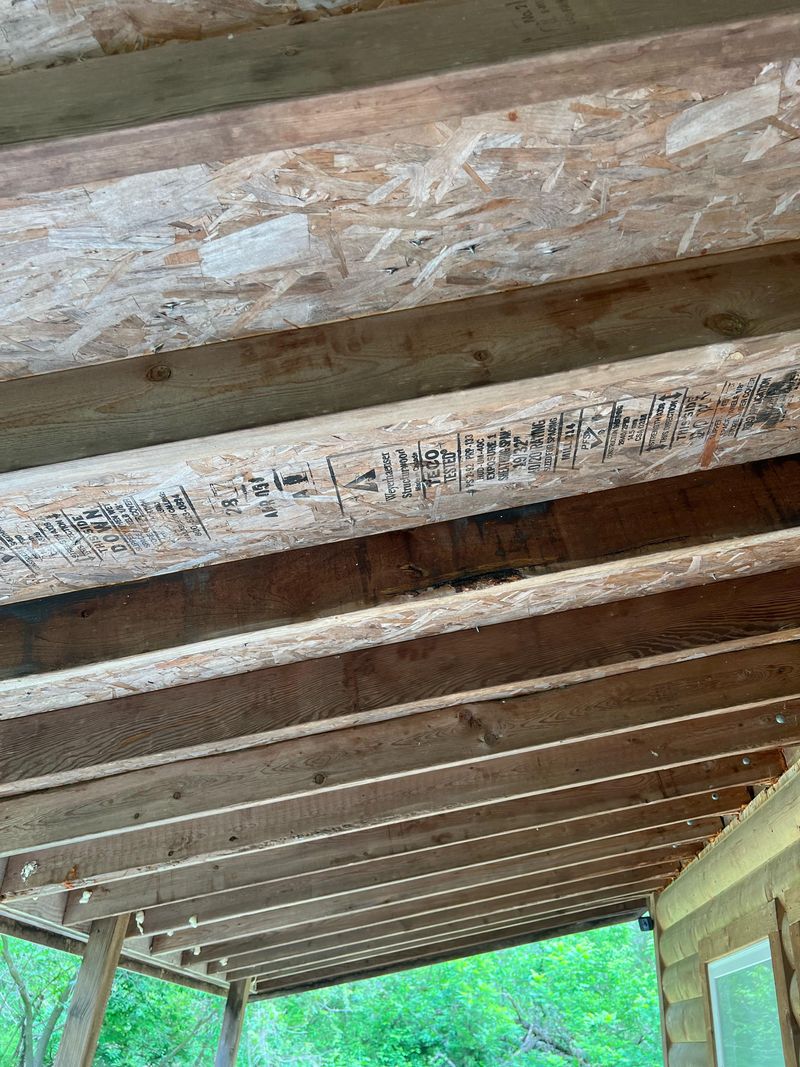
Filling a tunnel is only half the job. Without a proper seal over the repair, bees can detect the filler material and reopen the hole with surprising ease.
Sealing the surface after filling is what actually locks them out long term.
Exterior caulk applied over dried wood filler creates a smooth, hard layer that resists chewing. Choose a paintable caulk so you can finish the repair with a matching coat of paint or stain.
That final layer of finish is what truly discourages bees from targeting the same spot again.
Some homeowners use wood hardener on tunnels before filling them. Wood hardener soaks into damaged or soft wood fibers and firms them up.
It makes the surrounding area denser and more resistant, which improves how well the filler holds and makes the repair stronger overall.
Expanding foam sealant can work for larger gaps or tunnels that go deep into a beam. It fills irregular spaces effectively and hardens into a firm plug.
Trim any excess flush with the surface before painting over it for a clean, finished look.
Repeat inspection is part of a realistic long-term plan. Sealed repairs can crack or shift as wood expands and contracts through the seasons.
Checking repaired areas each spring and touching up any gaps keeps your defenses solid.