This Himalayan Blackberry Removal Mistake Can Make It Spread Downhill In Oregon Yards
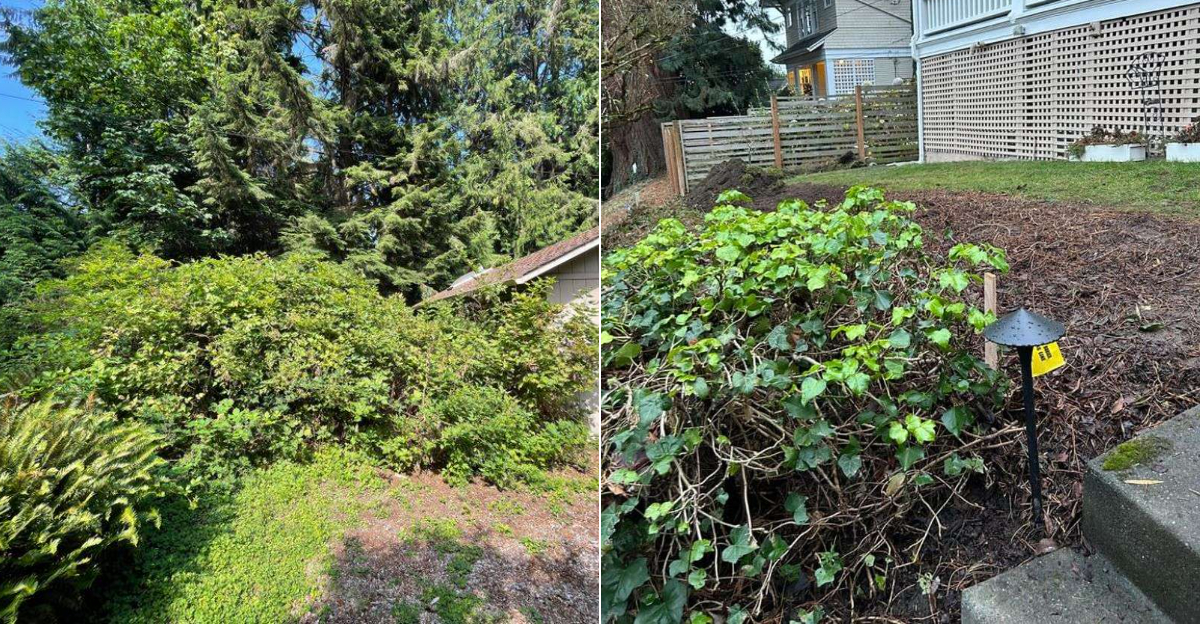
Himalayan blackberry does not need much help being a menace in Oregon yards. Give it one bad removal job, though, and it can turn downhill spread into a full-blown sequel.
The big mistake is cutting or yanking canes without dealing with the crowns, roots, and loose pieces left behind. Those bits can resprout, wash downslope, or hide in brush piles like they are plotting a comeback.
On sloped yards, gravity makes the problem even ruder. One messy cleanup can send viable fragments into lower beds, fence lines, drainage areas, or natural spaces.
That means removal is less about one satisfying chop and more about careful follow-through. Before you declare victory over a blackberry patch, make sure the leftovers are actually gone.
Otherwise, this invasive bully may simply relocate and come back with better views.
1. The Mistake Is Dragging Canes Downhill
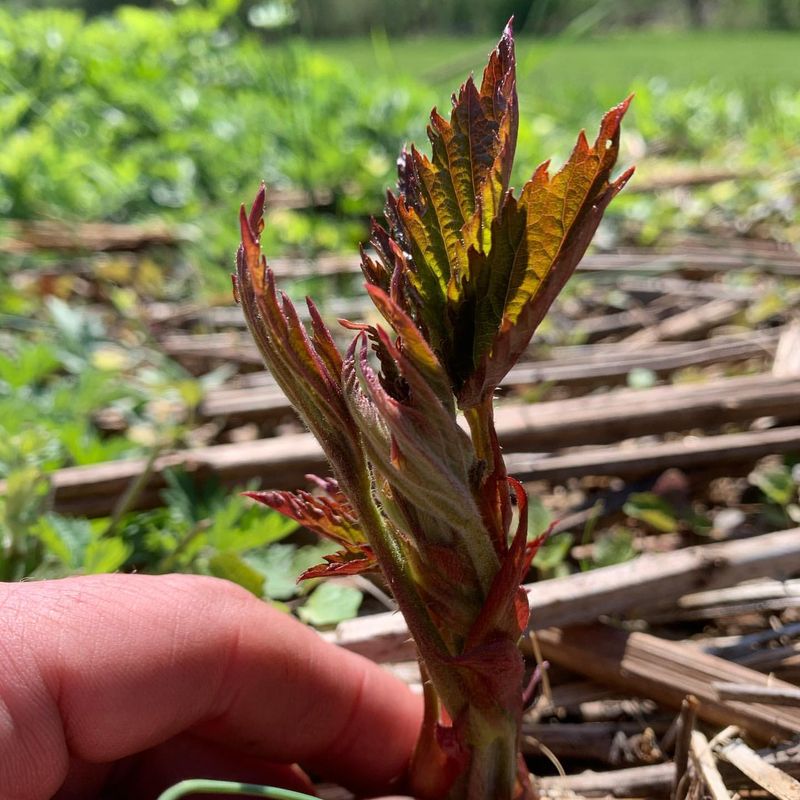
Most people grab cut blackberry canes and drag them downhill because it feels easier. Gravity seems like a helper, but it is actually working against you in this case.
Every cane you drag picks up momentum and can drop nodes along the way.
Himalayan blackberry canes have nodes, which are small joints along the stem that can sprout roots when they touch soil. Dragging a cane downhill means those nodes scrape across bare ground.
That contact is sometimes all it takes for a new plant to get started.
On sloped yards, this mistake is especially costly. You might clear one area and accidentally plant a dozen new starts lower on the hill.
Many homeowners do not realize this is happening until weeks later when tiny green sprouts appear in spots they never touched.
Carrying canes uphill or directly to a pile or bag is the better move. It takes more effort, but it stops the accidental spread.
Think of each cane as something that is still alive and capable of rooting, because in many cases, it still is.
Even freshly cut canes can root if conditions are right. Moisture in the soil and warm temperatures speed up that process.
Treating cut material with care from the start saves you a lot of extra work down the line and keeps the problem from creeping further into your yard.
2. Cutting Tops Does Not Destroy The Crown
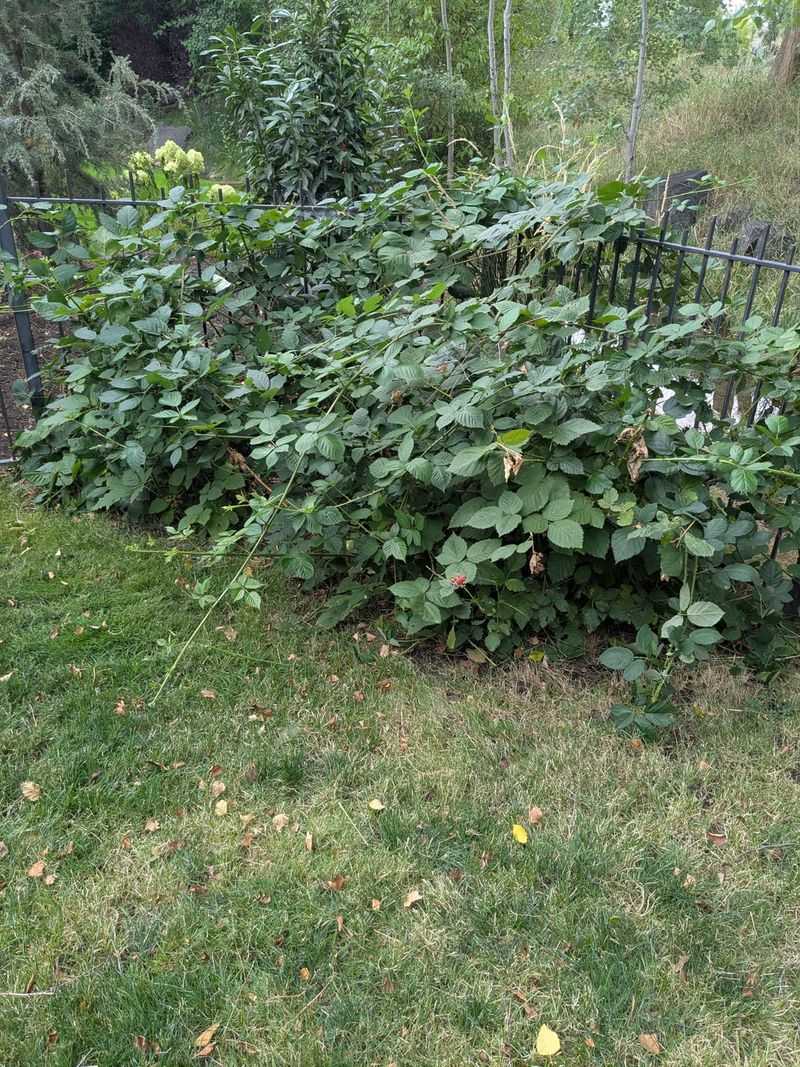
Grabbing a pair of loppers and cutting blackberry canes at shoulder height feels productive. The yard looks cleaner right away, and the thorny wall seems to disappear.
But the plant is not gone, not even close.
Himalayan blackberry stores a huge amount of energy in its root crown, which sits right at or just below the soil surface. That crown is thick, woody, and packed with reserves.
Cutting the tops off just removes the visible part while leaving the engine of the plant fully intact.
Within a few weeks, that crown pushes out new canes. They often grow back faster and thicker than before because the plant redirects all its stored energy into rapid regrowth.
Some Oregon gardeners have reported canes coming back several feet tall in just one growing season after a top-only cut.
Your Oregon Garden Changes Every Week. Your Plan Should Too.
Gardening in Oregon changes quickly throughout the season. Every Friday you’ll receive a simple weekly plan showing exactly what to plant, prune, fertilize, harvest, and protect so you never miss the right timing.
The crown has to be addressed for removal to actually work. Skipping that step means you are on a treadmill of cutting and regrowing with no real progress.
It can be frustrating, especially when you put in real effort and still see the same plant return.
Understanding that the top growth is just the symptom changes how you approach removal. The real target is underground.
Once you shift your focus to the crown, your work starts to actually add up and the plant stops bouncing back so quickly.
3. Root Crowns Are The Real Comeback Point
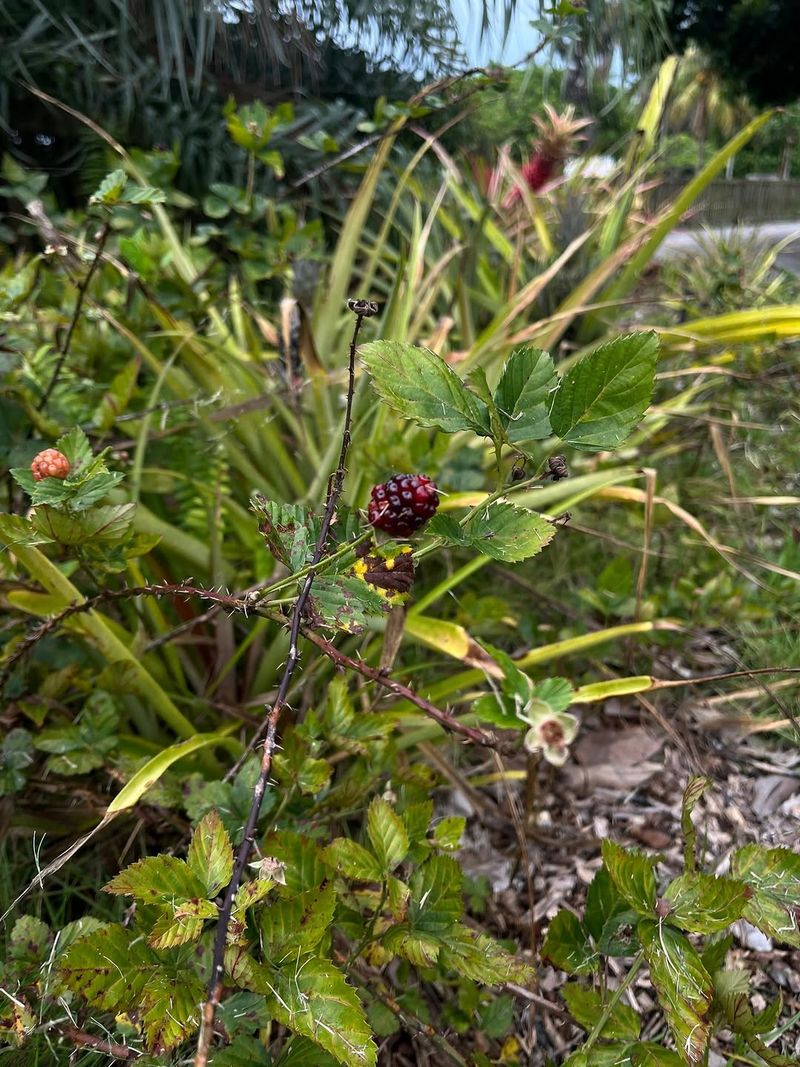
Pull back the canes and look at the base of a mature Himalayan blackberry plant and you will find a crown that can be as wide as a dinner plate. That crown is not just a root, it is a survival structure.
It holds enough stored energy to fuel years of regrowth. Each crown sends out both canes above ground and lateral roots below. Those lateral roots can spread several feet in every direction.
Small crowns can form along those roots, creating satellite plants that look separate but are actually connected to the main system.
This is why partial removal rarely works. You might dig out one crown and think the job is done, but connected crowns nearby are ready to take over. The plant essentially has backup systems built in.
Getting the crown out requires a mattock, a digging bar, or a heavy-duty garden fork. Soft soil after rain makes the job much easier.
Work around the crown in a circle, loosening the soil on all sides before trying to lift it out whole.
Leaving even a small piece of crown behind can result in regrowth. The plant is remarkably good at regenerating from fragments.
That is why patience and thoroughness during this step matter more than speed. Taking extra time to get the full crown out is always worth it compared to dealing with repeated regrowth over the following months.
4. Loose Canes Make Follow-Up Harder
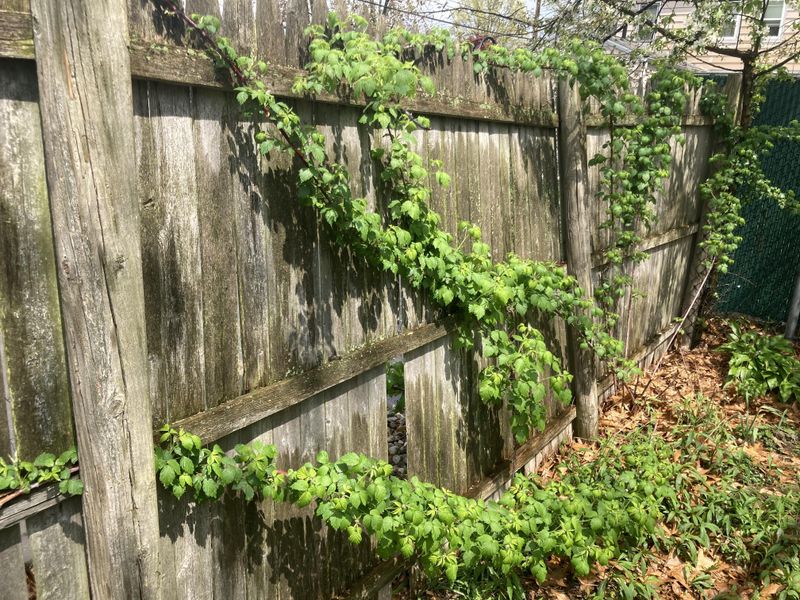
After cutting a large patch of blackberry, it is tempting to just leave the canes in a loose pile and deal with them later. That pile seems harmless, but it creates a real problem for follow-up work and can quietly cause new growth.
Loose canes are unpredictable. Wind, rain, and foot traffic can shift them around the yard.
On a slope, they can slide downhill on their own. Each time a cane moves, it has another chance to press a node against the soil and start rooting.
Loose piles also make it harder to see the ground clearly. When you come back to dig out root crowns, tangled canes in the way slow you down and make accurate digging much more difficult.
Thorns catch on tools and clothing, turning a straightforward task into a frustrating one.
Bundling canes immediately after cutting keeps the worksite manageable. Use heavy-duty yard bags or tie canes into bundles before moving them.
This reduces the chance of accidental soil contact and keeps your workspace clear for the next steps.
Staying organized during removal might seem like extra effort, but it pays off quickly. A clean worksite means faster crown digging, better visibility, and less chance of missing spots.
It also makes the whole project feel more controlled, which helps you stay motivated through what is often a multi-session removal job on larger properties.
5. Slopes Let Debris Travel Fast
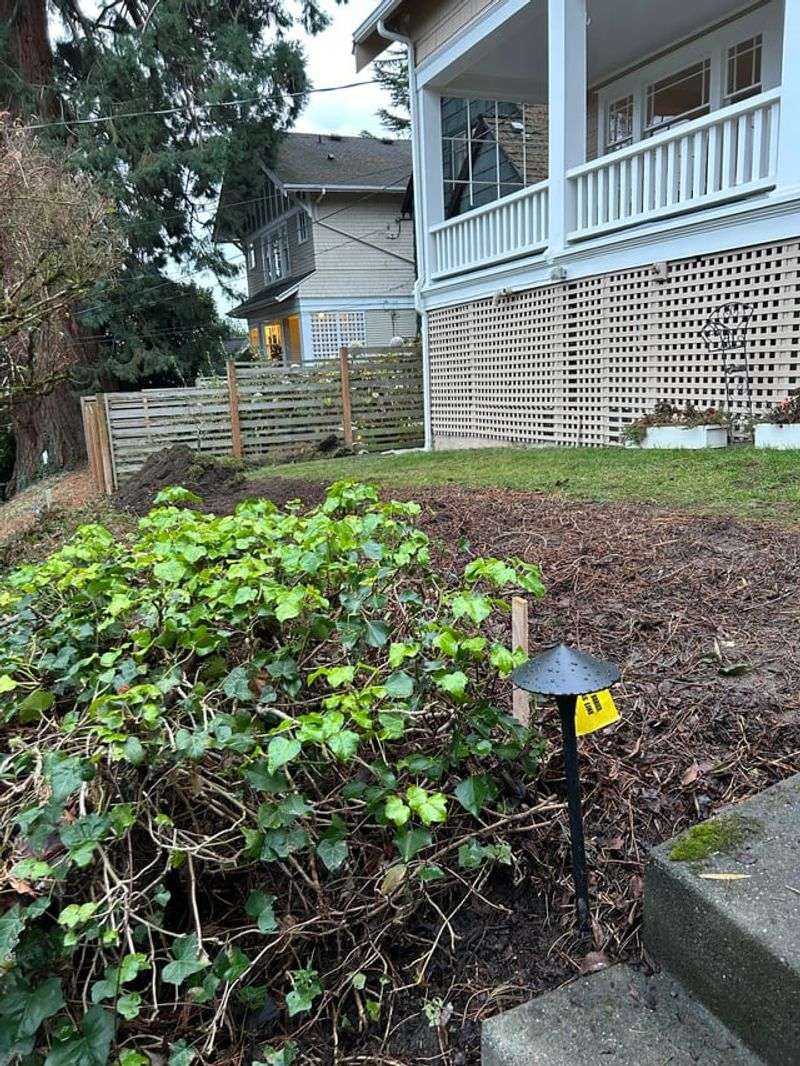
Slopes change everything when it comes to invasive plant removal. What stays put on flat ground can travel a surprising distance on even a gentle incline.
Blackberry canes are long, light enough to move, and covered in hooked thorns that catch on things as they go.
Rain is one of the biggest movers of cut debris on a slope. A good rainstorm can push cane pieces several feet downhill overnight.
If those pieces land in a moist, disturbed soil area, rooting conditions are nearly perfect. The plant does not need much encouragement to get started.
Wind also plays a role, especially on open hillsides with no tree cover. Lightweight cane tips can lift and drift further than you might expect.
Thorny sections can snag on grass or low plants, holding them in contact with the ground long enough for rooting to begin.
Working uphill and keeping debris contained is the key strategy on any slope. Start your removal at the top of the affected area and work your way down.
Bag or bundle canes before they have any chance to roll or slide away from your work area.
Slopes also make physical work harder, so planning your approach saves energy. Bring bags or a tarp to the top of the slope before you start cutting.
Having everything ready means less back-and-forth and less chance of leaving loose material sitting on the hillside between work sessions.
6. Bag Or Pile Canes Uphill First
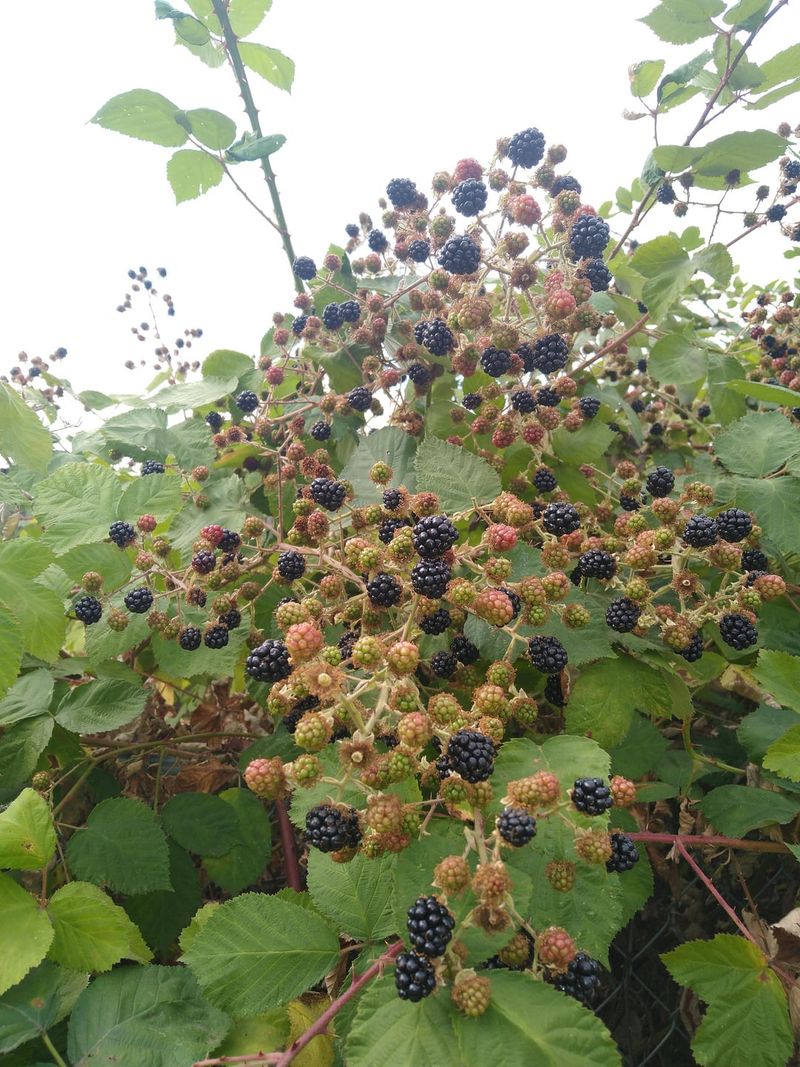
One of the most practical habits you can build during blackberry removal is bagging or piling cut canes on the uphill side of your work area. It sounds like a small detail, but it makes a real difference in preventing accidental spread.
When canes are piled uphill, gravity is no longer a threat. Even if the pile shifts or a cane rolls, it moves back into the cleared area rather than into fresh, undisturbed soil below.
That simple positioning change removes one of the biggest risks on sloped properties.
Heavy-duty contractor bags work well for canes because they are thick enough to resist puncture from thorns.
Regular yard bags tend to tear quickly, which creates a mess and slows down the whole process. Investing in better bags saves time and frustration.
Some homeowners use a large tarp spread on the uphill side as a collection point. Canes get tossed onto the tarp as they are cut, and the whole tarp gets dragged to a disposal site when it is full.
This method works especially well on open slopes where there is room to spread out.
Check with your local yard waste program before disposing of blackberry canes. Many areas in Oregon accept invasive plant material in yard waste bins, but some require it to be bagged separately or taken to a specific facility.
Following local Oregon guidelines keeps the plant from spreading through the waste stream into new areas.
7. Dig Crowns After The Canopy Is Cut
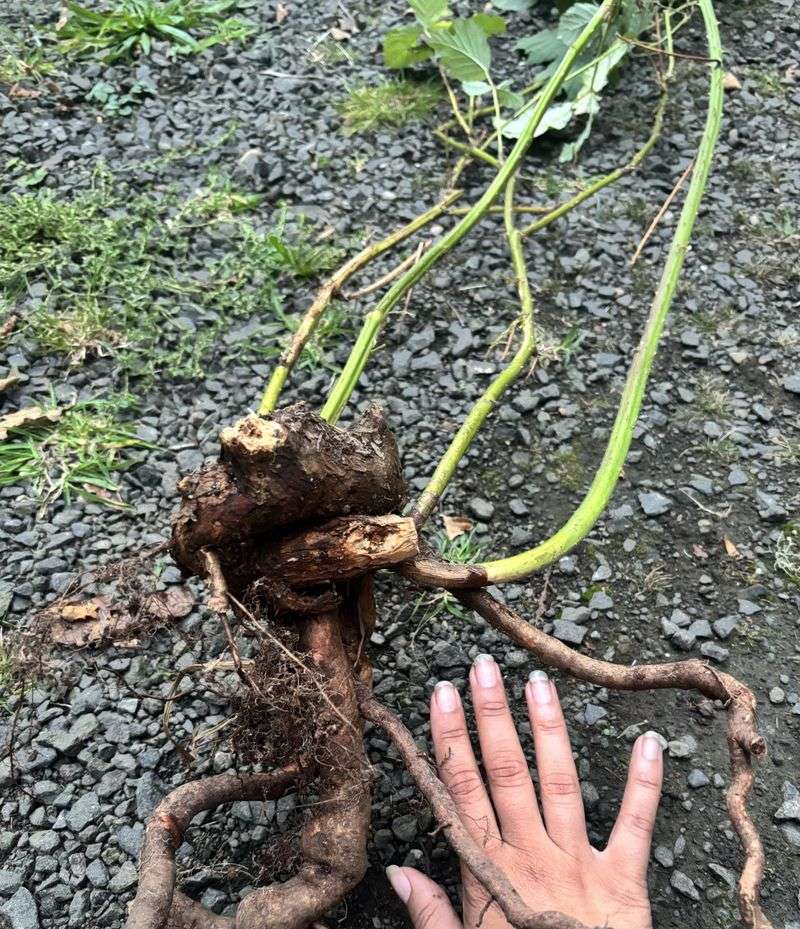
Trying to dig out root crowns while the canes are still standing is one of the least efficient ways to approach removal. The tangle of thorny growth makes it hard to see the base of the plant, hard to position your tools, and hard to move around safely.
Cutting the canopy first opens up the workspace. Once canes are removed and bagged, you can clearly see the soil surface and locate the crown.
This makes digging faster, more accurate, and much less painful for your hands and arms.
A mattock is the best tool for this job. It has a wide, heavy head that can chop through tough crowns and break up compacted soil around the root system.
A digging bar helps loosen crowns that are especially deep or surrounded by rocks. Both tools are worth having on hand for larger removal projects.
Work in a circle around the crown, loosening soil on all sides before attempting to lift it. Crowns that are pried up whole are less likely to leave behind fragments that can resprout.
Take your time with this step, because rushing often means leaving pieces in the ground.
After the crown is out, inspect the hole for any attached lateral roots. Follow them outward and remove as much as you can reach.
Those lateral roots often connect to smaller satellite crowns that will resprout if left behind. Getting them now saves a return visit later.
8. Watch For Resprouts Within Weeks
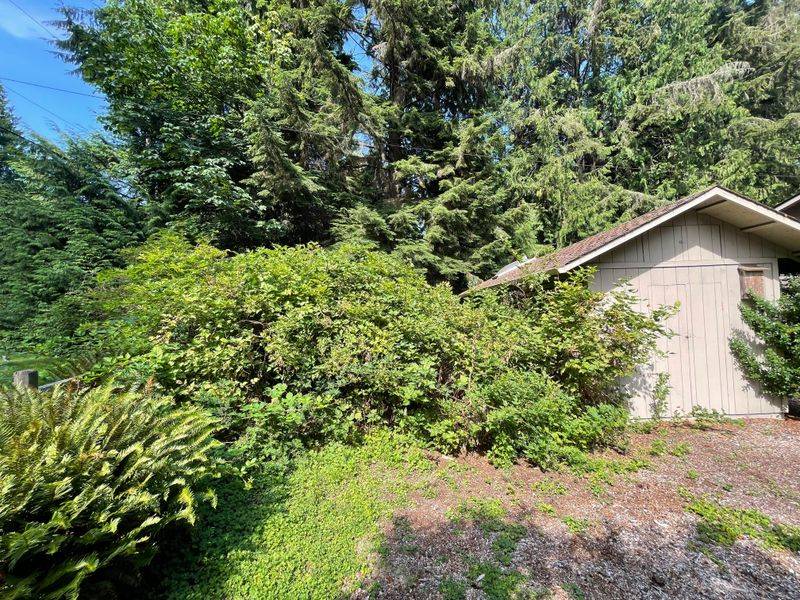
Even a thorough removal job rarely gets every piece of root on the first try. That is not a failure, it is just the nature of working with a plant that has spent years building an underground network.
Expect resprouts and plan for them from the start. Resprouts usually appear within two to four weeks after removal, depending on the season and soil moisture.
They look like small clusters of leaves pushing up from the soil in the same spots where crowns were removed. Catching them early makes follow-up work much easier.
Small resprouts can be dug out with a hand trowel or a narrow digging tool. The root fragment feeding them is usually shallow and not yet well established.
Getting it out at this stage takes minutes rather than the hours needed for a mature crown.
Set a reminder to check treated areas every two to three weeks during the growing season. Early spring and early fall tend to bring the most resprout activity.
A quick walk-through takes very little time but makes a huge difference in keeping the removal on track.
Persistence is the real secret to success with this plant. No single removal session is going to solve the problem completely.
But each follow-up visit that catches and removes resprouts before they mature chips away at the plant’s stored energy reserves.
Over time, the resprouts become smaller and less frequent, which is a clear sign that your efforts are working.
9. Bare Soil Invites New Blackberry Seedlings
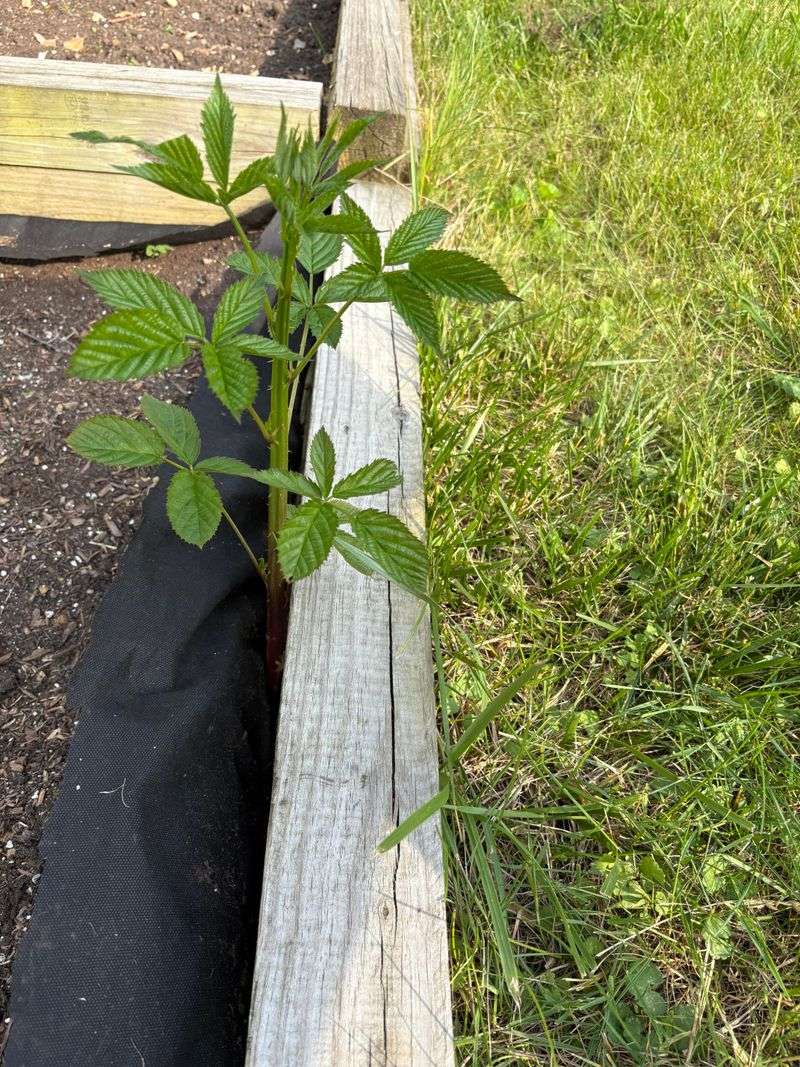
Clearing a blackberry patch leaves behind bare soil, and bare soil is an open invitation for new plants to move in. Himalayan blackberry produces large amounts of seed, and birds spread those seeds widely across yards and wild areas.
Seeds that land on exposed soil have a much better chance of germinating than seeds landing in established ground cover.
This is one of the reasons a cleared area can look worse a season later if nothing is done to protect the soil. New seedlings from seed are different from resprouts from roots.
They come from fresh seed, which means they can appear in spots where no root system ever existed.
Covering bare soil quickly after removal is one of the best protective steps you can take. Mulch, wood chips, or a fast-growing ground cover all work well.
A thick layer of mulch, at least three to four inches deep, blocks light and makes it harder for seeds to reach soil.
Native ground covers are an excellent long-term solution. Plants like Oregon grape, sword fern, or native grasses fill in space and compete aggressively with blackberry seedlings.
Once a native Oregon ground cover is established, it becomes much harder for blackberry to get a foothold.
Check the cleared area regularly for new seedlings during the first two growing seasons. Pulling seedlings when they are small is fast and easy.
Letting them grow means dealing with a new crown in a year or two, which brings you right back to the beginning of the removal process.