How Illinois Homeowners Know When A Storm-Damaged Tree Is Worth Saving
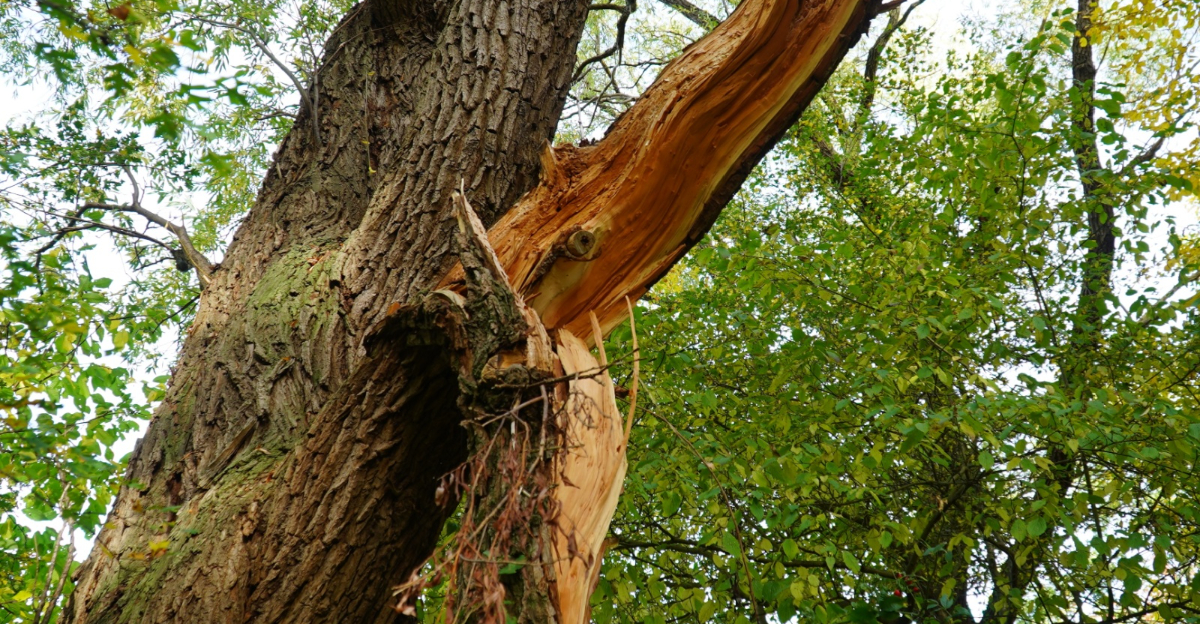
The wind stops, and you step outside to check the damage. Limbs are down across the lawn.
A chunk of bark hangs loose near the trunk. That maple you planted years ago now leans at an angle it never had before.
Before you dial the first tree service in the phone book, slow down for a second. A storm-battered tree isn’t always a lost cause.
Knowing the difference can save you real money and years of shade. Illinois storms hit hard and fast, especially when spring winds collide with summer humidity or winter ice settles in overnight.
Homeowners across the state deal with this same scene more often than they’d like to admit. The tricky part isn’t spotting the damage.
It’s figuring out what actually threatens the tree’s future versus what looks scary but heals fine. Below are the warning signs worth checking before you make any calls.
What you notice in the first two days after the storm, especially here in Illinois, often decides whether that tree stands another decade or ends up coming down for good.
1. Check If The Trunk Stays Structurally Intact
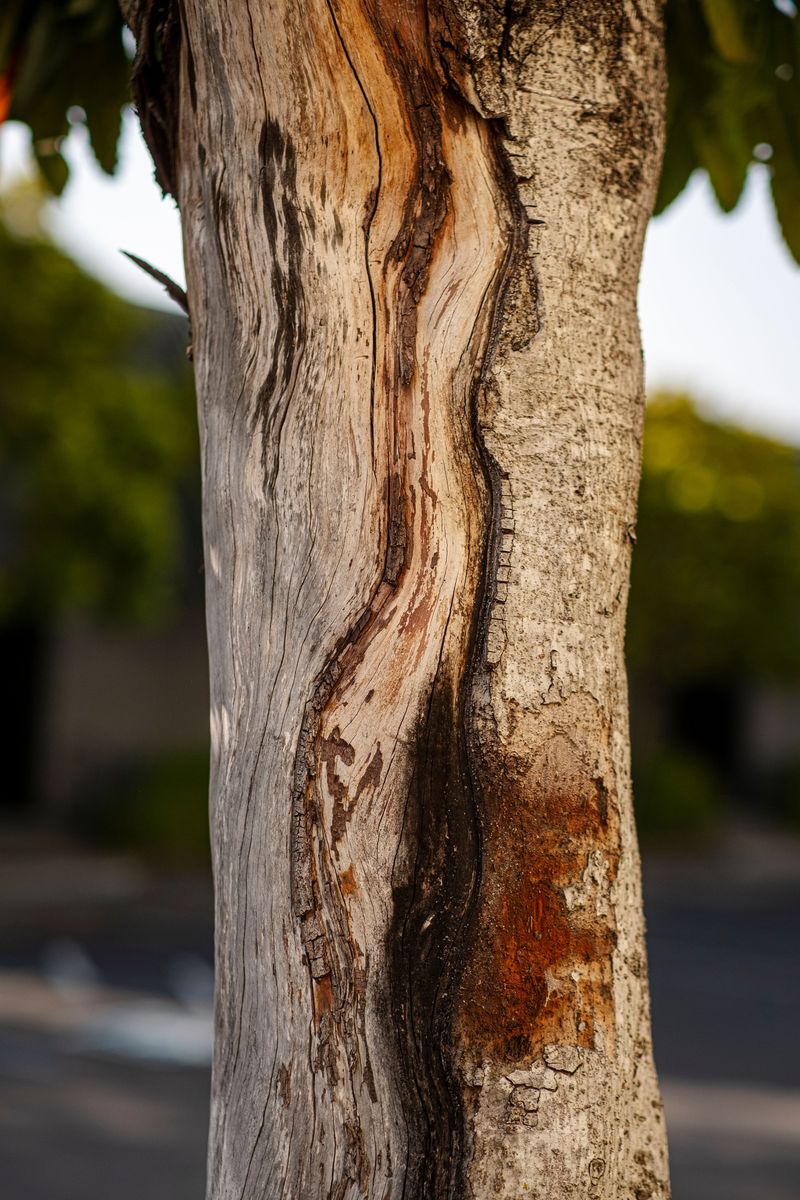
The trunk is the backbone of everything. Without a solid trunk, no amount of pruning or patience will bring a tree back to health.
Start by walking slowly around the base of the tree. Press your hand flat against the bark and feel for soft spots, hollow sounds, or areas that flex under pressure.
A healthy trunk should feel firm and dense throughout. If you knock on the wood and hear a dull thud instead of a solid tap, that could mean internal decay has already set in.
Storm-damaged trees that still have a structurally sound trunk are often good candidates for recovery. The trunk acts like the foundation of a house, if it holds, the rest can often be repaired.
Look for any vertical splits running up the length of the trunk. A long crack that travels more than a foot signals serious stress that may not heal on its own.
Minor surface damage, like scraped bark or small nicks, is usually cosmetic and rarely threatens the tree’s long-term health. Knowing when a storm-damaged tree is worth saving starts right here at the trunk level.
Pay attention to the overall lean of the tree after the storm. A slight natural lean that existed before the storm is different from a sudden new tilt caused by root movement.
Catching trunk problems early gives you the best shot at acting before decay spreads deeper into the wood.
2. Look At How Much Crown Remains
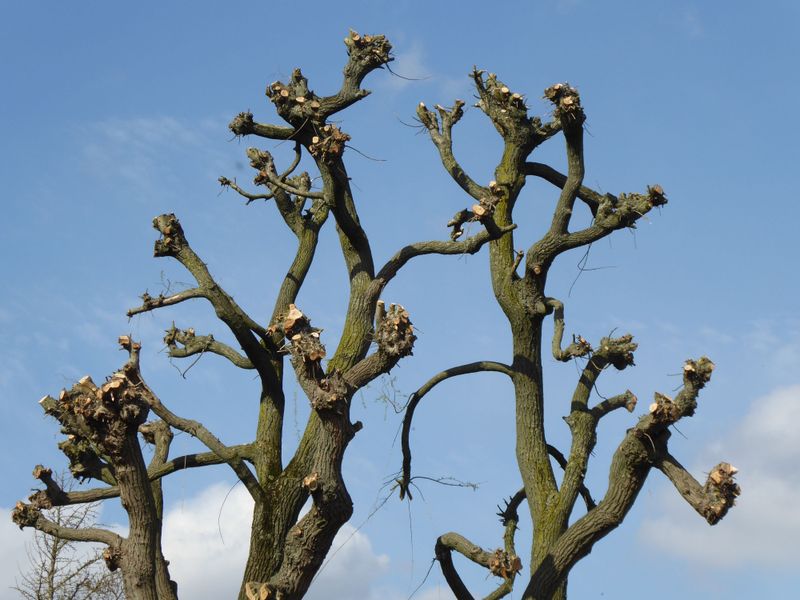
Crown loss is one of the clearest signals you can read after a storm hits your Illinois yard. Think of the crown as the tree’s engine, it captures sunlight and drives growth.
After the storm passes, step back far enough to see the full canopy. Count roughly how much green, leafy coverage remains compared to what was there before.
Your Illinois Garden Changes Every Week. Your Plan Should Too.
Gardening in Illinois changes quickly throughout the season. Every Friday you’ll receive a simple weekly plan showing exactly what to plant, prune, fertilize, harvest, and protect so you never miss the right timing.
A tree that still holds more than half its original crown has a solid chance of bouncing back within one or two growing seasons. Less than half is where things start getting risky.
Deciduous trees, like the maples and elms common across Illinois, are surprisingly resilient when enough crown remains. They can push out new growth from dormant buds along healthy branches in the weeks and months following a storm event.
Evergreens are a bit more fragile in this regard. If a pine or spruce loses more than half its needled branches, recovery becomes much less predictable and often unlikely.
Pay attention to where the crown damage is concentrated. Losses spread evenly across the canopy are less alarming than a situation where one entire side is stripped bare.
Uneven crown loss can throw off a tree’s balance over time, leading to structural instability as it tries to compensate.
Knowing when a storm-damaged tree is worth saving means reading the crown honestly, not just hopefully, and Illinois homeowners who learn this early save themselves a lot of guesswork.
A crown that holds on through the storm is your clearest early sign that the tree still has the energy to heal itself.
3. Assess If Major Limbs Or Just Branches Broke
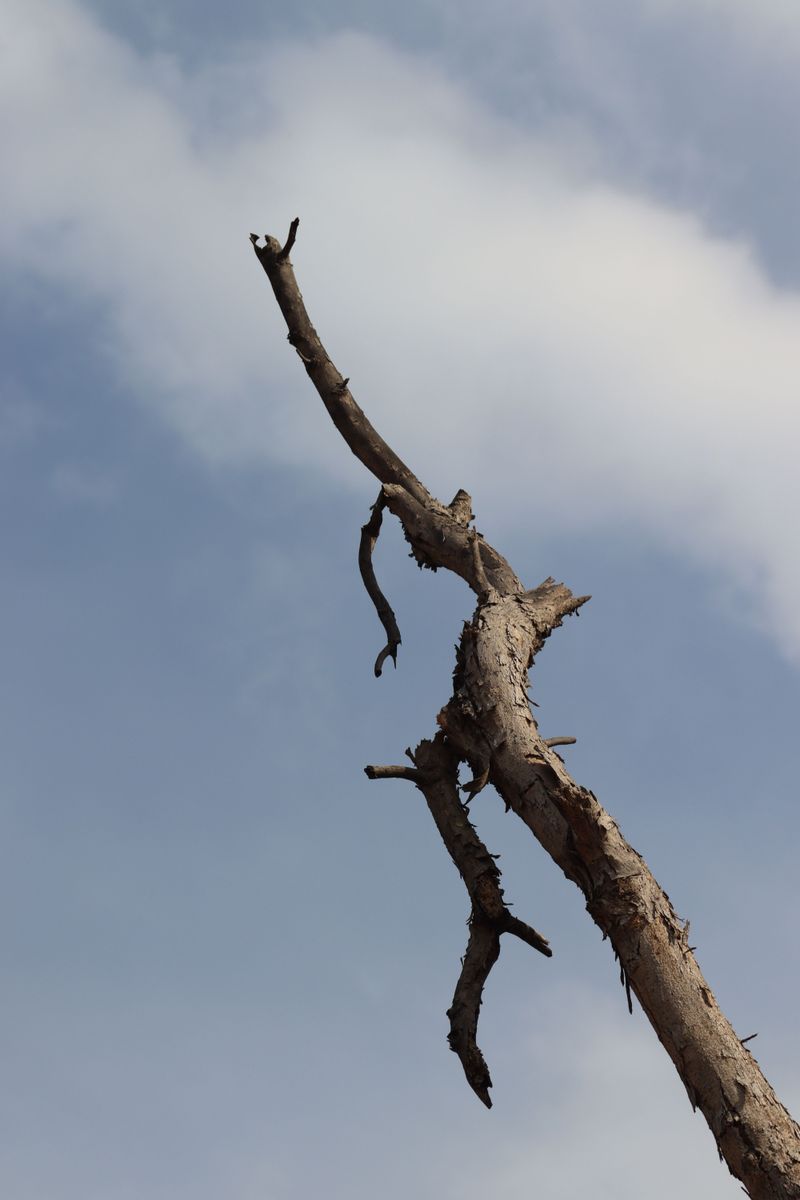
Not all breakage is created equal, and that distinction matters more than most homeowners realize. A snapped twig and a snapped scaffold limb are completely different problems.
Scaffold limbs are the large, primary branches that give a tree its shape and structure. Losing one of those is far more serious than losing a cluster of smaller, outer branches.
Walk beneath the canopy and look up at the main branching structure. If the heavy, load-bearing limbs are still attached and mostly intact, the tree has retained its core framework.
Smaller branch loss, even significant amounts of it, is something a healthy tree can recover from with proper cleanup and time. Arborists often call this type of natural pruning, since it removes weak outer growth.
When a major limb tears away, it leaves behind a large wound that exposes raw wood to insects and fungal spores. That open wound needs attention quickly to give the tree its best chance.
Check the wound edges carefully. A clean break that leaves a relatively smooth surface will callus over better than a jagged tear that rips deep into the trunk connection point.
Multiple broken scaffold limbs on one tree is a sign the structural integrity may be compromised. One major limb loss, however, is often manageable with professional trimming and care.
The difference between branches and limbs could be the difference between a tree worth saving and one that needs to come down.
4. Examine Bark Damage Around The Trunk
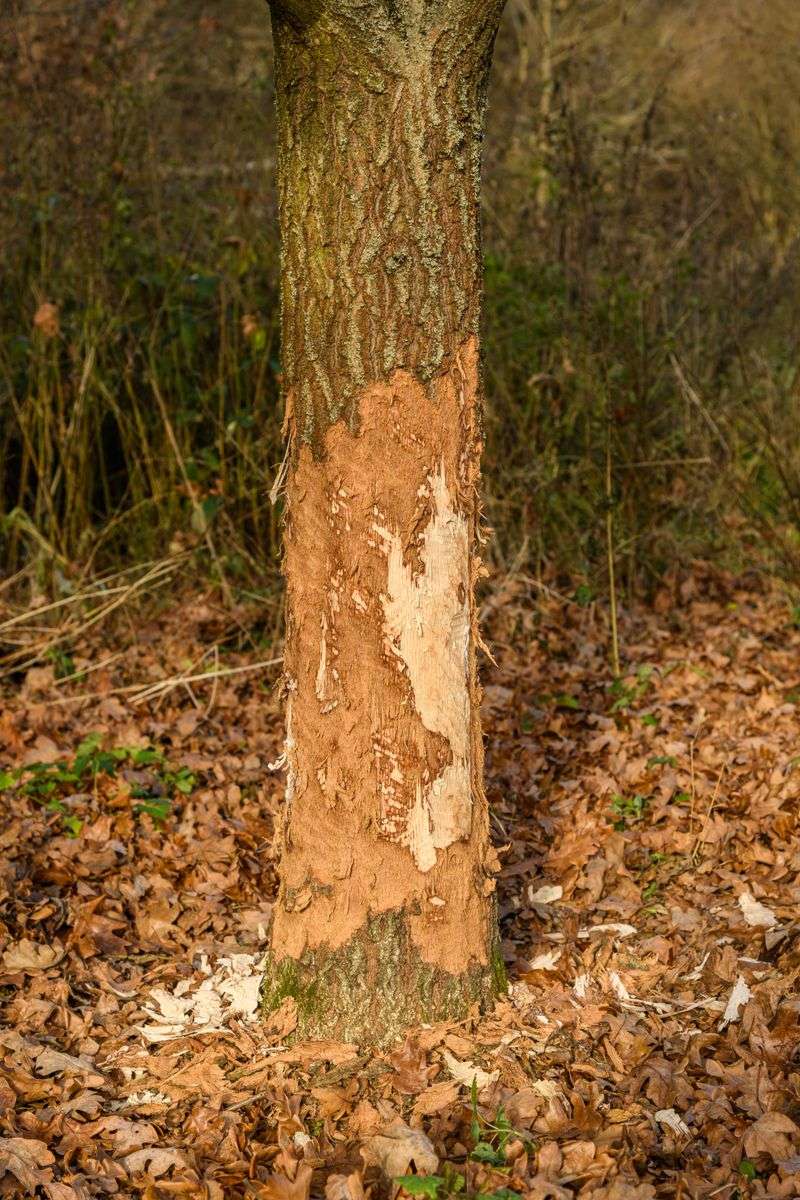
Bark is not just a protective shell. It is the delivery system for water and nutrients moving through the tree. When bark gets stripped away, that pipeline gets cut.
After a storm, inspect the trunk carefully from the base up to the first major branch. Look for areas where bark has been torn, peeled, or completely removed from the wood surface.
Small patches of missing bark are generally not fatal, especially when they cover a limited portion of the trunk’s circumference. The tree can often reroute its nutrient flow around minor damage zones.
The point of greater concern is when bark damage wraps more than halfway around the trunk. This condition, called girdling, can cut off the flow of sugars from the leaves down to the roots.
A fully girdled trunk means the tree is effectively cutting off nutrient flow to its own root system. Even if the canopy looks fine for a season, the roots will weaken and the tree will decline.
Look closely at the exposed wood beneath any torn bark. Fresh, moist, greenish-white wood is a positive sign that living tissue is still active just beneath the surface.
Dry, brown, or gray wood beneath stripped bark suggests the damage may be older or deeper than it appears. That kind of finding is worth a closer look from a certified tree professional.
Bark condition tells a quiet but important story about whether the tree still has the internal infrastructure needed to recover and thrive after a storm event.
5. Inspect Roots For Uprooting Or Heaving
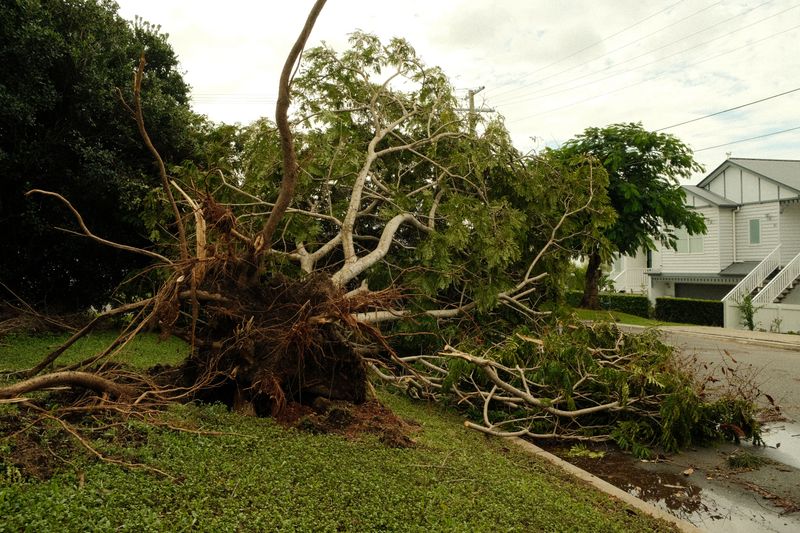
Roots are the anchor, and when they move, everything above them is in question. A tree that has shifted at its base is sending a serious warning signal that homeowners should never ignore.
Get down low and look at the soil around the trunk base. If the ground is cracked, raised, or showing exposed roots that were underground before the storm, root disturbance has occurred.
Minor root exposure on the surface, where just a few surface roots have become visible, is usually not a crisis. Deep roots likely remain intact and can continue supporting the tree.
The more alarming scenario is when the entire root plate has begun to lift. You may notice the soil on one side of the tree rising like a trapdoor while the other side dips down.
A partially uprooted tree is structurally unpredictable. Even if it looks stable today, another wind event or heavy rain could topple it without warning.
Trees with lifted root plates rarely recover their original stability, even after being pushed back into position. The fine feeder roots, which absorb water and nutrients, often snap during the heaving process.
Check whether the lean of the tree matches the direction of root heaving. A tree leaning away from a lifted root mass is under significant tension and poses a legitimate safety issue.
Root health is the foundation of every recovery decision, and what you find at ground level shapes everything else.
6. Determine If Canopy Loss Is Under Half
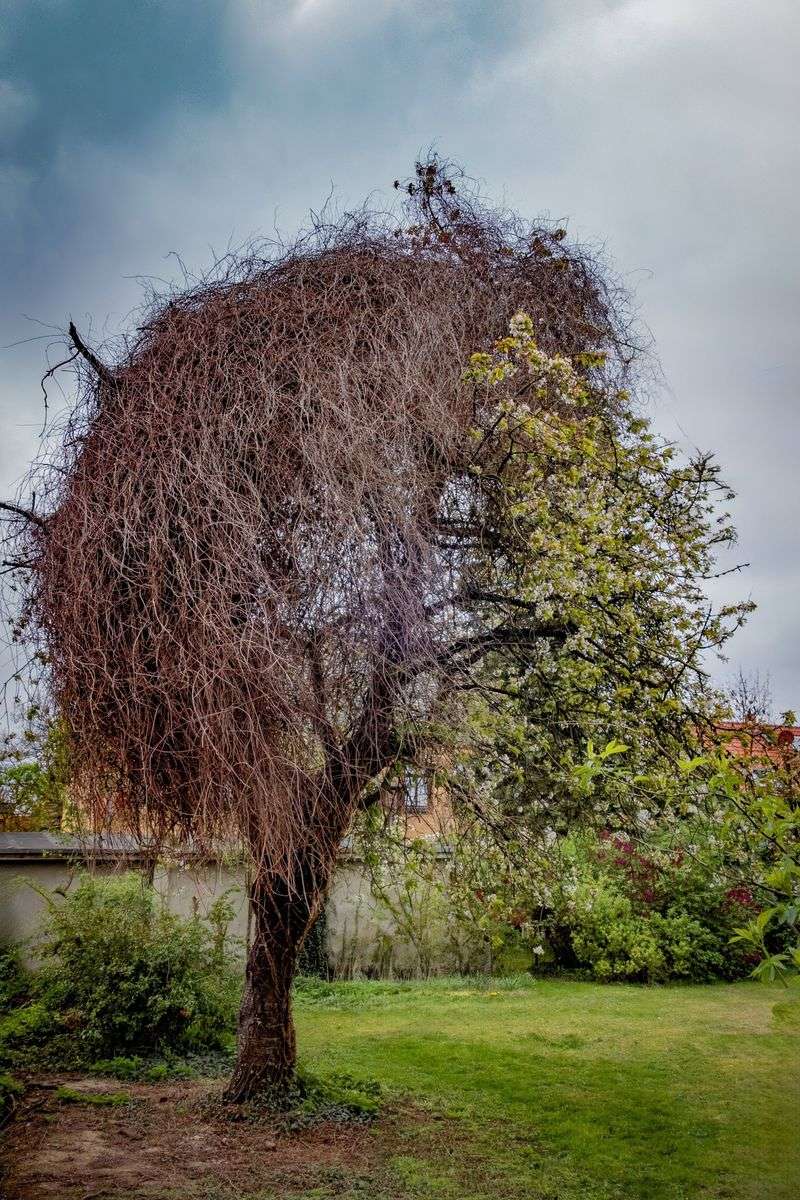
Fifty percent is the magic number that arborists keep coming back to when evaluating storm damage. It is not a random threshold.
It reflects how much photosynthetic capacity a tree needs to sustain itself. A tree producing enough energy to recover and repair storm wounds needs a substantial portion of its leaf-bearing branches.
Drop below that threshold, and the math starts working against recovery. Stand across the yard and take a wide-angle view of the damaged tree. Try to mentally reconstruct what the full canopy looked like before the storm hit.
If roughly half or more of that original crown is still leafed out and attached, the tree has a fighting chance. Homeowners are often surprised how much damage a healthy tree can absorb and still come back.
Seasonal timing plays a role here as well. A tree that loses significant canopy in late summer has less time to rebuild energy reserves before winter arrives.
Spring storms tend to be somewhat more forgiving in this way, since the growing season stretches ahead, giving the tree more time to push new growth before cold weather returns.
Knowing when a storm-damaged tree is worth saving includes factoring in the calendar. Do not judge the canopy only by what fell. Judge it by what remains.
A tree with most of its crown intact and a solid trunk can sometimes be a stronger candidate for recovery than one that looks only lightly damaged on the surface.
7. Watch For Cracks Deep Into The Trunk
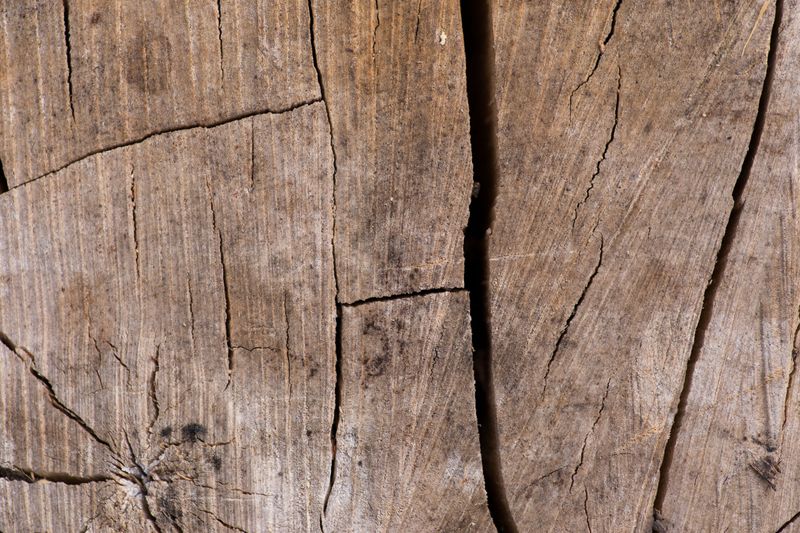
Surface scratches on bark are one thing, but cracks that run deep into the wood are a completely different level of concern. A deep crack means the tree’s internal structure may already be compromised.
After a storm, use a flashlight and get close to the trunk. Look for cracks that travel vertically along the trunk and appear to go beyond the outer bark into the inner wood layers.
A crack you can slip a finger into is worth taking seriously. A noticeably wide crack is a situation that should prompt a professional evaluation soon.
Deep cracks often form when high winds twist the trunk beyond its natural flexibility range. The wood fibers separate internally before the outside of the trunk even shows visible damage.
These kinds of splits can also allow water to pool inside the trunk, which speeds up rot and attracts wood-boring insects looking for an easy entry point.
Check whether the crack runs through or near the crotch where major limbs meet the trunk. Crotch cracks are especially dangerous because they affect the structural junction that holds heavy branches in place.
A single shallow crack in a large, otherwise healthy tree may not spell disaster. Multiple cracks or one very deep crack running through a significant portion of the trunk changes the calculus entirely.
Cracks that you can actually hear pop and expand during temperature changes are the ones that are a good reason to call a certified arborist.
8. Consult An Arborist For Professional Evaluation
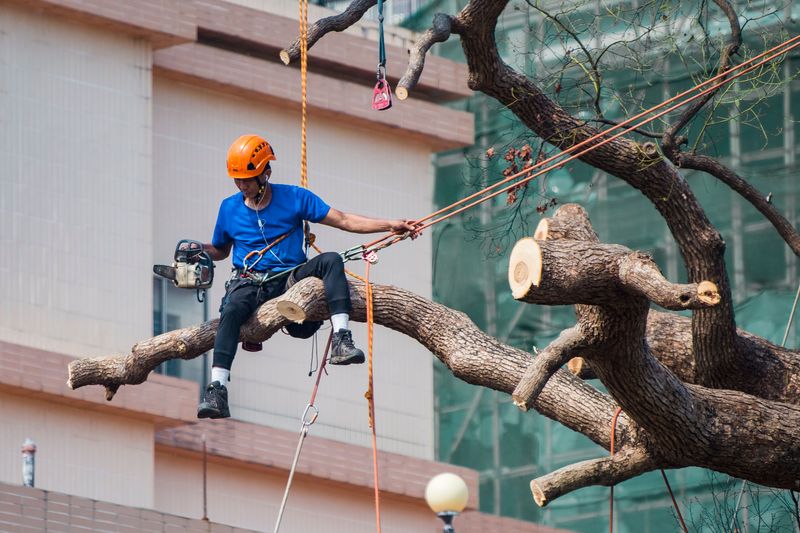
Sometimes the smartest move is admitting that a professional eye sees things you simply cannot. Certified arborists train for years specifically to evaluate tree health and storm damage.
An International Society of Arboriculture certified arborist can probe for internal decay using specialized tools that detect hollow spots invisible from the outside. That kind of information changes the whole conversation.
Many homeowners wait too long to make the call, hoping the tree will sort itself out. A quick professional visit in the days after a storm can save you from a much costlier removal later.
Arborists also know local species well. They understand how specific Illinois trees, like cottonwoods, silver maples, or hackberries, typically respond to storm stress and what recovery looks like for each one.
Ask the arborist to give you a written assessment. A good professional will explain what damage they found, what the realistic recovery timeline looks like, and what risks remain if the tree stays in place.
Cost is a common hesitation, but an evaluation visit is usually far cheaper than emergency tree removal after a tree falls on a fence, car, or roof. Think of it as cheap insurance with solid information attached.
Get at least two opinions if the arborist recommends full removal. Reputable professionals welcome second opinions and will not pressure you into a fast decision.
Knowing when a storm-damaged tree is worth saving gets much easier when you have a trained expert standing beside you, pointing at exactly what to look for.