The Hybrid Fruit Tree Trend Taking Over Small Illinois Yards This Fall
Imagine tasting a peach, a plum, and a nectarine from your own tree. This exact scene is appearing across Illinois, right in your neighborhood. Nurseries throughout Illinois are seeing rising interest in this trend.
Neighbors are trading grafting tips faster than expected. Small yards are proving big enough for the fruit you crave. You can finally get orchard-level variety on a tiny lot.
Grafters combine different fruit varieties onto shared, sturdy rootstock systems for you. Growers keep exploring new options, blending textures, colors, aromas, and shapes for you.
Space-conscious gardeners finally have a real alternative made just for you. Flavor combinations once reserved for orchards now fit right beside you.
Every branch ripens on its own schedule, stretching your harvest window wider. Nothing about this feels experimental anymore, and you can feel it too. Understanding this trend early can help you choose the right tree for your yard.
What Are Fruit Salad Trees And Nectaplums
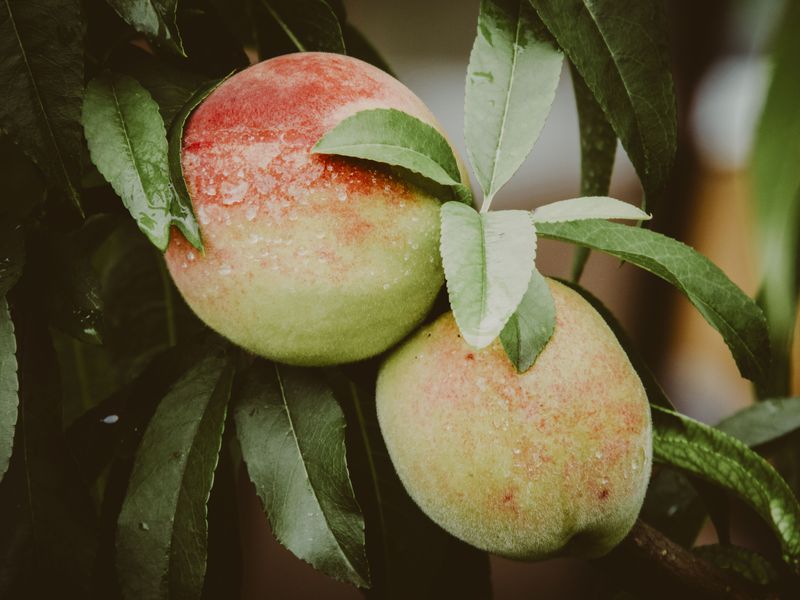
Picture biting into a peach, then reaching for a plum from the same tree. That is exactly what fruit salad trees and nectaplums make possible in your own backyard.
Fruit salad trees are grafted trees that grow multiple fruit varieties on one trunk. A single tree can produce apricots, peaches, plums, and nectarines all at once.
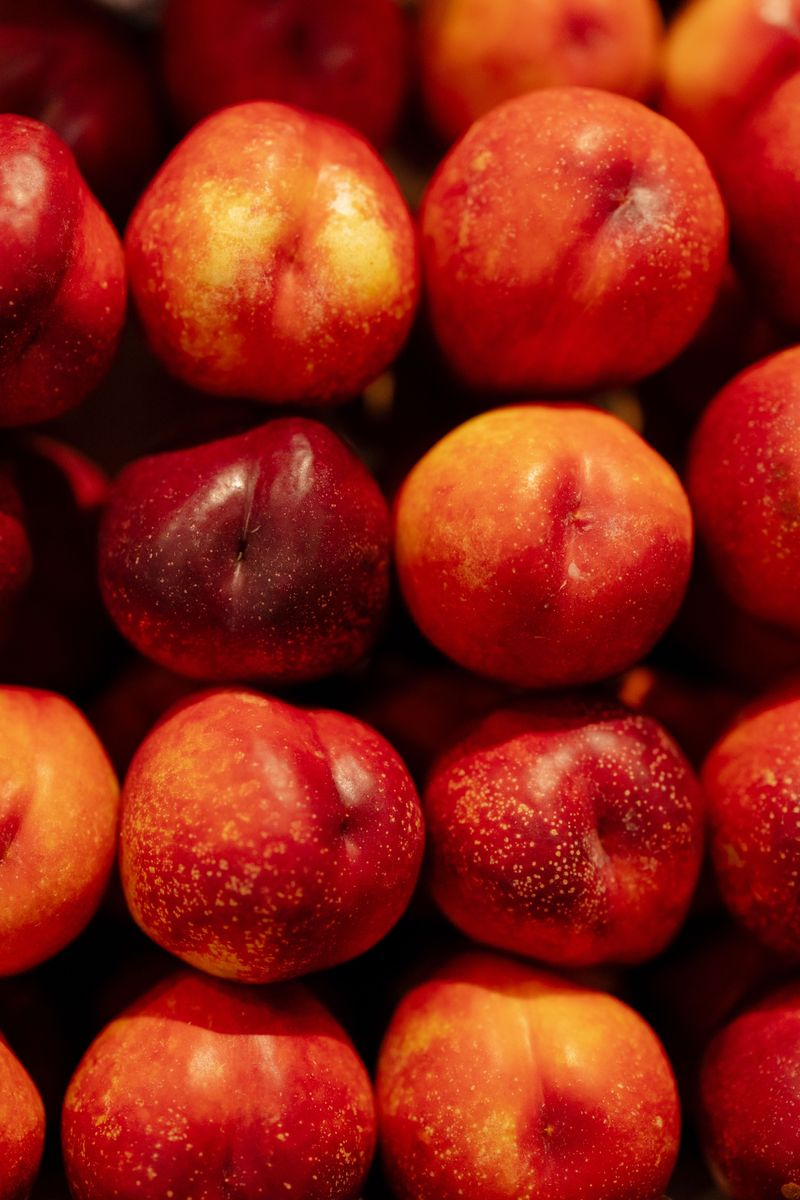
Nectaplums are a specific hybrid cross between a nectarine and a plum. They were developed to combine the smooth skin of a nectarine with the rich sweetness of a plum.
These hybrids are not science fiction. They have been around for decades, quietly gaining fans among home gardeners who want more from less space.
The hybrid fruit tree trend is gaining popularity across small Illinois yards because of how much these trees deliver. One tree can feed a family with several different fruits across an entire season.
Fruit salad trees typically have three to six different grafts per tree. Each graft is a branch that grows its own distinct fruit type, all nourished by the same root system.
Nectaplums ripen in mid-summer and taste incredible fresh off the branch. Their skin is smooth and their flesh is juicy, making them a crowd favorite at farmers markets and backyard harvests alike.
Knowing what these trees are is the first step. Once you understand the basics, choosing the right variety for your yard becomes a whole lot easier.
Why Small Yards Are Embracing This Trend

Space is precious when your yard is the size of a parking spot. That is exactly why the hybrid fruit tree trend has grown significantly among homeowners with smaller properties.
A standard apple orchard needs acres of land to produce a meaningful harvest. A grafted hybrid fruit tree needs only one small planting hole.
Families across the state are swapping out decorative shrubs for productive fruit trees. Why grow something that just looks pretty when you can grow something beautiful and delicious?
Urban and suburban homeowners want gardens that work hard. Hybrid trees fit that mindset perfectly because they produce multiple harvests from one footprint.
Your Illinois Garden Changes Every Week. Your Plan Should Too.
Gardening in Illinois changes quickly throughout the season. Every Friday you’ll receive a simple weekly plan showing exactly what to plant, prune, fertilize, harvest, and protect so you never miss the right timing.
Many of these trees stay under 15 feet tall when pruned correctly. That compact height makes them easy to manage without a ladder or professional help.
Neighbors are noticing when someone has a tree covered in three different fruits. It sparks conversations, inspires curiosity, and gets people excited about backyard growing again.
The trend also connects to a broader interest in food independence. Growing your own fruit feels empowering, especially when grocery prices keep climbing every season.
Small yards no longer feel like a limitation. With the right hybrid tree, even a narrow side yard or a corner lot becomes a productive little orchard worth bragging about.
Interest in this approach continues to grow. Fall is the ideal season to act, and many local nurseries are already stocking up on grafted varieties.
Best Varieties For Illinois Climate And Soil
Not every fruit tree thrives in the Midwest, and choosing wrong can cost you a full season. The good news is that several hybrid varieties are built specifically to handle Illinois weather.
The state generally sits in USDA hardiness zones 5b through 7a, which means trees need to survive cold snaps and late spring frosts. Cold-hardy grafted varieties are the smart pick here.
Flavor Supreme Pluot is one standout option that does exceptionally well in zone 5 conditions. It produces gorgeous, sweet fruit with a plum-apricot flavor that feels almost tropical.
Contender Peach is another reliable performer that handles harsh winters without losing productivity. It blooms a bit later than other peaches, which protects it from those sneaky late frosts.
For nectaplum lovers, the Spice Zee Nectaplum is a popular grafted variety that adapts well to heavier clay soils. Illinois soil tends to be clay-rich, so this adaptability is a genuine advantage.
Soil amendment matters too. Adding compost before planting helps loosen clay and improve drainage, which keeps roots healthy through wet spring seasons.
Native pollinators are often present across Illinois neighborhoods. That may give your hybrid tree some natural help with pollination.
Choosing varieties that ripen at different times stretches your harvest across weeks instead of days. A well-planned hybrid tree can keep delivering fresh fruit from July all the way into September.
How Grafting Creates Multiple Fruits On One Tree
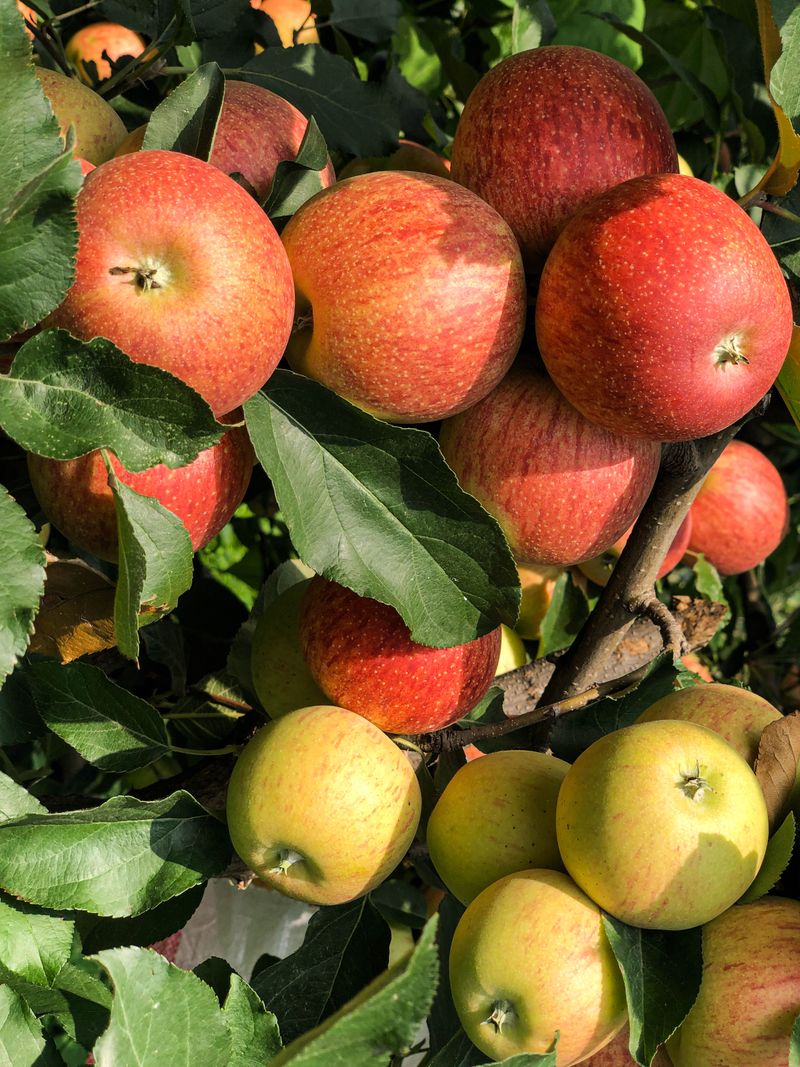
Grafting sounds like something from a science class, but it is actually an ancient art form that farmers have practiced for thousands of years. The process is simpler than most people expect.
At its core, grafting joins a cutting from one plant onto the stem of another. The two pieces fuse together and grow as a single living organism.
The lower part of the tree is called the rootstock. It provides the roots, stability, and overall size of the finished tree.
The upper cutting is called the scion. Each scion is taken from a different fruit variety, which is how one tree ends up growing multiple kinds of fruit.
Nursery workers carefully match the scion to the rootstock using cuts that line up the inner layers of both plants. When those layers connect, the tree begins to heal and grow as one.
Grafting tape holds the union in place while the bond forms. Within a few weeks, new growth appears, confirming the graft has taken hold successfully.
A single fruit salad tree might have four or five separate grafts, each contributing a different fruit type. Each branch carries its own identity while sharing the same root system below.
Home gardeners can even try grafting themselves with a little practice and the right tools. Understanding how the process works makes you appreciate every bite from a hybrid tree even more.
Fall Planting Tips For Cold-Hardy Success
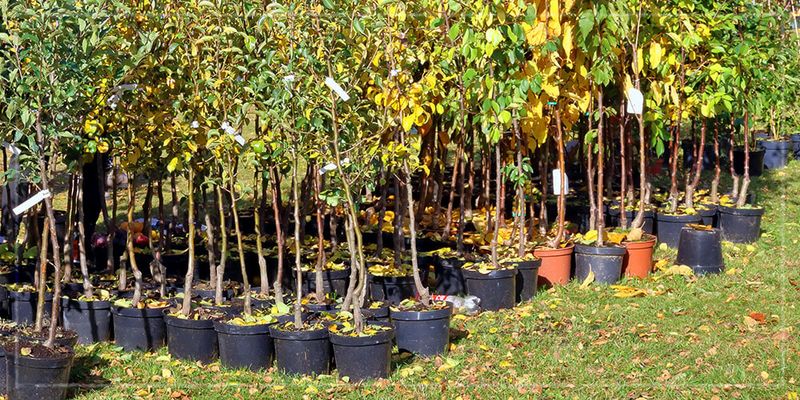
Fall planting feels counterintuitive to a lot of gardeners, but trees actually love going into the ground during cooler months. The soil stays warm enough for root development while the air cools down above.
Planting in autumn gives roots weeks to establish before winter sets in. By spring, the tree wakes up with a strong foundation and jumps into growth mode quickly.
Start by choosing a spot that receives at least six hours of direct sunlight each day. Fruit trees are sun lovers, and shade will reduce your harvest significantly.
Dig a hole that is twice as wide as the root ball but no deeper than the root ball itself. Planting too deep is one of the most common mistakes new tree owners make.
Backfill with a mix of native soil and compost to give roots the best possible start. Avoid piling mulch against the trunk, which can trap moisture and lead to rot.
Water deeply right after planting, then check soil moisture weekly through November. Once the ground freezes, the tree enters dormancy and needs almost no attention.
Staking young trees helps them stay upright through winter winds that sweep across open yards. Use soft ties that will not cut into the bark as the trunk grows.
Timing your planting between late September and mid-October hits the sweet spot for cold-hardy success. That window gives the tree just enough time to settle in before the first hard freeze arrives.
Care And Maintenance Through Illinois Winters
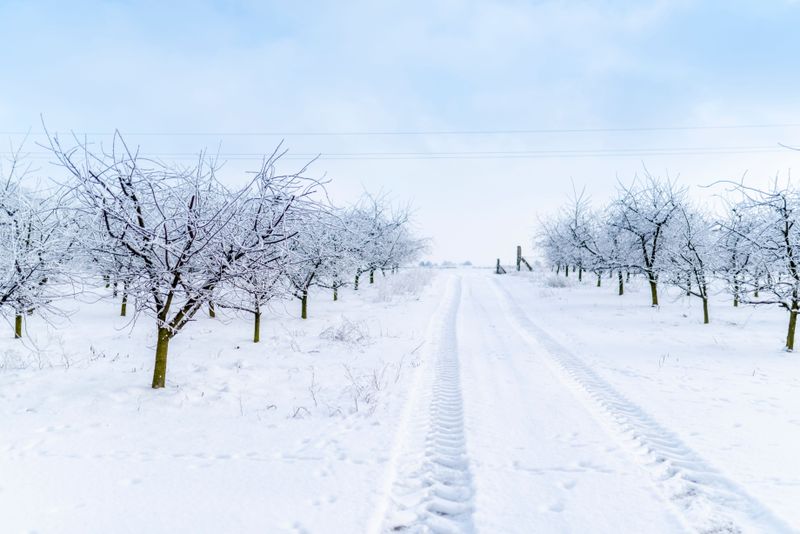
Winter in the Midwest can be harsh, and even cold-hardy trees need a little backup. Giving your hybrid tree some basic winter care pays off big when spring arrives.
After the leaves drop, take a close look at all the graft unions on the tree. Any that look swollen, cracked, or discolored should be noted for spring inspection.
Wrap the lower trunk with a light-colored tree guard to prevent sunscald. That damage happens when winter sun heats the bark during the day and freezing temps crack it at night.
Avoid heavy pruning in fall because fresh cuts leave the tree vulnerable to cold damage. Save your major shaping work for late winter, just before new buds begin to swell.
Mulching around the base of the tree helps insulate the roots from freeze-thaw cycles. Apply a three to four inch layer, keeping it a few inches away from the trunk itself.
Deer love gnawing on young fruit trees during winter when food is scarce. A simple wire cage around the trunk keeps them from doing serious damage to the bark.
Check on the tree after heavy ice or snow storms to remove any broken branches. Leaving damaged wood on the tree invites disease and weakens the overall structure heading into spring.
Caring for your hybrid fruit tree through the cold months is an investment in future harvests. A little attention now can mean a lot of fruit come summer.
Where To Buy And What To Expect Your First Year
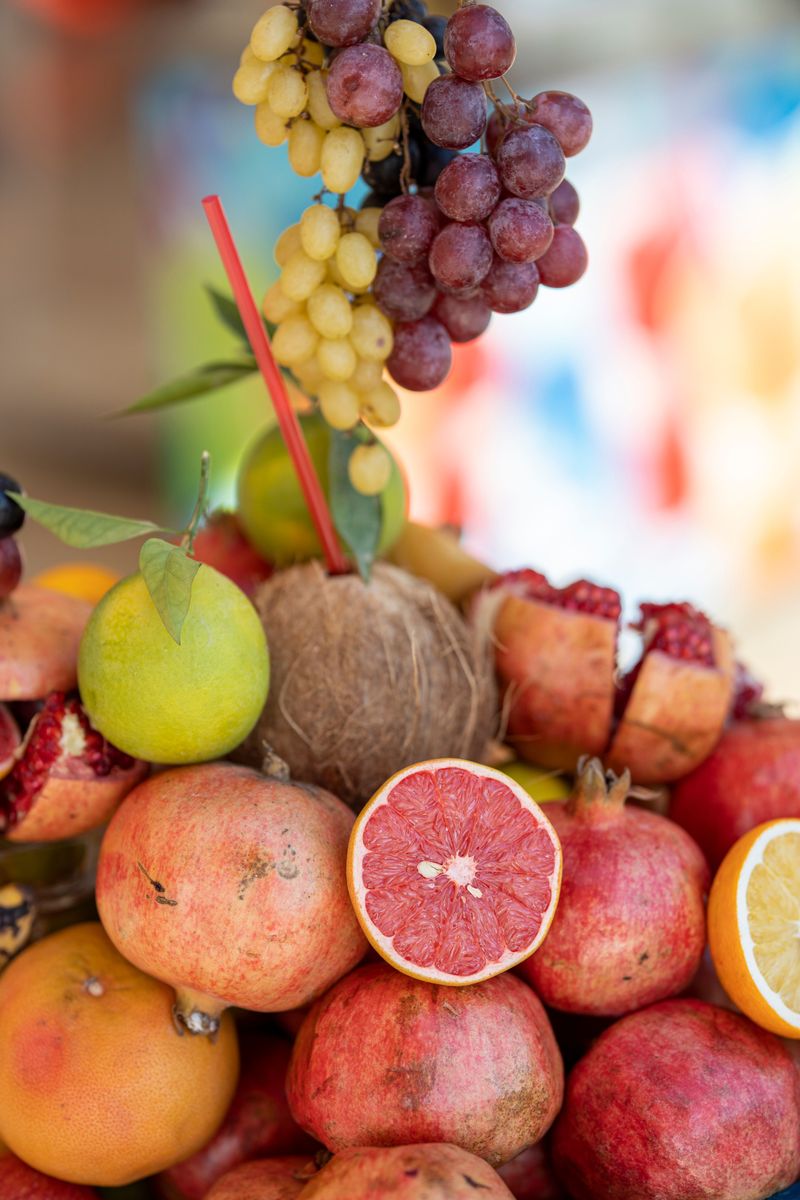
Walking into a nursery and asking for a fruit salad tree used to get you blank stares. Now, many garden centers across the state stock grafted hybrids right alongside standard apple and pear trees.
Local independent nurseries often carry the best selection of cold-hardy grafted varieties suited to this region. Staff at smaller shops tend to know their inventory and can match you with the right tree fast.
Online retailers like Nature Hills Nursery and Fast Growing Trees ship grafted fruit trees directly to your door. These sources often carry specialty varieties that local shops do not stock.
Prices for a quality grafted tree vary widely depending on the age and number of grafts, so check current listings before budgeting. Younger trees are cheaper but take longer to produce fruit.
Most hybrid fruit trees begin producing a modest harvest in their second or third year. The first year is all about root development, so do not be discouraged by a quiet season above ground.
Watch for leaf out in spring as your first exciting milestone. Seeing multiple types of foliage emerge from different branches confirms that your grafts are healthy and thriving.
Keep a simple garden journal to track bloom times, watering, and any pest activity you notice. That record becomes incredibly useful as you learn your tree’s rhythms across seasons.
The hybrid fruit tree trend is not slowing down, and getting started this fall puts you ahead of the curve. Your future self will thank you every time you walk outside and grab fresh fruit.