This Innocent-Looking Herb Could Be The Reason Your Indiana Garden Keeps Failing
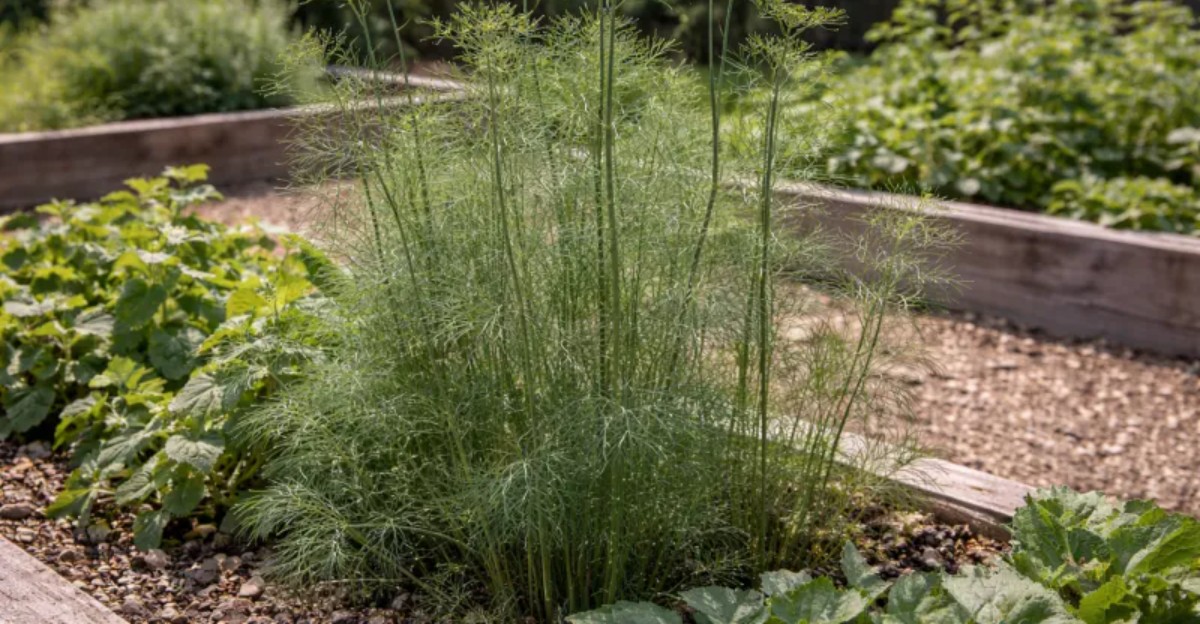
A feathery herb with a sweet licorice smell might be quietly holding back the tomatoes in your Indiana garden. Gardeners have reported this odd habit for generations, and many planting guides mention it.
The plant seems to release natural chemicals into the soil around it, which may slow some common vegetables nearby. Scientists still debate the strength of this effect, but plenty of home gardeners swear by the warning.
I planted this herb beside my beans one year, and the beans looked weak and pale all season. Personally, I blamed the hot weather at first, but the problem showed up again the next year.
October is a perfect month to rethink your Indiana garden layout ahead of the first hard winter freeze. So, could one sweet-smelling herb really be the hidden trouble behind your struggling vegetable beds this year?
Root Compounds That Hold Back Nearby Plants
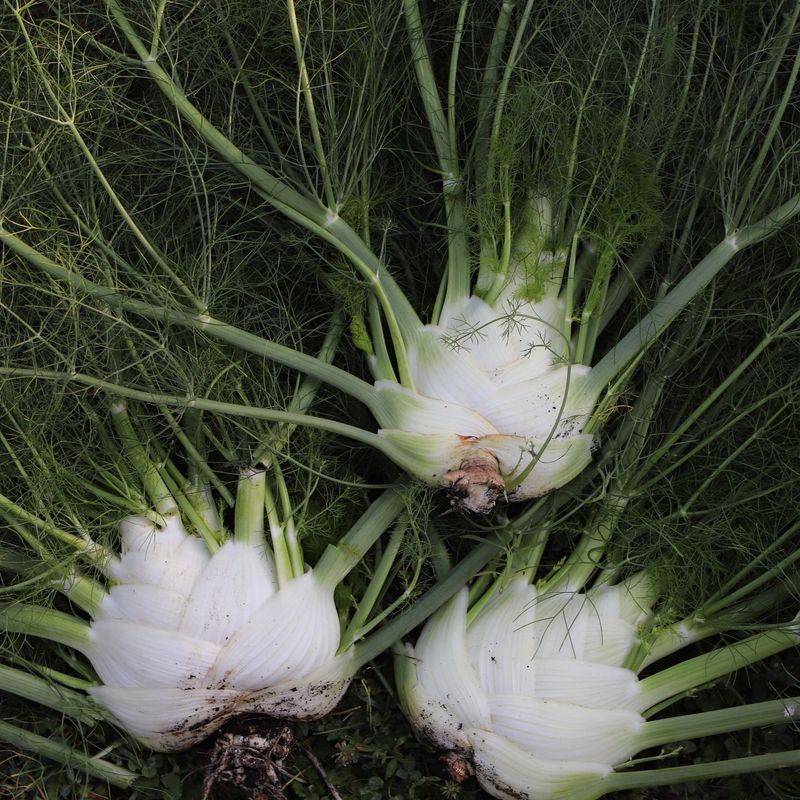
Underneath those soft, feathery fronds, fennel roots work like a quiet chemistry set buried in your soil. Many gardeners first notice the problem as stunted, pale plants growing within a few feet of the herb.
Fennel is the herb behind the trouble, and its reputation as a poor neighbor goes back centuries. Old gardening books often warned growers to keep it apart from the main kitchen garden rows.
Researchers believe fennel roots and decaying leaves release compounds that can slow seed sprouting in other plants. Some lab studies show these compounds affect root growth, though results in real gardens vary quite a bit.
That uncertainty matters, because a struggling Indiana garden can have many causes beyond one herb planted nearby. Poor drainage, heavy clay soil, and low sunlight can also cause weak growth in your vegetable beds.
Still, if fennel sits right beside your weakest plants, it deserves a much closer look this fall. Walk your beds in October and note which crops sat closest to the fennel during the season.
A simple sketch of your garden layout helps you spot patterns that are easy to forget by spring. Mark the fennel spot clearly, then compare it with the areas where your harvest looked the strongest.
If you grow bulb fennel, pull up the old roots after harvest, since leftover plant material may keep releasing compounds into the soil. Toss the roots in yard waste rather than your compost pile to be extra careful next year.
Fennel Works Through A Process Called Allelopathy
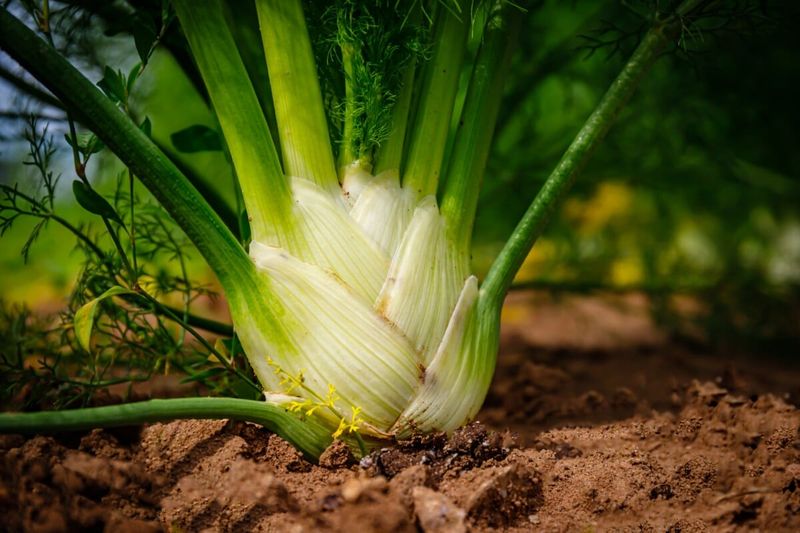
Allelopathy sounds like a tongue twister, but the idea behind it is surprisingly simple to understand. Some plants release natural chemicals that affect how nearby plants sprout, grow, or take in water from the soil.
Black walnut trees are the most famous example, and Purdue Extension has published guidance on them for Indiana growers. Walnut trees give off a compound called juglone, which can cause sensitive plants like tomatoes to wilt and struggle.
Fennel is often placed in the same group, though its effect seems milder than the mighty walnut’s. Studies on fennel extracts show slowed seed germination for some plants, mostly in small controlled lab settings.
Your Indiana Garden Changes Every Week. Your Plan Should Too.
Gardening in Indiana changes quickly throughout the season. Every Friday you’ll receive a simple weekly plan showing exactly what to plant, prune, fertilize, harvest, and protect so you never miss the right timing.
Garden soil is far messier than a lab dish, so the real impact likely varies from yard to yard. Rain, soil microbes, and organic matter can break down these compounds faster in some spots than others.
Think of fennel like a neighbor who plays music a little too loud on some nights. Most plants nearby will manage fine, but a few sensitive ones might start to look tired and cranky.
Fall is a smart time to learn about this, since your beds are mostly empty after harvest. You can plan new spacing now instead of guessing in a rush when the busy planting season returns.
Fennel also has real perks, like feeding swallowtail caterpillars and drawing helpful insects such as hoverflies. Understanding allelopathy lets you keep those benefits while giving your vegetables a fair and steady chance to thrive.
Your Tomatoes Or Beans Struggle Most Near Fennel
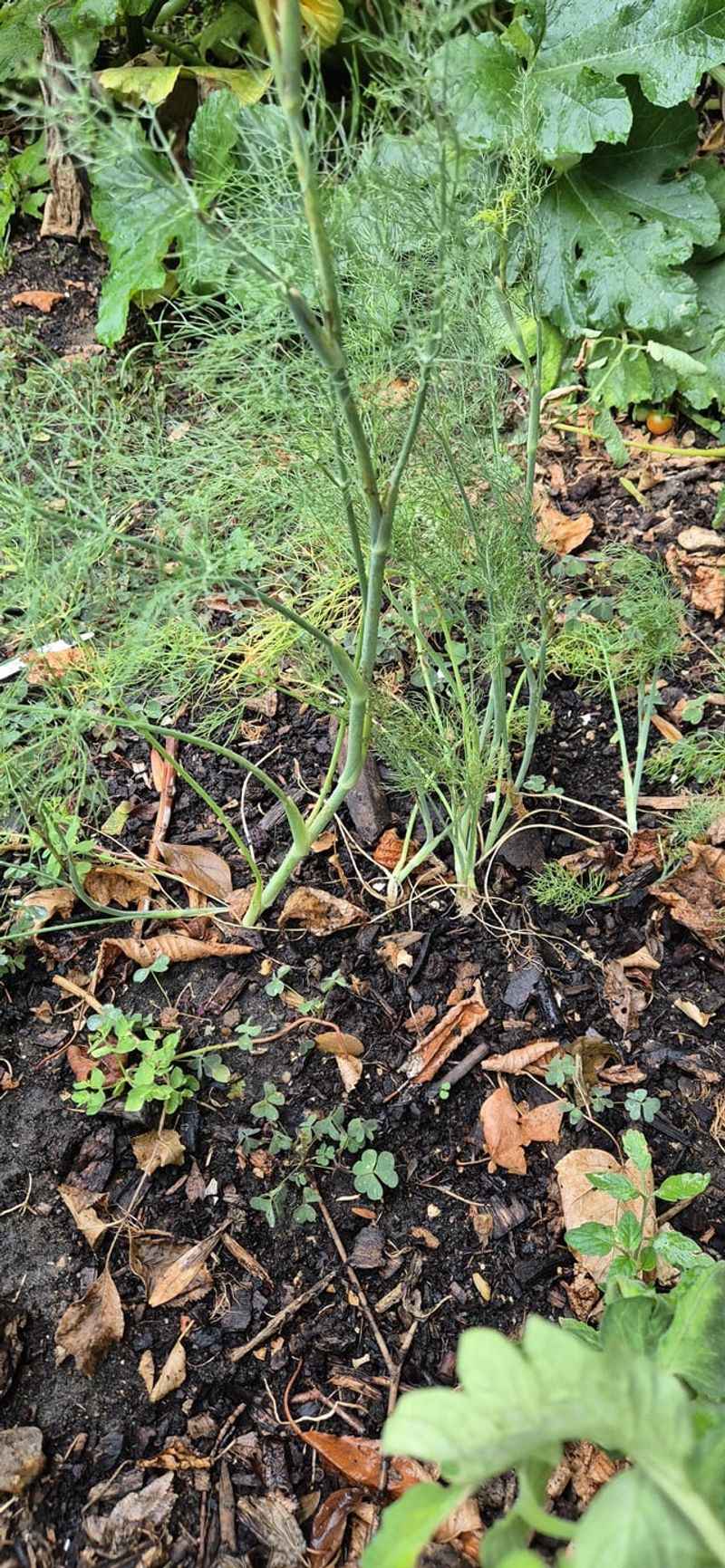
Most gardeners have that one tomato plant that sulks all season while its neighbors fill up with fruit. Before blaming the weather, check whether a tall fennel plant was growing just a few feet away.
Tomatoes and bush beans show up on many companion planting lists of crops to keep away from fennel. Kohlrabi, peppers, and eggplant also appear on some of those lists, though the evidence is mostly anecdotal.
Affected plants may look smaller, set fewer flowers, or produce a lighter harvest than you had expected. Beans sometimes sprout unevenly when planted in soil where fennel grew the year before, according to gardeners.
In Indiana, tomatoes already deal with plenty of stress from early blight and septoria leaf spot. Adding a pushy neighbor like fennel only makes their long growing season a little tougher to handle.
Competition plays a role too, since fennel can grow four or five feet tall in a single year. Its height can shade shorter crops, and its roots compete for water during dry stretches of weather.
October gives you a chance to review notes and decide where tomatoes and beans will go next year. Aim for at least several feet of space between fennel and these crops when you sketch new beds.
Swap in friendlier partners like basil, marigolds, or carrots beside your tomatoes for a calmer, happier garden. Your beans tend to pair nicely with corn, squash, and cucumbers, which share space without much fuss.
Dill Planted Close By Can Cross-Pollinate
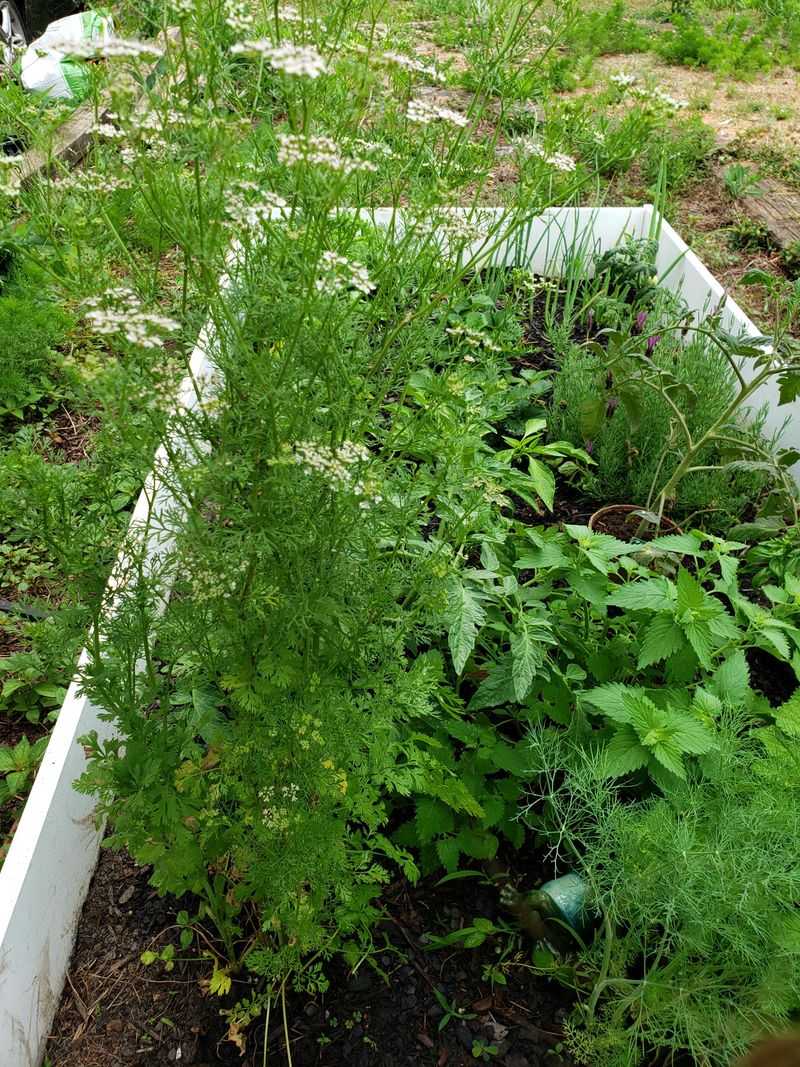
Dill and fennel are botanical cousins, both belonging to the carrot family known as Apiaceae by scientists. Their flat, umbrella-shaped flower clusters look so alike that new gardeners often mix up the two plants.
Because they are so closely related, bees and other insects can carry pollen between them quite easily. Seeds from those crossed flowers may grow into odd plants with muddled flavors that taste like neither herb.
This matters most if you like saving seeds each fall to replant in your Indiana garden. If you buy fresh seed packets every year, crossing will not change the plants you harvest this season.
Some growers report crossing happens less often than people fear, though overlapping bloom times raise the odds. Your best bet is simple distance, since separation lowers the chance of mixed pollen reaching those flowers.
Seed savers often suggest keeping related plants hundreds of feet apart, which is tricky in a backyard. Another option is to grow only one of the two herbs each year if seed saving matters to you.
Fun fact, both herbs serve as host plants for black swallowtail caterpillars, those striped green beauties. Growing both at a distance gives these butterflies more places to feed while protecting your precious seed supply.
Right now in October, clip any remaining seed heads before they scatter across the bed on windy days. Label each paper bag clearly so you remember which seeds came from plants grown close together.
Give Fennel A Separate Corner Of Its Own
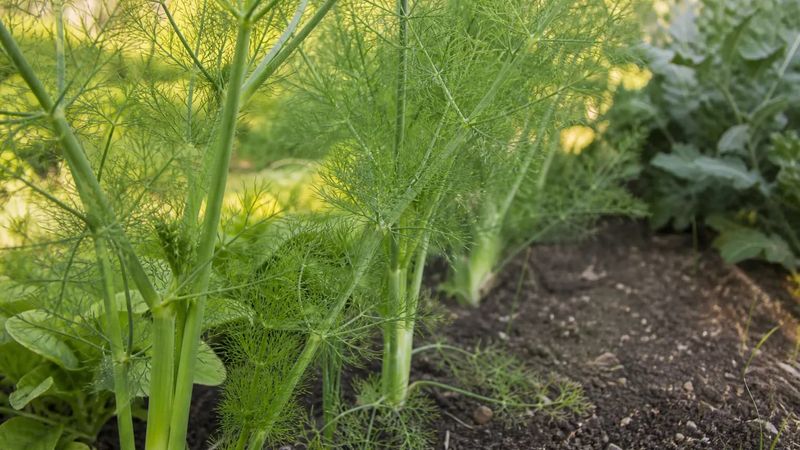
Giving fennel a corner of its own may sound strict, yet many experienced gardeners say it works like a charm. The herb gets room to stretch out, and your vegetables get relief from a demanding roommate.
Pick a sunny spot with at least six hours of direct light, since fennel loves bright, open space. Well-drained soil matters too, because soggy ground can cause root rot during long, wet Indiana springs.
Many gardeners suggest a buffer of several feet between fennel and the edge of the main vegetable patch. A small path, a row of flowers, or a stretch of lawn makes a natural divider.
Fall is prime time to set up this space, because the soil is still workable in October. Clear out weeds, loosen the ground, and spread a few inches of compost to settle over winter.
Fennel is often listed as a short-lived perennial in zones five or six, so it may return in Indiana yards. A dedicated corner means you will not need to dig it up and move it every single fall.
Fennel also self-seeds freely, so snip flower heads before they drop seeds across your whole yard. Some states list wild fennel as invasive, mainly in California, so keeping it tidy is a smart habit.
A fennel corner can turn into a lovely pollinator stop, buzzing with bees and hoverflies on warm afternoons. Add a small bench nearby, and you might enjoy that sweet anise scent while watching the visitors.
Container Growing Keeps Fennel Contained
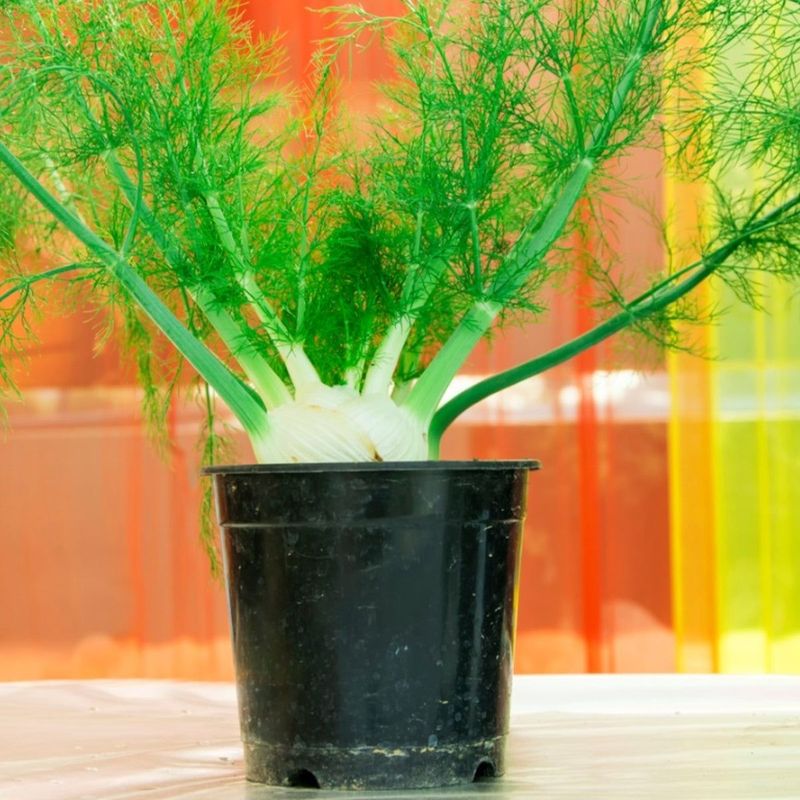
Pots offer a simple fix, since roots stay inside the container instead of mingling with your crops. Gardeners with small patios or crowded raised beds often find this method the easiest fix of all.
Choose a pot at least twelve inches deep, because fennel grows a long taproot that needs room. Drainage holes are a must, and a lightweight potting mix helps water flow through without pooling at the bottom.
Keep the pot on a hard surface like a patio, rather than setting it directly on garden soil. Roots can sneak out through drainage holes, and fallen leaves may break down into nearby beds.
Fennel dislikes transplanting because of its taproot, so starting fresh in a pot usually works better. This fall, pick up a sturdy container now, then sow seeds directly into it once spring warms up.
Bulb fennel grown in pots this season can be harvested now, before nights drop well below freezing. Slice the bulb at soil level, and enjoy it roasted, grilled, or shaved thin into a crisp salad.
Potted herb fennel can move into an unheated garage over winter to protect its roots from harsh cold. Water it lightly once a month, since dormant plants need far less moisture than active ones.
Containers also let you move fennel around, placing it near flowers where pollinators can still enjoy it. You get the feathery charm and licorice flavor without risking the health of your favorite vegetable beds.