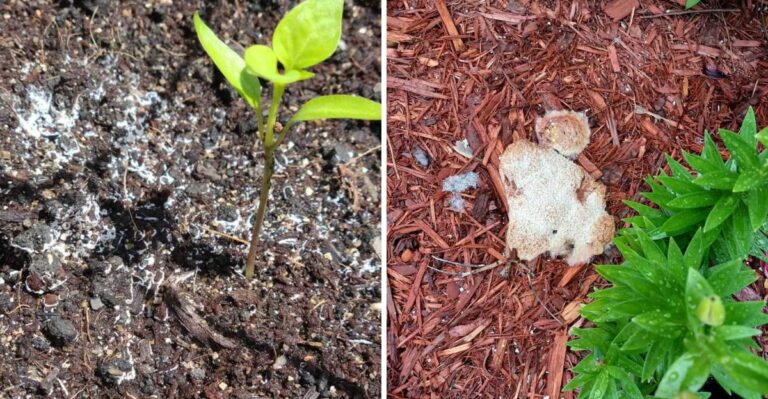
Fungus, Grubs, Or Overwatering? How To Tell What Is Hurting Your California Lawn
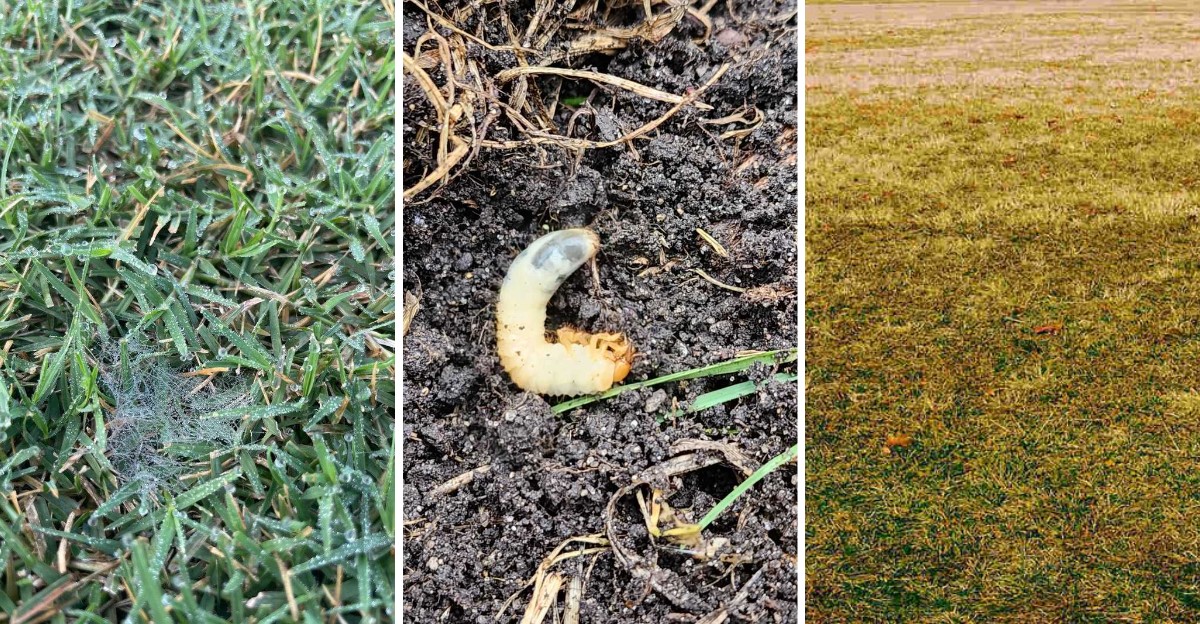
A ragged brown patch in an otherwise green lawn can spark plenty of guesses. Insects, disease, and water problems all top the usual list of suspects.
From a distance, the damage from each one can look nearly identical, which makes guessing an expensive habit.
Products spread across the whole yard often fail to help when the true cause lies somewhere else, perhaps in a hidden sprinkler problem or soil packed too tightly to drain.
Lasting recovery depends on finding the real culprit first.
A simple sequence of checks, using tools already sitting in most garages, can narrow the possibilities within minutes.
Followed in order, those clues usually point toward the right fix, saving both money and grass.
1. Tug The Turf To Test For Grubs
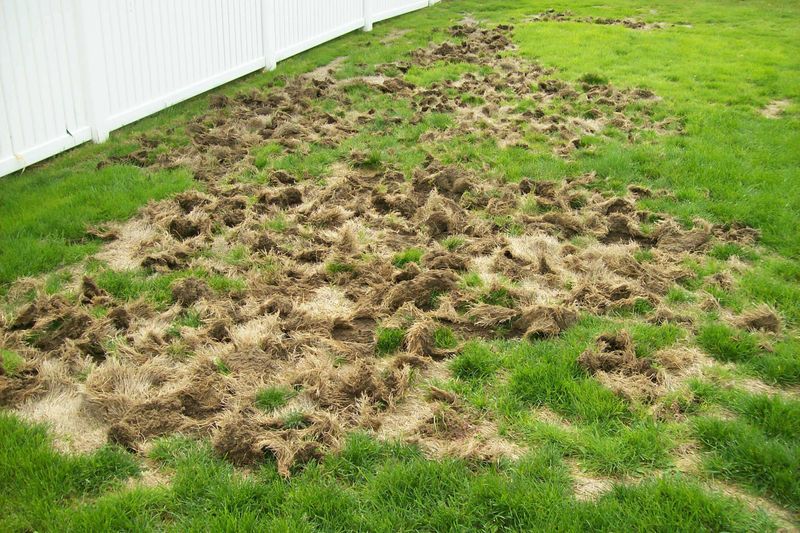
A firm pull on a handful of brown grass at the edge of the bad spot offers a quick first test.
Healthy turf resists, since its roots hold tight to the soil, while damaged turf may slide right up like an old rug. Gloves keep hands clean and protect against sharp debris.
Grubs are the young, worm-like stage of beetles such as masked chafers and black turfgrass ataenius. They curl into a C shape, with creamy white bodies and brown heads, living just beneath the surface and chewing off grass roots bite by bite.
Once enough roots disappear, the grass loses its anchor. Sod rolls back easily by hand, and the soil beneath often looks loose and crumbly, sometimes with grubs resting in plain view.
Other hints help too. Skunks, raccoons, and birds relish grubs, so torn-up turf or small holes appearing overnight can point to them.
Grub damage in California often shows up in late summer and early fall, when larvae feed hardest, which makes October a prime time to check.
A tug that does nothing still offers useful information. Grass that stays put suggests grubs aren’t the main problem, and the next clue awaits.
Turf that peels up easily doesn’t prove grubs on its own, though. Fungus and very wet soil can weaken roots as well, so counting what actually lives beneath the surface comes next.
2. Peel Back A Square To Count Grubs
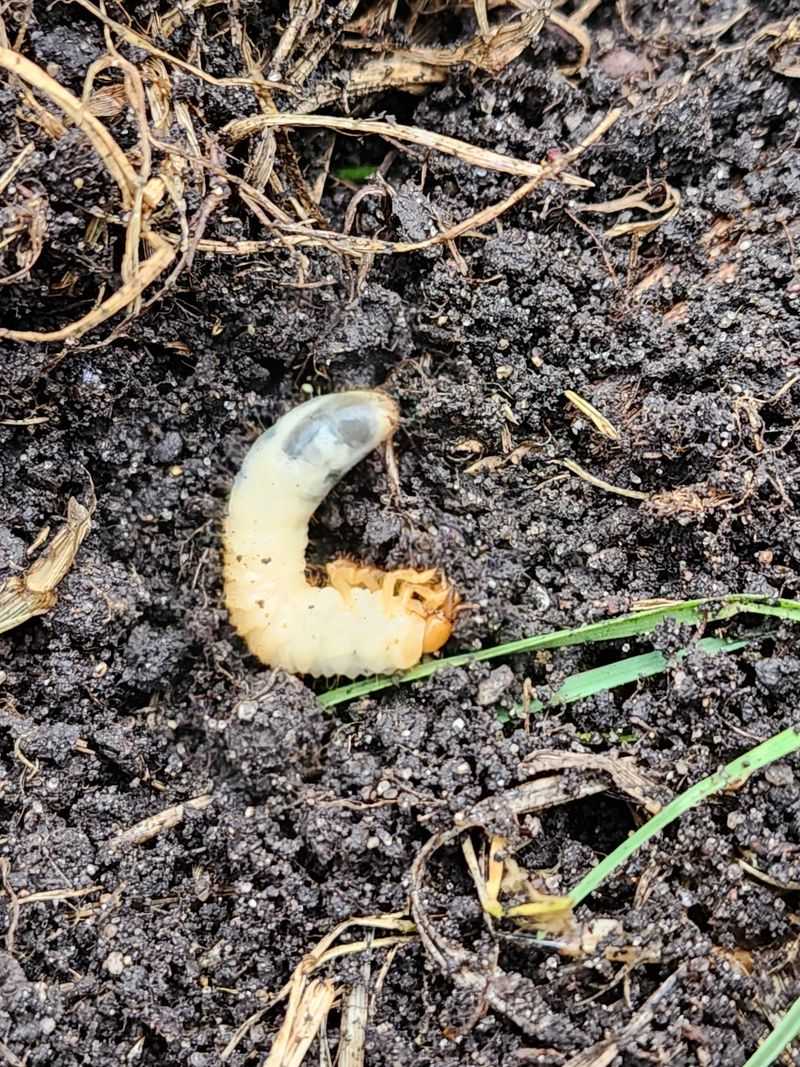
Finding one grub hardly signals a crisis. Nearly every lawn hosts a few, and healthy grass handles them without trouble, so the real question involves how many live in a small space.
A spot right at the edge of the damage, where brown grass meets green, makes the best sampling site.
A flat shovel or sharp trowel cuts three sides of a square about one foot wide and two to three inches deep, and the sod flap folds back like the cover of a book.
Sifting through soil and roots by hand reveals every C-shaped grub present. A bucket or tray beside the hole makes counting easier.
Repeating the count in two or three other spots across the lawn gives a fuller picture, since grubs tend to cluster.
UC IPM guidelines note that treatment usually isn’t needed unless numbers climb high, with thresholds varying by species. Smaller black turfgrass ataenius grubs can be tolerated in larger numbers than masked chafers, so identification matters.
Your California Garden Changes Every Week. Your Plan Should Too.
Gardening in California changes quickly throughout the season. Every Friday you’ll receive a simple weekly plan showing exactly what to plant, prune, fertilize, harvest, and protect so you never miss the right timing.
A low count rules grubs out as the main cause, even with a few wiggling around. The sod flap goes back into place, pressed down gently and watered well so roots reconnect.
High counts in several spots point to a genuine grub problem, with the matching fix coming later.
Either way, real numbers replace a hunch. UC IPM Pest Notes for lawns include photos and current thresholds that make confirming the species easier.
3. Probe Soil To Check Moisture
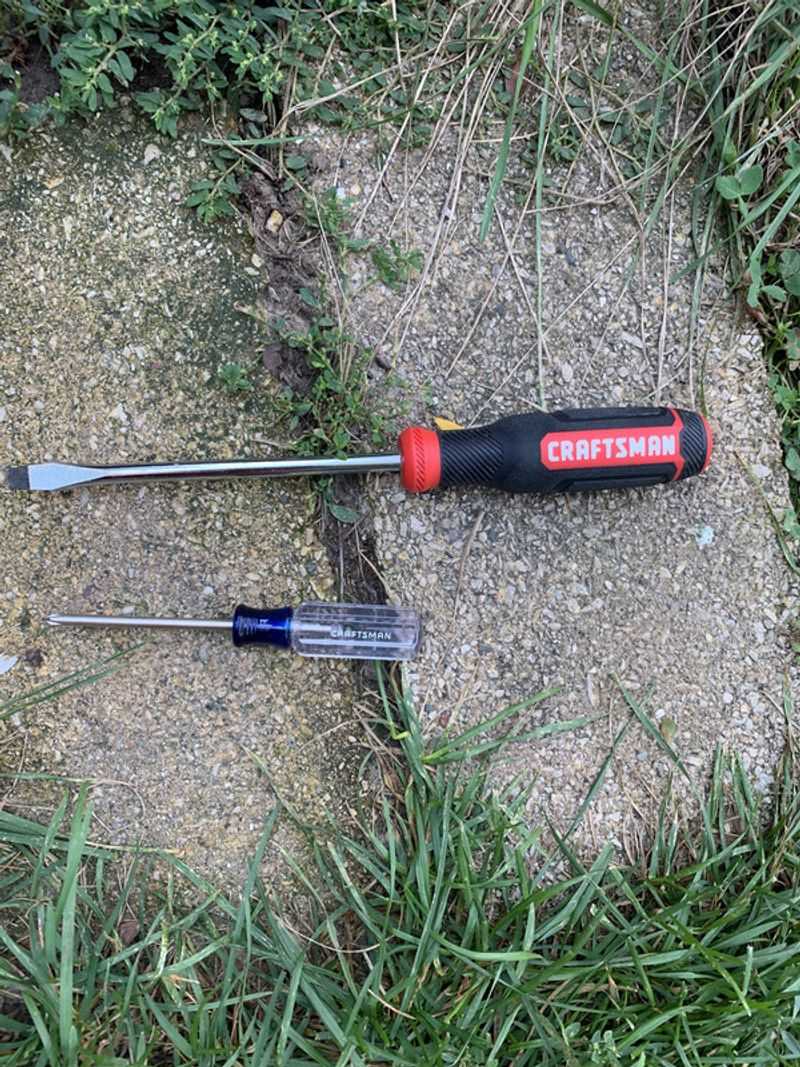
A simple screwdriver may be the most honest tool in the garage. Pushed into the lawn, it reveals exactly how wet the soil is, no fancy meter required.
A long, flat-head screwdriver, about six to eight inches, works well. Pressing it straight down in the brown patch, then in a healthy green area, offers a comparison, with the effort required telling the story.
Moist soil lets the tool slide in smoothly. Dry soil resists after an inch or two, suggesting thirsty grass or water running off before it soaks in, while ground that feels squishy, with the screwdriver sinking like a spoon into pudding, is likely far too wet.
UC IPM recommends watering deeply but infrequently, with moisture reaching about six to eight inches down where most lawn roots live. A test a day after watering shows how far the water traveled.
Probing several places, especially near sprinkler heads and low spots, helps further. Uneven results often point to uneven spray, with a clogged or tilted head a common cause.
One corner may turn up bone dry while another stays swampy. Compacted soil may also resist the screwdriver even when moist, a separate clue worth noting.
Notes on each result make the pattern clearer. A brown patch in dry soil points toward an irrigation gap, while a brown patch in soggy soil points toward overwatering or poor drainage, conditions that also invite fungus.
That distinction alone often rules out half the suspects in a single afternoon.
4. Look For Lesions Or Cobweb Threads
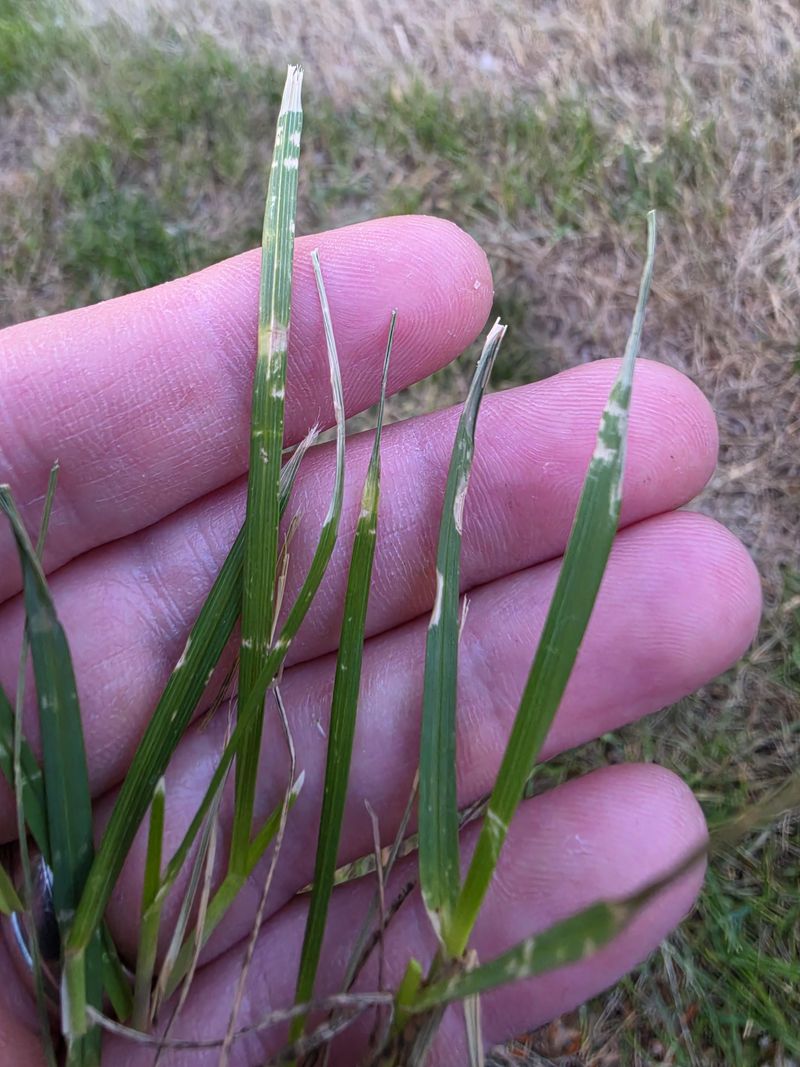
Fungal trouble hides in tiny details invisible from standing height, so a close look at grass level pays off. A magnifying glass makes the search even easier.
A few blades pulled from the edge of the damaged area often reveal spots, streaks, or bands on the leaves. Those marks, called lesions, rank among the clearest signs of fungal disease.
Different diseases leave different fingerprints. Dollar spot creates tan, hourglass-shaped bands with reddish-brown edges, often within small round patches about the size of a coin.
Brown patch can produce irregular tan spots with dark borders, with patches sometimes growing into large rings, while rust coats blades with orange powder that rubs off on shoes.
Fine, white, web-like threads between the blades deserve a look too. Those strands, fungal growth called mycelium, signal active disease, and Pythium blight, which strikes during hot, humid weather, can look greasy and cottony while spreading fast in wet spots.
Comparing the edges of a patch with its center helps. Fungus often works outward, so the freshest lesions sit along the border, while grub damage usually shows no spots on the leaves at all.
That difference helps rule insects in or out. Leaves chewed ragged or clipped short, rather than spotted, often point to caterpillars instead.
Clear photos of anything unusual make identification easier. UC IPM’s online turfgrass disease photos and local nurseries can help name the problem, and an accurate name matters, since each fungus favors slightly different conditions.
5. Check Mornings For Fungal Threads In The Dew
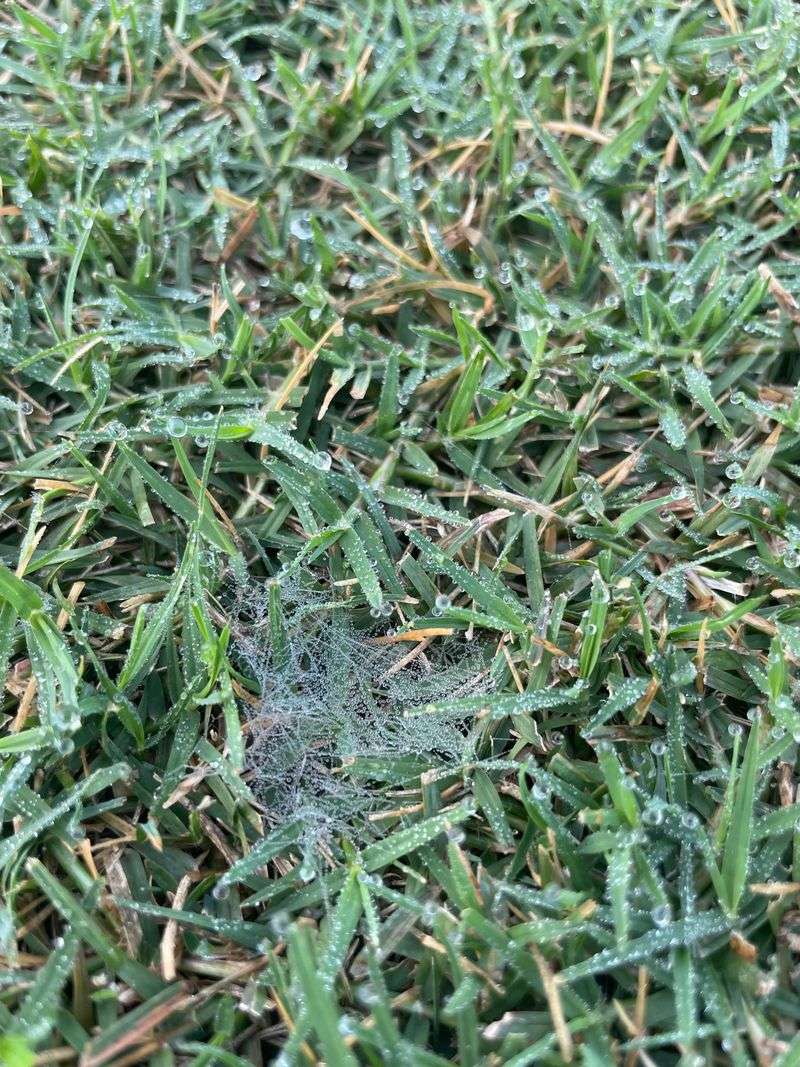
Sunrise makes prime time for lawn detective work. A cup of coffee in hand and old shoes on, a walk across the grass before the sun burns off the dew often catches fungus in the act.
Overnight, moisture collects on grass blades. Many lawn fungi thrive in that damp layer, growing fuzzy white threads that sparkle with dew, and dollar spot is well known for its cottony, cobweb-like look in early morning.
By midday, those threads dry and shrink out of sight. A lawn that looked fuzzy at seven in the morning can seem perfectly normal by noon, so many homeowners miss the clue simply by checking too late.
Fungal threads can resemble spider webs, though the two differ. Spider webs sit in flat sheets or funnels, often with a small tunnel at the center, while fungal growth looks more like loose cotton candy clinging between blades.
Timing of irrigation matters as well. Evening watering keeps grass wet all night, giving fungus an ideal setup, and UC IPM recommends early-morning watering, before dawn when possible, so blades dry quickly during the day.
Small flags or sticks marking fuzzy spots allow follow-up checks over the next few mornings.
Patches that keep producing threads and spreading outward offer strong evidence of fungal disease rather than grubs or simple watering trouble. Fall’s cooler nights and heavier dew can make these signs more common this time of year.
6. Soggy Soil Smells Sour
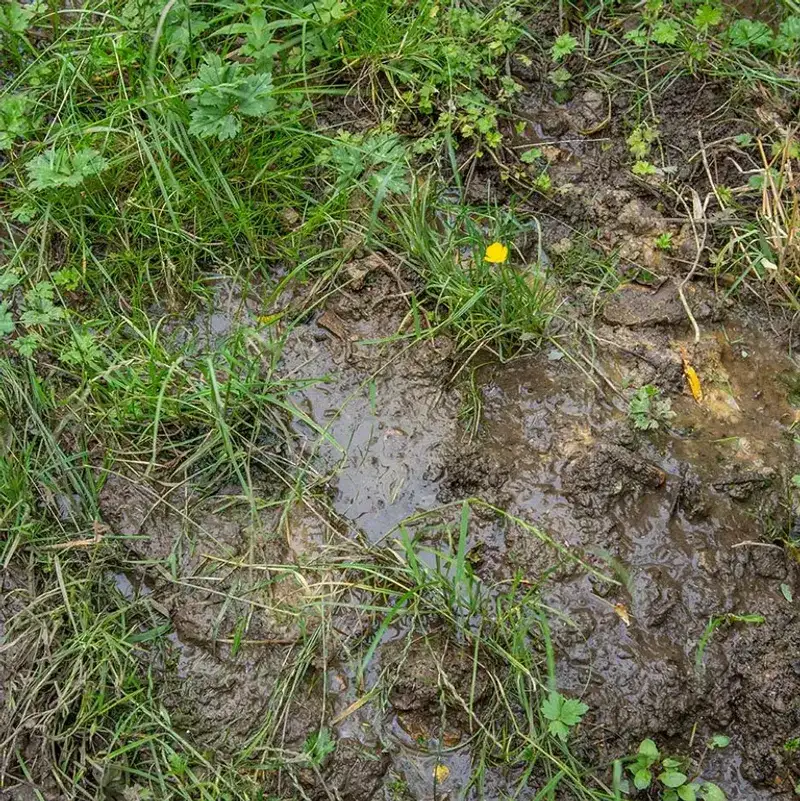
Sometimes the nose solves the case faster than the eyes. A handful of soil from the problem spot, given a good sniff, reveals plenty, since healthy soil smells earthy, like a forest after rain.
Soil that smells of rotten eggs, sewage, or sour milk sends a clear warning. Roots need oxygen, and when water fills every tiny air pocket in the soil, roots struggle while certain microbes take over and release those unpleasant odors.
A squeeze of the soil adds more evidence. Overwatered ground often feels slimy or mushy, with water dripping between the fingers, and green algae, moss, or mushrooms may appear nearby, all fans of constant moisture.
Other soggy clues tend to appear as well. Puddles lingering hours after watering, squishy footsteps, and sprinklers running onto sidewalks all point to excess water.
Heavy clay soil, common across much of California, drains slowly and worsens the problem. Sprinkler runoff onto pavement can also violate local water rules in many California cities.
Compacted soil can also trap water near the surface. Children playing, dogs running, and mowers rolling over the same paths pack the ground tight, so water pools on top instead of soaking down to roots.
A sour smell doesn’t mean the lawn is beyond saving. It simply signals waterlogged roots, and cutting back water while helping the soil breathe can turn things around within a few weeks, at far less cost than any chemical treatment.
7. Overwatered Grass Yellows Evenly
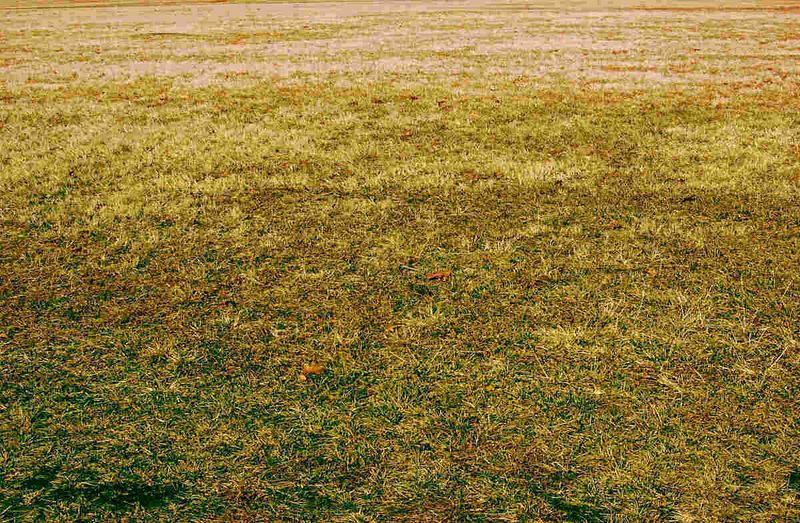
The shape of the damage tells its own story. Grub damage and fungus usually leave a messy map, while too much water tends to paint with a broad brush.
Overwatered turf often turns a pale, washed-out yellow across a wide area. The color change looks fairly even, without sharp rings, coin-sized spots, or ragged edges, and often the entire zone covered by one sprinkler station shares the same sickly shade.
The yellowing has a clear cause. Soggy roots absorb nutrients such as nitrogen and iron poorly, so the grass loses its rich green color.
Fertilizer added in response rarely helps while roots remain waterlogged. In fall, warm-season lawns also yellow as they head toward dormancy, a normal change unrelated to watering.
Comparison with other culprits sharpens the diagnosis. Grub damage starts as irregular brown patches that pull up easily, fungal disease often shows circles, spots, lesions, or threads, and dry spots from poor sprinkler coverage appear as crispy brown areas, usually between spray heads.
A quick sprinkler check confirms the picture. Running each zone while watching for broken heads, geysers, misting from high pressure, or spray hitting the wrong places exposes many problems.
Empty tuna cans set around the lawn, with the system run for fifteen minutes, reveal how much water lands in each spot.
Large differences between cans mean uneven watering. Even yellowing combined with soggy soil and full cans makes a convincing case that the lawn receives more water than it can handle.
8. Match The Fix To The Cause
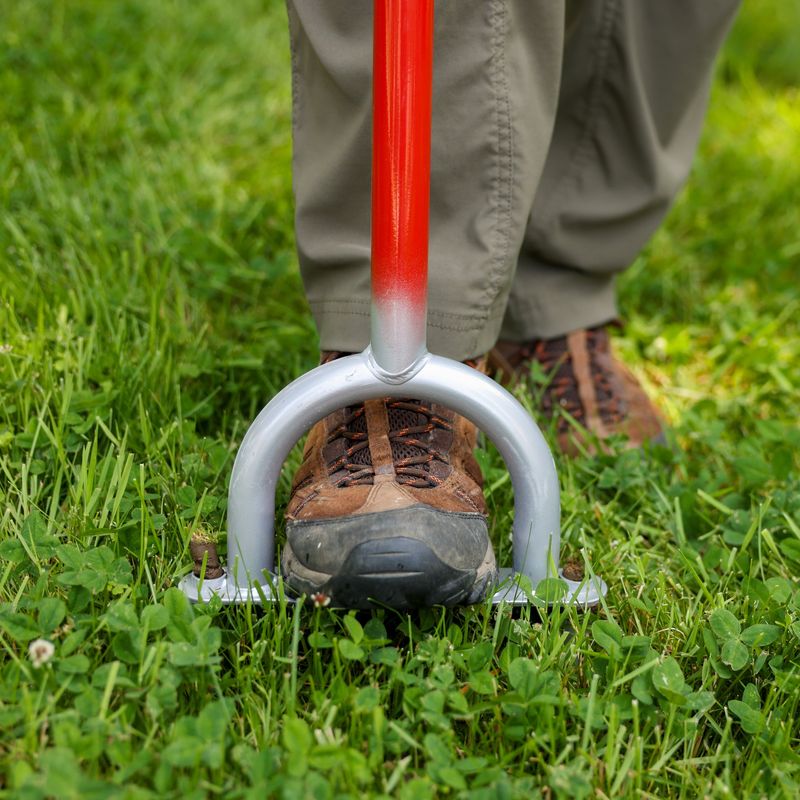
With clues gathered and notes in hand, the case can finally close. The right fix depends entirely on what the tests revealed, and spraying chemicals first works about as well as cough medicine for a broken arm.
Soggy soil, sour smells, and even yellowing call for less water. Shorter run times, repaired sprinkler heads, and early-morning watering help, and a screwdriver test before each watering session confirms when the top few inches have dried.
Compacted or poorly drained ground needs air. Core aeration pulls small plugs of soil from the lawn, letting water and oxygen reach roots, and UC IPM suggests aerating while grass actively grows, followed by a thin layer of compost.
Fungus usually fades once conditions change. Morning watering, moderate nitrogen feeding, proper mowing height with a sharp blade, and better airflow from trimming nearby shrubs all help.
UC IPM favors these cultural steps before any fungicide. Dry spots from sprinkler gaps call for hardware repairs rather than longer run times.
Grubs deserve treatment only when counts pass the threshold. Healthy turf with deep roots can outgrow light feeding, and beneficial nematodes can help with some grub species.
Insecticides belong at the bottom of the list, timed carefully when truly needed, with label directions followed closely and products kept off sidewalks and driveways.
Rechecking a few weeks after any change shows whether the fix worked. Notes from each round build a lawn history that makes the next diagnosis even faster.