This Invasive Grass Is Quietly Spreading Through Shady North Carolina Yards and Woods
A shipment of porcelain from Asia may have carried one of the sneakiest weeds in the South. Botanists believe the dried grass was used as packing material, and it was first recorded in Tennessee around 1919.
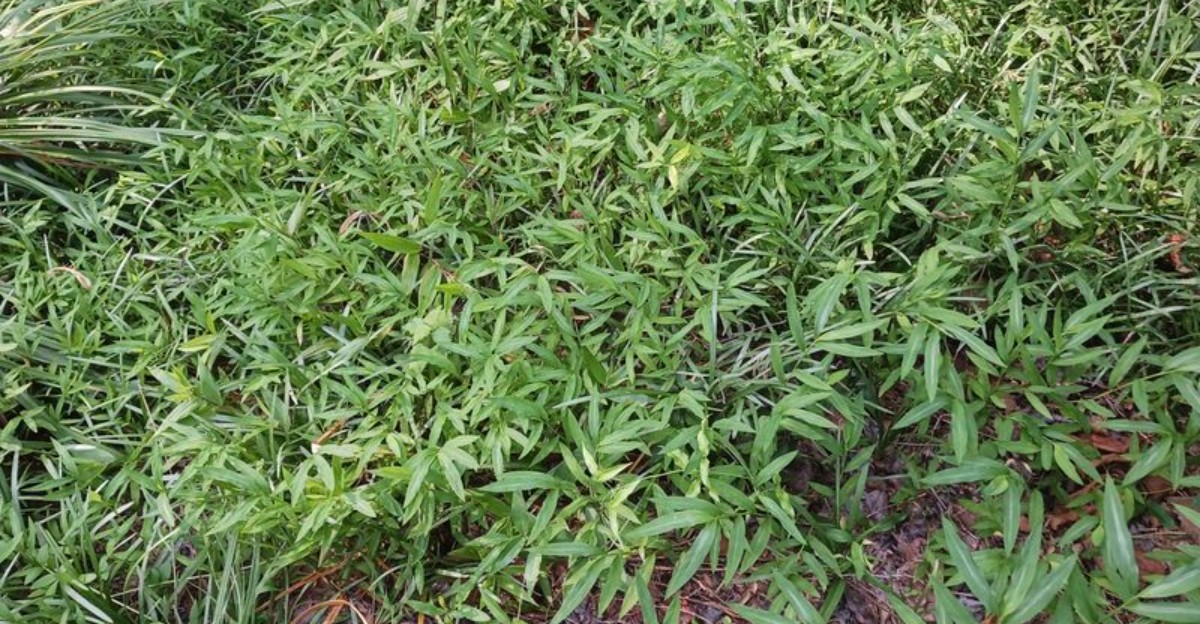
Today it grows in shady yards, creek banks, and forest trails across North Carolina. It looks soft and harmless, almost like a tiny bamboo. I can’t help but admire how well it hides in plain sight.
Here’s something you might not expect. Deer mostly skip it, so it spreads while they nibble the native plants around it. Each plant can drop hundreds of seeds, and those seeds can wait in the soil for years.
I know how frustrating it can be when a weed shows up in the one shady corner you finally got right.
1. That Pale Green Carpet Under Your Shade Trees Has a Backstory
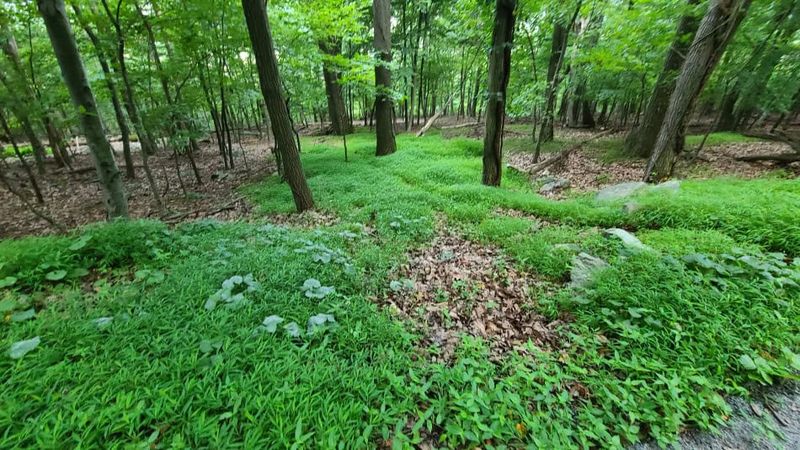
Walk any shady trail in the Piedmont during late summer and you may notice something odd. The ground looks lush and green, yet hardly any wildflowers or tree seedlings poke through.
That soft-looking carpet is often a single invasive grass. It sprouts in early spring, grows quietly through the warm months, and finally becomes obvious by July and August.
By then, it may cover patches of yard or forest floor so thickly that little else can grow. What makes it so easy to miss is its gentle look.
It does not have thorns, it does not climb trees, and it does not grow huge. It simply fills in every open, shaded space with fine, bright green blades.
Many homeowners first spot it along a mulched bed, a drainage ditch, or the strip where lawn meets woods. Others find it creeping into thin turf under oaks and maples. It loves moist soil, partial shade, and disturbed ground.
Once you learn to see it, you start noticing it everywhere. Roadsides, stream banks, and hiking paths across much of the state may have it. That awareness is the first real step toward keeping it out of your own patch of green.
2. Japanese Stiltgrass Is the Sneaky Grass Behind It All
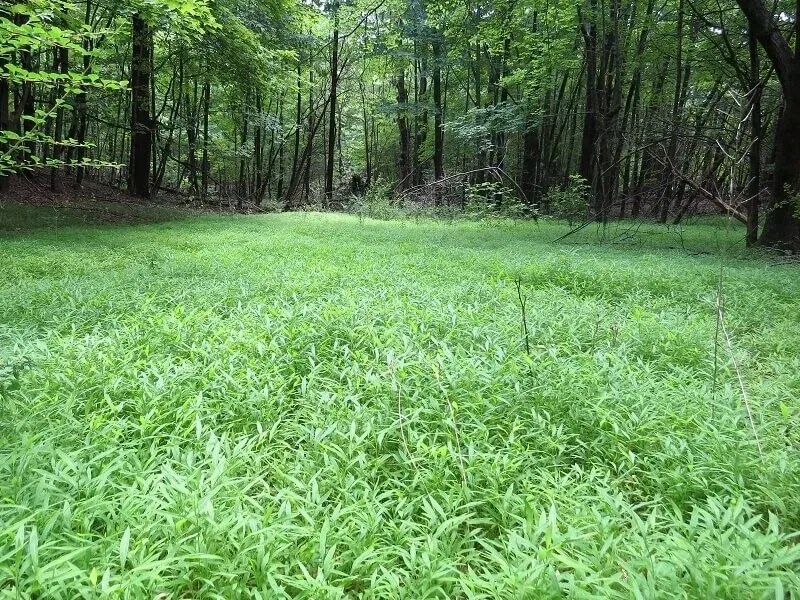
Meet the troublemaker by name. Japanese stiltgrass, known to scientists as Microstegium vimineum, is an annual grass native to Asia. Some people also call it Nepalese browntop.
It reached the United States around 1919, when it was found near Knoxville, Tennessee. Experts think it arrived as dried packing material for porcelain. From there, it spread across the eastern states, and today it grows in more than 25 states.
In North Carolina, the plant is widespread from the mountains through the Piedmont and into parts of the coastal plain.
NC State Extension and other groups list it among the most troublesome invasive plants in our woods. The North Carolina Native Plant Society also ranks it as a serious threat to native plant communities.
Since it is an annual, every plant you see this year sprouted from seed. The roots do not survive winter. That sounds like a weakness, and honestly, it is one you can use.
Stop the seeds, and you stop the next generation. Miss the seeds, and the soil keeps a stash ready for spring. That simple life cycle shapes nearly every control tip that follows in this article.
3. Look for That Silvery Stripe Down Each Stiltgrass Leaf
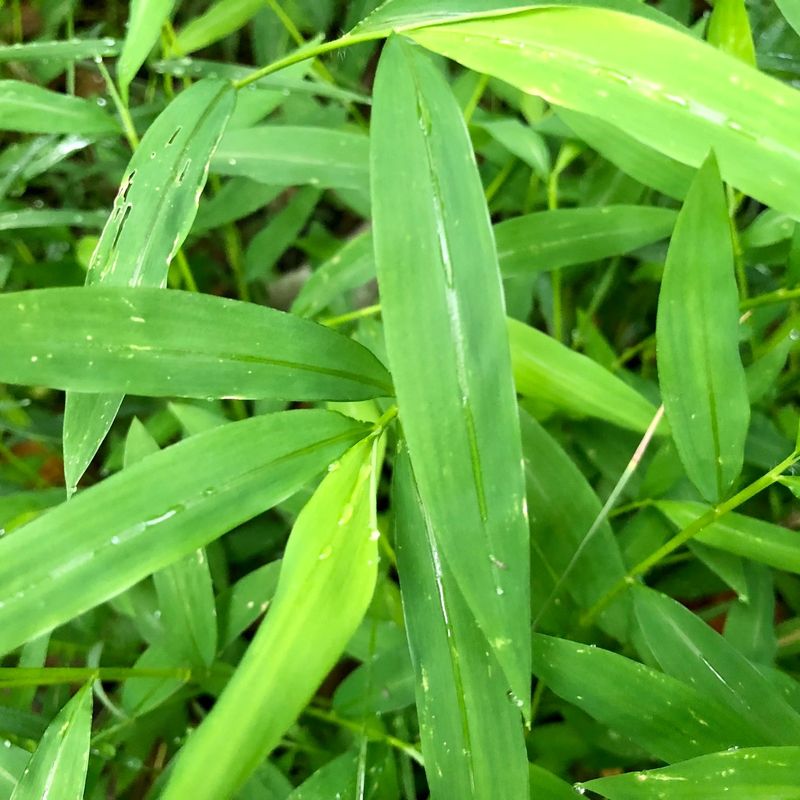
A quick leaf check can save you a lot of guessing. Pick one blade and hold it toward the light. If you see a shiny, silvery line running slightly off center, you are probably holding stiltgrass.
The leaves are pale green, lance-shaped, and about two to three inches long. They grow alternately along thin, branching stems that look a bit like miniature bamboo. Many leaves feel smooth and slightly floppy.
Stems often sprawl and then root where they touch the ground at the nodes. That habit gives the plant its stilted look, with stems propped up like tiny legs. Plants can reach about three feet tall in good conditions, though many stay shorter.
Late in the season, the plant may take on a reddish or purplish tint. Thin flower spikes appear from late August into September and are easy to overlook. A few flowers even hide inside the leaf sheaths.
One more clue helps a lot. Stiltgrass pulls up with almost no effort because its roots are shallow. Crabgrass and nimblewill can look similar, so check that silver stripe before you start yanking anything out.
4. Pull Stiltgrass Before Those Late Summer Seed Heads Show Up
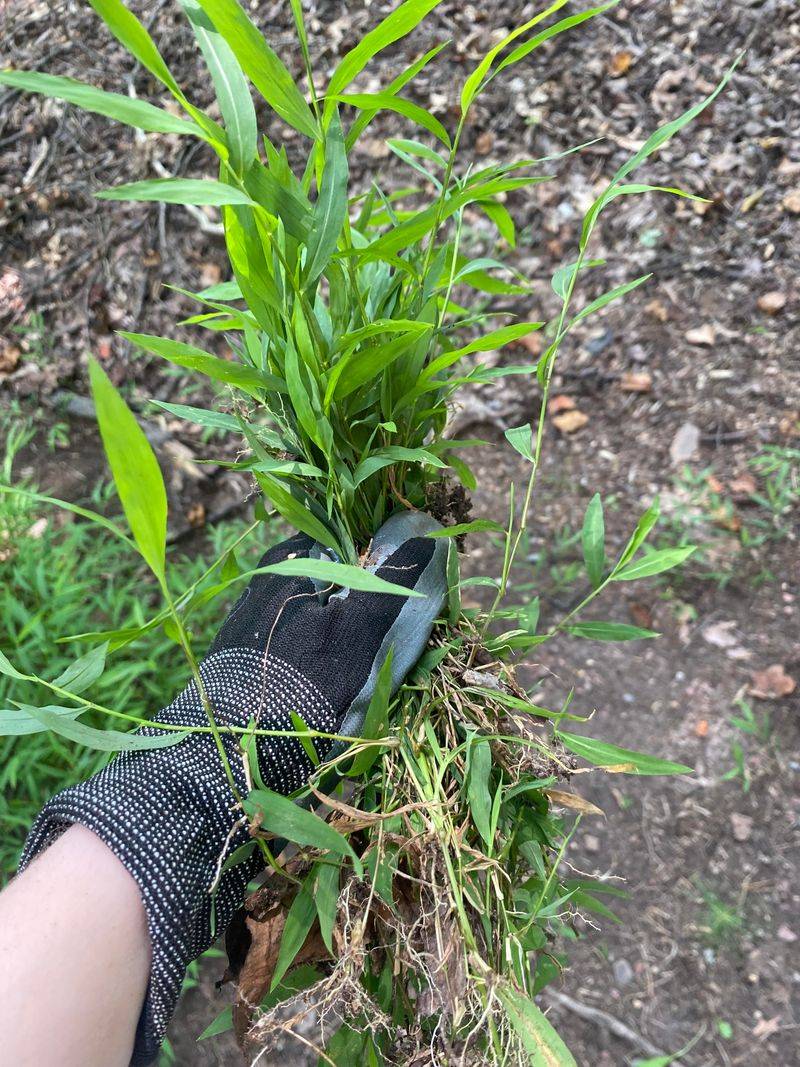
Timing is the whole game with this weed. Each plant can make hundreds to roughly a thousand seeds, and those seeds may stay viable in soil for three to five years.
Your best window runs from late spring through about mid-August, before seeds ripen. Once flowers appear in late summer, some seeds can still mature even after you pull the plant. Earlier action gives you a cleaner win.
Hand-pulling works beautifully for small patches. Try it a day after a soaking rain, when the soil is soft. The shallow roots slide right out, and you can clear a surprising area in an hour with a podcast playing.
Toss pulled plants in a pile to rot if they have no flowers yet. If you are pulling late and spot seed heads, bag them and send them out with the trash. Composting seedy material can spread the problem right back into your beds.
Plan to return each year. Seeds already in the soil will keep sprouting for a few seasons. With steady effort, though, the patch usually shrinks noticeably as that seed bank runs low.
5. Mowing or String Trimming Stiltgrass Works Best in Late Summer
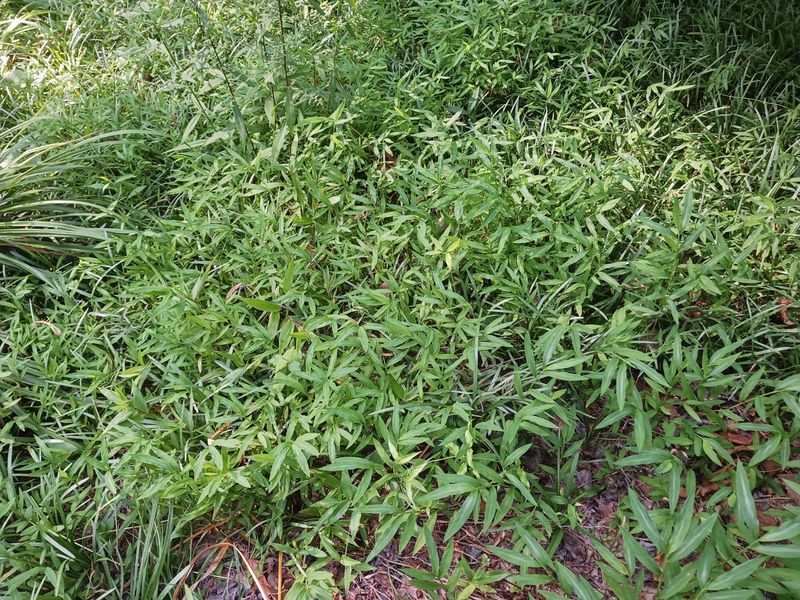
Got a patch too big for pulling? A mower or string trimmer can help a lot, but the calendar matters more than the machine.
Cut too early in summer, and the grass simply grows back and still flowers. Cut too late, and you scatter ripe seeds everywhere. The sweet spot in North Carolina usually lands from late July into August, just as flowering begins but before seeds mature.
Set the cut low so the plant has little time or energy to recover. Since it is an annual, a well-timed cut can prevent seed production for the year. Watch the patch afterward and trim again if new flowering stems appear.
Clean your mower deck, trimmer head, and shoes before moving to another spot. Seeds hitch rides on equipment, boots, tires, and even pet fur. Many new infestations start along paths because of this sneaky travel habit.
Mowing alone will not fix the soil seed bank in one year. Still, it buys you time and slows the spread. Pair it with hand-pulling around trees, shrubs, and garden beds where a mower cannot reach easily.
6. Crabgrass Preventers Can Stop Stiltgrass Seeds From Sprouting
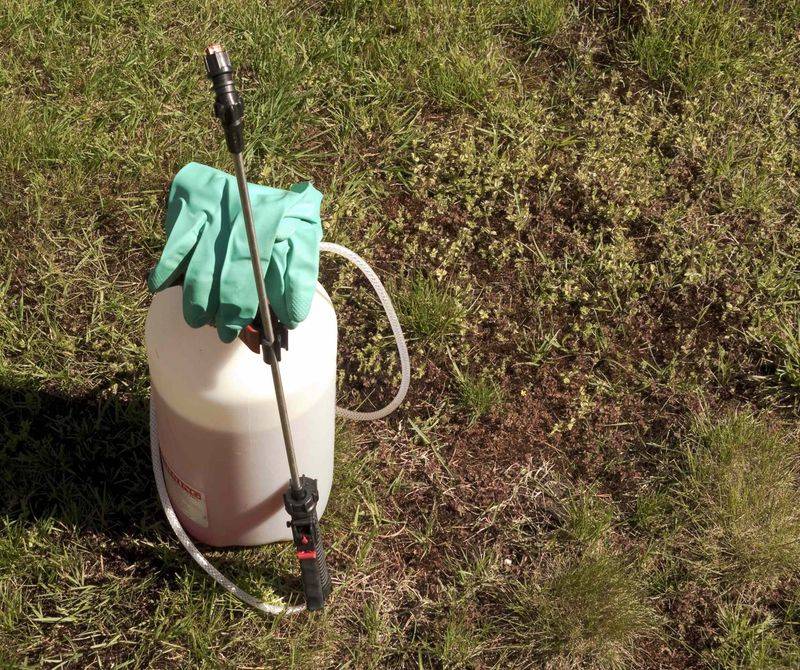
Here is a handy shortcut many gardeners overlook. The same pre-emergent herbicides sold for crabgrass also work on stiltgrass, since both are annual grasses that sprout from seed.
Stiltgrass germinates earlier than crabgrass, so timing shifts a bit. In much of North Carolina, apply a pre-emergent in late February or early March.
Mountain gardens may run a little later, while the coast may run earlier. Always follow the label and water it in if directed.
For plants already up, post-emergent grass herbicides can work from sprouting until flowering. Early summer often gives the best results. Low rates of glyphosate are also used in natural areas, though it harms any plant it touches.
Be careful near streams, ponds, and desirable plants. Some products are not labeled for use near water, and pre-emergents also block seeds you want, such as wildflowers or new grass seed. Reading the label is the law, not just good advice.
If you feel unsure, call your county Cooperative Extension office. Local agents can suggest products and timing that fit your yard, your soil, and your specific region of the state.
7. Native Woodland Plants Lose Ground When Stiltgrass Mats Take Over
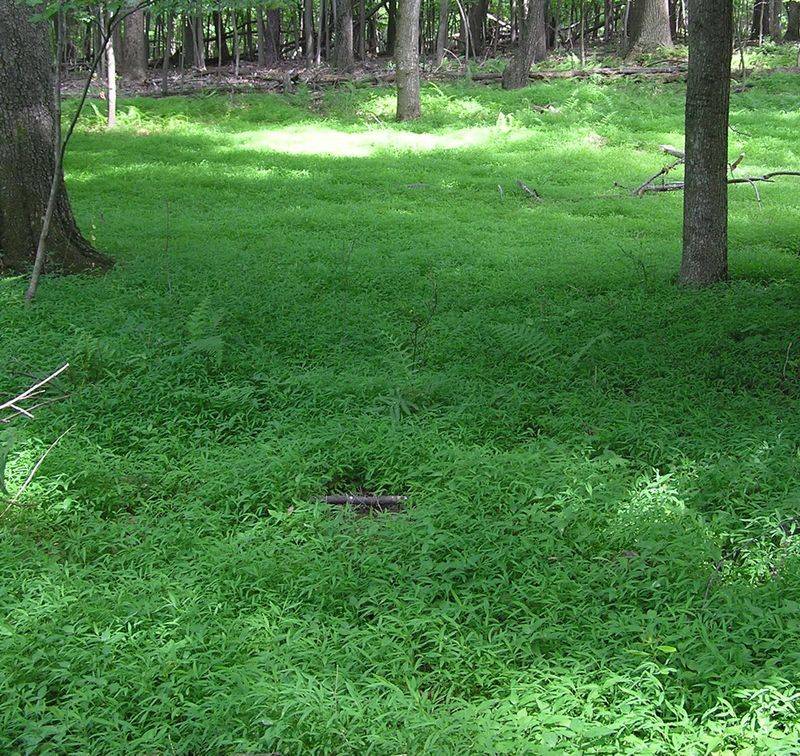
Honestly, the yard is just part of the story. The bigger concern sits out in the woods, where dense stiltgrass mats crowd native wildflowers, ferns, and young trees.
Research shows it can thrive under closed forest canopies, something many invasive plants struggle to do. That means even undisturbed woodlands are at risk. In some areas, it can reshape the forest floor within a few years.
Wildlife gets very little from it. Few native insects feed on it, so the caterpillars that songbirds rely on become harder to find. Deer often avoid it too, which means they browse native plants harder and give stiltgrass even more room.
Studies have also linked heavy infestations to changes in soil chemistry and leaf litter breakdown. Thick, dry mats in fall may add fuel along forest edges. Scientists are still studying how far these effects reach.
Every backyard patch matters because seeds travel along streams, trails, and roads. Your shady corner may connect to a creek or nearby woodland.
Controlling it at home helps protect those wild places too, which feels like a pretty rewarding bonus for an afternoon of weeding.
8. Fill Bare Shady Soil With Native Sedges and Ferns
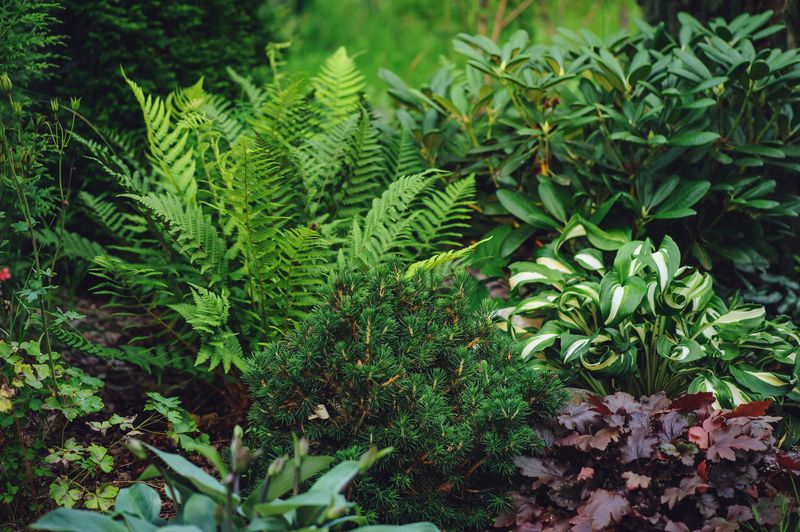
Clearing stiltgrass feels great, but bare soil invites it right back. The smartest final move is to give that space to plants that belong here.
Shade-loving natives make a strong team. Christmas fern stays green through winter and handles dry shade well. River oats offer dangling seed heads that look lovely in fall, while creek sedge and other Carex species form soft, grassy clumps.
Other good choices include foamflower, wild ginger, and golden ragwort for moist, shady spots.
Your local Extension office or the North Carolina Native Plant Society can suggest options for your region. Mountain, Piedmont, and coastal yards each have their own favorites.
Spread a layer of shredded leaves or mulch between new plants. That covering helps block light that stiltgrass seeds need to sprout. Keep it a few inches deep and away from plant stems.
Then check the area each spring and early summer. A few minutes of pulling stray seedlings keeps your hard work safe. Over time, those native plants fill in, feed pollinators, and turn a weedy corner into a small woodland garden worth showing off.