Why Green Tomatoes Sometimes Rot Instead Of Ripening Indoors In North Carolina
Bringing green tomatoes indoors before frost feels like a reliable way to save the last of the harvest, but not every tomato cooperates once it’s off the vine.
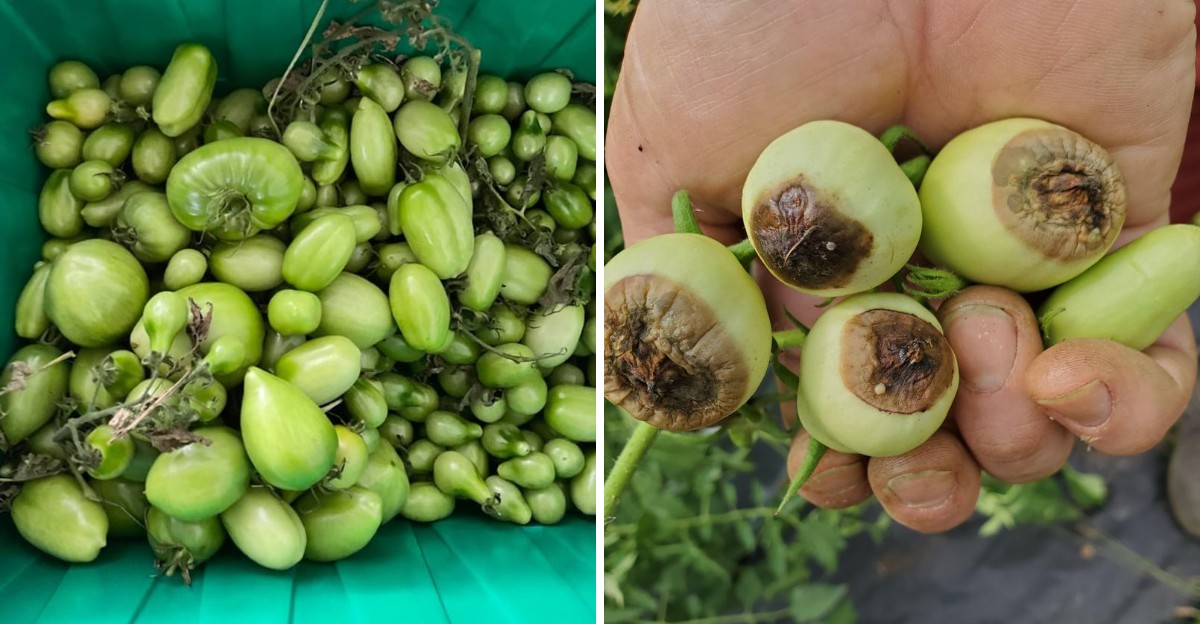
Some fruits rot from the inside before they ever turn red, a frustrating outcome that usually traces back to underlying issues like bacterial or fungal infection that were already present before the tomato was picked.
Storage conditions play a role too, since tomatoes packed too closely together or kept in overly humid spaces can develop mold and soft spots that spread quickly between fruits.
Picking tomatoes at the right stage of maturity, rather than pulling every green fruit regardless of size, tends to improve the odds of successful ripening significantly.
Understanding why some tomatoes fail to ripen properly helps North Carolina gardeners salvage more of their harvest before the season’s first hard freeze.
1. The Tomato Was Harvested Too Early
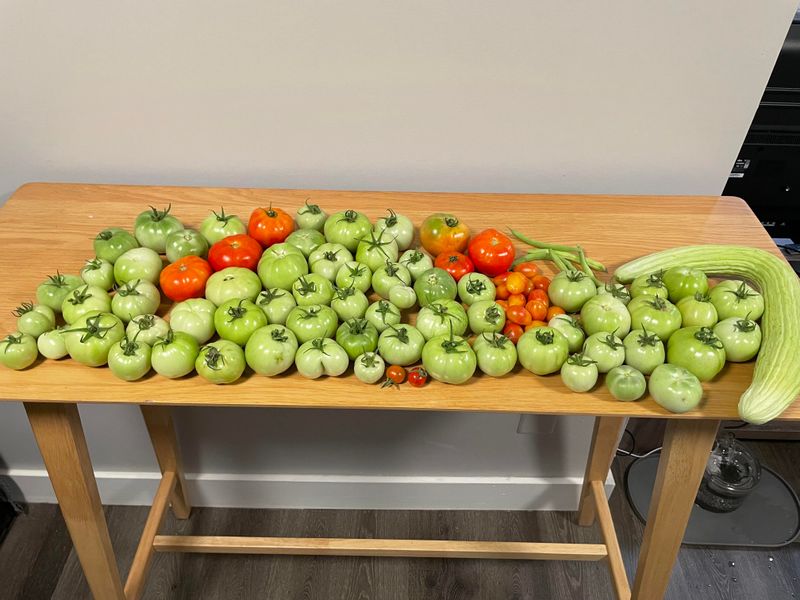
We’ve all rushed out to pick small, rock-hard green tomatoes right before the first fall frost. It may sit on your kitchen counter for weeks, slowly wrinkling or growing soft spots without ever showing a hint of red.
The trouble started the moment it left the vine, because it simply was not ready.
Tomatoes need to reach a stage called mature green before they can finish ripening off the plant. At this point, the fruit has grown to its full size, and the skin looks glossy and a bit lighter in color.
Inside, the seeds are fully formed and surrounded by a jelly-like gel, so a sharp knife tends to slide around them instead of cutting through.
Very young fruit has not built up the natural sugars and inner changes it needs to ripen properly. Instead of turning red and juicy, it often stays hard, tastes bitter, and eventually breaks down.
Once that happens, mold and bacteria have an easy time moving in. So how can you tell which tomatoes are worth saving?
Look for fruit that has reached the normal size for its variety and shows a slight change in color, such as a pale green or whitish patch at the bottom. Any tomato with a faint pink blush, called the breaker stage, is an even better bet.
North Carolina gardeners often race against the frost, which can arrive in early October in the mountains and much later near the coast.
Keep an eye on the forecast and pick your most mature fruit first. The tiny ones can go into fried green tomatoes or relish instead.
2. Damaged Fruit Rots More Easily
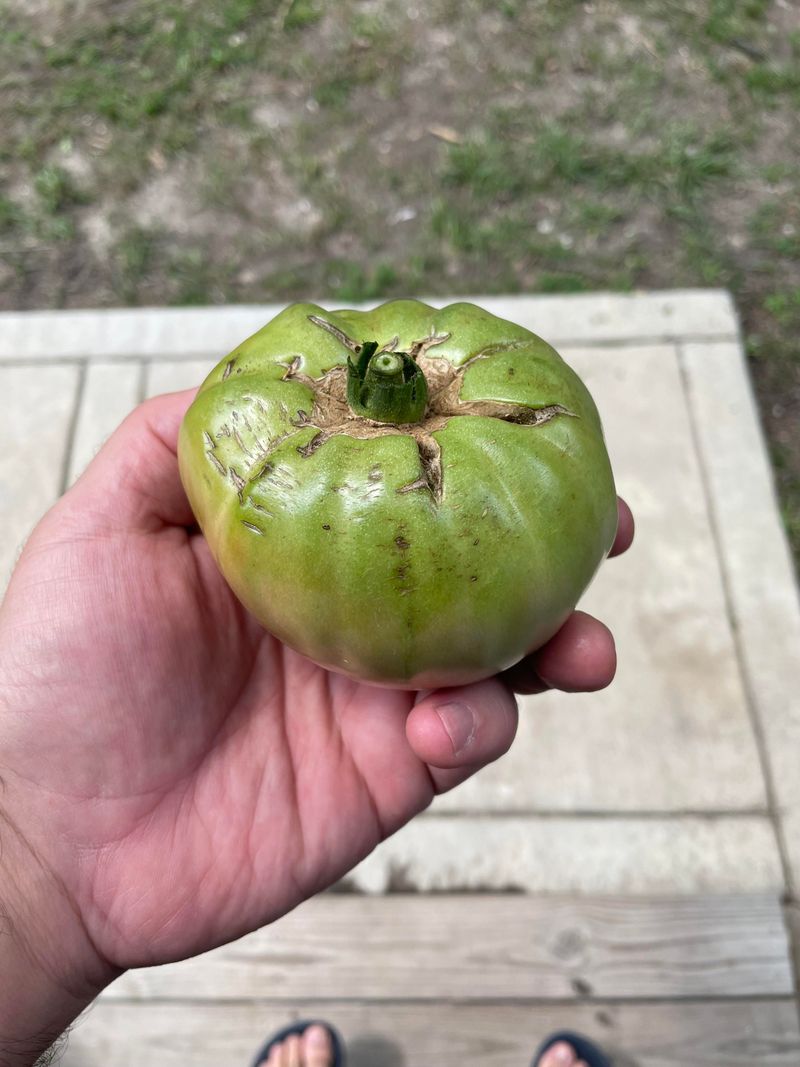
A tomato’s skin works a lot like a raincoat. As long as it stays whole, it keeps germs out and moisture in, giving the fruit a safe shell while it slowly changes color. Once that coat gets a hole, though, trouble can sneak in fast.
Cracks are one of the most common problems in North Carolina gardens. Summer heat followed by a heavy afternoon thunderstorm can make fruit swell quickly, splitting the skin around the stem.
Your North Carolina Garden Changes Every Week. Your Plan Should Too.
Gardening in North Carolina changes quickly throughout the season. Every Friday you’ll receive a simple weekly plan showing exactly what to plant, prune, fertilize, harvest, and protect so you never miss the right timing.
Those splits may look harmless at first, but they give mold and bacteria a wide-open doorway.
Bruises cause similar headaches. Tossing tomatoes into a bucket or letting them bump around in the car can crush the flesh under the skin, even if you cannot see much damage.
Bruised spots break down faster and often become the first soft, leaky patch you notice. Insects add their own wounds. Tomato fruitworms, stink bugs, and hornworms can bore holes, leave feeding marks, or chew right into the fruit.
Birds and squirrels sometimes take a peck or nibble too, and every bite opens the door to decay.
The fix starts at harvest time. Handle each tomato gently, like you would an egg, and set it in a shallow box rather than piling it high. Pick only firm, smooth fruit with no open cracks or holes for indoor ripening.
Tomatoes with minor superficial bruising can be used promptly, but discard any fruit with mold, active decay, or deep/soft rot. That way, nothing goes to waste, and your healthy fruit gets the best chance to ripen.
3. Disease May Already Be Present
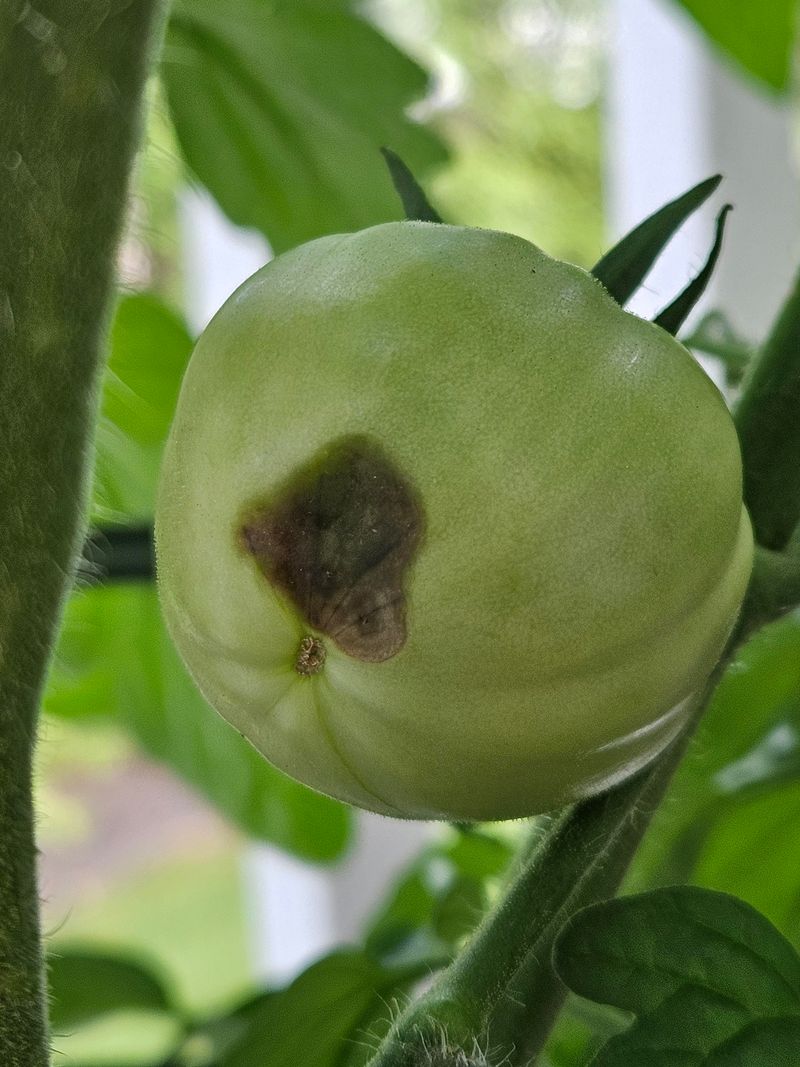
Some tomatoes carry a hidden problem home from the garden. They look clean and healthy on the day you pick them, yet a week later they sprout fuzzy mold or dark, sunken spots.
What happened? The infection likely began long before the fruit ever reached your kitchen.
Fungi and bacteria love North Carolina’s warm, muggy summers. Rain splashes spores from the soil onto low-hanging fruit, and heavy dew keeps leaves and tomatoes damp for hours.
Under those conditions, germs can settle onto the skin or slip inside without showing any signs right away.
Anthracnose is a classic example. The fungus often infects green fruit quietly, then shows up as round, sunken, water-soaked spots as the tomato begins to ripen.
Buckeye rot, another common issue in wet weather, causes brownish rings on fruit that touches or sits close to the soil.
Bacterial spot and early blight can also damage fruit in the field. Once a tomato is harvested, these problems do not simply stop.
Room temperature is comfortable for many of these germs, so they keep growing while the fruit tries to ripen.
Careful choices at picking time make a big difference. Skip tomatoes that show spots, rings, or strange blotches, and pay close attention to fruit that grew near the ground.
Mulching with straw during the season helps keep soil from splashing onto plants in the first place.
Good garden habits pay off next year too. Rotate where you plant tomatoes, clean up old plant debris in fall, and choose disease-resistant varieties when you can. A healthier crop means fewer surprises on your counter.
4. Excess Moisture Encourages Decay
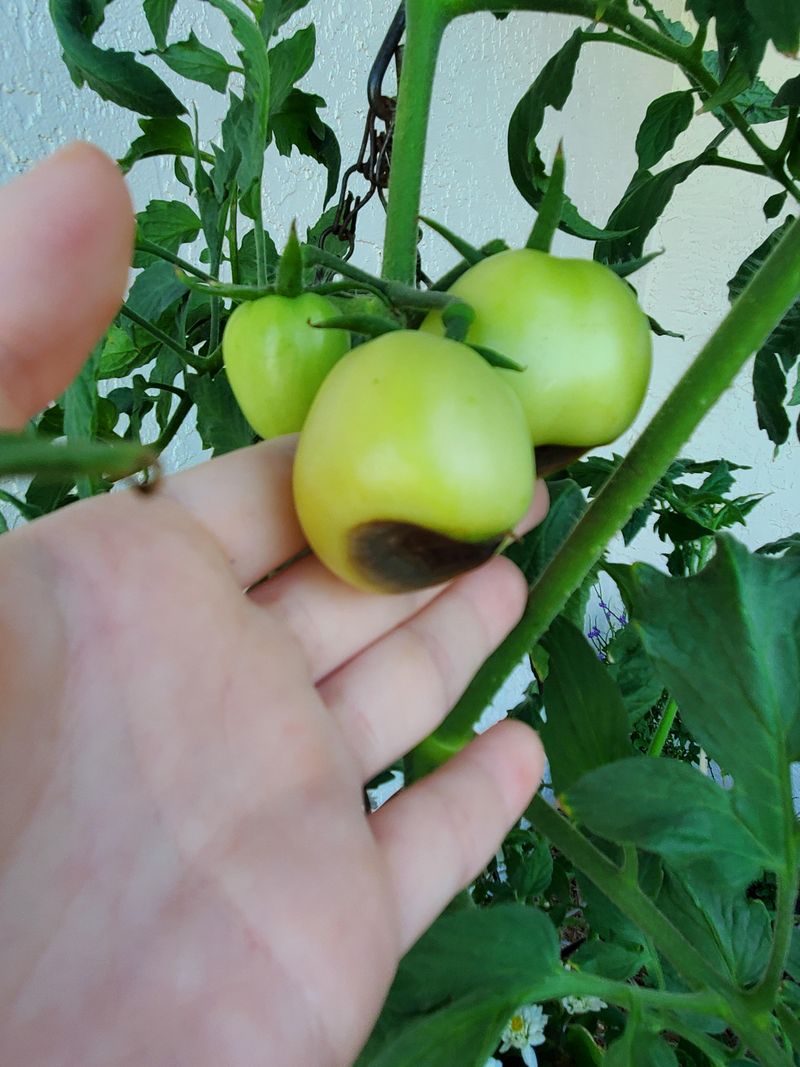
Water helps tomatoes grow, but it becomes a troublemaker once the fruit comes indoors. Mold spores and bacteria need moisture to thrive, and a damp tomato gives them exactly what they want.
Even a thin film of water on the skin can be enough to get things started. Many gardeners rinse their harvest right away to remove dirt. That habit feels tidy, but storing tomatoes while they are still wet can backfire.
Water tends to collect around the stem scar, a spot where germs easily find their way inside.
If your tomatoes need cleaning, wipe them gently with a dry cloth or soft brush instead. When a rinse is truly needed, dry each one completely with a towel and let them air out for a little while before storing.
Picking in the afternoon, after the morning dew has disappeared, also helps. Humidity is the other half of the story. North Carolina is known for its sticky air, and fall rain can keep indoor spaces damp too.
Basements, garages, and closed plastic bags can trap that moisture around the fruit like a steam room.
Plastic containers with tight lids are a common mistake. Tomatoes give off moisture as they breathe, and without airflow, droplets form on the inside of the container. Soon, the fruit is sitting in its own little rain cloud.
Better choices include cardboard boxes, paper bags left partly open, or shallow trays lined with newspaper. Paper soaks up extra moisture while still letting air move.
If you notice condensation or a musty smell, swap out the lining and move the fruit somewhere drier.
5. Temperatures That Are Too Cold Can Disrupt Ripening
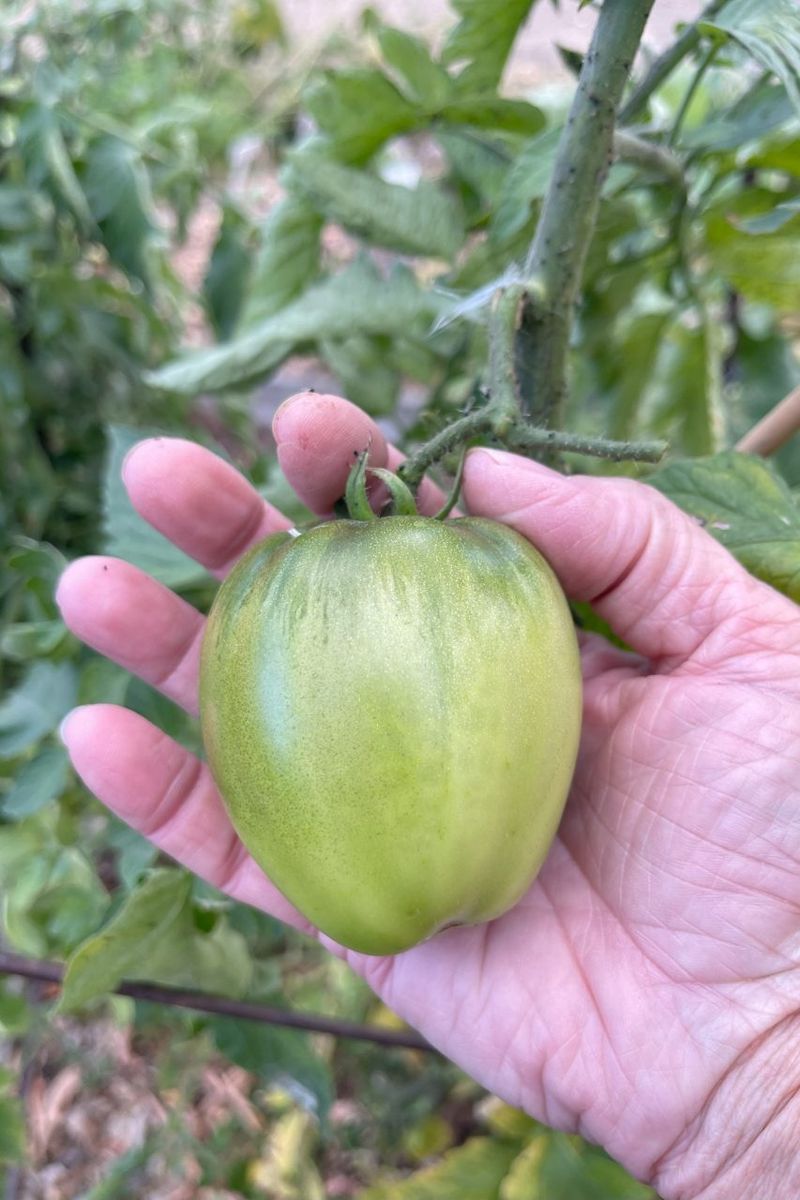
Tomatoes are true summer lovers, and they do not handle chilly weather well. Originally from warm regions of South America, these plants never adapted to long spells of cold.
That heat-loving nature matters a lot when you try to ripen green fruit indoors.
Green tomatoes ripen best at temperatures between about 65 and 75 degrees Fahrenheit. In that range, the fruit can produce ethylene, a natural gas that tells it to soften, sweeten, and turn red.
Above 85 degrees, the red color may not develop well. Cold creates a bigger problem. When green tomatoes spend long stretches below 50 degrees, they can suffer from something called chilling injury.
The fruit may ripen unevenly, develop pitted or blotchy skin, and turn mushy instead of juicy.
Chilled tomatoes also become weaker against mold and decay. Their natural defenses slow down, so germs that would normally stay quiet get the upper hand. That is why a refrigerator is the wrong place for unripe fruit.
North Carolina fall weather adds a twist. Frosty nights can hit the mountains in early October, while chilly mornings creep into the Piedmont later in the month.
Fruit left on the vine during a cold snap may already be stressed before you bring it inside, so try to pick before temperatures drop into the 40s.
Indoors, avoid unheated sheds, cold garages, and drafty windowsills. A spare bedroom, pantry shelf, or kitchen counter away from the stove usually works well. A cheap thermometer can help you find the sweet spot in your home.
6. Poor Air Circulation Can Spread Rot
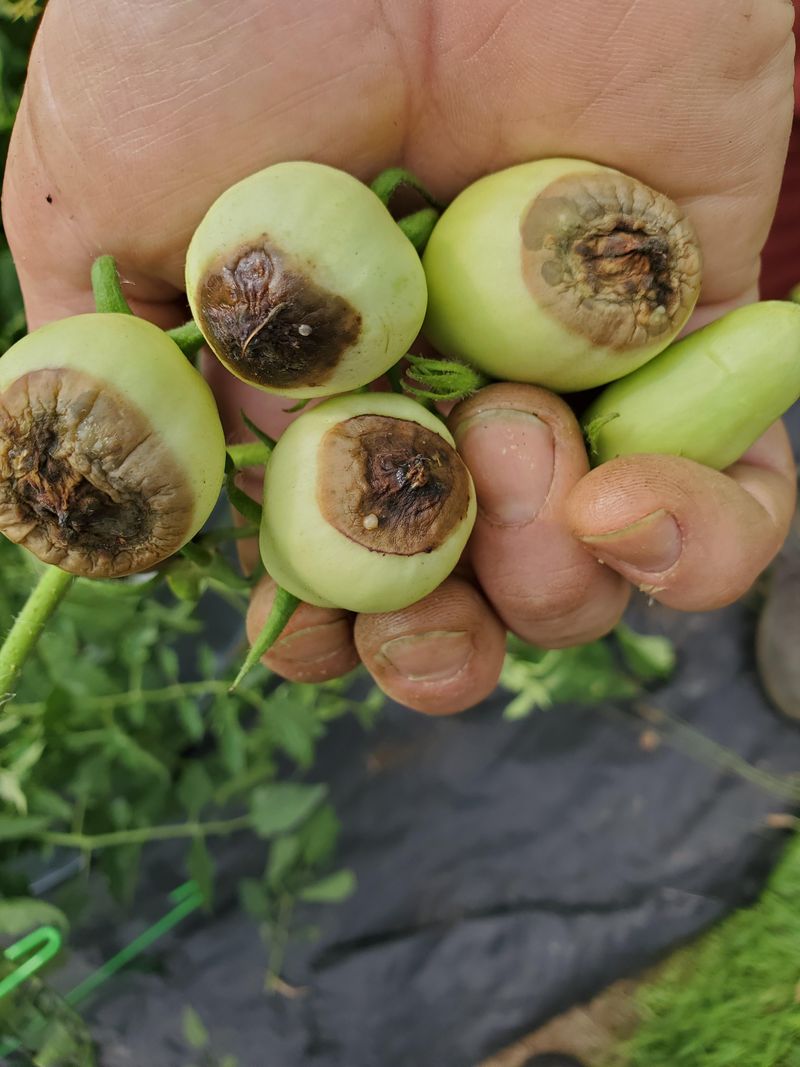
One bad tomato really can spoil the bunch. Gardeners have known this for generations, and it rings especially true when fruit sits packed together in a bucket or deep box. A single soft spot can turn into a whole pile of trouble in just a few days.
Crowding creates the perfect hideout for moisture. When tomatoes touch, damp pockets form where their skins meet, and air cannot move through to dry them out. Those warm, humid gaps give mold spores a cozy place to settle.
Rot also spreads by contact. Once one tomato begins leaking juice, the liquid can drip onto neighbors below and carry germs with it. Fuzzy mold may even creep across from one fruit to the next like ivy climbing a fence.
Stacking makes everything worse. The weight of the top layers presses down on the tomatoes underneath, causing bruises that are hard to spot until they turn soft. Hidden fruit at the bottom is also easy to forget until a sour smell gives it away.
The solution is refreshingly simple. Spread tomatoes out in a single layer on a tray, shelf, or flat cardboard box, with a little space between each one.
Some gardeners wrap each fruit loosely in newspaper, which adds a small barrier and soaks up moisture.
Giving each tomato its own personal space may take up more room on your shelves. Still, the reward is worth it.
More fruit ripens, less ends up in the compost pile, and checking your harvest becomes much quicker.
7. Storing Ripe And Unripe Fruit Together Can Complicate The Process
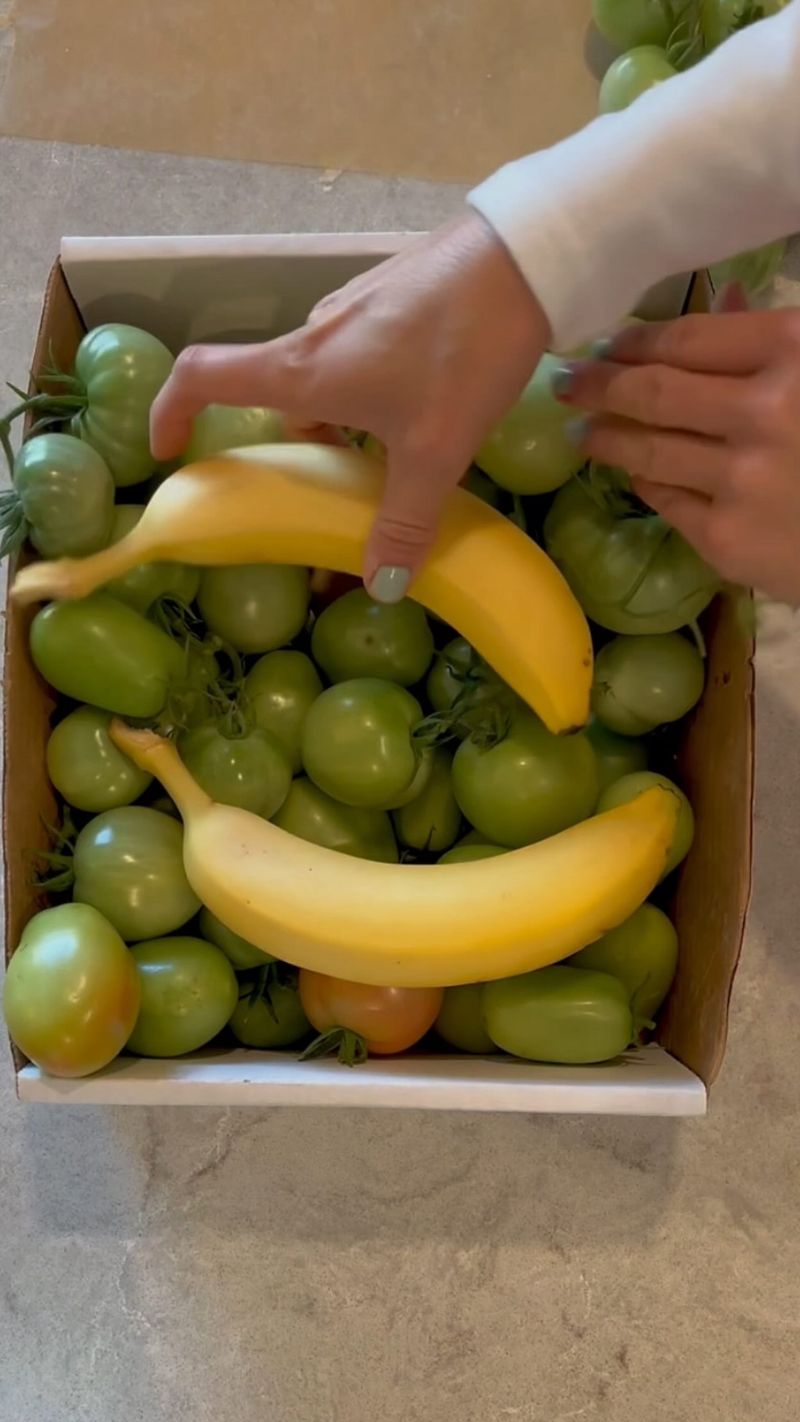
Nature has a clever trick up its sleeve, because ripe fruit helps other fruit ripen. Tomatoes, bananas, and apples all release ethylene, a colorless gas that works like a signal telling nearby fruit it is time to change.
Gardeners have used this natural boost for generations. Tucking a ripe tomato or banana into a paper bag or box with a few green tomatoes can speed things up. The gas builds up around the fruit, nudging it toward red.
For many home gardeners, that setup cuts days off the waiting time. The catch is that ripe fruit does not stay perfect forever. As it gets older, it softens, and soft fruit is more likely to leak, grow mold, or attract fruit flies.
When that happens right next to your green tomatoes, the problem can spread quickly. Overripe fruit also keeps pumping out ethylene. Too much of it may push tomatoes that are already turning to soften faster than you can use them.
Mixing many stages together can make it harder to track what needs eating now and what still needs time.
A little planning keeps things running smoothly. Use just one ripe fruit per bag or small box, and swap it out once it starts to soften. Keep the bag loosely closed so moisture can escape.
Sorting also helps. Group tomatoes by ripeness, keeping the greenest ones together and the pink ones in a separate spot. Check every couple of days and pull out anything with soft patches, leaks, or mold.
8. Check Stored Tomatoes Regularly
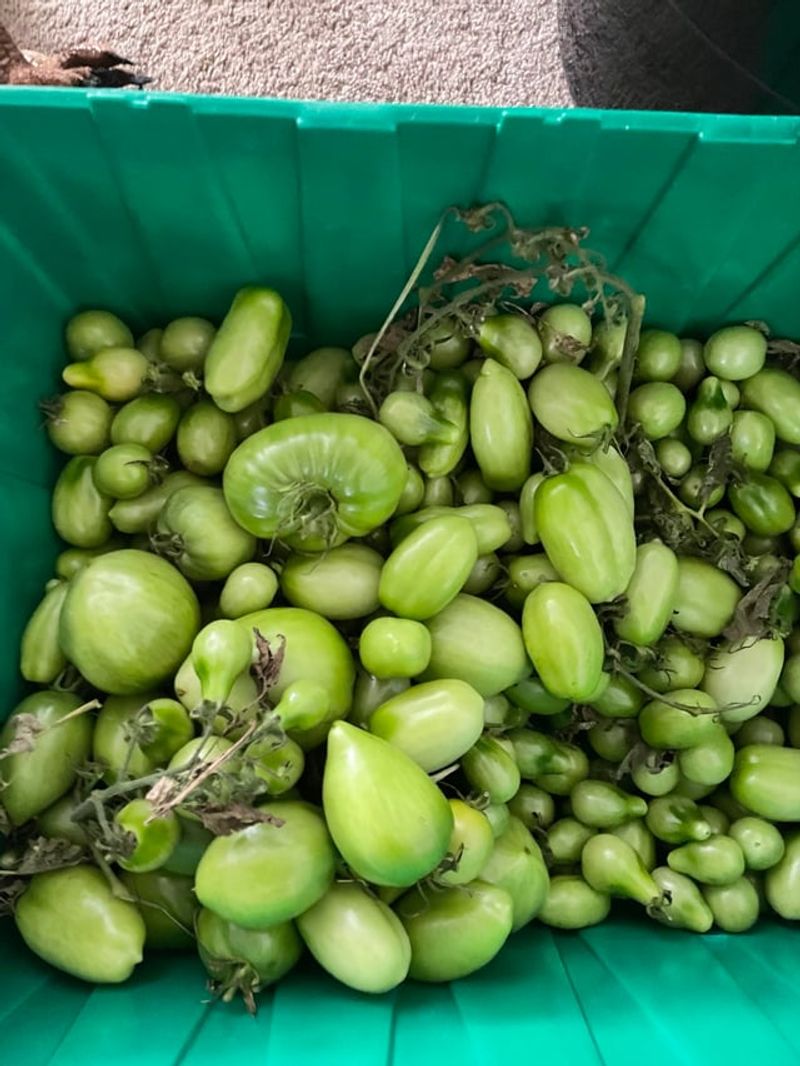
Think of your tomato tray like a classroom that needs a quick head count. A fast look every two or three days can save most of your harvest from spoiling. Skip a week, and a small problem may spread into a big mess.
North Carolina’s humid fall weather makes regular checks extra important. Moisture in the air helps mold grow faster, especially in older homes, basements, and rooms without much airflow.
Catching trouble early is the easiest way to stay ahead of it. During each check, pick up every tomato and look it over from all sides. Press gently to feel for soft spots, and flip it to inspect the bottom, where hidden damage often starts.
Watch for white or gray fuzz, dark patches, wrinkled skin, leaking juice, or a sour smell. Remove any fruit that shows those signs right away. If only a small area is affected and the rest looks firm, you can trim it and cook it that day.
Anything moldy or mushy should go straight to the compost. Location matters as much as timing. Keep healthy tomatoes in a dry, well-ventilated spot at room temperature, out of direct sunlight.
Bright sun on a windowsill can overheat fruit and cause uneven color, and tomatoes actually ripen from the inside, so they do not need light to turn red.
Setting a simple reminder on your phone or calendar can help you stay on track. With steady attention, a basket of green fruit can turn into weeks of homegrown flavor long after frost ends the garden season.