This Invasive Shrub Is Quietly Taking Over Pennsylvania Woods
Every spring, one shrub in the forest leafs out weeks before almost anything else around it. Those early leaves throw shade on wildflowers and young trees before they even wake up.
I used to walk right past it on Pennsylvania trails. It looked like harmless green filler, the kind of plant nobody notices. Then I learned it was brought over from Asia as a garden plant and quietly escaped into the woods.
Believe it or not, birds help it spread. They gobble its bright red berries in fall and drop the seeds far from home. One plant can turn into a thicket that hides the forest floor.
You have probably seen it too, maybe along a fence line or a park path. The most interesting part? Once you learn its secret, you will spot it everywhere. So which shrub is it?
That Early Green Shrub In The Spring Woods Has A Name
Walk through a Pennsylvania forest in late March, and you may notice one shrub already wearing a full coat of green leaves.
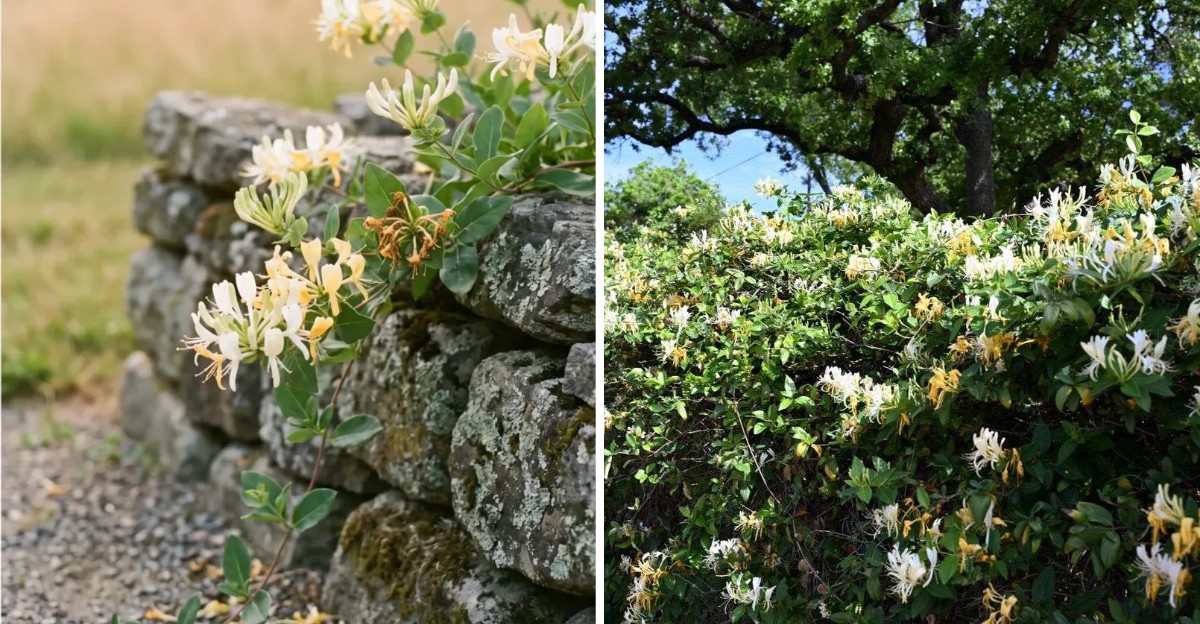
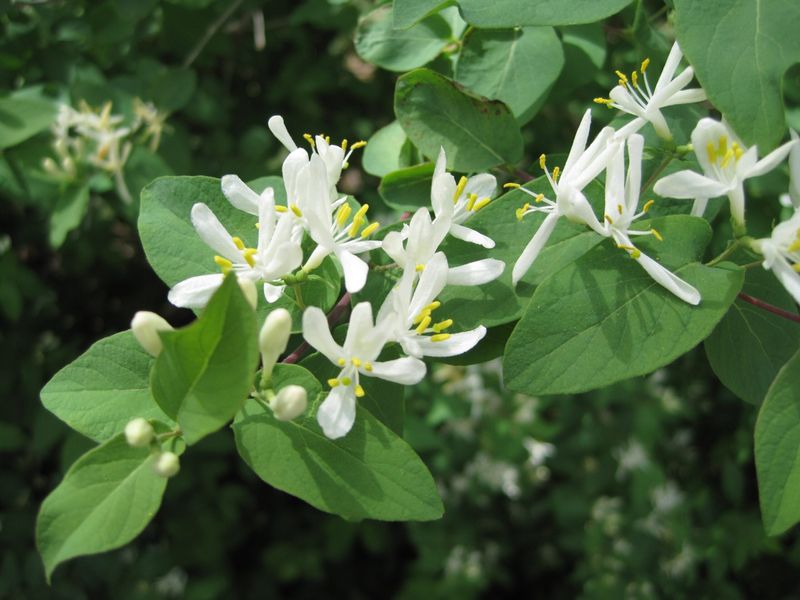
That early riser is usually bush honeysuckle, a group of Asian shrubs that includes Amur, Morrow’s, Tatarian, and Bell’s honeysuckle.
These plants were sold for decades as hedges, wildlife food, and erosion control. They seemed like a smart choice at the time.
Now Penn State Extension and the state Department of Conservation and Natural Resources list them among the most widespread invasive shrubs in the state.
Bush honeysuckle grows 6 to 15 feet tall with arching branches. Its leaves sit in pairs along the stems. In late spring it makes sweet-smelling white or yellow flowers, followed by shiny red berries in late summer and fall.
Personally, I find the early green leaves the easiest clue. Native shrubs are often still bare when honeysuckle is already busy making food from the sun.
It also holds its leaves late into fall. That gives it a longer growing season than many native plants. Extra weeks of growth add up year after year, and that quiet advantage explains why it spreads so well.
Snap A Honeysuckle Stem And Look For The Hollow Center
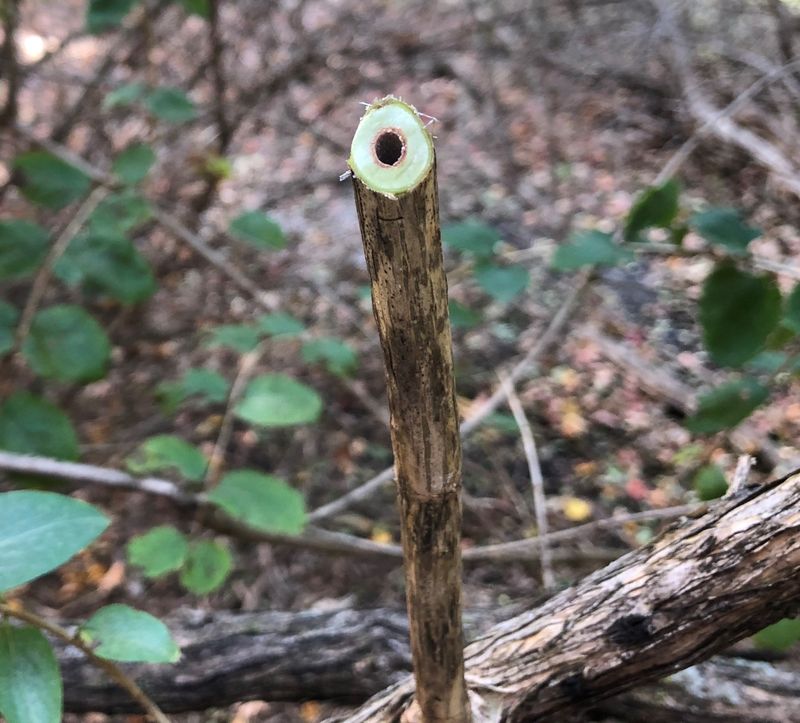
Grab a pair of pruners and you can confirm your suspicion in seconds. Cut an older branch of the shrub and peek inside. Invasive bush honeysuckles have a hollow center, often light brown or white.
That one clue helps a lot. Native look-alikes, like our native northern bush honeysuckle (Diervilla) or native Lonicera species, often have solid white centers or very different growth habits. Here are a few other features to check:
Leaves are oval, 1 to 3 inches long, and grow opposite each other on the stem. Bark on older stems is tan or gray and often shaggy or peeling in strips. Berries are red or orange-red, usually in pairs where the leaf meets the stem.
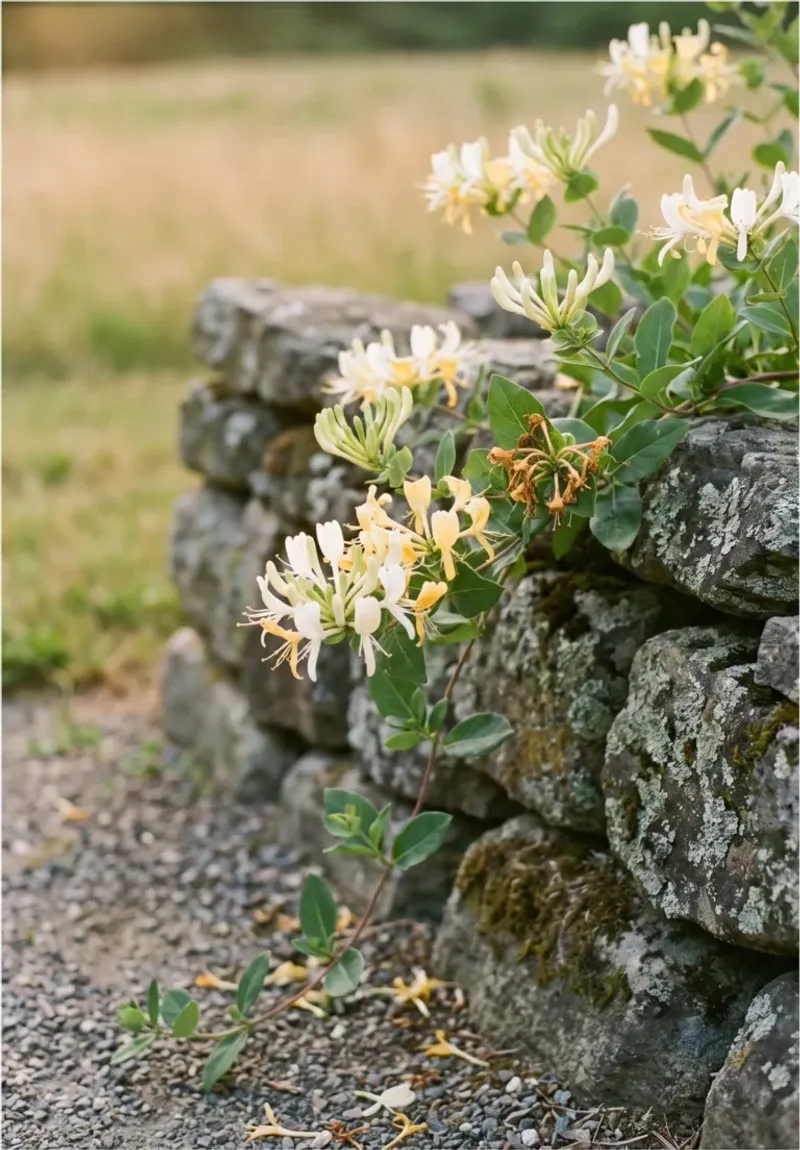
You also want to rule out invasive Japanese honeysuckle. That one is a vine, not a shrub, so it twines around other plants instead of standing upright.
Take photos of the leaves, bark, and berries if you are unsure. Free apps like iNaturalist can help, and your county Penn State Extension office can confirm an ID. Getting it right first saves you from pulling out a helpful native shrub by mistake.
Shady Honeysuckle Thickets Crowd Out Spring Wildflowers
Spring ephemerals like trillium, bloodroot, and spring beauty have a tight schedule. They bloom and gather sunlight in the short window before trees leaf out. Bush honeysuckle steals that window.
Because the shrub greens up so early, it shades the ground right when these wildflowers need light the most. Over time, research has linked dense honeysuckle to fewer native wildflowers and fewer young tree seedlings.
Some studies also suggest the plant may release chemicals that slow the growth of nearby plants. Scientists are still studying how strong that effect is in real forests, so shade remains the clearer problem.
The result can be a forest that looks green but feels empty underneath. You may notice fewer flowers, fewer ferns, and fewer oak or maple saplings coming up.
I can’t imagine a spring walk without trillium, and that thought keeps me pulling honeysuckle every year.
Young trees matter too. If they cannot grow, the forest has trouble replacing older trees as they age and fall.
Thickets also make woods harder to walk through. Hikers, hunters, and landowners often notice trails narrowing as the shrub fills in gaps along edges and openings.
Those Bright Red Honeysuckle Berries Feed Birds Poorly
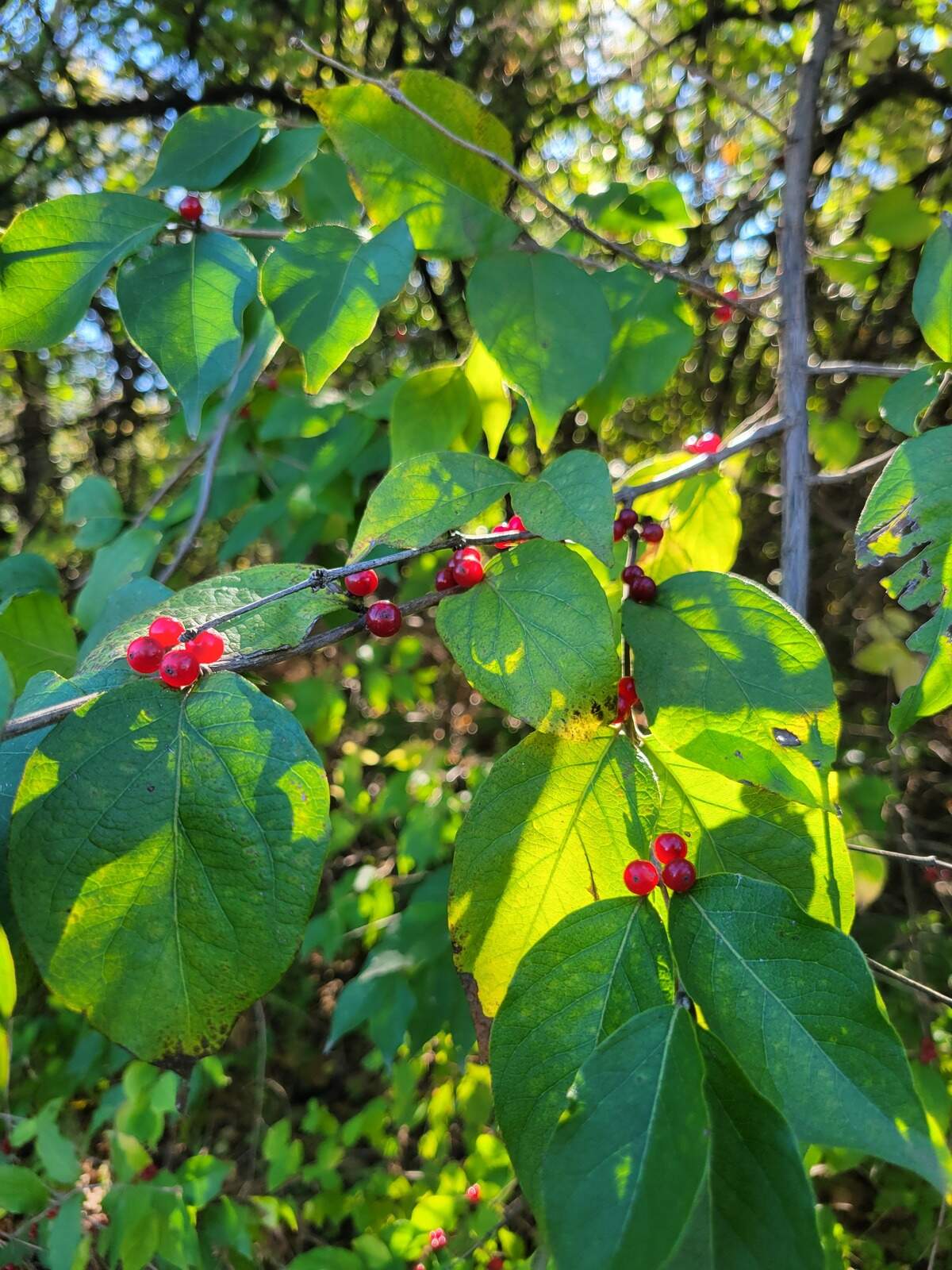
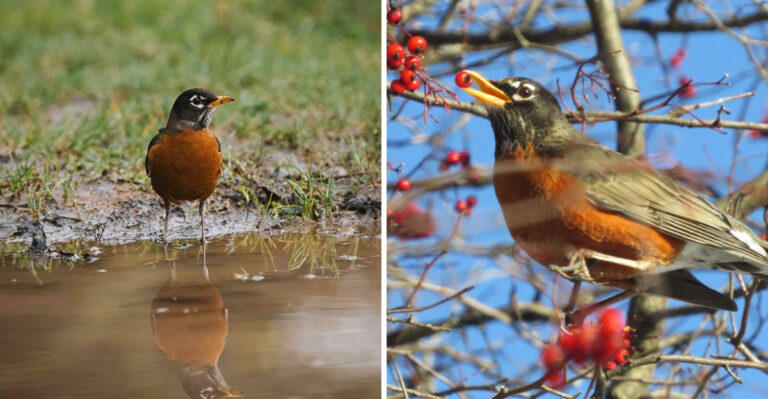
Robins and catbirds love those glossy red berries. At first that sounds like a win for wildlife. The catch is that honeysuckle berries are mostly sugar and water, with less fat than many native fruits.
Birds getting ready for fall migration need high-fat fuel. Native shrubs like spicebush, dogwoods, and arrowwood viburnum offer richer berries that help birds build energy reserves.
Here’s a fun twist that surprised me. Some studies found that cedar waxwings eating Morrow’s honeysuckle berries developed orange tail tips instead of yellow, thanks to pigments in the fruit.
Nest safety is another concern. Research in Illinois found robins nesting in honeysuckle had more nest predation, likely because the branches are low and easy for raccoons and cats to reach.
Deer also play a part. They tend to skip honeysuckle and browse native plants instead, which gives the invader even more room.
Birds still spread the seeds wherever they perch, along fences, roads, and forest edges. So every berry-heavy shrub becomes a seed source for new thickets. Removing plants before berries ripen helps cut that cycle down.
Pull Young Honeysuckle Seedlings When The Soil Is Soft
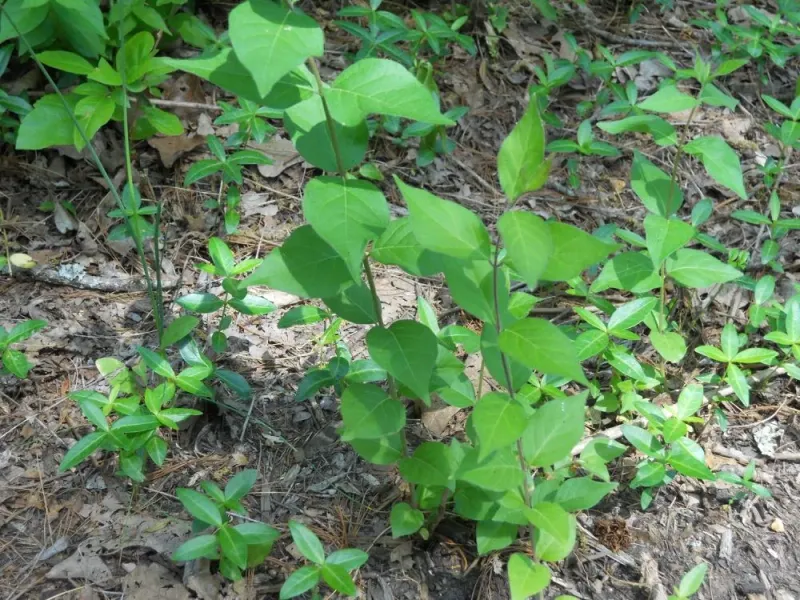
Small plants are the easiest win in this whole project. Seedlings and shrubs under about 3 feet tall can often be pulled by hand, roots and all.
Timing makes a big difference. Try pulling after a soaking rain, when the soil is loose. Grip the stem low and pull slowly so the root comes out in one piece.
For medium shrubs, a tool called a weed wrench or root puller gives you leverage. It clamps onto the base and pops the root out of the ground. Many parks and conservation groups lend these out.
You’ll love how easy early spring and late fall make this. Honeysuckle is green while most native plants are bare, so it practically waves at you.
Tamp the soil back down after pulling. Bare, disturbed ground invites new seeds, including more honeysuckle.
Bag or pile pulled plants where roots cannot touch soil, since they can resprout. If berries are present, bag them so birds do not carry them off.
Plan to return next year. Seeds in the soil can sprout for a while, so follow-up visits keep your hard work paying off.
Big Honeysuckle Shrubs Need A Cut Stump Treatment
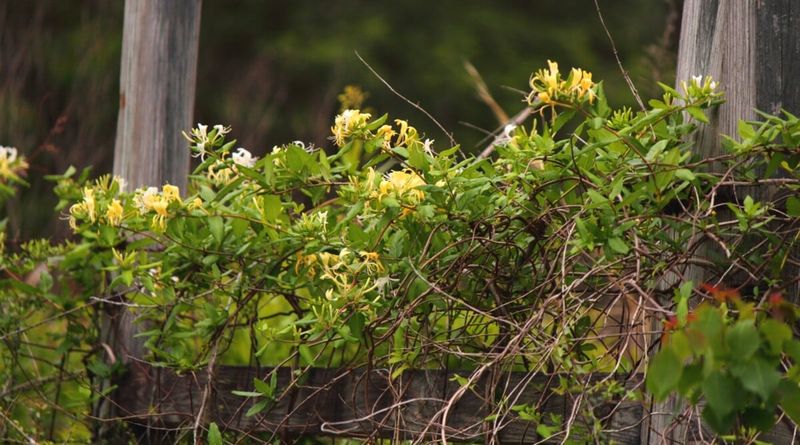
Cutting a big honeysuckle down feels great for about one season. Then it sends up a bushy crowd of new sprouts from the stump. Penn State Extension notes that cutting alone usually leads to regrowth.
The common fix is a cut stump treatment. You cut the stems close to the ground, then right away paint the fresh cut with a herbicide such as glyphosate or triclopyr. The plant pulls the product down into its roots.
Fall is often the best season for this. Plants are moving energy down to their roots, which helps the treatment work better. Late summer through early winter usually works well in Pennsylvania.
Read and follow every label direction. Wear gloves and eye protection, treat only on calm, dry days, and use extra care near streams.
Prefer to skip chemicals? Repeated cutting several times a year can wear a shrub down, though it takes patience and several seasons.
Goats are another option some landowners try. They browse the leaves and sprouts, but they also eat native plants, so they work best with planning. Hiring a licensed applicator is wise for large infestations.
Spicebush And Native Viburnums Can Fill The Empty Spots
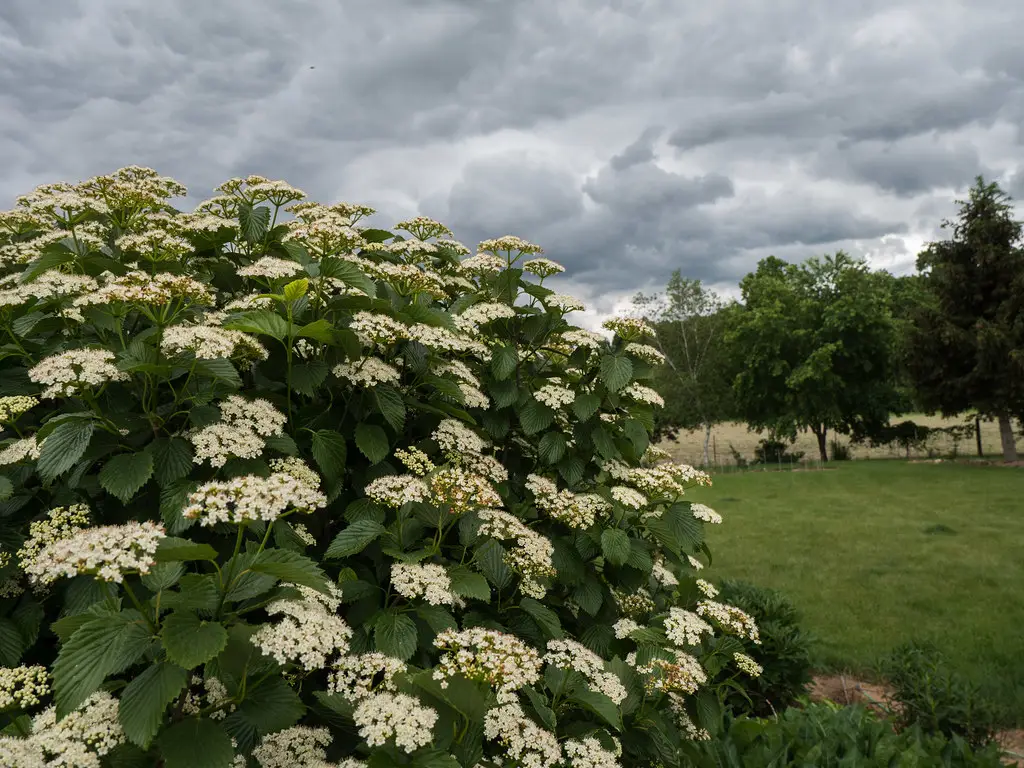
Clearing honeysuckle leaves a gap, and nature hates an empty space. If you do not fill it, another invasive plant like multiflora rose or Japanese barberry may move right in.
Native shrubs make excellent replacements. Spicebush is one of my favorites for shady spots.
It blooms with tiny yellow flowers in early spring and feeds spicebush swallowtail caterpillars. Other strong choices for Pennsylvania include:
Arrowwood viburnum and blackhaw viburnum, with blue or dark berries birds enjoy. Gray dogwood and silky dogwood, which handle wetter or edge areas.
Winterberry holly, with red berries that brighten winter. Serviceberry, a small tree with early white blossoms and tasty summer fruit.
Plant in spring or fall when temperatures are mild and rain is more reliable. Water new shrubs regularly through their first summer.
Deer can be tough on young plants. A simple wire cage or tree tube for the first few years helps a lot.
Check with native plant nurseries or your county conservation district. Many hold spring sales with local shrubs at friendly prices.
Your Backyard Honeysuckle Hedge Matters More Than You Think
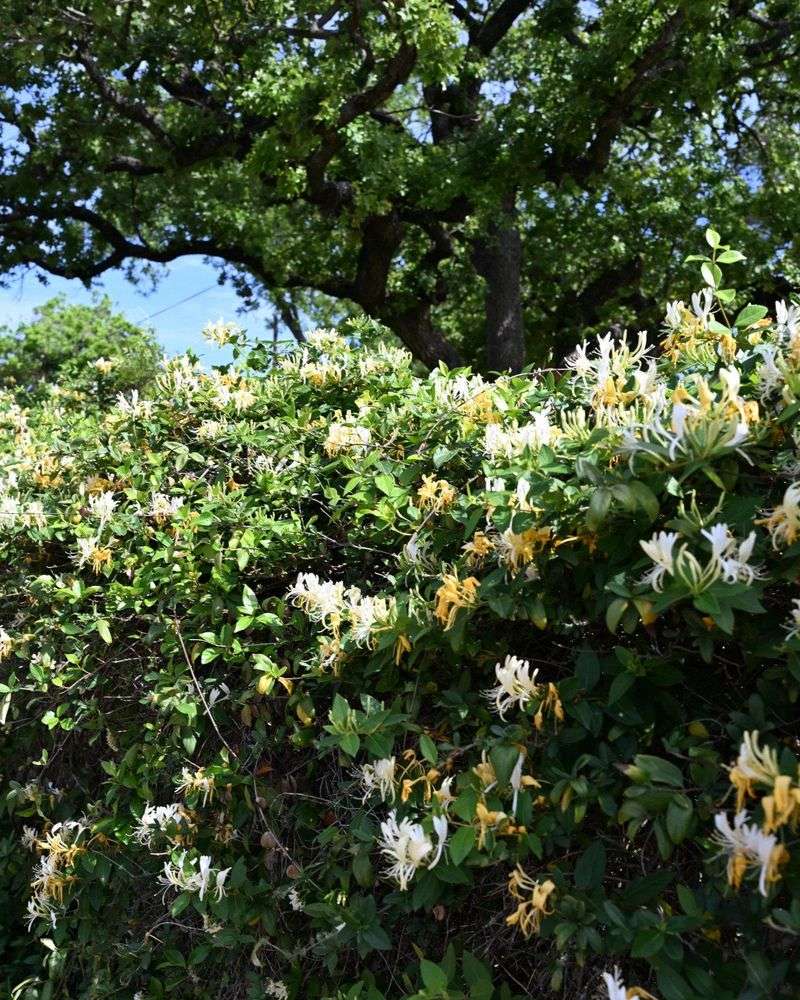
Forests rarely get invaded from the middle first. Seeds often start in yards, roadsides, and old hedges, then birds carry them into nearby woods.
Bush honeysuckle is on Pennsylvania’s Noxious Weed Control List? Not quite. Most bush honeysuckles are listed by the state Department of Conservation and Natural Resources as invasive, but rules on selling them have changed over time.
Check the Pennsylvania Department of Agriculture’s current lists before buying or sharing any shrub.
Either way, you should not plant it. If you already have a honeysuckle hedge, replacing it a few plants at a time keeps your privacy while cutting off a seed source.
Talk with neighbors, too. One cleared yard helps, but a whole street working together makes a much bigger dent.
Volunteer groups often hold invasive removal days in state parks and local preserves. They are a fun way to learn identification and swap tips with other gardeners.
I truly believe small steps add up here. Pull a seedling, plant a spicebush, share what you learned. Next spring, when the woods turn green early, you will know exactly what to look for.