This Is How To Grow Rosemary Hedge In Florida
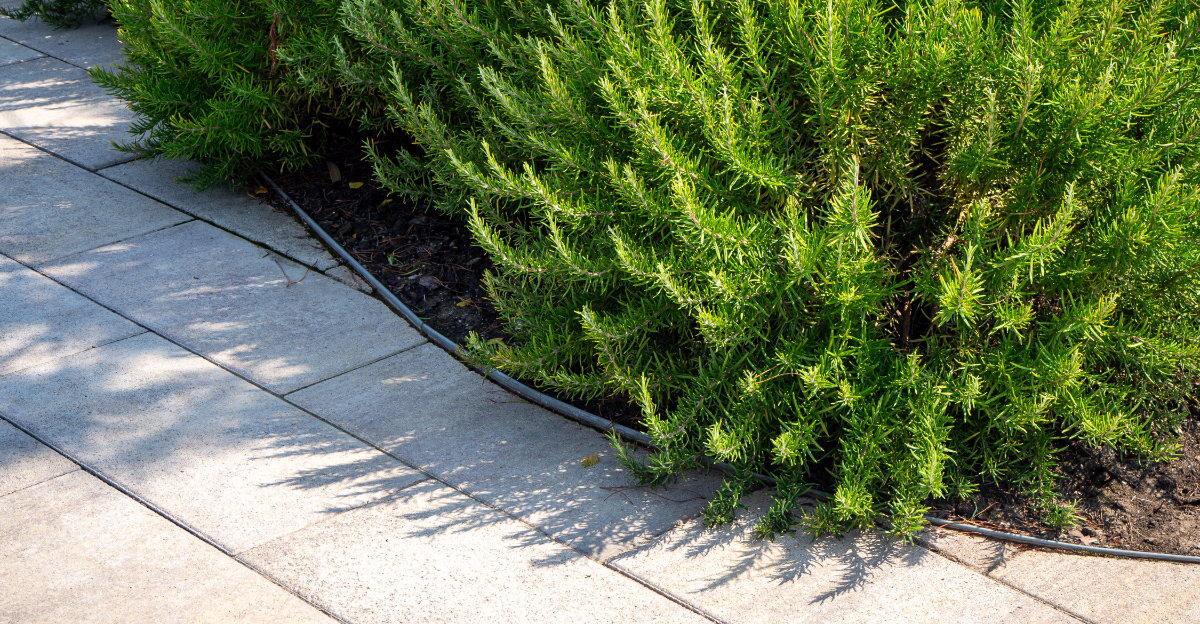
Rosemary is one of those plants that looks like it belongs on a Mediterranean hillside, and it turns out Florida’s heat and dry spells suit it just fine.
What most gardeners do not realize is that a single rosemary plant, managed with intention from day one, has the backbone to become a proper hedge.
Fragrant, structural, and tough enough to handle full sun without complaint. The catch is that rosemary grown as a hedge plays by different rules than rosemary grown in a pot or a casual garden bed.
Spacing, pruning timing, and soil drainage decide early on whether you end up with a dense, aromatic border or a collection of leggy shrubs that never quite connect. Florida’s climate actually gives rosemary more growing windows than most people expect.
Push it in the right direction from the start and this herb earns its place as one of the hardest working plants on the property.
1. Start With The Right Rosemary Variety
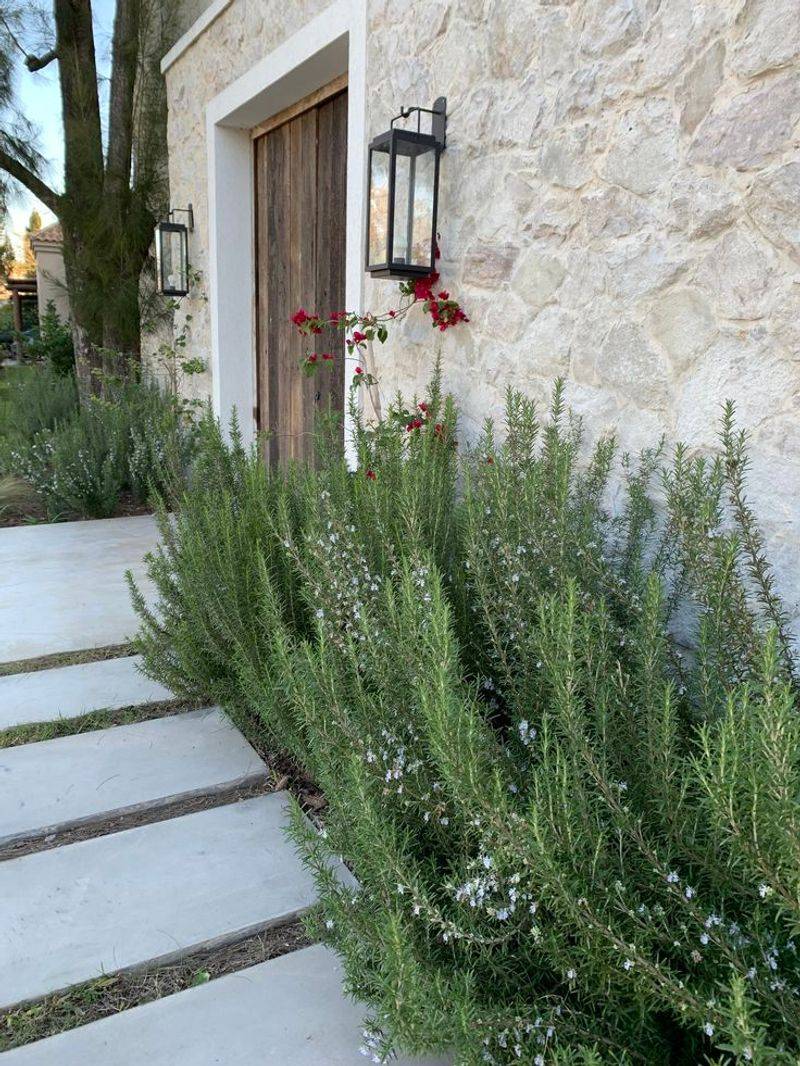
A hedge starts with the plant’s natural shape, and not every rosemary grows the same way. Some types spread low and trail along the ground, which looks lovely in a rock garden but will never build the kind of upright structure you want for a hedge.
Upright-growing rosemary types are usually the better choice when your goal is a tidy, vertical border that holds its shape over time.
Before you buy, check the mature size listed on the plant tag or ask your local nursery staff. Some upright varieties stay compact and work well along a short patio edge.
Others can grow several feet tall and wide, which makes them better suited for a longer property border or a more substantial screen. Choosing a plant whose mature habit matches your space saves a lot of corrective pruning later.
Local availability matters more than it might seem. A variety that performs beautifully in a gardening book written for the Pacific Coast may not be easy to find at your nearest garden center.
It is worth checking what is stocked locally, since nurseries in warm regions tend to carry varieties that have already shown some tolerance for heat and humidity.
Growth habit and mature width are your two most useful guides when selecting a variety for hedge use. An upright type that naturally branches well from the base will fill in more evenly than one that tends to grow tall and leggy.
When you shop, look for young plants that already show multiple stems coming up from the base. That structure is a good sign the plant will bush out and form a solid hedge shape as it matures.
2. Choose A Sunny Spot With Fast Drainage
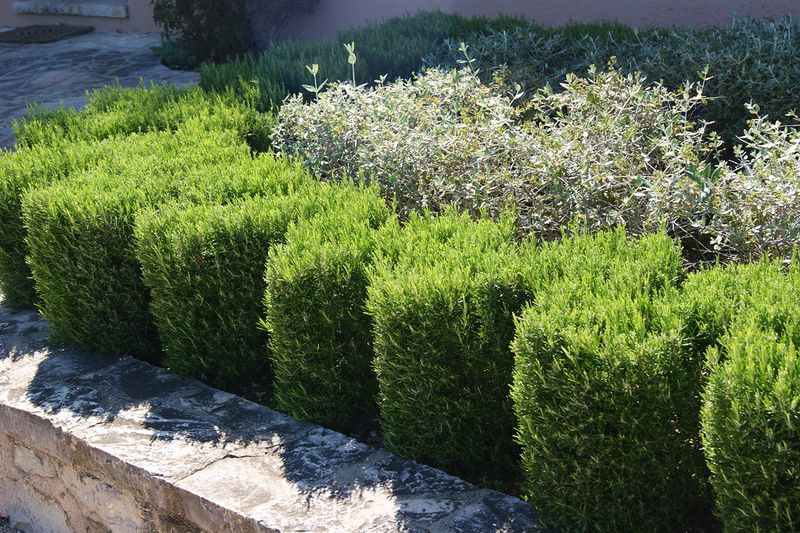
The best rosemary spot is usually the driest sunny one you have. Rosemary comes from the rocky coastal hillsides of the Mediterranean, where the soil drains fast and the sun is strong for most of the day.
Trying to grow it in shade or in heavy, moisture-holding soil works against everything the plant is built to handle.
Your Florida Garden Changes Every Week. Your Plan Should Too.
Gardening in Florida changes quickly throughout the season. Every Friday you’ll receive a simple weekly plan showing exactly what to plant, prune, fertilize, harvest, and protect so you never miss the right timing.
Strong sun is non-negotiable. Rosemary generally needs at least six hours of direct sunlight each day to grow well and stay compact.
Strong sun also helps it resist the kind of fungal problems that wet and shaded conditions encourage. South-facing and west-facing spots along a fence or walkway are often ideal.
Areas under eaves, near large trees, or in spots that collect shade in the afternoon are usually poor choices.
Drainage matters just as much as sun, especially during the rainy season when the ground can stay wet for days at a time. Heavy clay-like soil that holds water around the roots is one of the most common reasons rosemary struggles in warm, humid regions.
Sandy soil, on the other hand, drains quickly and tends to suit rosemary well.
If your native soil is heavy or stays soggy, a raised bed or a gentle slope can make a real difference. Raising the planting area by even several inches helps water move away from the root zone more quickly.
Containers also work well and give you the added advantage of moving plants if needed. Avoid spots near roof runoff, downspouts, or low areas where rainwater pools after a storm.
Those locations may look fine during dry weather but can cause serious root problems once the wet season arrives.
3. Space Plants For A Full But Airy Hedge
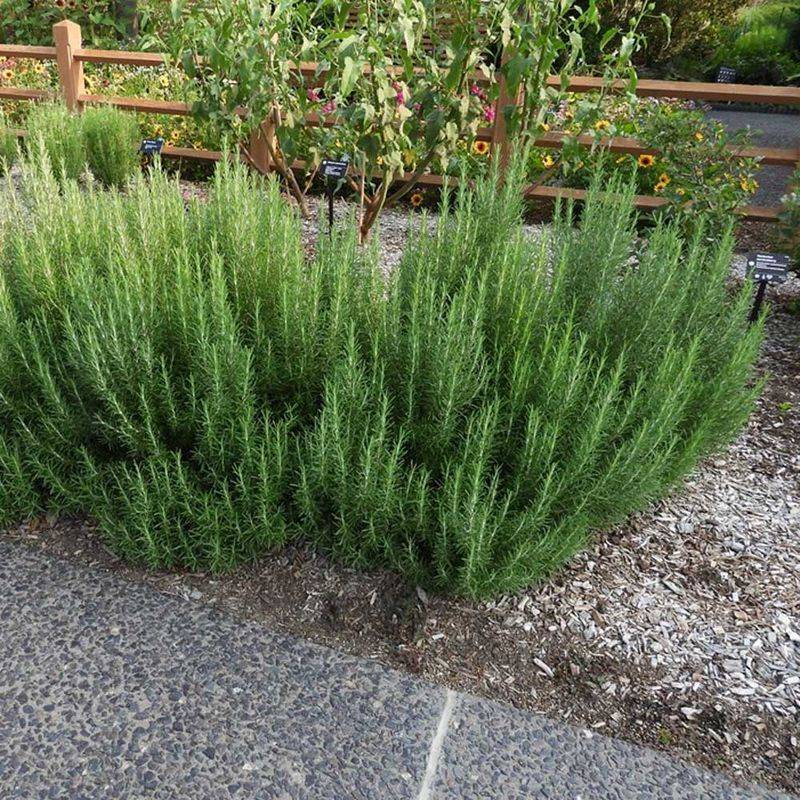
Crowding looks helpful at first because the hedge fills in faster, but tight spacing can create real problems once plants mature.
When rosemary stems are packed too close together, airflow between them drops, moisture lingers in the canopy, and humid weather becomes much harder on the plants.
Giving each rosemary enough room to breathe is one of the simplest ways to keep the hedge healthy through a long, wet summer.
The right spacing depends on the variety you choose, the style of hedge you want, and how patient you are willing to be. A more formal, clipped hedge may allow slightly closer spacing since regular trimming keeps plants from overlapping too much.
A relaxed, natural-looking hedge often benefits from wider spacing that lets each plant express its full width without competing with its neighbors.
The mature width listed for your chosen variety is a practical starting point. If a cultivar is described as reaching three feet wide at maturity, space plants two and a half to three feet apart.
This allows them to eventually meet without pressing tightly against each other. Checking that mature width before planting helps you avoid the frustration of a hedge that either takes forever to fill in or becomes a dense, airless wall.
Keep in mind that spacing is not just about the plants touching each other. It is also about how the hedge sits in relation to nearby structures, pathways, and other plantings.
Rosemary planted too close to a wall or fence may not get enough airflow on one side. Leaving a little extra room between the hedge and any solid structure gives air a path through and around the planting.
That can help during the most humid months of the year.
4. Water Deeply While The Hedge Gets Established
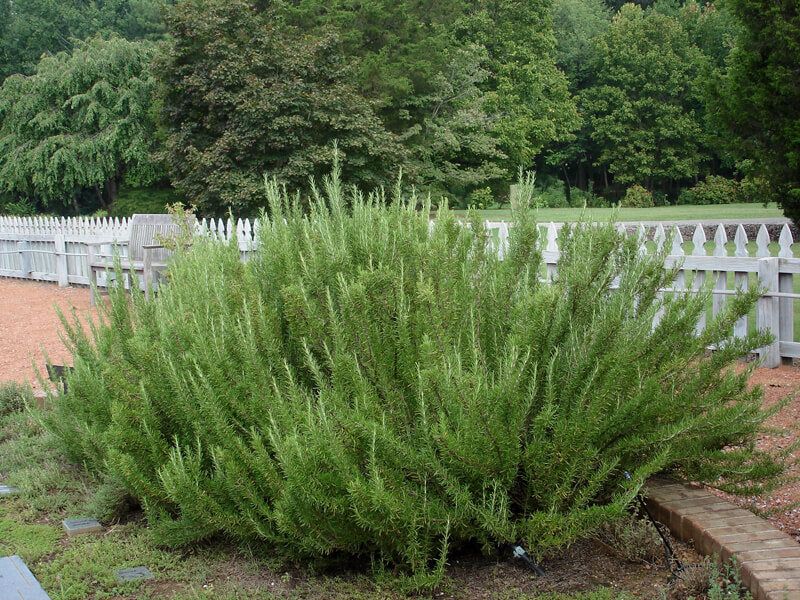
New hedges need a different watering plan than established ones, and rosemary is no exception to that rule. A freshly planted rosemary has not yet pushed roots deep into the surrounding soil.
That means it depends on what you give it until the root system spreads out and anchors itself. Skipping water too soon can stress young plants before they have a real chance to settle in.
During the first several weeks after planting, watering deeply and consistently gives roots the encouragement they need to grow outward and downward. Deep watering means moistening the soil well below the surface, not just wetting the top inch or two.
When water reaches deeper into the soil profile, roots follow it down, and a deeper root system is more resilient once the establishment period ends.
The key is letting the soil begin to dry out between waterings rather than keeping it constantly moist. Rosemary roots sitting in wet soil for long stretches are vulnerable to rot, even during the establishment phase.
Check the soil a few inches down before watering again. If it still feels damp, wait another day or two before adding more water.
Once the hedge is established, usually after several months of healthy new growth, you can ease back on irrigation significantly.
Established rosemary in well-drained soil is quite drought-tolerant and often does fine on rainfall alone during much of the year in warm regions.
Overwatering a mature rosemary hedge is actually more of a concern than underwatering.
As the hedge matures and settles into its spot, shift your mindset from frequent watering to occasional deep watering.
5. Prune Lightly To Build Dense Growth
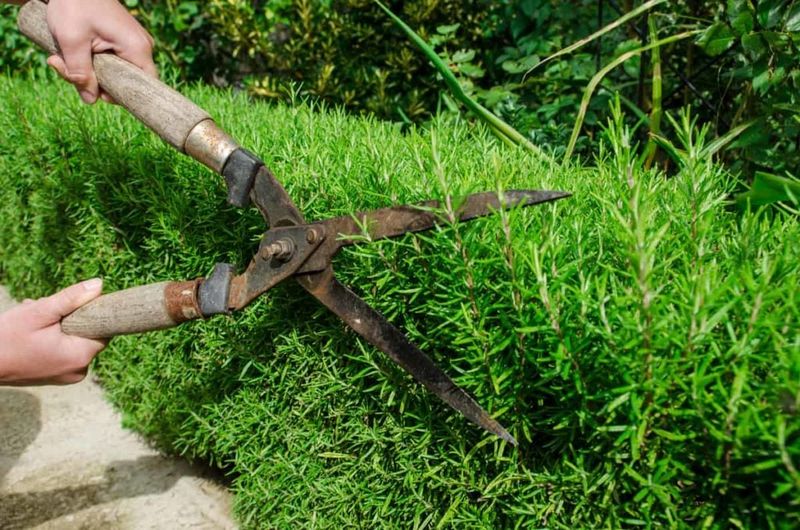
A little trimming does more than one big cut when it comes to building a dense, well-shaped rosemary hedge. Light, regular pruning encourages the plant to branch more freely.
That is exactly what you want when you are trying to create a full, leafy wall instead of a few tall, sparse stems. Waiting too long between cuts and then taking off large amounts at once tends to produce a less attractive result.
The best approach is to trim the soft, green growing tips rather than cutting back into the older, woody parts of the stem. Rosemary tends to struggle when hard cuts are made deep into mature wood, since that older tissue does not always push new growth reliably.
Staying in the green, flexible portion of the stem keeps the plant responding well and branching back quickly after each trim.
Shaping gradually over several sessions gives you more control than trying to achieve the perfect hedge outline in one pass. You can use clean hand pruners or hedge shears depending on the size of your hedge.
Keep your cuts even and consistent so the top and sides of the hedge develop a uniform look over time. Uneven cuts tend to become more noticeable as the hedge fills in.
One practical bonus of light, regular trimming is that those small sprigs you remove are perfectly usable in the kitchen. Fresh rosemary harvested during a routine shaping session has full flavor and can go straight into roasting pans, marinades, or herb blends.
Harvesting from the hedge as you shape it keeps the routine feeling rewarding rather than like a chore. It also gives you a steady supply of fresh herb without ever needing to buy a separate plant just for cooking.
6. Protect Rosemary From Humidity And Wet Soil
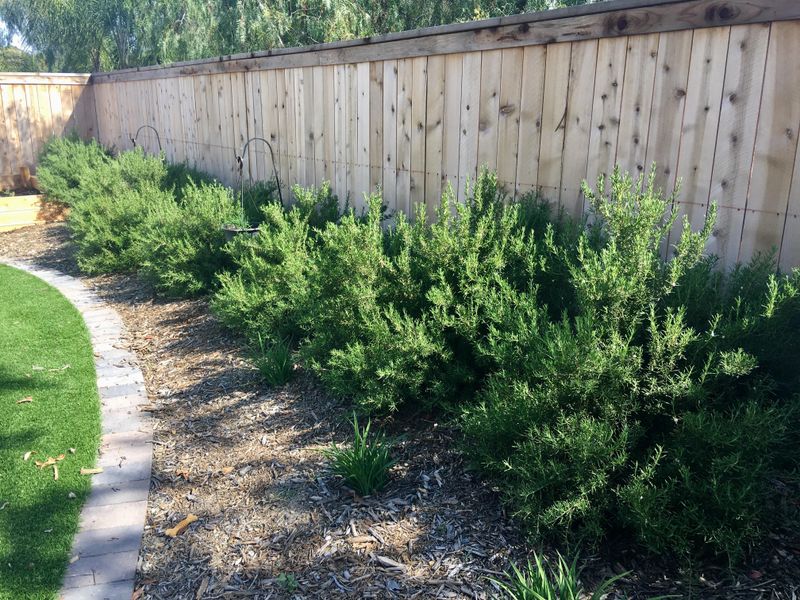
Humidity is the part Florida gardeners often underestimate when they first plant rosemary in a warm, wet region. The plant can handle heat reasonably well once established.
However, sustained humidity combined with poor airflow and wet soil is a much harder combination for it to push through. Understanding that challenge upfront helps you make smarter choices about where and how you plant.
Good airflow through and around the hedge is one of your best defenses. Wide enough spacing between plants, a sunny open location, and avoiding overhead irrigation all help reduce the amount of moisture that lingers on leaves and stems.
Drip irrigation or soaker hoses that deliver water directly to the root zone rather than over the foliage keep the canopy drier during the wet season.
Soil drainage remains critical all year, but it becomes especially important during the summer rainy period when the ground can stay saturated for extended stretches.
Raised beds, slopes, and sandy planting areas continue to offer a real advantage during those months.
Mulching around the base of the plants can help moderate soil temperature and reduce weed pressure. Keep mulch pulled back slightly from the main stems to prevent moisture from concentrating right where the plant is most vulnerable.
Regional differences across the state are worth keeping in mind. Gardeners in northern areas of the state may enjoy cooler, drier winters.
That seasonal break from heat and humidity can often support stronger overall rosemary performance. Central areas typically need extra attention during the rainy and most humid periods of the year.
In southern areas, heat, humidity, and wet-season pressure can last the longest. Choosing the best-drained site available and maintaining excellent airflow around the hedge gives rosemary the strongest possible chance of thriving long-term.