This Is The Green Caterpillar Targeting Pennsylvania Fall Crops At An Alarming Rate
Pennsylvania fall gardens are finally hitting their stride. The brutal heat of summer has eased, the brassicas and leafy greens planted in late summer are growing strongly, and the harvest that months of planning and work have been building toward is almost within reach.
And then the damage starts appearing. Irregular holes in the leaves, tattered foliage on plants that looked fine just days ago, and somewhere in that damage, a caterpillar that’s very good at not being noticed until it’s already well ahead of you.
This green caterpillar is one of the most frustrating fall crop pests Pennsylvania gardeners face.
It blends in with the foliage it’s consuming, feeds quickly, and when populations are significant, can reduce a healthy fall brassica planting to something barely worth harvesting in a surprisingly short window of time.
The timing of its late season activity catches a lot of gardeners off guard precisely because the worst of pest season feels like it should be behind them by now.
It isn’t. Here’s what this caterpillar is, how to find it, and what actually stops it before your fall crop pays the price.
Cabbage Loopers Are Attacking Fall Brassicas
Fall gardens in Pennsylvania are facing a real threat right now, and it is coming from one of the smallest creatures in the field.
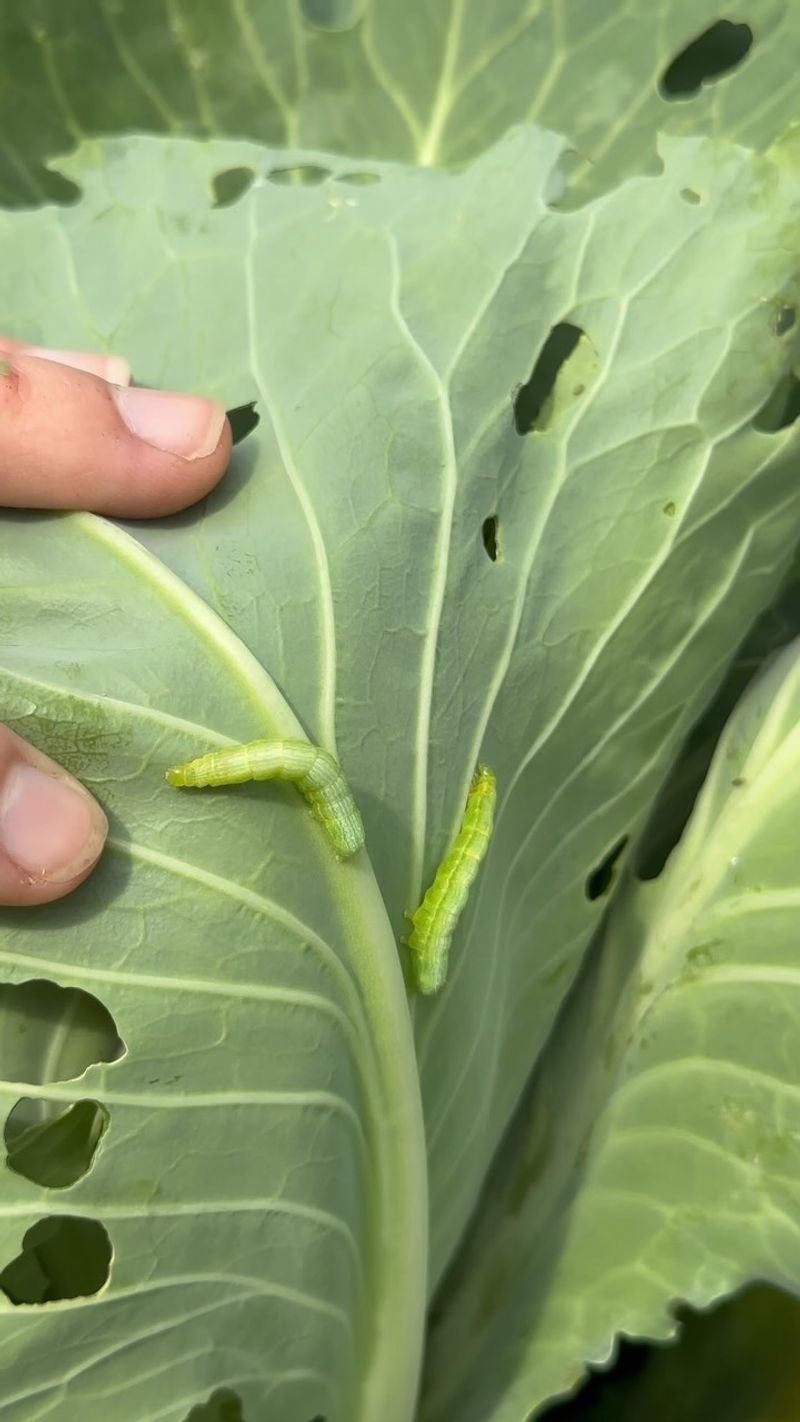
Cabbage loopers are feeding heavily on brassica crops this season, and growers are noticing the damage fast. These caterpillars zero in on some of the most popular fall vegetables around.
Cabbage, broccoli, kale, cauliflower, and collard greens are all on the menu for these hungry insects. They chew through leaf tissue without stopping, leaving behind ragged holes that grow larger every day.
A small group of loopers can strip a plant down to its stem if left unchecked for even a short time.
What makes cabbage loopers especially tricky is how quickly their population can grow. A single female moth can lay hundreds of eggs over her lifetime, and those eggs hatch into feeding caterpillars within days.
Before you know it, a garden that looked fine last week can look completely tattered. Fall crops like broccoli and cauliflower need their leaves to produce energy for forming tight, healthy heads. When the leaves are chewed up, the plant struggles to grow properly.
Growers who ignore early signs of feeding often end up with stunted or underdeveloped vegetables by harvest time.
Catching the problem early is the best move any gardener can make. Walk through your garden regularly and look closely at every plant.
The sooner you spot the loopers, the sooner you can take action and protect what you have worked so hard to grow this season.
Their Looping Crawl Makes Them Easy To Identify
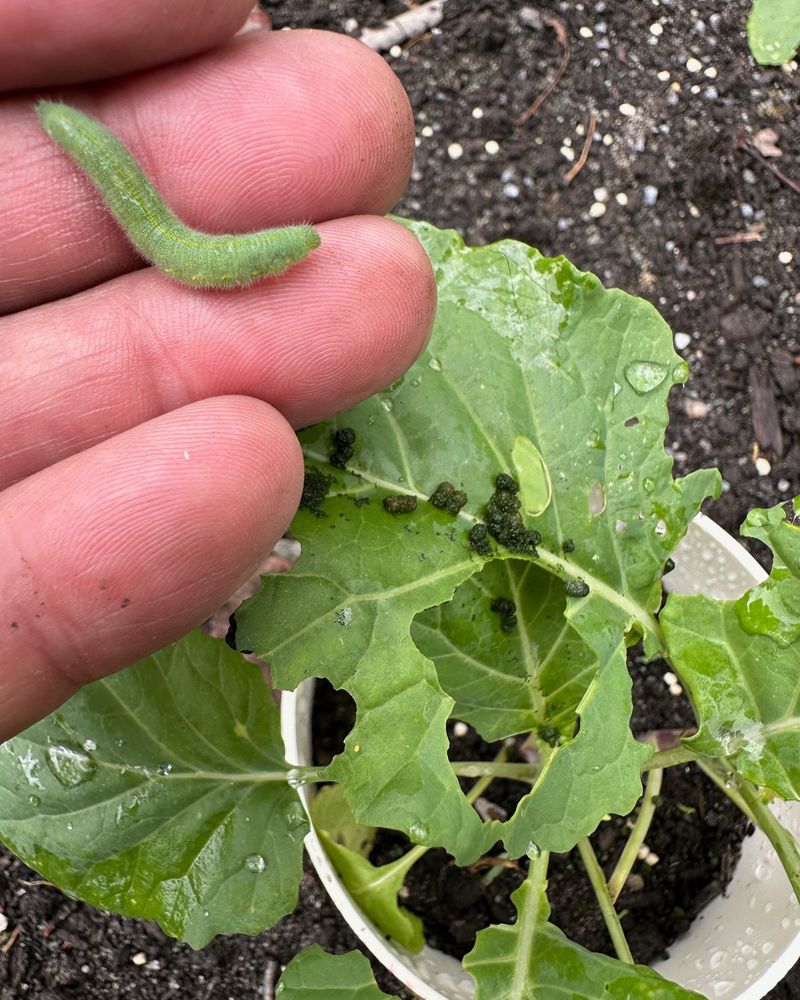
Spotting a cabbage looper for the first time can actually be a pretty interesting experience, even if it is bad news for your garden.
These caterpillars move in a way that looks completely different from most other insects crawling around your plants. Once you see the looping motion, you will never forget it.
Your Pennsylvania Garden Changes Every Week. Your Plan Should Too.
Gardening in Pennsylvania changes quickly throughout the season. Every Friday you’ll receive a simple weekly plan showing exactly what to plant, prune, fertilize, harvest, and protect so you never miss the right timing.
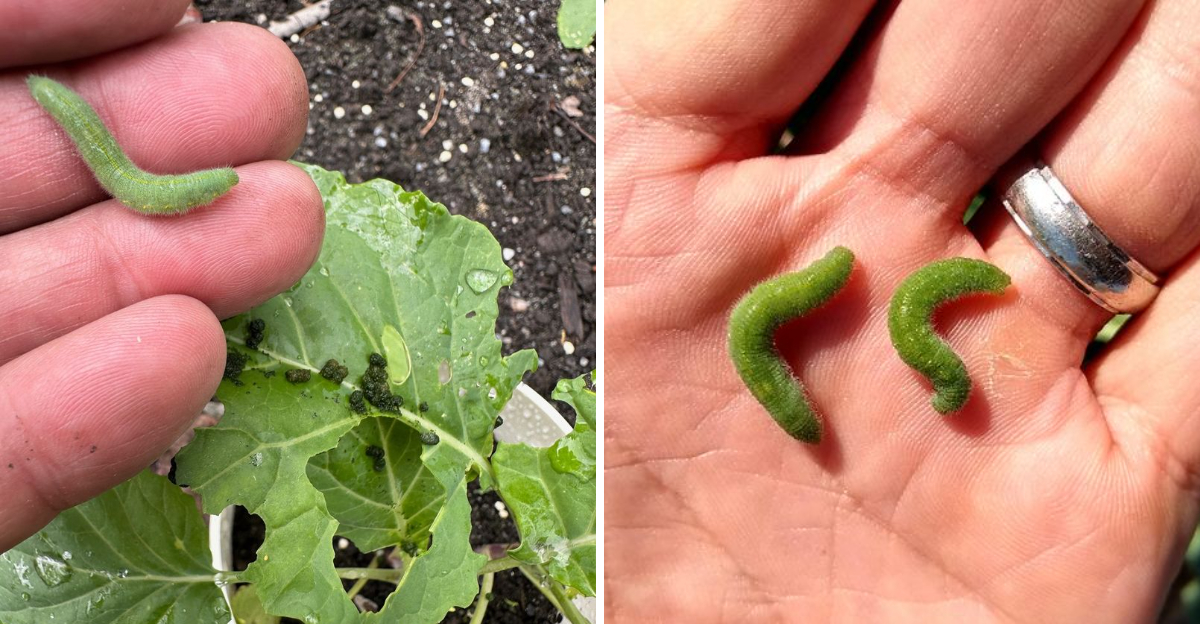
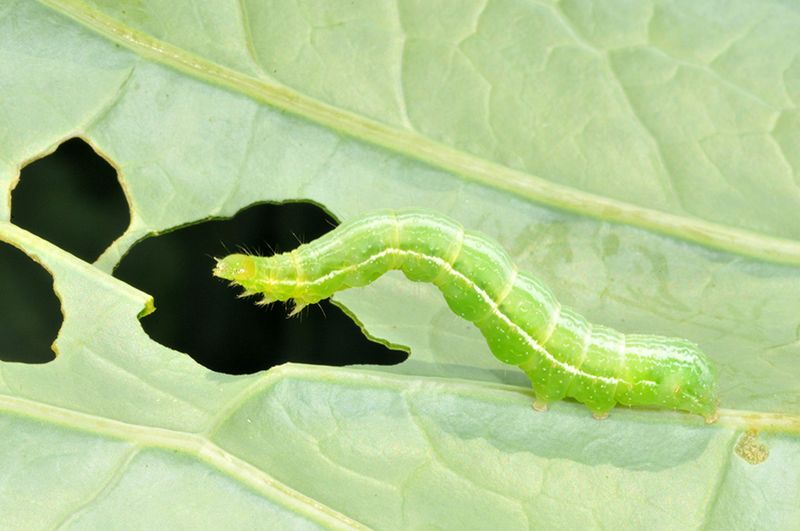
Cabbage loopers are usually a bright, fresh shade of green that blends in surprisingly well with healthy foliage.
Their body color is one reason they can be so hard to notice right away. You might walk right past a plant that is hosting several of them without realizing it.
The real giveaway is how they move. Unlike most caterpillars that crawl smoothly along a surface, loopers pull their back end forward to meet their front end, creating a distinctive arch or loop shape with their body.
They repeat this motion over and over as they travel across a leaf. This arching movement happens because cabbage loopers lack legs in the middle section of their body.
Most caterpillars have legs spread more evenly along their length, but loopers have a gap that forces them to move this way. It is actually a helpful detail for identifying them quickly in the field.
Adult cabbage looper moths are brownish-gray with a small silver figure-eight marking on each wing. Seeing these moths hovering around your brassica plants in the evening is a sign that eggs may already be on the way.
Learning to recognize both the caterpillar and the adult moth gives you a real head start on managing this pest before things get out of hand.
Check The Undersides Of Leaves First
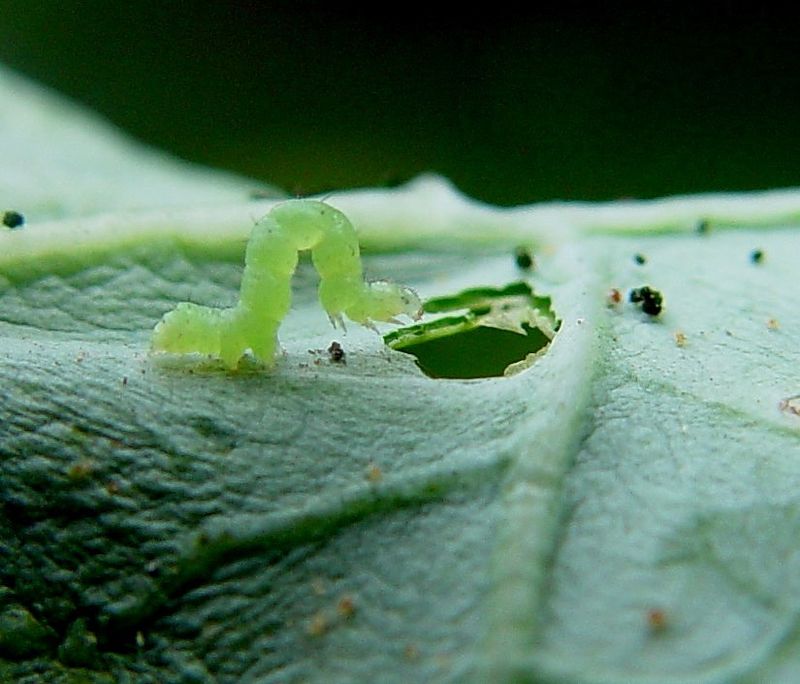
Most people walk through their garden and glance at the tops of leaves, but that habit can cause them to miss a serious problem.
Cabbage loopers are sneaky insects that prefer to stay hidden during the brightest parts of the day. Knowing where to look is just as important as knowing what to look for.
Loopers tend to rest and feed on the undersides of leaves, especially when the sun is high and the garden is warm. Flipping leaves over during your scouting routine is one of the most effective habits you can build as a gardener.
It takes only a few extra seconds per plant and can reveal an infestation before it grows out of control.
Beyond the caterpillars themselves, there are other clues to watch for when checking plants. Feeding holes are one of the most obvious signs.
These holes often start small and ragged, then grow larger as the caterpillar continues to eat and grow bigger over time.
Dark green or black droppings, often called frass, are another strong indicator that loopers are present. Frass is tiny but visible, and it often collects on leaves below where the caterpillar is feeding.
Finding frass on a leaf is a reliable sign that you need to look more carefully at the surrounding foliage.
Eggs are also worth watching for during your scouting. Cabbage looper eggs are small, pale, and dome-shaped, and they are usually laid individually on leaf surfaces.
Catching eggs before they hatch gives you the best possible chance of stopping an infestation before the feeding damage even begins in your garden.
Young Fall Plants Can Be Damaged Quickly
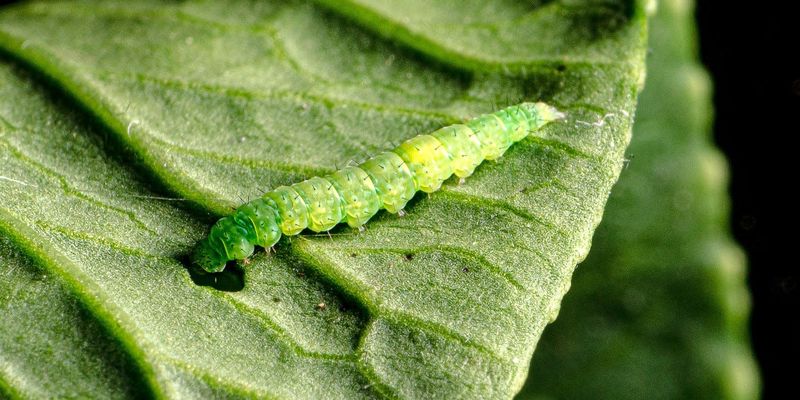
Younger plants have a much harder time bouncing back from caterpillar feeding than older, more established ones.
When cabbage loopers get to work on recently transplanted or newly sprouted brassicas, the results can be swift and dramatic. A seedling that loses too much leaf tissue early on may never fully recover.
Leaf tissue is where plants do the critical work of turning sunlight into energy. When loopers chew through large portions of that tissue, the plant has far less ability to feed itself and grow.
A young cabbage or broccoli plant that loses even a third of its leaves can fall seriously behind on its development schedule.
The stakes get even higher as fall crops begin to form their heads. Broccoli and cauliflower depend heavily on strong, healthy leaves to support the head-forming process.
Damage during this window can result in loose, poorly formed heads that are not worth harvesting, or heads that simply stop developing altogether.
Collards and kale, which are grown for their leaves rather than their heads, suffer in a different way. Heavy feeding turns the leaves full of holes and makes them unappealing and difficult to use in the kitchen.
A kale plant riddled with feeding damage is far less productive than one that has been properly protected throughout the growing season.
Timing is everything when it comes to protecting young plants. Checking your garden every two to three days during peak fall growing season gives you the best chance of catching looper activity before it reaches a level that causes lasting setbacks to your crop.
Early attention always pays off in the end.
Hand-Picking Can Stop Small Infestations Early
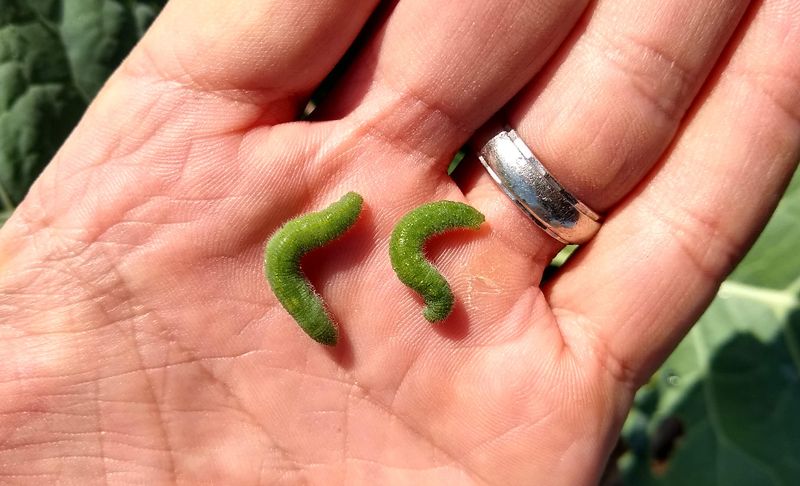
Sometimes the most effective solution is also the simplest one. When cabbage looper numbers are still low, hand-picking caterpillars off your plants is one of the fastest and most satisfying ways to get the situation under control.
You do not need any special tools or products to get started. Walk through your garden in the morning or early evening when loopers are more active and easier to spot on plant surfaces.
Wear a pair of garden gloves if you prefer, and drop any caterpillars you find into a bucket of soapy water. Check every plant carefully, including the undersides of leaves where loopers like to hide.
Consistency is what makes hand-picking truly effective. Doing it once and walking away will not solve the problem because new eggs may already be hatching nearby.
Checking your plants every two to three days keeps the population from quietly rebuilding between your visits.
Regular scouting is really the backbone of this whole approach. The more often you walk through your garden with a sharp eye, the less likely it is that a small group of caterpillars will turn into a large, damaging infestation.
Many experienced gardeners say that catching pests early is the single most important habit they have developed over the years.
Hand-picking also gives you a chance to look for eggs before they hatch. Removing egg clusters from leaf surfaces eliminates the next generation before it even gets started.
Combining egg removal with caterpillar removal gives you a powerful one-two approach that can keep your fall brassicas healthy without reaching for any chemical controls at all.
Protect Crops Before Damage Gets Severe
Getting ahead of a cabbage looper problem before it turns serious is always the smarter path. Once feeding damage becomes widespread across your fall garden, it takes far more effort to turn things around.
Prevention and early action are your two strongest tools in keeping these caterpillars from taking over.
Floating row covers are one of the best preventive options available to home gardeners. These lightweight fabric covers let in sunlight, air, and water while creating a physical barrier that keeps adult moths from landing on your plants to lay eggs.
Installing them right after transplanting or direct seeding gives your crops the protection they need from the very start.
Make sure to seal the edges of the row covers securely to the ground. Gaps along the sides are an open invitation for moths to sneak underneath and lay eggs right where you do not want them.
A well-sealed cover is far more effective than one that is loosely draped over the row. For gardens that are already dealing with a larger infestation, targeted controls can help bring the population down.
Bacillus thuringiensis, commonly known as Bt, is a naturally occurring soil bacteria that is highly effective against caterpillars and is safe for edible crops. It works best when applied to young caterpillars, so early application gives the best results.
Always read the product label before applying any control to your garden. Use only products that are specifically labeled for edible crops and for caterpillar management.
Following label directions carefully protects your vegetables, your soil, and anyone who will be eating the food you grow this fall season.