This Is The Invasive Insect About To Cover Pennsylvania Trees In Egg Masses
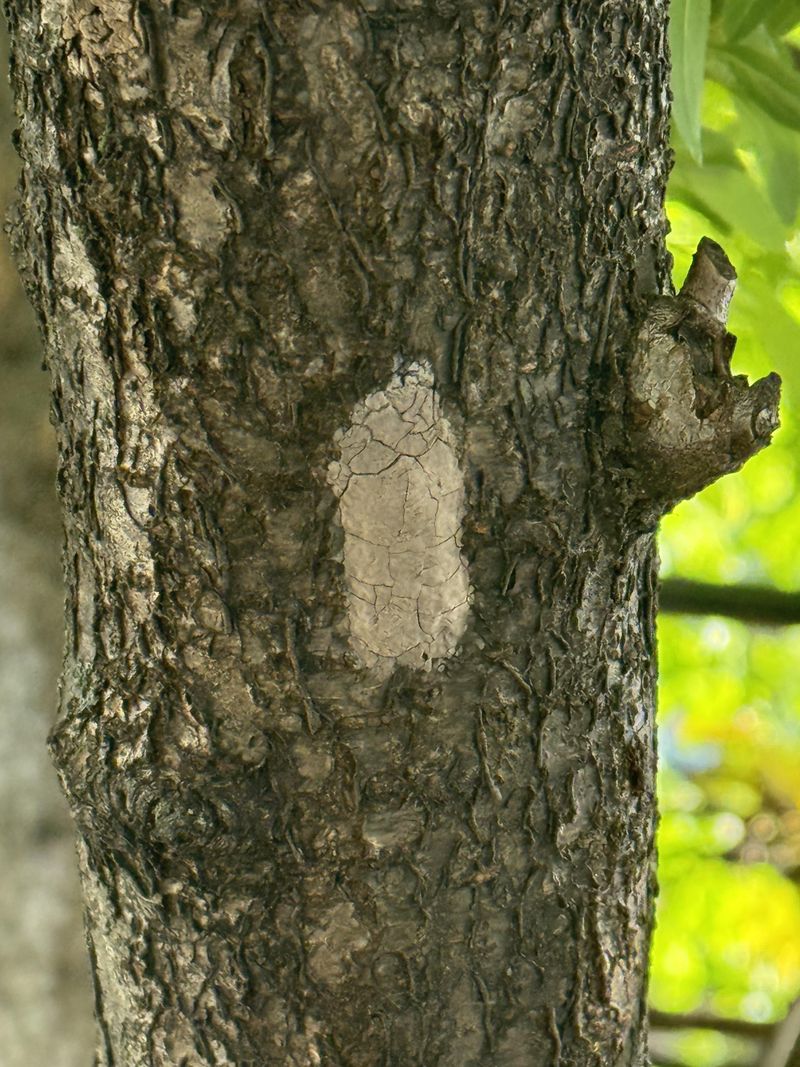
Gray smudges are creeping across bark, fences, and parked cars all over Pennsylvania, and you have probably walked past one without a second look. That texture keeps it hidden in plain sight on your fence, bark, or bumper, blending in like it was never there.
Beneath the surface, you are staring at a sealed colony built to survive the coldest months largely undetected. Winter will not stop what is packed inside that smear, no matter how hard Pennsylvania freezes around you.
Dozens of eggs can hide inside a single patch, and every one of them is counting on you to look away. Spring flips the situation fast, turning a quiet gray mark into a moving, spreading problem you cannot undo.
Before that smudge on your fence or your car finishes its wait, you need to know exactly what you are looking at.
Late Summer Is When Females Begin Laying Egg Masses
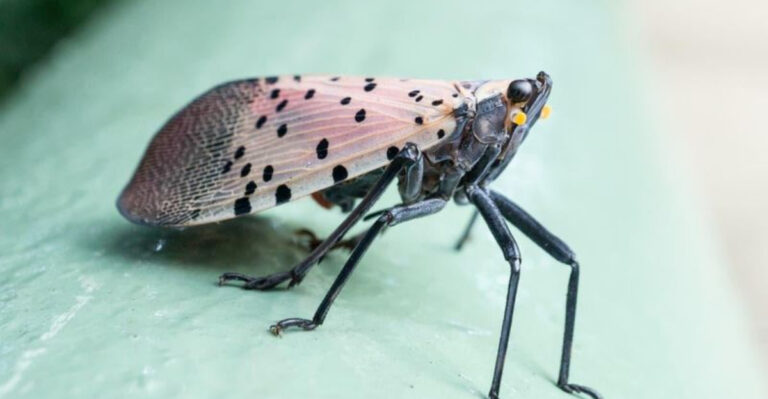
August heat brings something unsettling to your backyard trees. Spotted lanternfly females shift into high gear during late summer, targeting any smooth or rough surface nearby.
Adult females become egg-laying machines starting in September and continuing through November. They press their bodies flat against a surface and deposit rows of eggs in a neat, organized cluster.
Each mass gets coated in a waxy, mud-like substance that hardens quickly. That coating acts like armor, protecting the eggs from cold temperatures and most sprays.
The timing is no accident for this invasive insect. Cooler nights trigger the females to begin laying, ensuring eggs are safely deposited before the first frost hits.
Most people miss the egg-laying process entirely because it happens fast. A female can finish a full egg mass in a single sitting, then move on to another surface.
Some counties report their first mass sightings as early as the last week of August. That gives you a narrow head start to check bark and fences before laying season is in full swing.
By the time leaves fall and trees look bare, thousands of egg masses may already be hiding in plain sight. Spotting them early in the season gives you a real advantage before the population explodes next spring.
Waiting until the leaves are down often means the masses are already sealed and camouflaged against the bark. Checking your trees now, while they’re still easy to spot, saves you a much harder search later.
What Spotted Lanternfly Egg Masses Look Like On Bark And Stone
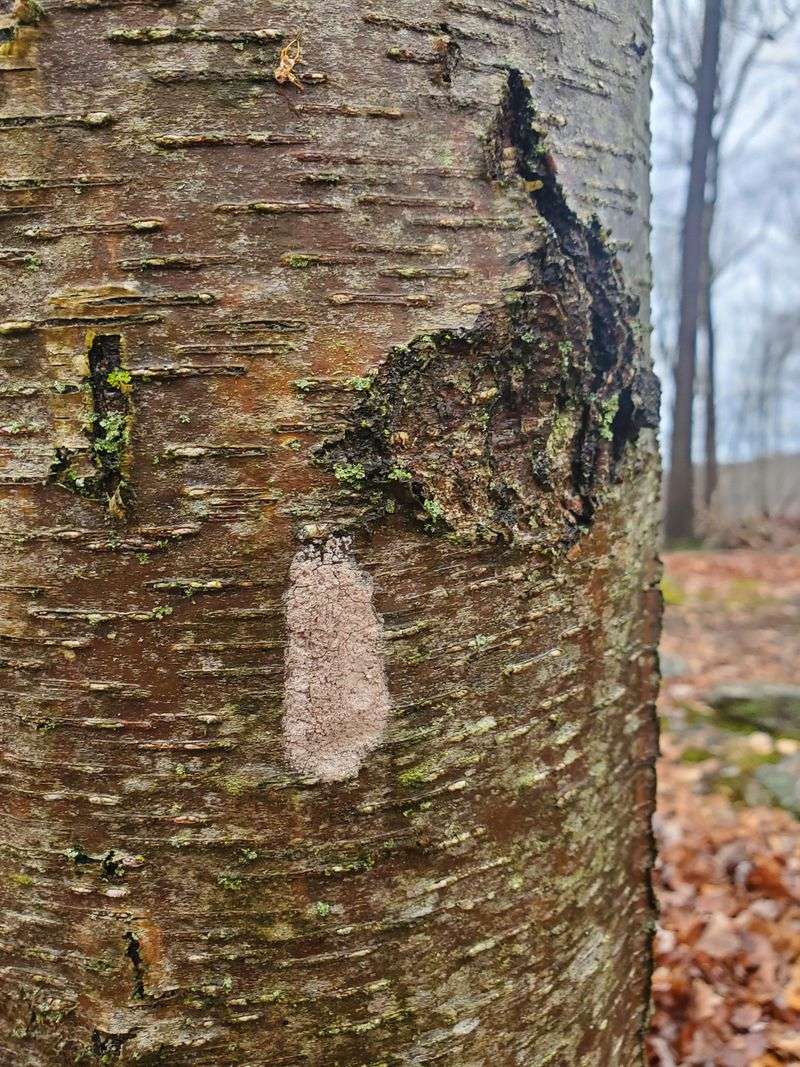
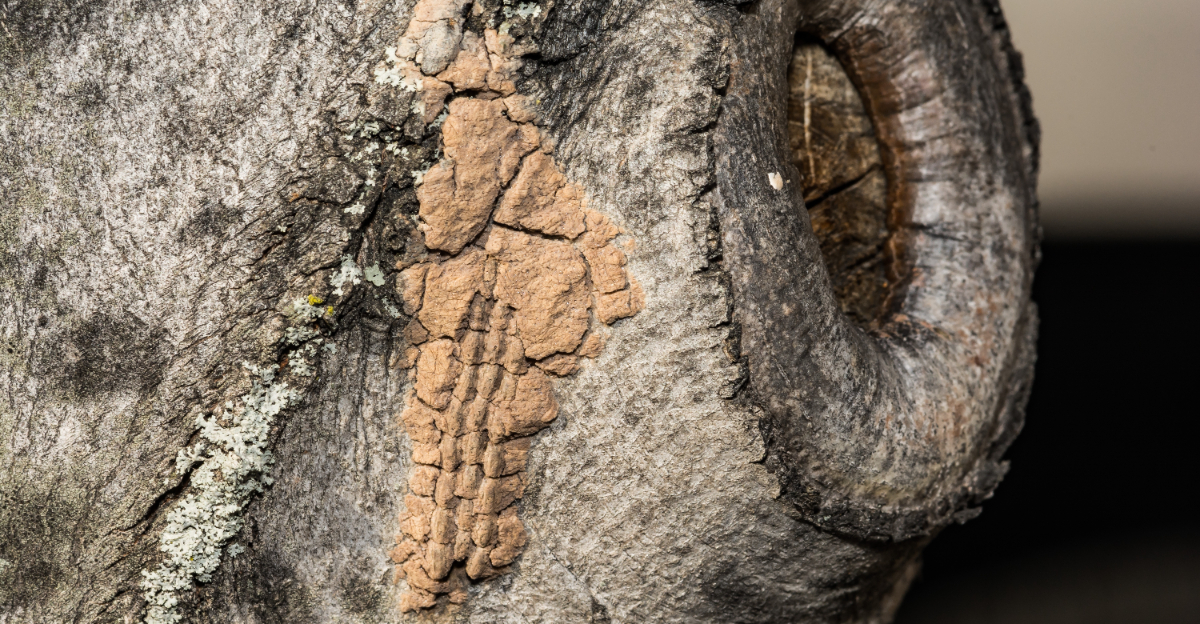
Fresh egg masses look like a smear of wet cement on tree bark. They start out shiny and brownish, then dry into a cracked, grayish putty that blends into the surface perfectly.
Underneath that gray coating, you will find rows of small, brownish seeds. Each seed-shaped capsule holds one egg, lined up in four to seven columns across the mass.
Older masses that have already hatched look hollow and scraped clean. The waxy layer cracks open and curls back, leaving behind a ghost of the original shape.
Stone walls, boulders, and concrete surfaces are popular spots for these masses. The texture of rough stone gives the coating something solid to grip onto through wind and rain.
Your Pennsylvania Garden Changes Every Week. Your Plan Should Too.
Gardening in Pennsylvania changes quickly throughout the season. Every Friday you’ll receive a simple weekly plan showing exactly what to plant, prune, fertilize, harvest, and protect so you never miss the right timing.
Chain-link fences and metal railings work just as well, since the coating bonds tightly to almost any firm surface. Even painted wood and vinyl siding aren’t off limits once a female settles in.
On smooth bark like birch or cherry trees, the masses stand out a bit more. But on shaggy-barked oaks or black walnuts, they nearly disappear into the natural texture.
A flashlight held at a low angle in early morning or evening light can make these subtle ridges pop against the bark. That small trick often reveals masses a quick daytime glance would miss entirely.
Training your eye to catch these subtle shapes takes a little practice. Once you find one egg mass, you will likely find several more within just a few feet, because females tend to cluster in the same area.
Why One Female Can Leave Dozens Of Eggs Behind
One spotted lanternfly female is basically a one-bug population explosion. A single adult can lay between 30 and 50 eggs per mass, and she can produce more than one mass per season.
That math adds up fast across a whole neighborhood. If just ten females lay two masses each, you are looking at potentially 1,000 new insects emerging in spring.
The biology behind this high output is straightforward. Females store enough energy from late-summer feeding to produce multiple clutches without needing to feed again before laying.
Most of the feeding happens on tree-of-heaven, a weedy invasive tree common throughout the eastern United States. That plant acts like a fuel station, giving females much of what they need to produce large egg batches.
Once a female finishes one mass, she rarely stops there. She may move to another surface nearby and begin a second mass within days of finishing the first.
Researchers have found that survival rates for eggs are surprisingly high. A large share of eggs in a protected mass can survive a typical mid-Atlantic winter, making early removal critical.
Each spring hatch brings a fresh wave of nymphs ready to start feeding immediately. Stopping that cycle begins with finding and destroying every egg mass you can locate before cold weather ends.
Surfaces Beyond Trees Where Masses Commonly Turn Up
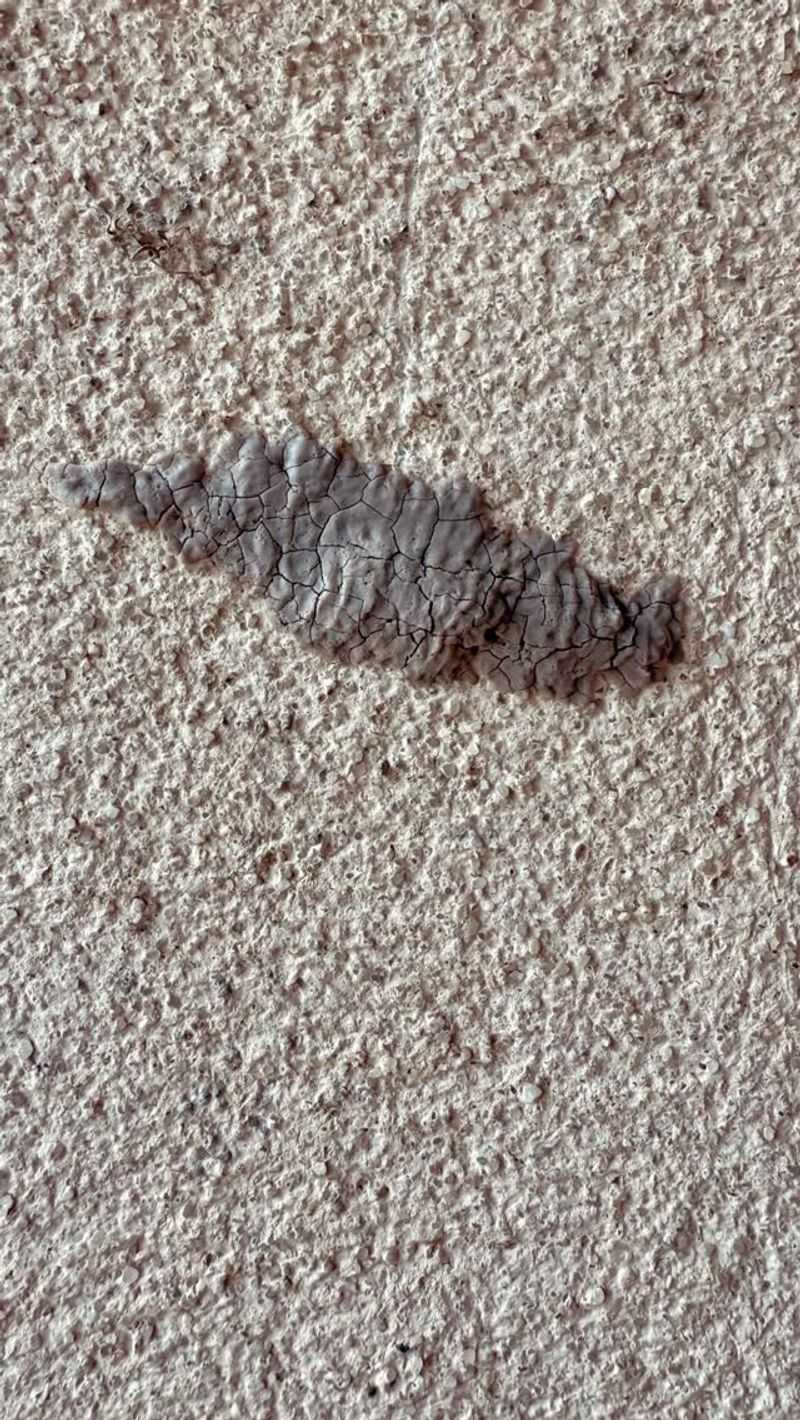
Trees get most of the attention, but spotted lanternfly females are not picky about where they lay. Any firm, stable surface is fair game, and some of their choices will genuinely surprise you.
Outdoor furniture, grills, and lawn equipment are common targets. A female will happily deposit a mass on the underside of a plastic chair or along a metal table leg.
Parked vehicles are another big concern, especially for spreading the insect to new areas. Egg masses laid on wheel wells or bumpers can travel hundreds of miles before anyone notices them.
Wooden fences and deck railings are practically an invitation. The rough grain of weathered wood gives the waxy coating a strong surface to bond with through freeze-thaw cycles.
Stone walls along driveways and garden borders are also hotspots. Many Pennsylvania homeowners walk past these walls daily without ever glancing at the lower sections where masses tend to cluster.
Stacked firewood is one of the sneakiest hiding spots of all. Egg masses tucked between logs can survive undetected and then travel inside your home or to a neighbor’s property.
Checking every outdoor surface in late summer and fall is the best habit you can build. A careful look around your Pennsylvania yard once a week can catch masses before they become next season’s problem.
Scraping And Destroying Egg Masses Before They Overwinter
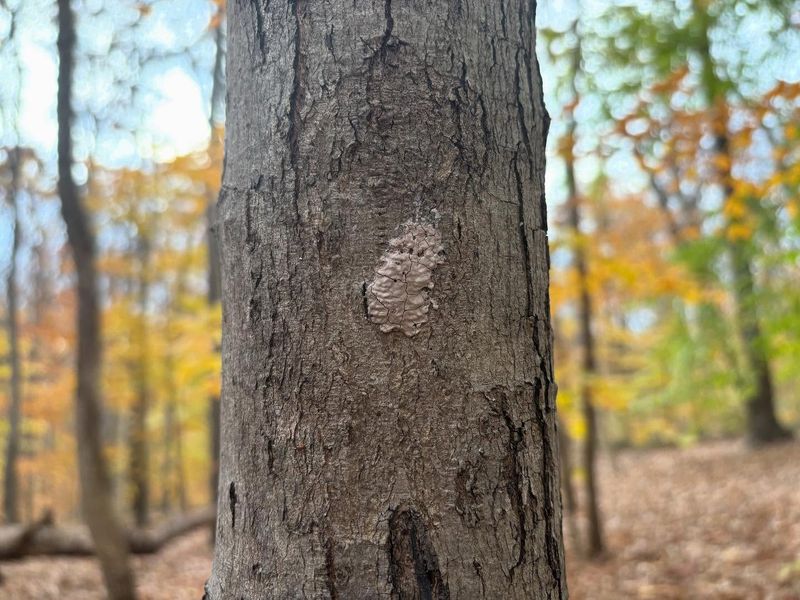
Scraping is simple, satisfying, and genuinely effective against this invasive insect. A plastic card, a stiff brush, or a putty knife is enough to get started.
The key step is not just scraping the mass off but capturing what you scrape. Loose eggs can survive on the ground, so always scrape directly into a bag or container.
Hand sanitizer or rubbing alcohol in the bag will destroy the eggs on contact. Seal the bag, toss it in the trash, and that batch of eggs is finished for good.
Timing matters a lot with this method. Scraping works best from now through early spring, before the eggs hatch when temperatures warm up in April and May.
Some people use duct tape folded sticky-side-out to press against a mass and pull it free. That technique works well on smooth bark where a scraper might slip or leave eggs behind.
Wear gloves during removal, not because the eggs are harmful, but because the waxy residue is genuinely stubborn to wash off bare skin. A little preparation saves a lot of cleanup afterward.
Consistency matters more than perfection here. Checking your property every two to three weeks through November gives you the best shot at removing masses before they survive the winter cold.
How This Pest Threatens Pennsylvania’s Trees And Crops
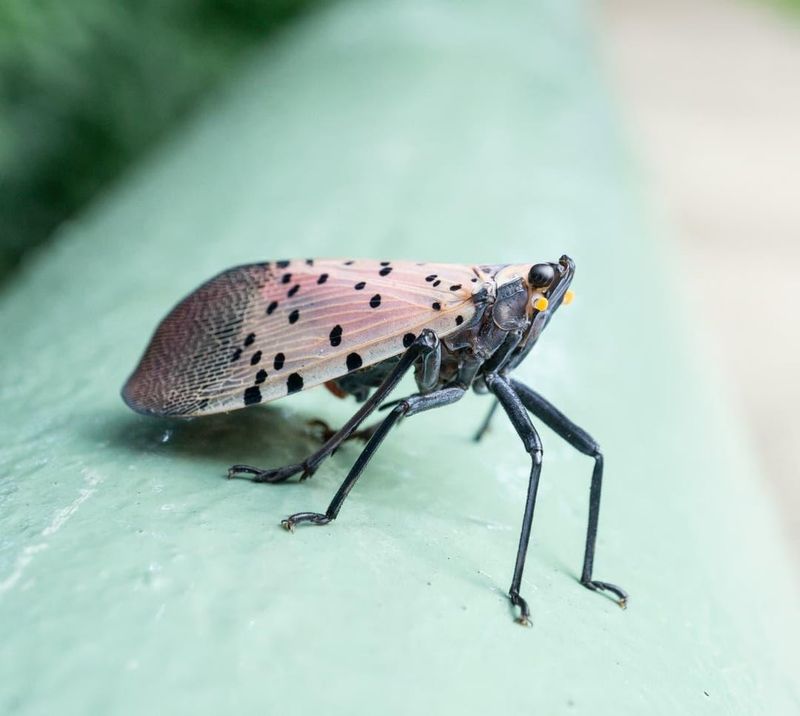
Grapes, apples, hops, and hardwood trees are all on the menu for this hungry pest. The spotted lanternfly feeds by piercing plant tissue and sucking out the sap, weakening plants over time.
The damage is not always instant, but it builds up fast. A heavily infested tree can lose so much sap that it struggles to survive through a harsh winter.
Grape growers have reported serious losses in vineyards across the mid-Atlantic region. A single bad infestation during harvest season can cost growers a significant portion of a year’s crop.
Beyond direct feeding, the insect leaves behind a sticky waste called honeydew. That sugary residue coats leaves and branches, then grows a black mold that blocks sunlight from reaching the plant.
Hardwood trees like maples, oaks, and black walnuts are also vulnerable to repeated feeding stress. Younger trees with thinner bark face the greatest risk of long-term damage from heavy populations.
State agricultural officials have pushed hard to slow the spread through restricted movement zones and public reporting programs. Residents can report sightings online and help track where new populations are emerging.
Protecting your Pennsylvania yard from this invasive insect starts with finding and destroying egg masses this fall. Every mass removed today is one fewer swarm of hungry nymphs threatening your trees and garden next spring.