This Overlooked Pennsylvania Native Herb Creates A Natural Stink Bug Barrier Near Your Home
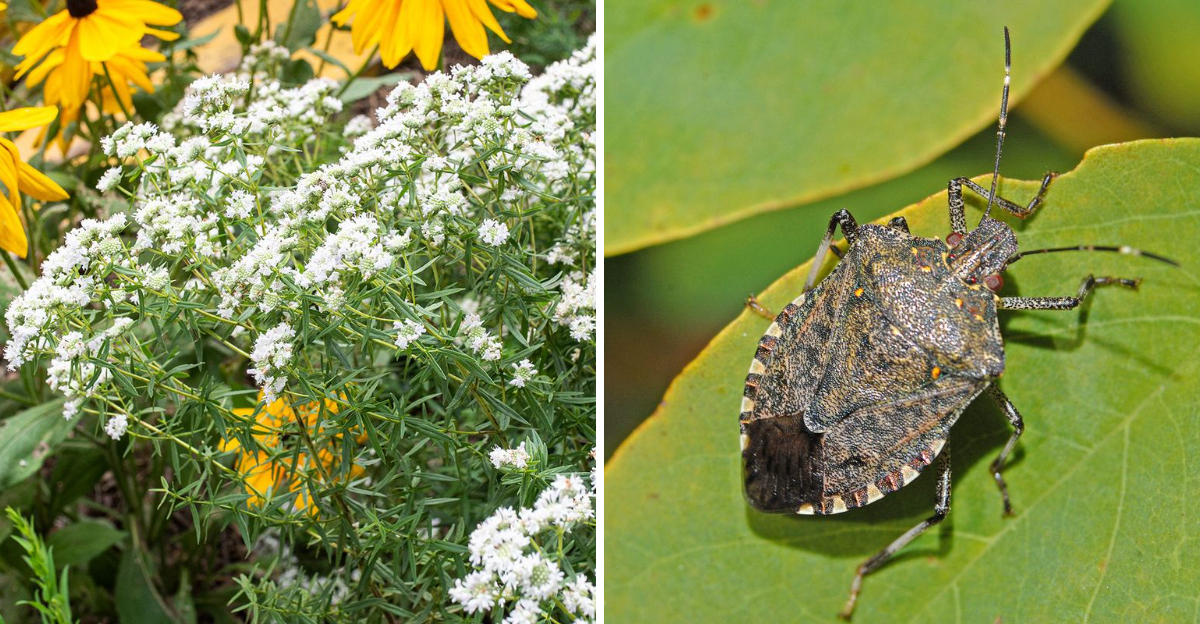
Stink bugs have made themselves at home in Pennsylvania in a way that feels deeply personal.
They find every gap, every crack, every unsealed entry point, and once they’re inside they’re more of a nuisance than a danger but a nuisance that is extremely difficult to ignore.
Most homeowners seal entry points, vacuum them up, and accept that this is just Pennsylvania life from September onward.
But there’s a native herb that a growing number of Pennsylvania gardeners have been planting near their homes that appears to make the whole situation noticeably better.
This overlooked plant produces strong natural compounds that stink bugs find genuinely off putting. Planted near foundation edges, entry points, and windows, it creates a natural aromatic barrier that discourages stink bugs from lingering or looking for a way in.
It’s also genuinely beautiful, attracts pollinators generously, and thrives in Pennsylvania’s climate with minimal attention. Here’s the native herb that could make stink bug season a little less miserable this year.
This Overlooked Pennsylvania Native Herb Helps Create A Natural Stink Bug Barrier
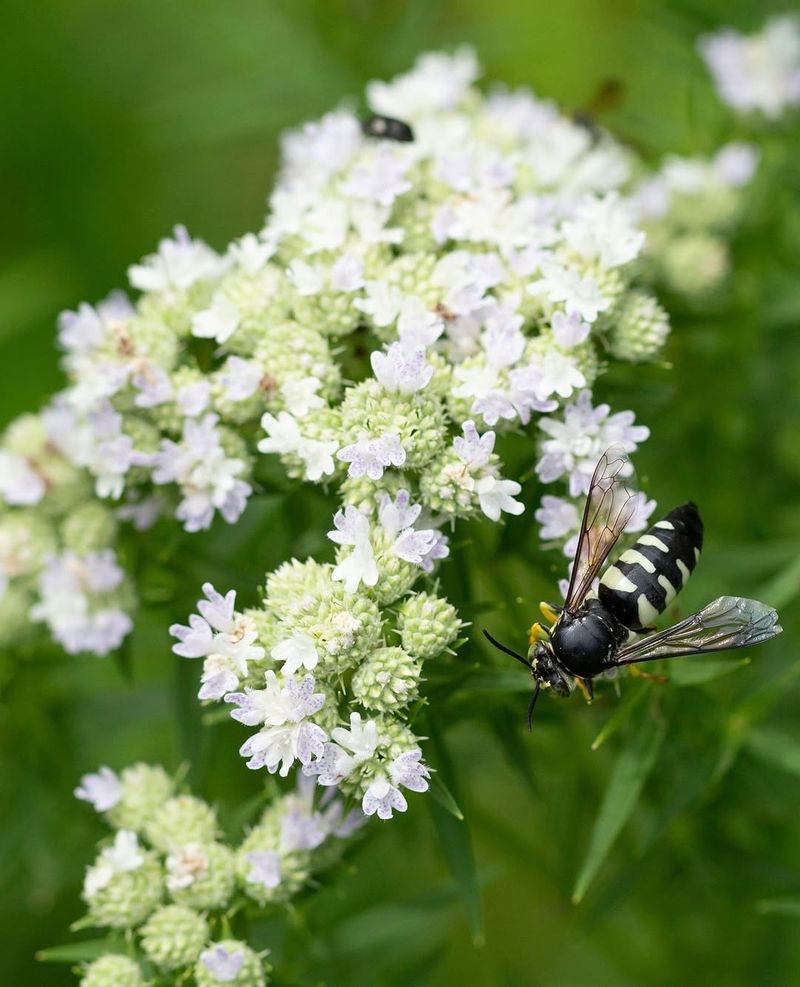
Most gardeners walk right past Virginia mountain mint at the nursery without giving it a second thought. That is a big mistake.
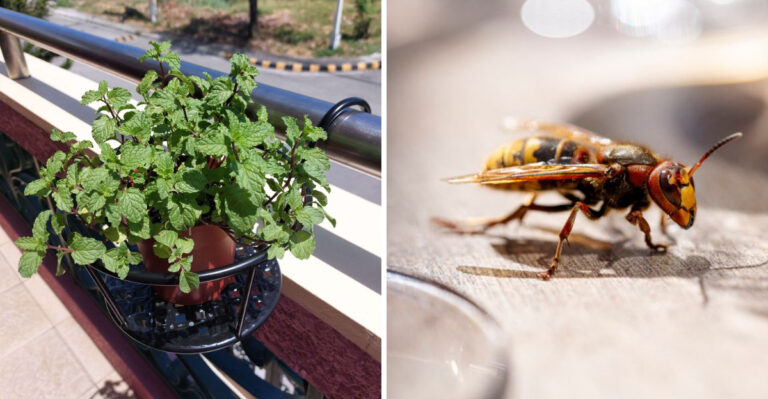
Pycnanthemum virginianum, its scientific name, is a Pennsylvania native herb that grows upright, spreads steadily, and fills the air with a sharp, clean mint fragrance that is hard to ignore. It is the kind of plant that earns its place in the yard for more than just one reason.
The leaves are narrow and silvery-green, and they release their strong scent whenever the wind blows or someone brushes against them.
That persistent aroma is exactly what makes this plant interesting to people who want a more natural approach to managing pests around the home.
The smell is pleasant to most people but can be off-putting to certain insects, including stink bugs that are looking for a comfortable spot to settle near your siding or foundation.
Virginia mountain mint is not a magic solution, and nobody should expect it to eliminate stink bugs on its own. Think of it more like a helpful neighbor that makes your yard feel a little less appealing to pests.
It grows best in full sun and handles average to moist soil without complaining. It reaches about two to three feet tall and spreads through underground rhizomes, so give it a little room to fill in over time.
For Pennsylvania gardeners looking for a low-effort, high-reward native plant that does double duty as a pollinator magnet and a scent-based pest deterrent, Virginia mountain mint is absolutely worth planting near your home.
Why Stink Bugs Gather Near Pennsylvania Homes
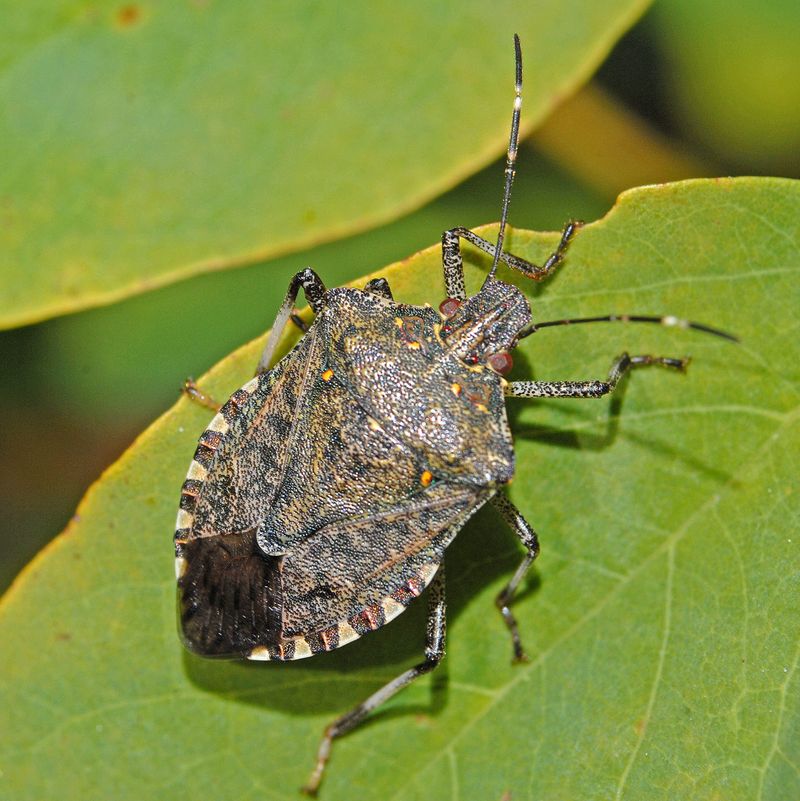
Every fall, Pennsylvania homeowners start noticing the same unwelcome visitors. Brown marmorated stink bugs, which arrived in the United States from Asia in the late 1990s and were first spotted in Allentown, Pennsylvania, begin searching for warm places to spend the winter.
Houses make perfect targets because they offer shelter, warmth, and plenty of tiny entry points that are easy for a small insect to squeeze through.
Your Pennsylvania Garden Changes Every Week. Your Plan Should Too.
Gardening in Pennsylvania changes quickly throughout the season. Every Friday you’ll receive a simple weekly plan showing exactly what to plant, prune, fertilize, harvest, and protect so you never miss the right timing.
Stink bugs are drawn to the south and west-facing sides of homes because those walls soak up the most sunlight and stay warmer longer into the season. Once they find a cozy spot, they release a pheromone that signals other stink bugs to follow.
That is how a handful of bugs can quickly turn into hundreds hiding inside your walls, attic, or window frames before you even realize what is happening.
Common entry points include gaps in window screens, spaces around door frames, cracks in siding, open vents, and small openings where pipes or cables enter the home. Even a tiny crack near the foundation can be enough for stink bugs to slip inside.
They are not looking for food once they get in. They just want somewhere safe and warm to wait out the cold months.
Understanding why stink bugs are attracted to homes in the first place is the first step toward keeping them outside where they belong.
Once you know what draws them in, you can start making smart choices about both planting and home maintenance to reduce how many show up each season.
How Virginia Mountain Mint Helps Make The Area Less Inviting
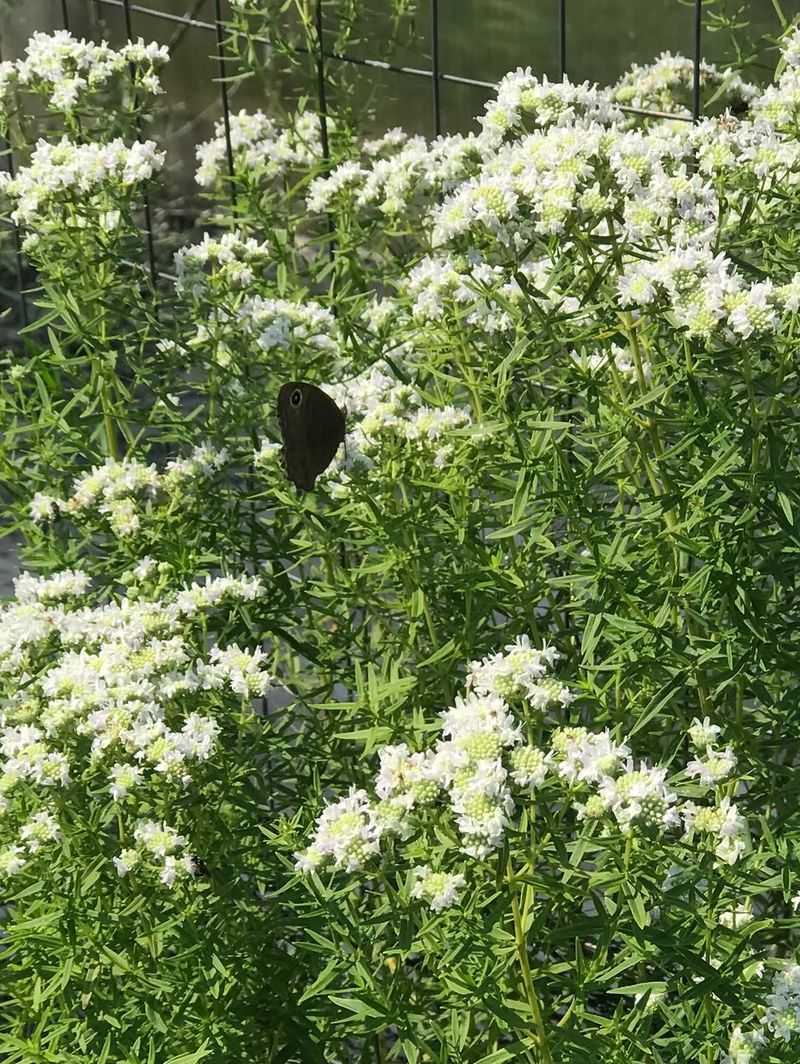
Scent is a powerful tool in the natural world, and Virginia mountain mint has plenty of it. The plant produces volatile aromatic compounds, mainly menthol-like terpenes, that spread through the air around it, especially on warm sunny days.
For insects that rely on scent cues to find sheltered spots, a dense planting of something this strongly fragrant can create confusion or simply make the area feel less comfortable to settle near.
Stink bugs use chemical signals to communicate and navigate. A border of Virginia mountain mint along a foundation or walkway does not guarantee they will turn around and leave, but it can contribute to making that specific stretch of yard feel less like an ideal overwintering destination.
Think of it as adding a layer of sensory interference to your yard rather than building a wall. The plant works best as part of a broader approach to pest management rather than as a standalone fix.
Beyond the fragrance, the plant’s dense, upright growth creates a physical presence along the border. It fills in nicely along sunny foundation beds and garden edges, growing in tidy clumps that are easy to manage and pleasant to look at.
The small white flowers that appear in midsummer attract an impressive number of bees and beneficial insects, which adds even more life and activity to the area. A yard that is full of movement and natural activity is a healthier yard overall.
Virginia mountain mint brings that energy to the space while quietly doing its part to make the surroundings a little less welcoming to unwanted fall visitors.
Where To Plant It For The Best Effect
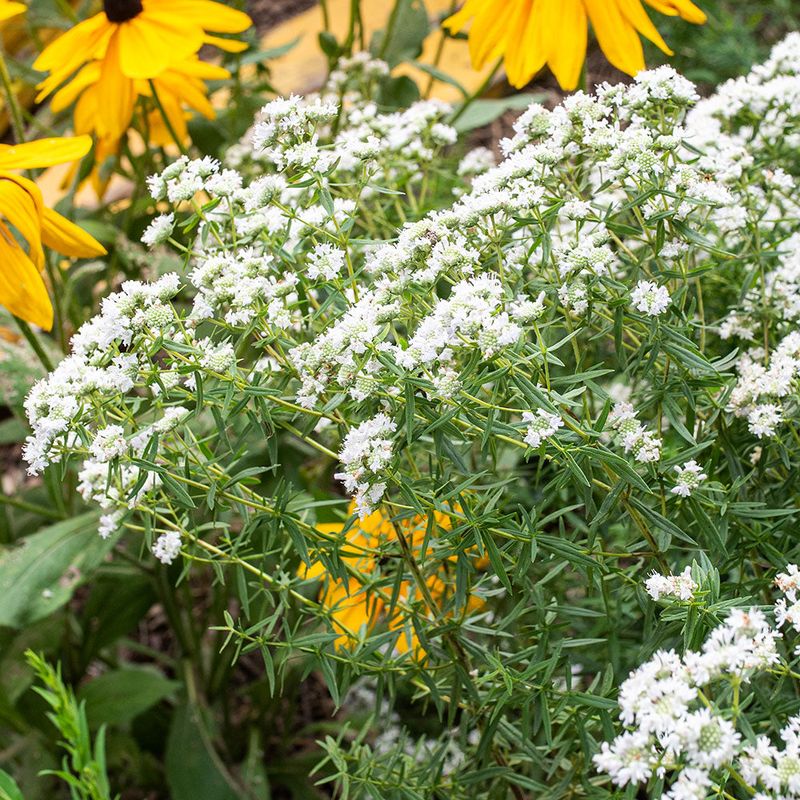
Placement matters a lot when you are using plants as part of a pest-deterrent strategy. Virginia mountain mint thrives in full sun, so the best spots around your home are those south or west-facing areas that get at least six hours of direct sunlight each day.
These happen to be the same sides of the house that stink bugs prefer to gather on in the fall, which makes strategic planting there especially worthwhile.
Great locations include foundation beds along the front or back of the house, porch edges, patio borders, fence lines, and garden paths that run close to the home.
Planting it in these high-traffic zones means the fragrance gets released naturally whenever people walk by and brush against the foliage.
That regular disturbance keeps the scent active and present in the air around those entry points. Spacing plants about eighteen to twenty-four inches apart gives them room to fill in over one or two seasons without crowding each other out.
One important tip: keep Virginia mountain mint a few inches away from the actual siding of your home rather than pressing it right up against the wall.
Good airflow between the plant and the house helps prevent moisture buildup, which can cause its own set of problems over time.
Leaving that small gap also makes it easier to inspect the foundation for cracks and to perform routine maintenance.
A border of Virginia mountain mint that is well-placed, well-spaced, and properly maintained will look great, support local pollinators, and contribute to a yard that feels naturally managed from the outside in.
Why This Native Herb Is Worth Growing Anyway
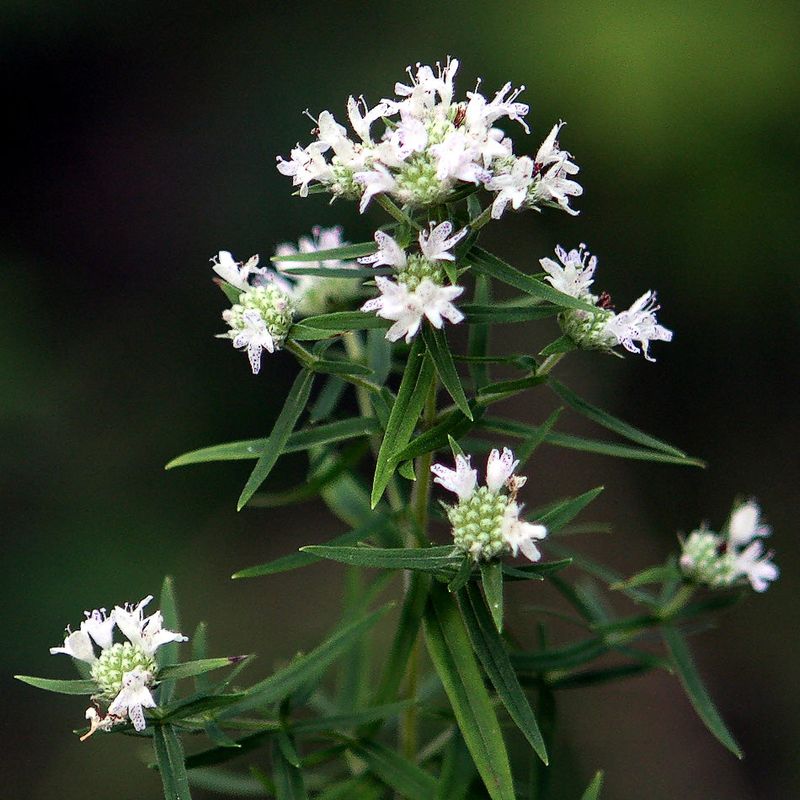
Even if you set aside the stink bug question entirely, Virginia mountain mint is one of the best native plants you can add to a Pennsylvania yard. It is a genuine pollinator powerhouse.
On a warm summer day, the small white flower clusters are absolutely covered in bees, butterflies, wasps, and other beneficial insects.
Researchers have recorded over 200 different insect species visiting Virginia mountain mint in bloom, which makes it one of the top native plants for supporting local ecosystems.
The blooms appear in July and August, right when many other garden plants are starting to fade. That mid-to-late summer flowering window fills an important gap for pollinators that need nectar sources through the hottest months.
Beneficial predatory insects like parasitic wasps are also drawn to the flowers, and these helpful bugs naturally keep other pest populations in check throughout the garden.
Growing Virginia mountain mint is like inviting a whole team of tiny garden helpers to set up shop near your home.
From a purely visual standpoint, the plant earns its space too. The silvery-green foliage has a clean, almost frosted look that pairs beautifully with other native plants like black-eyed Susans, wild bergamot, and coneflowers.
It handles average to moist soil without needing much attention, rarely needs watering once established, and stands up well to Pennsylvania summers.
It spreads gradually through underground rhizomes, so a small planting can fill in a border nicely over a few seasons.
For gardeners who want beauty, wildlife value, and a little natural pest support all in one plant, Virginia mountain mint delivers on every level without demanding much in return.
What Else Actually Keeps Stink Bugs Out
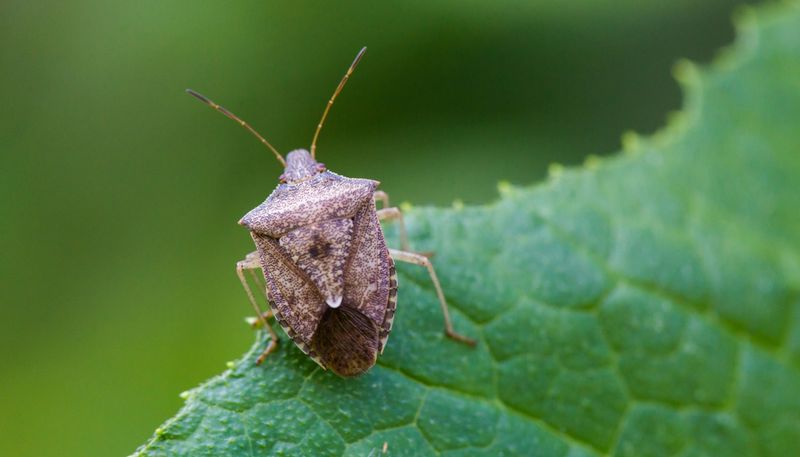
Virginia mountain mint is a smart and beneficial addition to any Pennsylvania yard, but it works best when combined with solid home maintenance habits. The most effective thing you can do to keep stink bugs outside is seal up the entry points they use to get in.
Walk around the outside of your home and look for cracks in the foundation, gaps around window frames, spaces under door sweeps, and any openings where pipes or cables pass through the wall.
A tube of exterior caulk and some fresh weatherstripping can go a long way toward closing off those access points before the fall rush begins.
Check your window and door screens for small tears or holes and replace any that are damaged. Make sure attic vents and crawlspace covers are fitted with fine mesh that stink bugs cannot squeeze through.
Outdoor lighting also plays a role since stink bugs, like many insects, are attracted to bright lights at night. Switching to yellow-toned or motion-activated bulbs near entry doors can reduce how many bugs gather there after dark.
If stink bugs do make it inside, resist the urge to crush them. That releases the unpleasant odor they are named for and can actually attract more bugs.
Instead, use a vacuum to remove them or place them in a sealed bag and take them outside. Combining these practical steps with a thoughtful native planting strategy gives you the strongest possible approach to managing stink bugs naturally.
Virginia mountain mint adds real value to your yard and your pest management routine, but the full picture always includes keeping your home sealed tight from the outside in.