Why Arizona Gardeners Are Choosing Metal Raised Beds Instead Of Wood
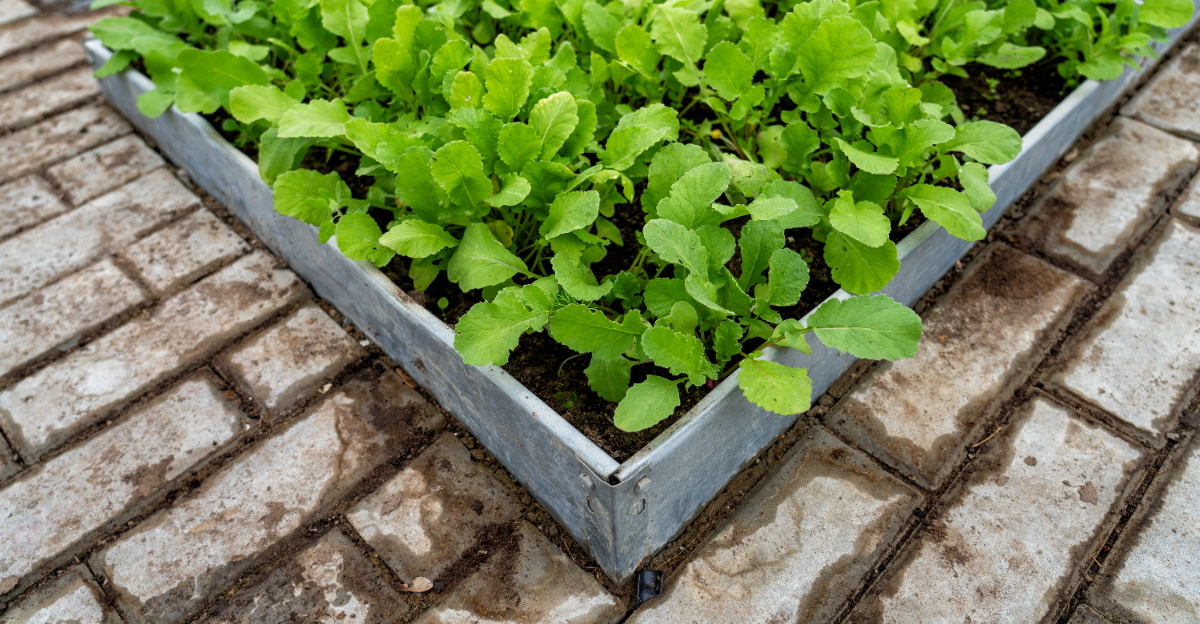
Wooden raised beds may look familiar, but Arizona conditions can make gardeners think harder about what surrounds their soil. Strong sun and dry weather put outdoor materials through a demanding test year after year.
Metal beds offer a different approach, and their growing appeal goes beyond their clean, modern appearance. Gardeners want something practical that can stay useful without creating another regular maintenance job.
Before replacing your wooden beds, consider what actually changes when you switch materials. The differences become more important once heat, moisture, and long growing seasons enter the picture.
Your choice can influence how much work the garden requires over time.
Metal is not automatically perfect for every yard or every gardener.
Still, understanding why this option attracts attention can help you decide whether making the switch makes sense.
1. Desert Weather Can Be Tough On Wooden Raised Beds
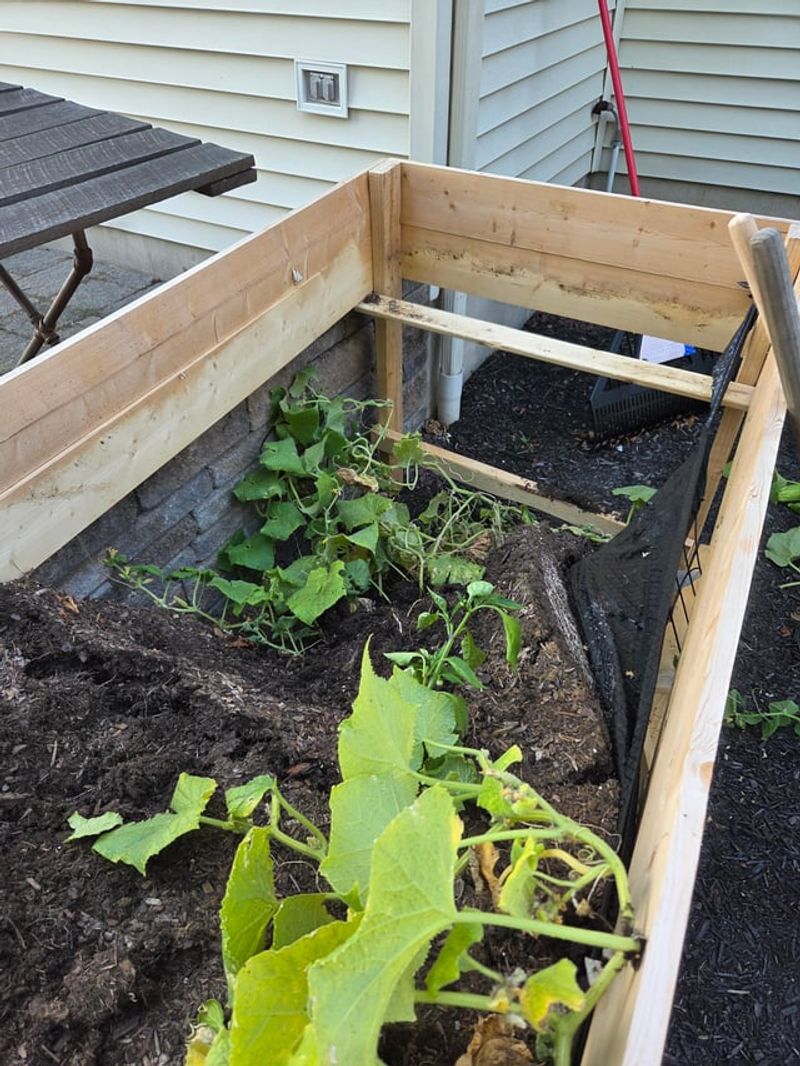
Wood and extreme desert heat are a rough combination. Temperatures in the low desert regularly push past 110 degrees Fahrenheit during summer, and that kind of sustained heat puts serious stress on lumber.
Boards shrink, crack, and warp when moisture bakes out of them season after season.
Untreated wood fares especially poorly. It can start splitting within a single summer if it is not regularly sealed or painted.
Even treated lumber, which holds up better, tends to show visible damage within a few years in harsh sun.
The dry air makes things worse. Wood needs some moisture to stay flexible.
In low-humidity climates, boards lose that flexibility fast. Joints loosen, screws back out, and the whole frame can start leaning before the second growing season.
Rain events, when they do happen, hit hard and fast. Brief monsoon downpours soak the wood quickly, then the sun dries it out just as fast.
That rapid wet-dry cycle is particularly rough on any wooden structure left outdoors year-round.
Metal handles those same conditions much more predictably. Galvanized steel and aluminum do not warp or crack from heat.
2. Metal Frames Avoid The Rot Problems Wood Can Develop
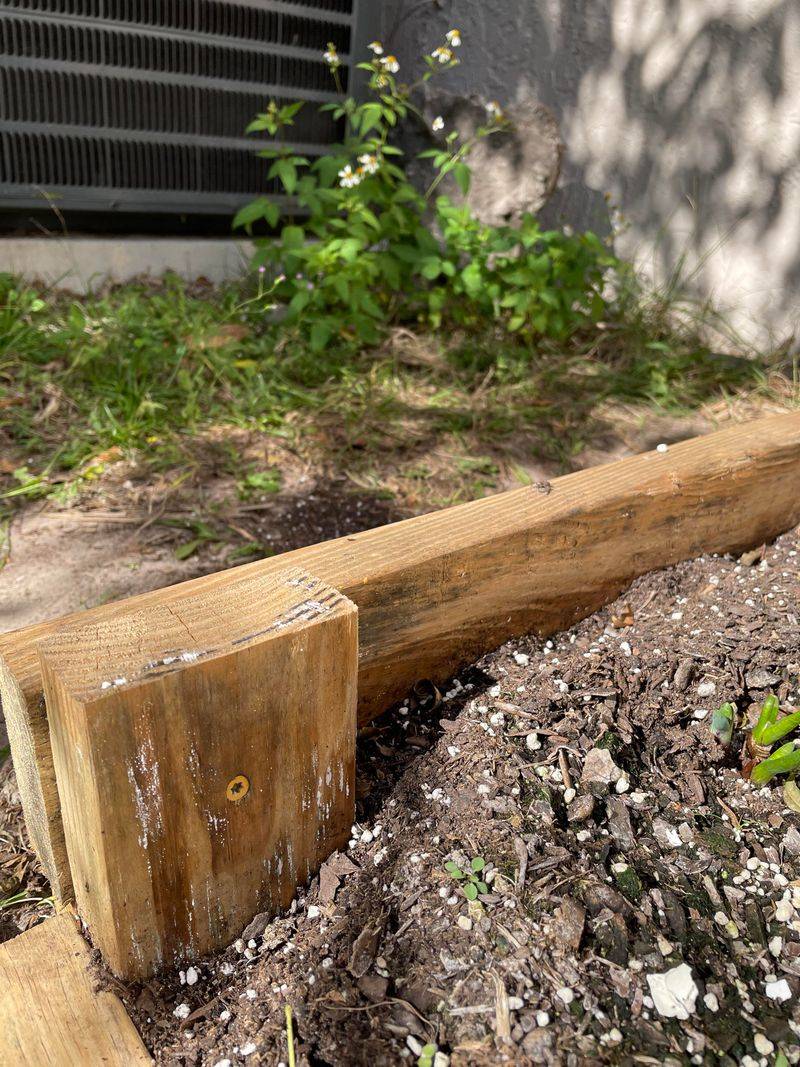
Rot is one of the most common reasons gardeners replace wooden raised beds. Even in dry climates, rot can set in wherever moisture collects consistently.
Soil pressed against wood creates a damp zone that breaks down fibers over time.
Irrigation systems make this worse. Drip lines keep soil moist near the base of the bed walls.
Wood sitting against wet soil for months at a time softens gradually. Once rot begins, it spreads and weakens the structure.
Treated lumber resists rot better than untreated wood, but pressure-treated boards often contain copper-based preservatives. Some gardeners prefer not to use them in food gardens, though opinions vary on the actual risk level.
It is worth doing your own research before deciding.
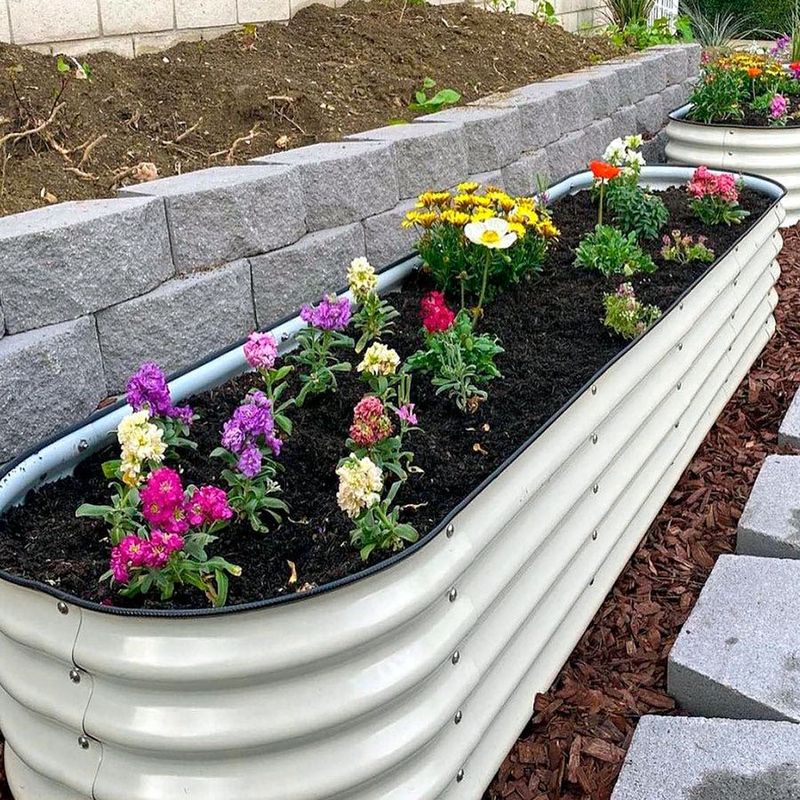
Metal frames sidestep that concern entirely. Galvanized steel is coated to resist rust and moisture.
Aluminum naturally resists corrosion without any coating at all. Neither material rots, softens, or loses structural strength from contact with damp soil.
In Arizona, where monsoon season brings sudden heavy rain, soil near bed walls can stay wet for days. A metal frame handles that moisture without any breakdown.
Your Arizona Garden Changes Every Week. Your Plan Should Too.
Gardening in Arizona changes quickly throughout the season. Every Friday you’ll receive a simple weekly plan showing exactly what to plant, prune, fertilize, harvest, and protect so you never miss the right timing.
3. Termites Cannot Feed On The Metal Bed Itself
Termites are a genuine concern for outdoor wood structures in the Southwest. Subterranean species are common across much of the region, and they actively seek out wood that sits close to soil.
A wooden raised bed is practically an invitation.
Subterranean termites travel through soil and enter wood from below. Raised bed frames that sit directly on the ground are especially exposed.
By the time visible damage shows up, the internal structure may already be significantly compromised.
Catching termite damage early is difficult. The insects work from the inside out, hollowing wood while leaving the surface intact.
A bed frame can look fine and still be structurally weak underneath.
Metal gives termites nothing to work with. Steel and aluminum are not food sources.
Termites will not tunnel through or nest inside a metal frame. The material itself simply does not support their survival or colony growth.
Gardeners in termite-prone areas of Arizona have found this to be one of the clearest practical advantages of metal beds. Replacing a wooden frame that termites have damaged is a frustrating and avoidable expense.
4. Metal Beds Need Less Structural Upkeep Over Time
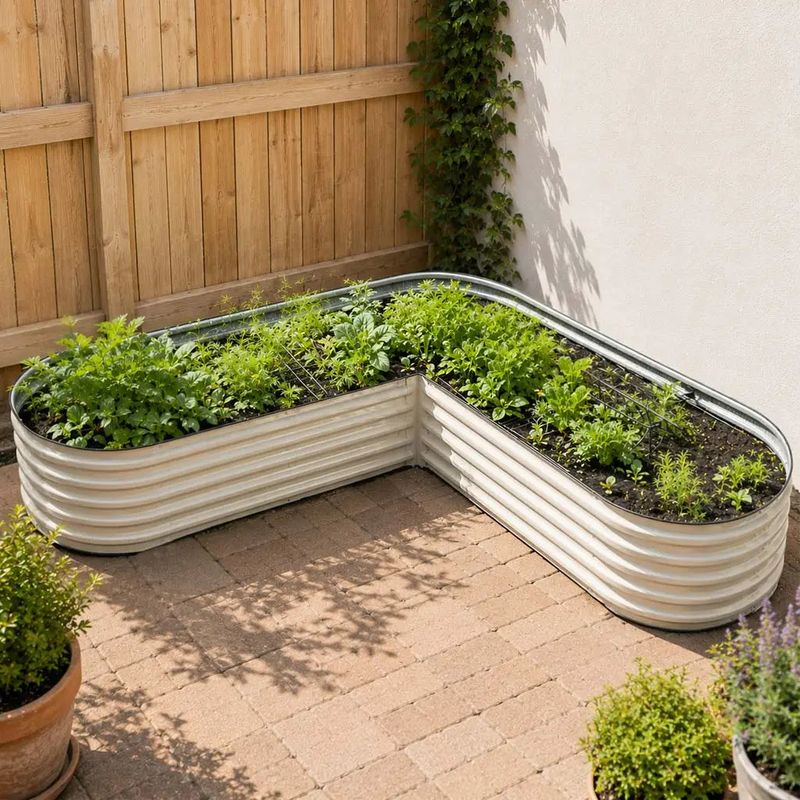
Maintenance is one of the hidden costs of wooden raised beds. Sealing, staining, replacing boards, and re-securing loose corners all take time and money.
Over several years, those small tasks add up more than most people expect when they first build a bed.
Wood requires active protection to hold up outdoors. Sealants wear off and need reapplication.
Boards that crack or soften need swapping out. Screws and hardware rust or back out of softened wood and need replacing.
Metal frames shift that equation significantly. Galvanized steel does not need painting or sealing to maintain its shape.
Aluminum does not rust at all under normal conditions. Both materials hold their form without seasonal attention.
Checking for loose bolts or connections once a season is still a reasonable habit with metal beds. No outdoor structure is completely maintenance-free.
But the frequency and effort involved is far lower compared to wood in a hot, dry climate.
Gardeners who manage multiple beds especially notice the difference. Spending less time fixing frames means more time focused on soil, planting, and harvesting.
Over a five to ten year period, a metal bed often costs less in total upkeep than a wooden one, even if the initial price is similar or slightly higher.
5. Strong Sun Can Make Exposed Metal Very Hot
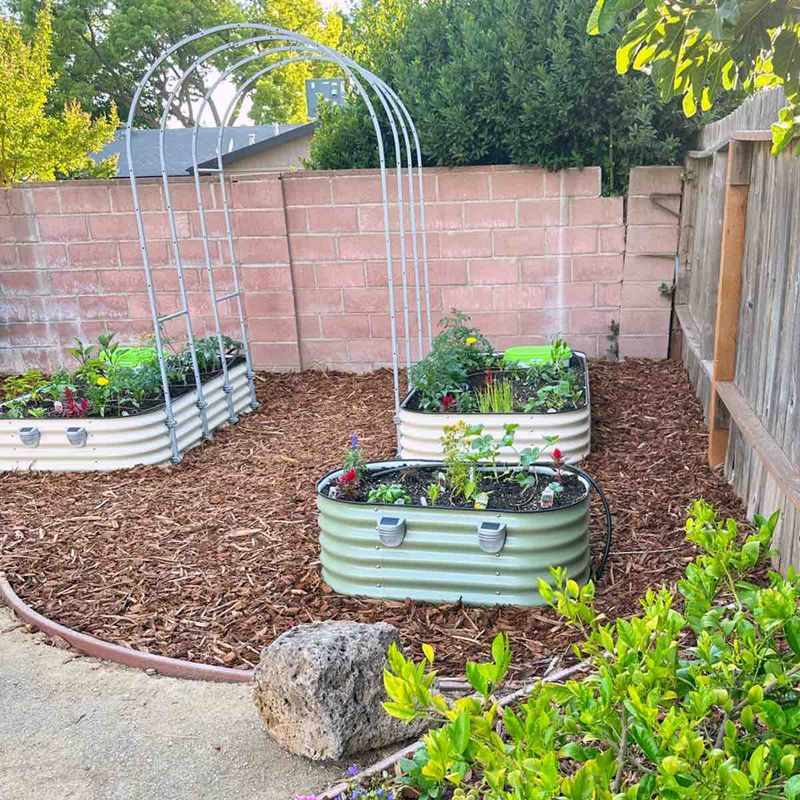
Metal absorbs heat quickly in direct sun, and that is a real factor worth thinking through before you build. A bare steel panel facing west can get extremely hot to the touch during afternoon hours in summer.
Touching it without protection is uncomfortable and potentially unsafe for skin.
Plants growing close to the inner wall of a metal bed can be affected by that heat. Root zones near the edges may experience higher soil temperatures than the center of the bed.
Shallow-rooted plants or seedlings positioned right against a hot metal wall may show stress in peak summer heat.
Lighter-colored metal beds reflect more sunlight and absorb less heat than darker ones. Choosing a lighter finish or a reflective galvanized surface can reduce how hot the walls get during the day.
Bed orientation also matters. Positioning a bed to minimize direct afternoon sun exposure on the long sides helps manage heat buildup.
Thick mulch inside the bed insulates the soil and slows temperature swings near the walls. Planting taller crops along the south and west sides can also shade the metal panels naturally during the hottest hours.
None of these steps make the issue disappear entirely, but they reduce it to a manageable level.
6. Soil Temperature Depends On More Than The Bed Material
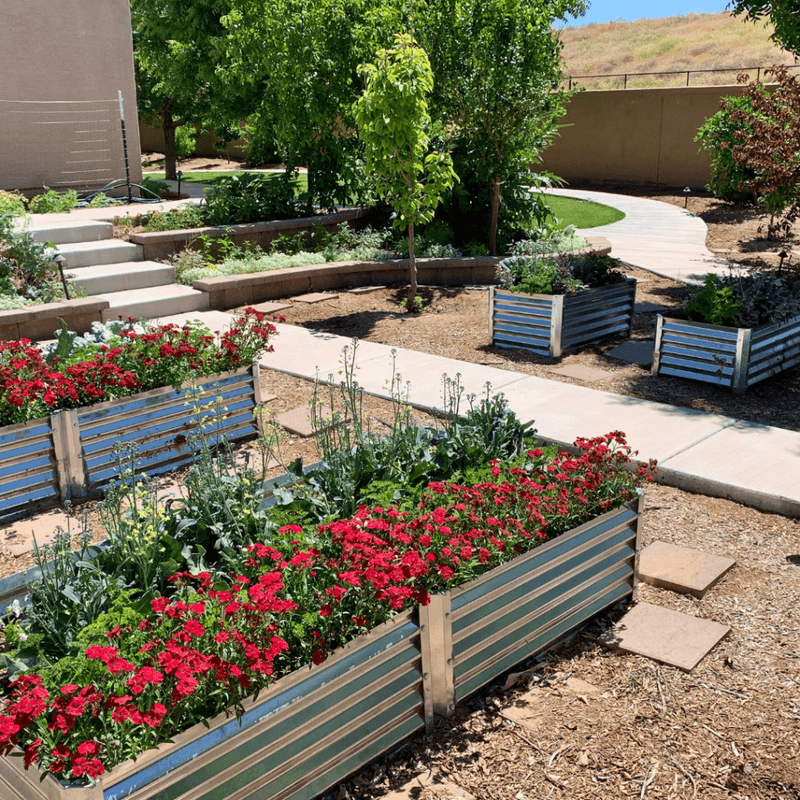
Bed material gets a lot of attention in gardening discussions, but soil temperature is shaped by several factors working together. Mulch depth, soil composition, plant coverage, watering frequency, and shade all play roles.
Focusing only on the frame misses the bigger picture.
Bare, dry soil heats up fast regardless of what holds it. A wooden bed with no mulch and no plant cover can reach high soil temperatures just as quickly as a metal one in the same conditions.
The frame is just one piece of the puzzle.
Organic mulch is one of the most effective tools for managing soil temperature in any raised bed. A layer of straw, wood chips, or shredded leaves slows heat absorption during the day and reduces how fast heat escapes at night.
Three to four inches of mulch makes a measurable difference.
Soil mix matters too. Dense, compacted soil heats unevenly and holds heat longer.
A looser mix with good compost content regulates temperature more consistently and holds moisture better, which also helps buffer temperature swings.
Watering in the early morning keeps soil cooler through the day compared to evening watering, which can leave moisture sitting in warm soil overnight. Small adjustments like these shape growing conditions more than most people realize.
7. Good Drainage Still Matters No Matter Which Bed You Choose
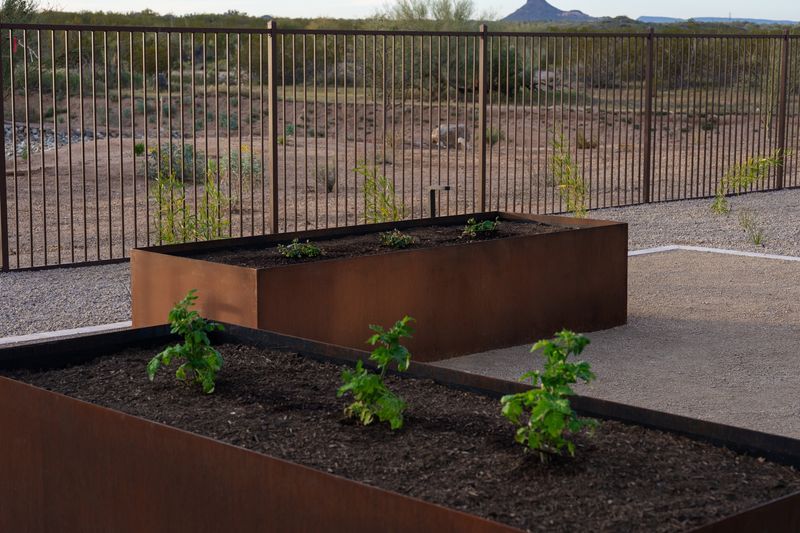
Switching from wood to metal does not automatically fix drainage problems. Poor drainage can affect any raised bed, regardless of what the frame is made of.
Roots sitting in waterlogged soil struggle to access oxygen and are more vulnerable to fungal issues.
Drainage starts with what is underneath the bed. If a metal raised bed is placed on compacted clay or hardpan soil, water may pool at the base even if the bed itself is filled with quality mix.
Loosening the ground beneath or adding a gravel layer can help water move through more freely.
The soil mix inside the bed matters just as much. A mix heavy in clay or fine particles drains slowly.
A blend with compost, coarse sand, and perlite or pumice drains better and allows roots to spread more easily. Many gardeners in the desert use a mix specifically designed for raised beds rather than native soil.
Monsoon season in Arizona brings heavy rainfall in short bursts. A bed without good internal drainage can become saturated quickly.
Raised beds have a natural advantage over in-ground planting because water can exit from the bottom, but only if the base is not blocked.