This Is What Pennsylvania Blueberries Need In June For Better Berry Production
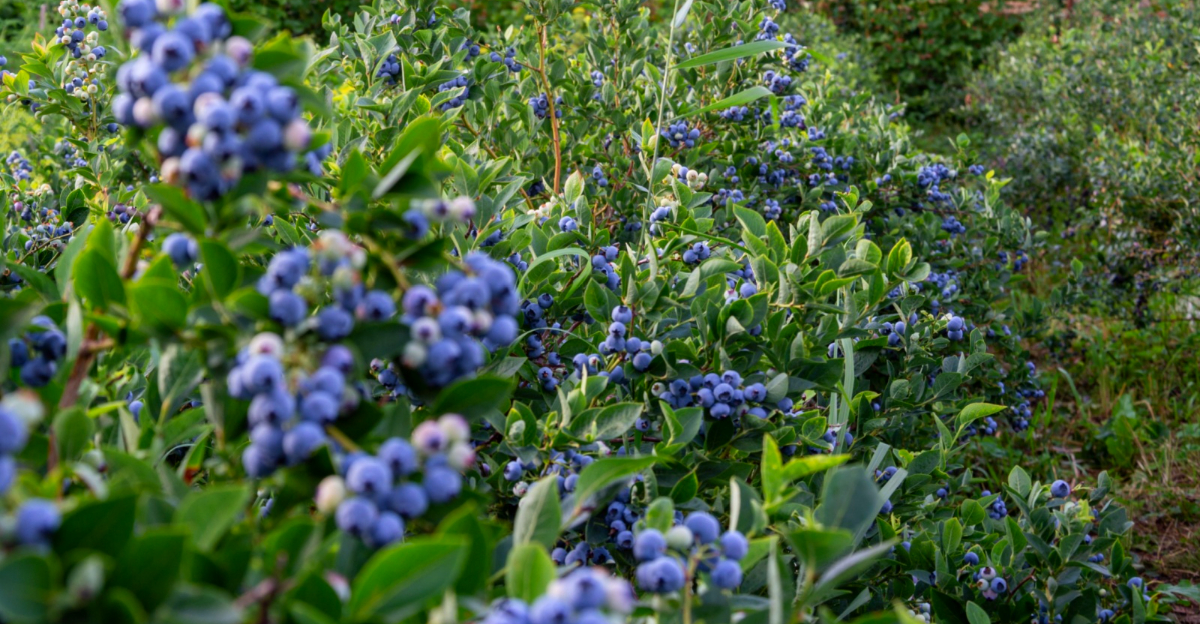
If blueberries are growing somewhere in your Pennsylvania yard, June is the month that really counts.
The berries are sizing up, the birds have absolutely noticed, and everything happening below the surface right now is quietly deciding how good your harvest is going to be.
Blueberries are not especially complicated to grow, but they do have opinions.
Soil pH, consistent moisture, the right mulch, and a little pest awareness all feed into the final result, and June is when those details start showing up in the fruit.
Skip the right care this month and the berries will let you know about it. Stay on top of a few key tasks though, and a backyard blueberry planting in Pennsylvania can be genuinely impressive.
The birds are already paying attention. It might be time you did too.
1. Steady Moisture During Berry Fill
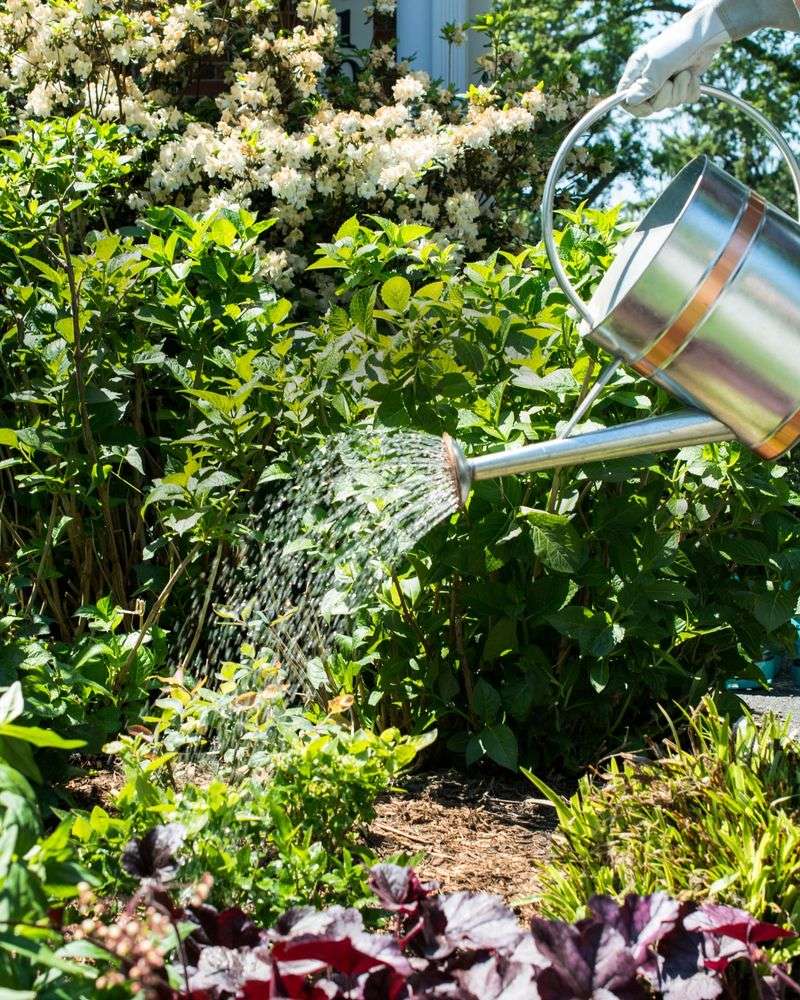
June is when blueberry fruits are actively swelling, and moisture levels in the soil can directly influence how well that process goes. Blueberry roots sit close to the soil surface, which means they respond quickly to dry conditions.
When rain is inconsistent, as it often is across Pennsylvania during early summer, those shallow roots can run short on water right when the berries need it most.
Aim to keep the soil consistently moist but not waterlogged. A general guideline for home blueberry plantings is around one to two inches of water per week during berry fill, accounting for any rainfall that comes through.
Checking the soil a few inches down can give you a better sense of whether the root zone is actually getting enough moisture or just looks damp on the surface.
Dry spells in June can lead to smaller berries or uneven ripening, so monitoring soil moisture regularly is worthwhile. Pennsylvania summers can shift quickly from wet to dry, sometimes within the same week.
Using a simple soil moisture meter or checking by hand every few days can help you stay ahead of dry stretches.
Consistent moisture during this window supports better berry development without overcomplicating the care routine for home gardeners.
2. Soaker Or Drip Irrigation Under Mulch
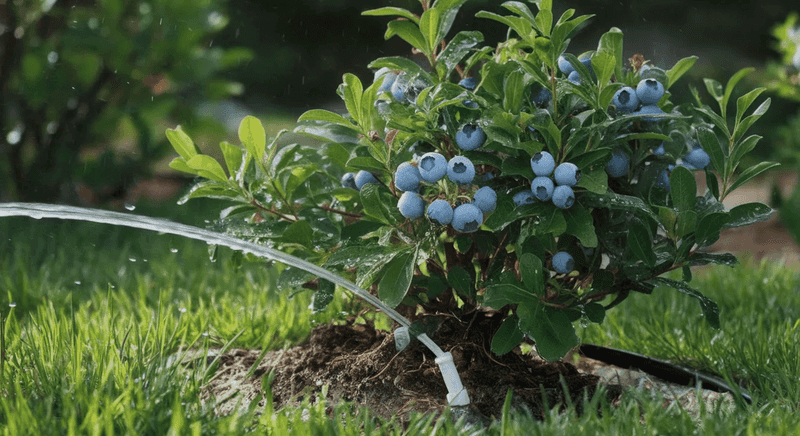
Getting water directly to the root zone is one of the most practical improvements a Pennsylvania home gardener can make for blueberry care.
Overhead watering with a sprinkler can wet the foliage and fruit, which creates conditions that may encourage fungal issues during warm, humid June weather.
Soaker hoses and drip irrigation lines solve this by delivering moisture right where the roots can use it.
Running a soaker hose or drip line under your mulch layer is especially effective for blueberries. The mulch slows evaporation, so the water released near the soil surface stays available longer.
This setup works well even during short dry spells because the moisture is concentrated in the shallow root zone where blueberry plants rely on it most during fruit development.
Setting up a basic soaker hose system does not require a lot of equipment or technical skill. A timer can make the process even easier, allowing the system to run during cooler morning hours when evaporation is lower.
Your Pennsylvania Garden Changes Every Week. Your Plan Should Too.
Gardening in Pennsylvania changes quickly throughout the season. Every Friday you’ll receive a simple weekly plan showing exactly what to plant, prune, fertilize, harvest, and protect so you never miss the right timing.
For Pennsylvania gardeners managing multiple blueberry bushes across a raised bed or small fruit planting, a drip or soaker setup can save time and reduce water waste compared to hand watering.
Even a modest setup can improve moisture consistency throughout June.
3. Fresh Organic Mulch Around Shallow Roots
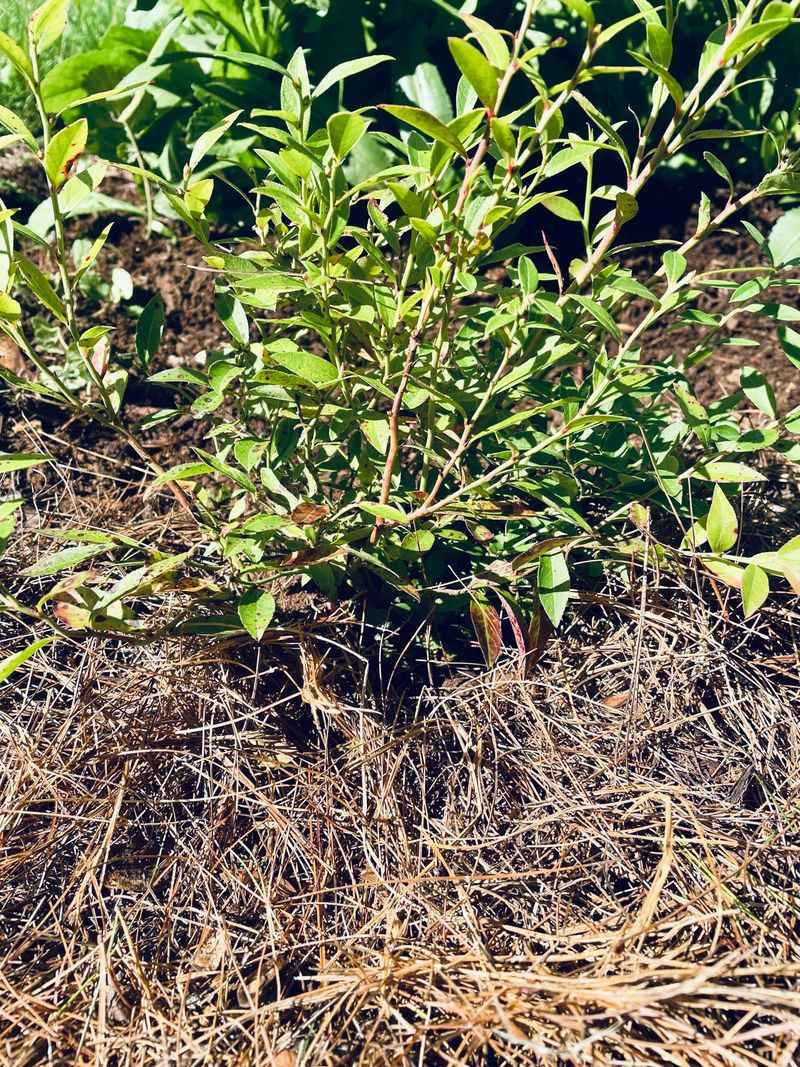
Blueberry roots are notoriously shallow, spreading out just a few inches below the soil surface rather than reaching deep into the ground. That shallow root system makes mulch one of the most valuable tools in a Pennsylvania blueberry grower’s toolkit.
A fresh layer of organic mulch in June helps regulate soil temperature, slow moisture loss, and reduce weed pressure all at once.
Wood chips, pine bark, and pine needle mulch are popular choices for blueberries because they tend to break down in a way that supports the slightly acidic soil conditions these plants prefer.
Applying a layer around three to four inches deep, kept a few inches back from the main stem, gives the root zone solid protection through the warmer months ahead.
If mulch from earlier in the season has broken down or thinned out, June is a good time to refresh it.
Fresh mulch also moderates soil temperature, which matters during Pennsylvania’s transition from mild spring weather into the heat of summer. Cooler soil temperatures near the root zone can support healthier root function during berry fill.
Gardeners with raised beds or edible landscape plantings often find that topping off mulch in early June makes a noticeable difference in how their blueberry plants hold up through dry or hot stretches later in the season.
4. Weed Control Near The Blueberry Root Zone
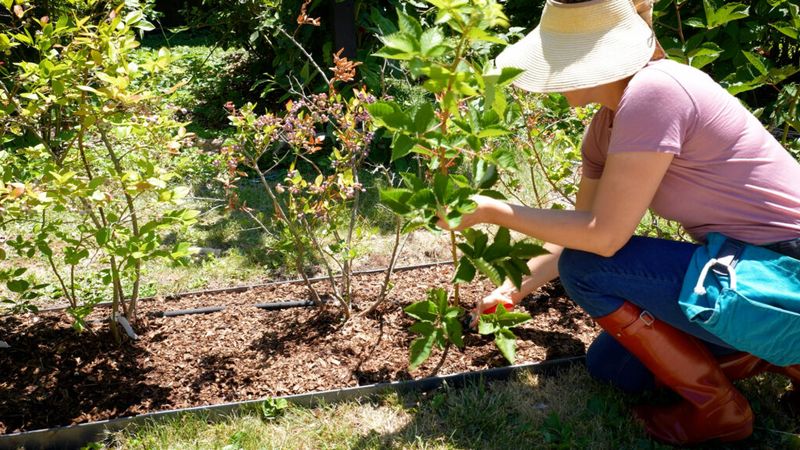
Weeds grow fast in June, and they are not just unsightly around blueberry bushes. They compete directly for the water and nutrients that blueberry roots need during one of the most active periods of berry development.
Because blueberry roots stay shallow, they share the same upper soil layer where many common weeds establish themselves, which makes the competition more direct than it might be for deeper-rooted plants.
Hand-pulling weeds near blueberry plants is generally safer than using a hoe or cultivator, which can disturb shallow roots and cause unintended damage.
Working carefully around the base of each bush and pulling weeds before they set seed reduces future weed pressure without putting roots at risk.
Doing a quick check every week or two throughout June can keep weed growth from getting ahead of you.
A solid mulch layer is one of the best preventive measures against weeds in a blueberry planting. When mulch is thick enough, it blocks light and makes it harder for weed seeds to germinate near the root zone.
Pennsylvania gardens that combine fresh mulch with occasional hand-weeding tend to see less overall weed pressure through the summer months.
Staying consistent with weed removal in June, before the weeds have a chance to fully establish, is much easier than managing a heavily overgrown planting later in the season.
5. Acidic Soil Conditions
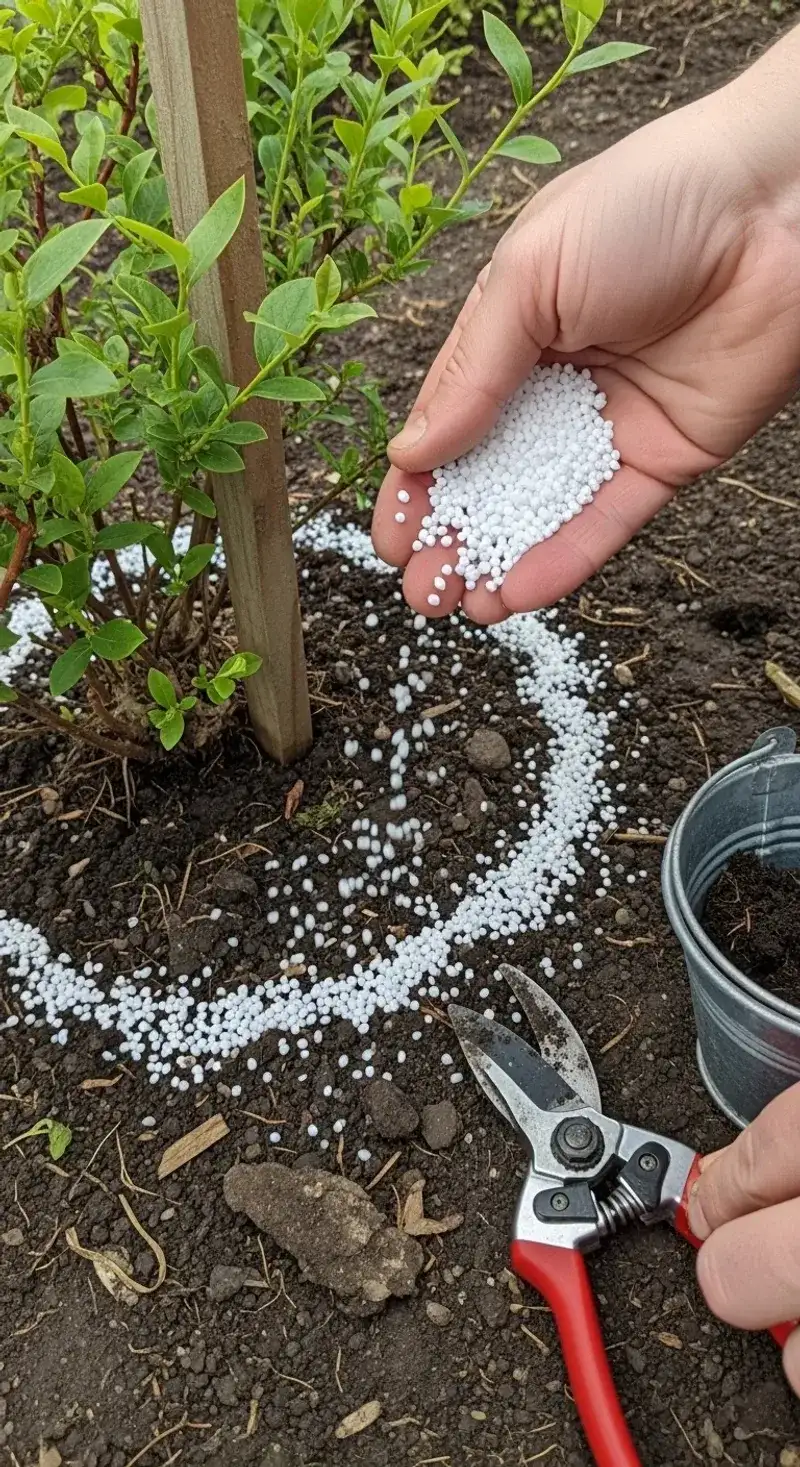
Few plants are as particular about soil chemistry as blueberries. They perform best in soil with a pH somewhere between 4.5 and 5.5, which is significantly more acidic than what most garden plants prefer.
In Pennsylvania, native soil pH can vary widely depending on the region, and many home gardens have soil that leans too alkaline for blueberries to thrive without some adjustment.
June is a good time to check in on your soil pH if you have not done so recently. Soil testing kits are widely available and give a reasonable picture of where your soil stands.
If the pH has drifted above the preferred range, elemental sulfur is a common amendment used to gradually bring it down, though adjustments take time and should be approached carefully to avoid over-correcting.
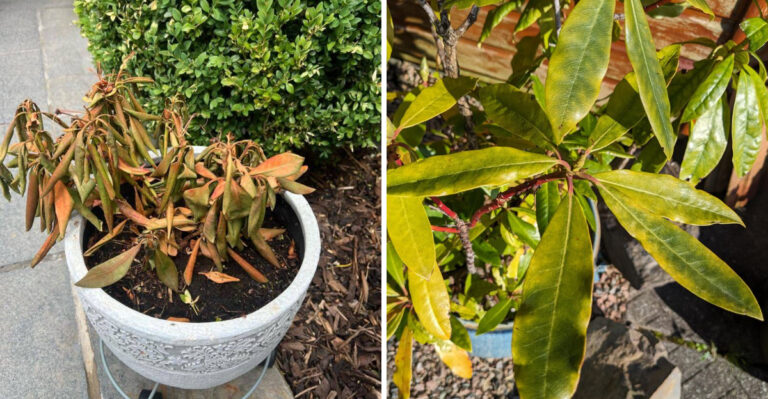
Signs that soil pH may be off include yellowing leaves, particularly between the veins, and slower-than-expected plant growth. These symptoms can appear even when watering and mulching seem adequate.
Blueberries planted in soil that is too alkaline may struggle to absorb nutrients, which can affect both plant health and berry production over time.
For Pennsylvania gardeners who have invested in blueberry plants, keeping up with soil pH monitoring is one of the more straightforward ways to support long-term productivity from their planting.
6. Bird Protection As Berries Start Coloring
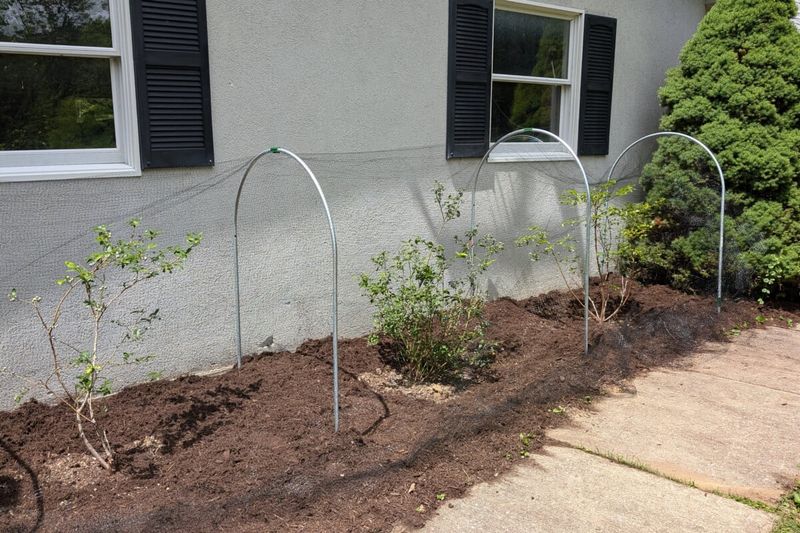
Birds have a remarkable ability to find ripening berries before most gardeners even notice the color change beginning.
In Pennsylvania, robins, starlings, cedar waxwings, and other fruit-eating birds can move through a blueberry planting quickly once the fruit starts turning from green to blue.
For a home gardener with a modest number of bushes, that kind of attention from wildlife can strip a significant portion of the crop in a short time.
Bird netting is one of the most straightforward solutions for protecting ripening fruit.
Draping lightweight netting over the bushes and securing it at the base keeps birds from reaching the berries while still allowing air circulation and some light to pass through.
Setting up netting before the berries fully color, rather than waiting until birds are already visiting, tends to be more effective.
Some gardeners use reflective tape, scare devices, or decoy predators near their blueberry plantings, and these can offer some deterrence, though results vary. Netting remains the most reliable physical barrier for small home plantings.
In Pennsylvania, June often marks the beginning of early-ripening variety harvests.
So keeping an eye on berry color and having netting ready to deploy is a practical part of the June care routine for anyone hoping to actually enjoy the fruit they have been tending all season.
7. Regular Checks For Fruit Pests
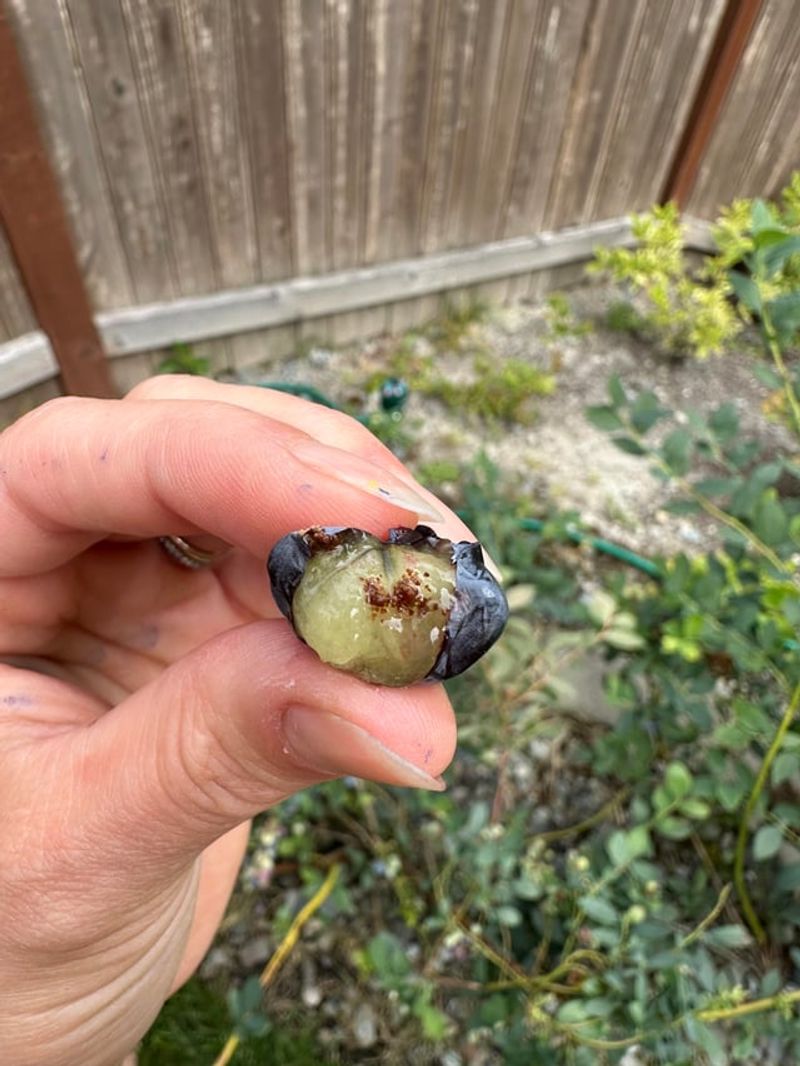
Spotted wing drosophila is one pest that Pennsylvania blueberry growers should be aware of during June. Unlike many fruit flies that target overripe or damaged fruit, this species can lay eggs in ripening berries that still appear healthy from the outside.
The larvae develop inside the fruit, which affects quality and makes early detection important for home gardeners who want to protect their harvest.
Walking through your blueberry planting every week or so and looking closely at the fruit and foliage is a simple but effective monitoring habit.
Soft spots, sunken areas, or small puncture marks on otherwise firm berries can be signs that something has moved in.
Checking the undersides of leaves for blueberry maggot fly damage or signs of aphid colonies is also worthwhile during warm June weather.
For home-scale plantings, physical barriers like fine mesh netting can reduce pest access to ripening fruit. Keeping the area around blueberry bushes clean of fallen or overripe fruit removes habitat that can attract additional pests.
Pennsylvania’s warm and humid June conditions can encourage pest activity, so staying observant is more useful than waiting until visible damage has already spread through the planting.
Early identification gives gardeners more options for managing a problem before it affects a large portion of the berry crop.
8. Good Drainage Along With Moist Soil
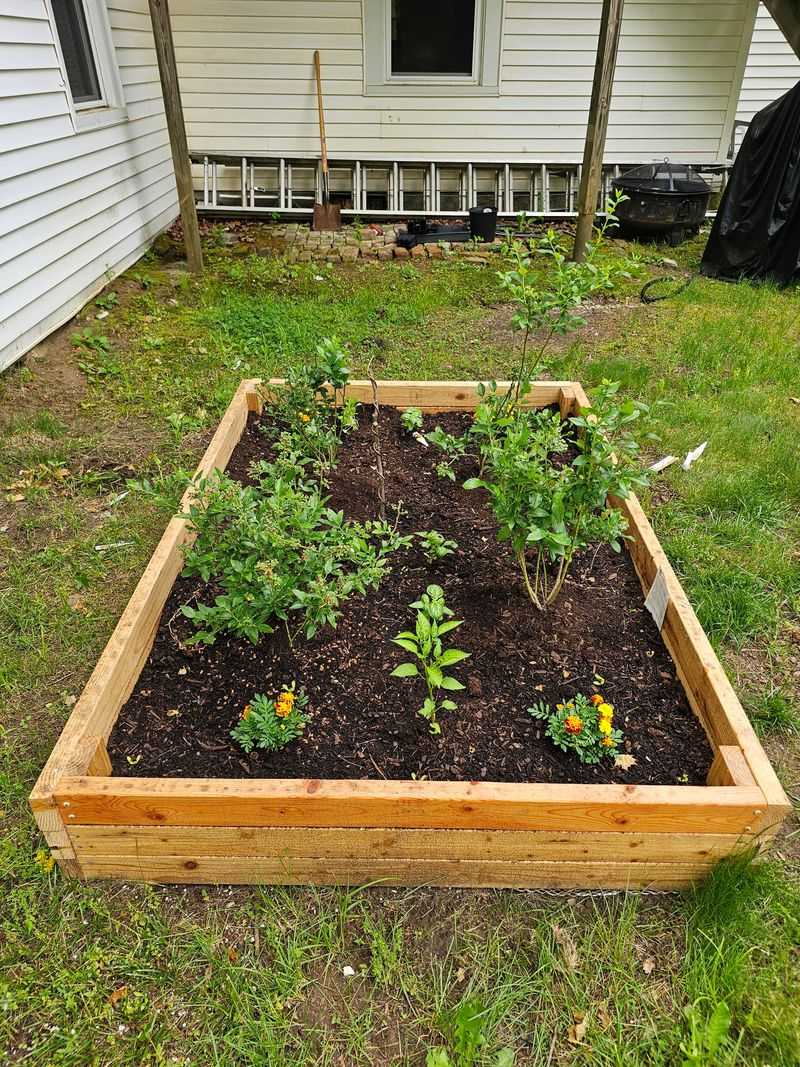
Blueberries have a bit of a contradictory reputation when it comes to water. They need consistent moisture during berry fill, but they do not tolerate standing water around their roots for extended periods.
Poorly drained soil can create conditions where roots are deprived of oxygen, which weakens the plant over time and can reduce productivity. Finding the balance between moist and waterlogged is one of the more nuanced parts of blueberry care in Pennsylvania.
Well-drained soil that still retains adequate moisture is the goal. Adding organic matter like compost or aged wood chips to the planting area over time can improve soil structure and drainage in heavier clay soils, which are common in parts of Pennsylvania.
Raised beds are a practical option for gardeners dealing with poor drainage, as they allow better control over the soil mix and drainage characteristics from the start.
After heavy June rain events, checking the planting area for standing water or saturated soil that lingers for more than a day is a useful habit.
Blueberry plantings that show yellowing foliage, stunted growth, or poor fruit development despite adequate watering may be dealing with drainage issues rather than moisture shortages.
Addressing drainage problems, even partially, can improve the overall health of the planting and support better berry production through the rest of the growing season in Pennsylvania.